
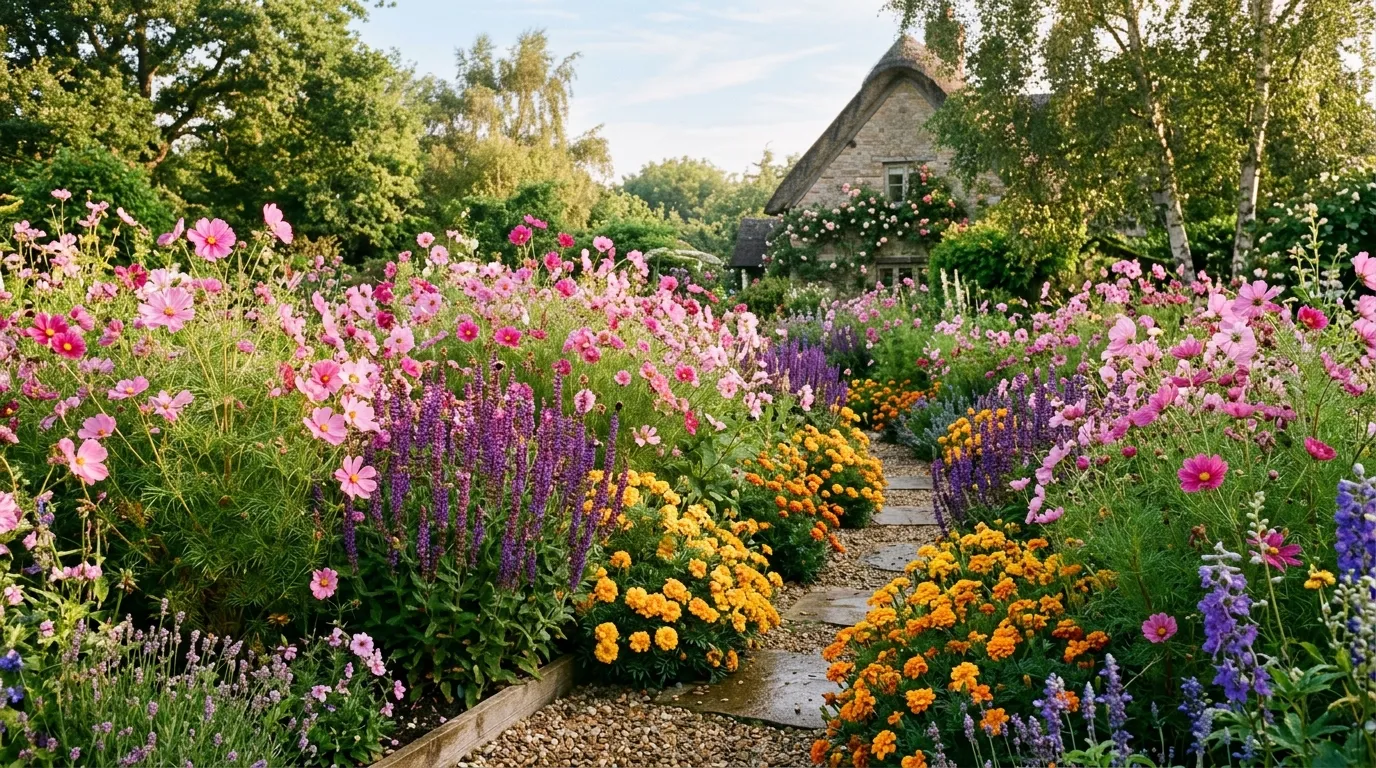
Ever walked past a garden so beautiful it stopped you mid-step? The kind bursting with color, buzzing with bees, and looking effortlessly wild yet perfectly composed? That garden didn’t happen by accident – and yours can look just like it, even if you’re starting with nothing but bare dirt.
Whether you have a full backyard or a single sunny corner, here’s exactly how to build a flower garden that looks like it belongs on a magazine cover.
1. Choose the Right Spot First
Before you buy a single seed, scope out your space.
- Pick a spot that gets 6+ hours of sunlight for most flowering plants
- Avoid low areas where water pools after rain
- Stay a few feet away from tree roots, which compete for nutrients
Getting the location right sets the foundation for everything else – no amount of pretty flowers can fix bad sunlight.
2. Prep the Soil Like a Pro
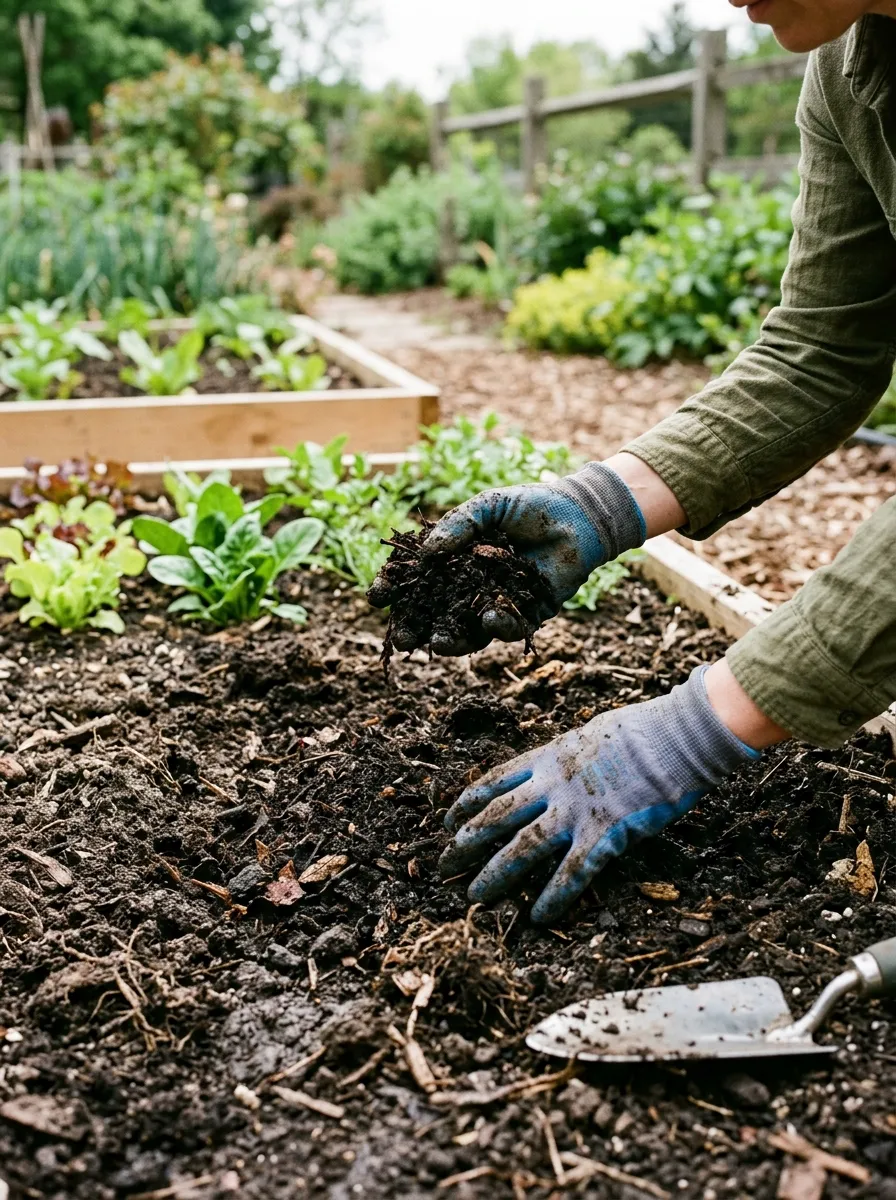
Healthy soil equals healthy blooms. Skipping this step is the #1 reason gardens fail.
- Remove grass, weeds, and rocks from the area
- Loosen the soil at least 8–10 inches deep
- Mix in compost or aged manure to boost nutrients
- Test your soil pH if you want serious results (most flowers love 6.0–7.0)
Think of this as making the bed before guests arrive – it’s not glamorous, but it makes everything else work better.
3. Design with a Plan, Not Just Impulse Buys
It’s tempting to grab every pretty flower at the nursery, but a little planning goes a long way.
- Sketch a rough layout – even a simple circle or rectangle works
- Group plants by height: tall in back, medium in middle, short in front
- Choose a color scheme (2–3 main colors) to keep things cohesive
- Mix bloom times so something is always flowering spring through fall
A well-planned garden feels intentional, not chaotic – even if it looks wonderfully wild.
4. Pick a Mix of Flower Types
Variety is what makes a garden feel full and professional.
- Anchor plants: peonies, hydrangeas, or ornamental grasses for structure
- Filler flowers: cosmos, zinnias, or coneflowers for volume and color
- Trailing or edging plants: alyssum or creeping phlox to soften borders
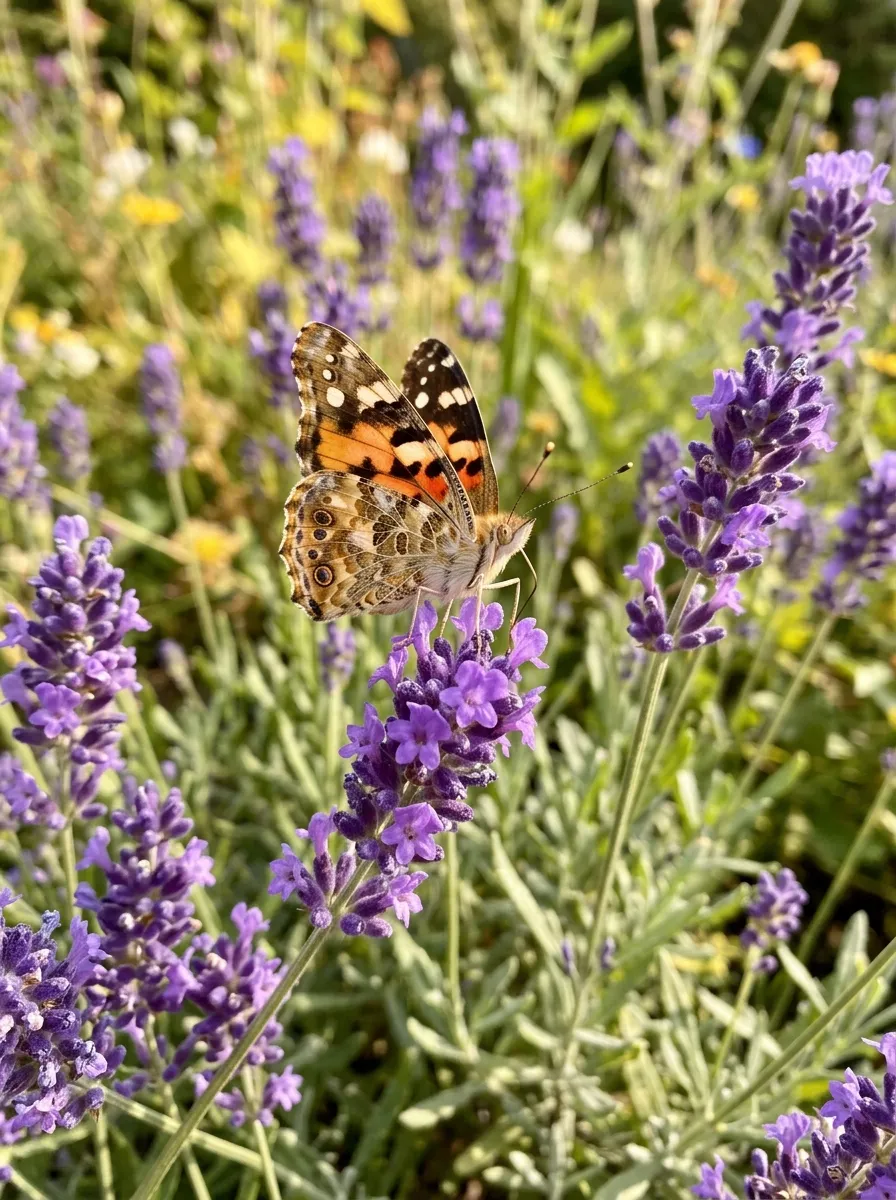
- Pollinator favorites: lavender, salvia, and bee balm to invite butterflies and bees
Layering different textures and shapes is what separates a “nice” garden from a “wow” garden.
5. Plant with Spacing in Mind
It’s tempting to cram flowers close together for instant fullness, but overcrowding can lead to disease, poor air circulation, and weak blooms.
- Follow spacing guidelines on plant tags—they’re there for a reason.
- Remember that plants will grow wider, not just taller.
- Leave small gaps between plants; they’ll fill in naturally within a season.
Patience now means a healthier, fuller garden later. If you’re also planning to improve your home’s entrance, explore these front yard garden design ideas for creating a beautiful, welcoming outdoor space.
6. Add Structure with Edging and Mulch
This is the step most beginners skip – and it’s the one that makes a garden look polished.
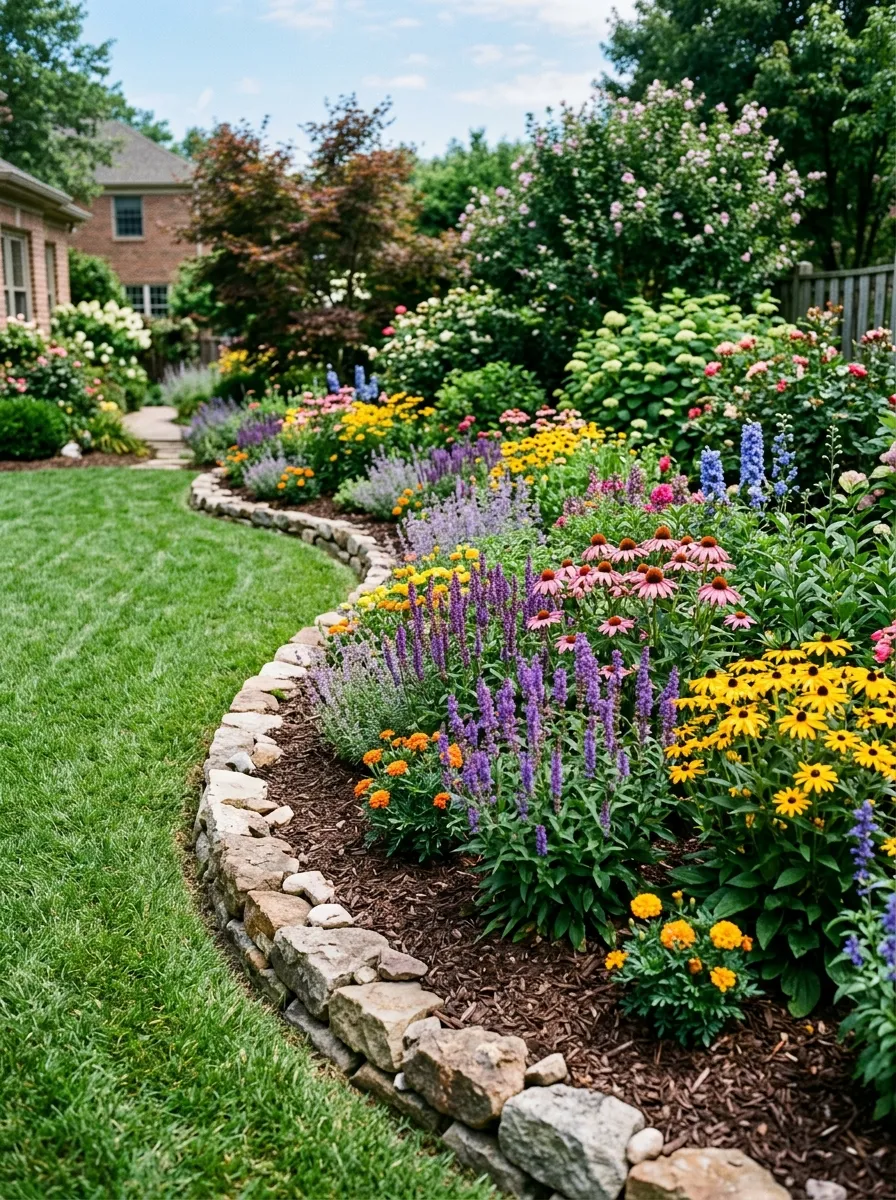
- Use edging (stone, brick, or metal) to define clean borders
- Apply 2–3 inches of mulch to retain moisture and block weeds
- Choose a mulch color that complements your flowers (dark mulch makes blooms pop)
Edging and mulch instantly make a garden look intentional and well-cared-for.
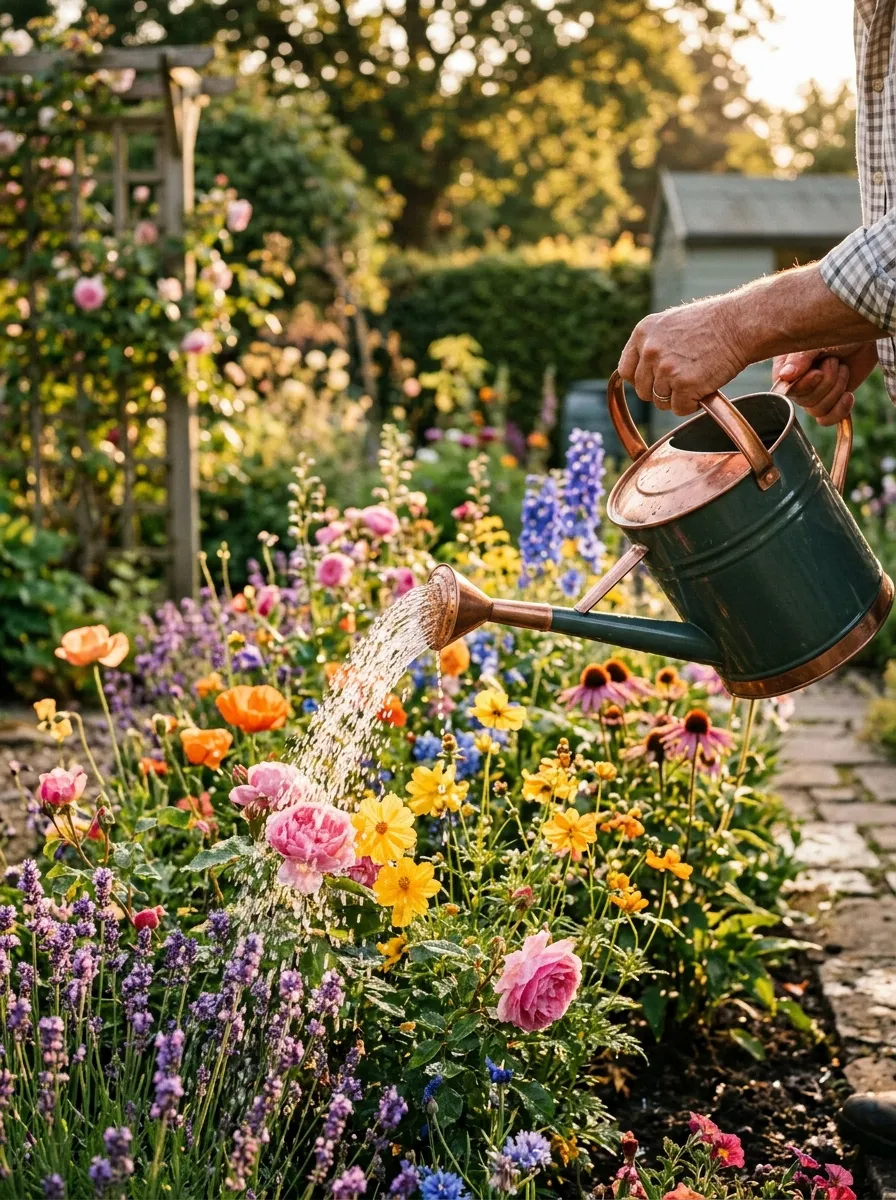
7. Water and Feed Consistently
Even the prettiest layout will struggle without the right care routine.
- Water deeply 1–2 times a week rather than a little every day
- Water at the base of plants, not the leaves, to prevent disease
- Feed with a balanced fertilizer every 4–6 weeks during growing season
- Deadhead spent blooms to encourage new flowers
Consistency here is what keeps your garden looking magazine-worthy all season long.
Final Thoughts: From Bare Dirt to Breathtaking
A stunning flower garden isn’t about luck or a magic green thumb – it’s about smart planning, healthy soil, and thoughtful plant choices. Start small if you need to, choose flowers you genuinely love, and let your garden evolve season by season.
Before you know it, you’ll have the kind of garden that makes people stop and stare.