
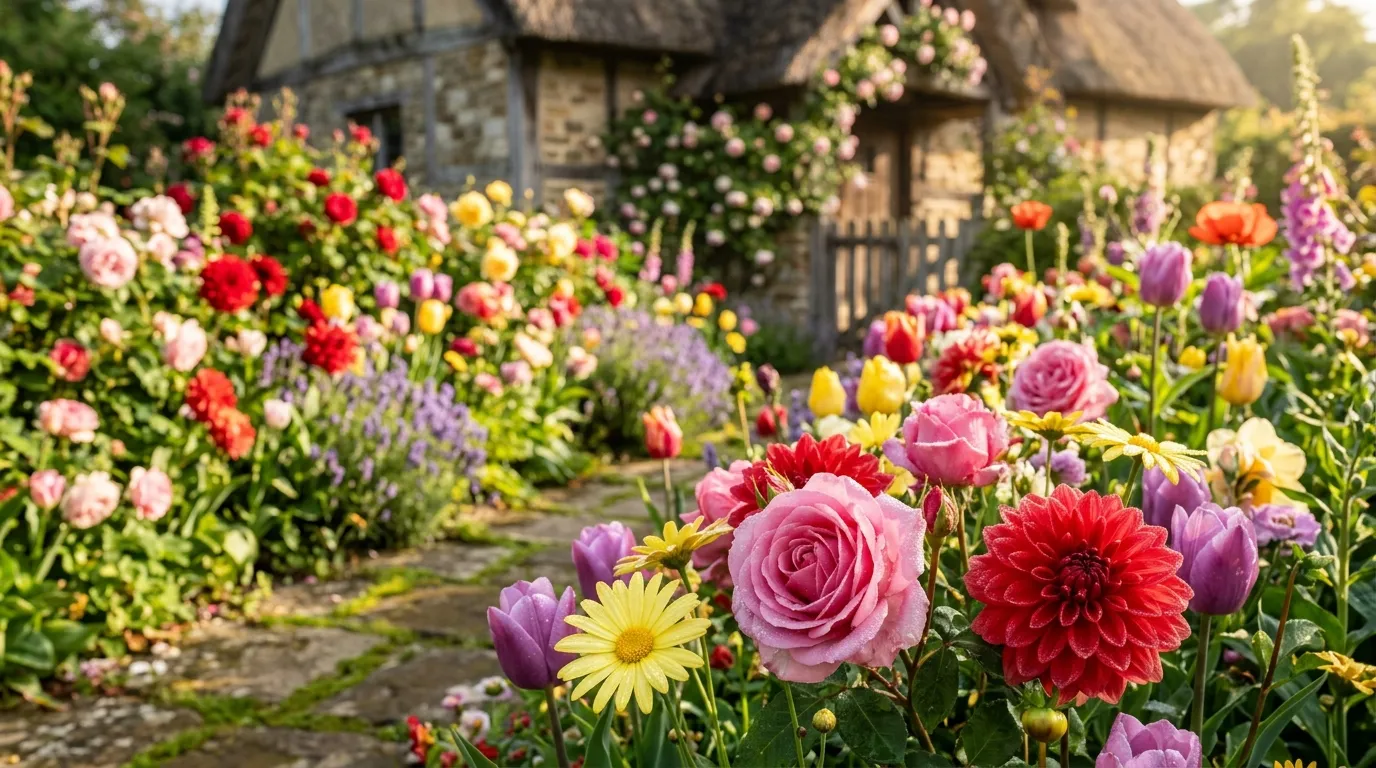
Choosing the right flowers can turn a plain yard into a place people want to linger in. Whether you’re planting a first flower bed, filling gaps in a border, or looking for cut flowers for your kitchen table, the sheer number of options can feel like a lot. This list breaks down 100 flower names and varieties, from cottage-garden classics to easy-care perennials, so you can pick blooms that match your climate, your budget, and how much time you actually want to spend outside. Every entry comes with a simple, practical tip you can use right away no gardening degree required.
1. Classic Red Roses
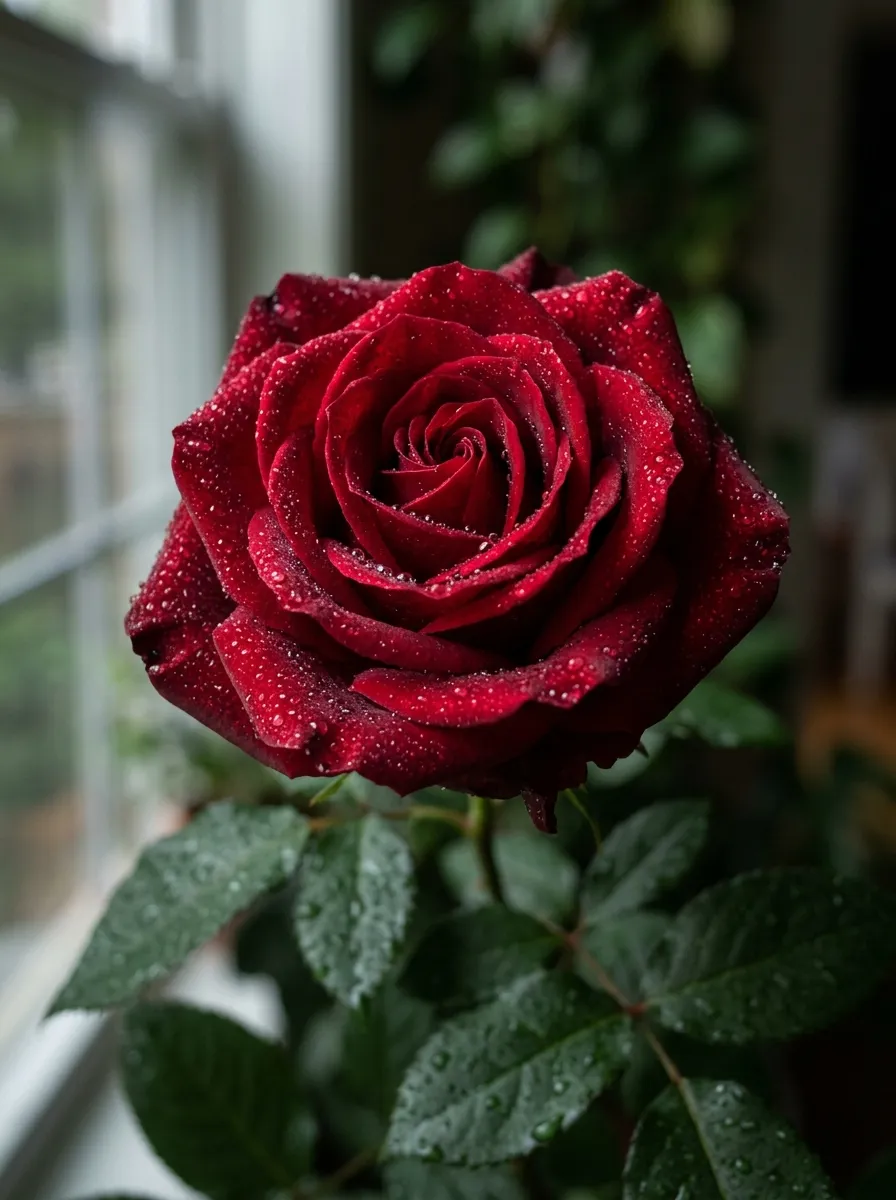
Red roses are the flower most people picture first, and for good reason. They bloom for months once established and work in beds, containers, or along fences. Buy bare-root roses in late winter – they cost less than potted ones and settle in just as well. Plant them somewhere that gets at least six hours of sun. Water deeply once a week rather than a little every day; this trains roots to grow deep and handle dry spells. Skip pricey rose fertilizer at first – a scoop of compost in spring does the job. Prune in late winter, cutting stems back to an outward-facing bud. If black spot shows up on leaves, pick off affected foliage and improve airflow by spacing plants further apart next season. A single healthy rose bush can produce dozens of cut stems a year, so one plant goes a long way for bouquets.
2. Rainbow Tulip Mix
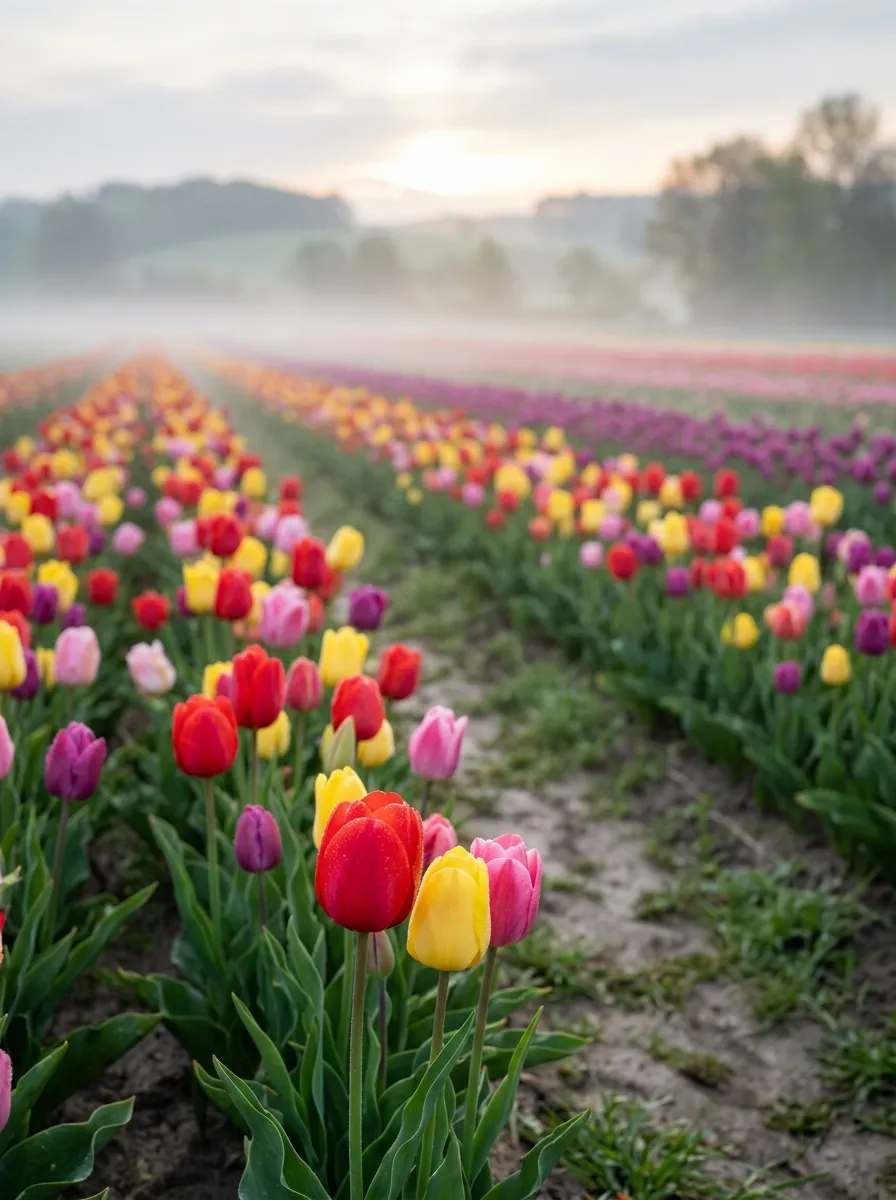
Tulips are one of the cheapest ways to get a big spring show. Buy bulbs in bulk in fall – mixed bags cost far less per bulb than named varieties. Plant them about 6 inches deep, pointy side up, in a spot with good drainage. Group them in clusters of ten or more instead of a single row; it reads as fuller and more natural. After blooming, let the leaves die back on their own before cutting them off – this feeds the bulb for next year. If squirrels dig up your bulbs, lay chicken wire over the soil until shoots appear. Tulips also grow well in pots on a balcony or patio, so you don’t need a yard to enjoy them. For cut flowers, pick them just as the color starts to show at the tip of the bud; they’ll keep opening indoors and last close to a week in a vase.
3. Cheerful Sunflowers

Sunflowers are a beginner-friendly flower because seeds are cheap and grow fast. A packet costs a few dollars and can fill an entire fence line. Plant seeds directly in the ground once the danger of frost has passed, about 1 inch deep. Choose a spot with full sun and give tall varieties something sturdy nearby, like a fence, so wind doesn’t knock them over. Water regularly while seedlings are small, then ease off once roots are established. Sunflowers also make a natural privacy screen for a patio or vegetable garden. Save seeds from the biggest heads at the end of the season to plant again next year for free. Kids enjoy growing these because the results are dramatic within weeks. If birds start eating the seeds before harvest, cover the flower heads loosely with mesh bags. A few sunflowers cut and placed in a mason jar make an instant, no-cost centerpiece.
4. Golden Daffodils
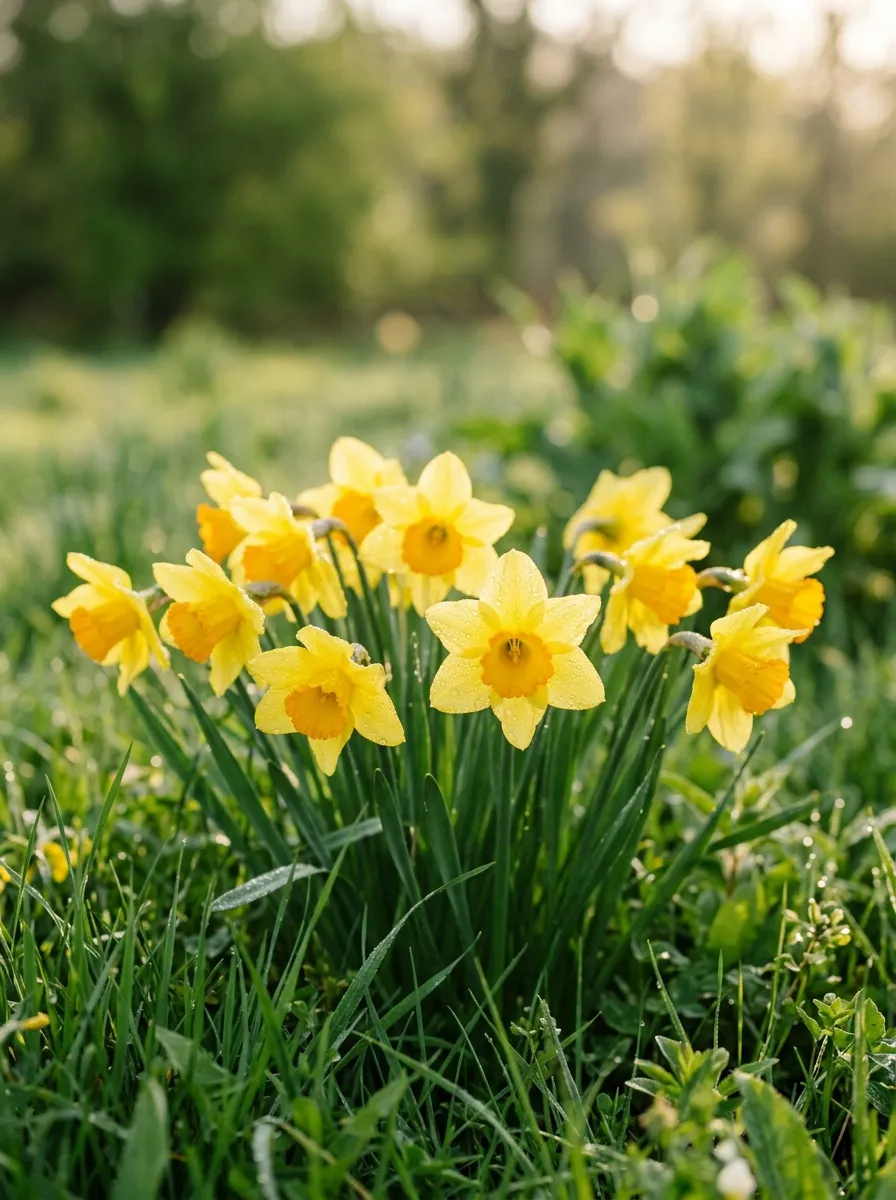
Daffodils come back every year without much effort, which makes them a smart, low-cost choice. Plant bulbs in fall, about 4 to 6 inches deep, in soil that drains well. They naturalize over time, meaning a small starter patch can spread into a much bigger show within a few years no extra buying needed. Deer and rodents tend to leave daffodils alone, so they’re a safe pick if wildlife usually eats your other plants. Skip watering once they’re established; rainfall is usually enough. After blooms fade, resist the urge to braid or cut the leaves – let them yellow naturally so the bulb stores energy. Buy bulbs on clearance in late fall for a fraction of the price. Daffodils also do well tucked under deciduous trees, since they finish blooming before the tree canopy fills in and blocks the light.
5. Marigold Border
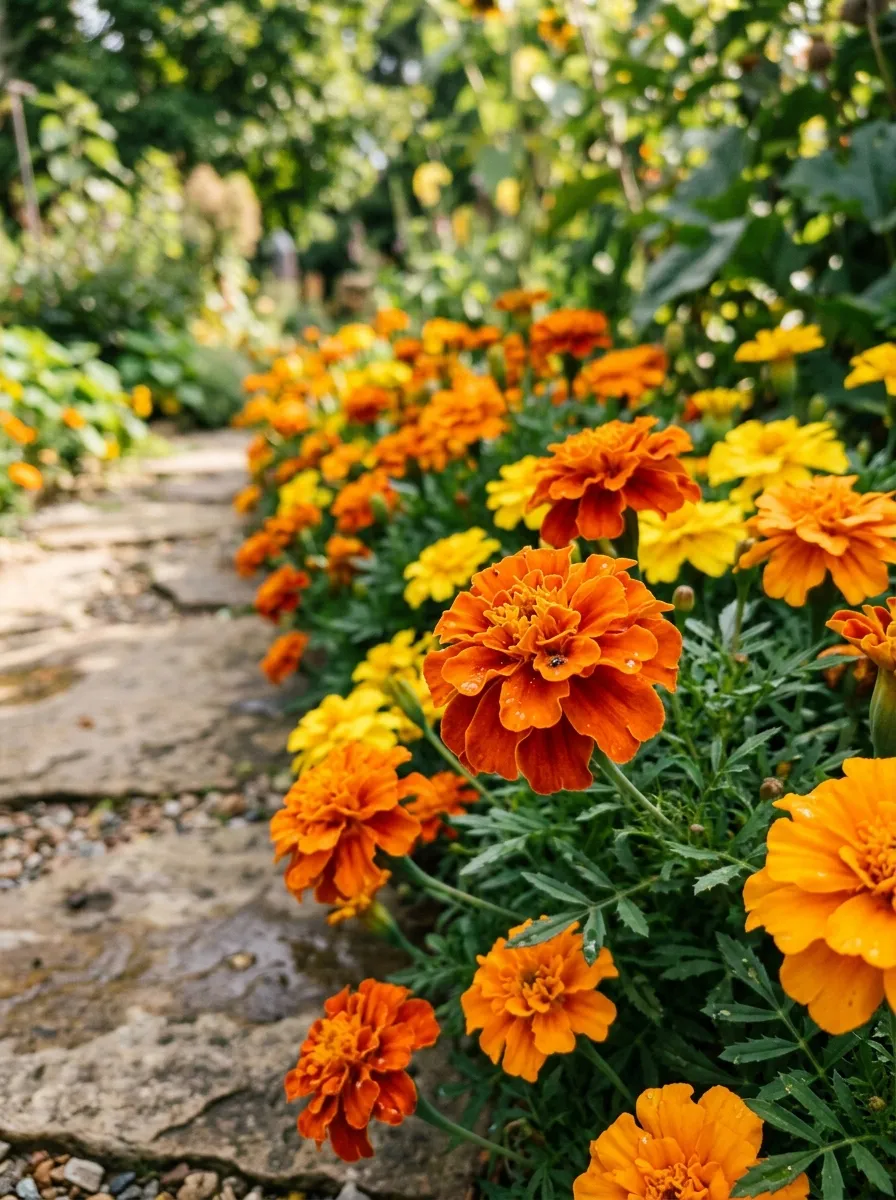
Marigolds are a garden workhorse. They bloom nonstop from planting until frost and cost very little to grow from seed. Scatter seeds directly in soil after the last frost, then thin seedlings to about 8 inches apart. Their strong scent is believed to keep some pests away from nearby vegetables, so tucking them along a garden bed border does double duty. Deadhead spent blooms with your fingers to keep new flowers coming. Marigolds tolerate poor soil and missed waterings better than most flowers, making them forgiving for beginners. They also grow well in containers by a doorstep or on a windowsill box. At the end of the season, let a few flower heads dry on the plant, then crumble them to collect free seeds for next year. A packet of marigold seeds can fill an entire border for less than the cost of one potted plant from a nursery.
6. Zinnia Cutting Garden
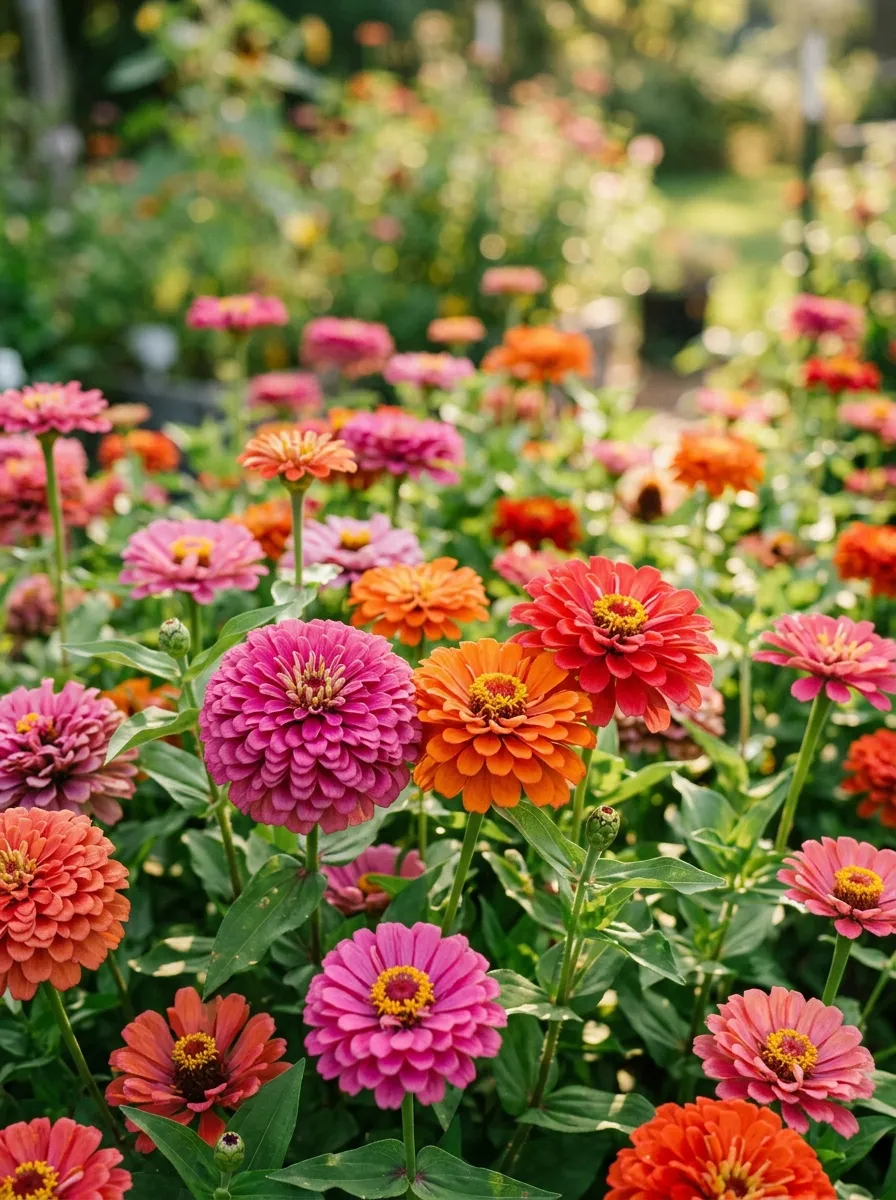
Zinnias exist almost entirely to be cut and brought indoors, which makes them ideal if you want fresh bouquets without buying flowers. Sow seeds directly in the ground after frost danger passes, spacing them 12 inches apart for strong airflow. The more you cut, the more they bloom, so don’t be shy with the scissors. Pick a spot with full sun and average soil; zinnias don’t need rich dirt to thrive. Water at the base rather than overhead to avoid powdery mildew on the leaves. A ten-foot row can supply a vase of flowers every week all summer. Mix tall and short varieties for a bouquet with natural texture. Save seed heads at season’s end by letting a few blooms dry completely on the stem, then store the seeds in a paper envelope. This one packet of seeds can supply cut flowers for an entire season at almost no cost.
7. Peony Blooms
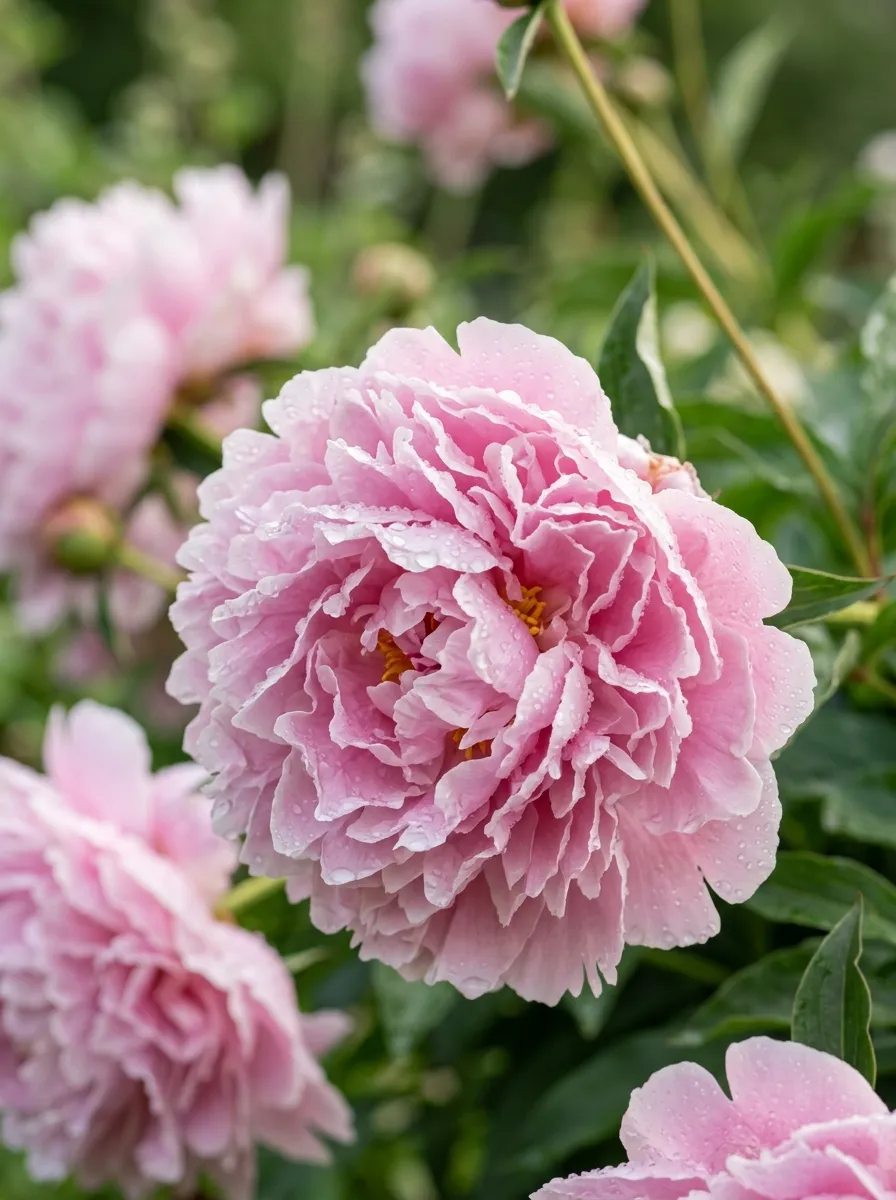
Peonies are a long-term investment that pays off for decades. A single root planted correctly can bloom every spring for 20 years or more. Buy bare-root peonies in fall, since they’re cheaper than potted spring plants. Plant the eyes (small pink buds on the root) no deeper than 2 inches below soil level – planting too deep is the most common reason peonies fail to bloom. Choose a sunny spot away from tree roots that might compete for water. Add a metal or wooden support ring early in spring before the stems get heavy with blooms. Ants on the buds are harmless; they’re drawn to sugar on the petals and don’t damage the plant. Cut flowers for bouquets when buds feel like a marshmallow, not hard as a pebble. Because they’re so long-lived, one peony plant can be divided years later and shared with a neighbor for free.
8. Dinner-Plate Dahlias
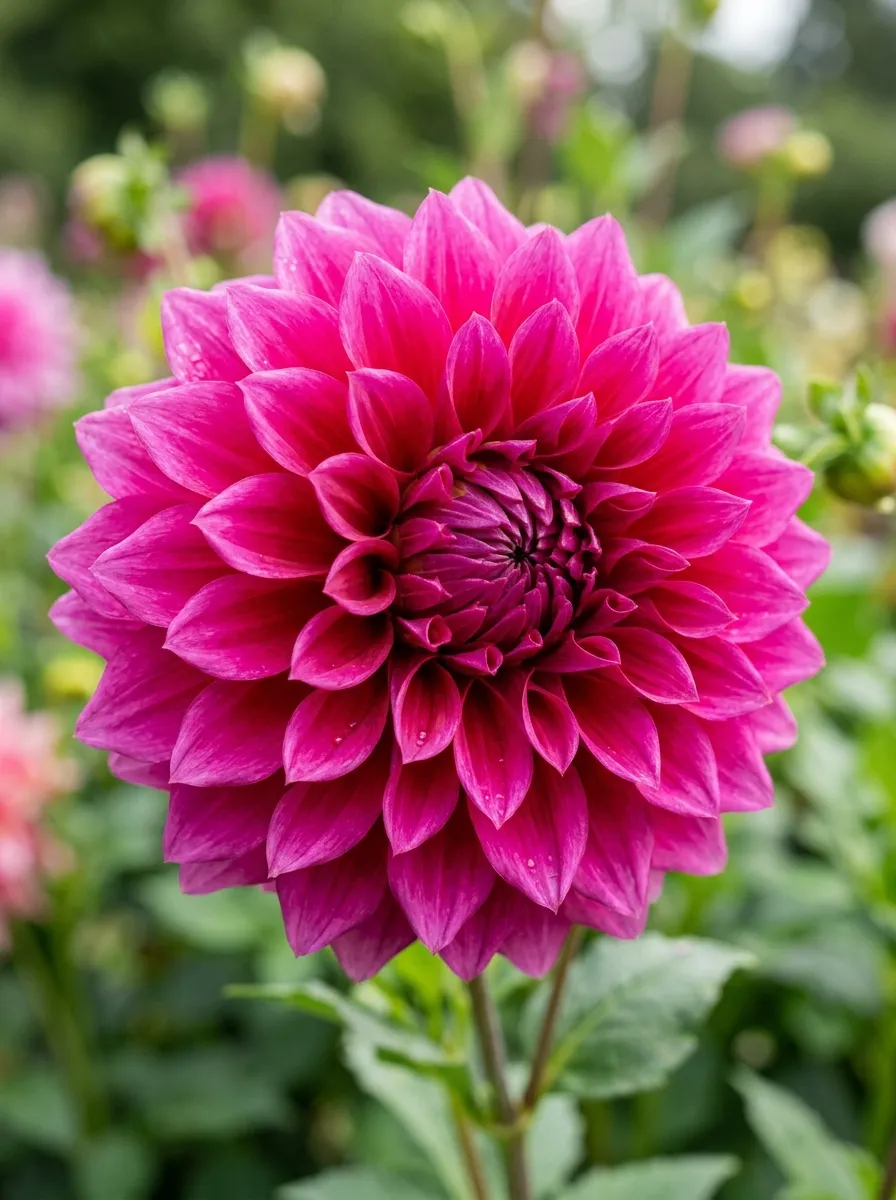
Dinner-plate dahlias earn their name – some blooms grow 10 inches wide or more. Start with tubers rather than potted plants; they cost less and multiply underground each season. Plant after the last frost, about 6 inches deep, in a sunny spot with loose soil. Tall varieties need a stake put in at planting time, before the roots fill in, so you don’t damage them later. Pinch the growing tip when the plant is young to encourage bushier growth and more blooms. Water deeply once or twice a week rather than lightly every day. In cold climates, dig up tubers after the first frost and store them in a box of dry peat moss over winter – this turns one purchase into years of free flowers. Cut stems in the early morning for the longest vase life. A single dahlia bloom can anchor an entire bouquet on its own.
9. Stargazer Lilies
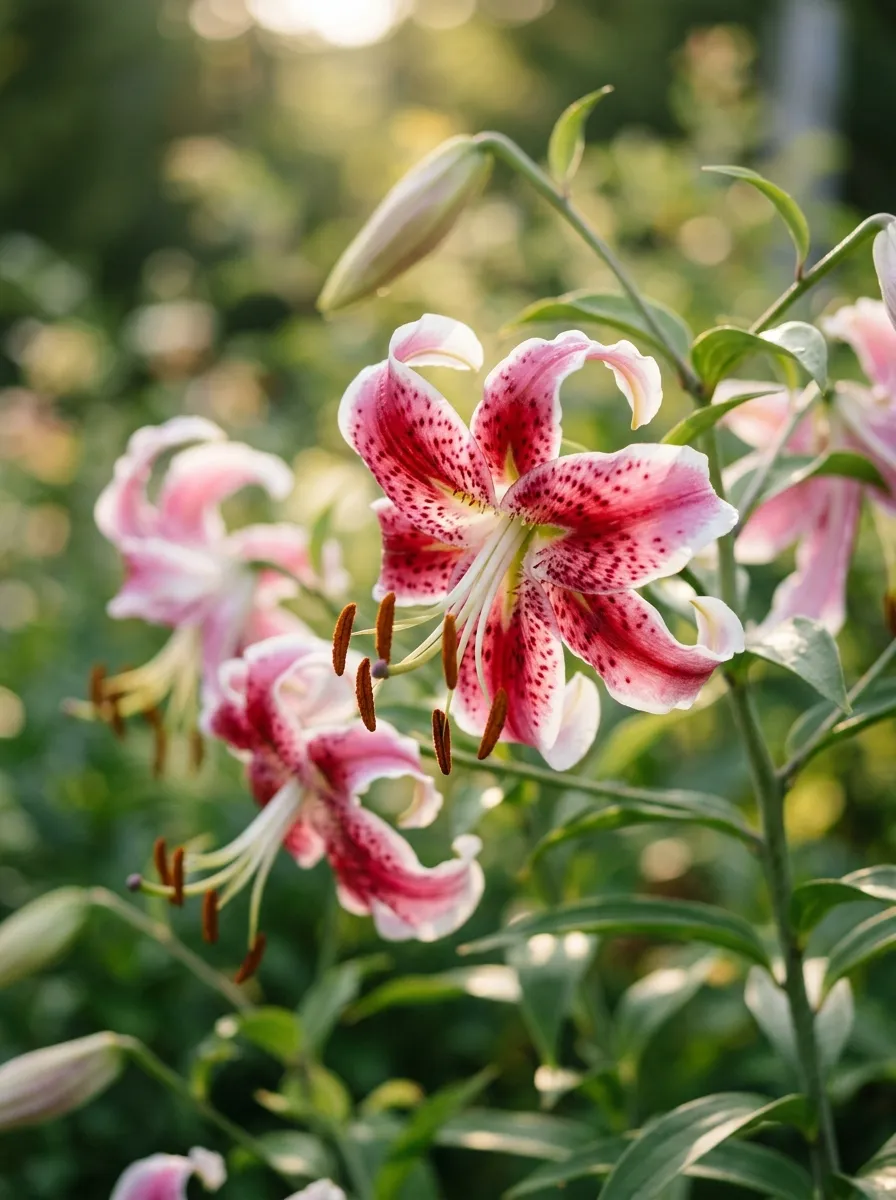
Stargazer lilies bring a strong, sweet scent and bold color to any bed. Plant bulbs in fall or early spring, about 6 inches deep, pointed side up. They prefer soil that drains well, so avoid low spots where water pools. One clump of bulbs multiplies over a few years, giving you more flowers without spending more money. Stake tall stems early so wind doesn’t snap them once blooms open. Deadhead spent flowers but leave the stem and leaves standing until they yellow, since they’re still feeding the bulb. Because the scent is strong, a single stem in a vase can perfume an entire room – a budget-friendly stand-in for scented candles. Watch for orange lily beetles, which can be picked off by hand in the morning when they’re slow-moving. Stargazers also pair well planted near a patio or window where the fragrance can drift indoors.
10. Bearded Iris
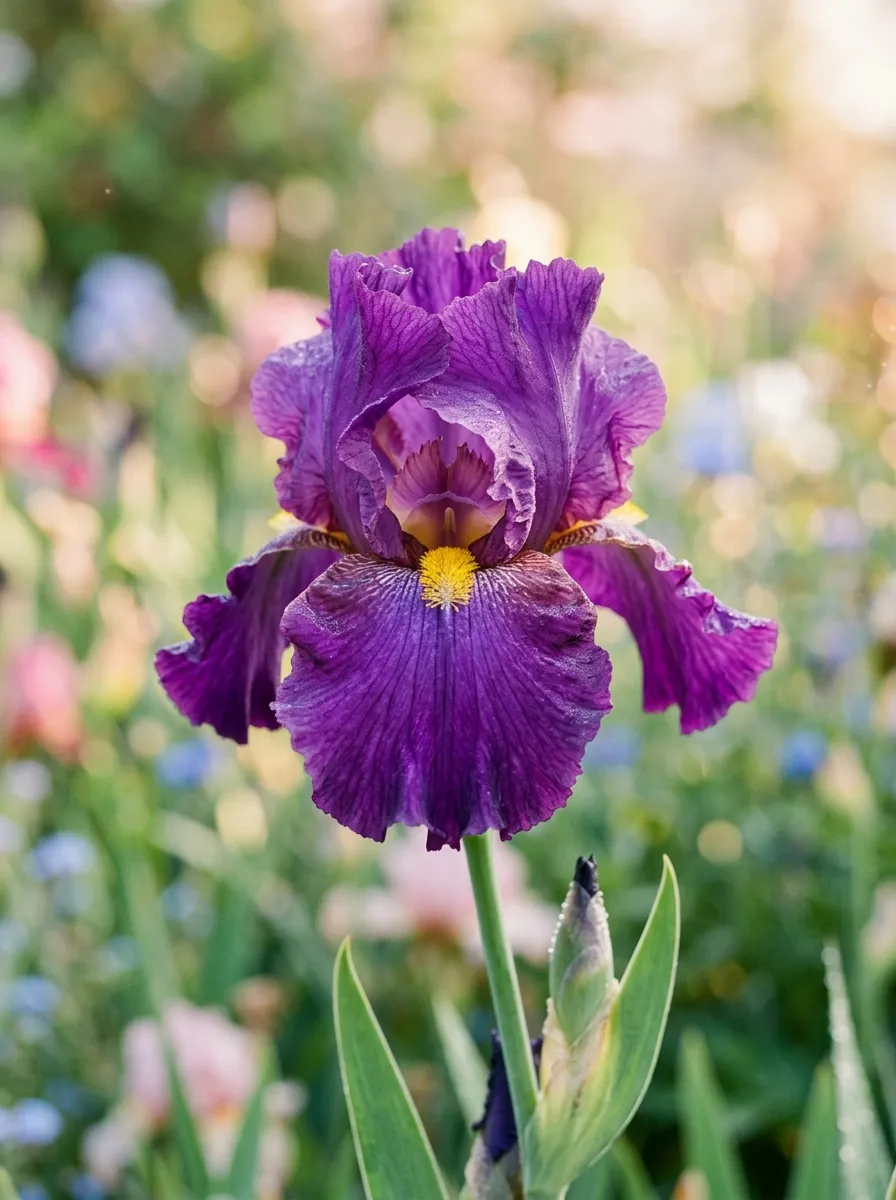
Bearded iris are known for their ruffled, almost velvet-like petals. Plant rhizomes just at or slightly above soil level – burying them too deep is the top reason they fail to flower. Give them full sun and soil that drains quickly after rain. Every three to four years, dig up and divide overcrowded clumps; each division becomes a brand-new plant you can spread through your yard or give to friends, so one purchase multiplies for free. Water sparingly once established, since soggy roots can rot. Trim leaves into a fan shape after blooming to keep the bed tidy. Iris borer insects can be a problem – remove and destroy any leaves with brown streaks in spring. These flowers do well along a fence line or driveway edge where their sword-like leaves add structure even when not in bloom. A few stems cut for a vase last about a week indoors.
11. Shasta Daisies
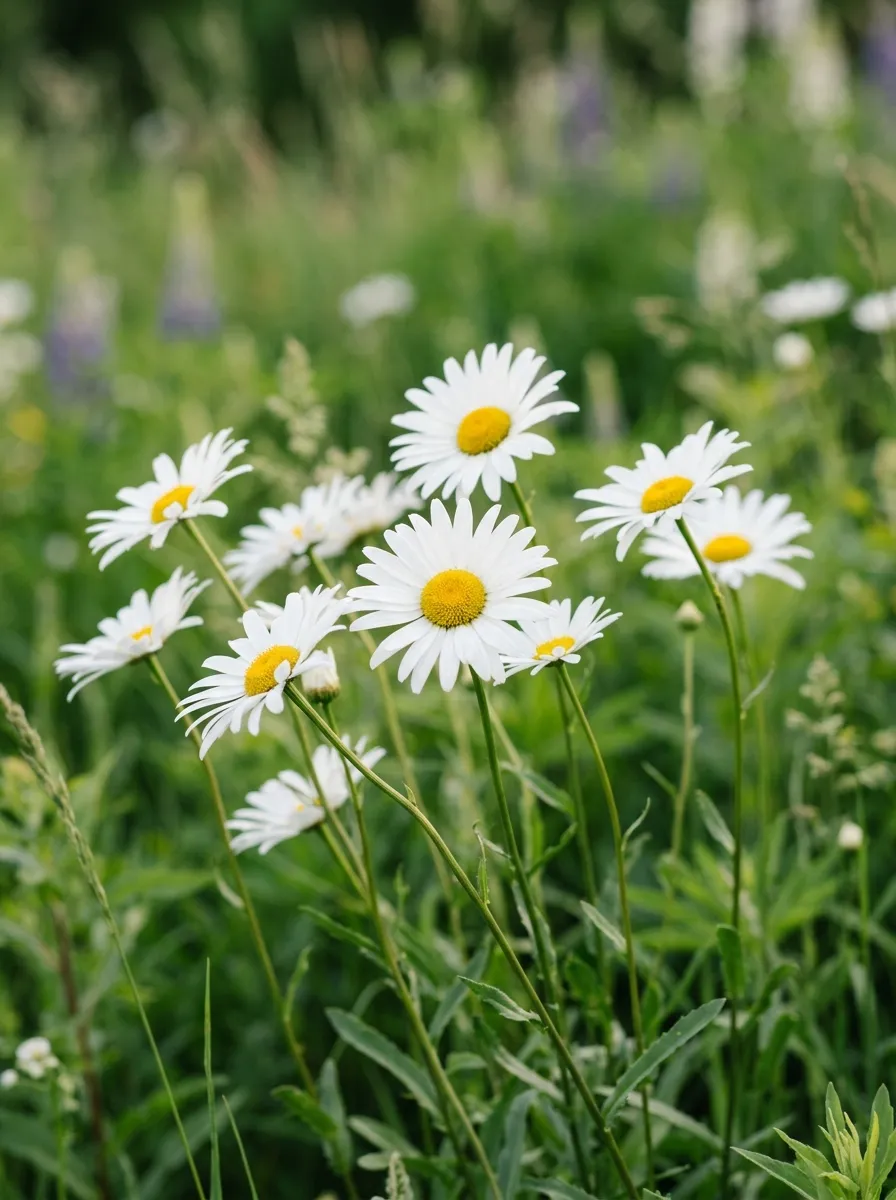
Shasta daisies give a garden that simple, cheerful look at almost no cost. They grow easily from seed or a single nursery plant that spreads over a few seasons. Plant in full sun in soil that isn’t constantly wet. Deadhead spent blooms regularly to keep new flowers coming through summer. Divide clumps every two to three years in spring – each division becomes a new plant, so a $5 daisy can turn into a whole row over time. These flowers tolerate light drought better than most, which cuts down on watering chores. They also attract pollinators like bees and butterflies without needing any special care. Cut stems for a simple, no-fuss bouquet that lasts close to a week in water. Shasta daisies pair naturally with taller flowers like coneflower or salvia in a mixed border, filling gaps at a lower height without competing for attention.
12. Chrysanthemum Mums
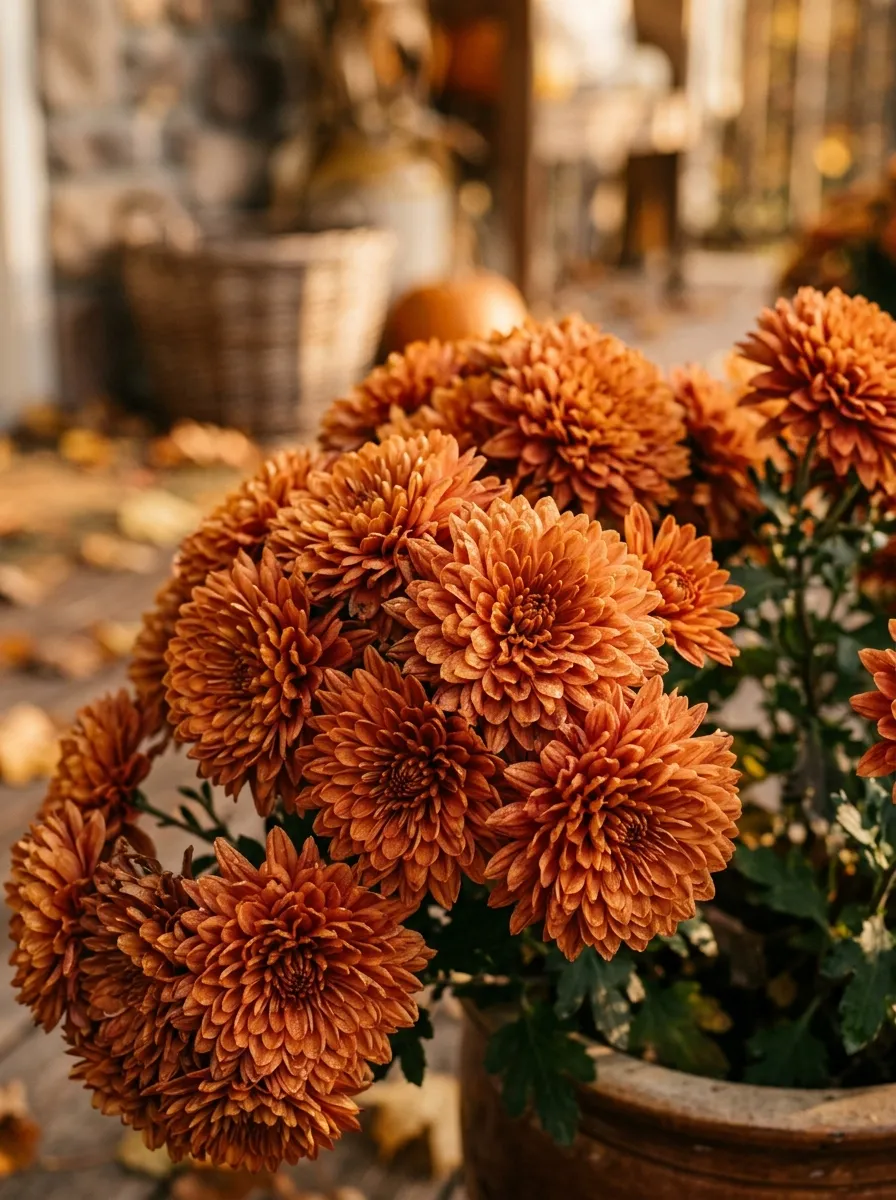
Mums are the flower most associated with fall, and buying them in bulk at the end of summer often means a lower price. Choose plants with more buds than open flowers so you get weeks of color instead of days. Plant them in the ground rather than leaving them in pots if you want them to survive winter and return next year potted mums are more likely to freeze. Pinch back new growth through early summer to keep plants bushy and full of buds rather than tall and leggy. Water at the base to avoid fungal spots on leaves. Mums do well grouped near a front porch or mailbox for an easy seasonal display. After a hard frost, cut stems back and mulch around the base to protect roots through winter. A single mum plant, cared for through the season, can be split into two or three plants the following spring.
13. Hydrangea Bushes
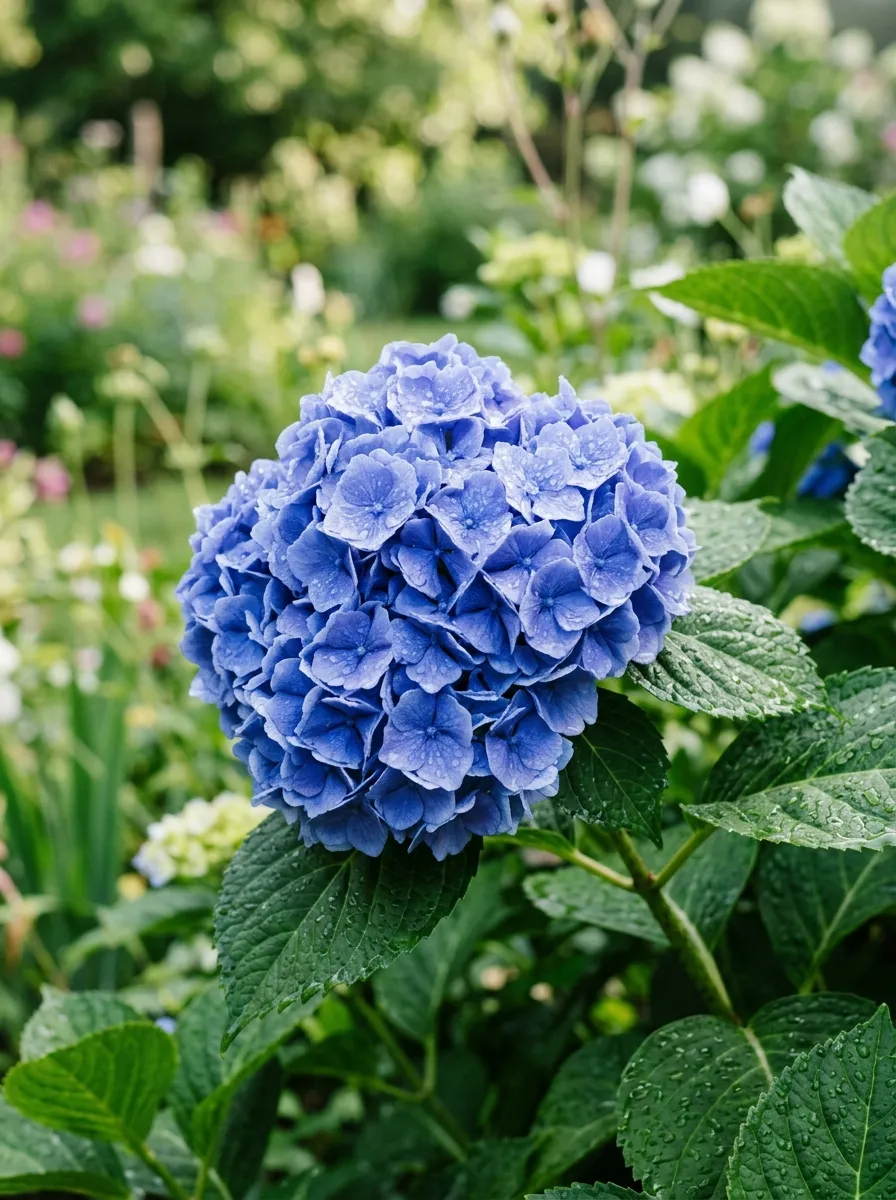
Hydrangeas give you an entire bush of blooms from one plant, which makes them a good value for the space they fill. Plant in a spot with morning sun and afternoon shade – too much hot sun can wilt the big leaves. For blue blooms, add garden sulfur or coffee grounds to the soil to lower the pH; for pink, add garden lime to raise it. Water deeply during dry spells since the large leaves lose moisture fast. Prune based on variety: some bloom on old wood and should only be pruned right after flowering, so check the tag before cutting. Dried hydrangea blooms make free, long-lasting decor – just cut stems when petals feel papery and hang them upside down to dry. One mature hydrangea bush can produce dozens of blooms each summer, giving you a steady, no-cost supply of cut flowers for the house.
14. English Lavender
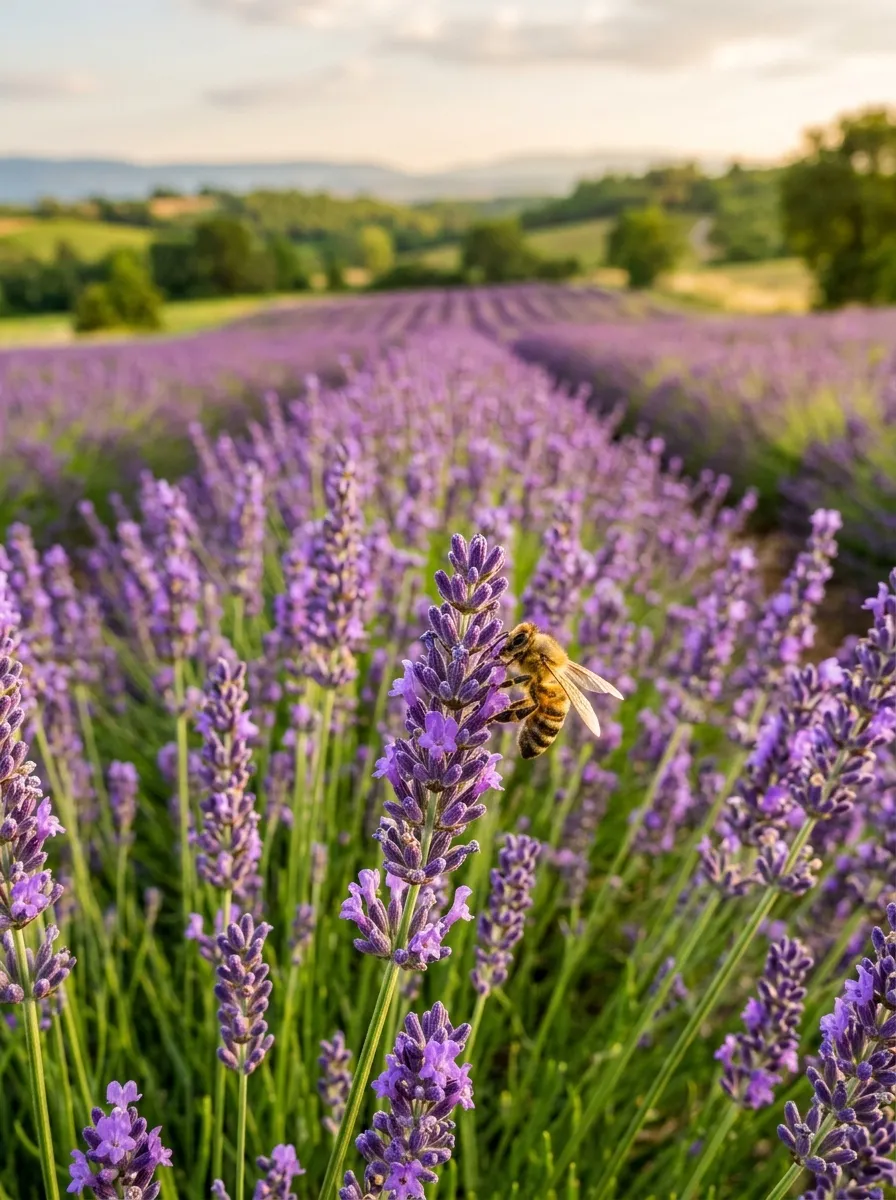
Lavender rewards a small amount of care with months of fragrant blooms. Plant in full sun in soil that drains well – soggy roots are the main reason lavender struggles. Avoid over-fertilizing; rich soil actually produces fewer flowers and weaker scent. Water sparingly once established, since lavender is naturally drought-tolerant and thrives on a bit of neglect. Trim plants back by about a third after the first bloom flush to encourage a second round of flowers. Cut stems just as buds start to open, then hang them upside down in a dark spot to dry – this gives you free sachets, dried bouquets, or bath additions for months. Lavender also works well as a low, fragrant border along a walkway where brushing past releases the scent. Bees and butterflies are drawn to it, so it adds life to the garden without any extra effort on your part.
15. Oriental Poppies
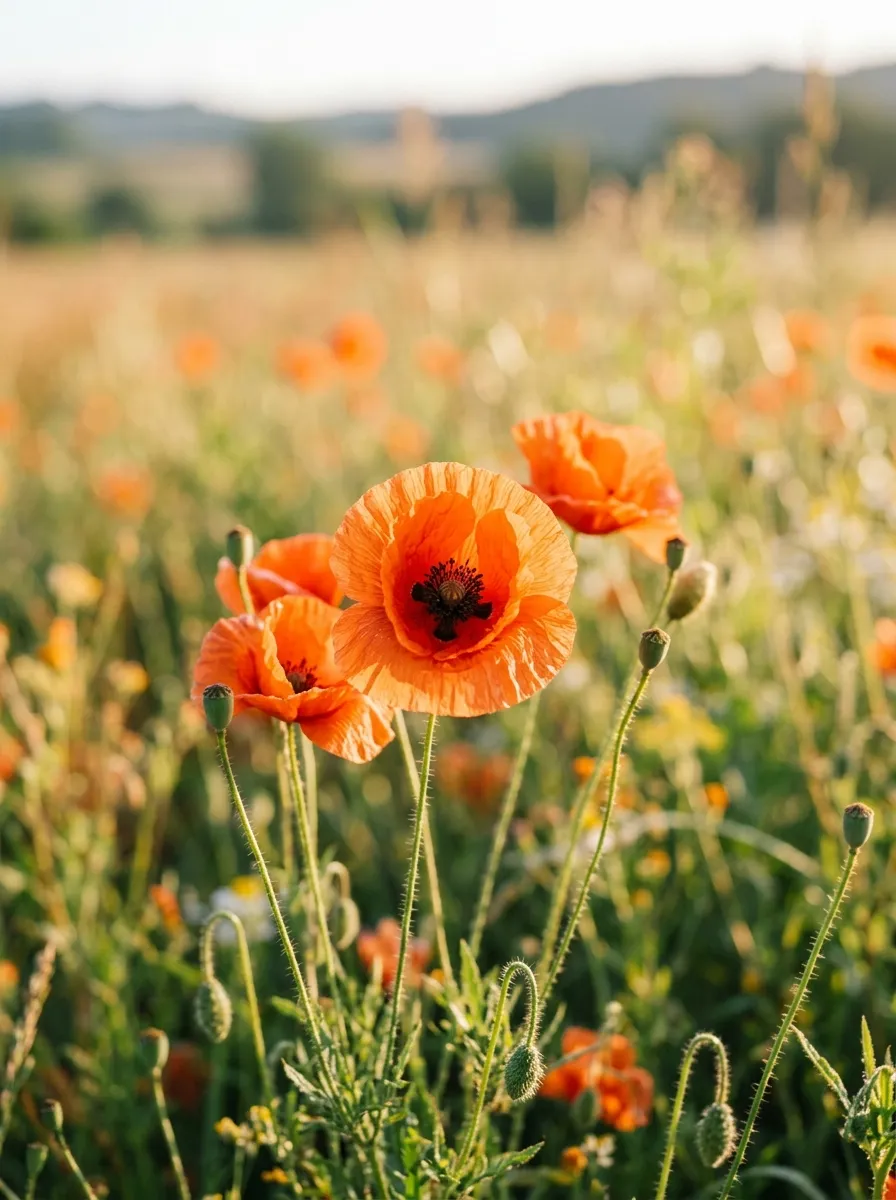
Oriental poppies bring a bold splash of color early in the season, before most other perennials wake up. Plant root cuttings in fall for the strongest start, in a sunny spot with soil that drains well. These flowers dislike being moved once settled, so pick a permanent location from the start. After blooming, the foliage dies back and disappears for summer – plant later-blooming perennials nearby to fill the gap so the bed doesn’t look bare. Deadhead spent flowers unless you want to collect seed pods, which dry naturally on the stem and can be shaken out to plant more poppies for free next year. Poppies don’t like rich soil or heavy fertilizer, so skip the expensive plant food. Cut stems for a vase by searing the cut end briefly with a flame or hot water, which helps the milky sap seal and the flower last longer indoors.
16. Tropical Hibiscus
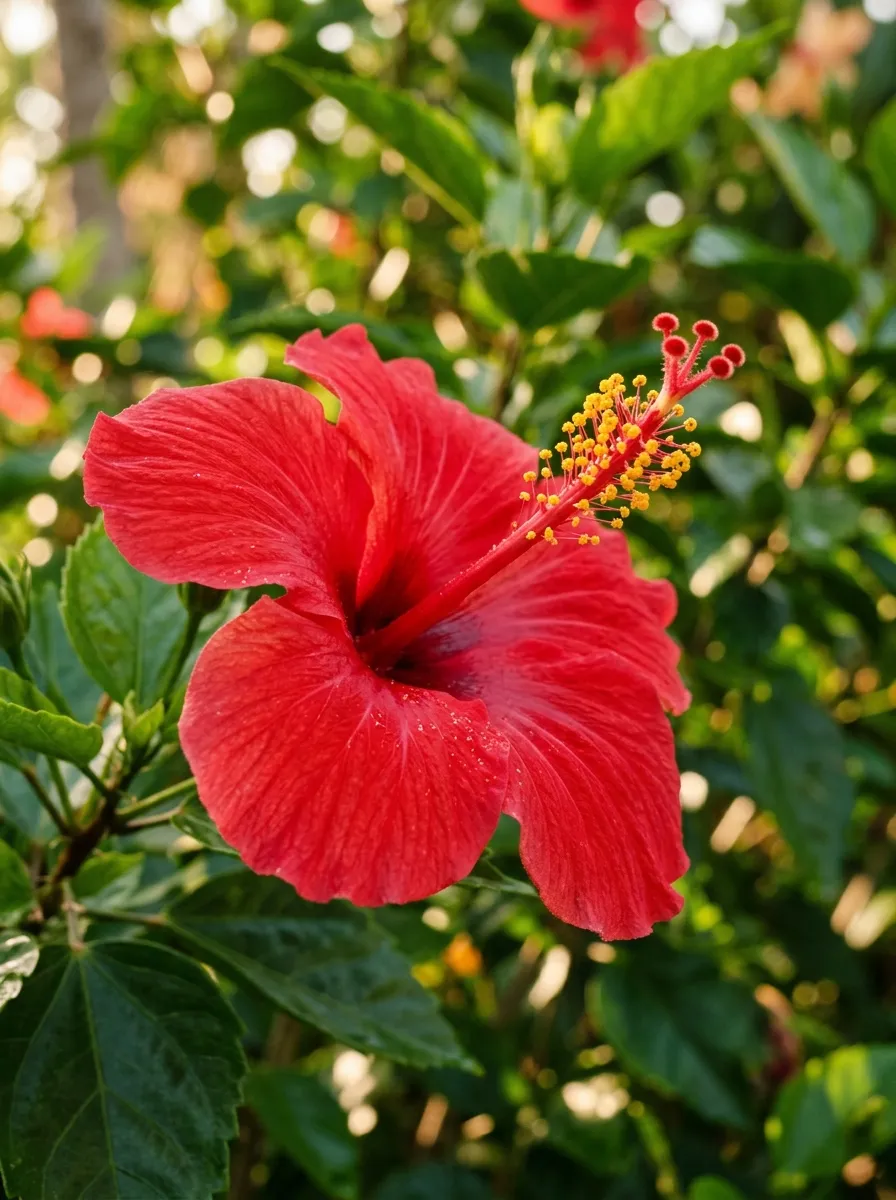
Hibiscus flowers bring a tropical look without needing a tropical climate, as long as you treat them right. In cooler regions, grow them in pots so you can bring them indoors before frost. Use a well-draining potting mix and water when the top inch of soil feels dry. Feed lightly every couple of weeks during summer with a diluted fertilizer to keep blooms coming. Each flower typically lasts only a day, but a healthy plant produces new blooms constantly through the warm months, so the show never really stops. Prune leggy stems in late winter to encourage bushier growth in spring. A budget tip: take stem cuttings from a friend’s plant, root them in water on a windowsill, and you’ll have a new hibiscus for free within weeks. Place potted hibiscus near a patio or entryway where the big, bright blooms make an immediate visual statement.
17. Moth Orchids
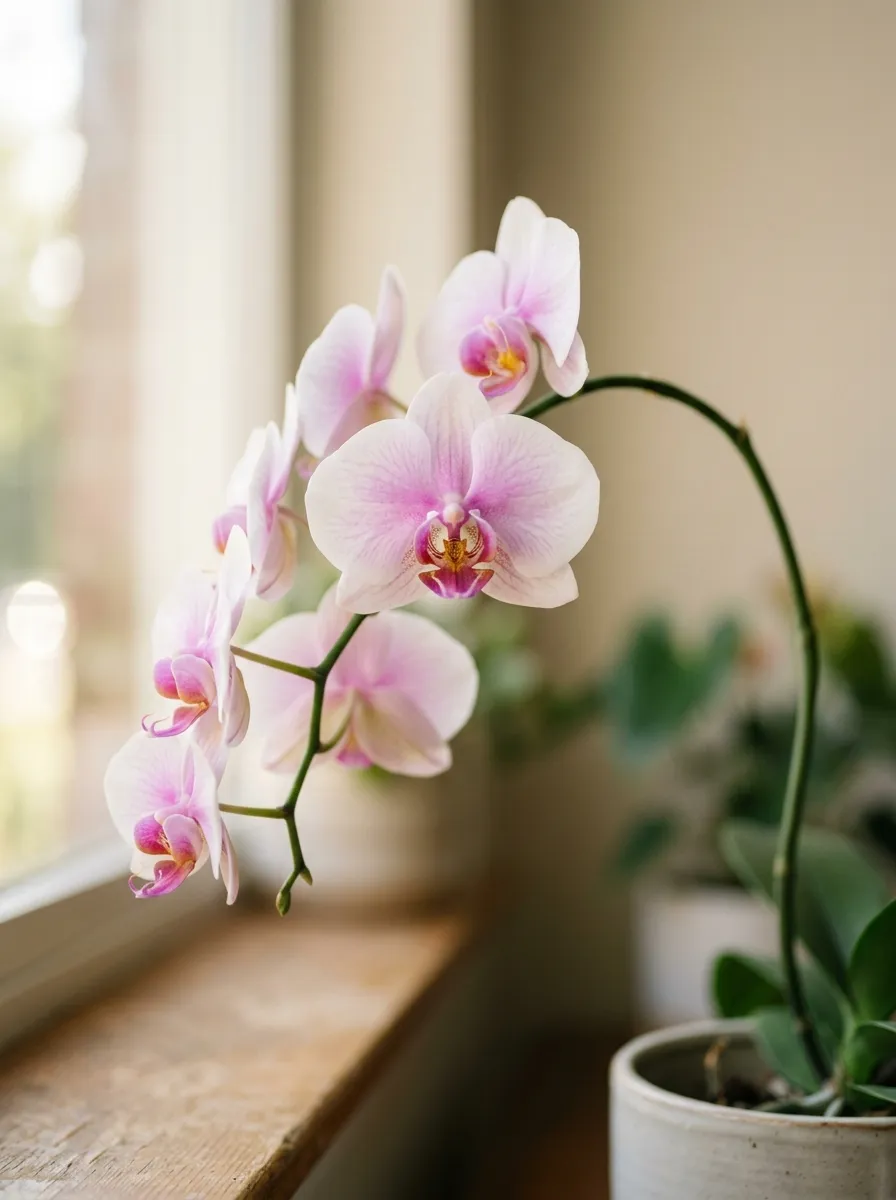
Moth orchids, often just called phalaenopsis, are one of the easiest orchids to keep alive indoors. Water about once a week by soaking the roots briefly, then let excess drain fully – sitting in water rots the roots quickly. Place them near an east-facing window for bright but indirect light. After blooms drop, don’t toss the plant; cut the flower spike just above a node, and many orchids will send out a second round of blooms for free. Use a clear pot if possible so you can see root health at a glance. Ice cubes are sometimes suggested for watering, but a slow pour of room-temperature water works just as well and won’t shock the roots. A single orchid can rebloom for years with minimal care, making the upfront cost worth it over time. Keep them away from cold drafts and heating vents, which stress the plant and shorten bloom time.
18. Camellia Japonica
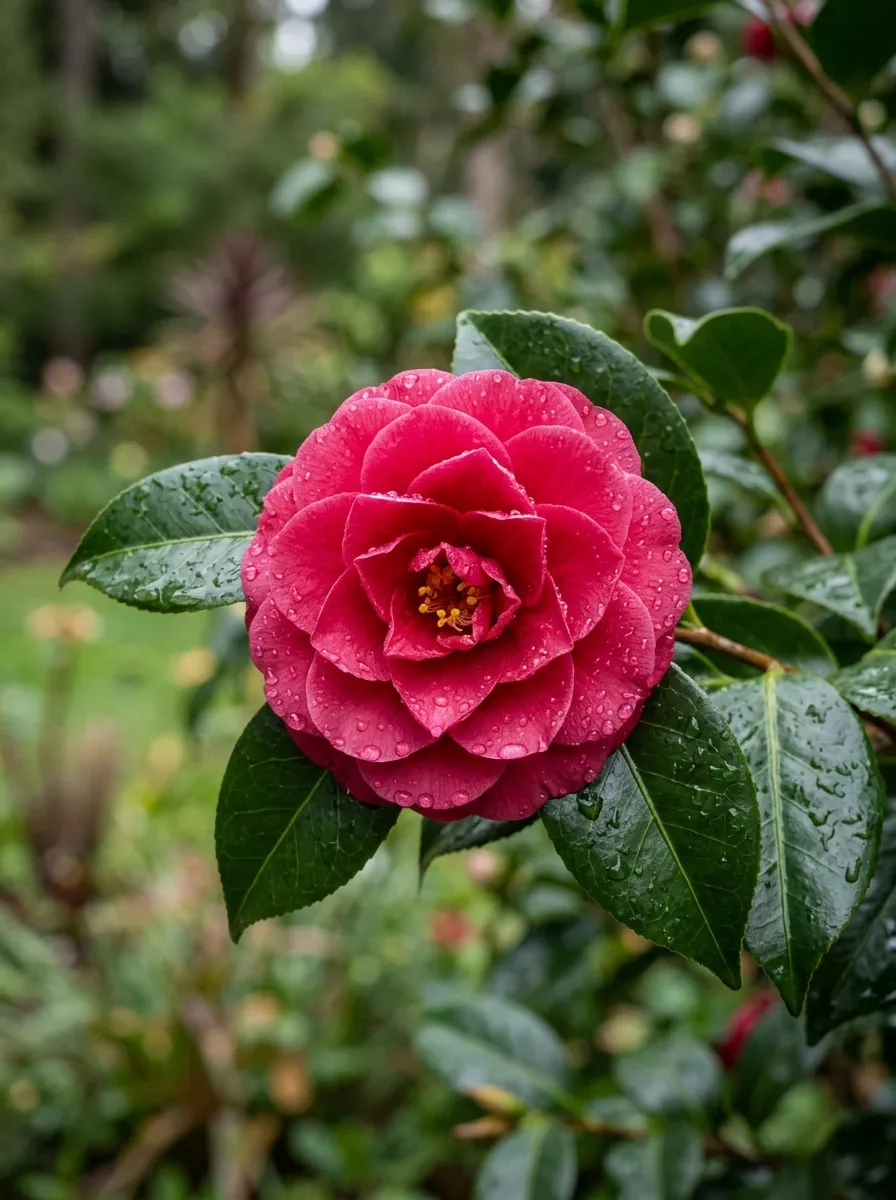
Camellias offer glossy, evergreen leaves year-round plus a big bloom in late winter or early spring, when few other flowers are out. Plant in partial shade, since strong afternoon sun can scorch the leaves. They prefer slightly acidic soil, so a handful of used coffee grounds worked into the dirt now and then can help, at no extra cost. Water deeply but infrequently, letting the top layer of soil dry between waterings. Mulch around the base to keep roots cool and moist through summer. Avoid planting too deep — the root ball should sit level with the surrounding soil. Camellias grow slowly, so buying a smaller, less expensive plant and letting it mature over a few years saves money compared to a large specimen. Once established, they need very little upkeep. Fallen blooms can be swept up and floated in a shallow bowl of water for a simple, free indoor display.
19. Azalea Shrubs
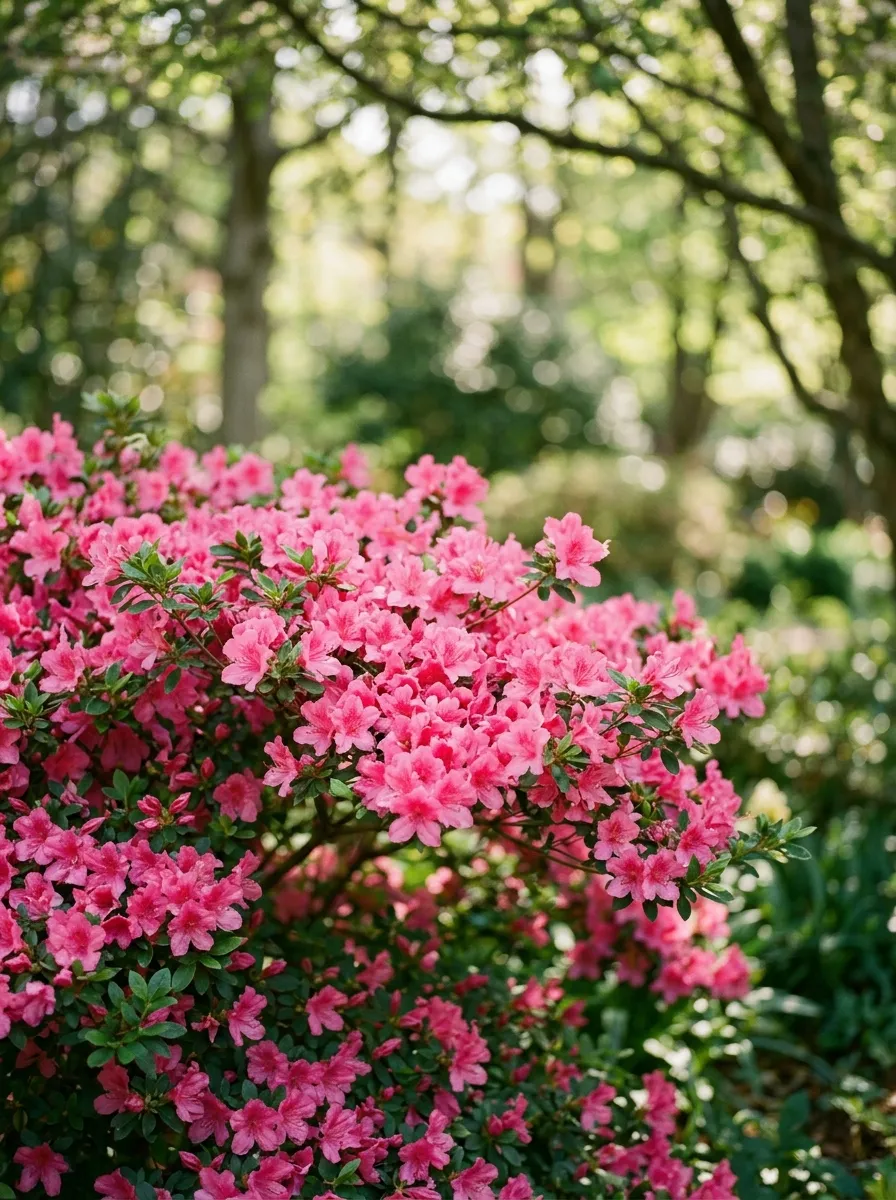
Azaleas put on one of the biggest floral displays of any shrub, often covering themselves completely in bloom for a few weeks each spring. Plant in partial shade with acidic, well-draining soil. Mulch heavily around the base – azalea roots are shallow and dry out fast without it. Water regularly during the first year while roots establish, then ease off once the plant matures. Prune right after flowering, since azaleas set next year’s buds shortly after this year’s blooms fade; pruning too late means fewer flowers next spring. Buying a small, young shrub instead of a mature one can cut the cost significantly, and azaleas fill in faster than people expect. Group several shrubs along a fence or foundation for a dense wall of color come spring. Fallen petals make a natural, temporary carpet of color under the shrub that needs no extra work to enjoy.
20. Fragrant Gardenias
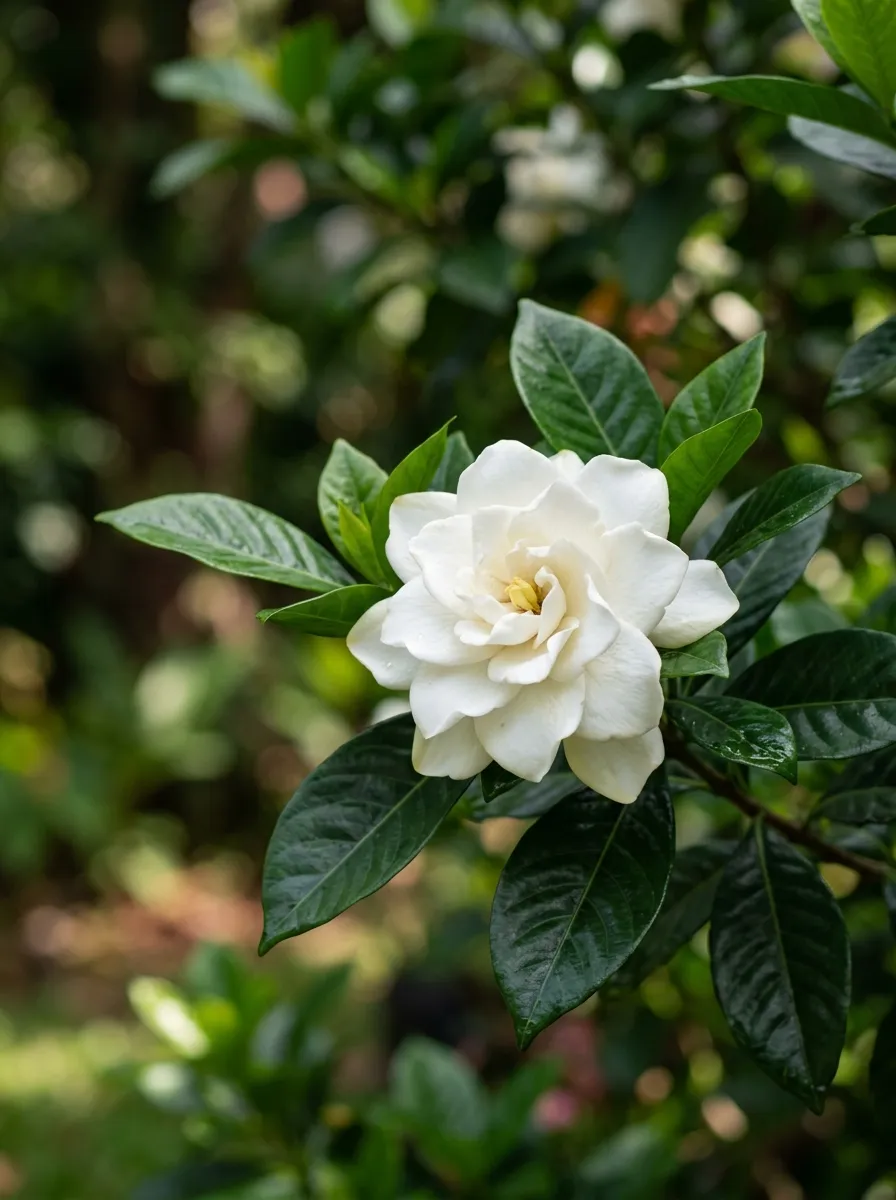
Gardenias are grown as much for scent as for looks – a single bloom can perfume a whole patio. They need acidic soil, so avoid planting near concrete foundations, which can leach lime into the ground over time. Water consistently, keeping soil moist but never soggy, and use rainwater if your tap water is heavily treated. Feed with an acid-loving plant fertilizer in spring and again in midsummer. Bud drop is a common frustration – it’s usually caused by inconsistent watering or sudden temperature swings, so keep conditions steady. In cooler climates, grow gardenias in pots and bring them indoors near a bright window for winter. Float a single cut bloom in a small dish of water for a simple, no-cost centerpiece that scents an entire room. Because the flowers bruise easily, handle them by the stem rather than touching the petals directly.
21. Southern Magnolias
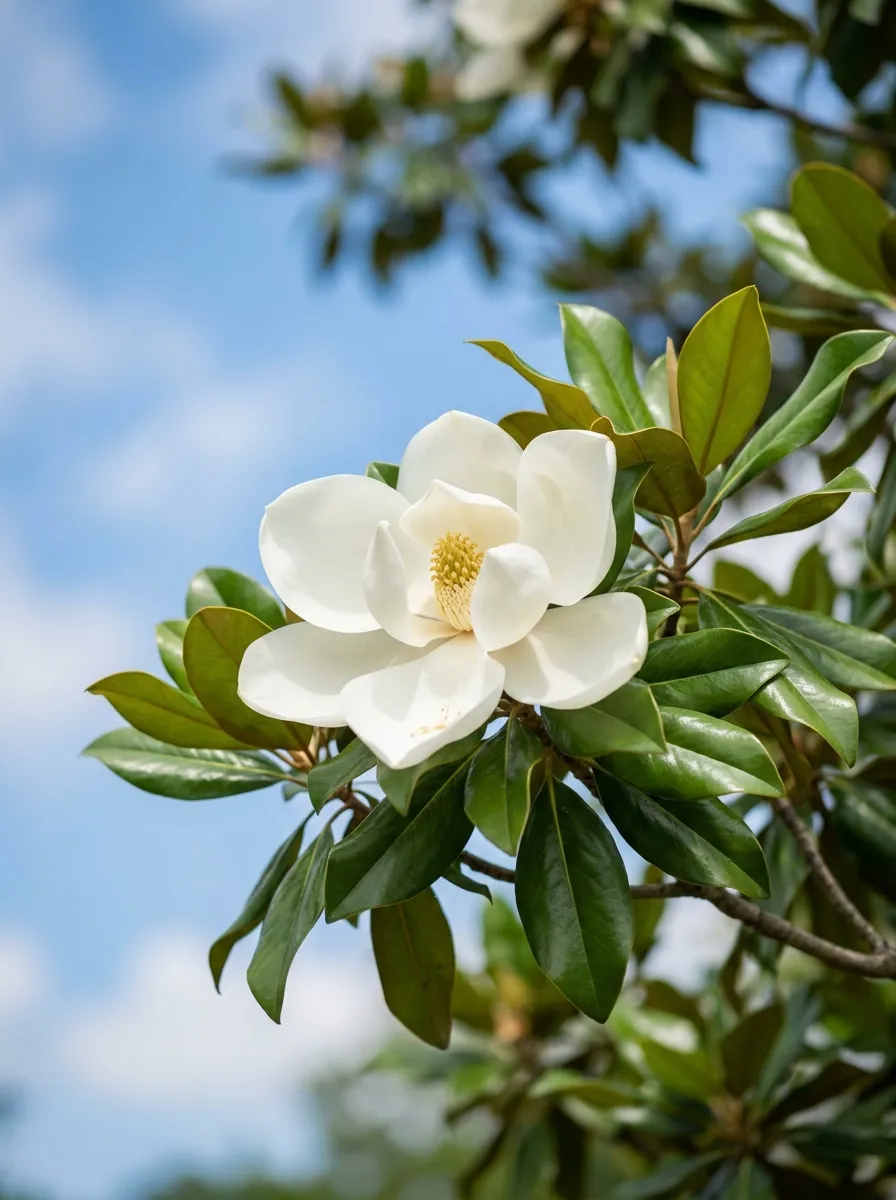
Magnolia trees produce some of the biggest, most dramatic flowers you can grow, and a single tree can anchor an entire yard for decades. Plant in a spot with room to grow, since mature trees can spread wide. They tolerate a range of soil types but do best with consistent moisture, especially while young. Mulch around the base to retain water and suppress weeds, cutting down on maintenance. Magnolias are slow-growing, so patience pays off – a small, inexpensive sapling planted today can become a stunning focal point in ten to fifteen years. Fallen petals and leaves make excellent free mulch for other parts of the garden. Prune only to remove damaged branches, since magnolias don’t need heavy shaping. A single flower cut and floated in a wide bowl makes a striking, simple centerpiece for a table, no extra florals needed to fill it out.
22. Ruffled Carnations
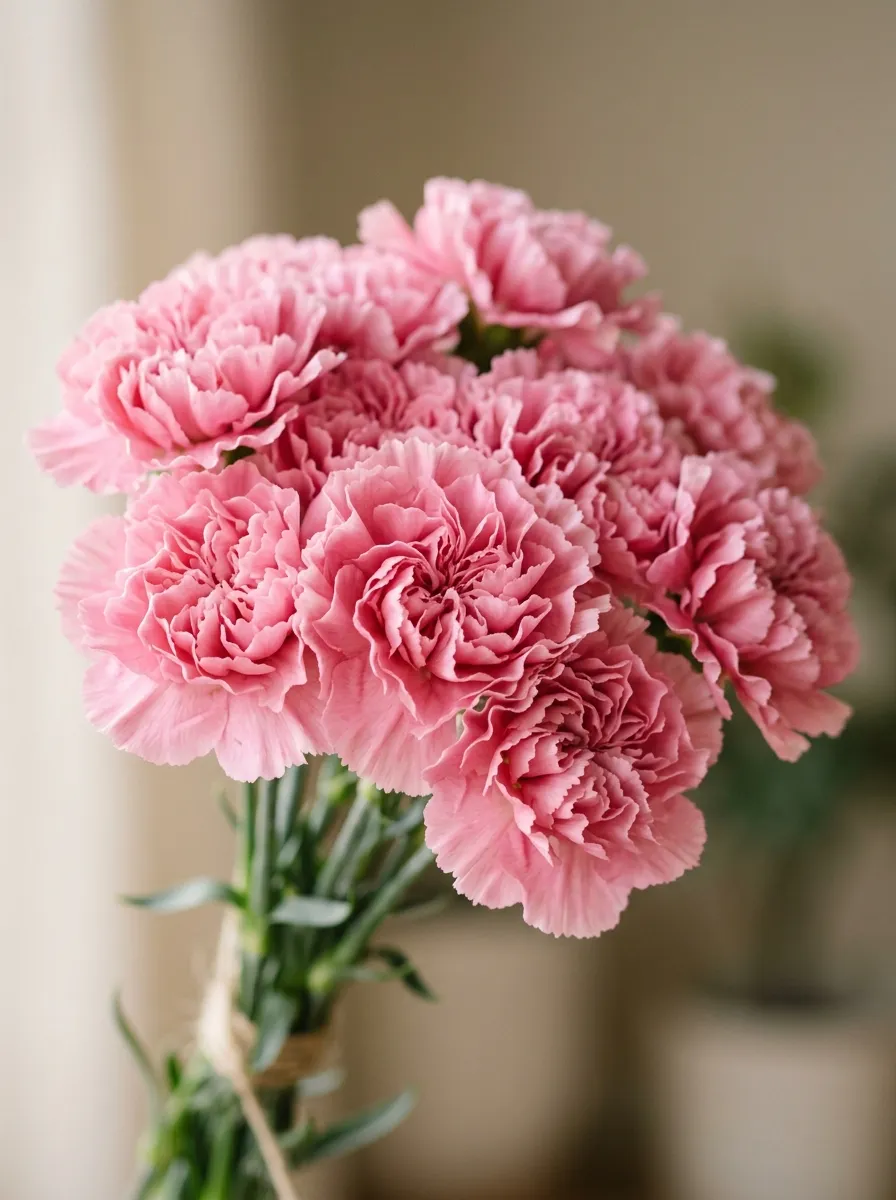
Carnations are one of the most budget-friendly cut flowers you can grow or buy, and they last far longer in a vase than most blooms often two weeks or more. Grow them from seed in full sun and well-draining soil; they’re more tolerant of neglect than many flowers. Pinch young plants to encourage bushier growth and more blooms per plant. Deadhead spent flowers to keep new ones coming through the season. If buying rather than growing, look for bunches at a grocery store instead of a florist for a much lower price the quality is often just as good. Add a teaspoon of sugar and a splash of vinegar to vase water to extend freshness even further. Carnations also hold dye well, so a homemade dye bath (food coloring and water) can turn plain white blooms into a fun, custom color for a party or gift at almost no cost.
23. Snapdragons
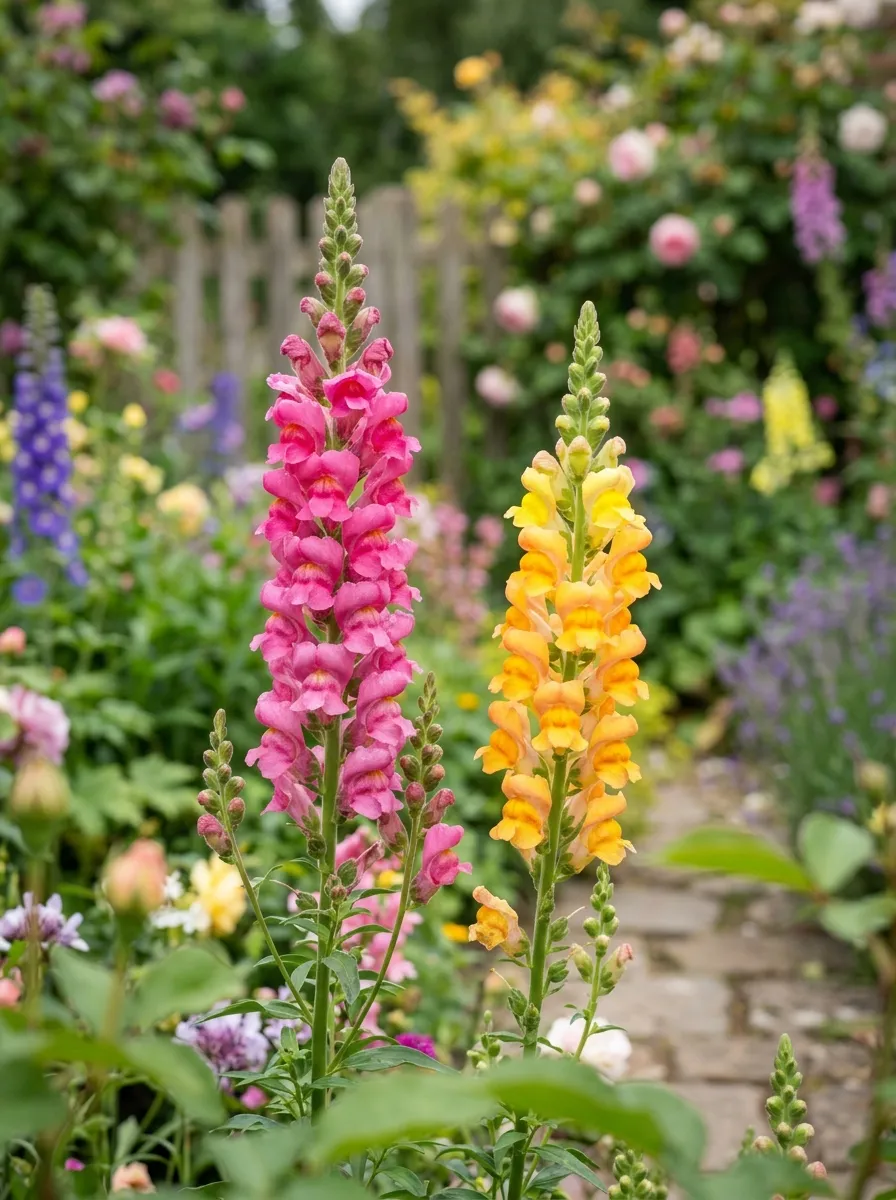
Snapdragons get their name from the way the flower “snaps” open when gently squeezed, which makes them a fun pick for kids in the garden. Start seeds indoors in late winter for an earlier bloom, or direct sow after frost danger passes. They prefer full sun and cool weather, often blooming best in spring and fall. Pinch young plants to encourage side branching and more flower spikes. Deadhead regularly to keep the plant producing through the season. Snapdragons tolerate light frost, so they often outlast other annuals into cooler weather, stretching your color display for free extra weeks. Cut stems just as the lowest flowers open for the best vase life. A packet of mixed-color seeds costs very little and can fill a good-sized bed. They also reseed themselves in mild climates, meaning some gardens get a second generation of free snapdragons the following year without replanting.
24. Cosmos Flowers
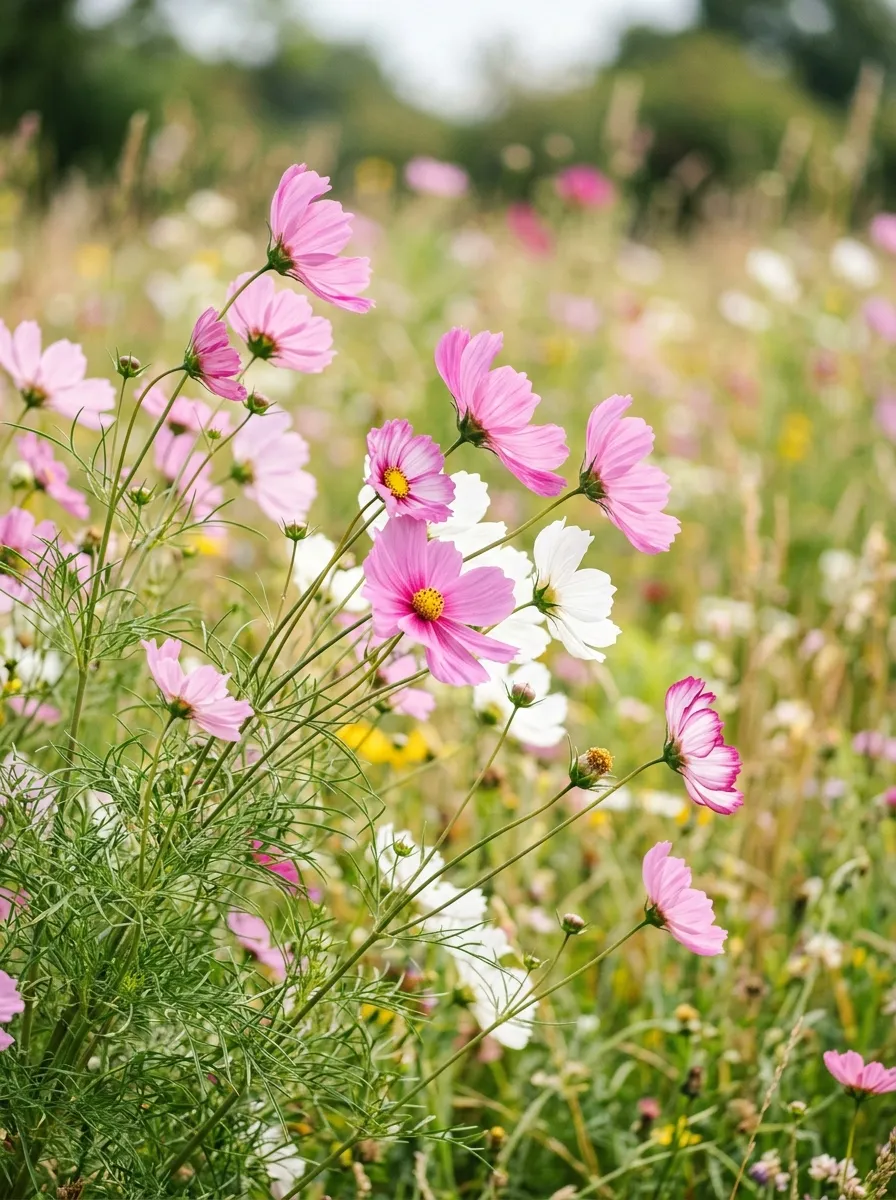
Cosmos are about as low-effort as flowers get, which makes them a smart pick if you’re short on time or a beginner. Scatter seeds directly on soil after the last frost – no special starting trays needed. They actually prefer poor, less fertile soil, so skip the fertilizer entirely and save money. Once established, cosmos handle dry spells well and rarely need extra watering beyond rainfall. Deadhead to keep blooms coming, or let some flowers go to seed at the end of the season and collect them for free planting next year. Their airy, feathery foliage adds texture even before flowers appear. Cosmos also attract butterflies and beneficial insects, adding life to the garden without any extra work. Tall varieties may need light staking in windy spots, but otherwise this flower asks for almost nothing. A single seed packet can fill a large bed and still have seeds left over.
25. Trailing Petunias
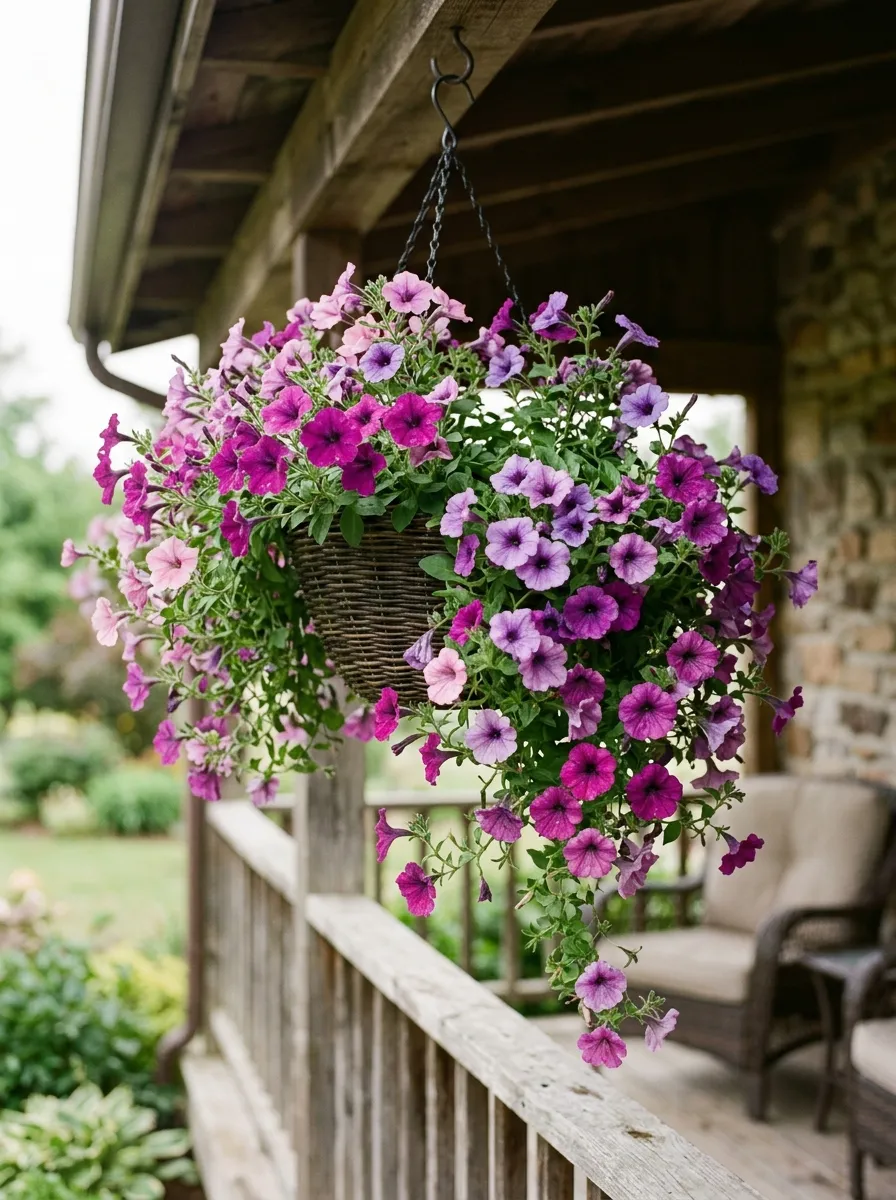
Trailing petunias are a classic choice for hanging baskets and window boxes because they cascade over the edges and bloom nonstop through summer. Buy a few small starter plants rather than a pre-filled expensive basket – three or four plants in a basket you already own fill in within weeks at a fraction of the cost. Water regularly, since hanging baskets dry out faster than ground beds, and feed every couple of weeks with a diluted liquid fertilizer to keep blooms coming. Pinch back leggy stems midsummer to encourage fuller, bushier growth instead of long bare vines. Deadhead spent flowers if you have time, though many modern varieties are self-cleaning and drop old blooms on their own. Petunias also do well tucked into gaps in a mixed container with taller plants. A single basket can last from spring through the first frost, giving months of color for one small purchase.
26. Wax Begonias
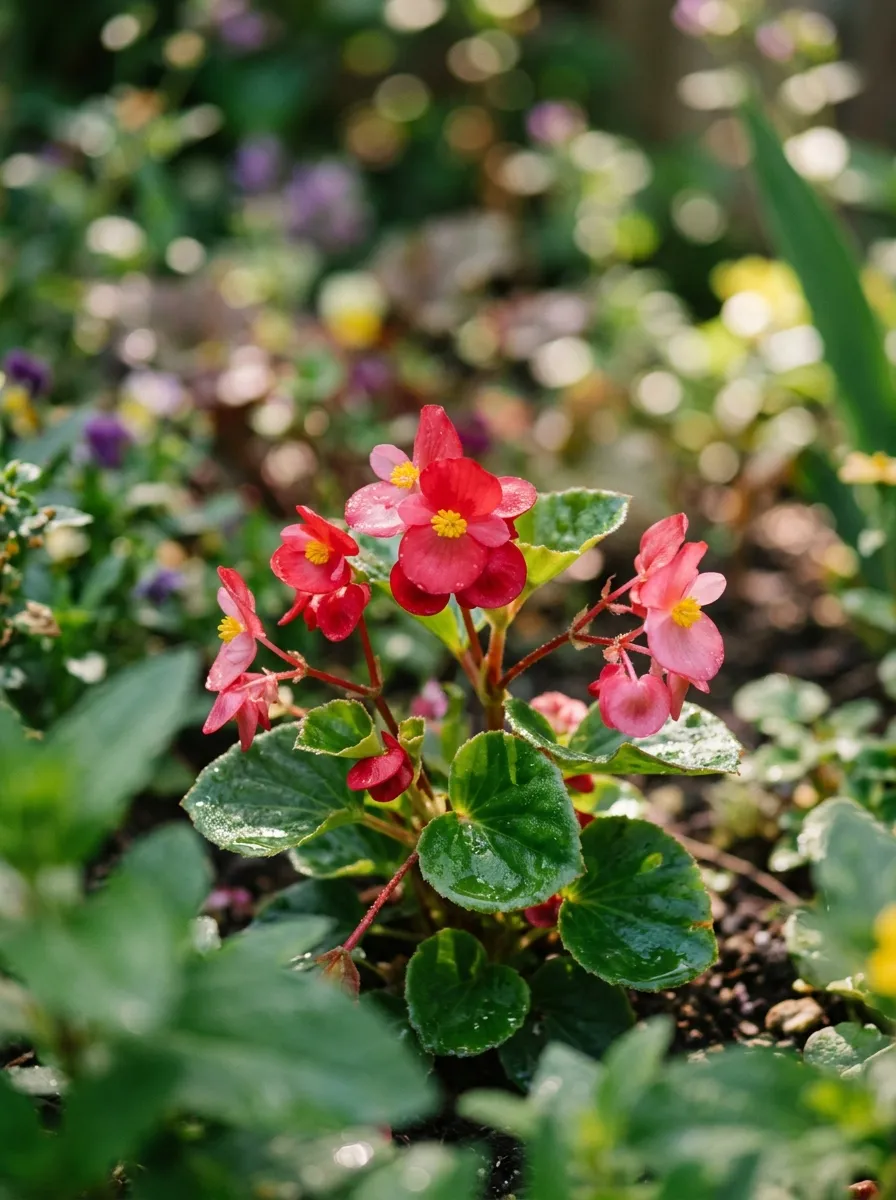
Wax begonias are a reliable choice for shady spots where many other flowers struggle to bloom. They tolerate both sun and shade, making them flexible for tricky garden corners. Plant in soil that drains well and water when the top inch feels dry begonias don’t like sitting in soggy soil. These plants are naturally compact and tidy, so they need almost no pruning or shaping to look neat. Buy a small flat of begonias rather than individual pots; the per-plant cost drops significantly when bought this way. They bloom continuously from planting until frost without deadheading, which makes them nearly maintenance-free. Wax begonias also do well in containers on a shaded porch or under a tree where grass struggles to grow. At the end of the season, take a few stem cuttings and root them indoors in water over winter for free plants to set out again next spring.
27. Scented Geraniums
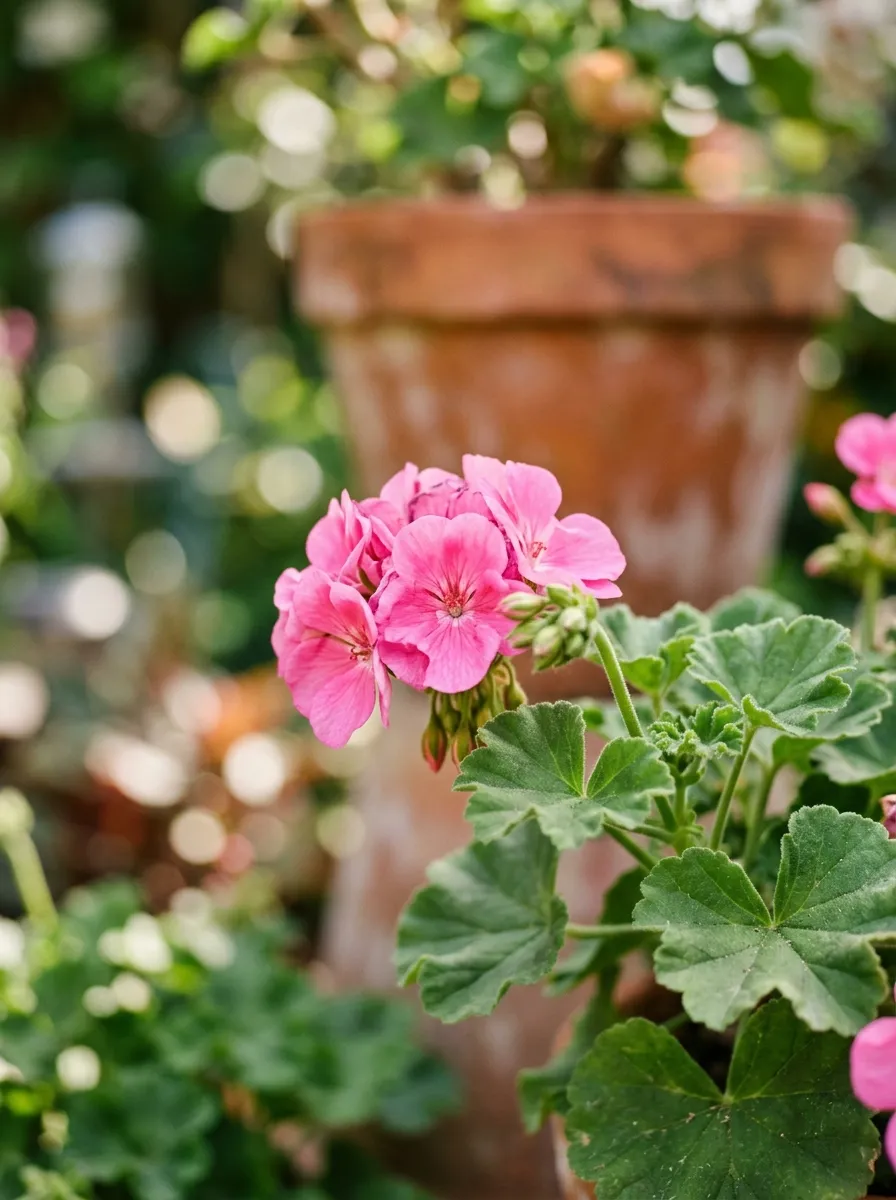
Scented geraniums offer two things in one plant: cheerful blooms and leaves that release fragrance – rose, mint, or lemon, depending on variety when brushed or crushed. Grow them in pots on a sunny patio or windowsill where you’ll brush past them often enough to enjoy the scent. Water when the top of the soil feels dry, and avoid overwatering, which is the most common way to lose a geranium. Deadhead spent blooms to keep new flowers coming. At the end of summer, take stem cuttings and root them in water indoors this turns one plant into several for free, ready to set outside again in spring. Crushed leaves can be added to homemade potpourri or a bath at no extra cost. Geraniums also tolerate missed waterings better than many flowers, making them forgiving if you travel or simply forget now and then.
28. Pansy Faces
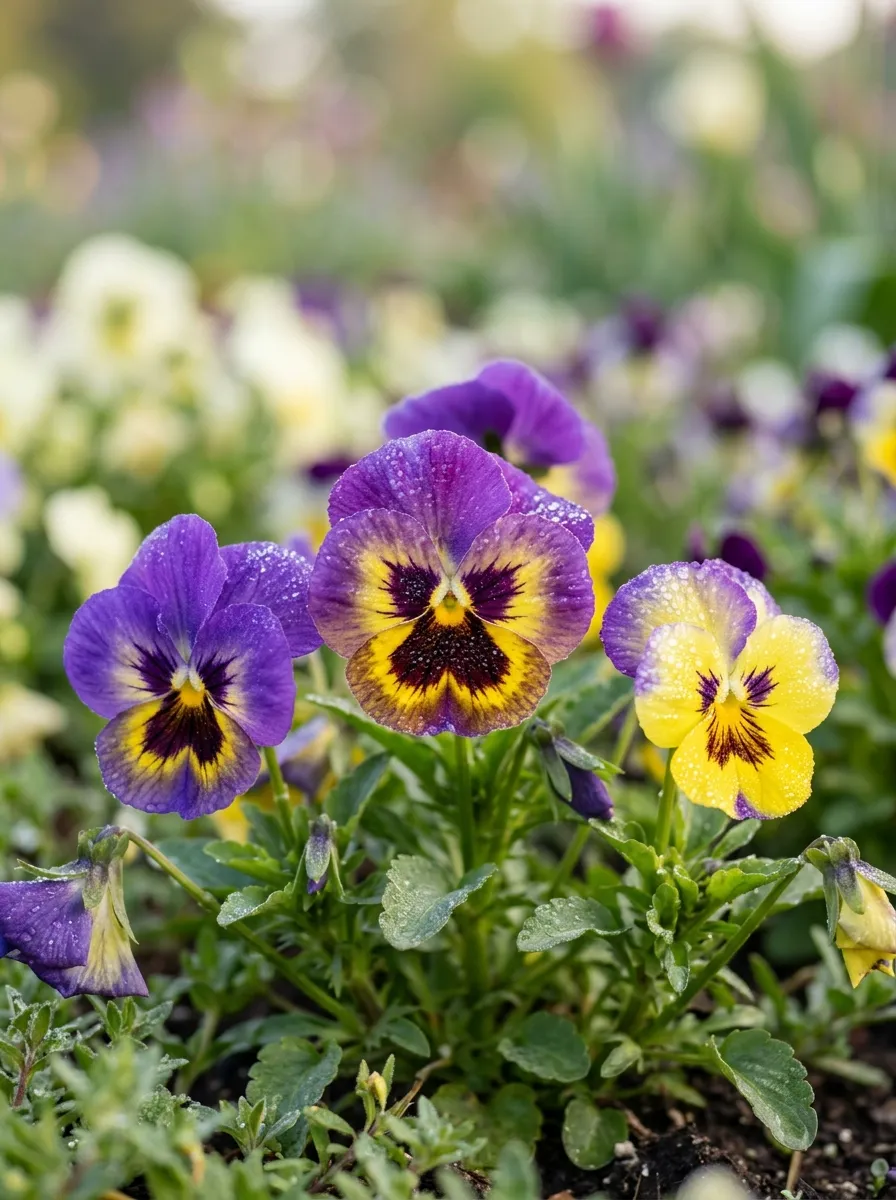
Pansies are known for their cheerful, almost face-like markings and their tolerance for cool weather, making them one of the few flowers that bloom in early spring and even light frost. Plant in a sunny spot with rich, well-draining soil. Deadhead regularly pansies are one flower where this really matters, since leaving spent blooms on the plant quickly slows new flower production. Water consistently, especially in containers, which dry out faster than ground beds. Buy a six-pack instead of individual pots to save money; pansies are inexpensive and widely available at nurseries in early spring. They also do well tucked between spring bulbs like tulips, filling gaps at ground level while the taller flowers grow. In mild climates, pansies can survive light snow and keep blooming into early winter, stretching your color display for free extra months compared to typical summer annuals.
29. Wild Violets
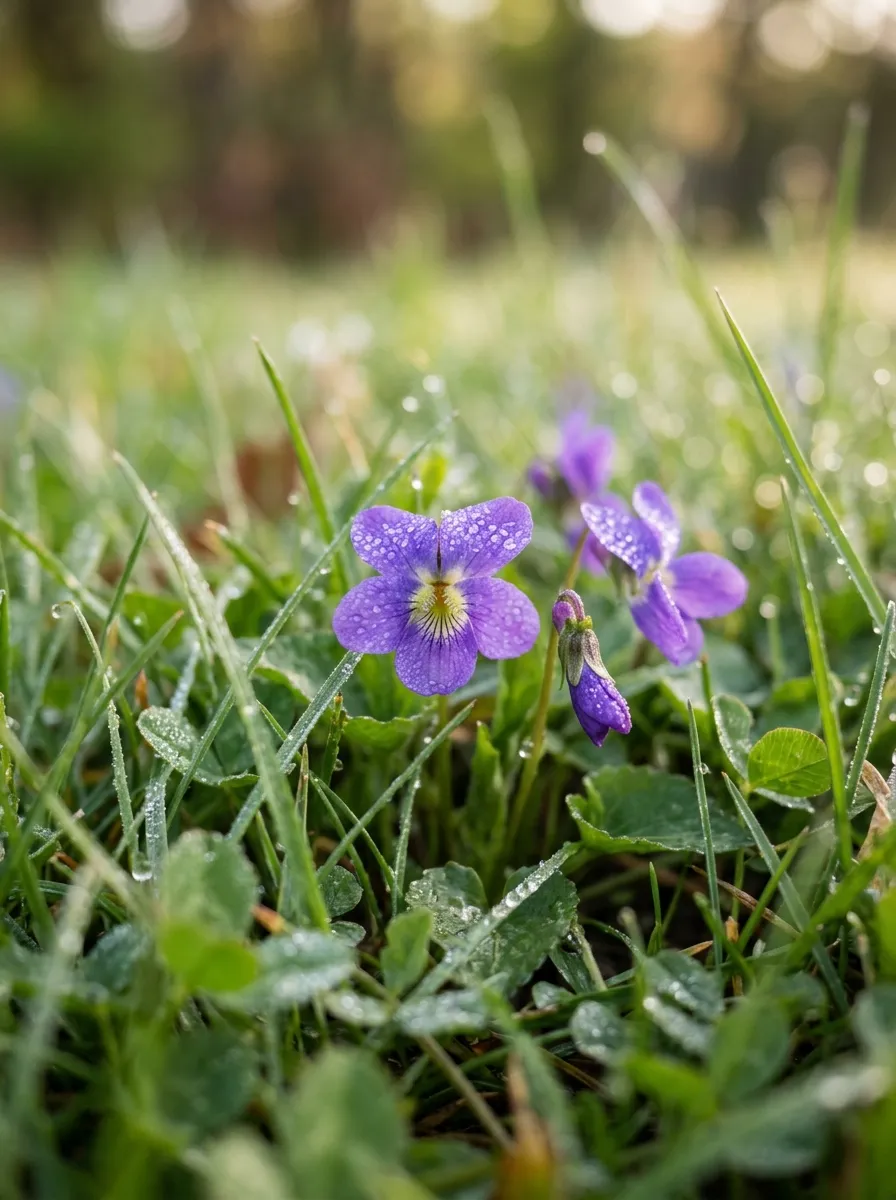
Wild violets are often treated as a lawn weed, but let a patch grow in a shady corner and you get a free, low-maintenance ground cover with small, sweet purple flowers in early spring. They thrive in shade where grass typically struggles, filling in bare, tricky spots at no cost. Violets need very little care once established no fertilizer, no regular watering beyond normal rainfall. The leaves and flowers are edible and can be added to salads or frozen into ice cubes for a simple, decorative touch at a gathering. If they spread further than you’d like, they’re easy to pull by hand since roots are shallow. Violets also self-seed readily, so a small starter patch fills in and spreads on its own within a couple of seasons. For anyone dealing with a shaded, hard-to-plant area, letting violets take over is about as low-effort as gardening gets.
30. Hyacinth Spikes
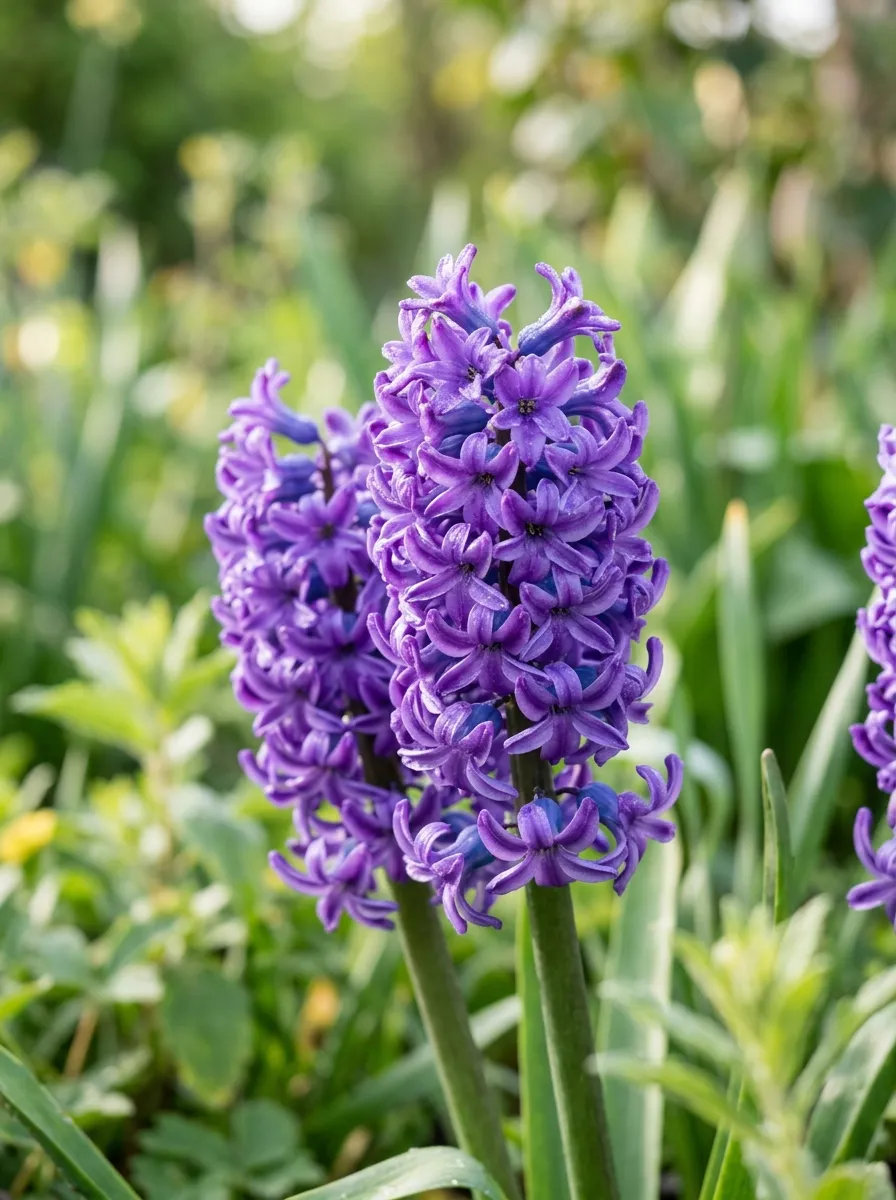
Hyacinths bring an intense fragrance and bold color early in spring, often blooming before most other flowers wake up. Plant bulbs in fall, about 4 inches deep, in soil that drains well. Buy bulbs in bulk bags rather than individually for a much lower per-bulb cost. Space them a few inches apart in clusters for the fullest look and strongest scent impact. Hyacinths can also be forced indoors in a glass of water over winter just suspend the bulb above the waterline with the base barely touching, and place it in a cool, dark spot until roots form, then move to light. This is a free or nearly free way to get flowers indoors in the dead of winter. After outdoor blooms fade, let foliage die back naturally to recharge the bulb for next year. A single hyacinth spike in a small vase can scent an entire room for days.
31. Spring Crocuses
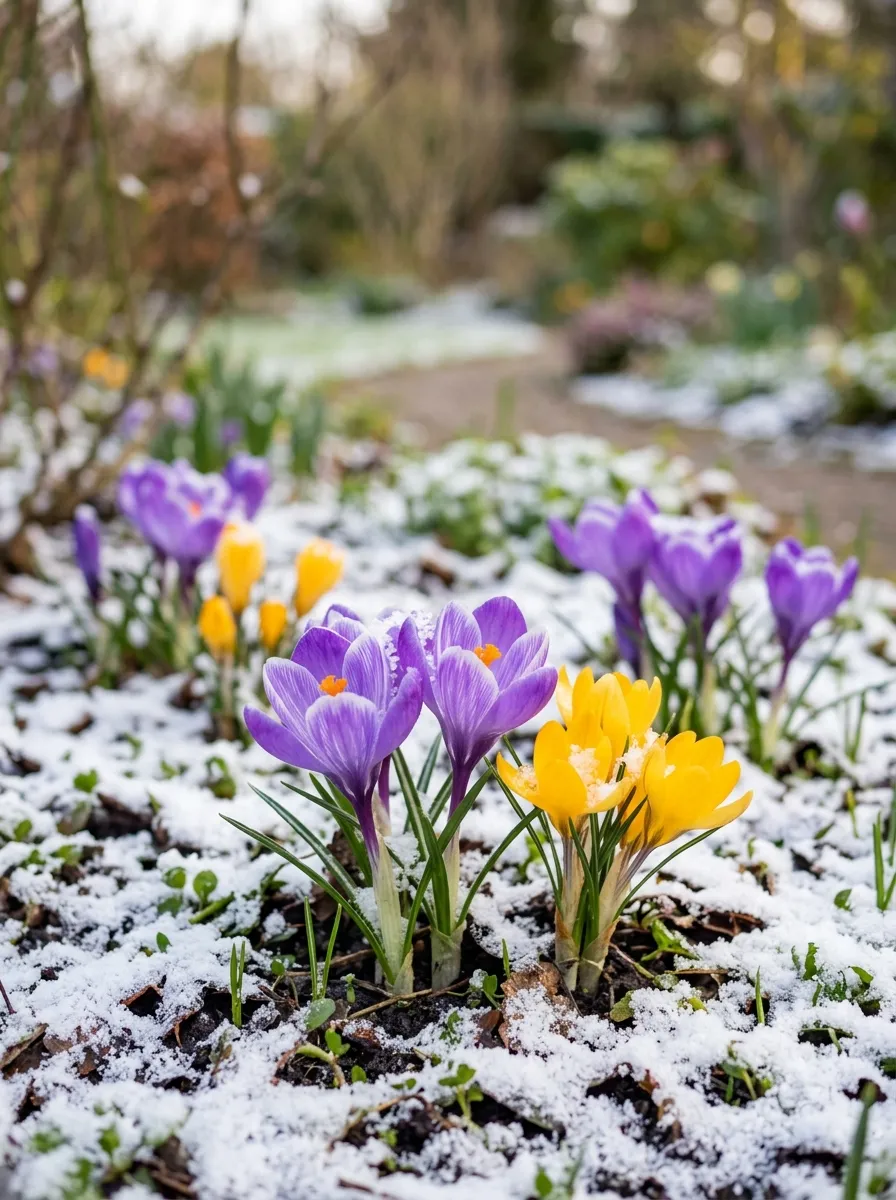
Crocuses are often the very first flowers to appear each year, sometimes pushing up through a light layer of snow. Plant corms in fall, about 3 inches deep, in a sunny spot with well-draining soil. They’re inexpensive to buy in bulk and naturalize readily, spreading into bigger patches over the years without any extra planting or cost. Scatter them through a lawn for a wildflower look mow around them until the foliage yellows naturally, then resume normal mowing. Crocuses also do well in pots by a doorway, giving an early welcome of color before anything else in the yard has woken up. They need almost no care beyond initial planting: no regular watering, no fertilizer. Squirrels sometimes dig up corms, so a layer of chicken wire pinned over the soil in fall can protect a new planting until it’s established.
32. Lilac Bushes
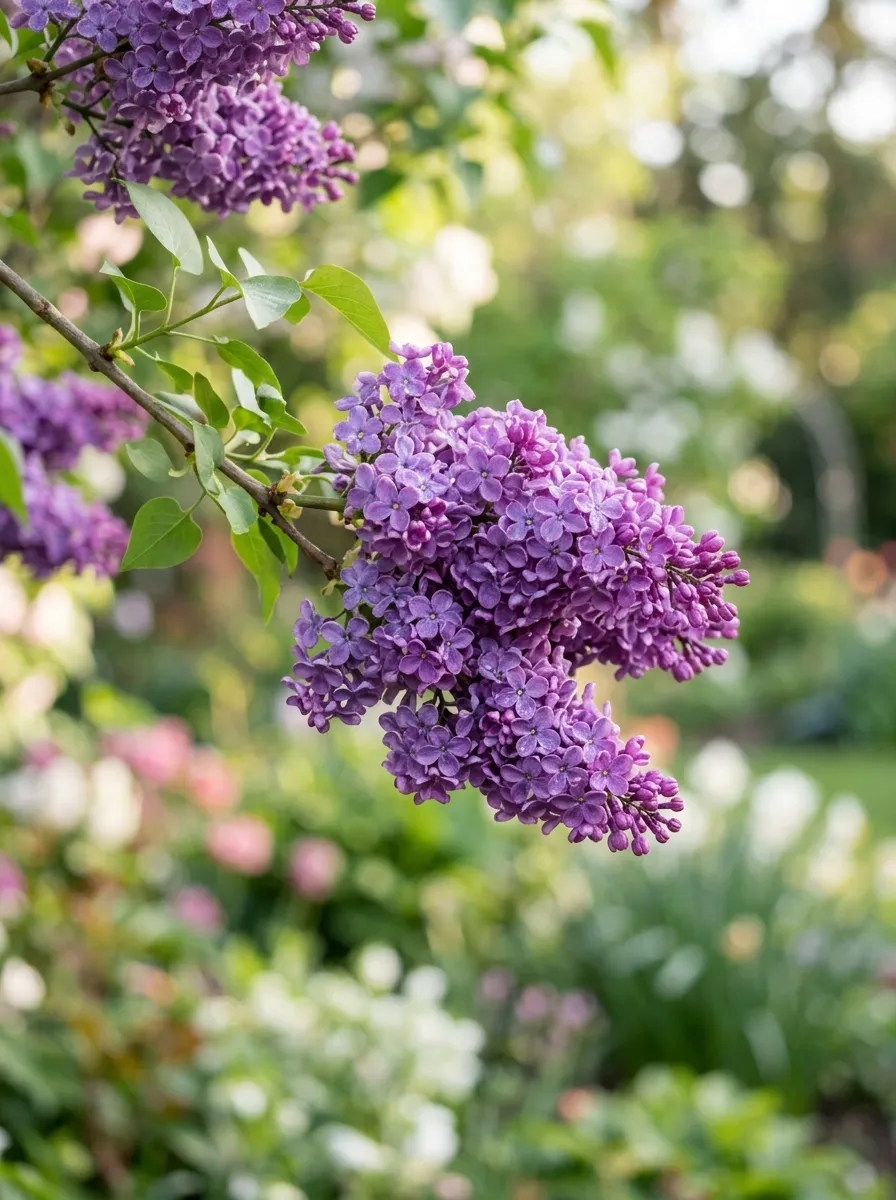
Lilacs deliver a strong, sweet fragrance and armfuls of blooms from a single shrub, making them a favorite for cut flowers in late spring. Plant in full sun in soil that drains well lilacs bloom poorly in shade or wet ground. Prune right after flowering, since next year’s buds form shortly after this year’s blooms fade; pruning later in the season means fewer flowers next spring. Established lilacs need very little water or fertilizer, making them a low-cost, low-maintenance shrub once settled in. Cut branches for indoor bouquets by choosing stems with some buds still closed, which extends how long the display lasts. A mature lilac can be divided or its suckers dug up and replanted elsewhere in the yard, turning one bush into several for free over time. Plant lilacs near a window or patio where the scent can drift indoors on a warm spring breeze.
33. Star Jasmine Vine
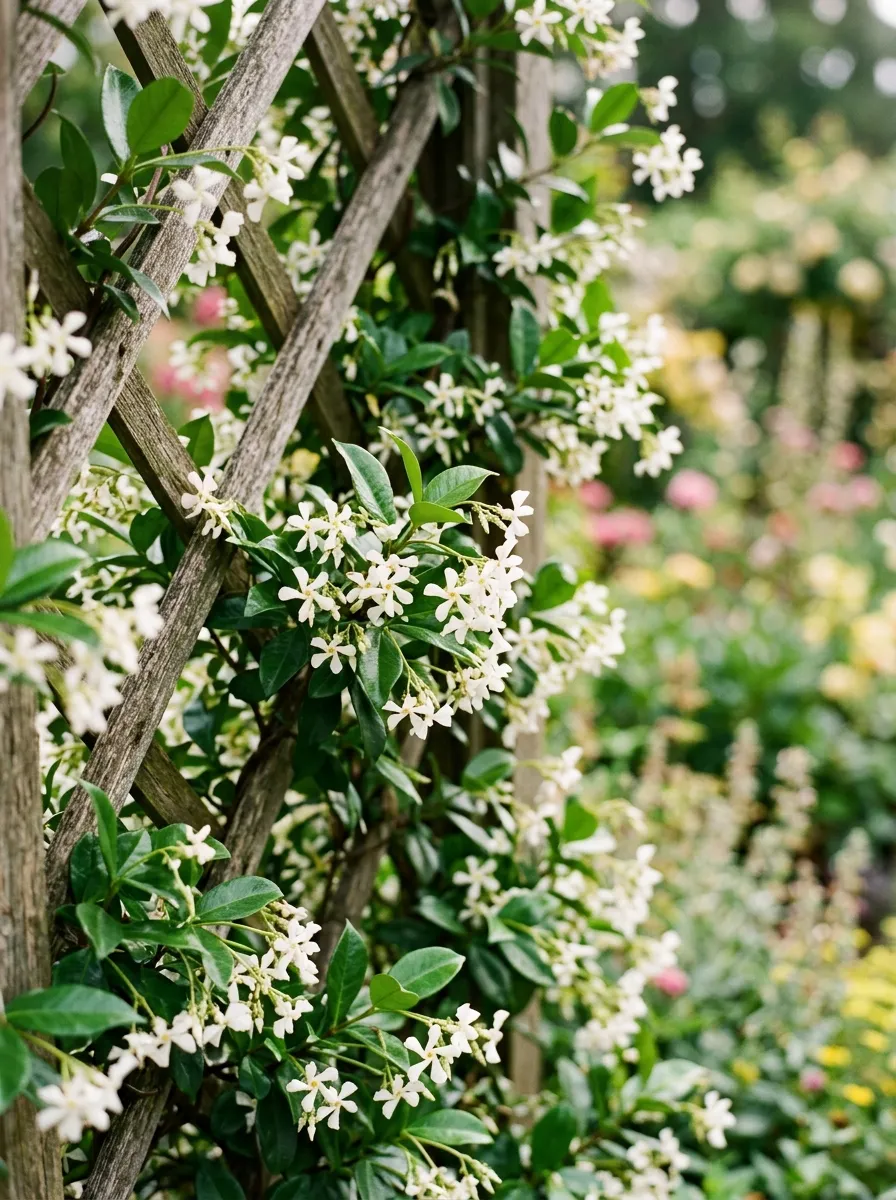
Star jasmine is a climbing vine that covers a fence or trellis in small, star-shaped white flowers with a strong, sweet scent. Plant in full sun to partial shade in well-draining soil, and give it something to climb from the start a simple trellis made from garden stakes and twine works fine and costs almost nothing. Water regularly while young, then ease off once established, as mature vines tolerate short dry spells. Prune after the main bloom period to control size and shape; jasmine grows fast and can get unruly without occasional trimming. Use trimmed cuttings to propagate new plants by rooting them in water, giving you free vines to plant elsewhere. Train the vine along a porch railing or mailbox post for a fragrant, low-cost way to soften a plain structure. Once established, star jasmine needs little more than an annual prune to keep looking full.
34. Honeysuckle Vine
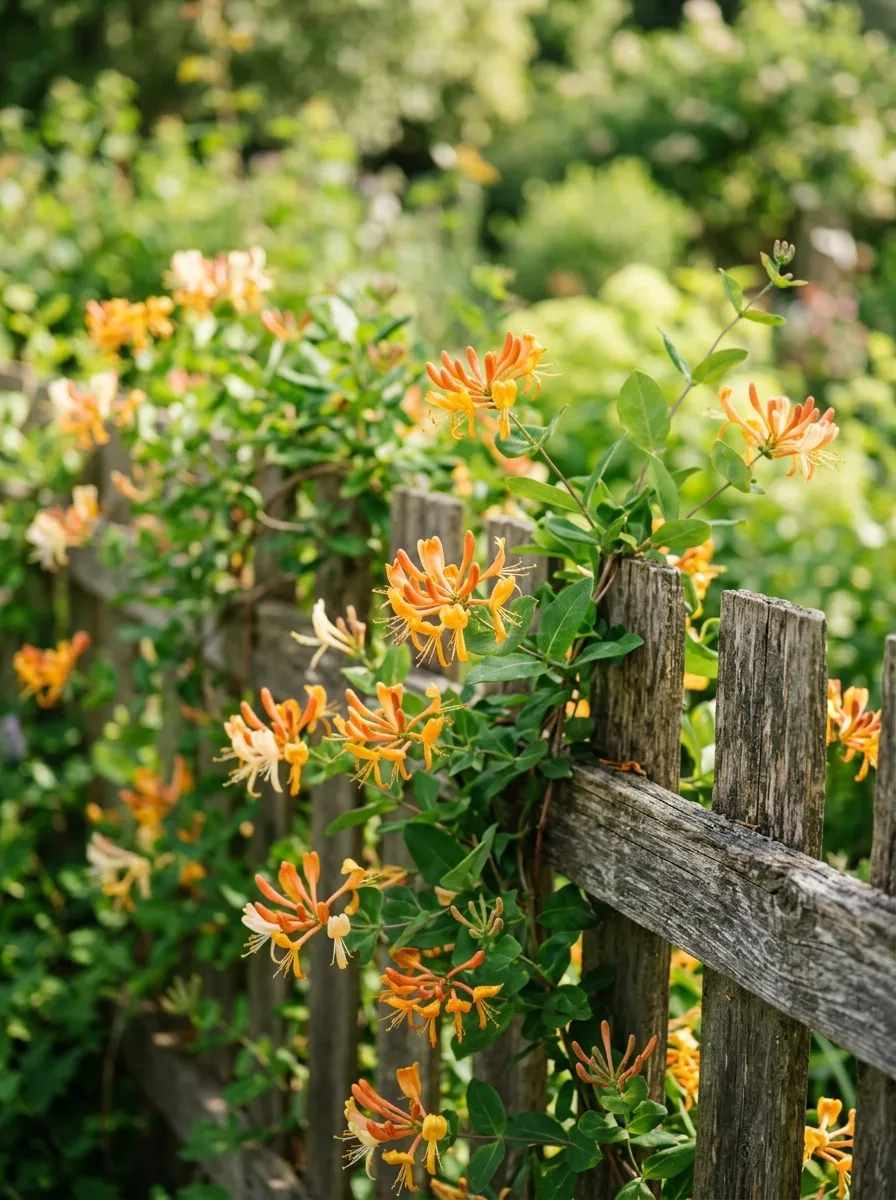
Honeysuckle vines grow quickly and cover fences or trellises with fragrant, tubular flowers that hummingbirds love. Plant in full sun to partial shade in average soil honeysuckle isn’t picky and grows in less-than-perfect conditions. Give the vine support to climb, like a fence or arbor, right from planting. Water regularly the first year, then let established vines rely mostly on rainfall. Prune after flowering to keep growth in check, since honeysuckle can spread aggressively if left alone. Because it grows so fast, a single inexpensive starter plant can cover a large fence within two or three seasons, making it a good value for the space it fills. Cuttings root easily in water, so you can propagate free plants to share or plant elsewhere in the yard. Honeysuckle also works well planted near a patio, where the scent and hummingbird visits add life to outdoor evenings at no extra cost.
35. Wisteria Arbor
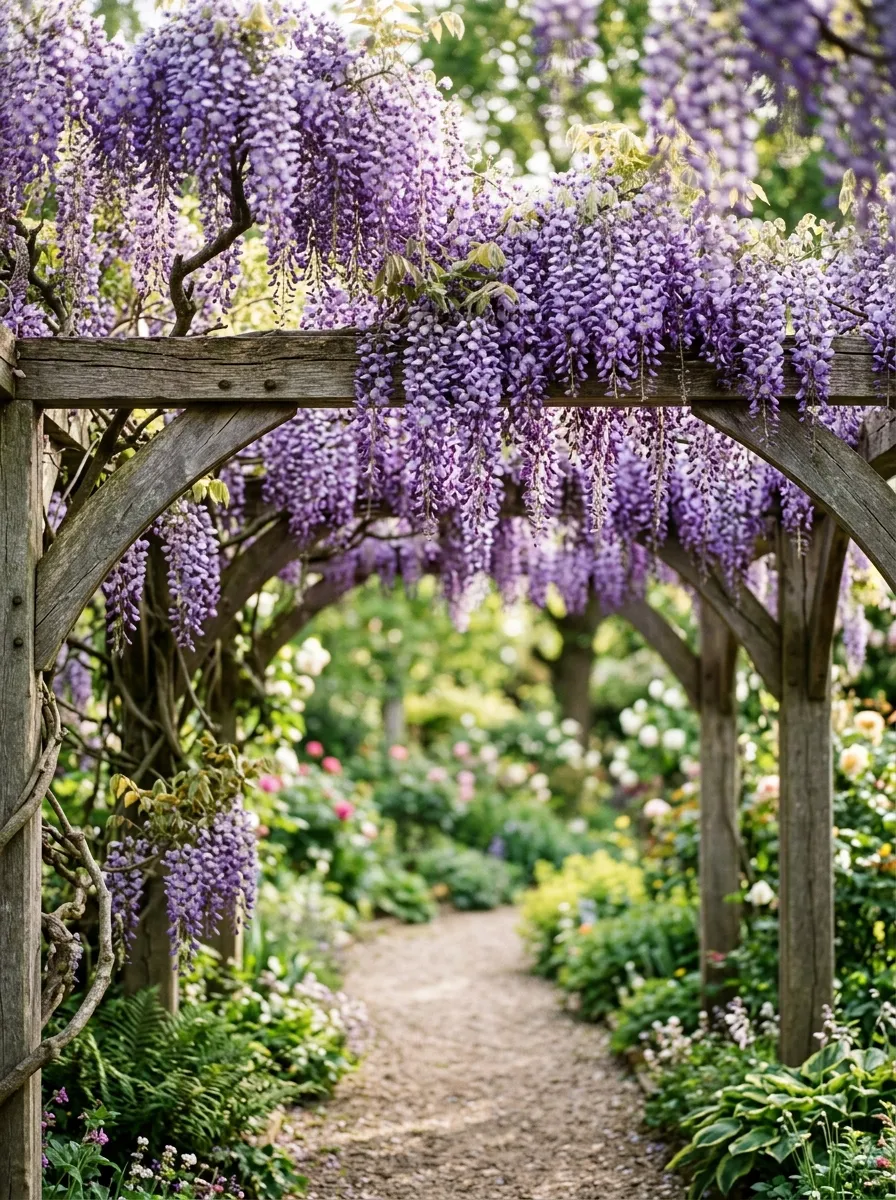
Wisteria produces dramatic, cascading clusters of purple flowers that can transform a plain arbor or pergola into a showpiece. Plant in full sun in well-draining soil, and set up a sturdy support structure from the start wisteria vines get heavy and can damage weak trellises over time. Be patient: wisteria can take a few years to bloom after planting, but once established, a single vine can cover a large structure for decades. Prune twice a year, in summer and again in late winter, to control size and encourage more blooms rather than just leafy growth. Avoid over-fertilizing, especially with nitrogen-heavy products, which encourages leaves over flowers. Because wisteria is such a vigorous grower, one plant is often enough to cover an entire arbor, making it a good value despite the initial wait. Fallen blooms create a soft carpet of purple beneath the arbor each spring, adding beauty with zero extra effort.
36. Foxglove Spires
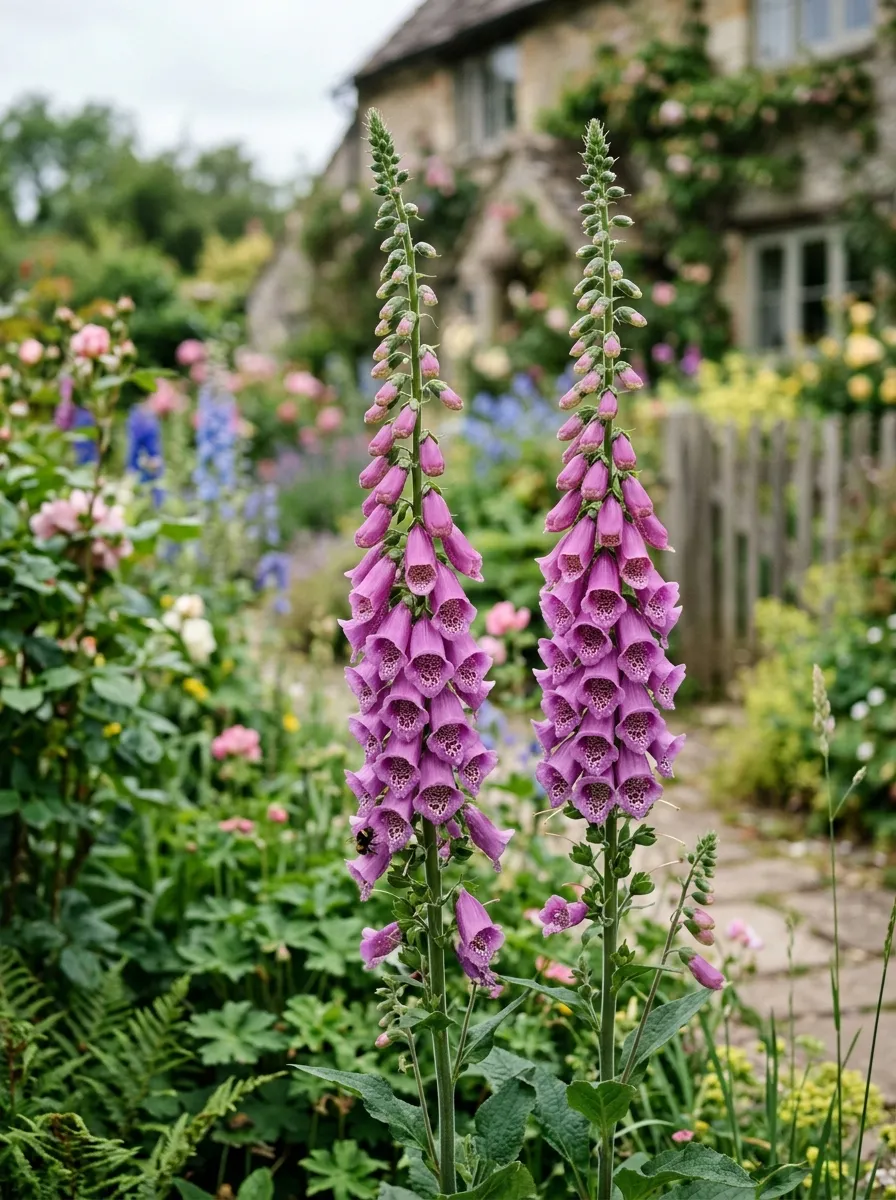
Foxglove adds height and drama to the back of a flower bed with its tall spires of bell-shaped blooms. Most varieties are biennial, meaning they grow leaves the first year and bloom the second, so plant a mix of ages if you want flowers right away. Sow seeds directly in soil in partial shade to full sun; they’re inexpensive and a single packet produces plenty of plants. Foxglove self-seeds readily, so once established, a bed often keeps producing new plants year after year without replanting or extra cost. Deadhead spent spires unless you want seeds to scatter naturally. Note that all parts of foxglove are toxic if ingested, so plant it away from areas where pets or young children graze on plants. Stake tall spires in windy spots to prevent snapping. Foxglove pairs well with roses or peonies, adding vertical interest to an otherwise rounded, low garden bed.
37. Hollyhock Towers
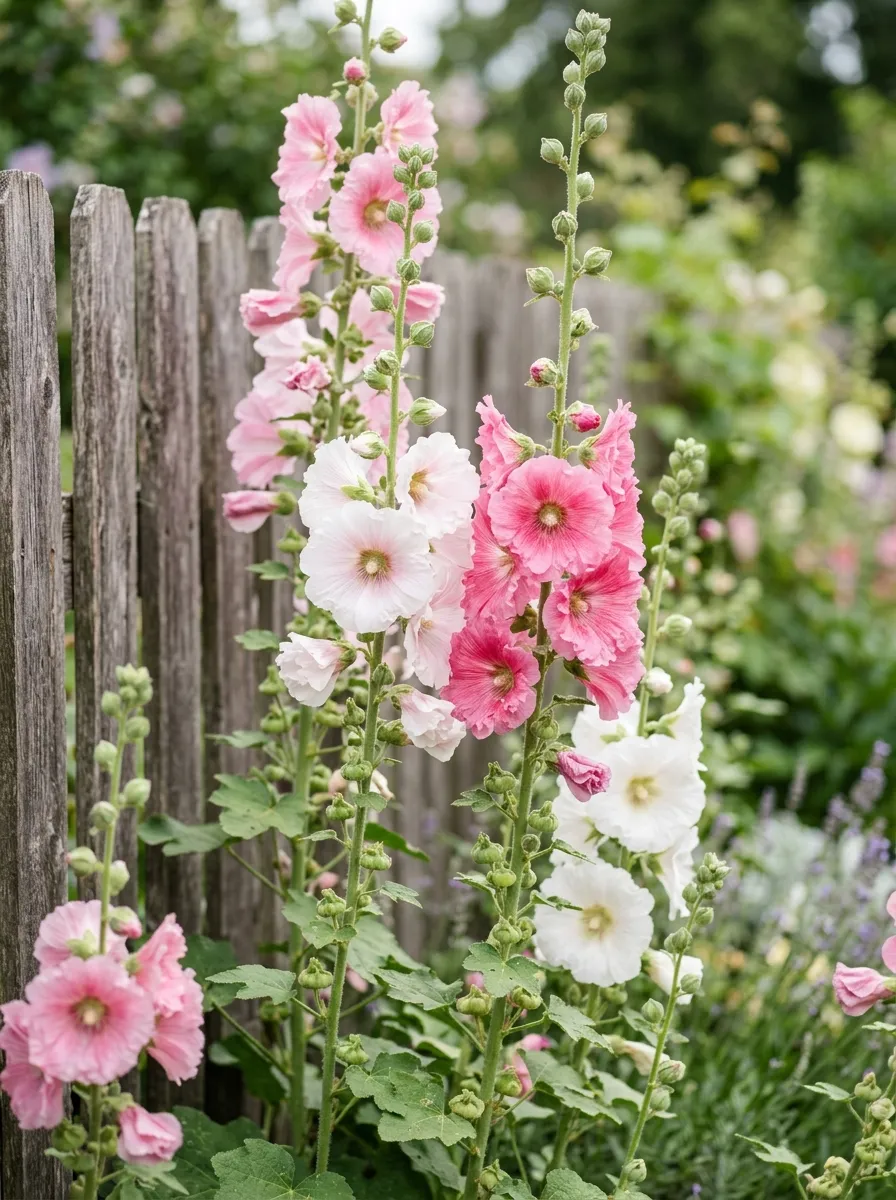
Hollyhocks grow into tall, flower-covered towers that work well against a fence or the side of a shed. Sow seeds directly in soil in full sun; they’re cheap to grow from seed and often reseed themselves once established, giving you free plants year after year. Because they grow so tall – sometimes over six feet – plant them somewhere protected from strong wind, or stake them for support. Water at the base rather than overhead to help prevent rust, a common fungal issue on the leaves; remove and discard affected leaves promptly. Hollyhocks are biennial or short-lived perennial, so keep a few young plants coming each year for continuous blooms. Their height makes them a natural, no-cost way to hide an unattractive fence or utility area. Bees are especially drawn to hollyhock flowers, adding extra life to the garden. Save seed pods at the end of the season to plant elsewhere for free.
38. Delphinium Spikes
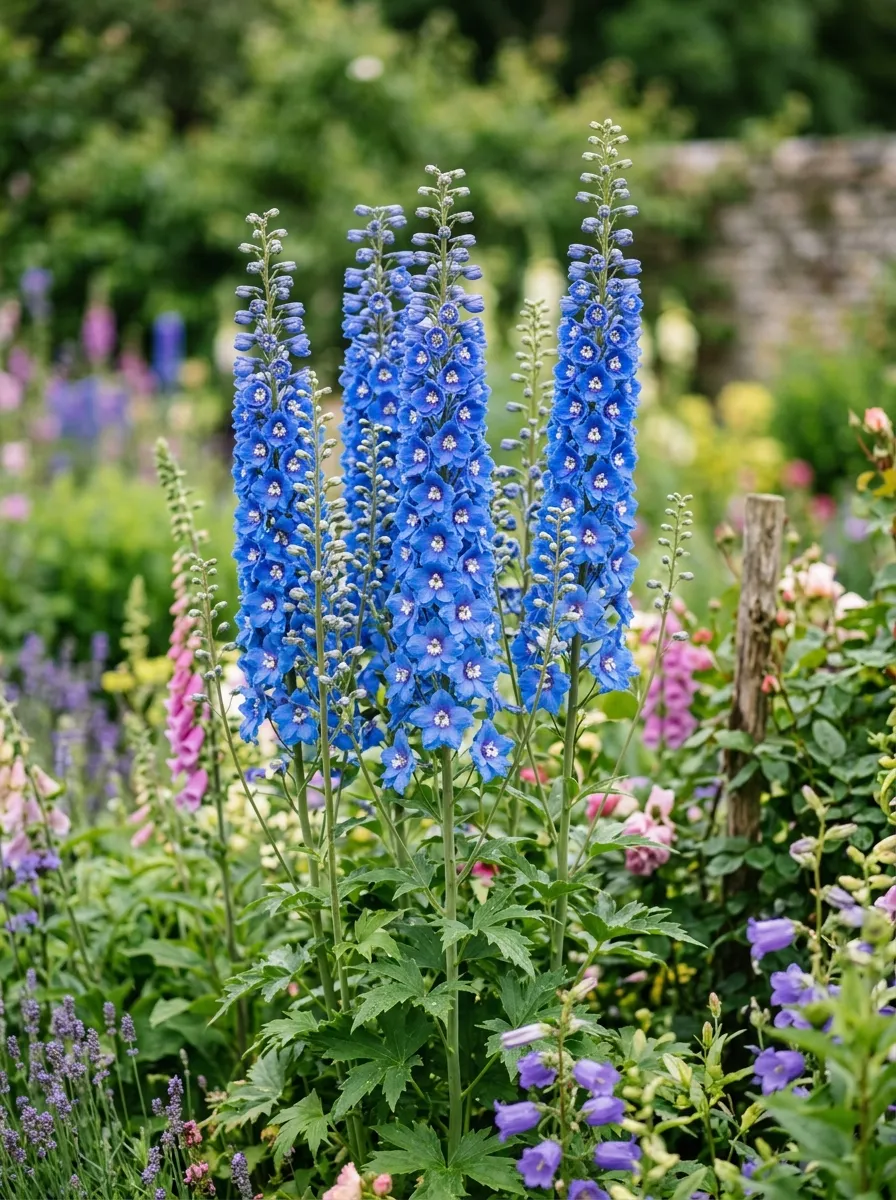
Delphiniums produce some of the most vivid blue flower spikes you can grow, standing tall at the back of a border. Plant in full sun in rich, well-draining soil, and stake them early tall spikes can snap in wind or heavy rain if unsupported. Water deeply and consistently, since delphiniums don’t tolerate long dry spells well. Deadhead after the first bloom for a chance at a second, smaller flush later in the season. These plants can be short-lived in hot, humid climates, so treat them as an annual there and simply replant each year using inexpensive seed packets. In cooler climates, they return reliably for several years. Divide established clumps every few years to keep plants vigorous and to create new plants for free. Delphiniums pair beautifully with white or pale flowers like Shasta daisies, creating a classic cottage-garden look without needing many different plant types.
39. Larkspur
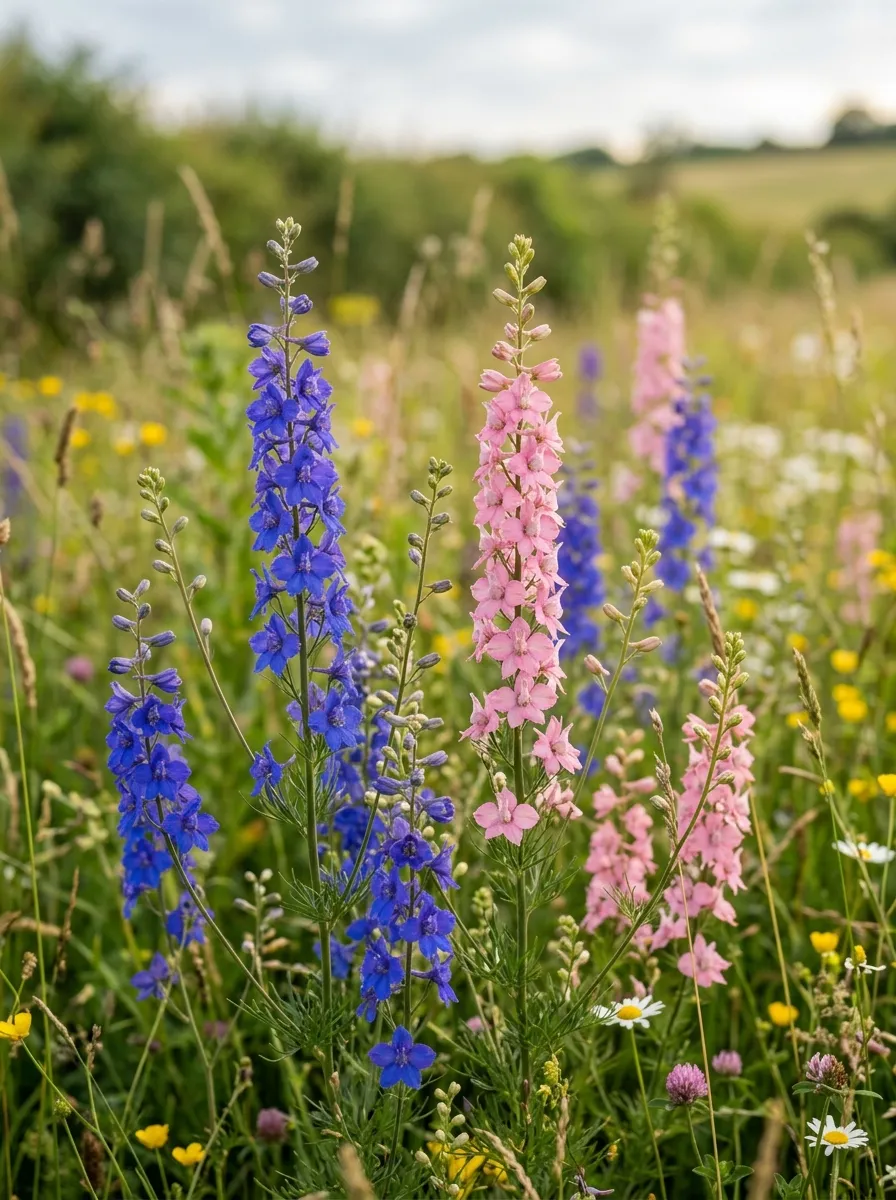
Larkspur is often called the annual cousin of delphinium, offering similar tall, colorful spikes at a much lower cost and with less fuss. Sow seeds directly in the garden in fall or early spring larkspur actually prefers cool soil to germinate well. It tolerates poor soil and needs little fertilizer, keeping costs low. Once established, larkspur often reseeds itself, meaning a single seed packet can produce blooms for several years running without replanting. Deadhead if you want a tidier look, or let some pods dry on the plant to collect seeds for sharing or replanting elsewhere. Larkspur makes an excellent, long-lasting cut flower, and it also dries well for arrangements, holding its color better than many dried flowers. Plant in full sun for the strongest stems and best color. This is a solid pick for anyone who wants delphinium-style height and color without the extra care delphiniums usually demand.
40. Wild Lupine
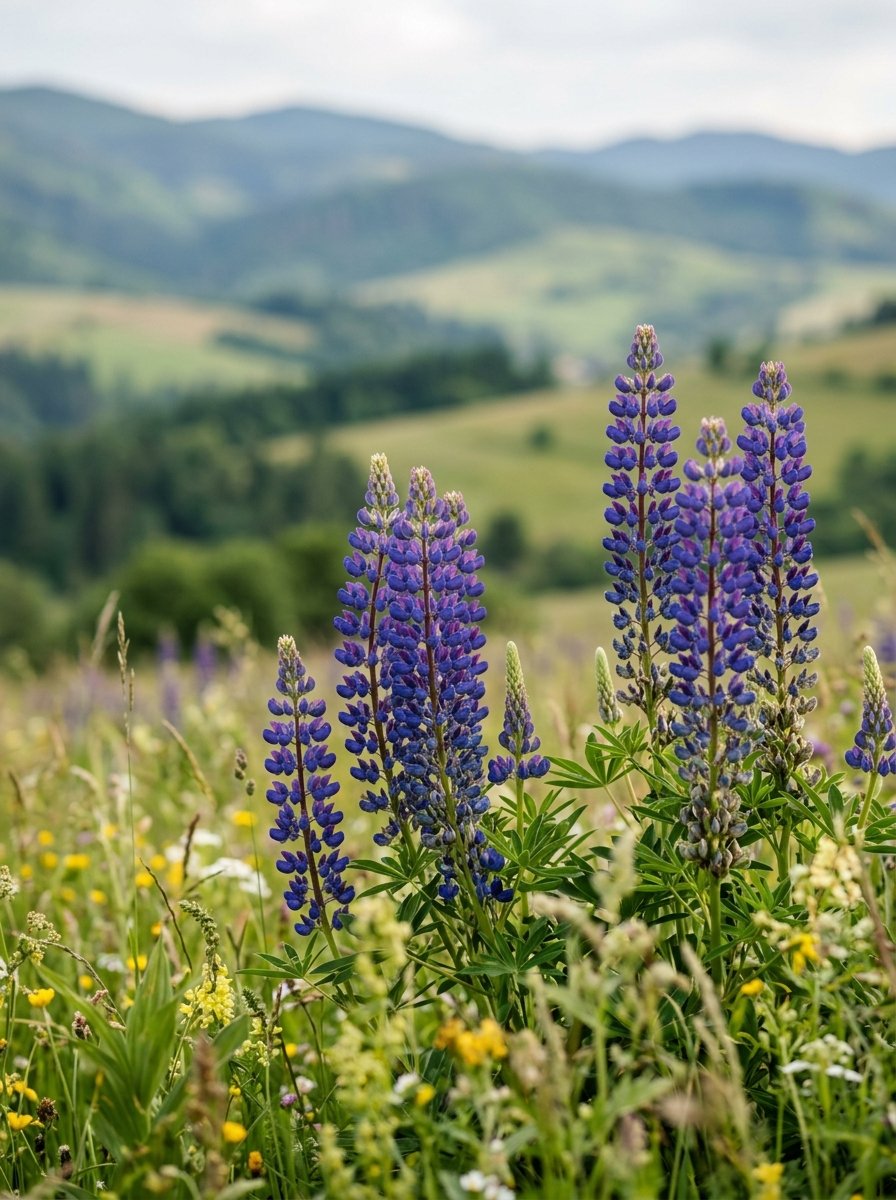
Lupine brings tall, colorful spikes packed with small pea-like flowers, often seen growing wild along roadsides. Sow seeds directly in soil in early spring; nicking the tough seed coat lightly with sandpaper before planting can help speed up germination. Lupine actually prefers poor, sandy soil and doesn’t need fertilizer, since it fixes its own nitrogen from the air a useful trait that also improves the soil around it for free. Plant in full sun for the best flower spikes. Once established, lupine often self-seeds, spreading through a meadow-style bed without extra planting or cost. Deadhead spent spikes for a tidier look, or let pods mature and scatter their seeds naturally. Lupine pairs well in an informal, wildflower-style garden alongside poppies and cosmos. Because it tolerates rough conditions, it’s a smart pick for a sunny slope or dry patch where other flowers might struggle.
41. New England Aster
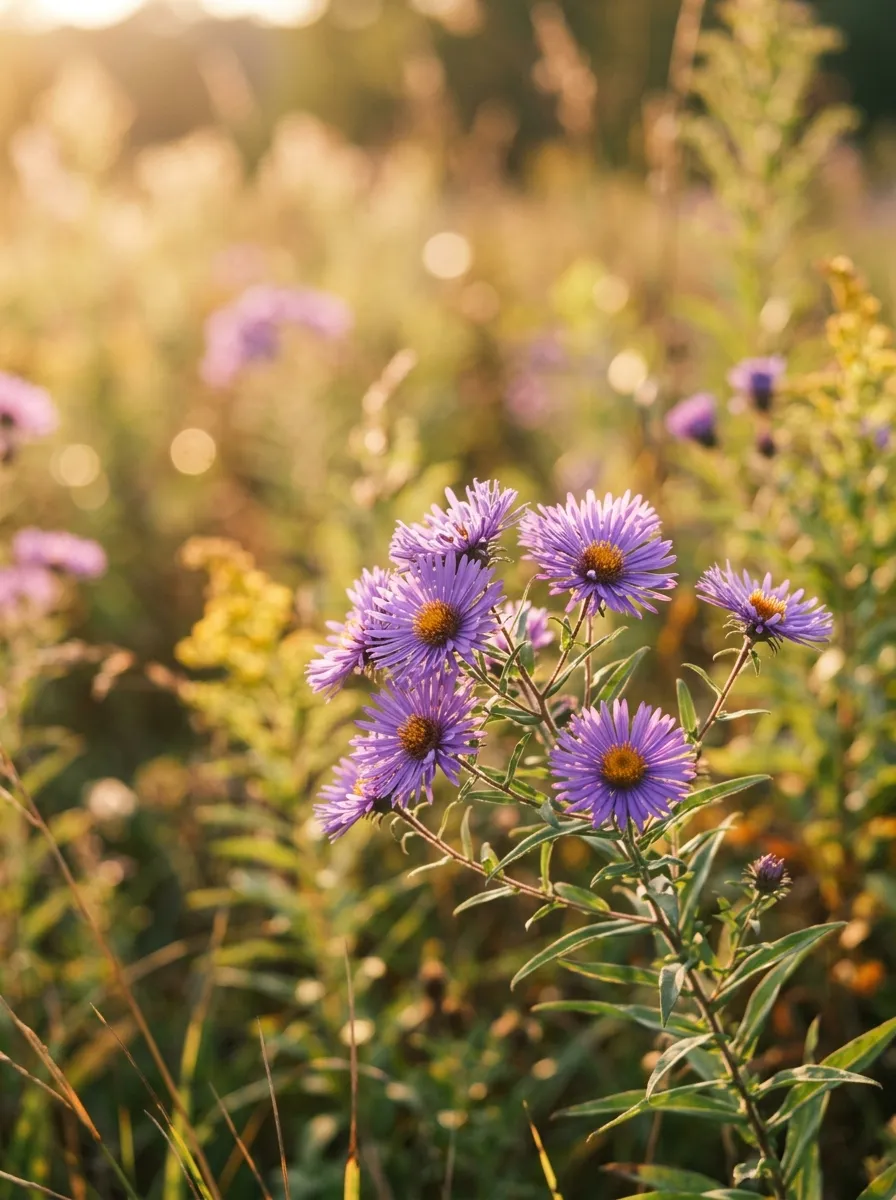
New England asters bloom late in the season, often right when most other flowers are fading, giving your garden color well into fall. Plant in full sun in average soil; asters aren’t fussy and tolerate a range of conditions. Pinch back stems in early summer to encourage bushier growth and more blooms rather than tall, floppy stems. Water during dry spells, but established plants tolerate some neglect. Divide clumps every two to three years in spring to keep plants healthy and to create new plants for free, which can be shared or spread to other parts of the yard. Asters are a magnet for late-season pollinators like bees and migrating butterflies, adding life to the garden as summer winds down. Cut stems for simple fall arrangements alongside mums or ornamental grasses. Because they’re so easy to divide, one initial purchase can fill an entire bed within a few years at no added cost.
42. Black-Eyed Susan
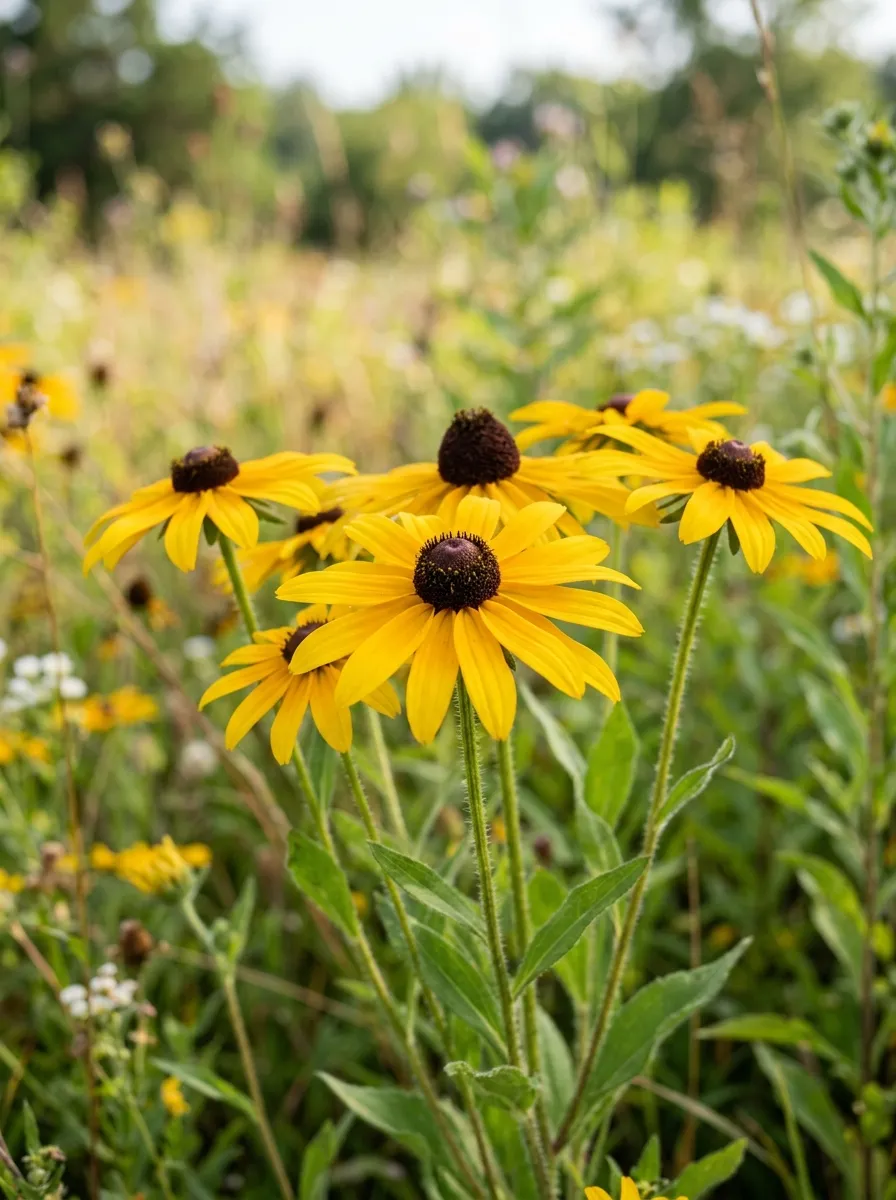
Black-eyed Susans are a tough, cheerful perennial that blooms for months with almost no maintenance. Sow seeds directly in soil in full sun, or start with a single inexpensive nursery plant that will spread over time. They tolerate poor soil, drought, and heat better than most flowers, making them a smart, low-cost pick for tricky spots in the yard. Deadhead spent blooms to extend flowering, though even without deadheading they keep producing new flowers steadily. Divide established clumps every few years to keep them vigorous and to create free new plants for other beds. Black-eyed Susans also self-seed readily, often popping up in new spots on their own each year. They attract bees and butterflies, adding activity to the garden. Cut stems make a simple, rustic addition to a bouquet, especially paired with ornamental grasses. This is one of the easiest flowers to recommend to a first-time gardener.
43. Purple Coneflower
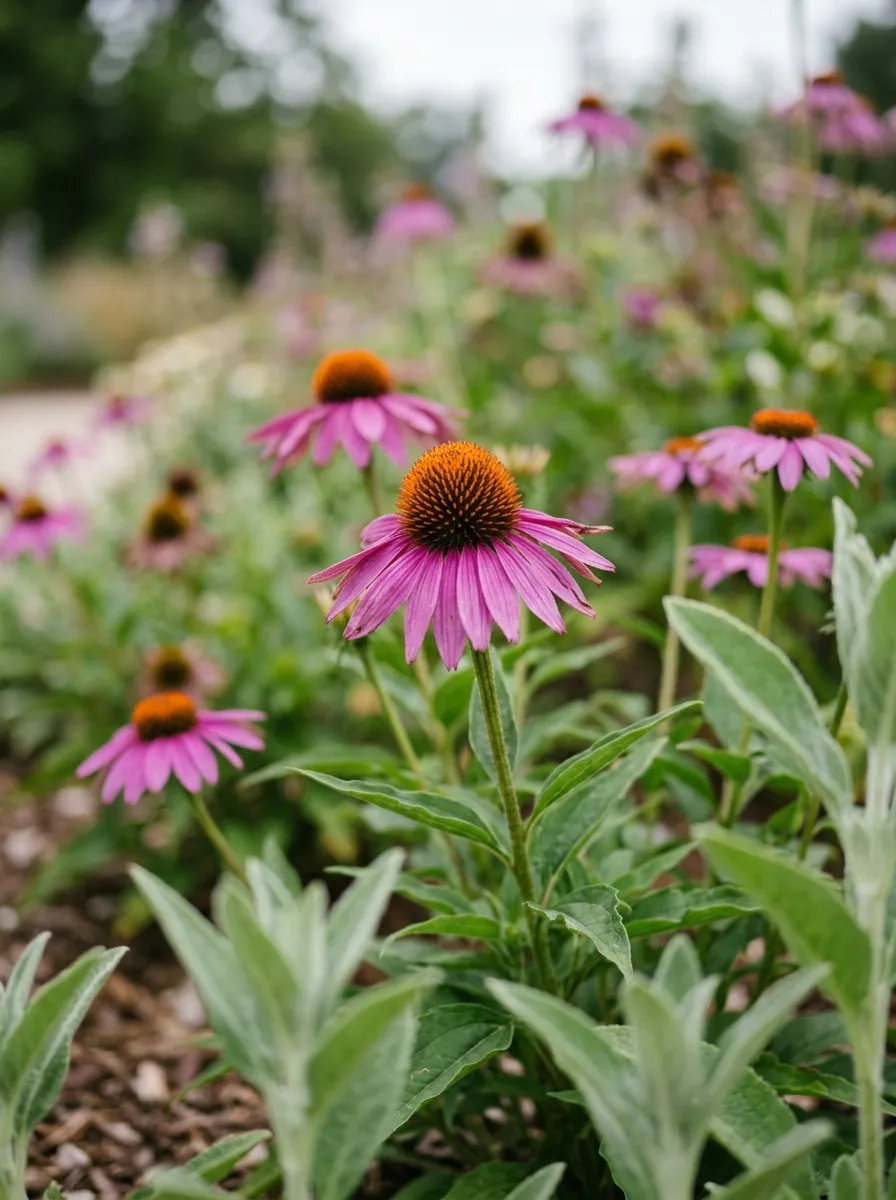
Purple coneflower, often called echinacea, is a tough perennial that tolerates drought, poor soil, and neglect while still producing bold, long-lasting blooms. Plant in full sun; established plants rarely need extra watering beyond normal rainfall. Leave spent flower heads standing through fall and winter instead of cutting them back birds, especially goldfinches, feed on the seeds, adding free wildlife activity to your yard. Divide clumps every few years in spring to keep plants healthy and to create new ones at no cost. Coneflowers also self-seed, often producing volunteer plants in nearby soil that you can transplant elsewhere for free. They pair naturally with black-eyed Susans and ornamental grasses for a low-maintenance, prairie-style bed. Cut a few stems for a rustic bouquet, or leave them in place to support pollinators. Because they need so little upkeep, coneflowers are a smart choice for anyone wanting color without a demanding maintenance routine.
44. Bleeding Heart
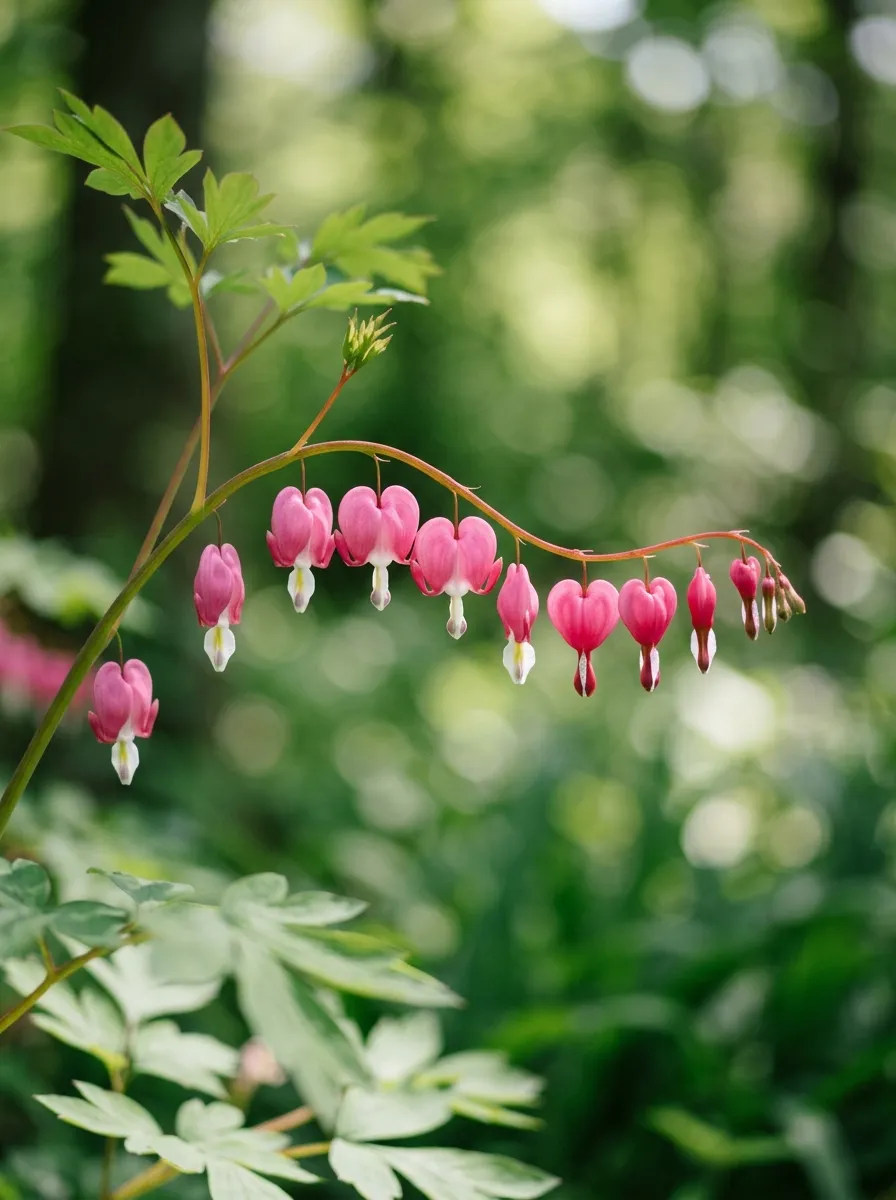
Bleeding heart is a shade-loving perennial with distinctive, heart-shaped flowers dangling along arching stems, adding a delicate look to shady garden corners. Plant in partial to full shade in soil that stays consistently moist but drains well. Water regularly, especially during dry spells, since bleeding heart doesn’t tolerate prolonged drought. The plant naturally dies back and goes dormant in the heat of summer this is normal, not a sign of a problem, so plant later-blooming shade perennials like hosta nearby to fill the visual gap. Divide clumps every few years in early spring to refresh the plant and create free new starts for other shady spots. Because it thrives where many flowers won’t, bleeding heart is a valuable, low-cost solution for a shaded yard. Cut a few stems for a simple, unusual addition to a spring bouquet. Mulch around the base to retain moisture and keep roots cool.
45. Columbine
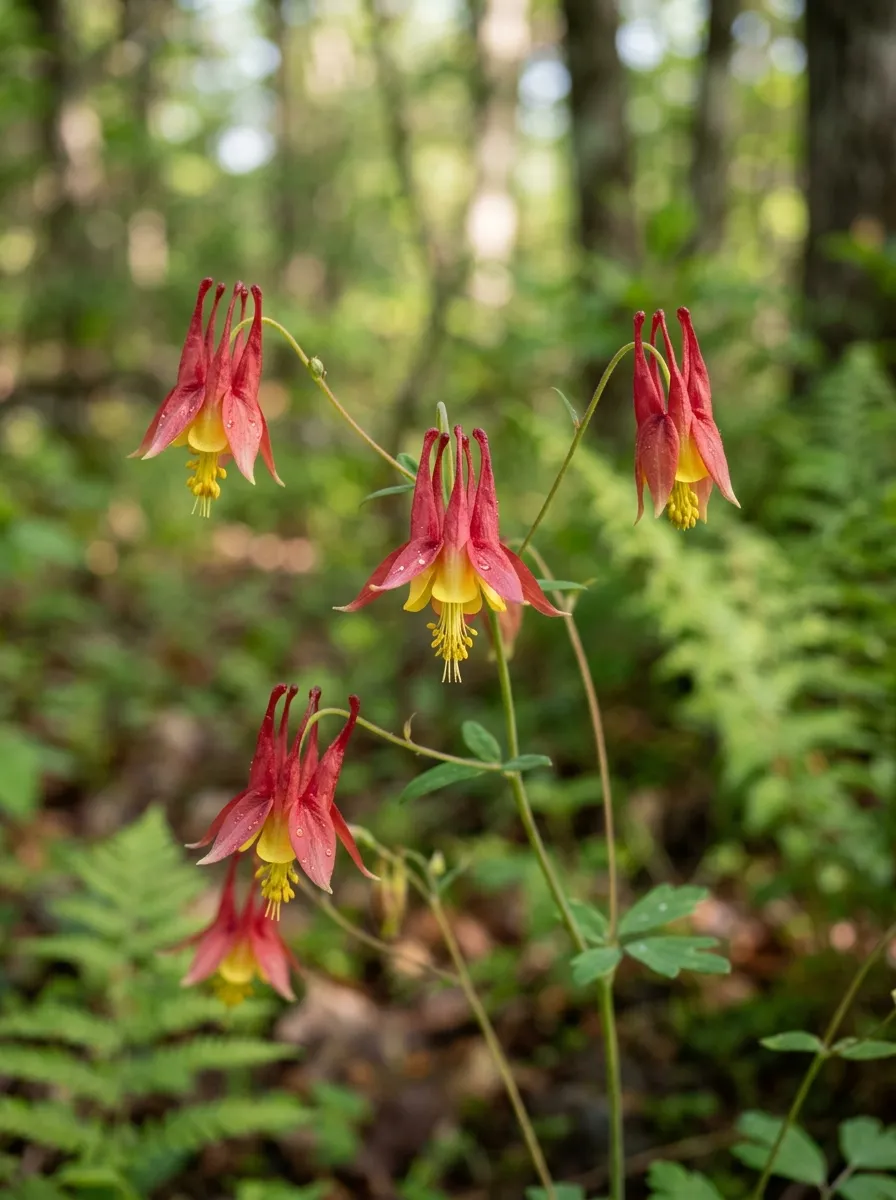
Columbine offers delicate, spurred flowers in a range of colors and does well in both sun and partial shade, making it flexible for different parts of the yard. Sow seeds directly in soil or start with an inexpensive nursery plant; columbine often self-seeds readily once established, spreading new plants for free each year. It tolerates average soil and needs only occasional watering once settled in. Deadhead spent blooms to tidy the plant, or let seed pods mature and scatter naturally for a fuller patch next season. Columbine is generally short-lived as an individual plant, lasting a few years, but its self-seeding habit means a bed often maintains itself indefinitely without repurchasing. Hummingbirds are drawn to the tubular flowers, adding movement and life to the garden. Plant columbine near a woodland edge or under high tree branches where dappled light suits it well, filling a spot where many sun-loving flowers would struggle.
46. Coral Bells
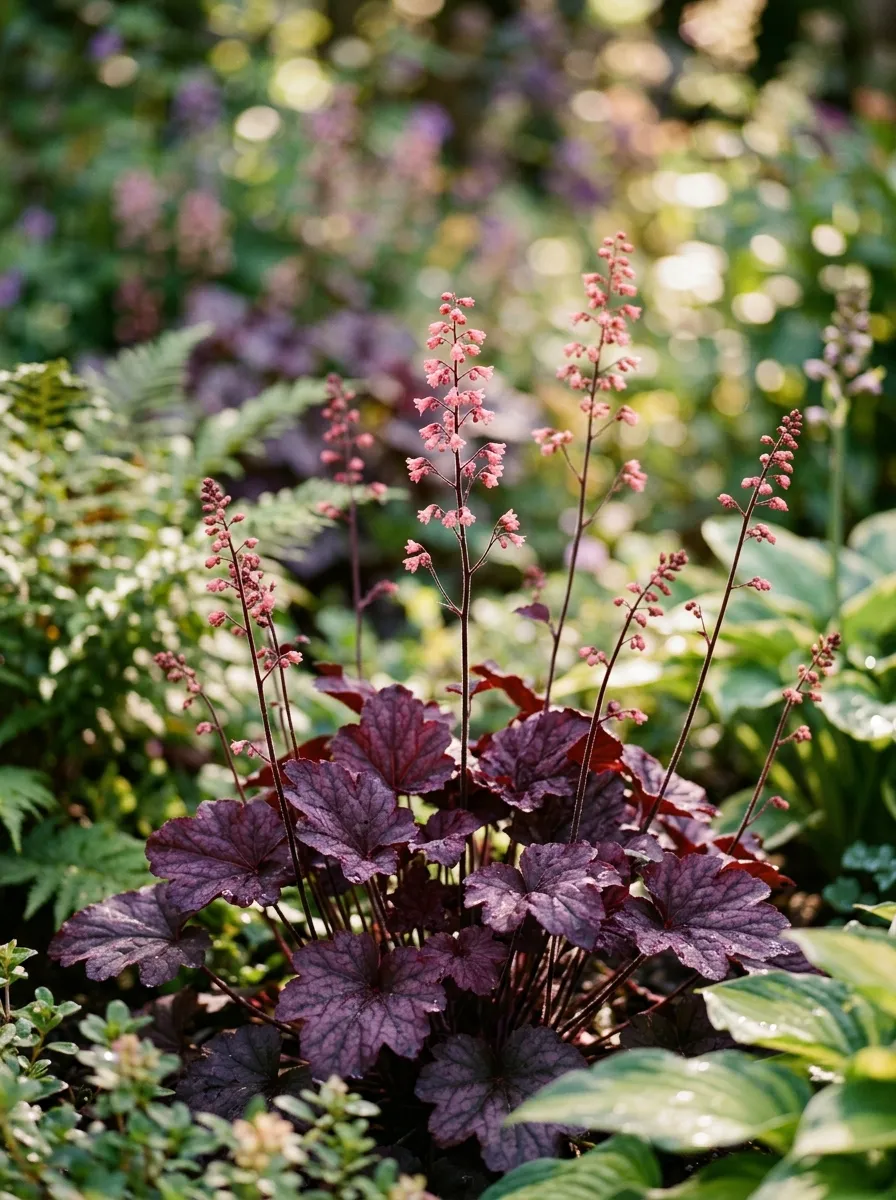
Coral bells, or heuchera, are grown as much for their colorful foliage as for their small, delicate flower spikes. Leaves come in shades from deep purple to lime green, adding color to shady beds even when nothing is in bloom. Plant in partial shade in soil that drains well, and avoid planting the crown too deep, which can cause rot. Water regularly the first year, then ease off once established. Divide clumps every few years as the center of the plant tends to get woody each division becomes a free new plant to fill gaps elsewhere. Coral bells pair well with ferns and hosta in a shaded bed, adding color contrast without needing bright blooms. Cut flower spikes are delicate and airy, working well as filler in a small bouquet. Because the foliage looks good for most of the year, coral bells offer more visual return per plant than many flowering perennials.
47. Garden Phlox
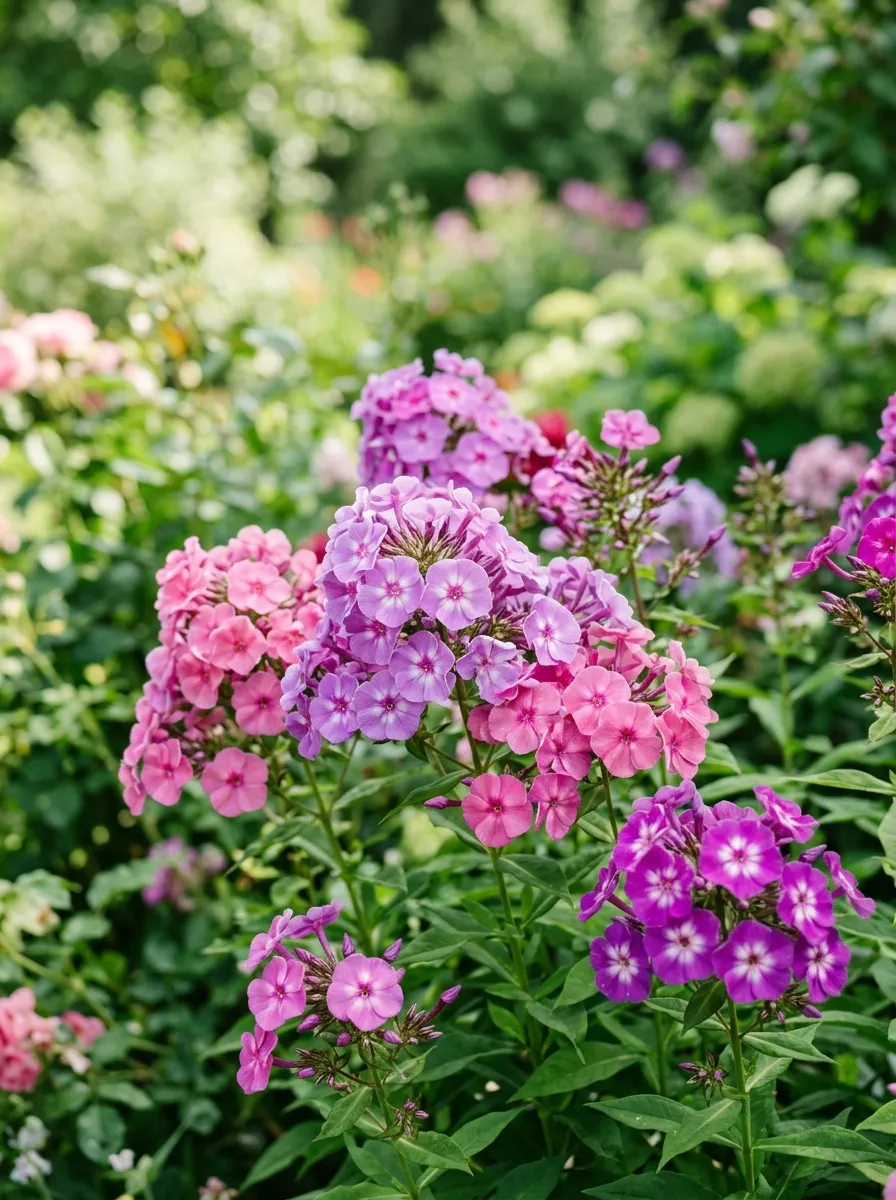
Garden phlox produces large, fragrant flower clusters in mid to late summer, filling a common gap when many spring bloomers have finished. Plant in full sun to partial shade in soil that drains well, and space plants generously to allow airflow, which helps prevent powdery mildew on the leaves. Water at the base rather than overhead for the same reason. Deadhead spent blooms to encourage a second flush later in the season. Divide clumps every three to four years in spring to keep plants healthy and to create new ones at no cost, spreading color to other parts of the yard. Phlox attracts butterflies and hummingbirds, adding activity to the garden through the hottest part of summer. Cut stems for a fragrant addition to indoor bouquets. Because a single established clump can be divided repeatedly, phlox offers a strong long-term return from one initial, relatively low-cost purchase.
48. Scarlet Salvia
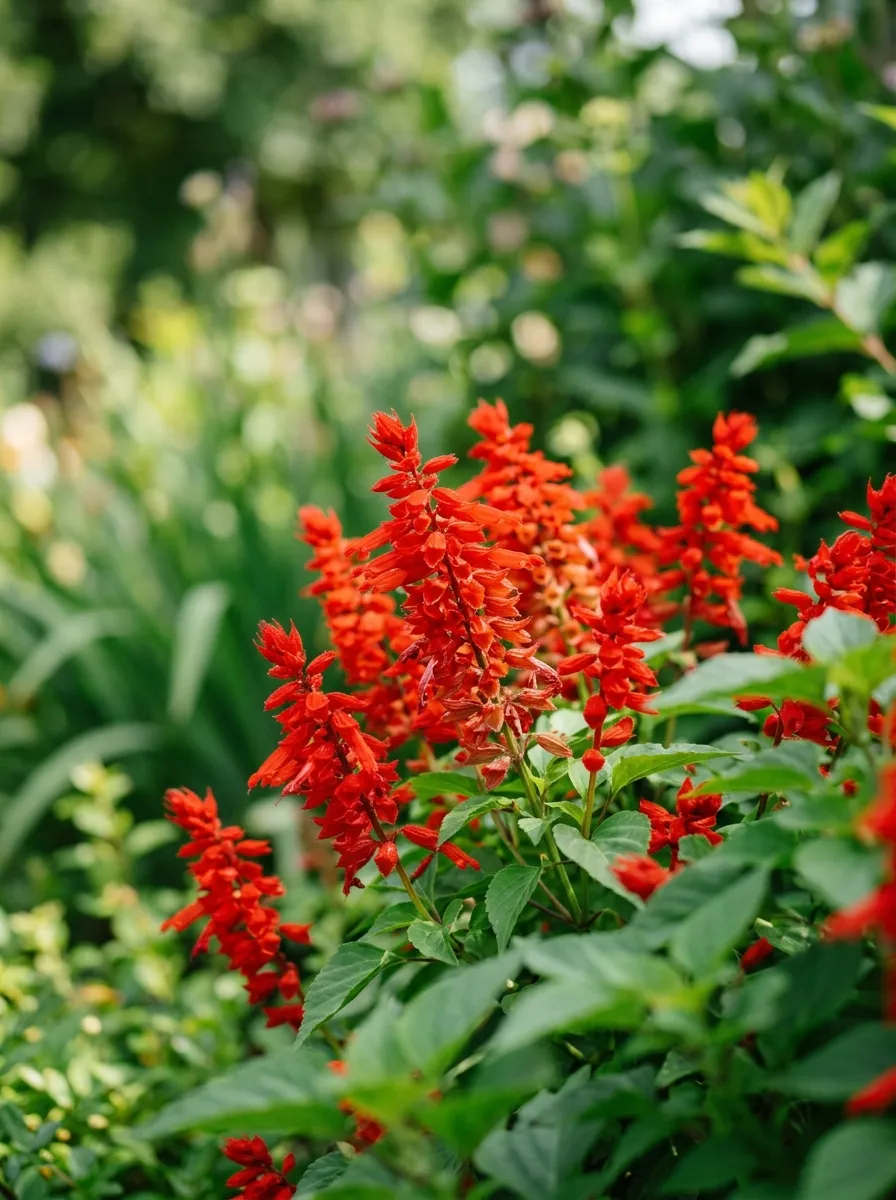
Scarlet salvia produces tall, bold spikes of red flowers that bloom nonstop from early summer through frost, making it a strong value for a single plant. Sow seeds indoors in late winter for an early start, or buy inexpensive starter plants from a nursery flat. Plant in full sun in average soil; salvia isn’t picky and tolerates heat well. Deadhead spent spikes to keep new blooms coming, or simply let the plant continue on its own, since many varieties are naturally self-cleaning. Hummingbirds are especially drawn to red salvia, adding free entertainment right outside a window. Water moderately, allowing soil to dry slightly between waterings. Salvia also tolerates being grown in containers, making it a flexible choice for patios without garden beds. Because it blooms for such a long stretch, one salvia plant can provide more weeks of color than many other annuals purchased at the same price.
49. Verbena Ground Cover
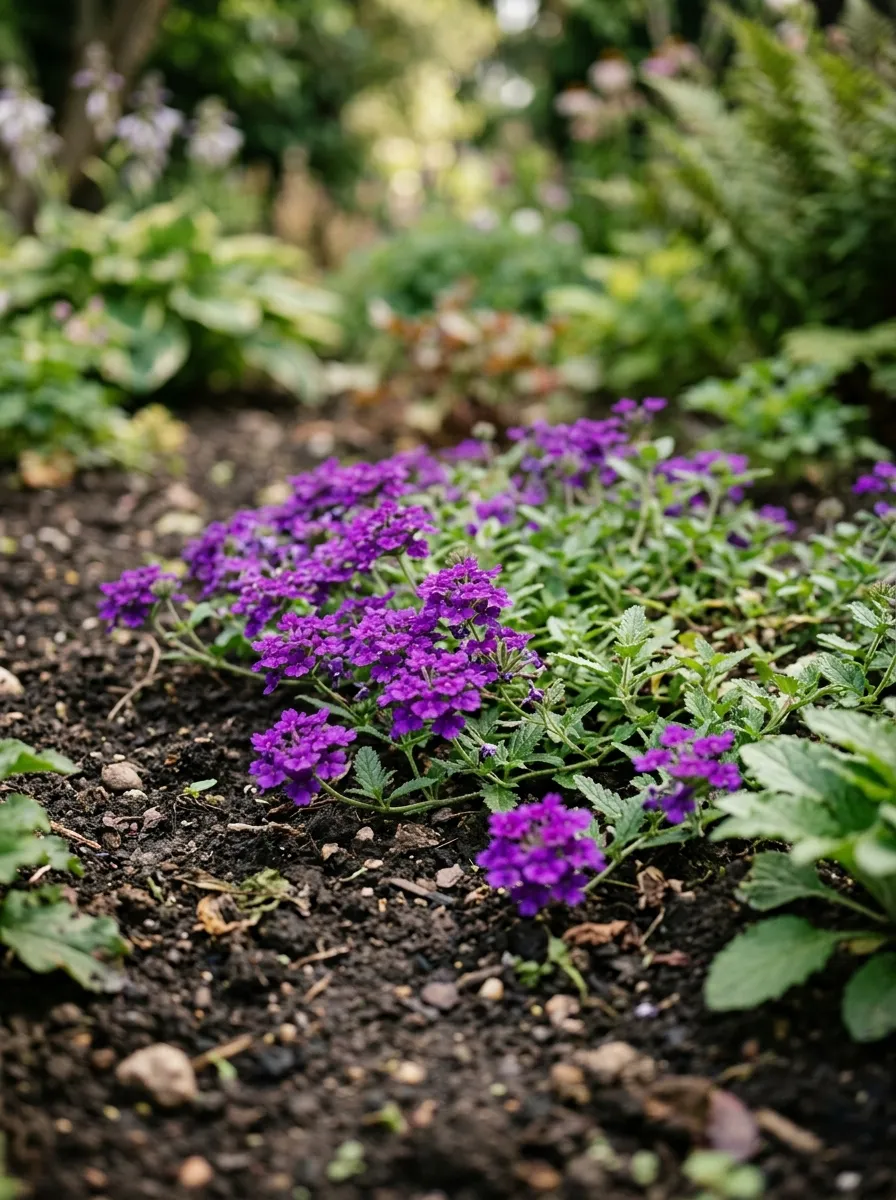
Verbena spreads low and wide, making it a practical, low-cost ground cover that also produces clusters of small flowers all summer. Plant in full sun in well-draining soil; verbena tolerates heat and some drought once established, cutting down on watering chores. A single plant can spread to cover a few feet of ground, so you need fewer plants to fill a bed compared to more upright flowers. Trim back leggy growth midsummer to encourage denser, fuller coverage and more blooms. Verbena works well spilling over the edge of a raised bed, retaining wall, or container, softening hard edges at no extra cost beyond the initial plant. It also attracts butterflies, adding life to a low border. Because it roots easily where stems touch soil, you can often propagate new plants for free simply by pinning a stem down with a rock or piece of wire until roots form.
50. Sweet Alyssum
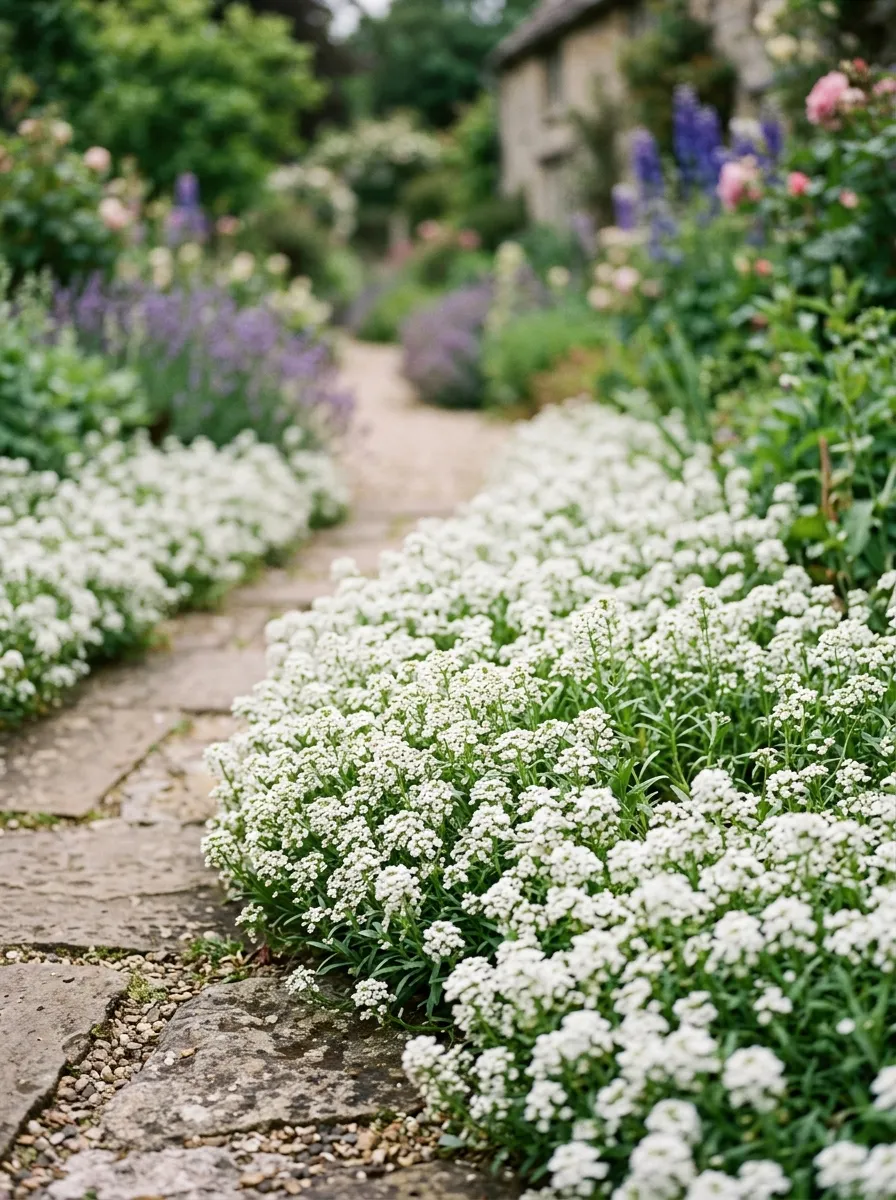
Sweet alyssum forms a low, dense carpet of tiny flowers and is one of the cheapest ways to fill gaps between larger plants in a bed. Sow seeds directly on the soil surface they need light to germinate, so don’t bury them. It tolerates poor soil and needs little water once established, making it forgiving for beginners. Alyssum blooms quickly from seed, often within a few weeks, giving a fast payoff for very little cost. Trim back after the first flush of bloom to encourage a second round later in the season. It also self-seeds readily, often returning the following year without any replanting. Plant along the front edge of a border, between stepping stones, or spilling from a container to soften hard lines. The scent, though subtle, has a honey-like sweetness that’s noticeable up close. A single seed packet can cover a surprising amount of ground.
51. Calendula (Pot Marigold)
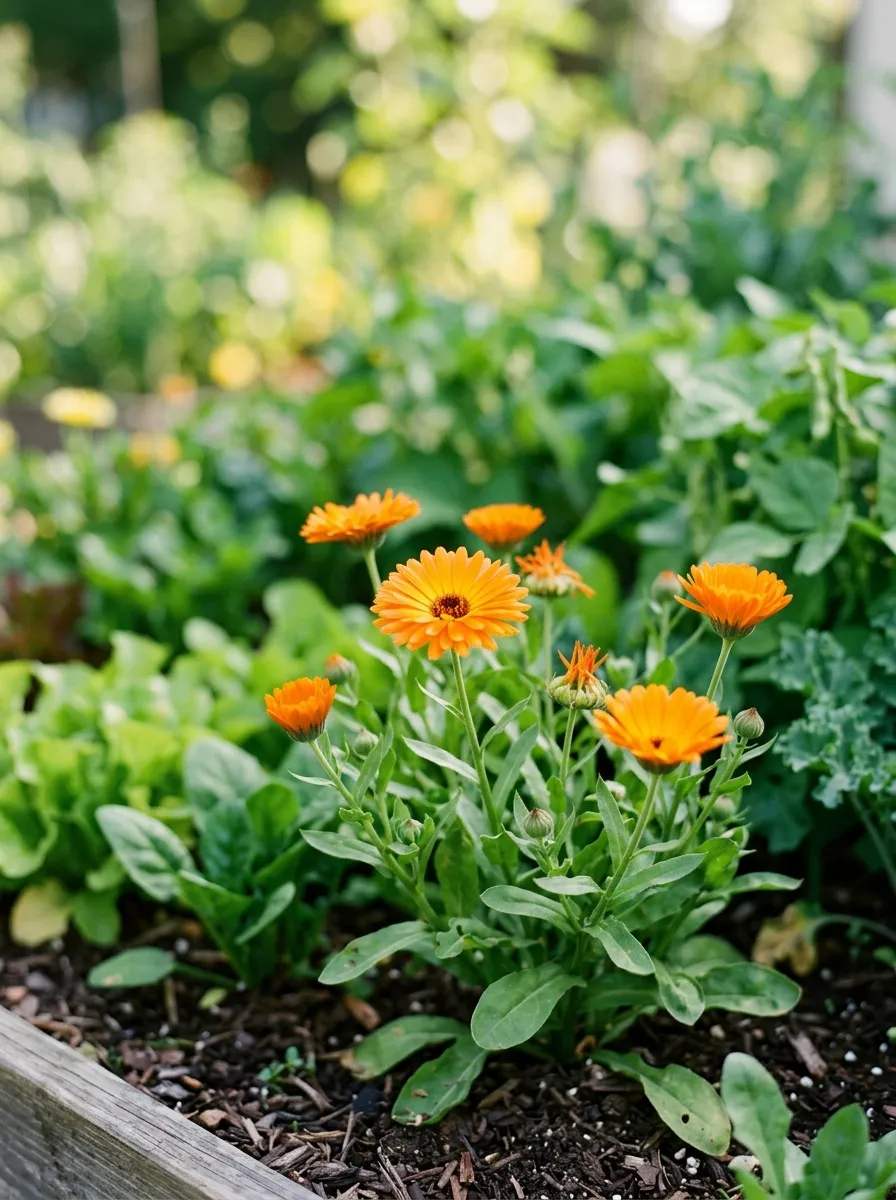
Calendula, sometimes called pot marigold, is an easy, edible flower that grows quickly from seed and tolerates cooler weather better than many summer annuals. Sow seeds directly in soil in early spring; germination is fast and reliable, so you rarely need to buy starter plants. It thrives in average soil without added fertilizer, keeping costs low. Deadhead regularly to keep blooms coming through the season. The petals are edible and can be scattered fresh over salads or dried and used as a low-cost substitute for saffron in cooking. Calendula also self-seeds readily, often returning on its own the following spring. Plant it near vegetable beds, since it’s sometimes used as a companion plant thought to help deter certain pests. Cut flowers hold up reasonably well in a vase for a simple, rustic bouquet. A single packet of seeds can supply flowers for cooking, cutting, and reseeding for several years running.
52. Nasturtium
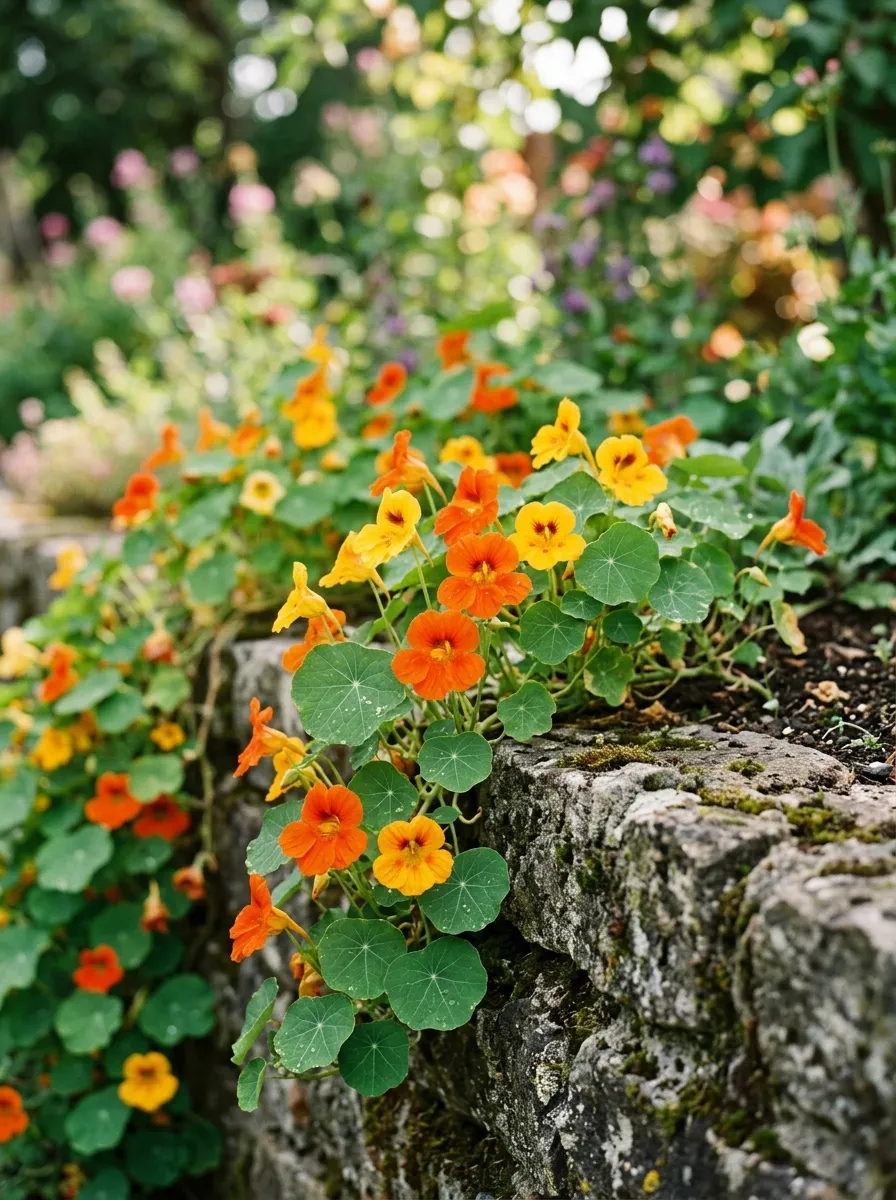
Nasturtiums are one of the fastest, cheapest flowers to grow from seed, often blooming within weeks of planting. Sow seeds directly in soil after the last frost; they actually prefer poor soil, so skip fertilizer entirely rich soil produces more leaves than flowers. Both the flowers and leaves are edible, with a peppery bite similar to watercress, making them a free, decorative addition to salads. Trailing varieties work well spilling over a raised bed or container edge, while climbing types can be trained up a simple trellis. Water moderately; nasturtiums tolerate light drought well. They also attract aphids, which some gardeners use to their advantage by planting nasturtium as a “trap crop” away from vegetables to draw pests elsewhere. Collect the large, easy-to-handle seeds at the end of the season to replant for free next year. A single packet can fill a good stretch of garden edge for very little money.
53. Morning Glory Vine
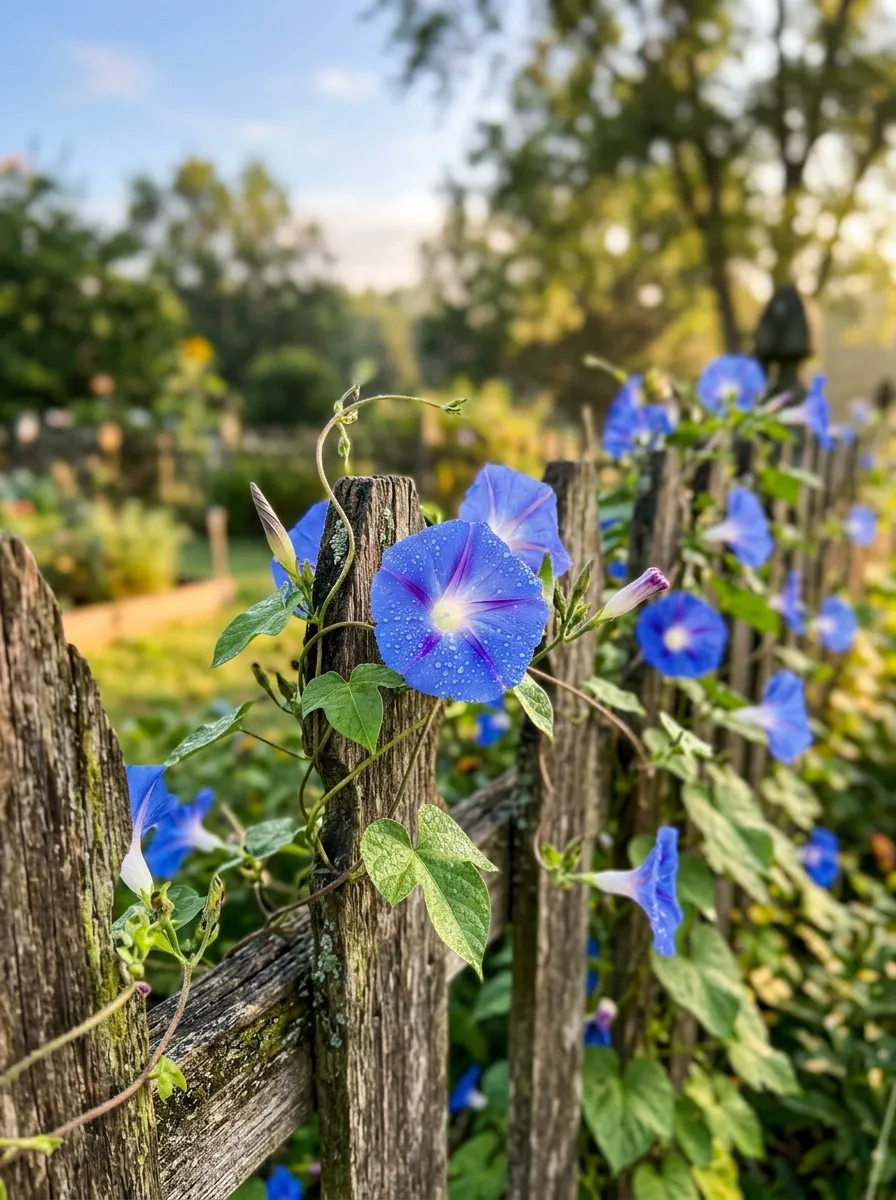
Morning glory vines grow fast and cover a fence or trellis in trumpet-shaped flowers that open fresh each morning. Soak seeds overnight before planting to soften the hard seed coat and speed up germination. Sow directly in soil after the last frost in a sunny spot with something to climb, like an inexpensive garden trellis or even a length of string. Morning glory tolerates poor soil and needs little watering once established, keeping maintenance low. Because it grows so quickly, a single packet of seeds can cover a large fence within one season, offering strong value for the cost. It also self-seeds in many climates, sometimes returning the following year without replanting though in a few regions it can spread more than desired, so keep an eye on new sprouts each spring. Morning glory works well planted near a porch or window where you’ll catch the fresh blooms each morning before they close by afternoon.
54. Sweet Pea
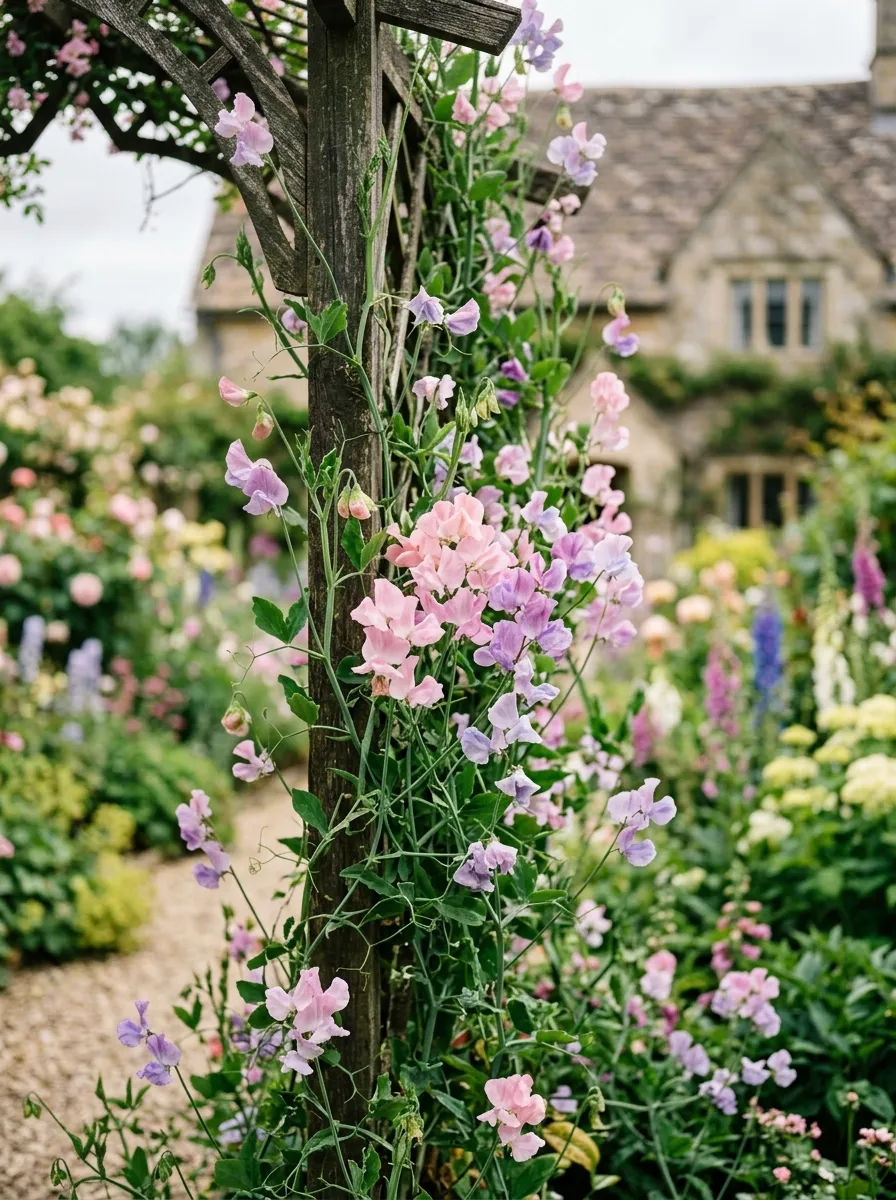
Sweet peas offer a strong, old-fashioned fragrance along with delicate, ruffled flowers in a wide range of soft colors. Soak seeds overnight before planting to help them germinate faster, then sow directly in soil in early spring while the weather is still cool. Give them something to climb, such as a simple string trellis or chicken wire frame, both inexpensive options. Water regularly and mulch around the base to keep roots cool, since sweet peas dislike hot, dry soil. Pick flowers often the more you cut, the more the plant blooms, so don’t hesitate to bring bouquets indoors regularly. Sweet peas tend to fade once summer heat arrives, so plant early for the longest bloom window. Save a few dried pods at the end of the season to collect seeds for free replanting next year. A single trellis planted with sweet peas can supply fragrant cut flowers for a good stretch of spring at very little cost.
55. Gladiolus Spikes
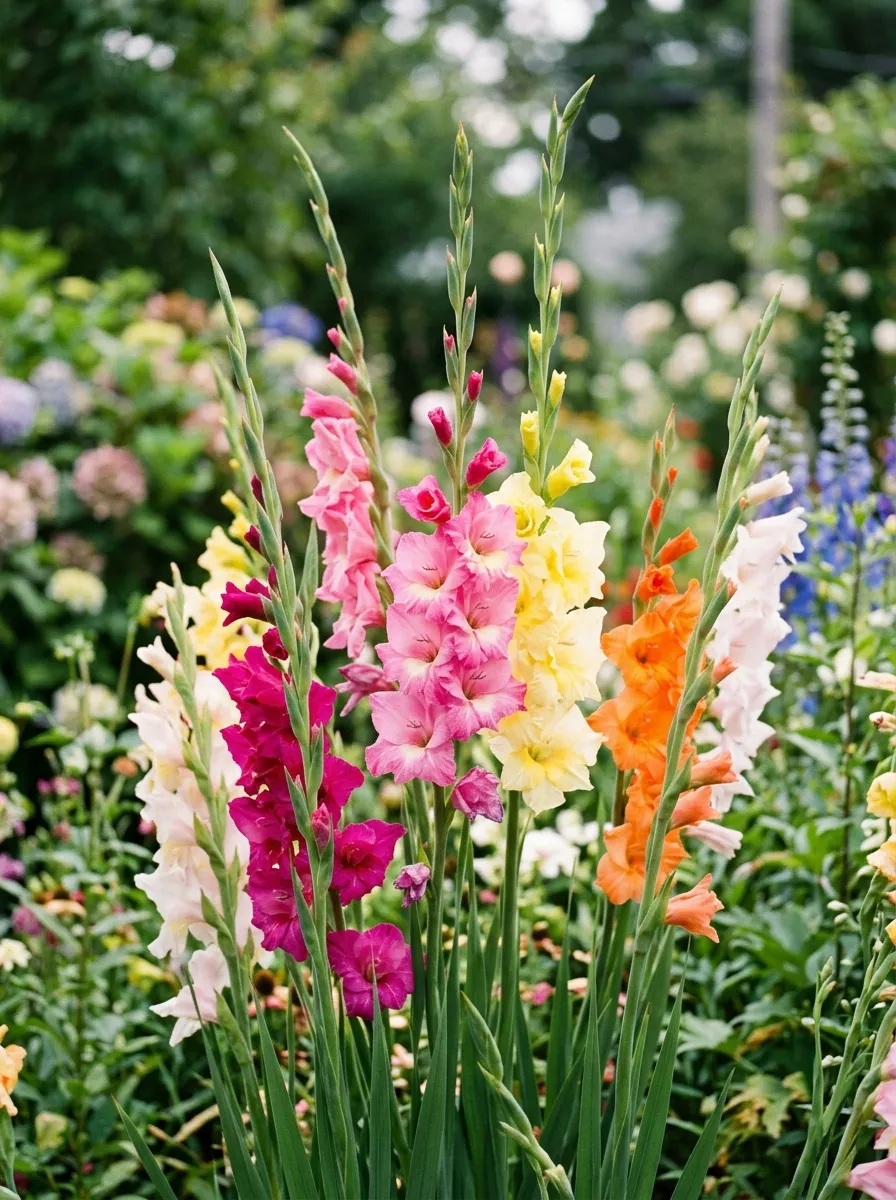
Gladiolus produces tall spikes covered in ruffled blooms, making a bold, vertical statement in a bed or as a cut flower. Plant corms in spring, about 4 inches deep, after the danger of frost has passed. For a steady supply of blooms through summer rather than one big flush, plant a new batch of corms every couple of weeks. Stake tall spikes or plant them in a somewhat sheltered spot, since heavy flower heads can topple in wind. Water regularly during the growing season, especially as flower spikes develop. In cold climates, dig up corms after the first frost and store them in a dry, cool spot over winter each corm often produces several new baby corms, multiplying your supply for free each year. Cut spikes when the lowest one or two flowers open; the rest will continue opening indoors. A single row of gladiolus can supply cut flowers for weeks.
56. Ranunculus
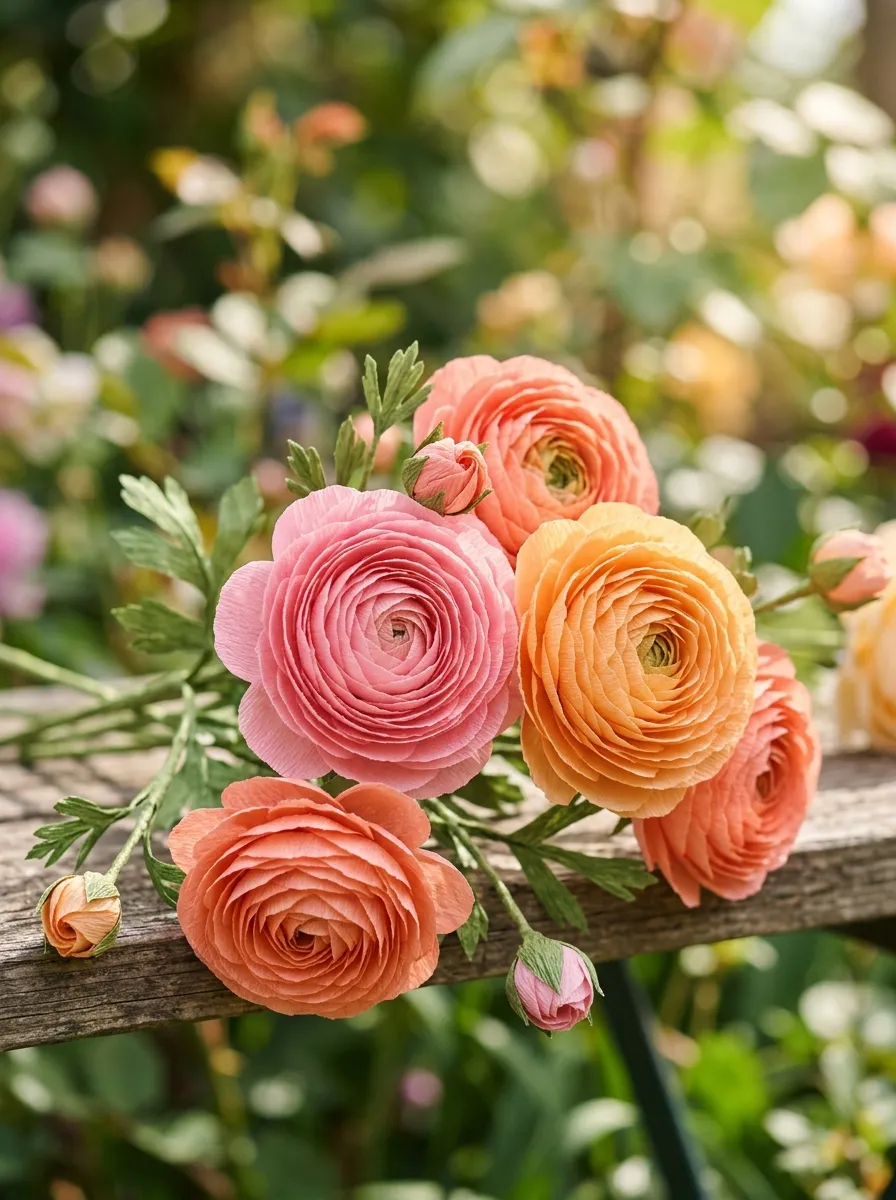
Ranunculus produces flowers with so many delicate, layered petals they almost look artificial, making them a favorite for bouquets. Plant the claw-like corms in fall in mild climates or early spring elsewhere, soaking them in water for a few hours beforehand to help them plump up and sprout faster. Plant about 2 inches deep, claws facing down, in soil that drains well. Ranunculus prefers cooler weather, so it often finishes blooming before summer heat arrives. Cut flowers for a vase just as buds begin to show color; they’ll continue opening indoors and last well over a week. In climates with hard winters, dig up corms after foliage dies back and store them dry until the next planting season, saving the cost of buying new ones each year. Because the blooms are so full and long-lasting in a vase, a modest patch of ranunculus can rival the cost of store-bought bouquets many times over.
57. Anemone
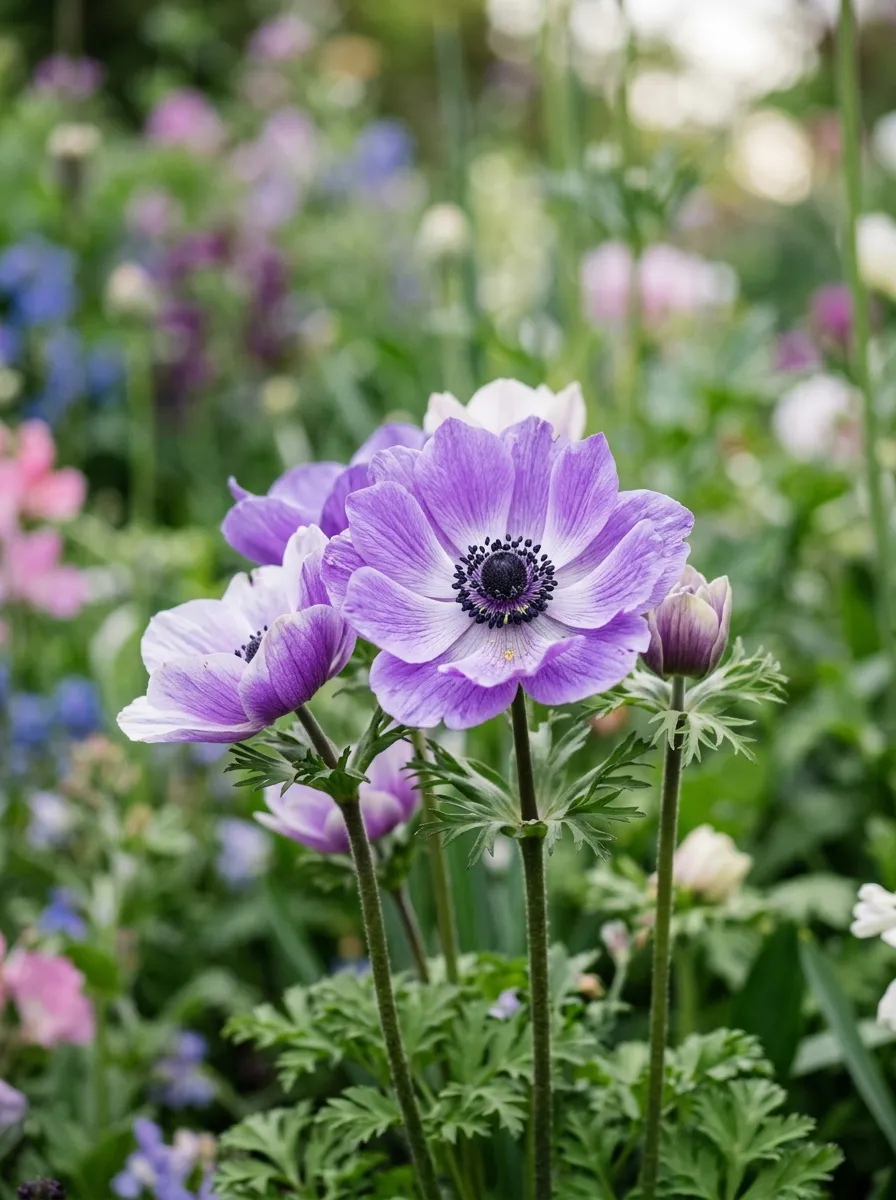
Anemones bring simple, poppy-like flowers with striking dark centers, often blooming in early spring or fall depending on the variety. Plant corms after soaking them briefly in water to rehydrate, about 2 inches deep, in soil that drains well. They prefer cooler temperatures, so in hot climates they’re often grown as a fall or winter bloomer instead of a summer one. Anemones make excellent, long-lasting cut flowers, often holding up over a week in a vase. Because corms are inexpensive and multiply over time, a small initial planting can expand into a fuller patch within a couple of seasons at no extra cost. Deadhead spent blooms to tidy the plant, or leave a few to form seed heads, which have their own soft, feathery look worth including in a dried arrangement. Plant anemones near the front of a bed, since they tend to stay compact and low compared to many other bulbs.
58. Freesia
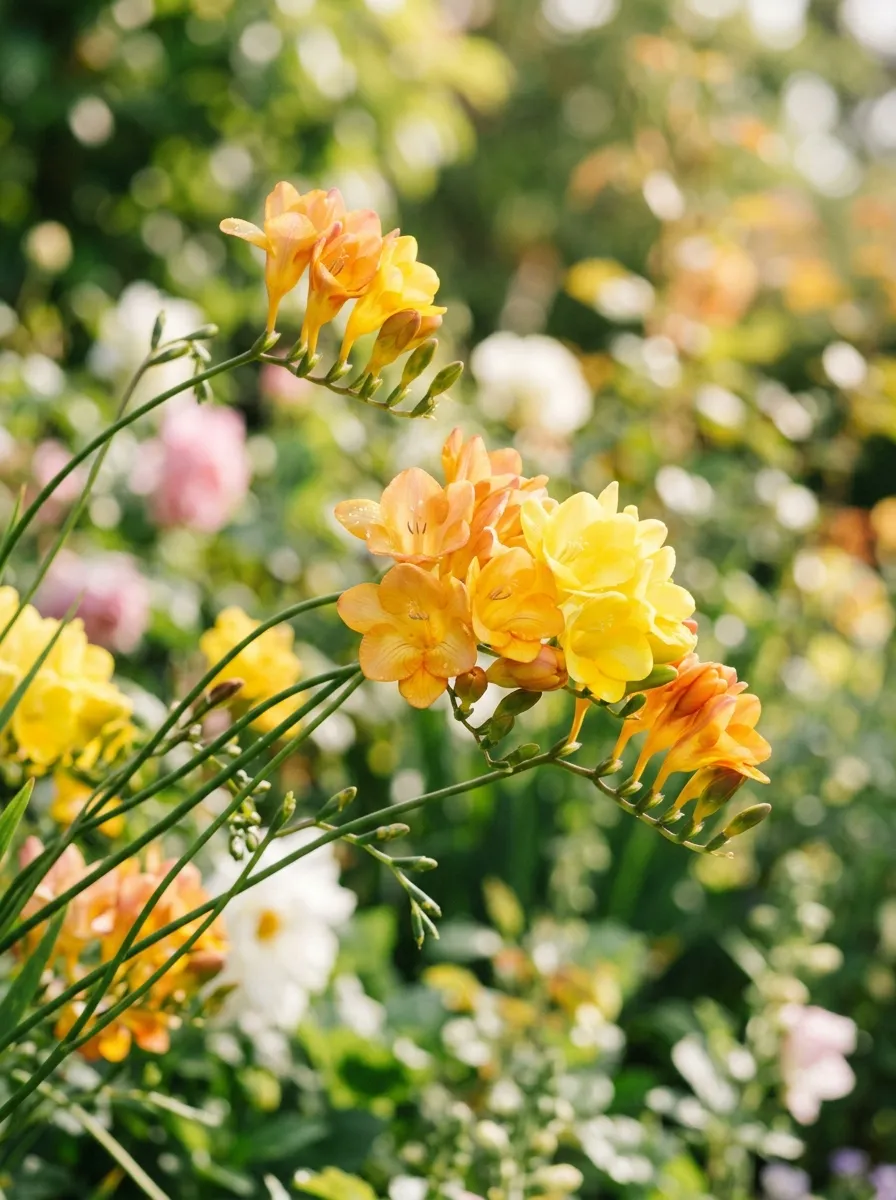
Freesia is grown mainly for its strong, sweet fragrance, often used in perfumes, along with its delicate, funnel-shaped flowers on gracefully arching stems. Plant corms about 2 inches deep in well-draining soil, in a sunny spot in mild climates or containers elsewhere. In colder regions, grow freesia in pots that can be moved indoors, since it isn’t reliably frost-hardy. Water moderately, avoiding soggy soil, which can cause the corms to rot. Because the stems tend to flop, plant freesia in a cluster where neighboring stems offer natural support, or add light staking. Cut flowers for indoors as soon as the first bud opens; the rest will continue opening in the vase, and the fragrance alone can fill a room for free. Corms multiply over a few seasons, so a modest initial purchase can expand into a larger patch over time without spending more money.
59. Lisianthus
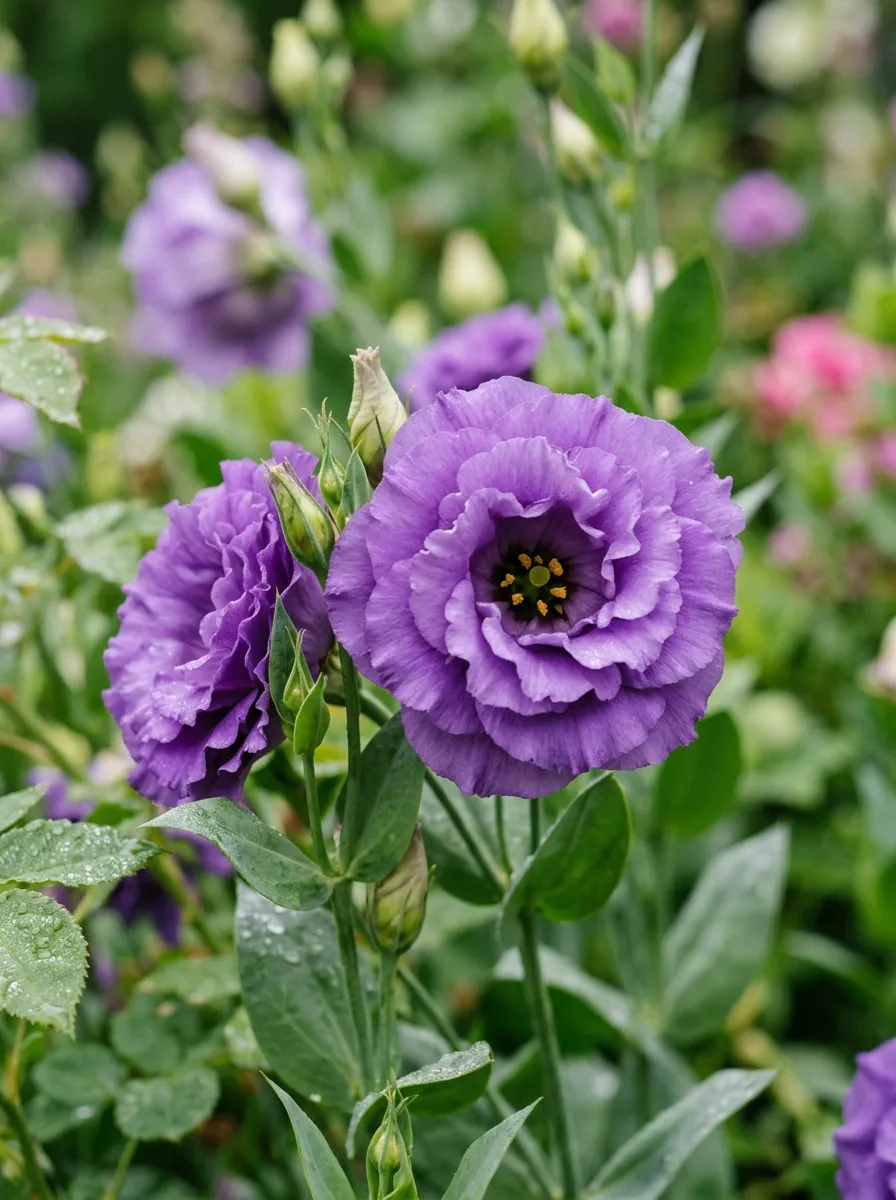
Lisianthus produces ruffled, rose-like blooms that are a favorite in the cut-flower world for their long vase life, often lasting two weeks or more. It’s slower to grow from seed than most annuals, so buying small starter plants from a nursery is often the more practical, still affordable route for home gardeners. Plant in full sun in well-draining soil, and stake taller varieties early to keep stems upright. Water at the base to avoid fungal issues on the delicate petals. Because lisianthus blooms hold up so well after cutting, even a handful of plants can supply enough flowers for several bouquets across the season, rivaling the cost of buying cut lisianthus at a florist. Deadhead spent blooms to encourage additional flowering later in the season. This flower rewards patience it takes longer to get going than a zinnia or cosmos, but the payoff in cut-flower quality is worth the wait.
60. Statice
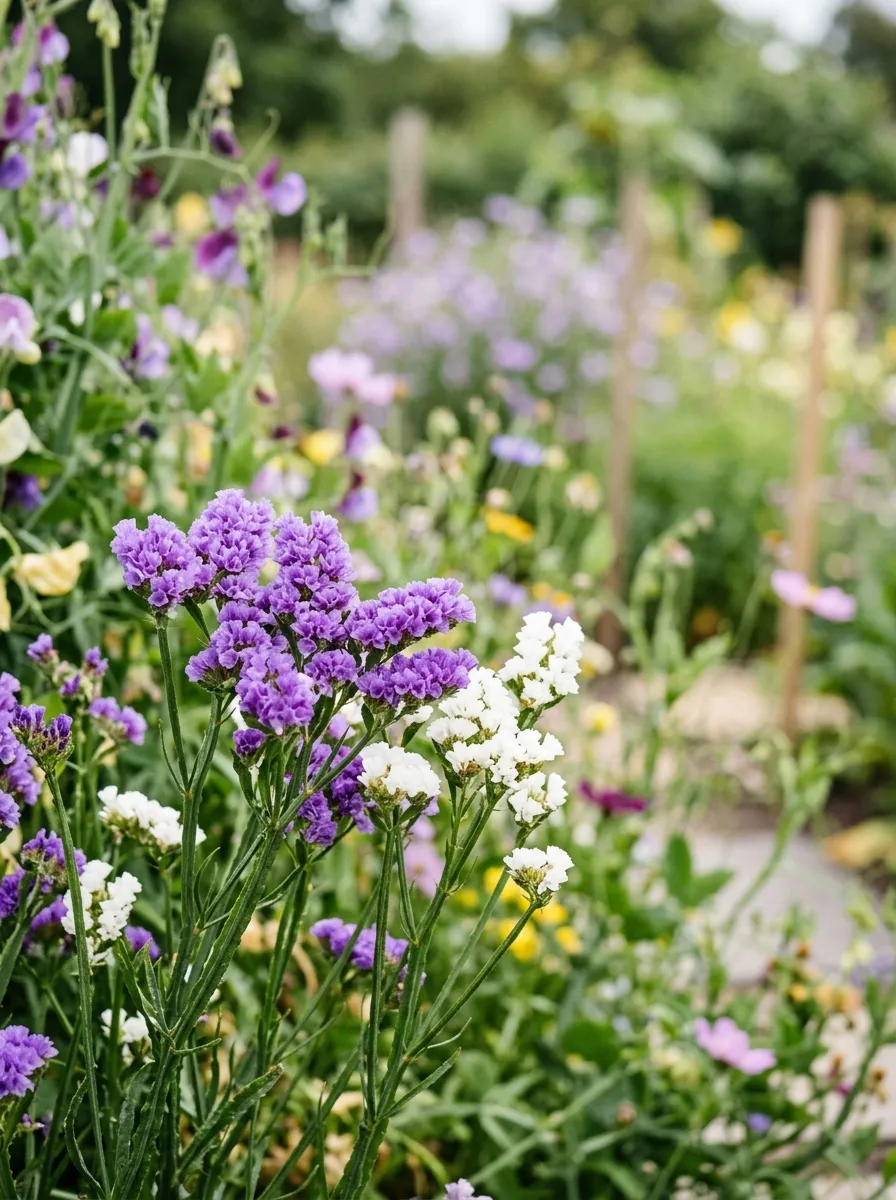
Statice is prized for holding its color and shape long after cutting, making it one of the best flowers for dried arrangements at essentially no ongoing cost. Sow seeds directly in soil in full sun; statice tolerates poor, dry soil and needs very little watering once established. Cut stems for drying just as the flowers fully open, then hang them upside down in a dark, dry spot for a couple of weeks. Dried statice holds its papery texture and color for months, or even years, making it a reusable, no-cost decor element long after the growing season ends. It also works well as a fresh cut flower, adding texture and filler to a bouquet without overpowering other blooms. Because it’s so low-maintenance and drought-tolerant, statice is a smart choice for a sunny, dry corner of the yard where other flowers might need more frequent watering.
61. Celosia (Cockscomb)
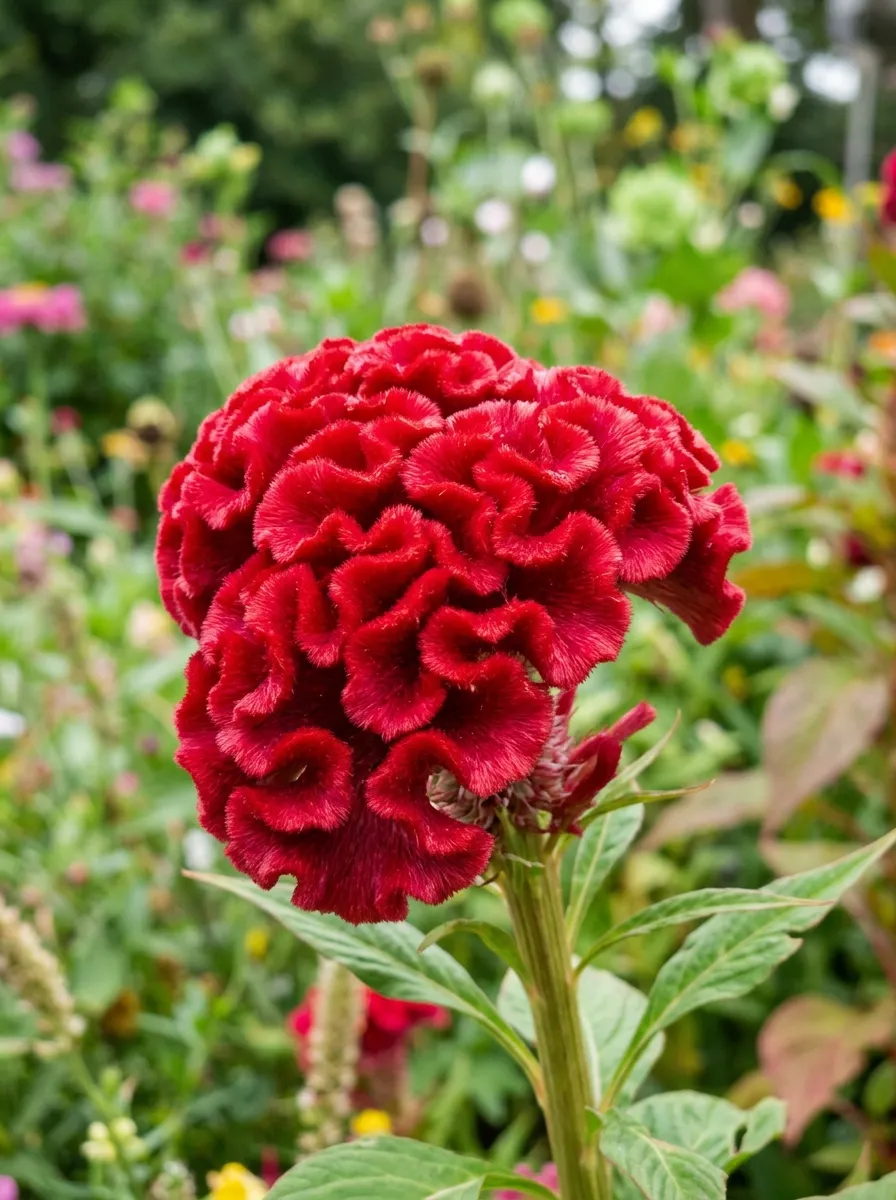
Celosia, often called cockscomb, produces bold, velvety flower heads in a shape unlike almost any other garden flower, ranging from wavy crests to feathery plumes depending on variety. Sow seeds directly in soil after the last frost in a sunny spot; celosia tolerates heat and dry spells better than many annuals. It needs little fertilizer and thrives in average soil, keeping costs low. Cut flowers hold their shape and color exceptionally well when dried, similar to statice, making them a long-lasting, free decor option well past the growing season. Simply hang cut stems upside down in a dry spot for a couple of weeks. Celosia also works as a fresh cut flower, adding unusual texture to a bouquet. Because the plant is so heat-tolerant, it’s a strong choice for gardens in hot summer climates where other flowers may wilt or stop blooming during the peak of the season.
62. Gomphrena
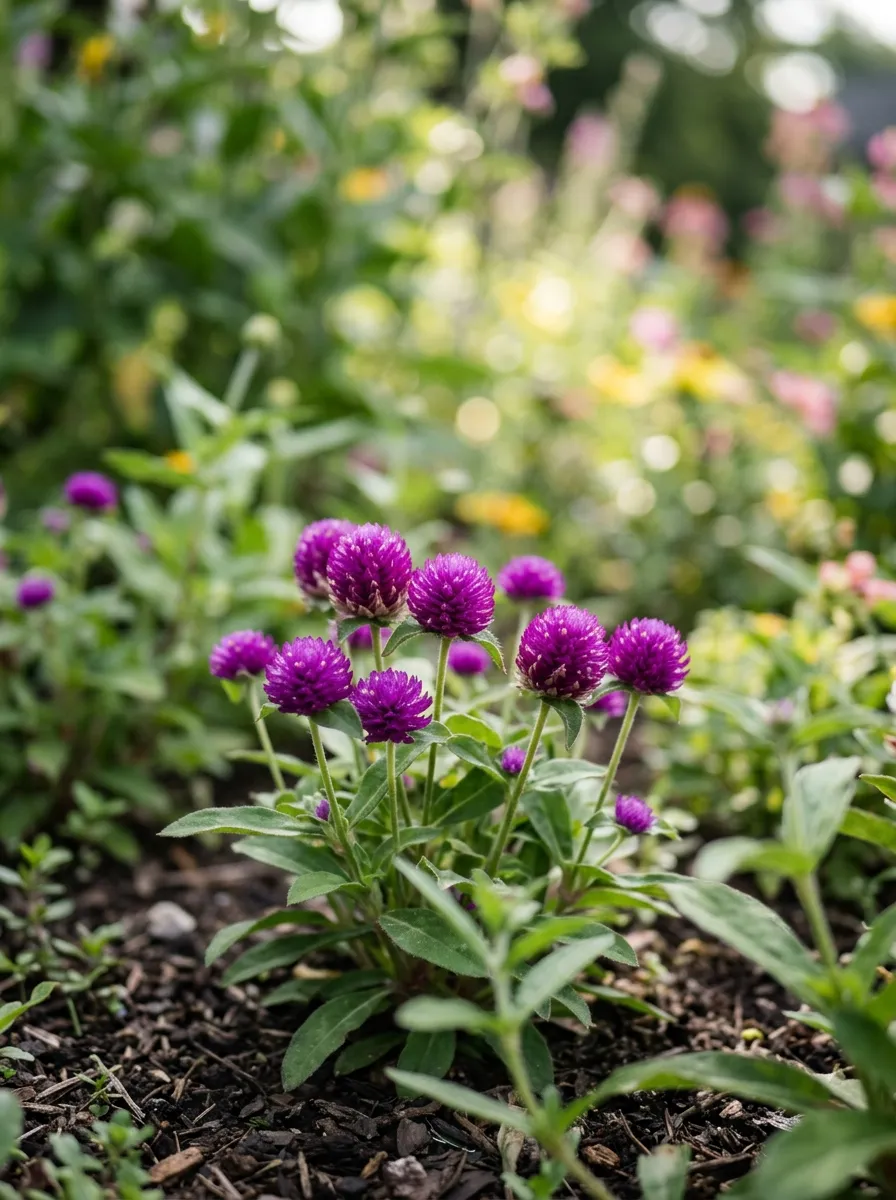
Gomphrena produces small, round, clover-like flowers that hold their color remarkably well, both fresh and dried, making it a favorite for low-cost, long-lasting arrangements. Sow seeds directly in soil after the last frost in full sun; it tolerates heat and drought better than most flowers, making it a smart pick for hot climates or gardeners who forget to water occasionally. It needs little to no fertilizer and thrives in average soil. Cut stems for drying by hanging them upside down in a dry, dark spot the round blooms keep their shape and color for months afterward. Fresh-cut gomphrena also lasts a long time in a vase compared to most annuals. Because the plant blooms continuously from summer through frost without much deadheading required, a small patch can supply a steady stream of both fresh and dried flowers all season, stretching the value of a single inexpensive seed packet.
63. Strawflower
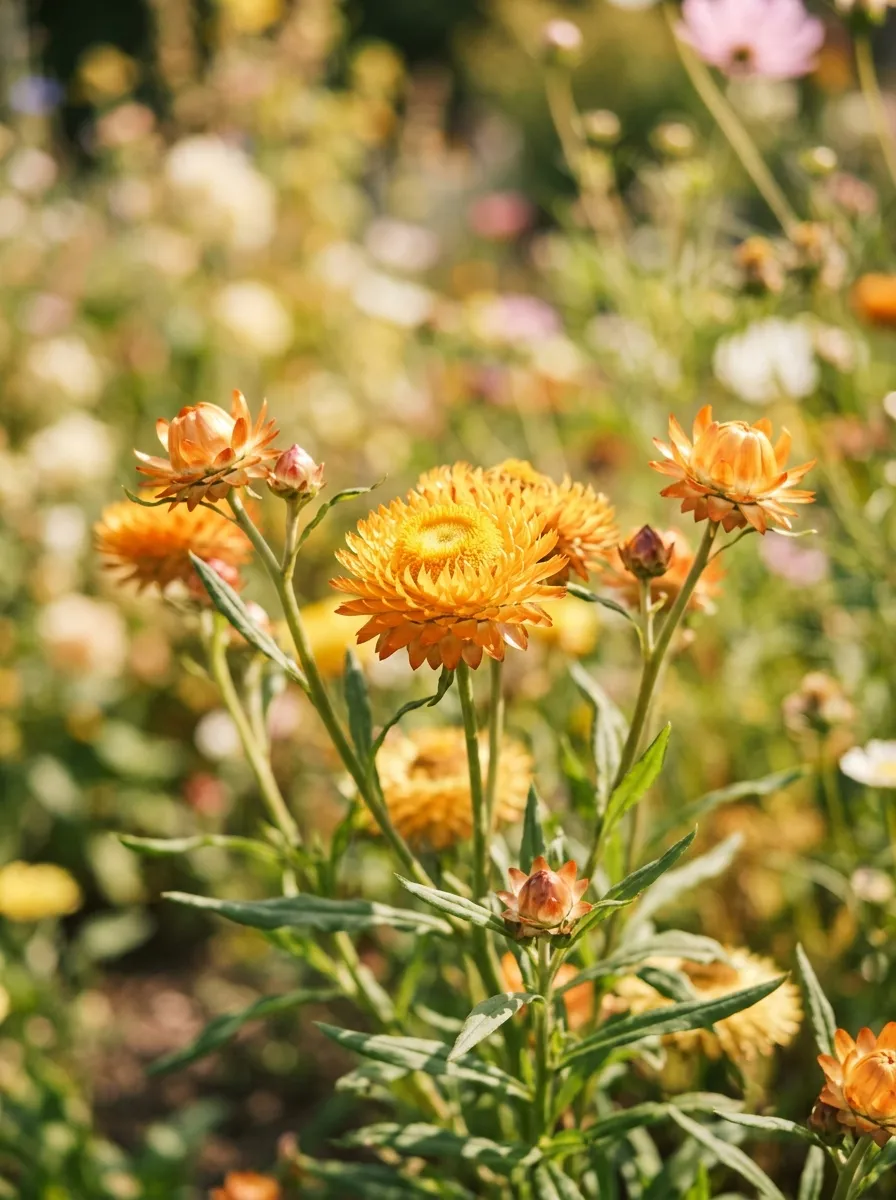
Strawflower has a distinctive papery texture that makes it look almost dried even while still fresh on the plant, and it holds up beautifully in dried arrangements. Sow seeds directly in soil after the last frost in full sun; it tolerates poor soil and dry spells, needing little watering once established. Deadhead regularly to keep new blooms coming through the season. For drying, cut stems just before the flowers fully open and hang them upside down in a dark, well-ventilated spot the papery petals keep their shape and color for a long time, offering a free, reusable decoration well beyond the growing season. Strawflower also works as a cheerful fresh cut flower for a summer bouquet. Because it’s so easy to grow from seed and so low-maintenance, a single packet can fill a decent-sized bed and supply both fresh and dried flowers for the better part of a year.
64. Amaranth
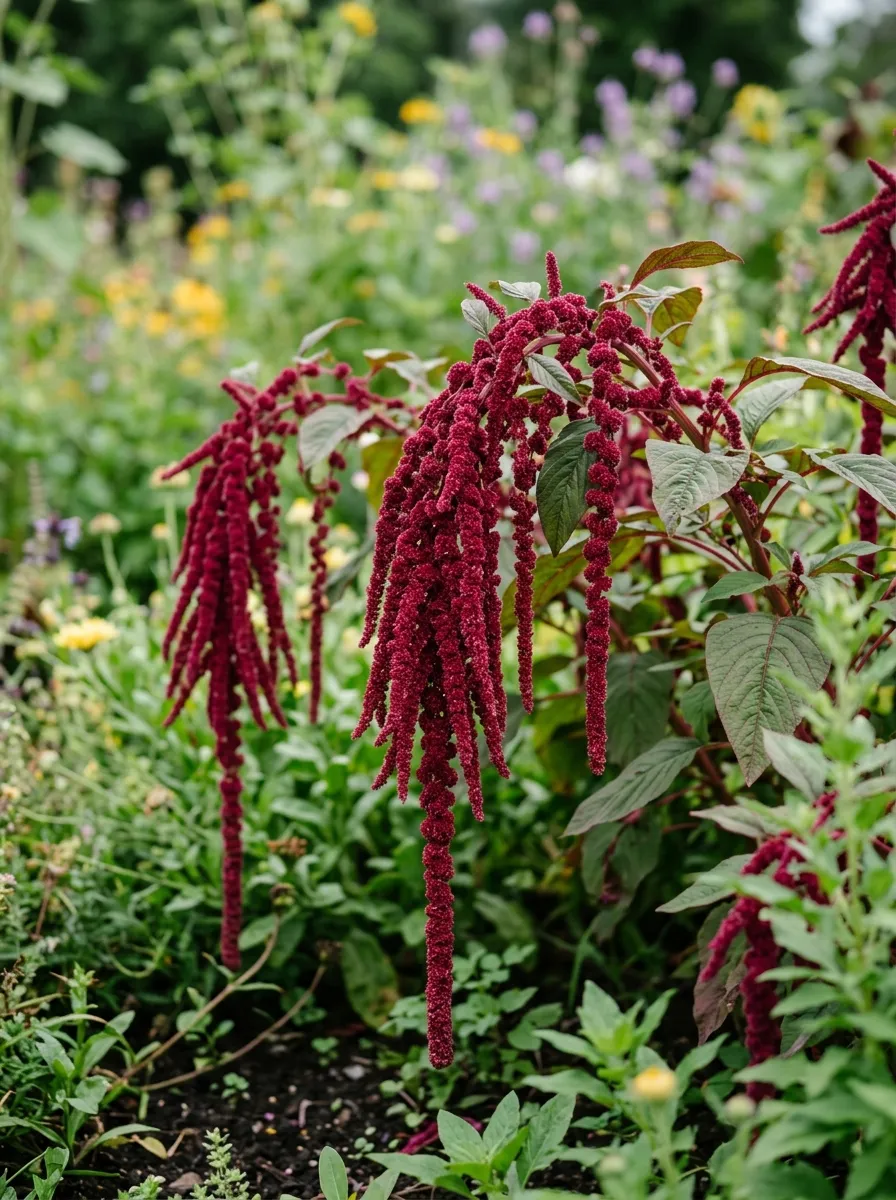
Amaranth produces dramatic, trailing or upright plumes of tiny flowers in deep red, purple, or green, adding bold texture to the back of a border. Sow seeds directly in soil after the last frost in full sun; it grows quickly and tolerates poor soil, needing little extra fertilizer. Water moderately, as established plants handle dry spells reasonably well. The plumes work well fresh in a large arrangement or dried for long-term display, holding their color for months once dried in a dark, ventilated spot. Some varieties of amaranth are also grown for edible grain and leaves, so a single planting can serve as both an ornamental flower and a food source, adding practical value beyond just looks. Because it grows so tall and full from inexpensive seed, amaranth is a cost-effective way to add height and drama to a garden bed without buying larger, more expensive plants.
65. Cleome (Spider Flower)
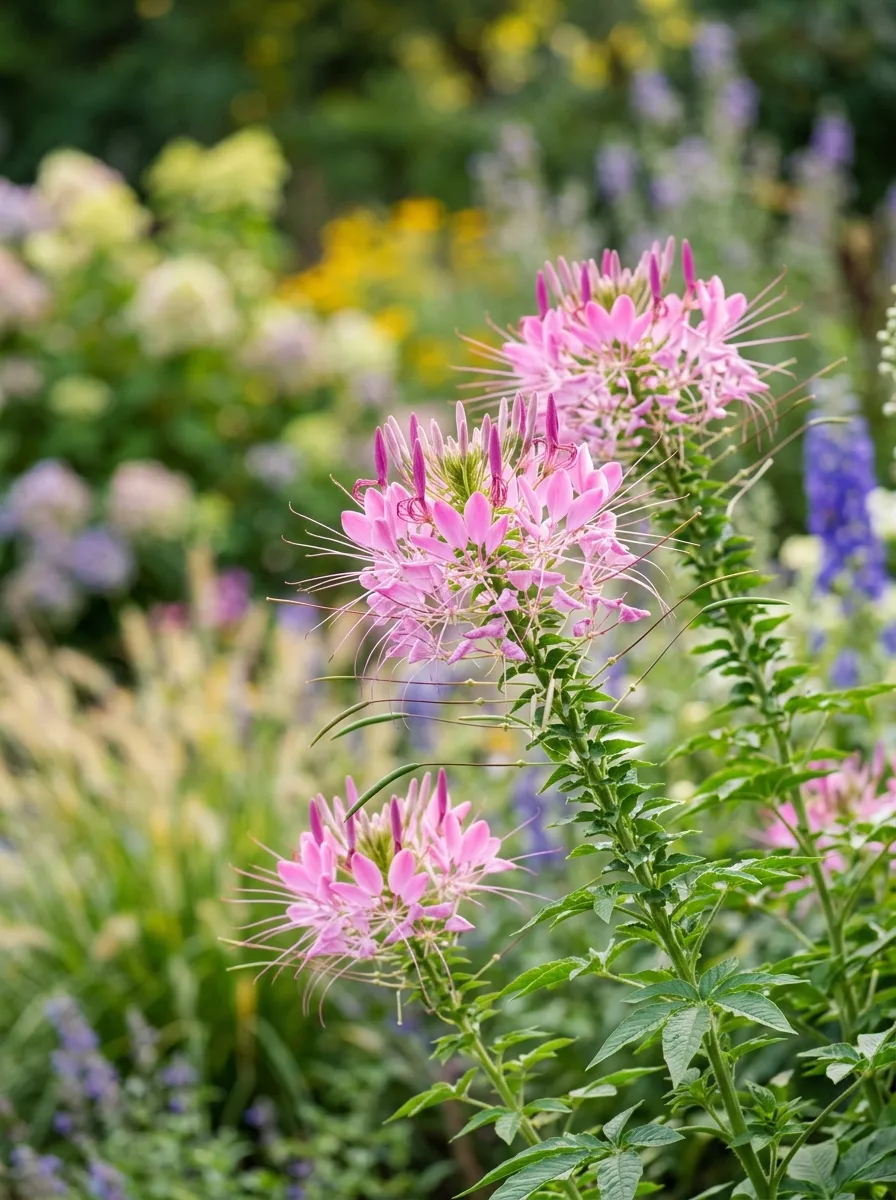
Cleome, often called spider flower for its wispy, unusual petal shape, grows tall and full from inexpensive seed, adding height and movement to the back of a bed. Sow seeds directly in soil after the last frost in full sun; cleome tolerates heat and average soil well, needing little extra care once established. It self-seeds readily, often returning the following year without replanting, which stretches the value of one initial seed packet across multiple seasons. Deadhead if you prefer a tidier look, or let seed pods mature and scatter naturally for a fuller patch next year. Cleome attracts hummingbirds and butterflies, adding activity to the garden. Because the plant can get tall, position it at the back of a border where it won’t shade out shorter flowers. Cut stems can be used in arrangements, though the plant has a slightly sticky texture, so some gardeners prefer to enjoy it in place rather than cutting it.
66. Four O’Clocks
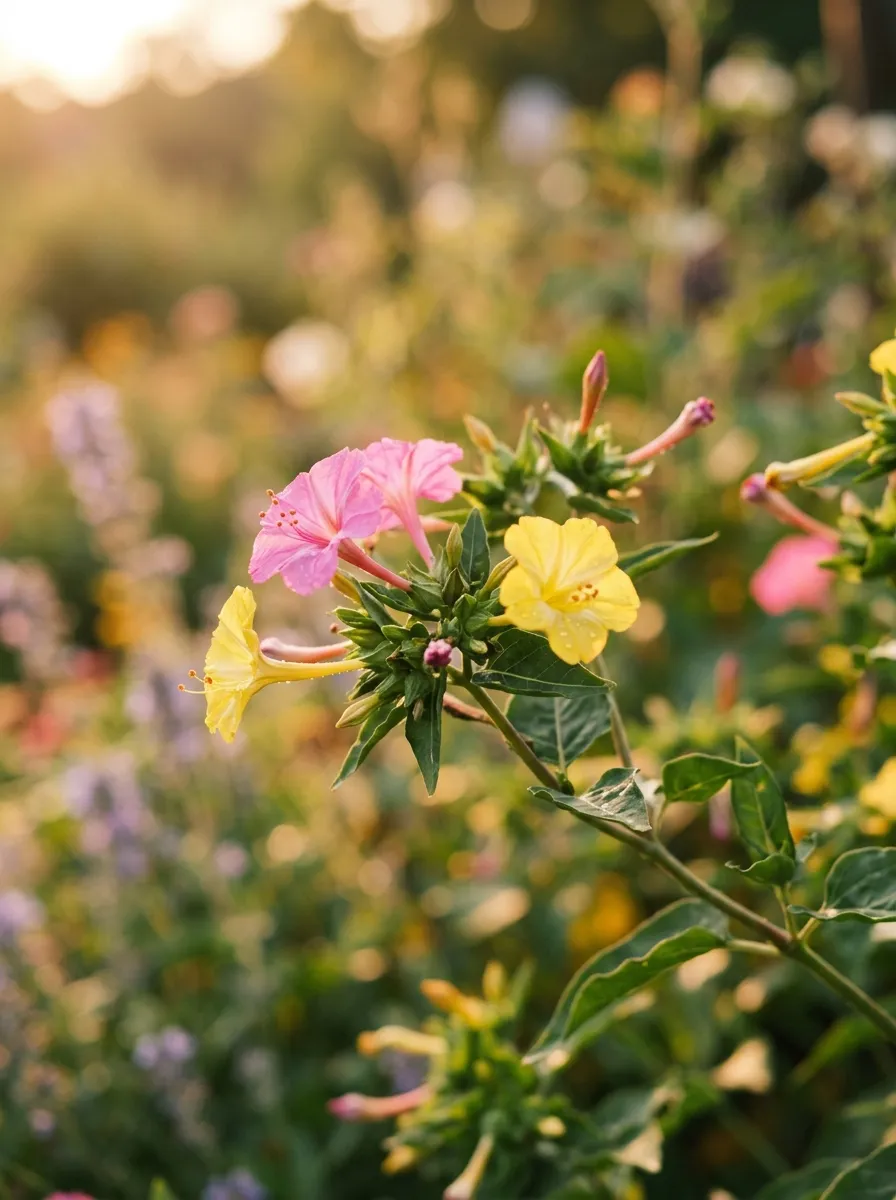
Four o’clocks are named for their habit of opening their trumpet-shaped flowers in late afternoon, filling the evening garden with fragrance right when you’re likely to be outside relaxing. Sow seeds directly in soil after the last frost in full sun to partial shade; they tolerate average soil and need little fertilizer. Once established, four o’clocks form a bushy, rounded plant that returns from its tuberous root in mild climates, or self-seeds reliably in colder ones, meaning a single planting can keep coming back for free year after year. Water moderately, as established plants handle short dry spells well. Because the flowers open in the evening and close by midday, they’re a great pick for anyone who’s away during the day and only enjoys the garden after work. Plant them near a patio or porch where the evening fragrance and color can be appreciated at the end of the day.
67. Moonflower
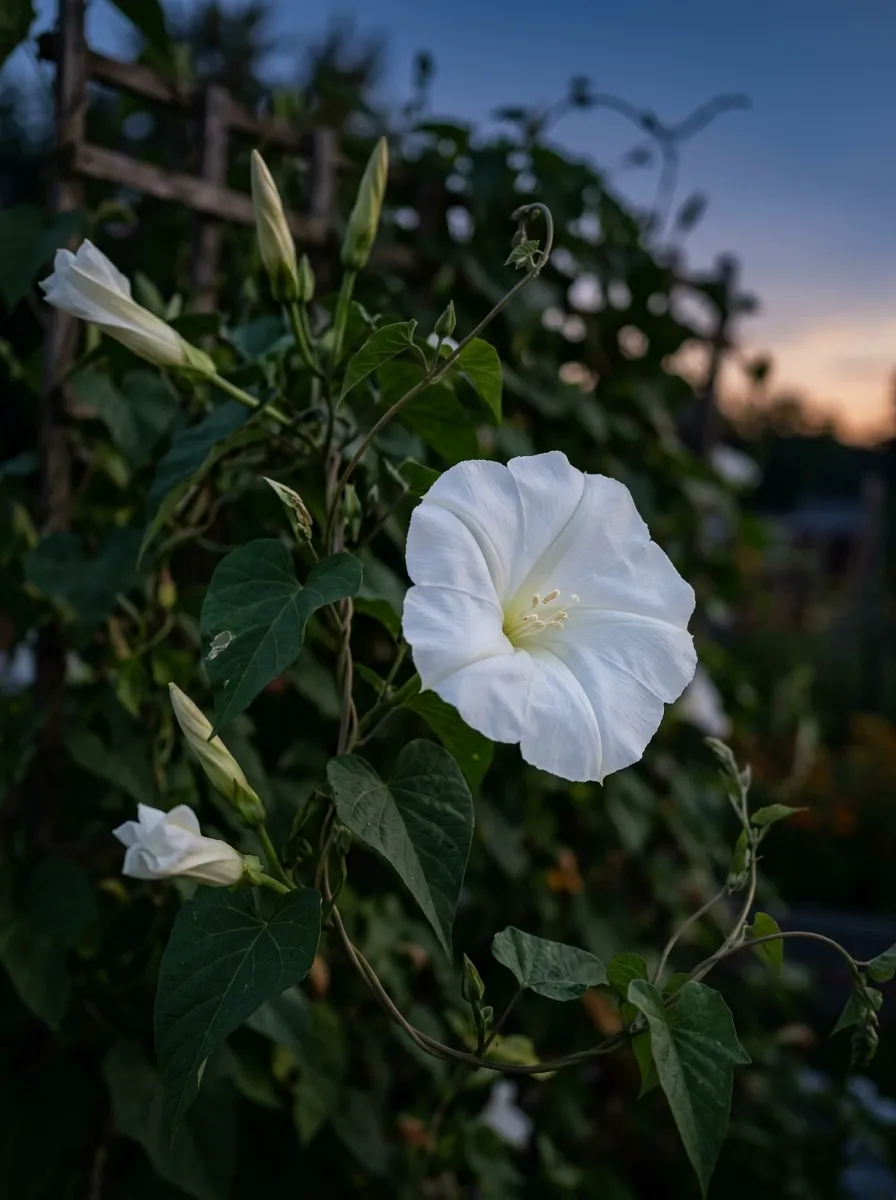
Moonflower is a night-blooming vine with large, fragrant white flowers that open at dusk and close by morning, making it a striking choice for an evening garden. Soak seeds overnight before planting to soften the hard seed coat, then sow directly in soil after the last frost in a sunny spot with something to climb, like an inexpensive trellis or fence. Moonflower grows quickly and tolerates average soil, needing little fertilizer. Water regularly while young, then ease off once established. Because the blooms open in the evening, moonflower pairs naturally with four o’clocks and other night-blooming plants to create a fragrant patio or porch setting for evening relaxation. A single vine can produce dozens of blooms across the season from one inexpensive seed packet. Watch for hawk moths visiting the flowers at dusk a free, small nature show that comes along with growing this vine.
68. Lantana
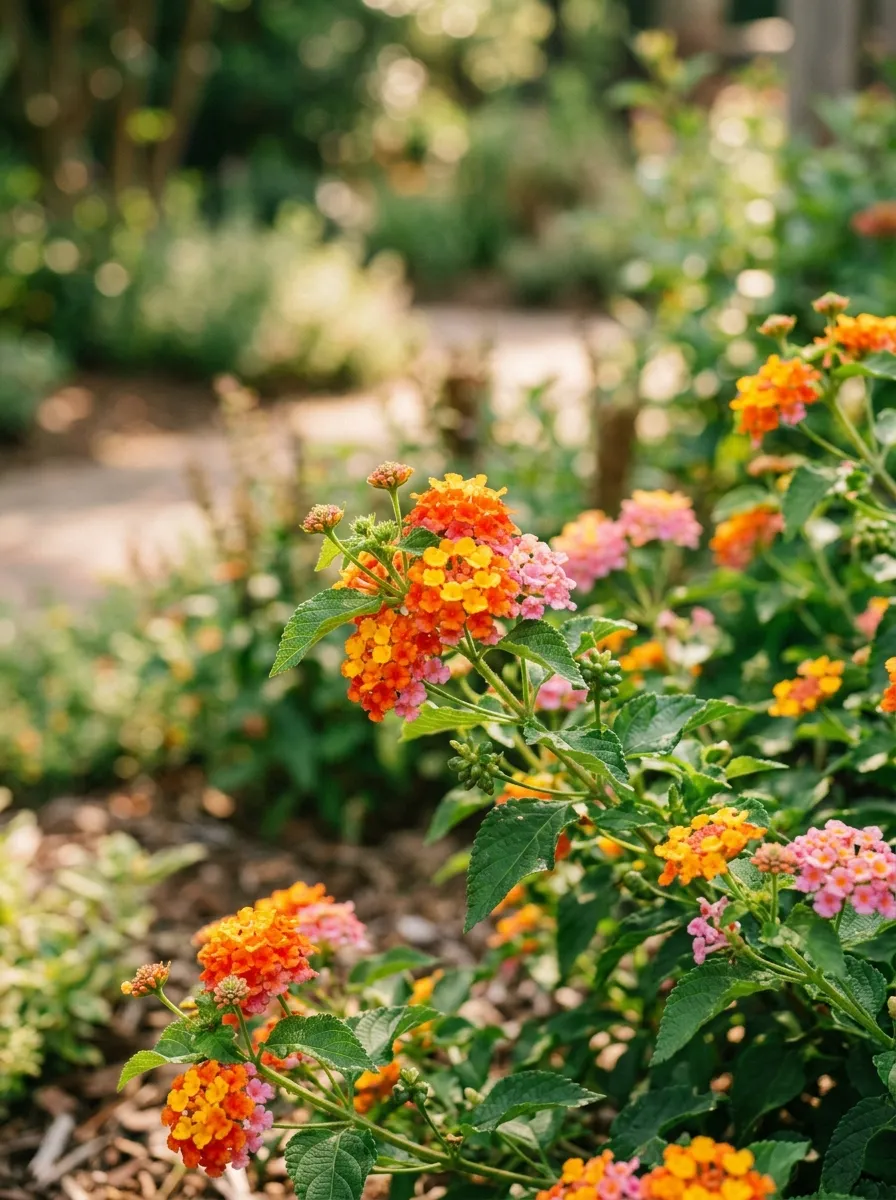
Lantana is nearly impossible to kill once established, tolerating heat, drought, and poor soil while blooming nonstop from late spring through frost. Plant in full sun in well-draining soil; established plants need very little supplemental watering, cutting down on your water bill over a long summer. It requires almost no deadheading, since spent blooms are quickly replaced by new ones on their own. In mild climates, lantana can survive as a perennial for years, while in colder regions it’s typically grown as an annual, though it’s inexpensive enough to replant each spring without much cost. Butterflies are especially drawn to lantana, adding color and movement to the garden with essentially no extra effort. It also works well in containers on a hot, sunny patio where many other flowers might struggle. A single lantana plant can spread to fill a surprising amount of space, making it a strong value pick for a low-maintenance bed.
69. Bougainvillea
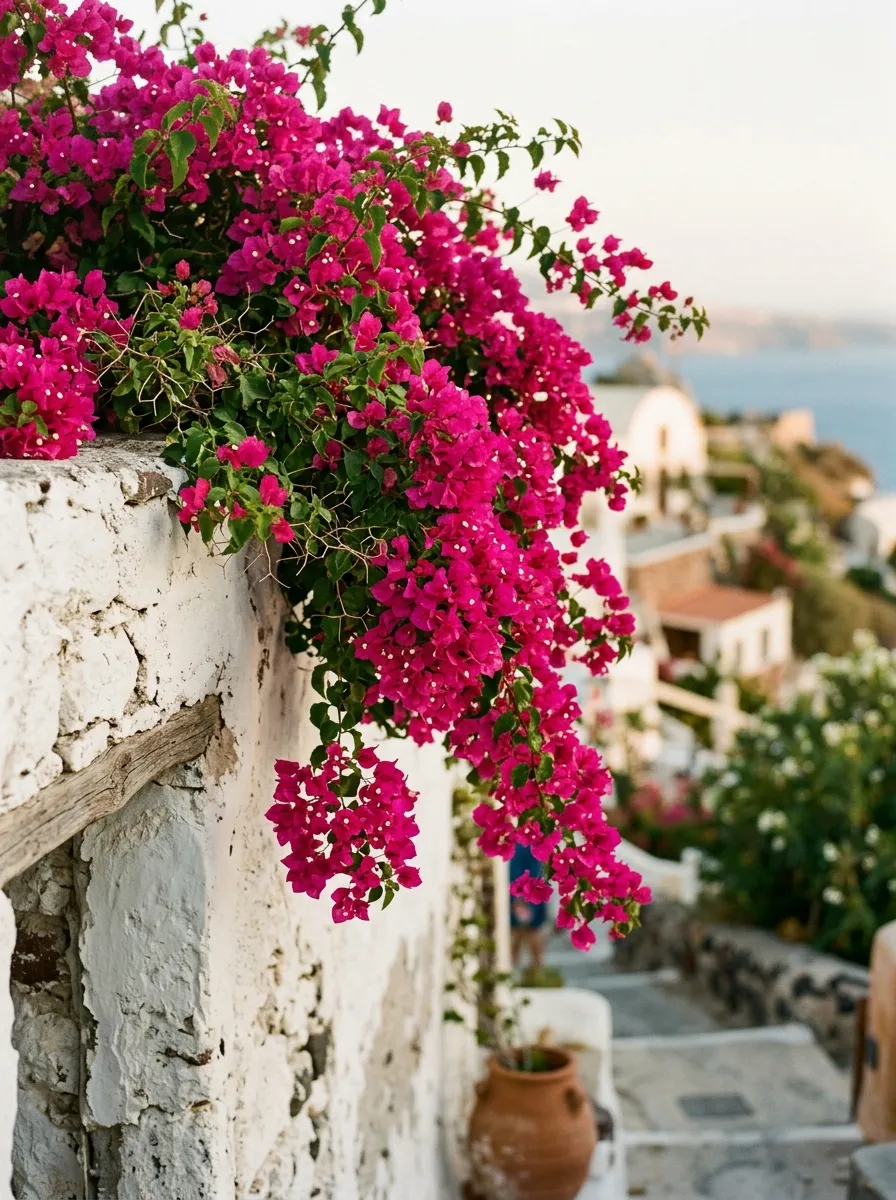
Bougainvillea produces some of the most vibrant, long-lasting color of any flowering vine, though technically the colorful parts are bracts surrounding tiny true flowers. It thrives in full sun and actually blooms best with a bit of neglect too much water or fertilizer produces more leaves than color. In warm climates, plant it against a wall or trellis where it can climb and spread for years. In cooler regions, grow it in a large pot that can be moved indoors before frost. Prune to control size and shape after the main bloom period. Because it tolerates poor soil and irregular watering so well, bougainvillea is a smart choice for gardeners who want a big visual payoff without a demanding care routine. A single established plant can cover a substantial wall or fence over a few years, offering strong value for one initial purchase, especially in regions where it thrives outdoors year-round.
70. Plumeria
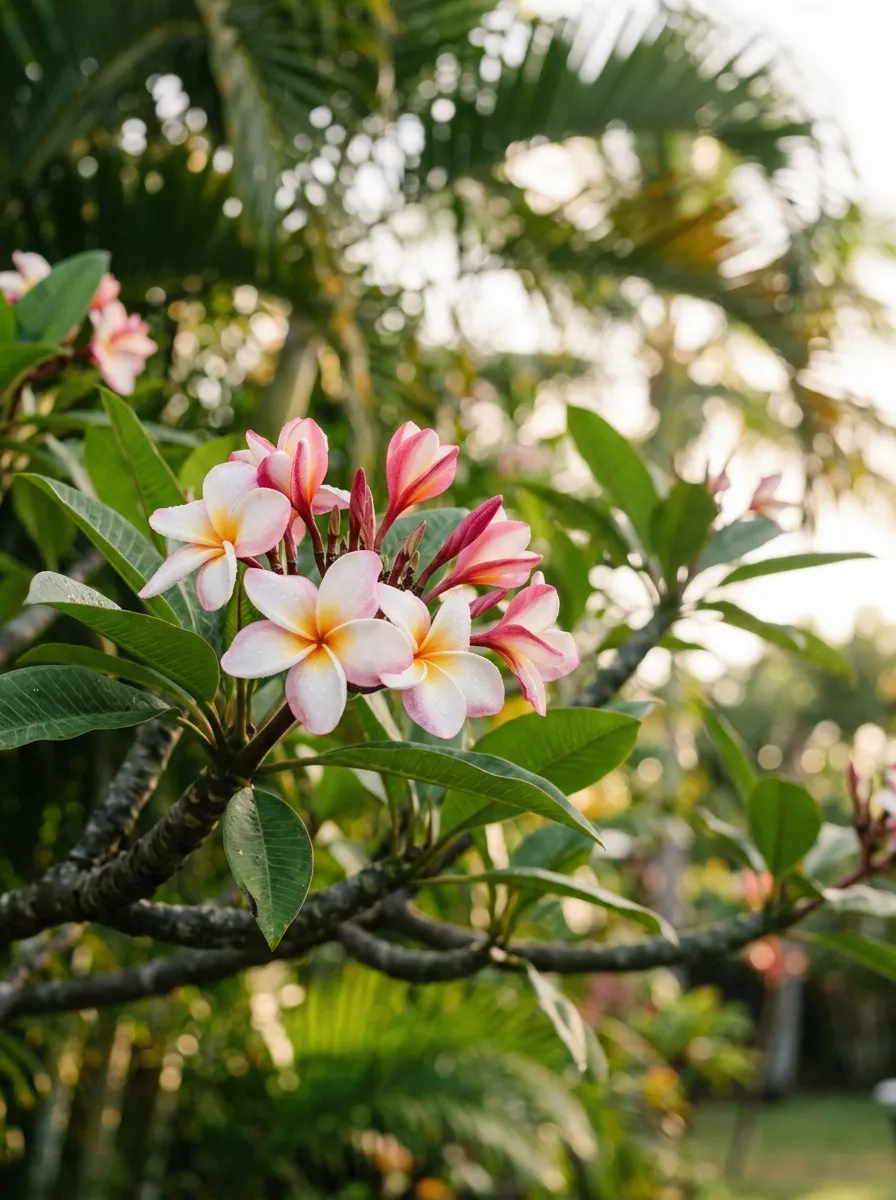
Plumeria, often associated with tropical leis, produces waxy, intensely fragrant flowers in shades of white, pink, and yellow. In warm climates, plant it directly in the ground in full sun; in cooler regions, grow it in a pot that can be brought indoors or into a garage before frost, since plumeria doesn’t tolerate cold. Water regularly during the growing season, then reduce watering significantly in winter while the plant is dormant and has dropped its leaves. Propagate new plants for free by taking stem cuttings from an established plumeria, letting the cut end callous over for a week, then planting it in dry soil until roots form. A single flower can scent a whole room, so even a small potted plant offers a strong return in fragrance. Because cuttings root so easily, one plant can be shared among friends, spreading the cost of getting started across a group.
71. Canna Lily
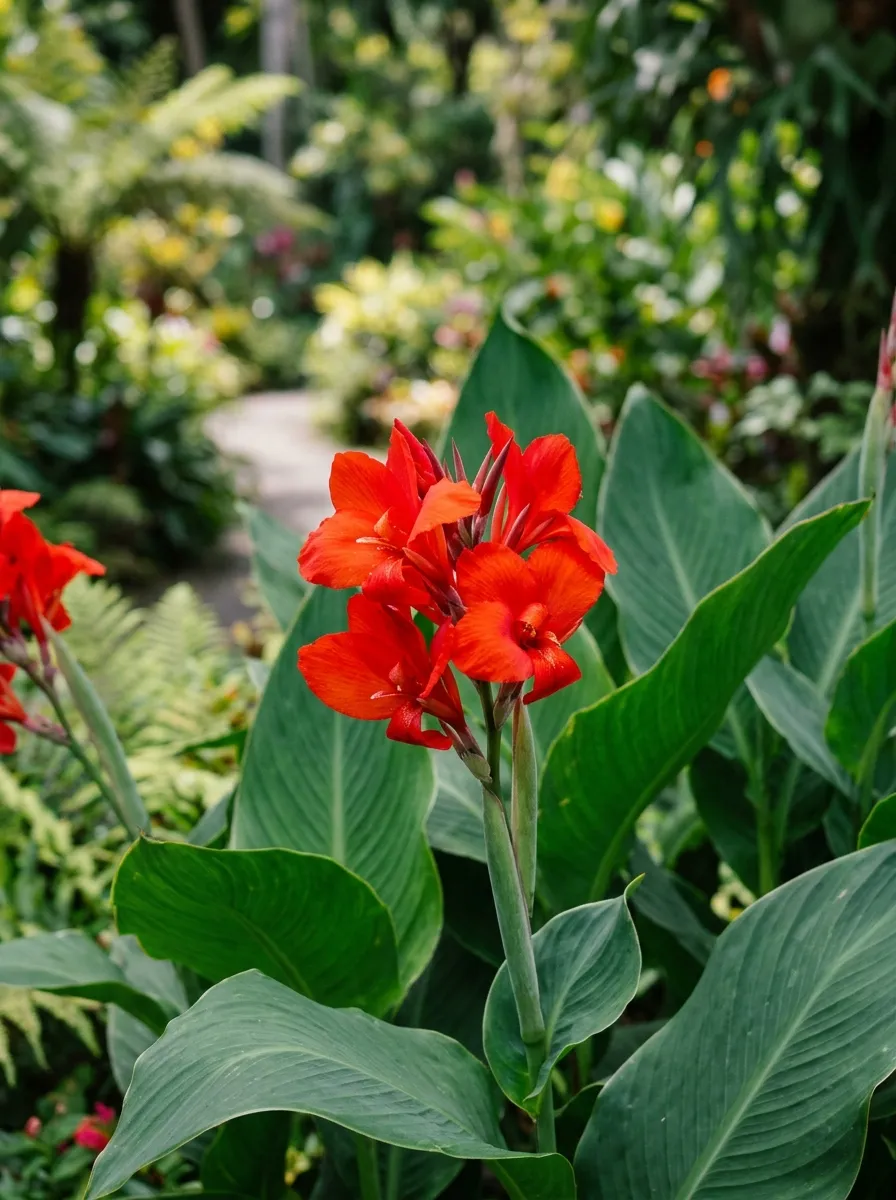
Canna lilies bring a bold, tropical look to a garden with their broad leaves and bright, showy flower spikes. Plant rhizomes in spring after the danger of frost has passed, about 4 inches deep, in a sunny spot with rich, moist soil. They grow quickly and can reach several feet tall within one season, making a strong visual statement from a relatively inexpensive rhizome. Water generously, since cannas prefer consistently moist soil and even tolerate boggy conditions near a pond edge. In cold climates, dig up rhizomes after the first frost and store them in a cool, dry spot over winter each rhizome typically multiplies, giving you more plants to spread through the yard for free the following year. Deadhead spent flower spikes to encourage continued blooming. Canna lilies also work well in large containers, adding a tropical accent to a patio without requiring an in-ground bed.
72. Calla Lily
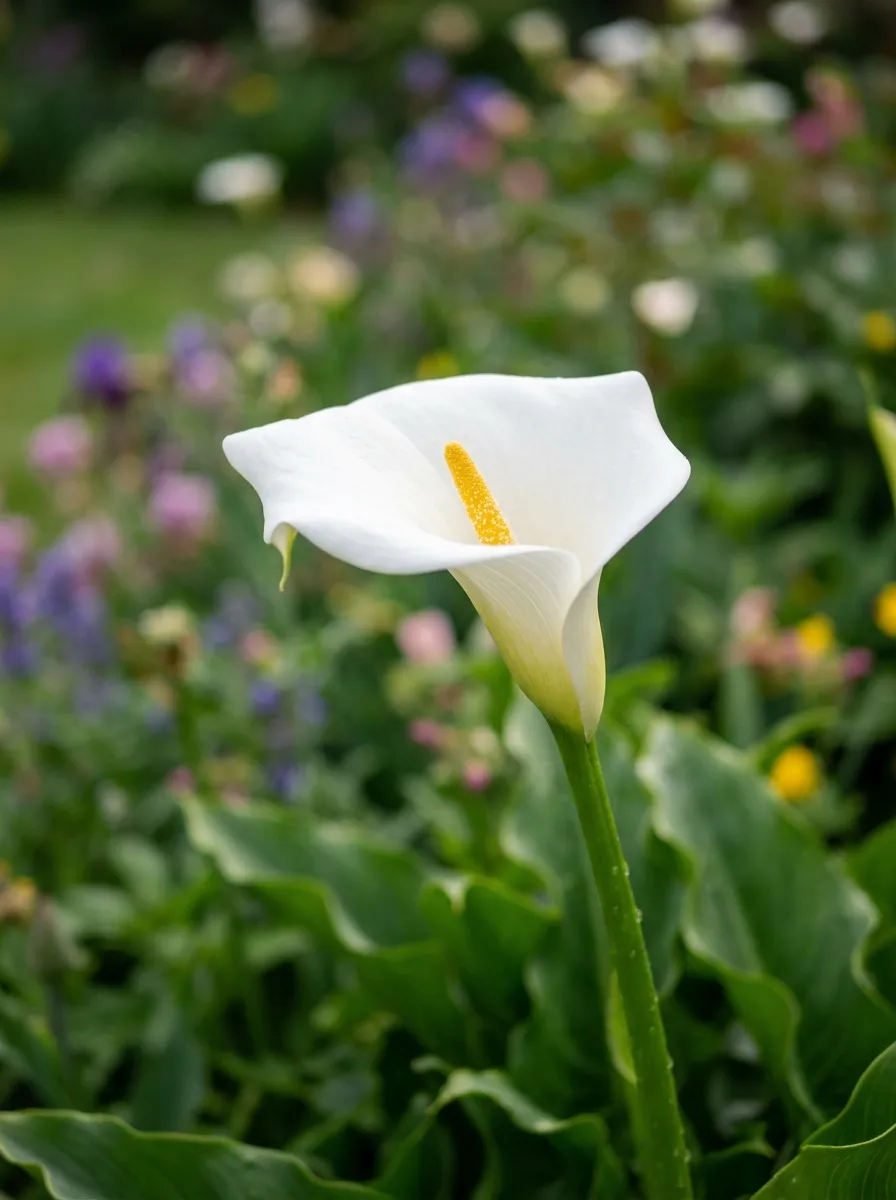
Calla lilies offer a sleek, elegant flower shape that works equally well in a garden bed or a bouquet. Plant rhizomes in spring, about 2 to 4 inches deep, in soil that stays consistently moist but drains well. They tolerate both full sun and partial shade, making them flexible for different spots in the yard. Water regularly, especially during active growth and blooming. In cold climates, dig up rhizomes in fall and store them over winter in a cool, dry location, much like canna lilies this saves the cost of buying new ones each spring and often yields extra rhizomes to plant elsewhere. Cut flowers for a vase have a notably long life, sometimes lasting two weeks or more, which makes home-grown calla lilies a strong money-saver compared to buying them from a florist for special occasions. A small cluster of rhizomes can supply enough blooms for several arrangements each season.
73. Bird of Paradise
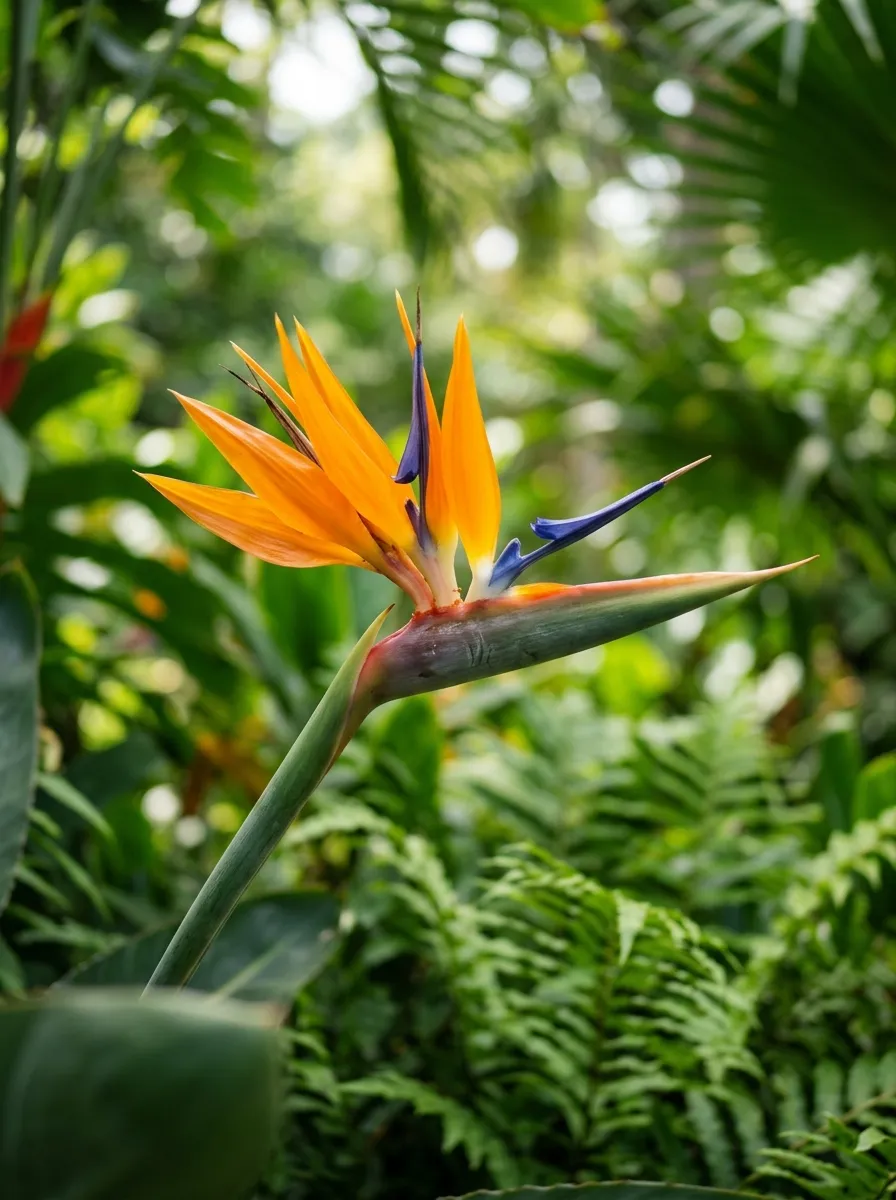
Bird of paradise produces one of the most distinctive flowers in the plant world, shaped almost exactly like a bird’s head and crest. It thrives in warm climates planted directly in the ground, or in a large pot in cooler regions where it can be brought indoors before frost. Plant in full sun to partial shade in well-draining soil, and be patient it can take a few years for a young plant to mature enough to bloom, but once it does, a single plant produces flowers for years afterward. Water regularly during the growing season, then reduce watering in cooler months. Because the plant is slow-growing, starting with a smaller, less expensive specimen and letting it mature saves money compared to buying an already-blooming plant. Cut flowers last an unusually long time in a vase, sometimes several weeks, making a single stem a striking, long-lasting centerpiece.
74. Protea
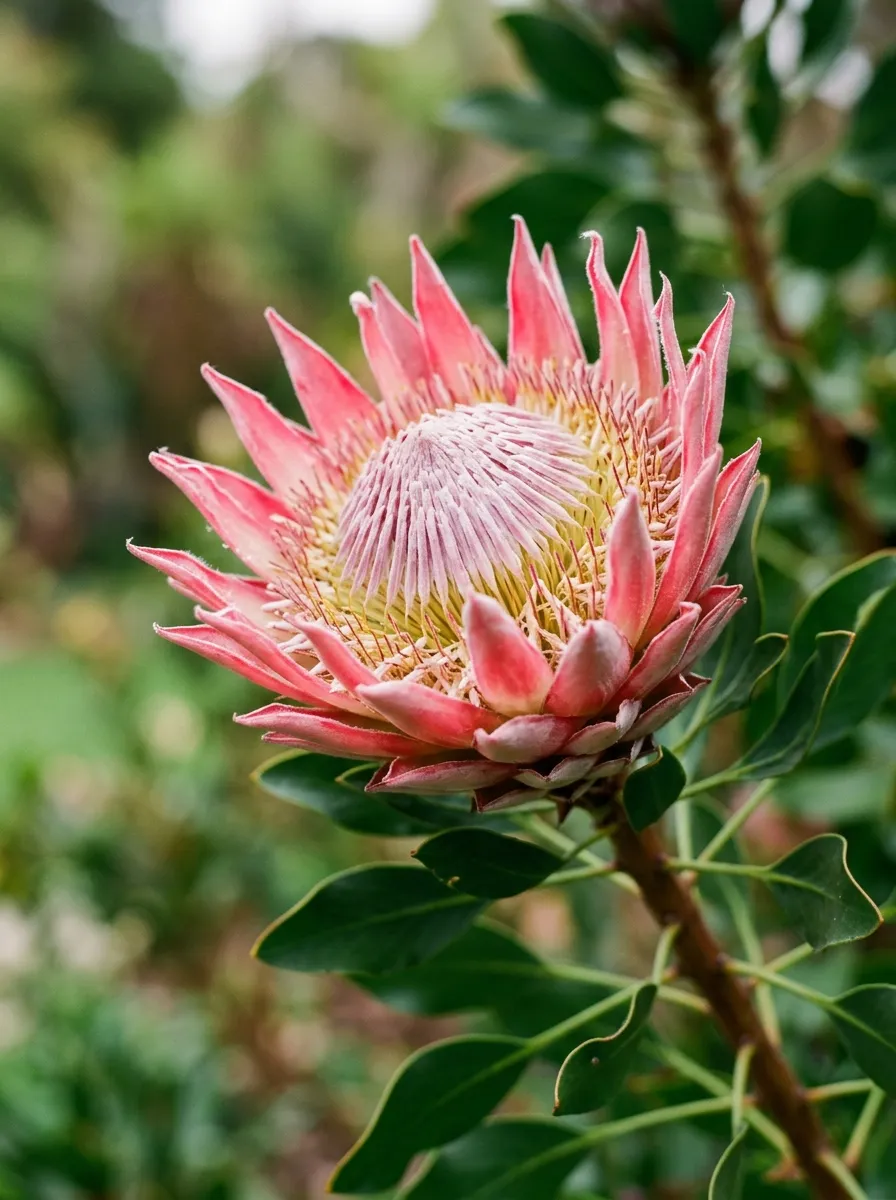
Protea is known for its bold, spiky flower heads and unusually long vase life, often lasting several weeks after cutting, which makes it a strong value as a cut flower despite a higher upfront plant cost. It grows best in mild climates with well-draining, slightly acidic soil and full sun. Avoid rich garden soil or heavy fertilizer, since protea actually prefers lean conditions similar to its native rocky hillside habitat. Water deeply but infrequently once established, letting the soil dry out between waterings. Because a single stem holds up so long in a vase, even one protea plant can supply striking, long-lasting cut flowers across a season, rivaling the cost of buying them individually at a florist. Protea also dries well, holding its dramatic shape for a long-term, no-cost decor piece. In climates outside its comfort zone, container growing with winter protection can still make it possible to enjoy this unusual flower.
75. Amaryllis
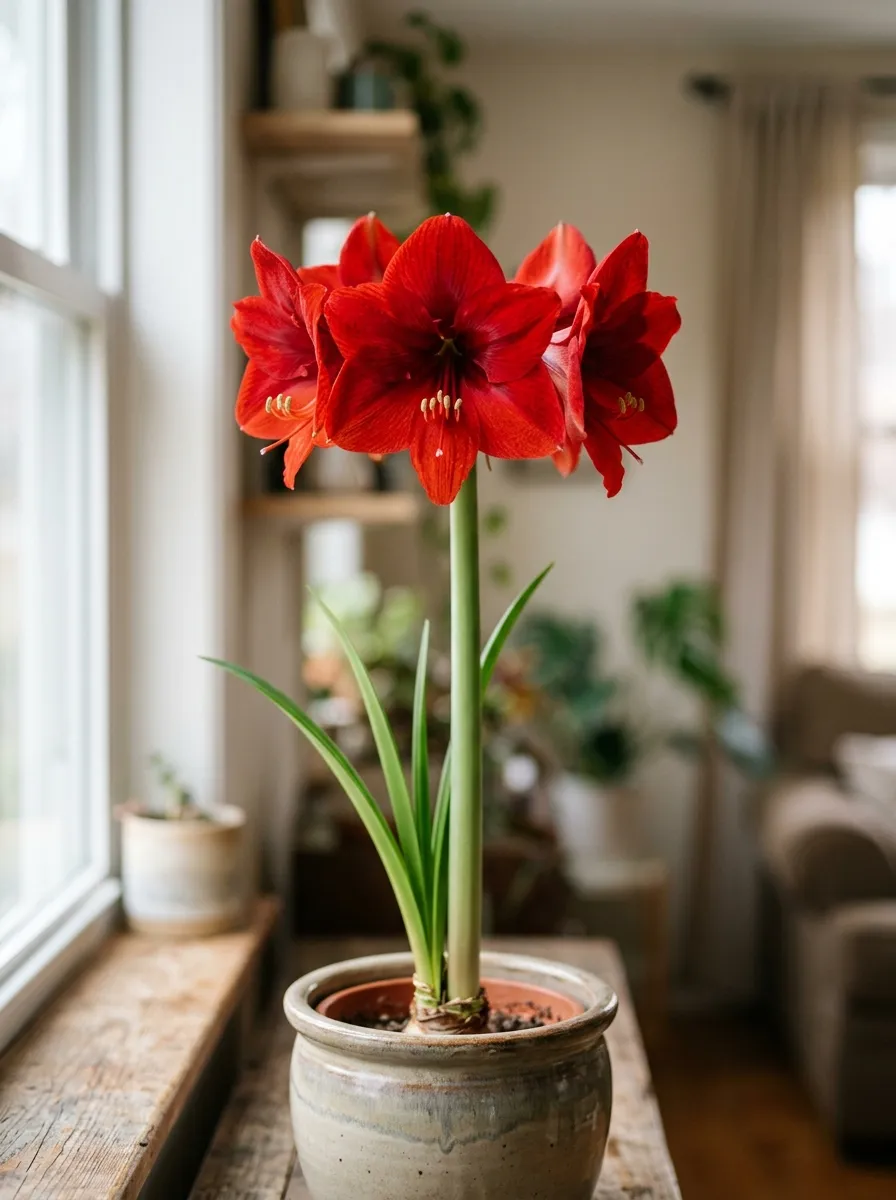
Amaryllis is best known as a winter houseplant, producing enormous trumpet-shaped blooms on a tall, leafless stem, often timed to flower around the holidays. Plant the bulb in a pot with the top third exposed above the soil line, water sparingly at first, and place it in a bright spot blooms typically appear within six to eight weeks. After flowering, cut the spent bloom stalk but keep watering and feeding the plant as the leaves grow; this feeds the bulb for a repeat bloom next year, saving you from buying a new one. In late summer, let the plant rest by withholding water until leaves yellow, then store the bulb in a cool, dark spot for a few weeks before starting the cycle again. Because a single bulb can rebloom for many years with this simple routine, amaryllis offers strong value as an annual, no-cost source of dramatic winter color.
76. Cyclamen
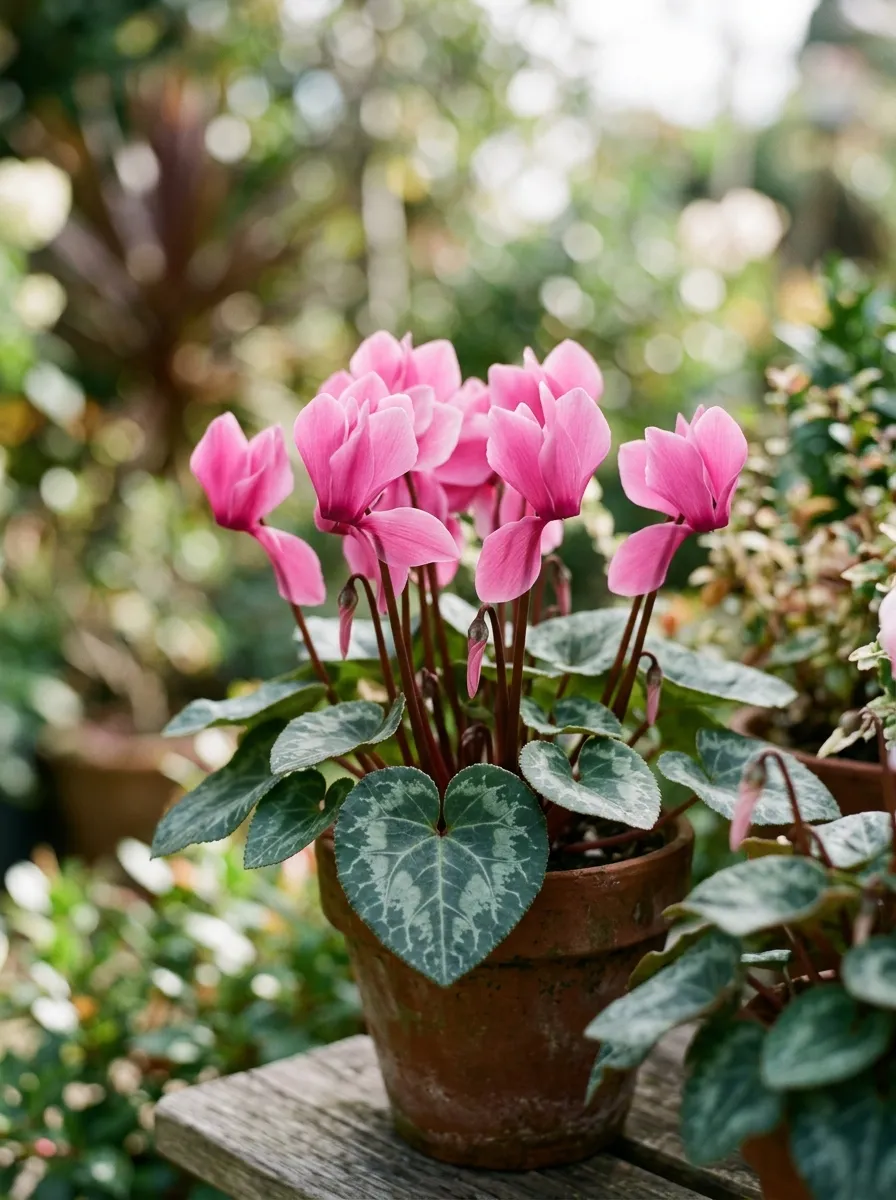
Cyclamen produces delicate, swept-back flowers above attractively patterned, heart-shaped leaves, making it a popular choice for cool-season color both indoors and in shaded outdoor beds. Plant tubers with the top slightly exposed, in soil that drains well, and keep them in bright, indirect light. Water from the bottom by setting the pot in a shallow dish of water for a few minutes, then draining fully this helps prevent rot at the crown, a common issue with overhead watering. Cyclamen prefers cooler temperatures, so keep it away from heating vents indoors. After blooming, many varieties go dormant and can be stored dry until the following season, allowing you to reuse the same tuber year after year instead of buying a new plant. Outdoors in mild climates, hardy cyclamen varieties naturalize under trees, spreading slowly into a bigger patch over time at no additional cost.
77. Primrose
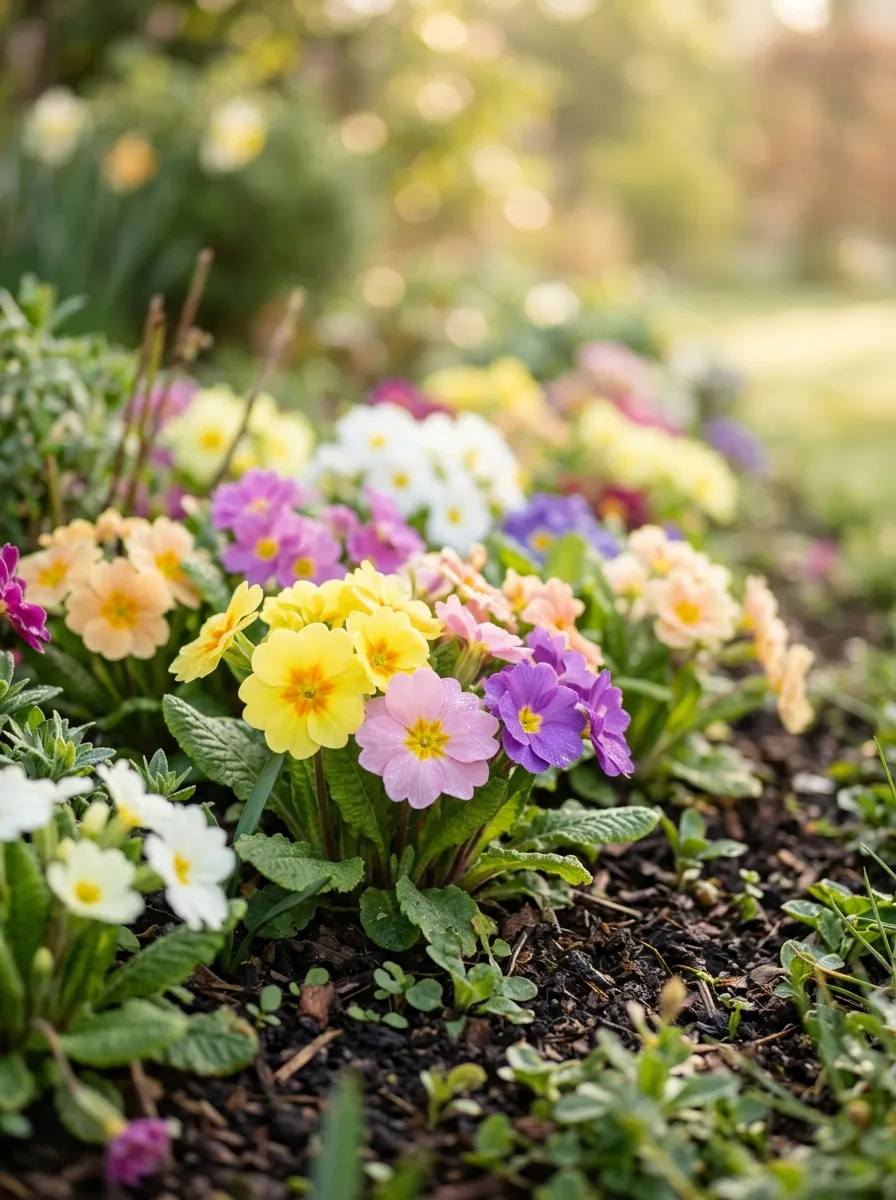
Primroses bring some of the earliest, brightest color of the growing season, often blooming while there’s still a chill in the air. Plant in partial shade in soil that stays consistently moist but drains well, since primroses dislike both drought and standing water. Buy a flat of inexpensive starter plants rather than individual pots to fill a bed affordably. Deadhead spent blooms to encourage more flowers, and divide clumps every couple of years to keep plants vigorous, creating free new plants to spread through shaded areas of the yard. Primroses do well tucked under deciduous trees or shrubs where they get good light before the canopy fills in for summer. Because they’re so inexpensive and quick to establish, primroses are a low-risk way to add cheerful color to a shaded spot early in the season, before most other flowers have even started growing.
78. Forget-Me-Not
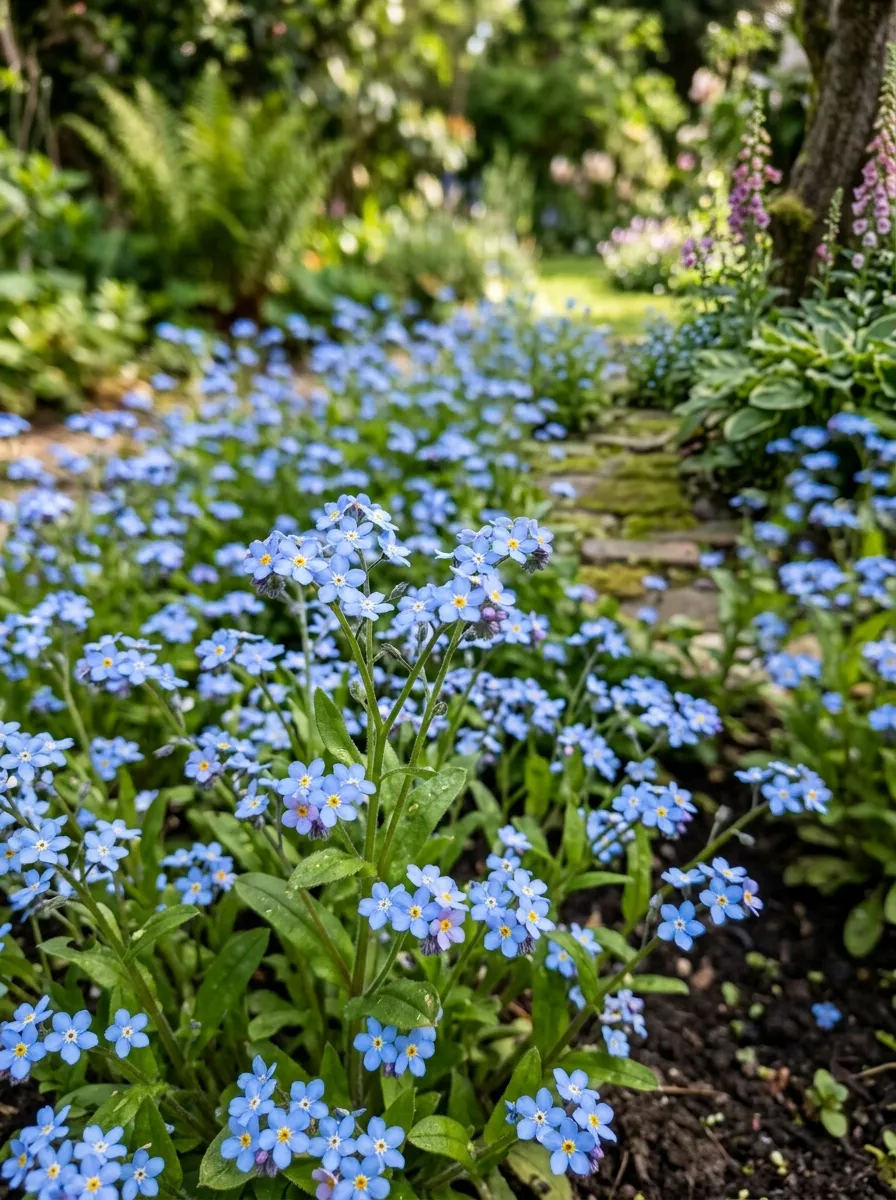
Forget-me-nots produce a haze of tiny blue flowers that fill in gaps between larger plants, often self-seeding so reliably that one small starter patch can spread through an entire bed within a couple of seasons at no extra cost. Sow seeds directly in soil in partial shade to full sun; they tolerate a range of conditions and need little care once established. Water regularly while young, then rely mostly on rainfall once settled in. Forget-me-nots pair especially well with spring bulbs like tulips and daffodils, filling the lower layer of a bed with soft blue color while taller flowers take the spotlight above. After blooming, let some flowers go to seed rather than deadheading everything, since this is what drives the free, self-sustaining spread from year to year. Because they’re so low-cost and low-maintenance, forget-me-nots are a smart filler for any gardener trying to cover ground without spending much.
79. Bellflower (Campanula)
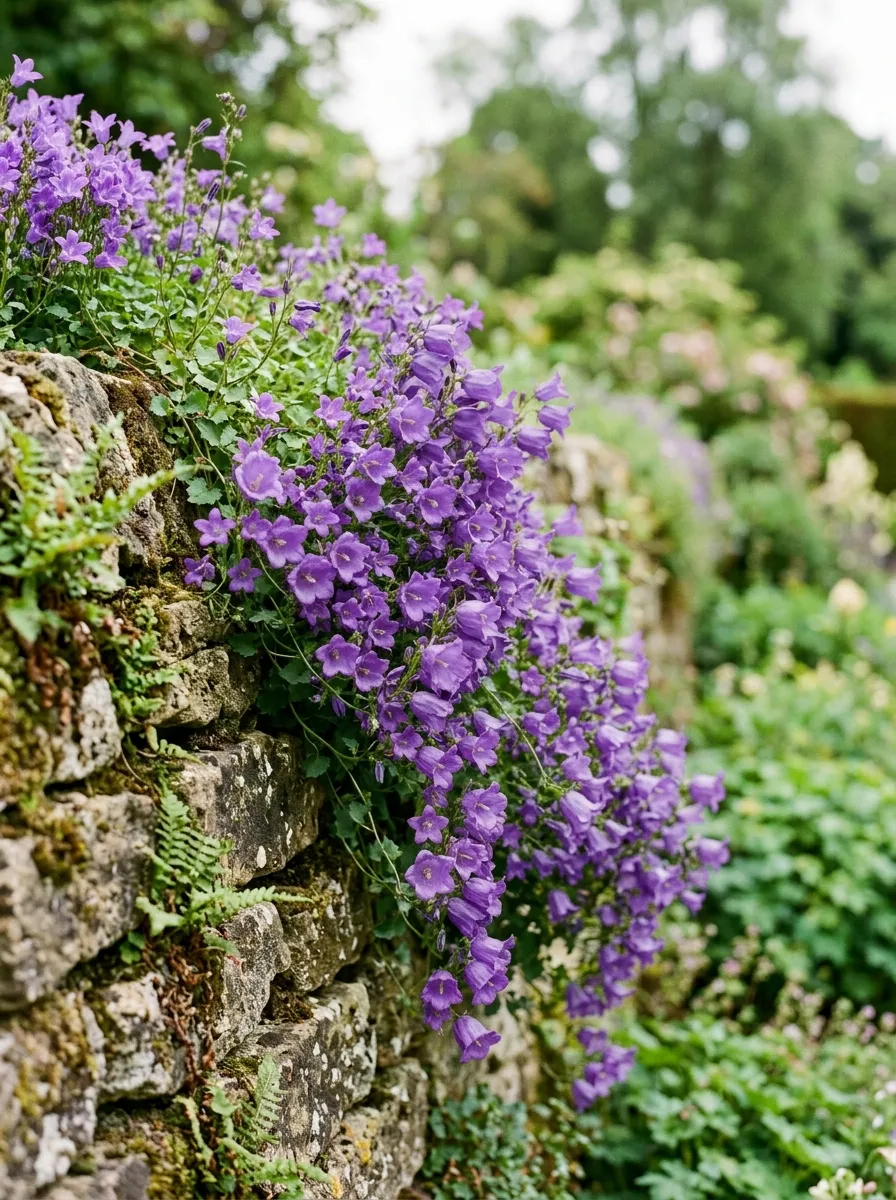
Bellflower, or campanula, produces charming, bell-shaped blooms and comes in both upright and trailing forms, making it flexible for beds, borders, or spilling over a wall. Plant in full sun to partial shade in soil that drains well. Established clumps are fairly low-maintenance, needing only occasional watering during dry spells. Deadhead spent blooms to encourage more flowers through the season. Divide clumps every few years in spring to keep plants healthy and to create new, free plants for other parts of the yard. Trailing varieties work particularly well in a hanging basket or spilling over a retaining wall, softening hard edges without needing extra purchases beyond the initial plant. Bellflower also attracts bees, adding a bit of garden activity. Because a single clump divides so easily, one initial purchase can turn into several plants scattered through the garden within just a couple of growing seasons.
80. Yarrow
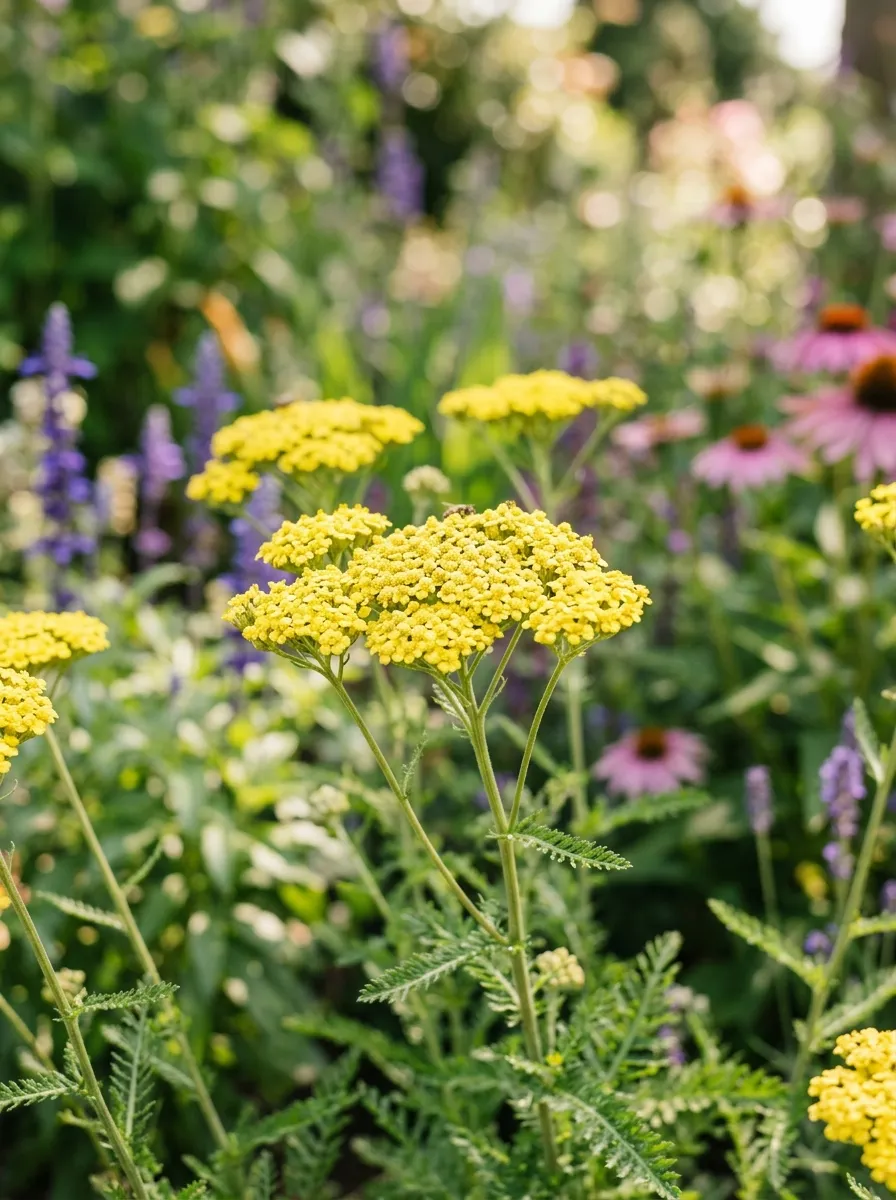
Yarrow is a tough, drought-tolerant perennial with flat clusters of tiny flowers that hold up well both in the garden and as a dried flower. Plant in full sun in average to poor soil; yarrow actually performs better with less fertilizer, since rich soil produces floppy growth. Water only during extended dry spells once established this plant is built to handle neglect. Deadhead spent blooms for a tidier look and a chance at a second flush later in the season. Cut stems for drying by hanging them upside down in a dark, dry spot; the flat flower heads keep their shape and color for months, offering a free, long-lasting decor option. Divide clumps every few years to keep the plant from spreading too aggressively, and use the divisions to fill other sunny, dry spots in the yard for free. Yarrow also attracts beneficial insects that help control garden pests.
81. Sedum (Stonecrop)
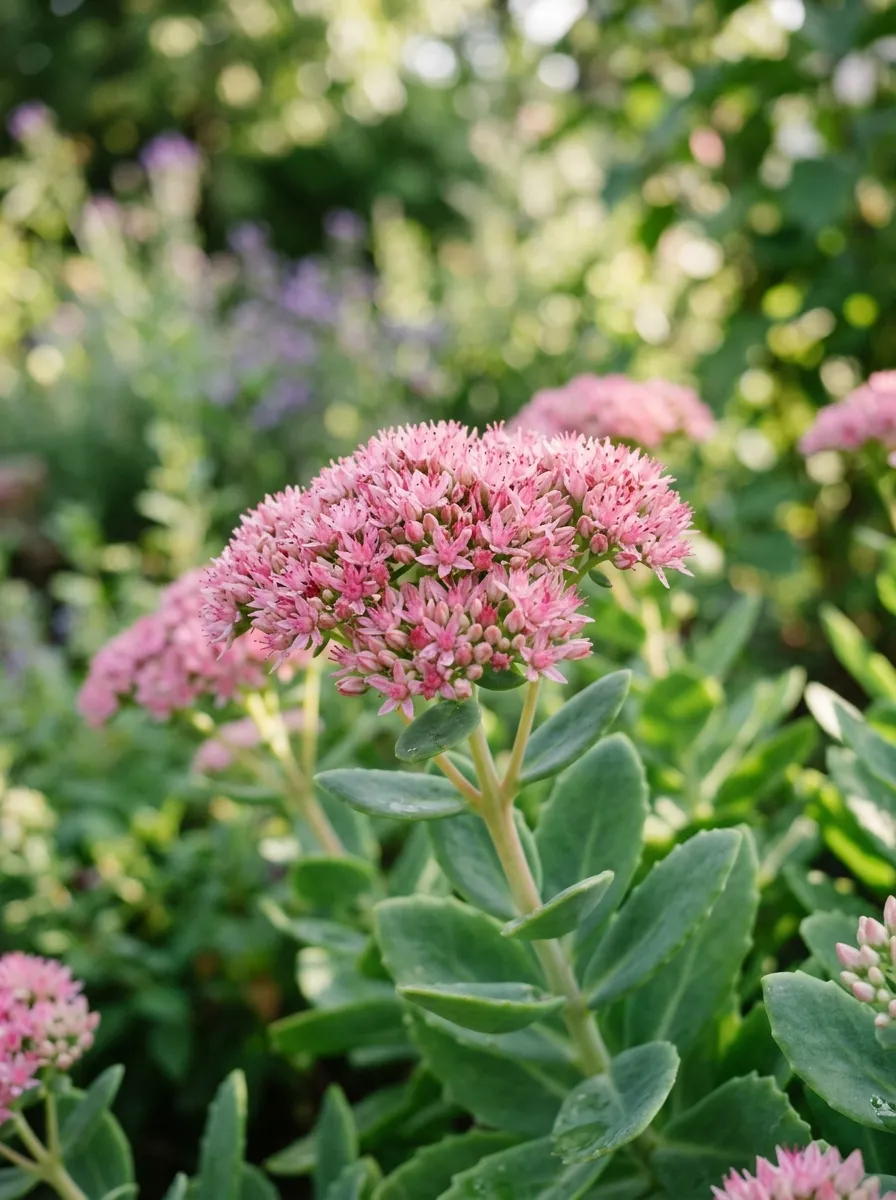
Sedum, also called stonecrop, is one of the most forgiving perennials you can plant, storing water in its thick, fleshy leaves and tolerating long dry spells without complaint. Plant in full sun in well-draining soil; sedum actually struggles more from overwatering than underwatering, so err on the side of less. Its late-summer flower clusters attract bees and butterflies right when many other flowers are fading. Leave spent flower heads standing through winter instead of cutting them back they add texture to the winter garden and provide some shelter for beneficial insects. Divide clumps every few years to keep them from getting too large, and use the divisions to start new sedum plants elsewhere for free. Because it’s so drought-tolerant and low-maintenance, sedum is a smart pick for a sunny, dry spot where watering isn’t convenient, or for gardeners who simply want fewer chores.
82. Catmint
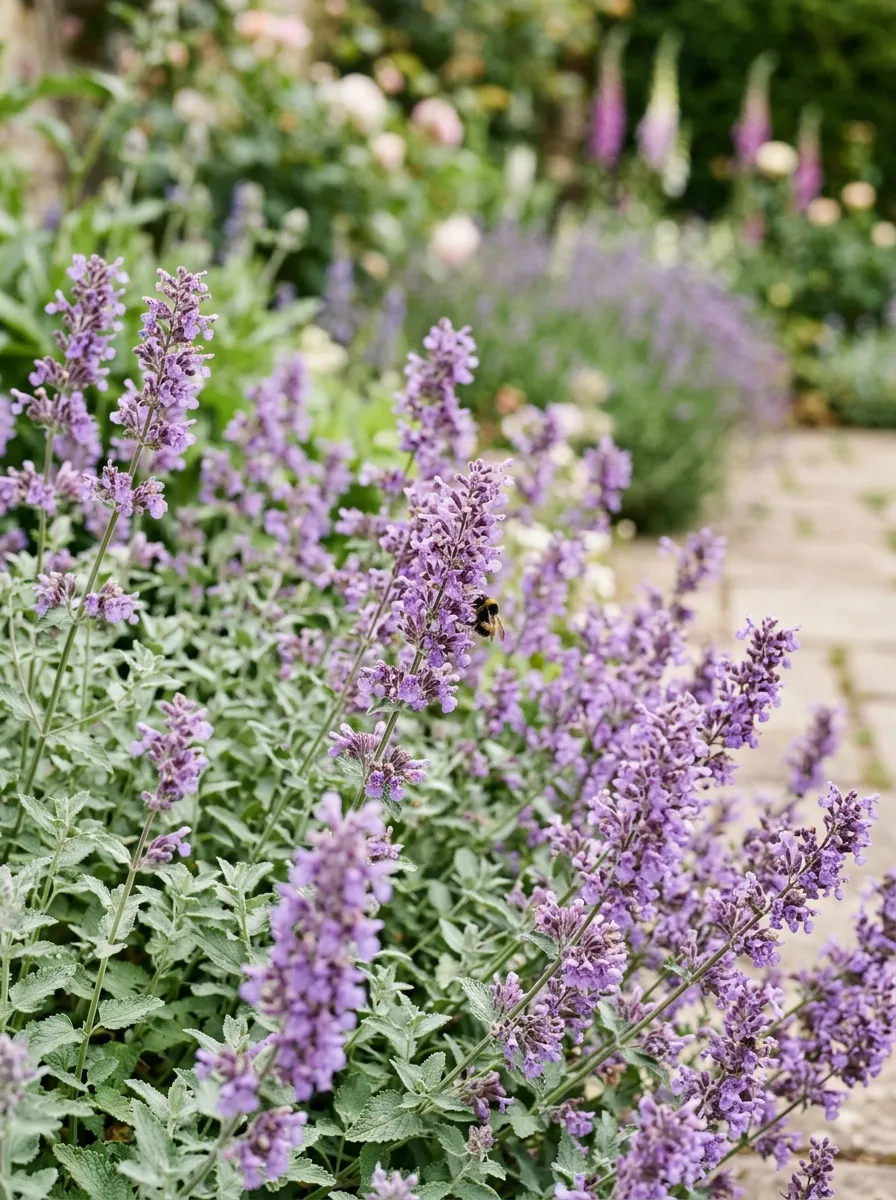
Catmint produces soft spikes of small purple flowers over silvery, aromatic foliage, forming a low, mounded plant that works well as a border edge. Plant in full sun in well-draining soil; catmint tolerates heat and drought better than many flowering perennials, cutting down significantly on watering needs. After the first flush of bloom fades, shear the plant back by about half to encourage a fresh round of flowers later in the season. It needs no fertilizer and thrives in average or even poor soil. Bees are especially drawn to catmint, adding pollinator activity to the garden with no extra effort. Divide clumps every few years to keep plants from sprawling too far and to create new, free plants for other sunny spots. Because it’s so tough and low-maintenance, catmint is a reliable, budget-friendly choice for edging a path or border where you want color without a demanding care routine.
83. Coreopsis
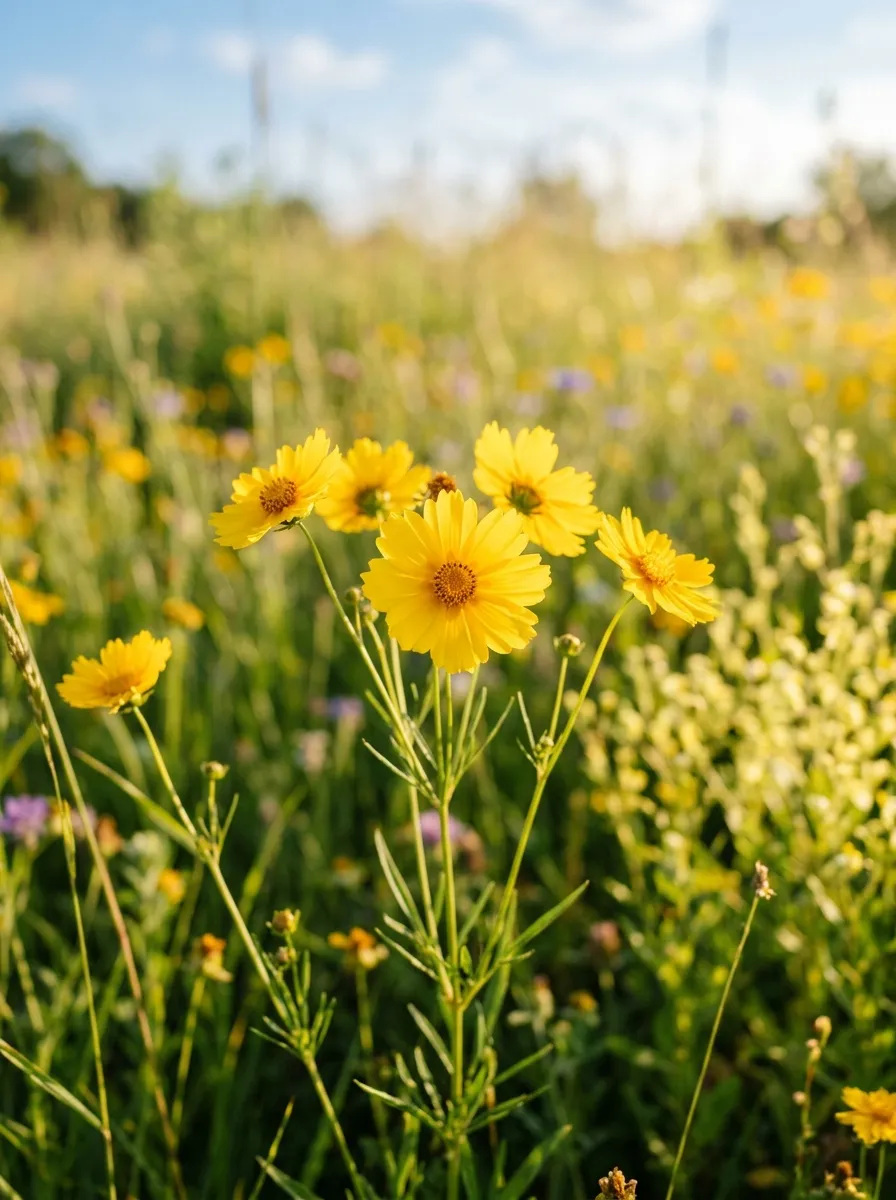
Coreopsis is a cheerful, daisy-like perennial that blooms for months with very little care, making it a strong value pick for a sunny bed. Plant in full sun in average, well-draining soil; it tolerates poor soil and drought once established, needing minimal watering. Deadhead spent blooms regularly to keep new flowers coming, or shear the whole plant back partway through summer for a fresh flush of growth and blooms. Divide clumps every few years to keep plants vigorous and to create free new plants for other parts of the yard. Coreopsis self-seeds in some conditions, occasionally popping up in new spots without any effort on your part. It attracts butterflies and other pollinators, adding activity to the garden. Because it’s so undemanding and long-blooming, coreopsis is a smart choice for filling a sunny border with reliable color from a relatively small initial investment in plants or seeds.
84. Gaillardia (Blanket Flower)
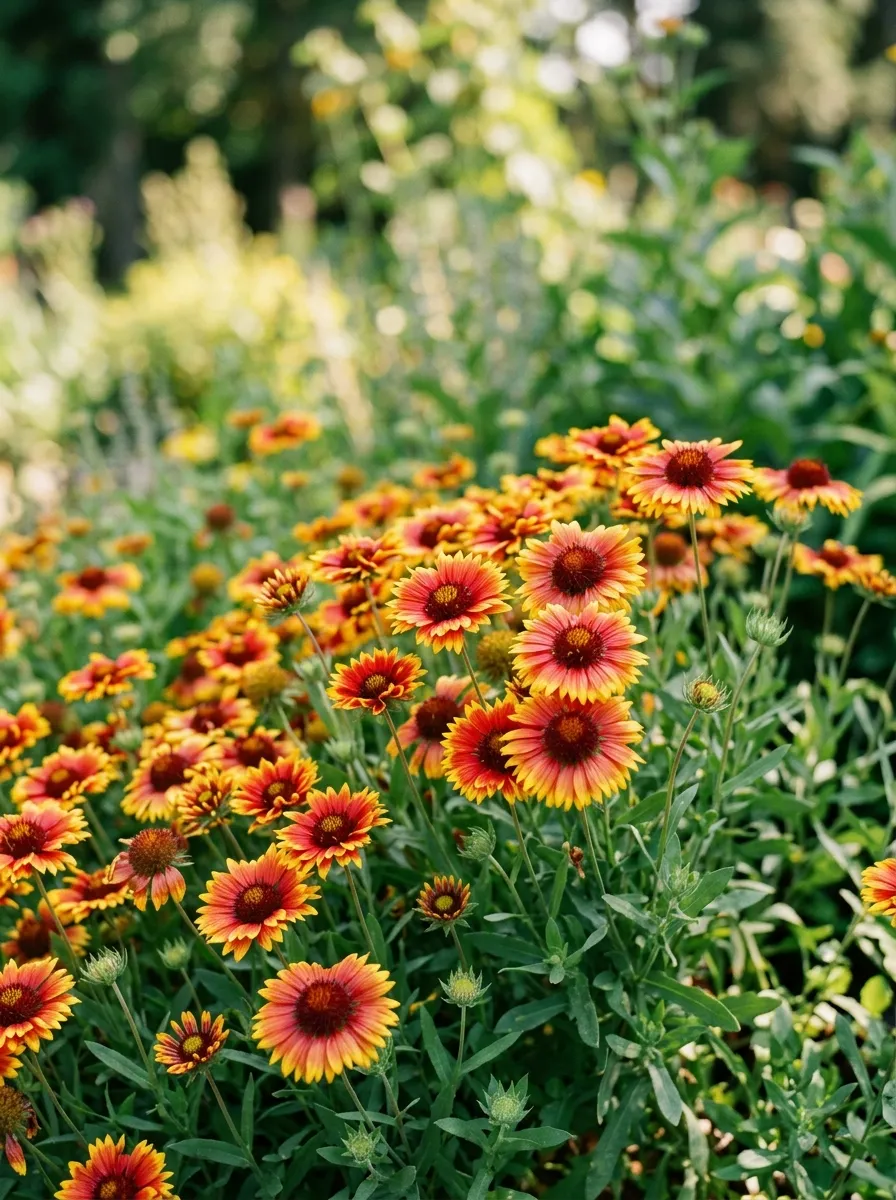
Gaillardia, often called blanket flower for the way its warm red and yellow blooms cover the plant, is built to handle heat, drought, and poor soil with little complaint. Plant in full sun; established plants need very little supplemental watering, even through a hot summer. Deadhead spent blooms to keep new flowers coming, though even without deadheading the plant continues blooming steadily. It’s typically short-lived as an individual plant, lasting a few years, but often self-seeds readily, meaning new plants pop up on their own to replace older ones at no extra cost. Avoid rich soil or heavy fertilizer, which can shorten the plant’s lifespan and reduce flowering. Gaillardia attracts butterflies and bees, adding color and activity to a sunny, dry bed where many other flowers might struggle. Because it’s so tolerant of tough conditions, it’s a smart, low-cost choice for a hot, sunny spot with poor soil that needs some color.
85. Rudbeckia
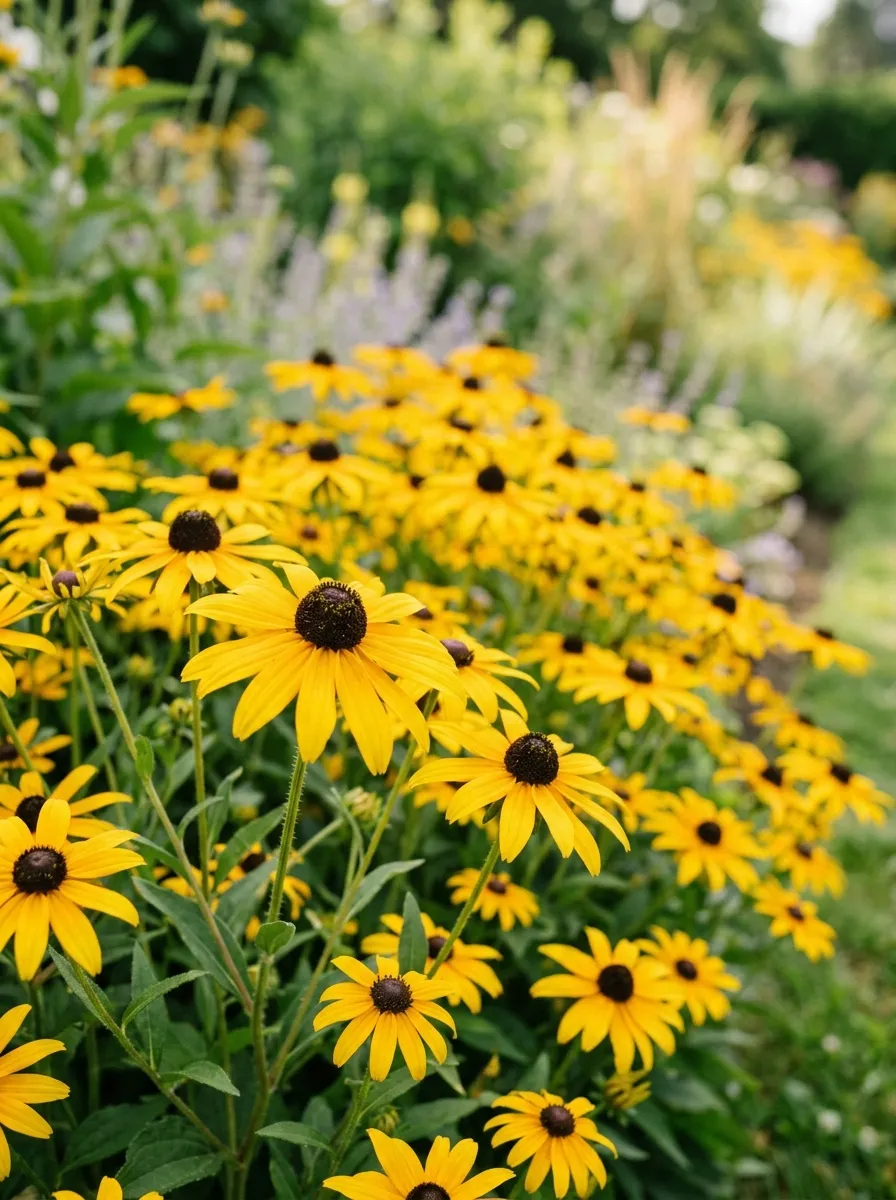
Rudbeckia, closely related to black-eyed Susan, produces bold, golden flowers that bloom reliably from midsummer through fall with minimal care. Plant in full sun in average soil; rudbeckia tolerates heat, drought, and poor soil conditions, keeping maintenance and water use low. Deadhead spent blooms to extend flowering, or leave some seed heads standing into fall and winter for birds to feed on, adding free wildlife activity to the yard. Divide clumps every few years in spring to keep plants healthy and to create new plants at no cost, which can be spread through other sunny beds. Rudbeckia often self-seeds as well, sometimes producing volunteer plants nearby that you can transplant for free. It pairs naturally with purple coneflower and ornamental grasses for a low-maintenance, prairie-style planting. Because it’s such an easy, reliable bloomer, rudbeckia is often one of the first perennials recommended to beginning gardeners.
86. Echinacea
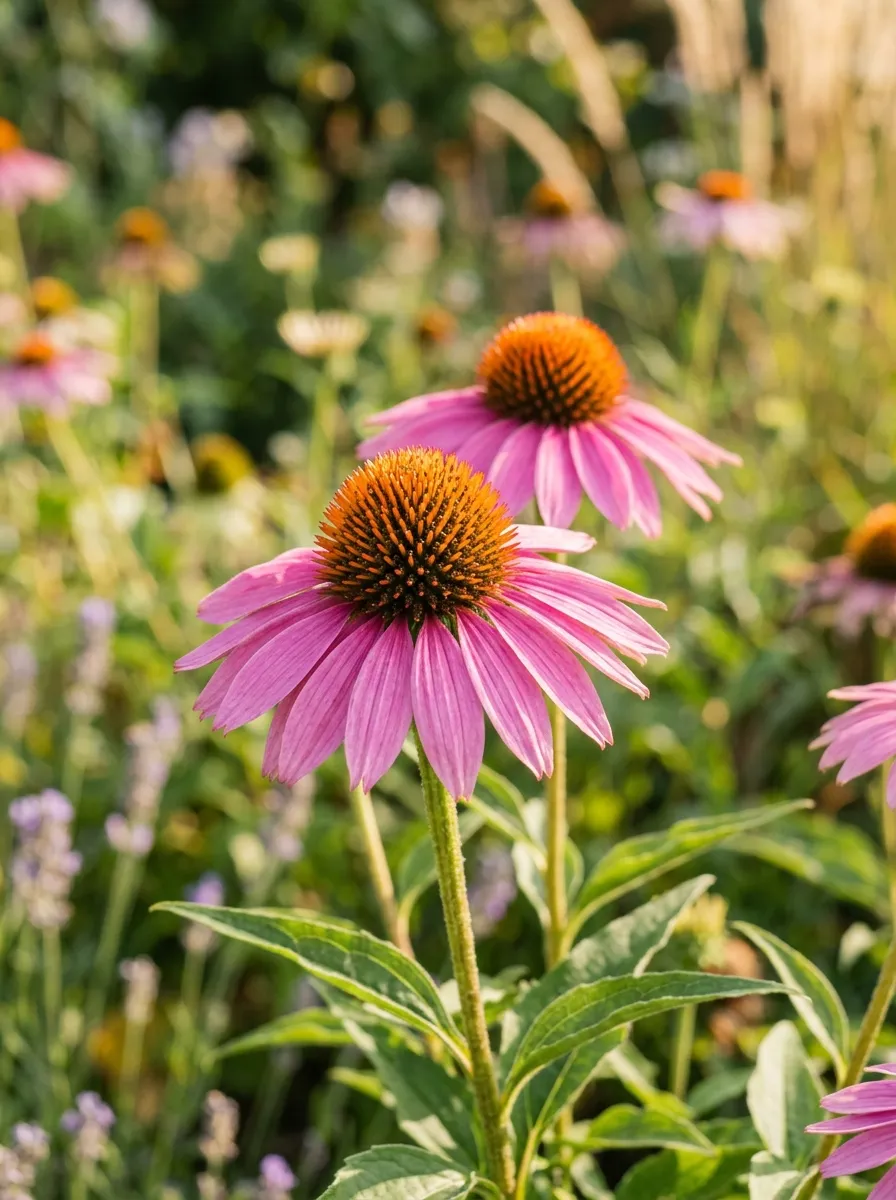
Echinacea, commonly known as coneflower, is a hardy perennial that tolerates drought, poor soil, and general neglect while still producing bold, long-lasting blooms through much of summer. Plant in full sun; once established, echinacea rarely needs supplemental watering beyond normal rainfall. Leave seed heads standing through fall and winter rather than cutting them back, since birds feed on them, adding free wildlife interest to the yard. Divide clumps every few years in spring to refresh the plant and create new ones at no additional cost. Echinacea also self-seeds in favorable conditions, sometimes producing volunteer seedlings you can transplant elsewhere for free. It pairs well with rudbeckia and ornamental grasses for a low-maintenance, naturalistic bed. Because it needs so little upkeep once established, echinacea is a strong choice for anyone wanting a tough, reliable perennial that still delivers real visual return from a modest initial planting.
87. Liatris (Blazing Star)
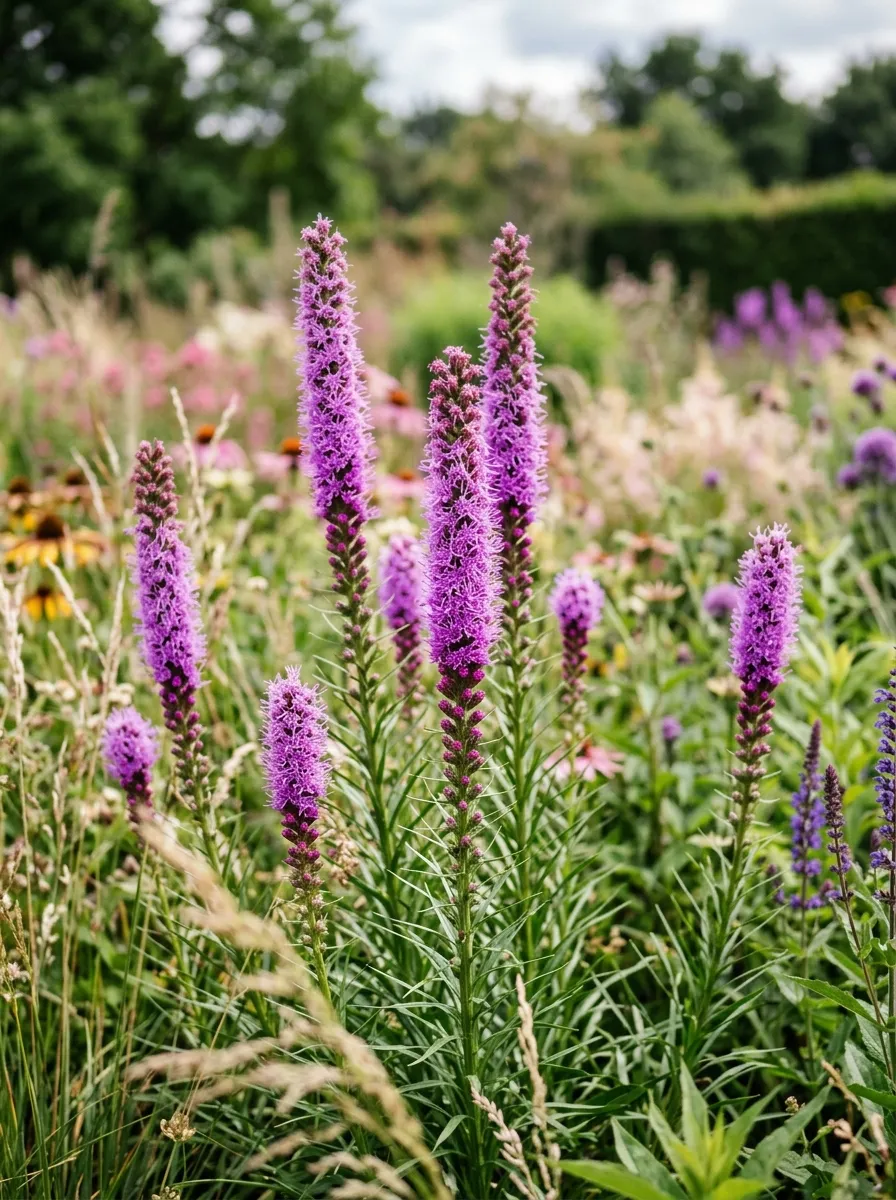
Liatris, sometimes called blazing star, sends up tall, fuzzy purple spikes that bloom from the top down, adding vertical interest to a bed. Plant corms in spring, about 3 inches deep, in full sun and well-draining soil. It tolerates drought and poor soil once established, needing very little supplemental watering. Liatris attracts butterflies in large numbers, often becoming one of the most visited plants in the garden during bloom time. Cut stems make excellent, long-lasting additions to a vase, holding up well for over a week indoors. Because corms multiply over time, a small initial planting can expand into a fuller patch within a few years without any additional cost. Deadhead spent spikes for tidiness, or leave them standing for winter interest and bird activity. Liatris pairs naturally with black-eyed Susan and coneflower in a sunny, low-maintenance border that asks for little beyond occasional weeding.
88. Veronica (Speedwell)
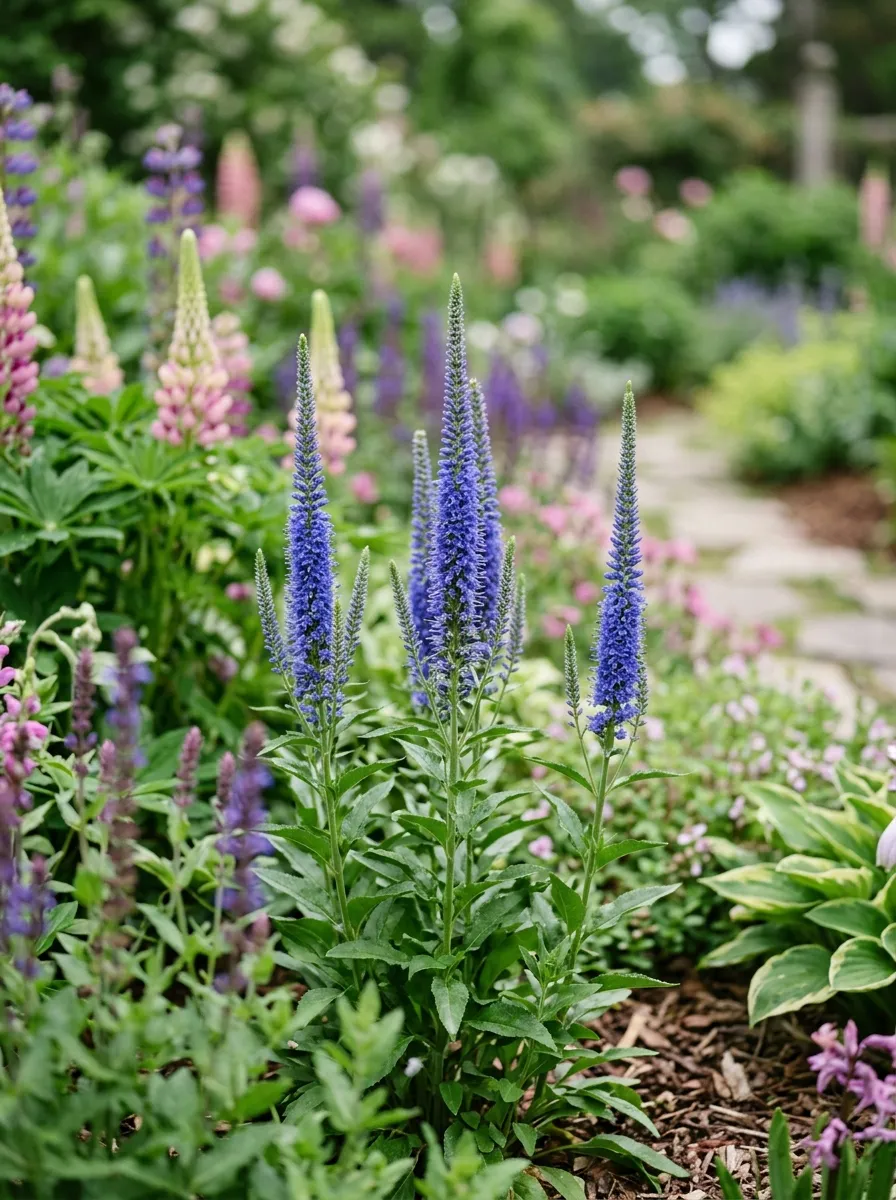
Veronica, also called speedwell, produces slender spikes of small blue, purple, or pink flowers that bloom for weeks with minimal care. Plant in full sun to partial shade in well-draining soil. Deadhead spent spikes to encourage a second flush of blooms later in the season. Established plants tolerate short dry spells, though they do best with regular watering during active growth. Divide clumps every few years in spring to keep plants vigorous and to create new, free plants for other parts of the garden. Veronica works well along the front or middle of a border, adding vertical texture without overwhelming neighboring plants. It attracts bees and butterflies, adding pollinator activity to the yard. Because it’s such a reliable, easy-care perennial, veronica is a good pick for filling gaps in a bed where you want steady color without a lot of ongoing maintenance or expense.
89. Penstemon
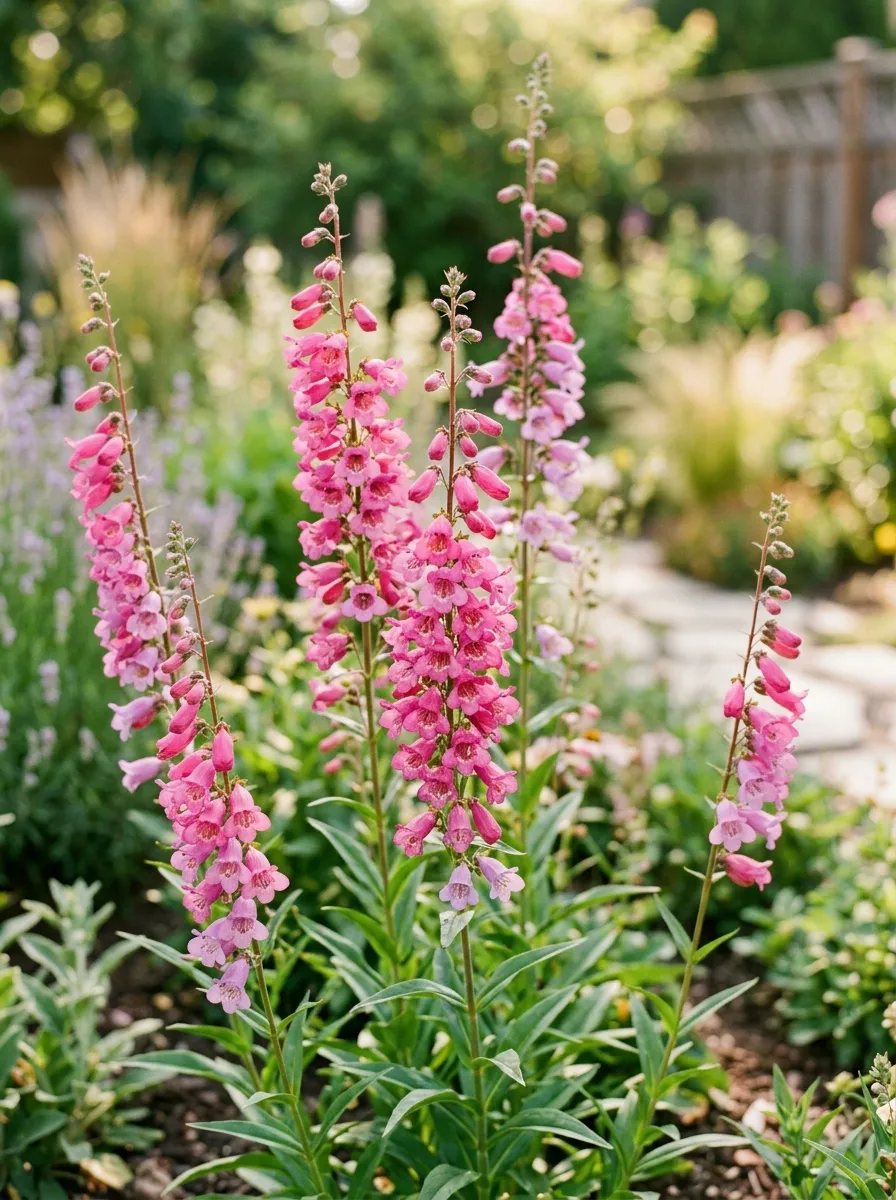
Penstemon, sometimes called beardtongue, produces tall spikes of tubular flowers that hummingbirds particularly favor. Plant in full sun in well-draining soil; penstemon tolerates poor, rocky soil better than rich, heavily amended beds, so skip the extra fertilizer. Water moderately, letting soil dry between waterings, since overly wet conditions can cause root problems. Deadhead spent spikes to encourage additional blooming later in the season. Established plants are quite drought-tolerant, making penstemon a smart choice for a sunny, dry spot where watering is inconvenient. Divide or take cuttings from established plants to create new ones for free, spreading color to other parts of the yard without additional cost. Penstemon pairs well with catmint and yarrow for a tough, low-water border planting. Because it thrives on relative neglect, this is a good option for gardeners who want reliable color without needing to fuss over watering schedules or soil amendments.
90. Agastache (Hummingbird Mint)
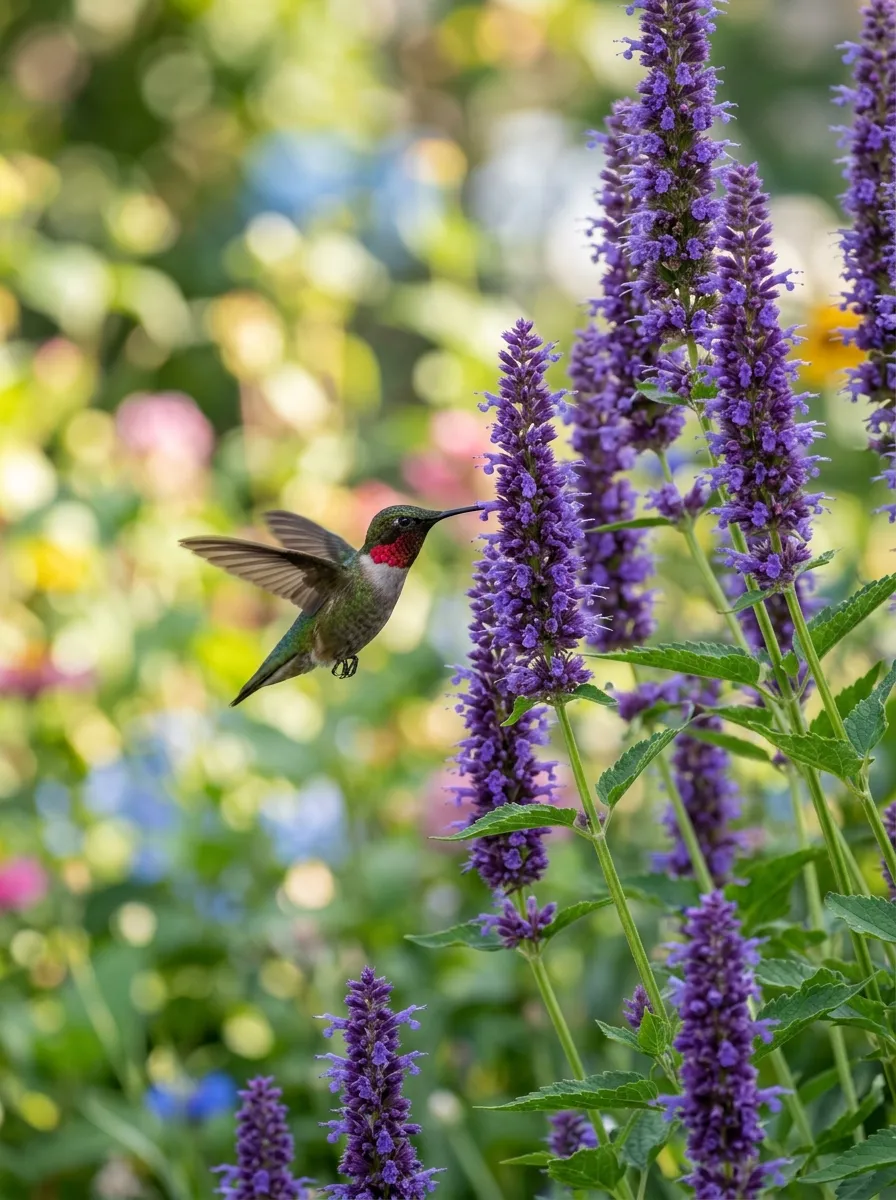
Agastache, often called hummingbird mint, produces tall, fragrant flower spikes that draw hummingbirds and bees in large numbers. Plant in full sun in well-draining soil; it tolerates heat and drought once established, needing minimal supplemental watering. Crushed leaves release a pleasant, minty-anise scent, which can be used fresh in tea at no extra cost. Deadhead spent spikes to encourage continued blooming through summer and into fall. Established clumps can be divided every few years to keep the plant vigorous and to create new, free plants for other sunny areas. Agastache generally needs very little fertilizer and actually performs better in leaner soil. Because it’s so drought-tolerant and low-maintenance, it’s a smart pick for a hot, sunny border where you want to attract pollinators without adding to your watering routine. A single established plant can produce a steady stream of blooms from early summer well into fall.
91. Bee Balm (Monarda)
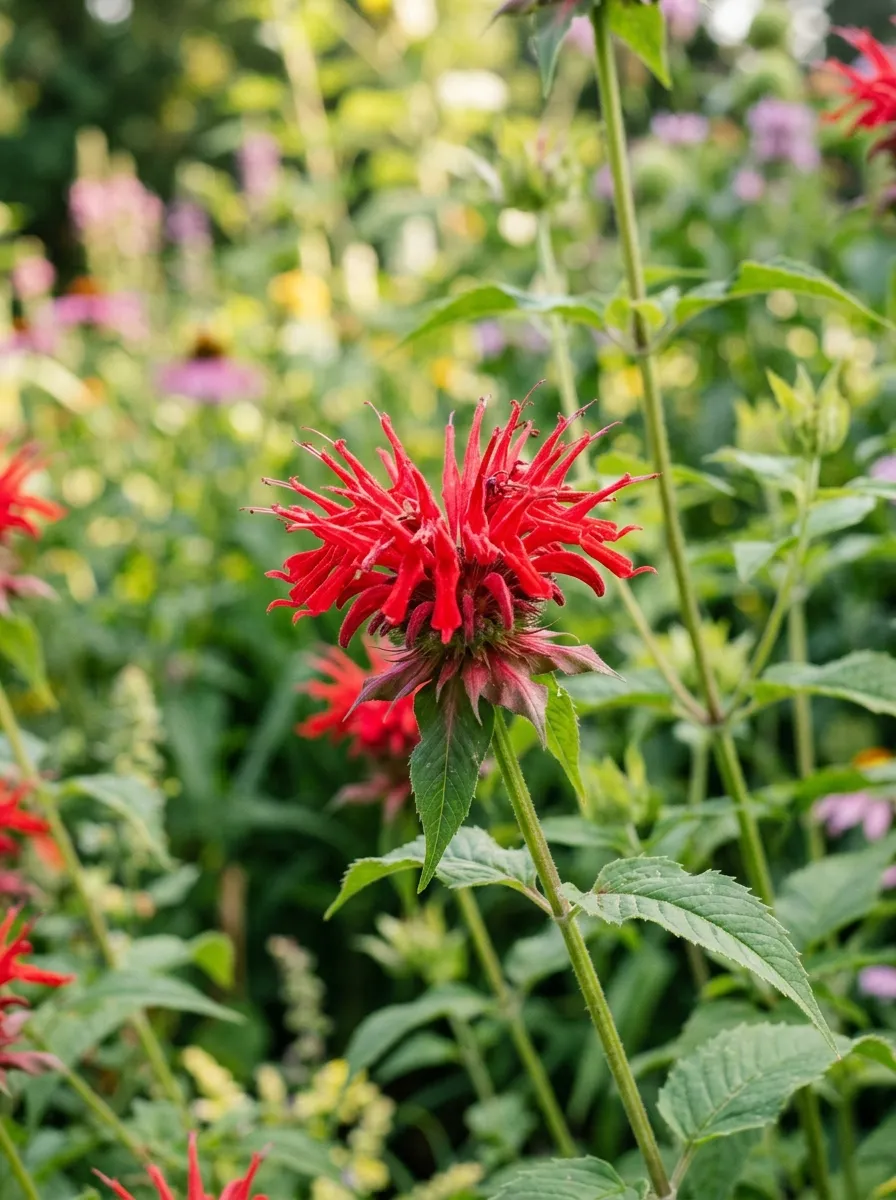
Bee balm produces shaggy, unusual flowers that are a magnet for hummingbirds, bees, and butterflies, adding real activity to the summer garden. Plant in full sun to partial shade in soil that stays moist but drains well. Space plants generously to allow good airflow, since bee balm can be prone to powdery mildew in crowded, humid conditions. Deadhead spent blooms to encourage a second round of flowers later in the season. The leaves are edible and can be dried to make a simple, homemade herbal tea, similar in flavor to bergamot, at no extra cost. Divide clumps every couple of years in spring, since bee balm spreads by underground runners and benefits from being kept in check the divisions become free new plants for other parts of the yard. Because it’s so attractive to pollinators, bee balm is a great choice for anyone wanting to turn their garden into a haven for beneficial insects and hummingbirds. For more information about this colorful pollinator favorite, explore this complete guide to Monarda (bee balm) for details on its varieties, growing habits, and garden care.
92. Baptisia (False Indigo)
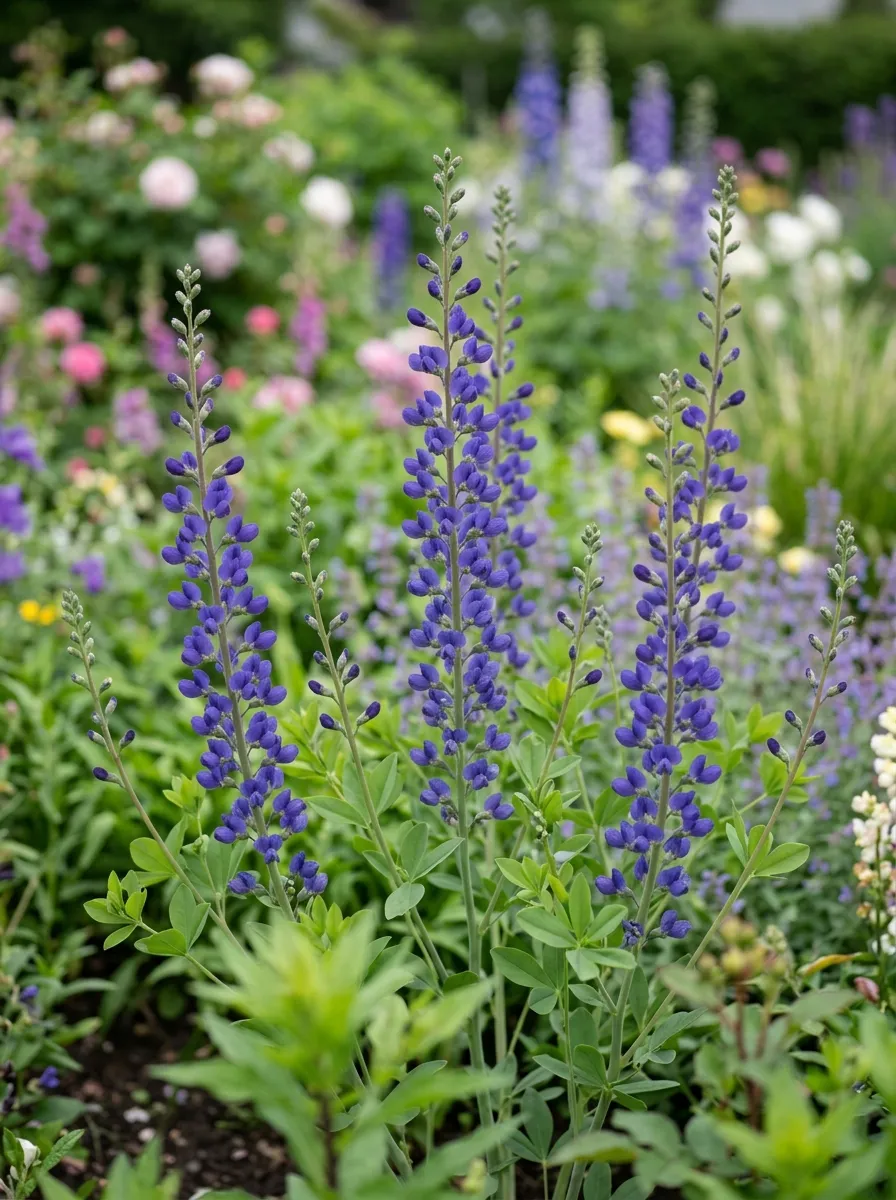
Baptisia, or false indigo, is a long-lived perennial that produces tall spikes of pea-like flowers in spring, followed by attractive seed pods that add interest later in the season. Plant in full sun in well-draining soil; baptisia develops a deep taproot that makes it very drought-tolerant once established, though this also means it dislikes being transplanted, so choose its spot carefully from the start. It needs very little fertilizer or ongoing care, essentially thriving on neglect after the first couple of years. Cut dried seed pods for use in arrangements they rattle softly and add unusual texture at no extra cost. Because baptisia is so long-lived, often thriving for decades, it’s a strong long-term investment despite a somewhat higher upfront plant cost compared to short-lived annuals. Plant it at the back of a border where its bushy, shrub-like form and blue flower spikes can serve as a reliable backdrop for smaller plants in front.
93. Hellebore (Lenten Rose)
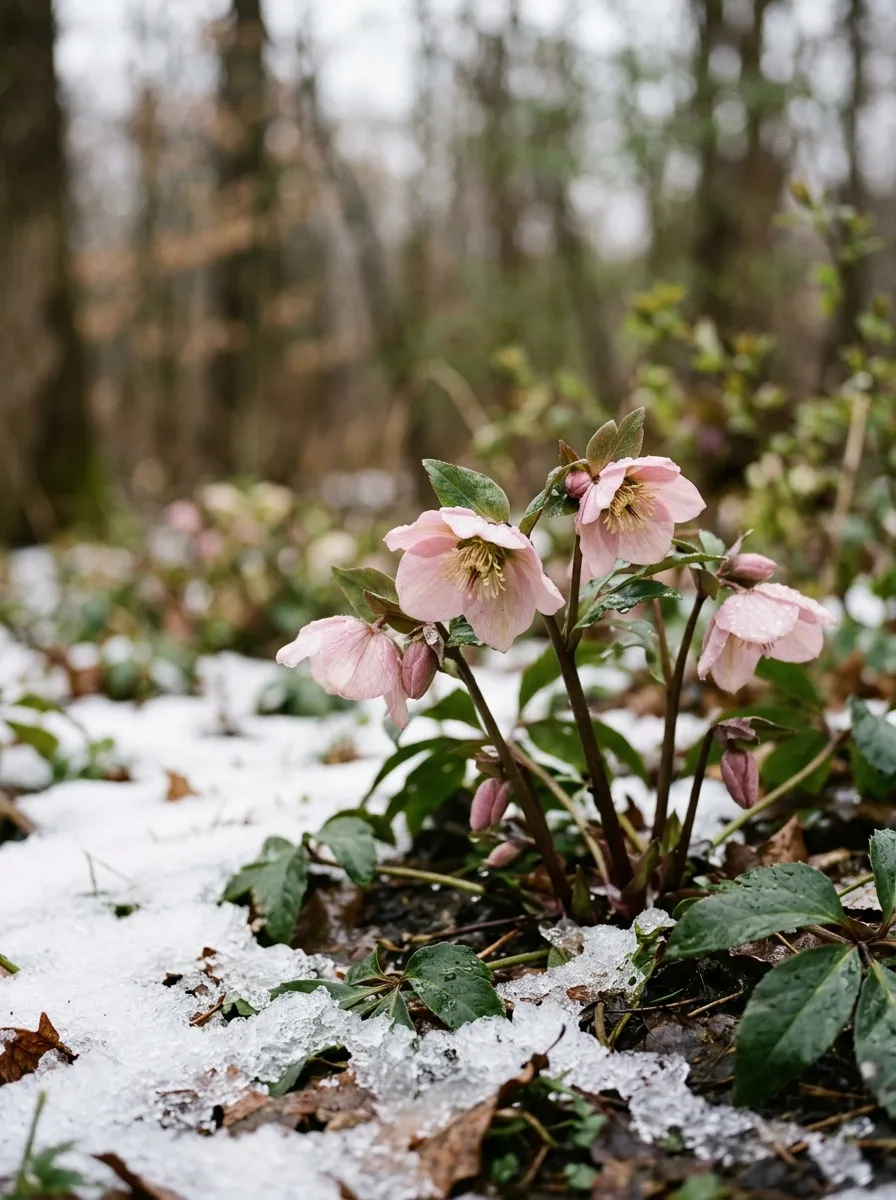
Hellebore, often called Lenten rose, blooms in late winter or very early spring, sometimes even pushing through a light snow cover, making it one of the first flowers to appear each year. Plant in partial to full shade in soil that drains well but stays somewhat moist. Once established, hellebore needs very little care no regular fertilizing and minimal watering beyond normal rainfall. The evergreen foliage looks good year-round, adding value beyond just the bloom period. Deer and rabbits generally avoid hellebore, making it a reliable choice in yards where wildlife damages other plants. Because it’s slow to establish but very long-lived once settled, buying a smaller, less expensive plant and letting it mature over a few years is a practical way to save money. Hellebore self-seeds in favorable conditions, sometimes producing free seedlings nearby that can be transplanted elsewhere in the shaded parts of the yard.
94. Snowdrops
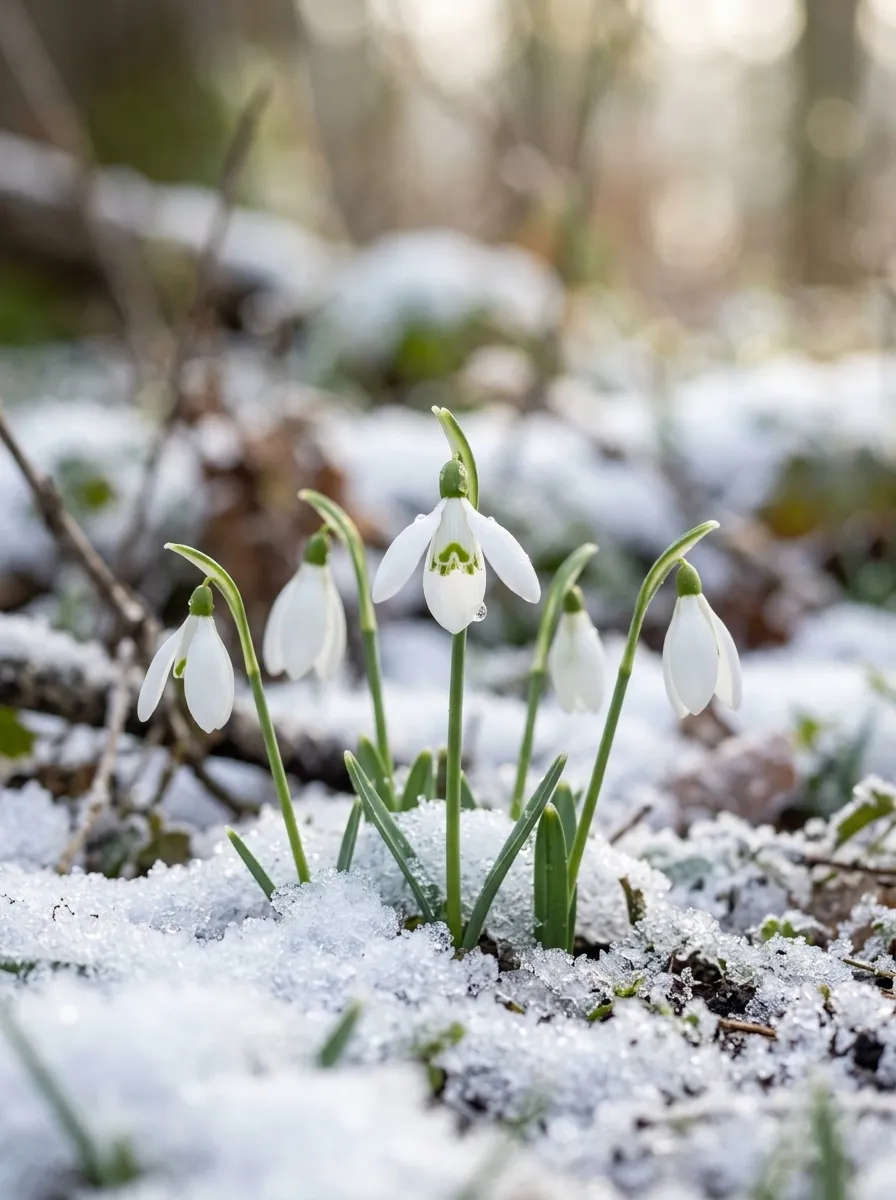
Snowdrops are often the very first flower of the year, sometimes blooming while snow is still on the ground. Plant bulbs in fall, about 3 inches deep, in a spot with partial shade, such as under deciduous trees. They naturalize readily, spreading into larger drifts over the years from a small initial planting, so buying a modest bag of bulbs now can produce a much bigger show within just a few seasons at no extra cost. Snowdrops need very little care no regular watering or fertilizing beyond what nature provides. They also tend to be left alone by deer and rodents, making them a safe, reliable choice. Because they bloom so early, before most other plants have leafed out, they’re a welcome, low-cost sign that spring is on its way after a long winter. Let the foliage die back naturally after blooming to feed the bulb for next year’s flowers.
95. Allium (Ornamental Onion)
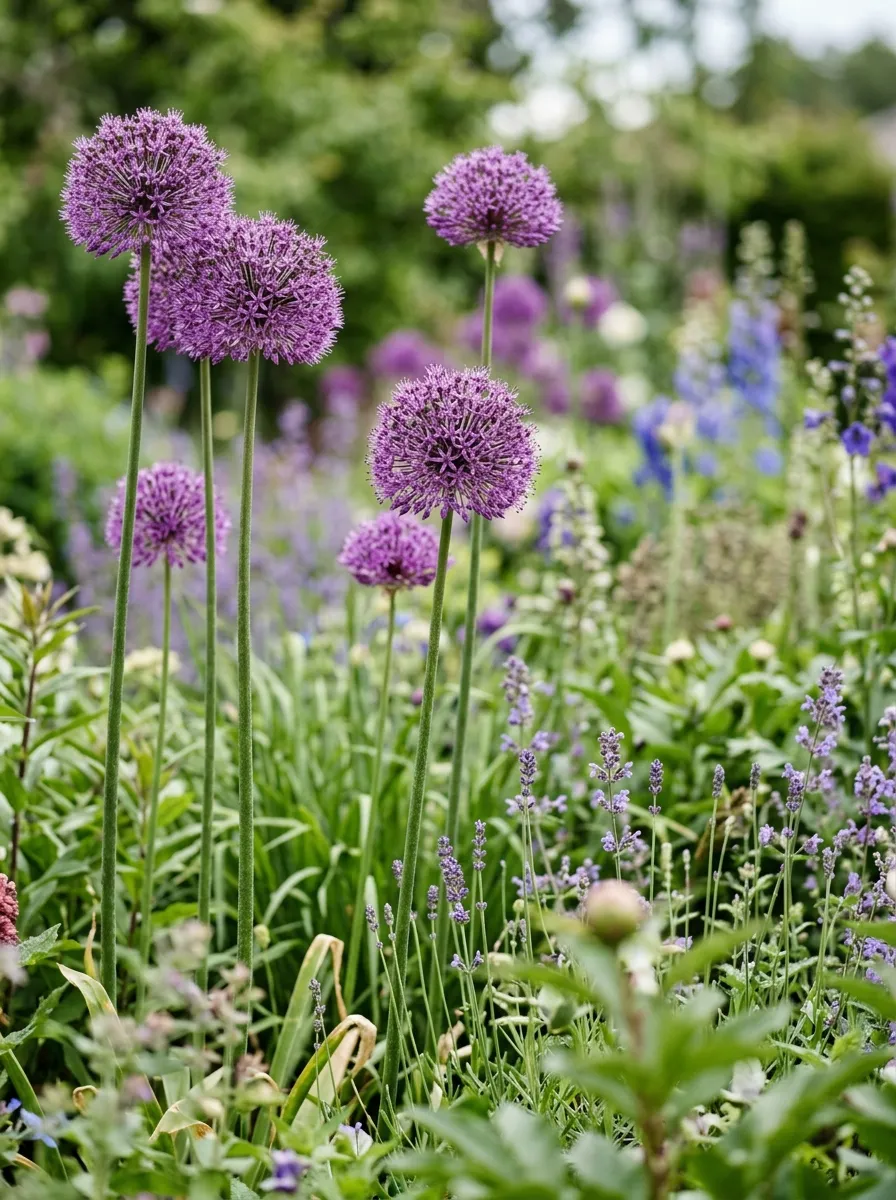
Allium produces striking, globe-shaped flower heads on tall, bare stems, adding a bold, architectural element to a spring or early summer bed. Plant bulbs in fall, about 4 to 6 inches deep, in full sun and well-draining soil. Because deer and rodents tend to avoid plants in the onion family, allium is a reliable, low-worry choice in yards where wildlife damages other bulbs. Once established, alliums need very little care and often multiply over the years, producing more flowers from the same initial planting at no added cost. After blooming, the dried seed heads remain attractive and can be left standing for extra garden interest, or cut and used in dried arrangements for a free, long-lasting decor piece. Plant alliums among later-emerging perennials, since their leaves tend to fade before the flowers finish, and neighboring plants can help hide the yellowing foliage.
96. Grape Hyacinth (Muscari)
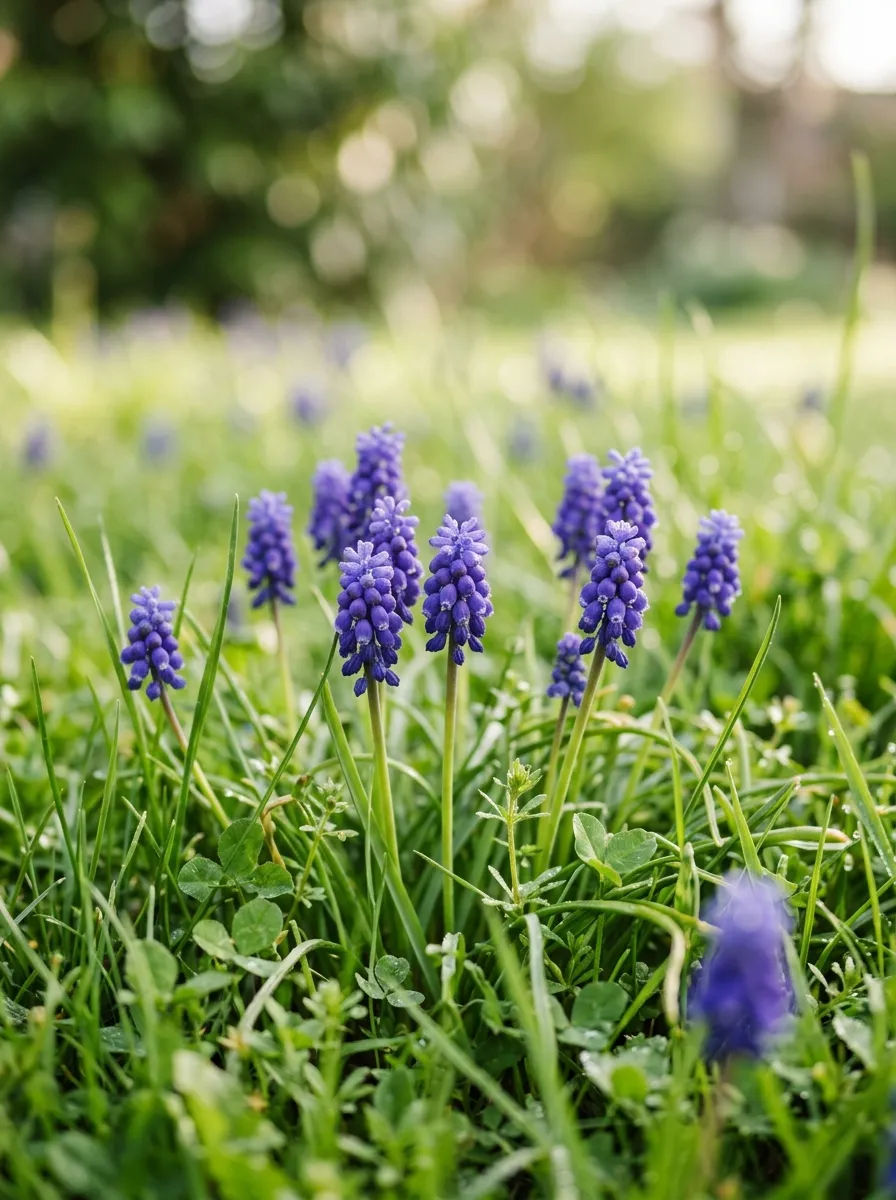
Grape hyacinth, or muscari, produces small clusters of flowers that resemble tiny bunches of grapes, blooming in early spring alongside daffodils and tulips. Plant bulbs in fall, about 3 inches deep, in full sun to partial shade. They’re inexpensive to buy in bulk and naturalize readily, spreading into thick, colorful drifts over just a few years from one modest bag of bulbs. Muscari needs almost no care once planted no regular watering or fertilizing required. It works well scattered through a lawn for a natural, meadow-like look, or massed along a path edge for a solid ribbon of color. Because bulbs multiply so reliably, a single initial planting can be divided and spread to new areas of the yard for free after a couple of seasons. Let foliage die back naturally after blooming to recharge the bulb. This is one of the easiest, cheapest ways to guarantee spring color year after year.
97. Scilla
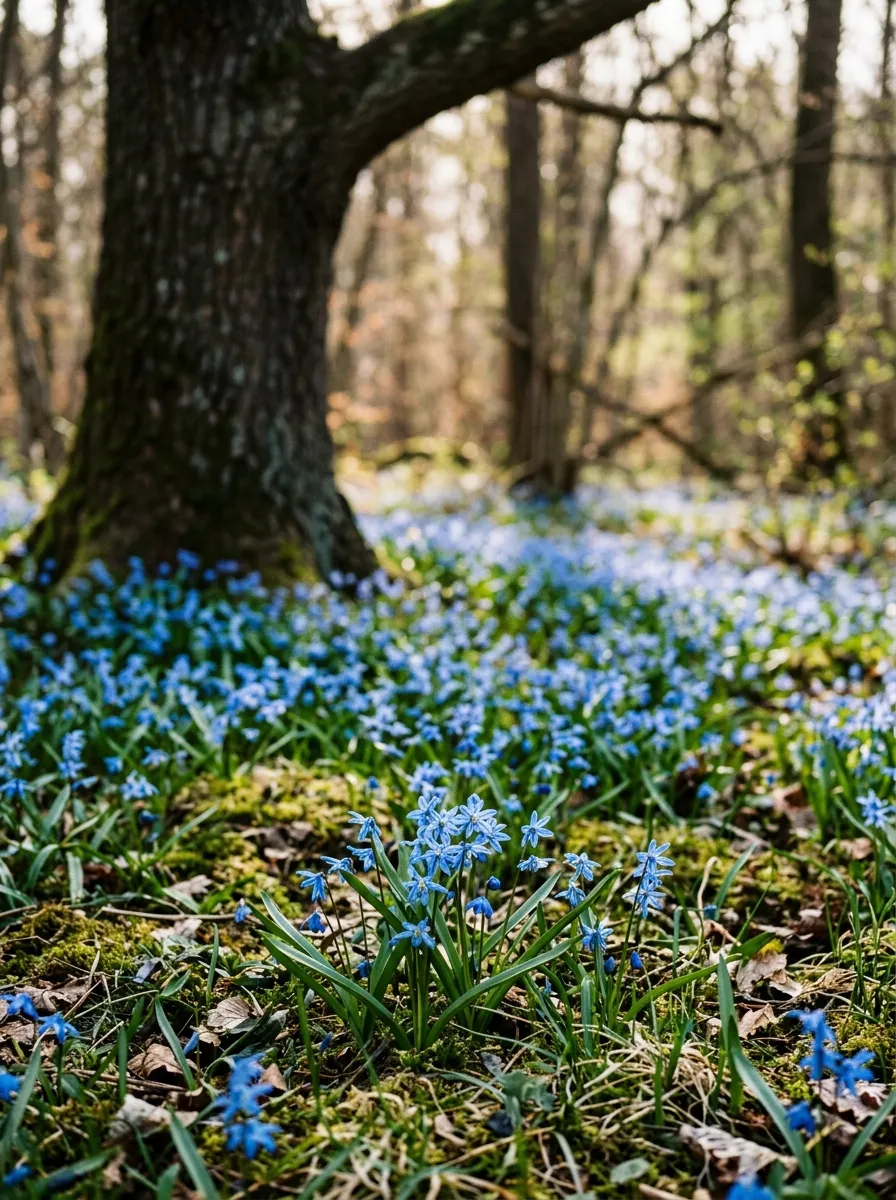
Scilla produces small, star-shaped blue flowers that bloom in very early spring, often carpeting the ground under trees before the leaves fill in overhead. Plant bulbs in fall, about 3 inches deep, in a spot with partial shade. Like many small spring bulbs, scilla is inexpensive when bought in bulk and naturalizes readily, spreading into a thicker carpet of blue each year from a modest initial planting. It needs essentially no ongoing care no fertilizing, and rainfall alone typically provides enough water. Scilla also tends to be ignored by deer and rodents, making it a low-risk bulb to plant in yards where wildlife is a problem. Because it spreads on its own over time, a single starter patch can eventually fill a large area under a tree for free, offering one of the best returns on a small, one-time bulb purchase. Let foliage die back naturally before mowing or clearing the area.
98. Winter Jasmine
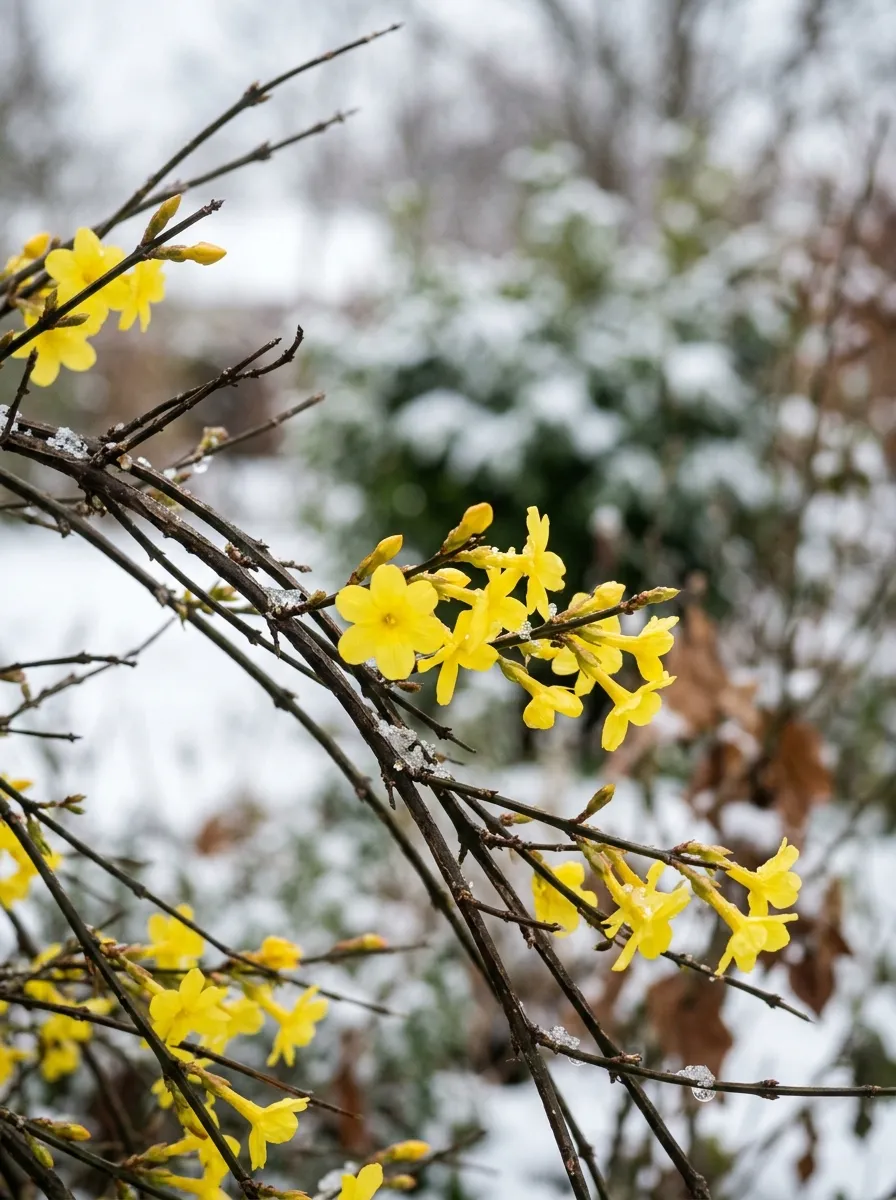
Winter jasmine produces bright yellow flowers on bare, arching branches in late winter, well before most other shrubs show any sign of life. Plant in full sun to partial shade in well-draining soil, and give it room to spread, since the arching branches can root where they touch the ground, creating new plants for free without any effort on your part. Water regularly the first year, then rely mostly on rainfall once established. Prune right after flowering to control size and shape, since it blooms on old wood and pruning later can remove next year’s flower buds. Because it’s such a vigorous, low-cost grower, a single winter jasmine shrub can eventually cover a slope or bank, useful for controlling erosion while also providing color at a time of year when the rest of the garden is bare. Cut a few branches to force indoors in late winter for an early, no-cost preview of spring.
99. Daffodil ‘Tête-à-Tête’
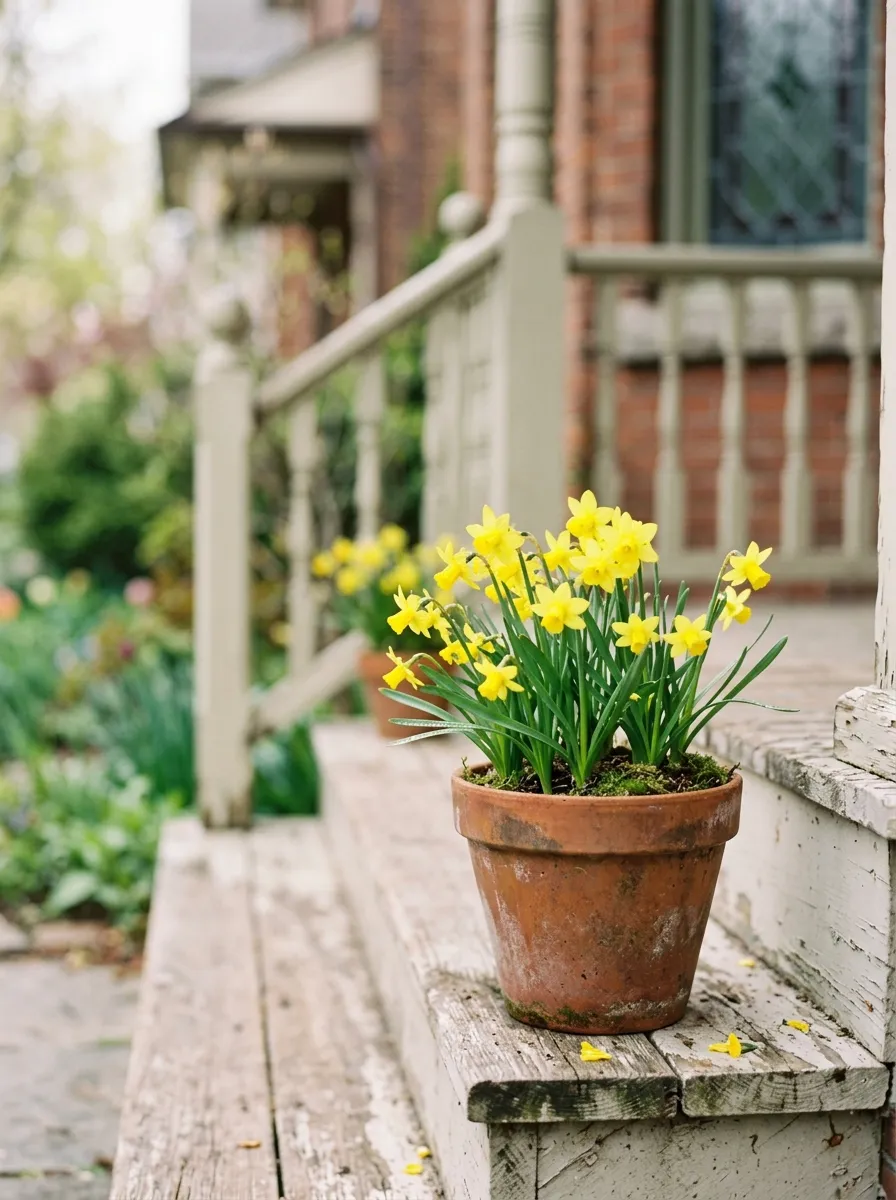
This miniature daffodil variety is a favorite for containers and small spaces because of its compact size and early, reliable blooms. Plant bulbs in fall, about 4 inches deep, in a sunny spot with well-draining soil, or directly in a pot for a doorstep display. Because the bulbs are small and inexpensive, you can pack many into a single container for a fuller look without a big expense. Like other daffodils, this variety naturalizes over time, so a starter patch spreads into a bigger show over the years at no extra planting cost. Deer and rodents typically leave daffodils alone, making this a safe, reliable choice near vegetable gardens or high-traffic wildlife areas. After blooming, let the foliage die back naturally before removing it. A pot of these miniature daffodils by a front door is an easy, low-cost way to welcome spring before the rest of the yard has caught up.
100. Climbing Roses
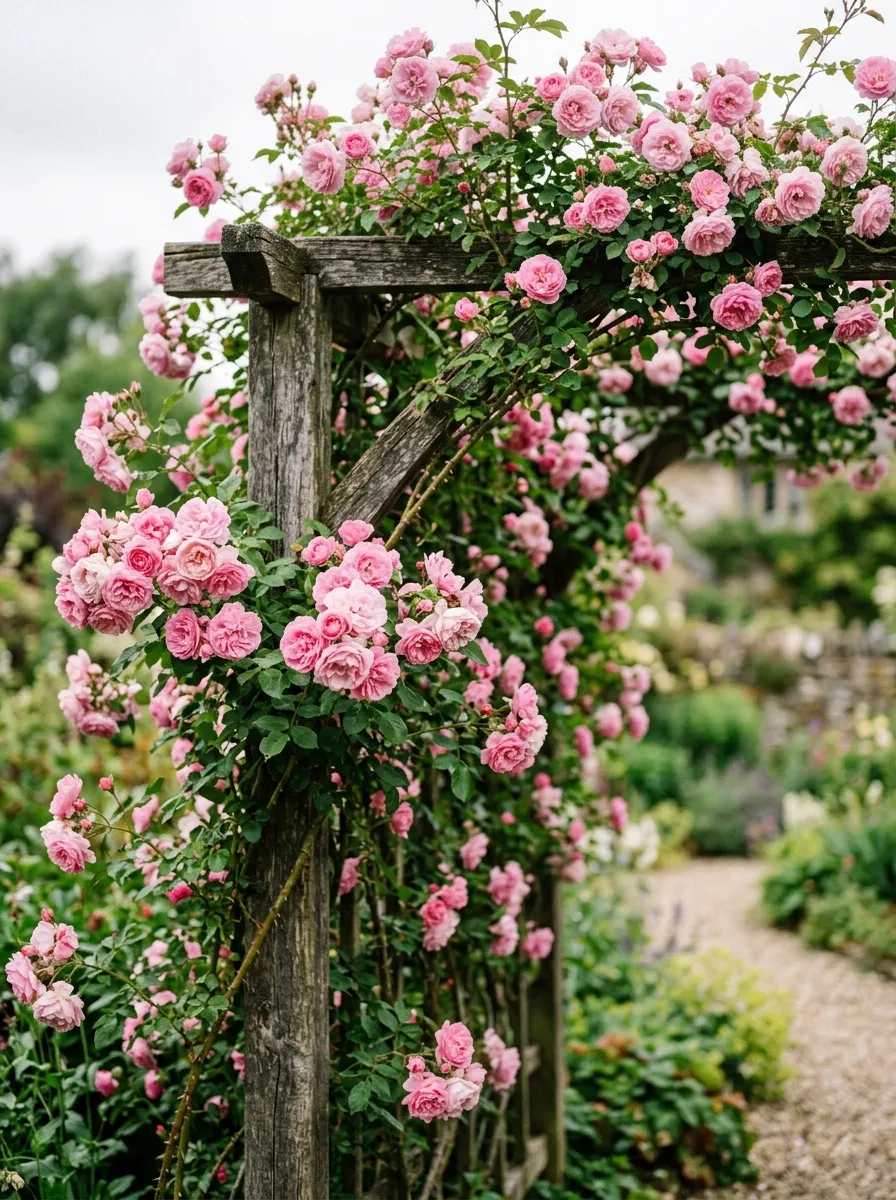
Climbing roses bring the classic beauty of a rose bloom to a vertical space, covering a trellis, fence, or arbor over a few seasons. Plant bare-root roses in late winter for the best price and easiest establishment, in a sunny spot with well-draining soil. Give the plant a sturdy structure to climb from the start, and gently tie new canes to the support as they grow, since climbing roses don’t attach on their own the way a vine does. Water deeply once a week rather than lightly and often, encouraging strong root growth. Prune in late winter, removing dead or crossing canes and shaping the plant to fit its support. Because one well-placed climbing rose can eventually cover an entire trellis or archway, it offers strong visual return from a single plant over time. Cut a few blooms for indoor bouquets throughout the season without noticeably reducing the display outdoors.
Conclusion
A garden full of color doesn’t require a big budget or years of experience. Simple seeds like zinnias, cosmos, and marigolds can fill a bed in one season for just a few dollars, while bulbs like daffodils and alliums multiply on their own, giving you more flowers every year without any extra spending. Perennials such as coneflower, black-eyed Susan, and catmint reward you with reliable blooms for a decade or more from a single planting. Start small: pick a handful of flowers from this list that match your sun, soil, and climate, plant them this season, and let cuttings, divisions, and self-seeding do the rest of the work for free in the years ahead. Your garden and your wallet will both come out ahead.
1 thought on “100 Beautiful Flower Names and Varieties to Brighten Your Garden”