
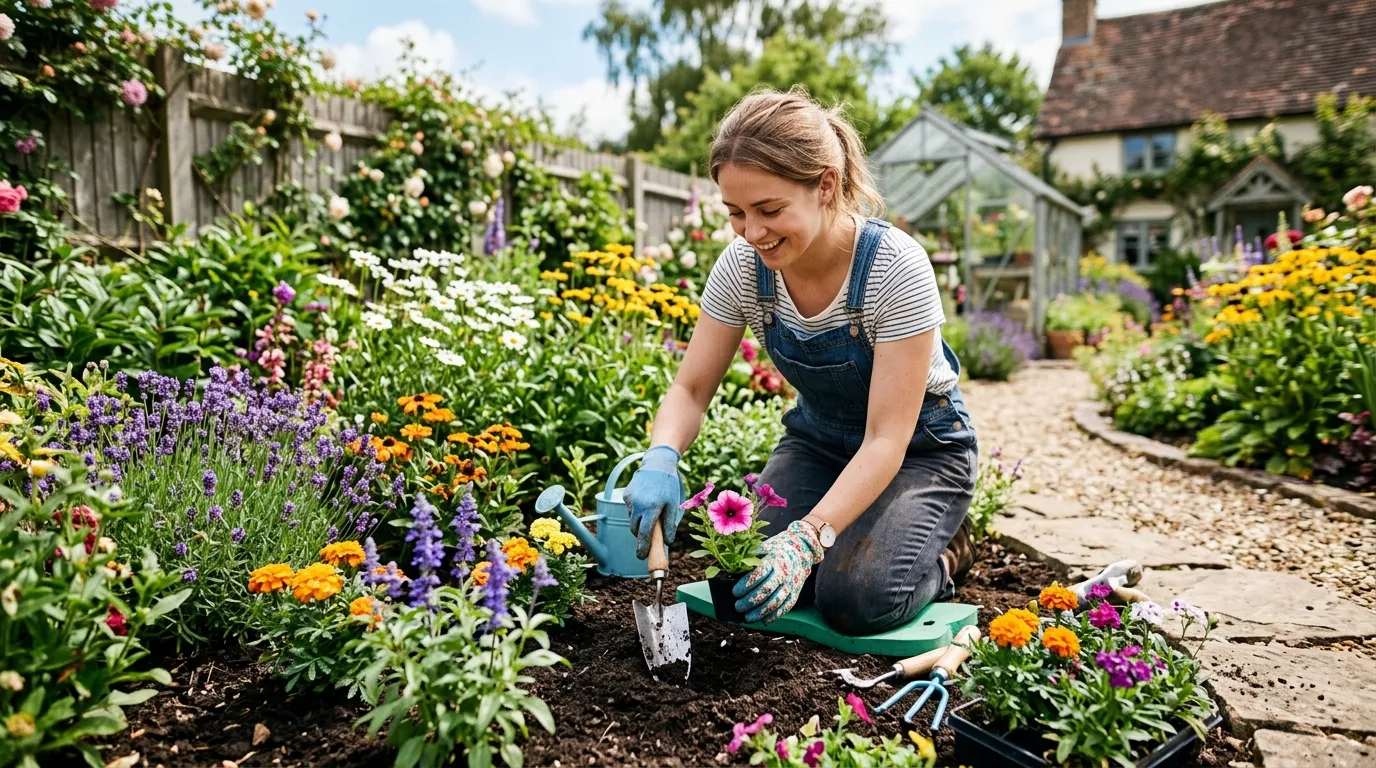
Ever scroll past a jaw-dropping garden and think, “I could never pull that off”? Here’s the secret professional landscapers don’t advertise: it’s not about talent, it’s about following a system. Once you know the formula, you can absolutely create a garden that looks like it was designed by an expert – even if this is your very first season.
No green thumb required. Just follow these pro-level steps, and your garden will look intentional, polished, and beautiful from day one.
1. Start with Your Site, Not Your Shopping List
Beginners often buy plants first and figure out placement later. Pros do the opposite.
- Observe your space for a full day and track sun exposure
- Note wet spots, slopes, or poor drainage areas
- Check your soil type (sandy, clay, or loamy) before choosing plants
Matching plants to your actual conditions is the single biggest factor in whether your garden thrives or struggles.
2. Use the “Rule of Three” for Instant Polish
Professional designers rarely plant just one of something—odd numbers look more natural and intentional.
- Plant in groups of 3, 5, or 7 instead of single plants.
- Repeat the same plant in clusters throughout the bed.
- Avoid one-of-everything “collector” gardens, which can look scattered.
This one trick instantly makes even simple plant choices look curated and professional. The same principle of using groups of three can also create a more balanced and intentional look in other areas of your home, as explained in this three-lighting rule for creating a well-balanced space.
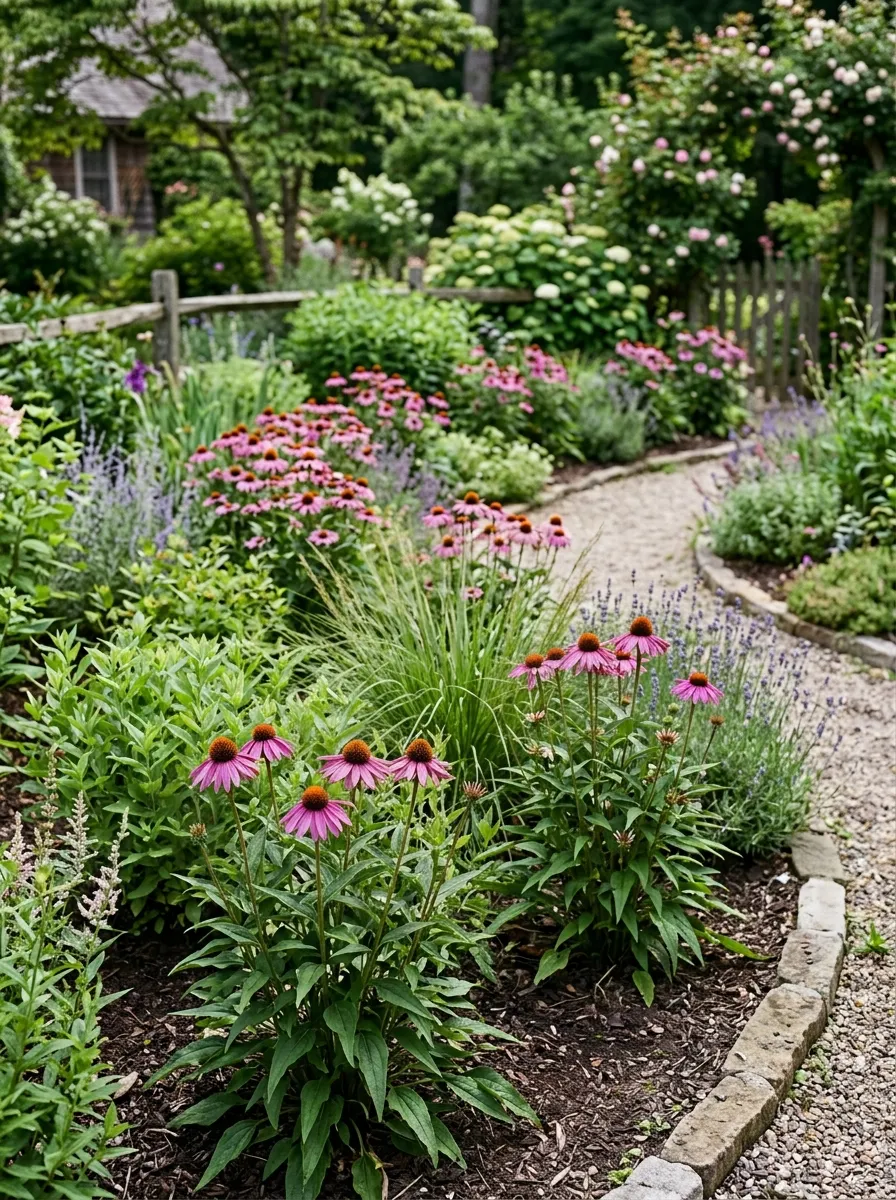
3. Think in Layers, Not Just Colors
New gardeners focus on flower color. Pros focus on structure first.
- Back layer: taller shrubs, ornamental grasses, or small trees
- Middle layer: mid-height perennials for volume
- Front layer: low groundcover or edging plants to soften the border
Layering creates depth and makes a garden feel finished, even before every flower blooms.
4. Choose a Simple, Repeating Color Palette
Beginner gardens often go color-crazy. Professional gardens feel calm and cohesive.
- Pick 2–3 main colors and stick to them
- Use green foliage as your neutral connector
- Repeat your chosen colors throughout different beds for rhythm
A restrained palette almost always looks more expensive and intentional than a rainbow mix.
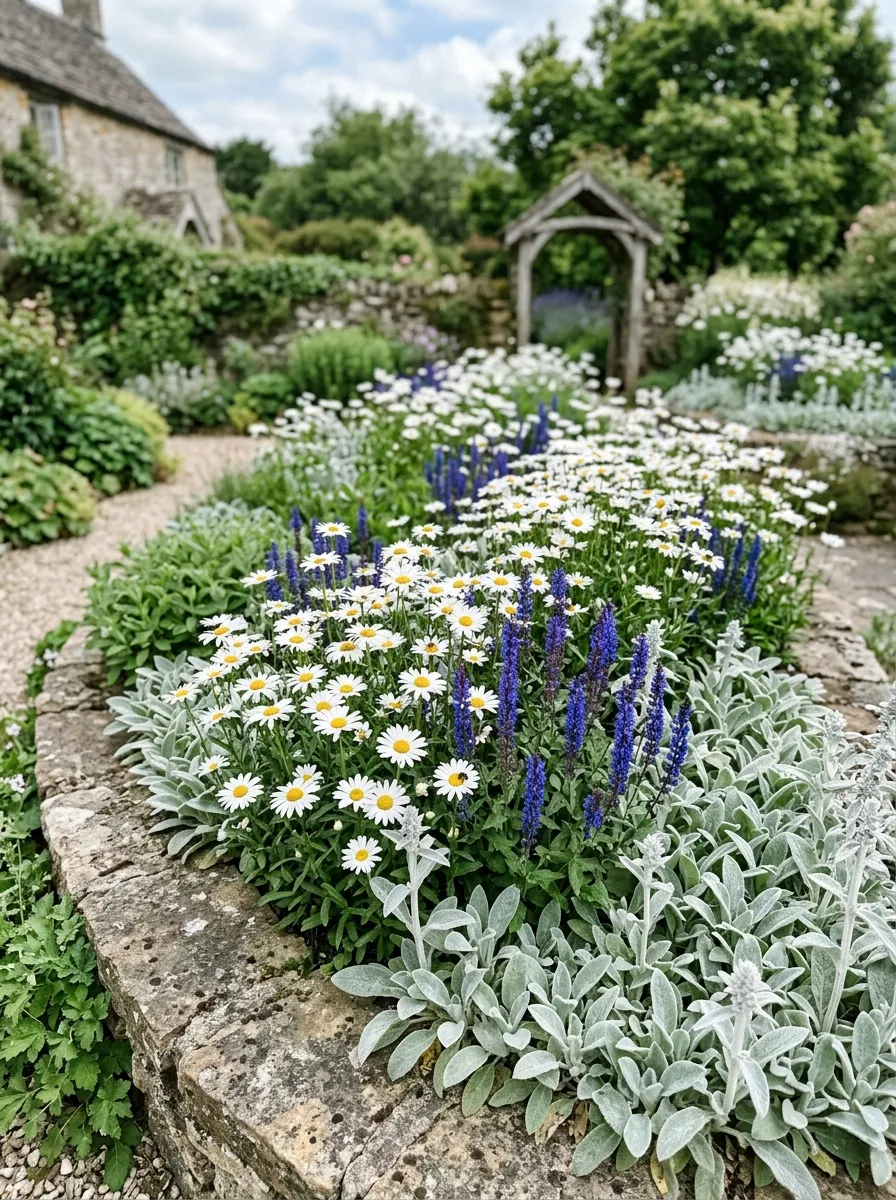
5. Don’t Skip Edging – It’s the Secret Weapon
Ask any landscaper: clean edges instantly upgrade a garden’s appearance.
- Use a spade or edging tool to create crisp lines between beds and lawn
- Add physical edging (stone, metal, or brick) for extra polish
- Re-edge every few weeks during growing season to keep lines sharp
This tiny maintenance habit is what separates “homeowner garden” from “designer garden.”
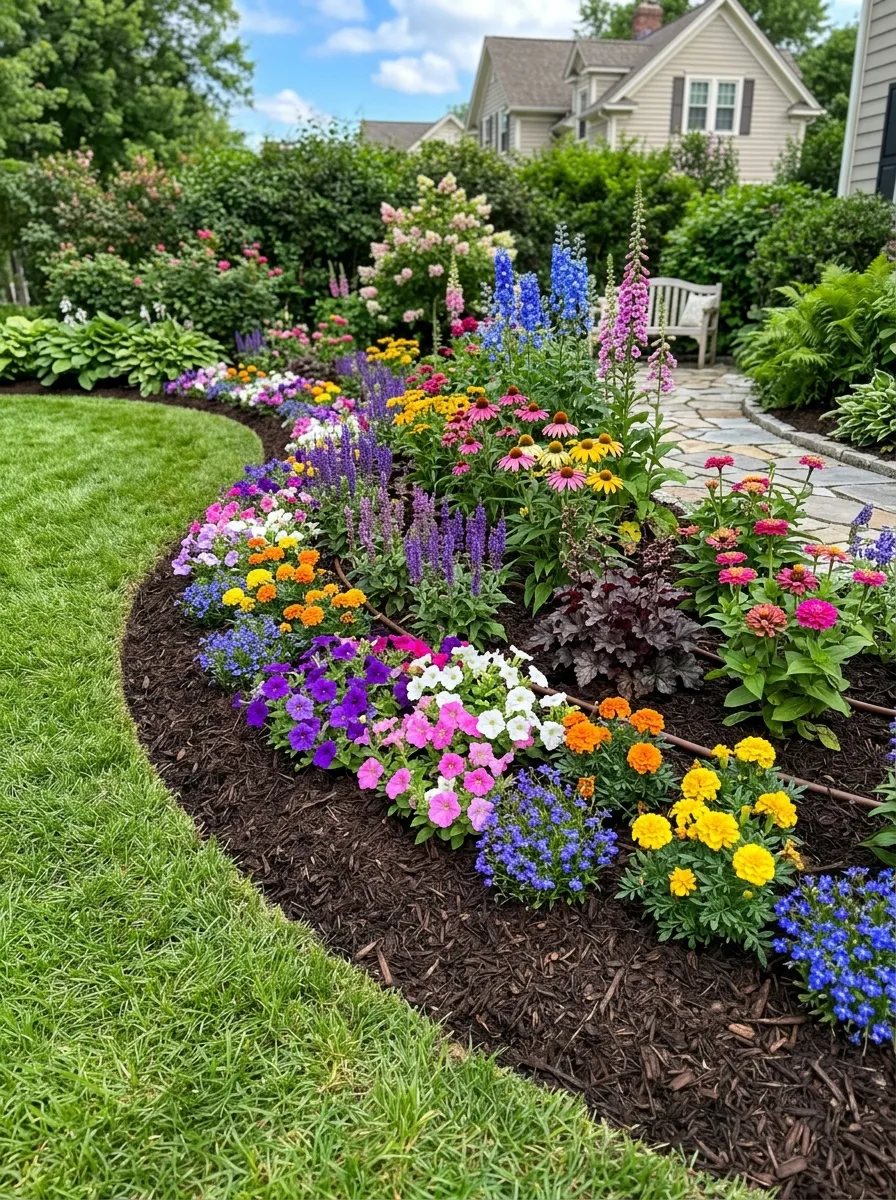
6. Mulch Like a Professional
Mulch isn’t just functional – it’s a design tool pros rely on heavily.
- Apply a consistent 2–3 inch layer across all beds
- Choose one mulch color/type throughout your yard for a cohesive look
- Keep mulch a few inches away from plant stems to prevent rot
Fresh, even mulch instantly makes any garden look freshly designed and well-maintained.
7. Add a Focal Point for Visual Anchoring
Every professionally designed garden has something the eye is drawn to first.
- A small tree or large ornamental grass
- A decorative planter, birdbath, or garden sculpture
- A trellis with climbing vines
Your focal point gives the space purpose and keeps the design from feeling random.
8. Plan for Year-Round Interest
Amateur gardens often peak for a few weeks, then look empty the rest of the year. Pros plan for all seasons.
- Mix early, mid, and late bloomers for continuous color
- Add evergreen shrubs for winter structure
- Include plants with interesting seed heads or fall foliage
A garden that looks good in every season is the hallmark of thoughtful, professional design.
Final Thoughts: Confidence Over Experience
Designing a beautiful garden isn’t about years of experience-it’s about following the right principles: layering, grouping, cohesive color, and clean edges. Apply these pro techniques, and your very first garden can look like it was designed by someone who’s been doing this for decades. Before you start planting, take a little time to map out your space and plan the perfect garden layout so every element has a clear purpose and works together beautifully.