
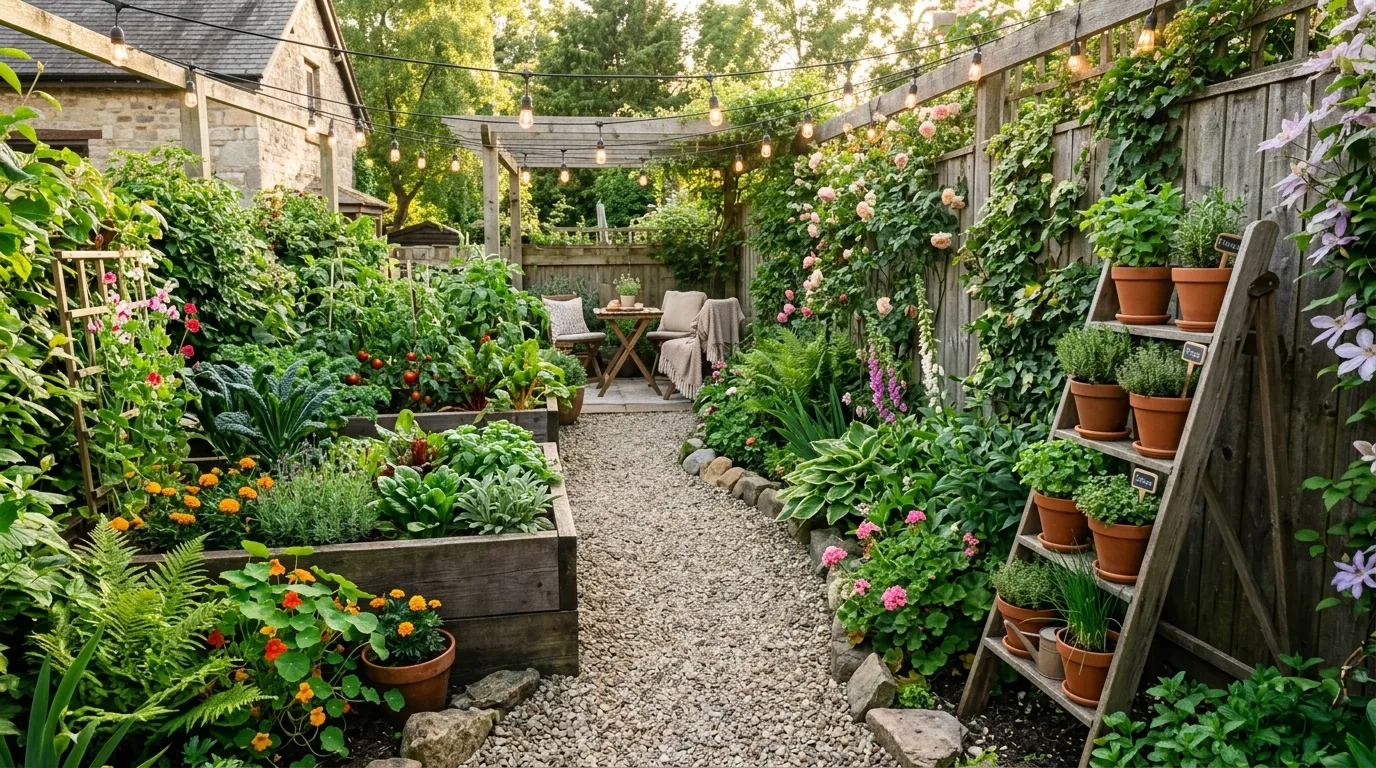
Small yards get overlooked, but they hold more design possibility than most people realize. A tight patio, a narrow side strip, or a tiny balcony can turn into a lush, layered space with a few smart choices. This list walks through practical, low-cost ways to stretch every square foot, add depth, and make a compact garden feel open and full of life. Whether you’re renting, working with concrete, or just short on space, these ideas focus on real actions you can take this weekend.
1. Use Vertical Planters to Free Up Floor Space
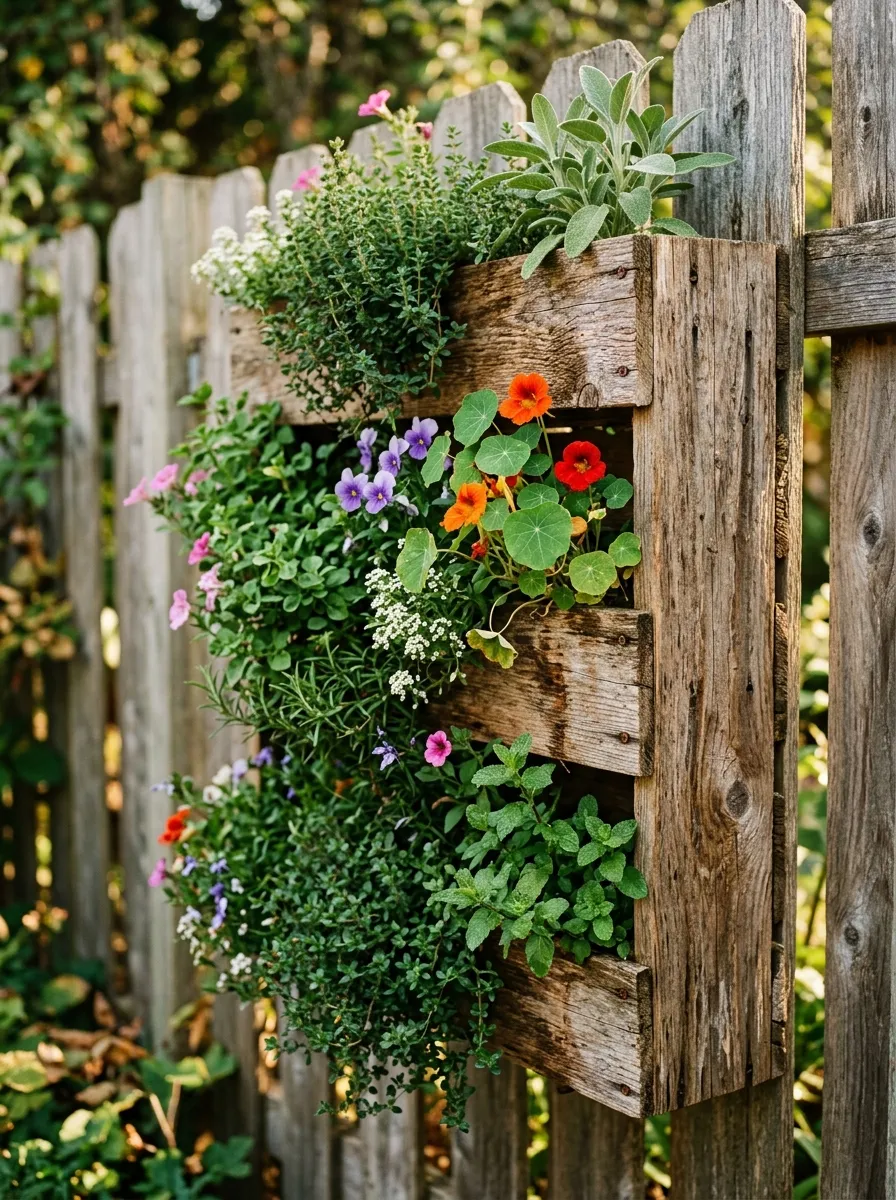
When floor space runs out, walls become the answer. Vertical planters let you grow herbs, flowers, or even small vegetables without giving up a single inch of ground. A simple DIY option: attach wooden crates to a fence in a staggered pattern. Add pockets of soil and plant lettuce, mint, or strawberries. Another budget trick is using an old shoe organizer with fabric pockets, hung on a sunny wall. Fill each pocket with soil and seedlings. This works well on apartment balconies too. Vertical growing also improves air circulation, which keeps plants healthier. Pick plants that don’t mind shallow soil, like succulents or shallow-rooted greens. Rotate a few pots seasonally to keep the wall looking full year-round. This single change can double your usable planting area without touching the ground plan at all.
2. Add a Mirror to Trick the Eye
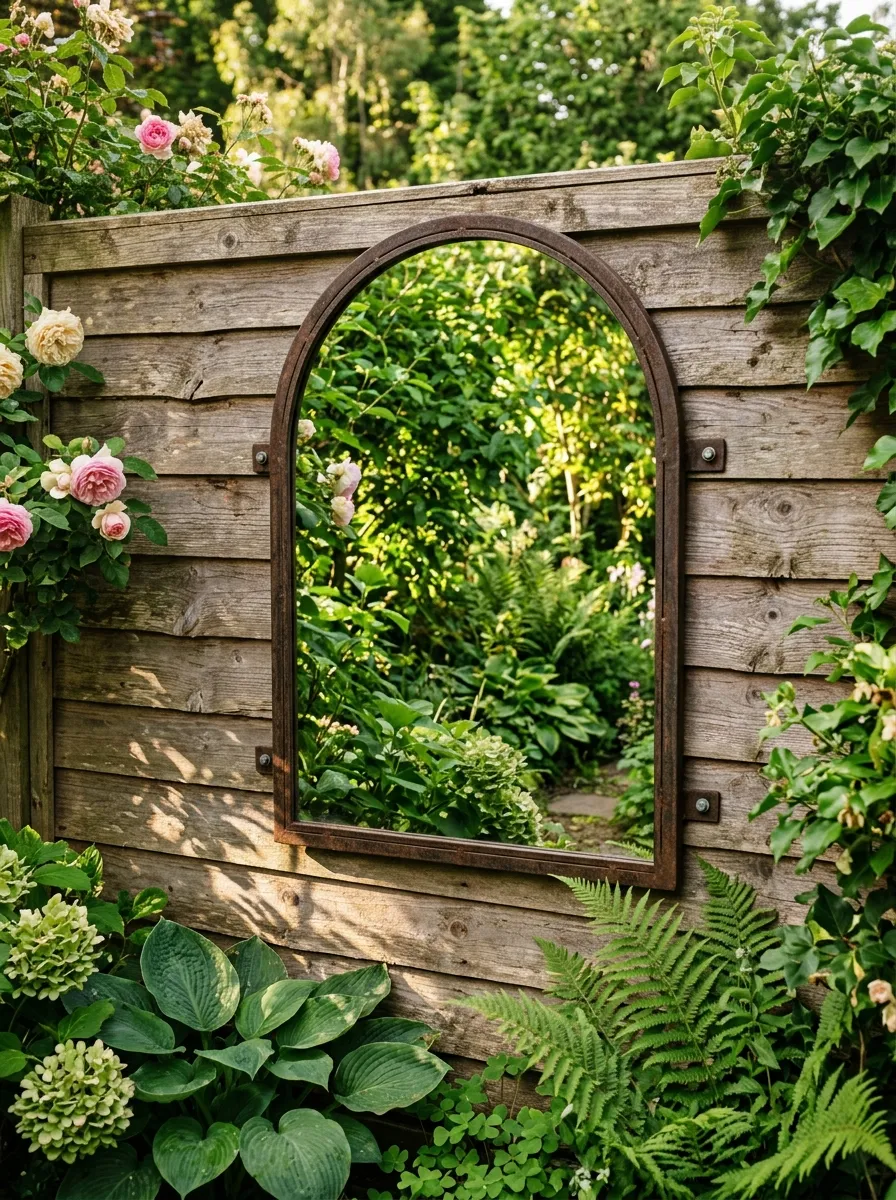
A simple mirror can make a small garden look twice its size. Hang a weatherproof mirror on a fence or wall, angled toward greenery instead of a neighbor’s window. The reflection adds depth and light, tricking the eye into seeing more space than actually exists. For a DIY approach, buy an inexpensive outdoor mirror from a home store and frame it with reclaimed wood. Position it where morning or afternoon sun will bounce light into shaded corners. Surround the edges with climbing plants like ivy so the frame blends naturally into the landscape. Avoid placing mirrors where they’ll reflect clutter, sheds, or bins. The goal is to multiply the pretty parts of your garden, not the messy ones. This trick costs very little but makes a dramatic visual difference, especially in gardens that feel closed in or shaded most of the day.
3. Choose a Curved Path Instead of a Straight One
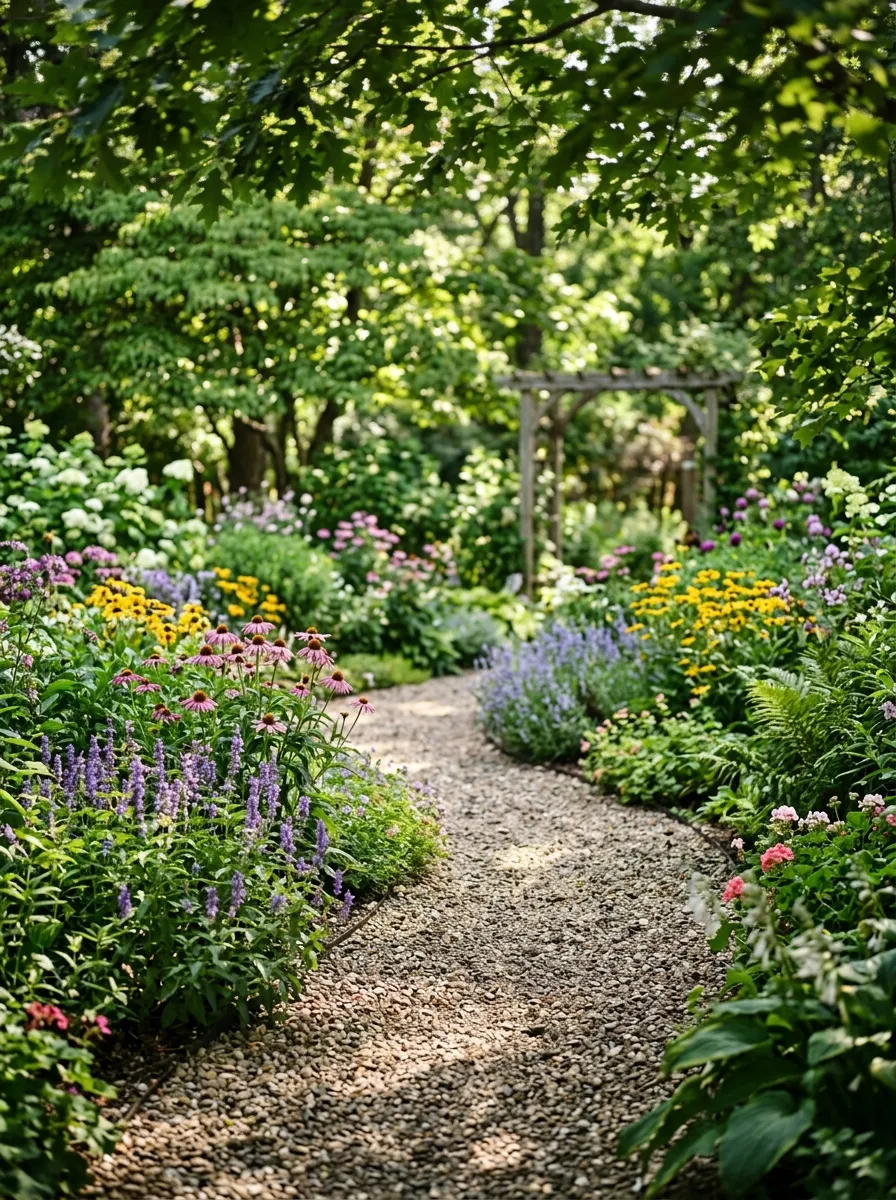
Straight paths make a small yard feel short and boxy. A curved path does the opposite. It leads the eye around corners and hides what’s ahead, which makes the space feel larger than it is. You don’t need pavers or a big budget. Use pea gravel, mulch, or flat stepping stones arranged in a gentle S-shape. Let the path disappear behind a shrub or planter so there’s a small sense of mystery. Keep the path narrow, around two feet wide, so more room stays available for plants. Edge it with low-growing groundcover like creeping thyme to soften the border. This is one of the cheapest layout changes you can make, and it works in yards of nearly any shape, including narrow side lots or tiny courtyards.
4. Build Raised Beds for Defined Growing Zones
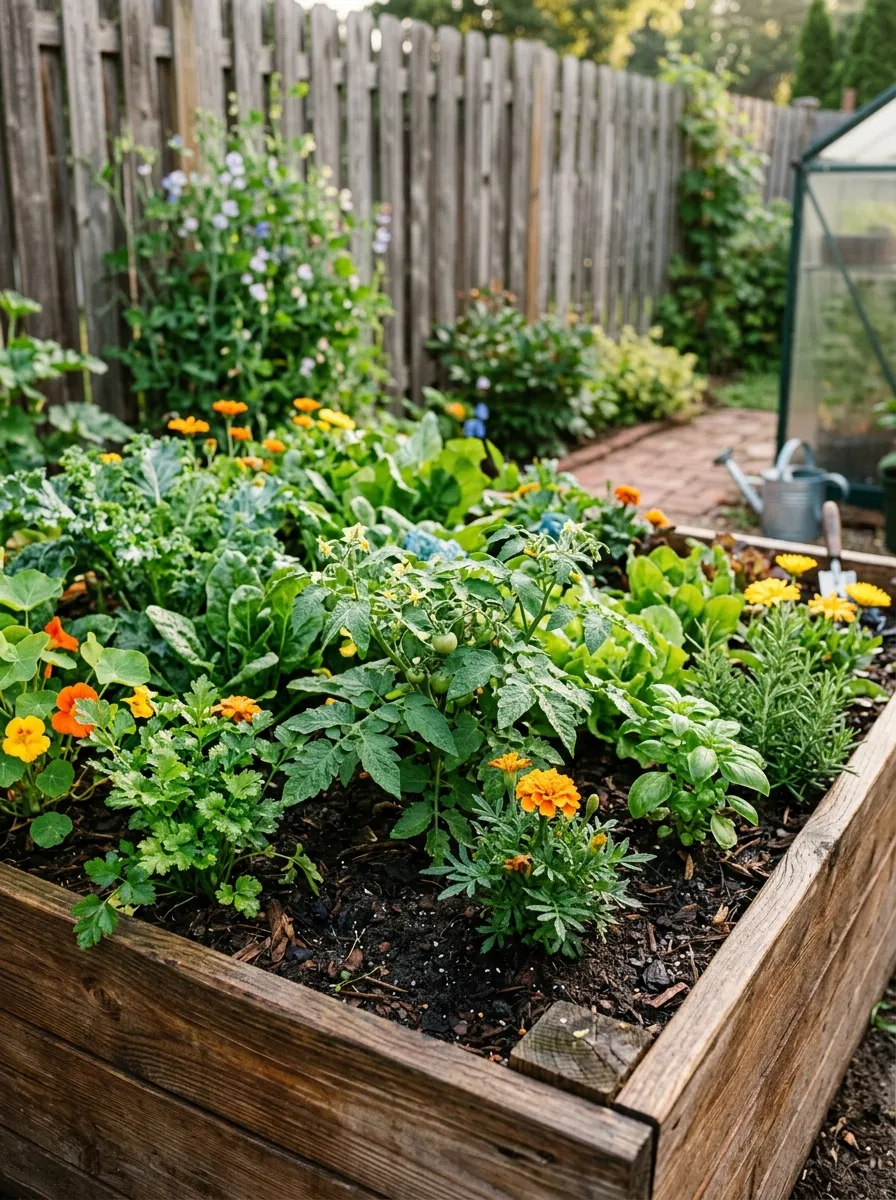
Raised beds keep a small garden organized and easy to manage. They separate soil from lawn, which cuts down on weeding and keeps plant roots healthier. A simple DIY option is stacking cinder blocks two rows high and filling the center with soil. Reclaimed wood pallets also work well for a rustic frame. Keep beds no wider than four feet so you can reach the middle without stepping inside. This protects soil structure and keeps plants from getting trampled. Raised beds also warm up faster in spring, giving you an earlier start on planting. Group two or three beds together with a narrow path between them for a tidy, structured layout. This approach works especially well for vegetables, herbs, and cut flowers, and it keeps a small yard looking organized instead of scattered.
5. Layer Plants by Height for Depth
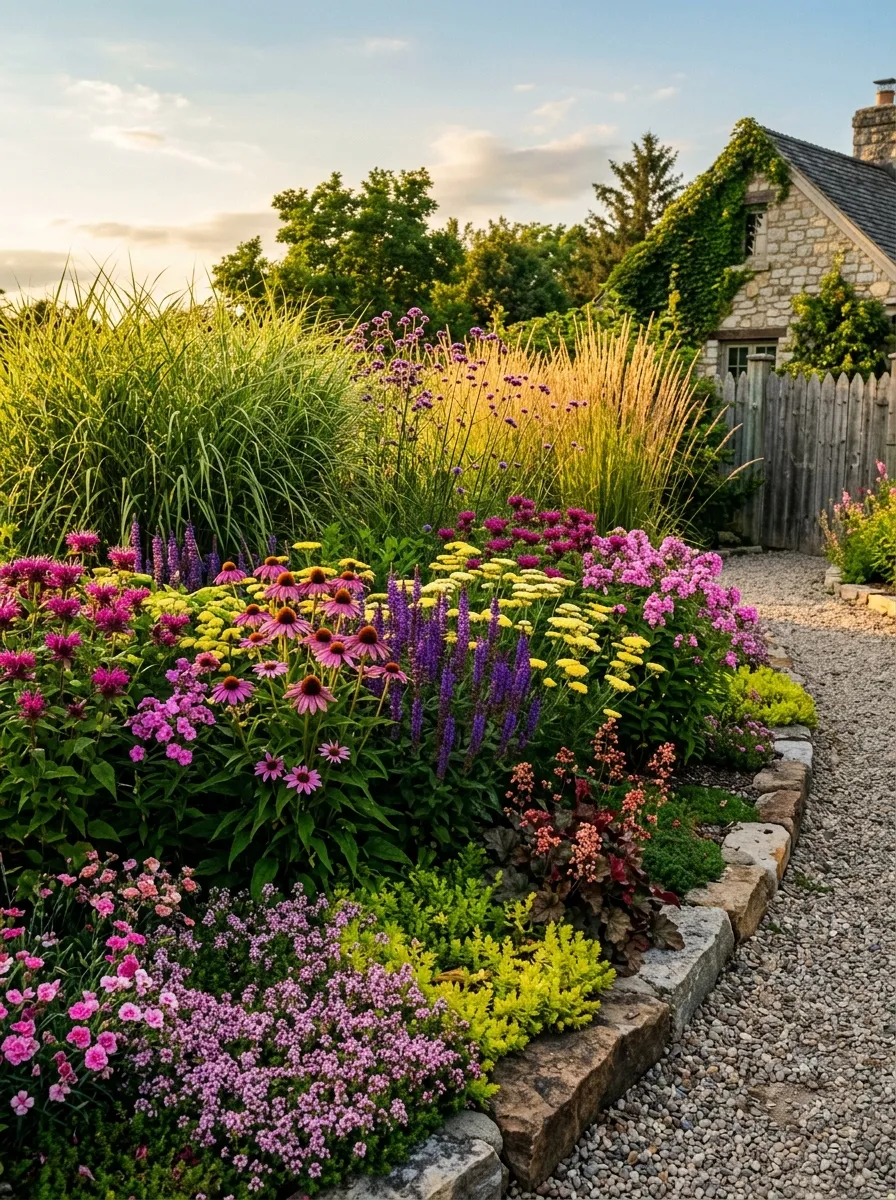
Flat planting looks unfinished. Layering by height adds depth and makes a small bed look full. Place taller plants like ornamental grasses or sunflowers toward the back or center. Add mid-height flowers like zinnias or coneflowers in the middle. Finish with low groundcover such as creeping phlox or alyssum along the front edge. This three-tier approach works in beds as small as three feet wide. A budget tip: grow tall plants from seed since they’re often the priciest at nurseries. Mixing textures, not just heights, adds even more visual interest – pair spiky grasses with round, full blooms. This layering trick is one of the fastest ways to make a small garden bed look designed rather than randomly planted, and it costs nothing extra beyond the plants themselves.
6. Hang Baskets at Different Levels
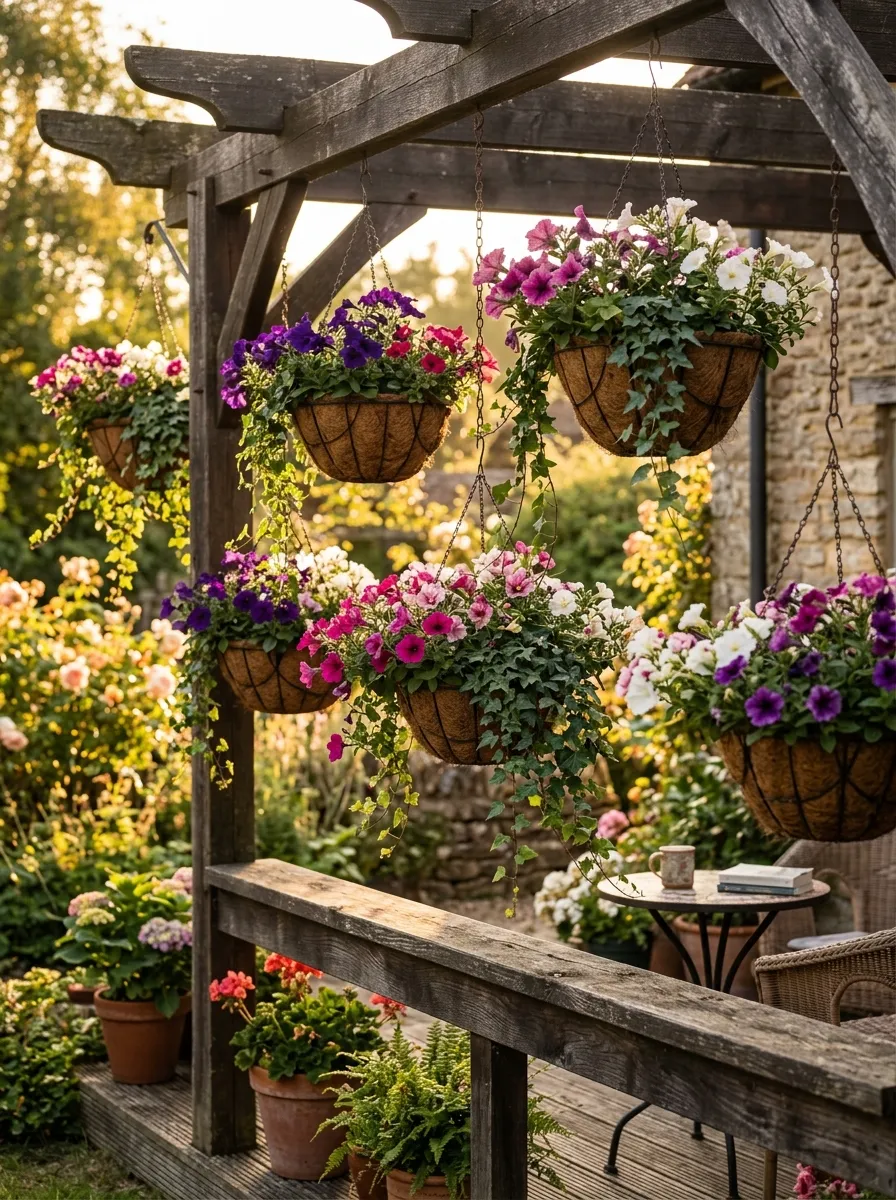
Hanging baskets add color and greenery without taking up ground space. Hang them at staggered heights along a fence, porch beam, or pergola to create a layered, full look overhead. Trailing plants like petunias, ivy, or sweet potato vine spill over the edges and soften hard lines. A budget-friendly trick is repurposing old buckets or colanders as baskets, drilling a few drainage holes in the bottom. Use a simple pulley system so baskets can be lowered for watering without a ladder. Group three or four baskets together at different heights rather than spacing them evenly, since uneven groupings look more natural. This adds a whole new layer of color and texture to a small garden while keeping every inch of ground free for beds, seating, or a path.
7. Use Multi-Purpose Furniture
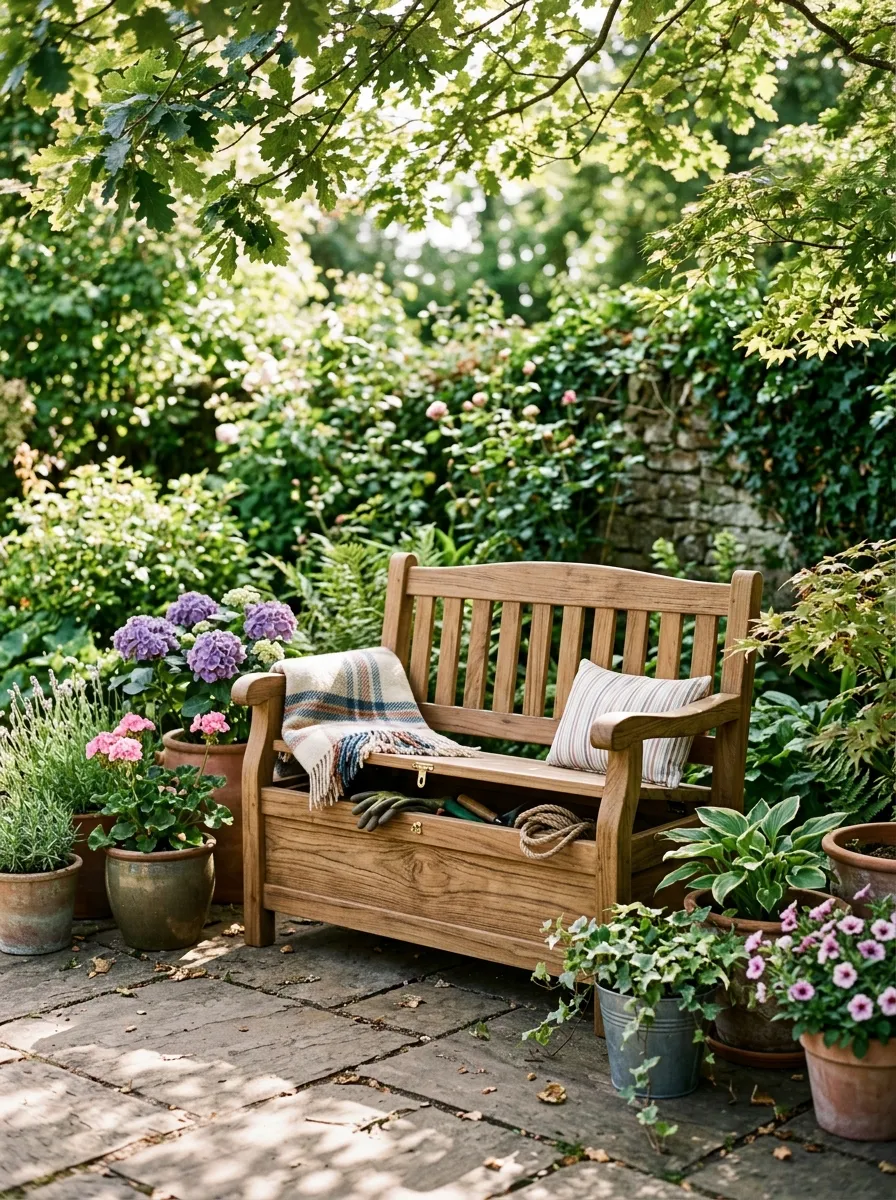
Small gardens do better with furniture that works double duty. A bench with storage underneath holds gardening tools while giving you a place to sit. A wide plant stand can double as a side table. Folding chairs save space when not in use and can be tucked against a wall or shed. A DIY option: build a simple storage bench from reclaimed wood and add a cushion on top. This keeps clutter out of sight while adding seating. Choose furniture with slim legs or an open design so it doesn’t visually crowd the space. Round tables also fit tight corners better than square ones. Multi-purpose furniture keeps a small garden functional without sacrificing style, and it means you don’t need a shed or extra storage taking up valuable planting room.
8. Add a Trellis for Climbing Plants
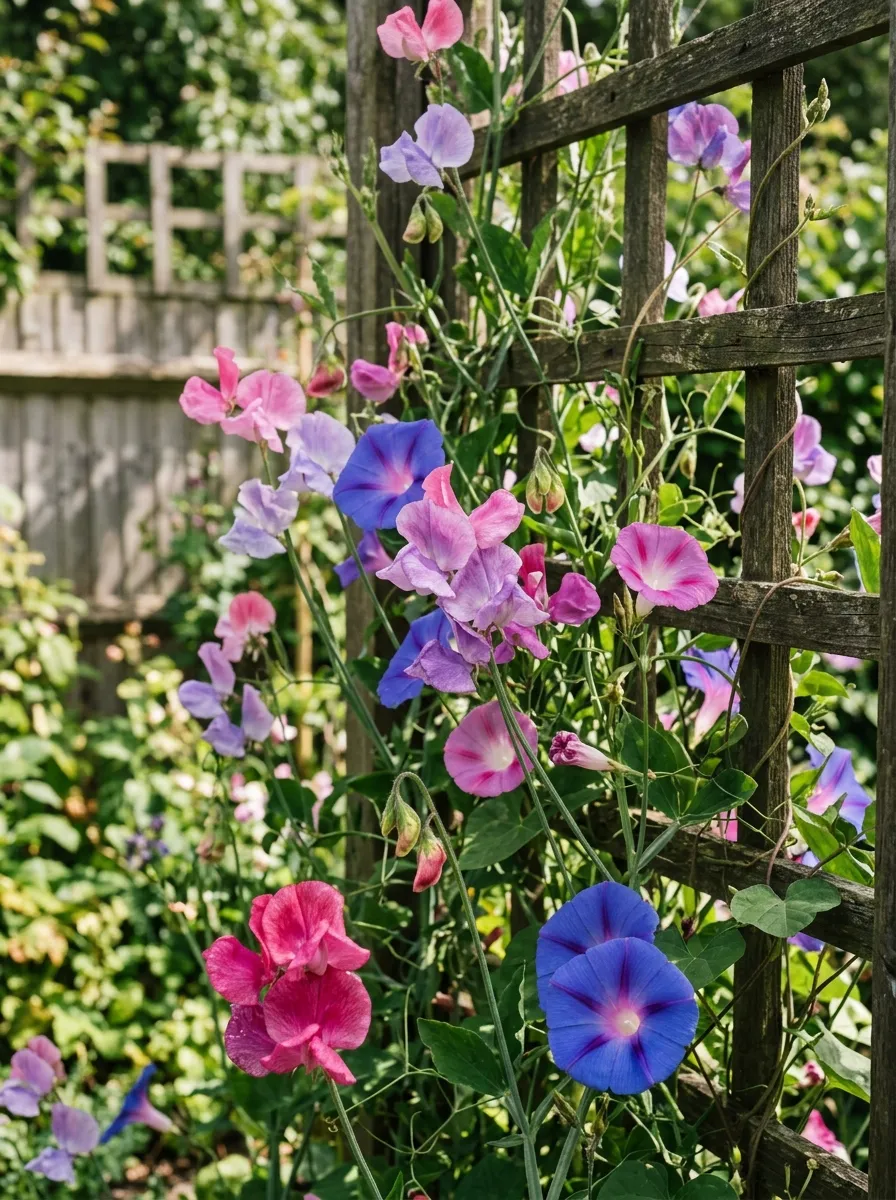
Climbing plants add height and color without eating up ground space. A simple wooden trellis against a fence or wall gives vines like clematis, morning glory, or sweet peas something to grow on. A budget DIY version can be made from leftover bamboo stakes tied together in a lattice pattern. Attach it to a fence with wire or zip ties. Climbing plants create a living wall that adds privacy and softens hard surfaces like fences or brick. Choose fast-growing annual vines if you want quick results in one season, or go with perennial climbers like clematis for a permanent structure. This trick works particularly well in narrow side yards where ground space is limited but vertical wall space sits unused. It’s one of the most affordable ways to add green coverage fast.
9. Create a Mini Herb Garden Near the Kitchen
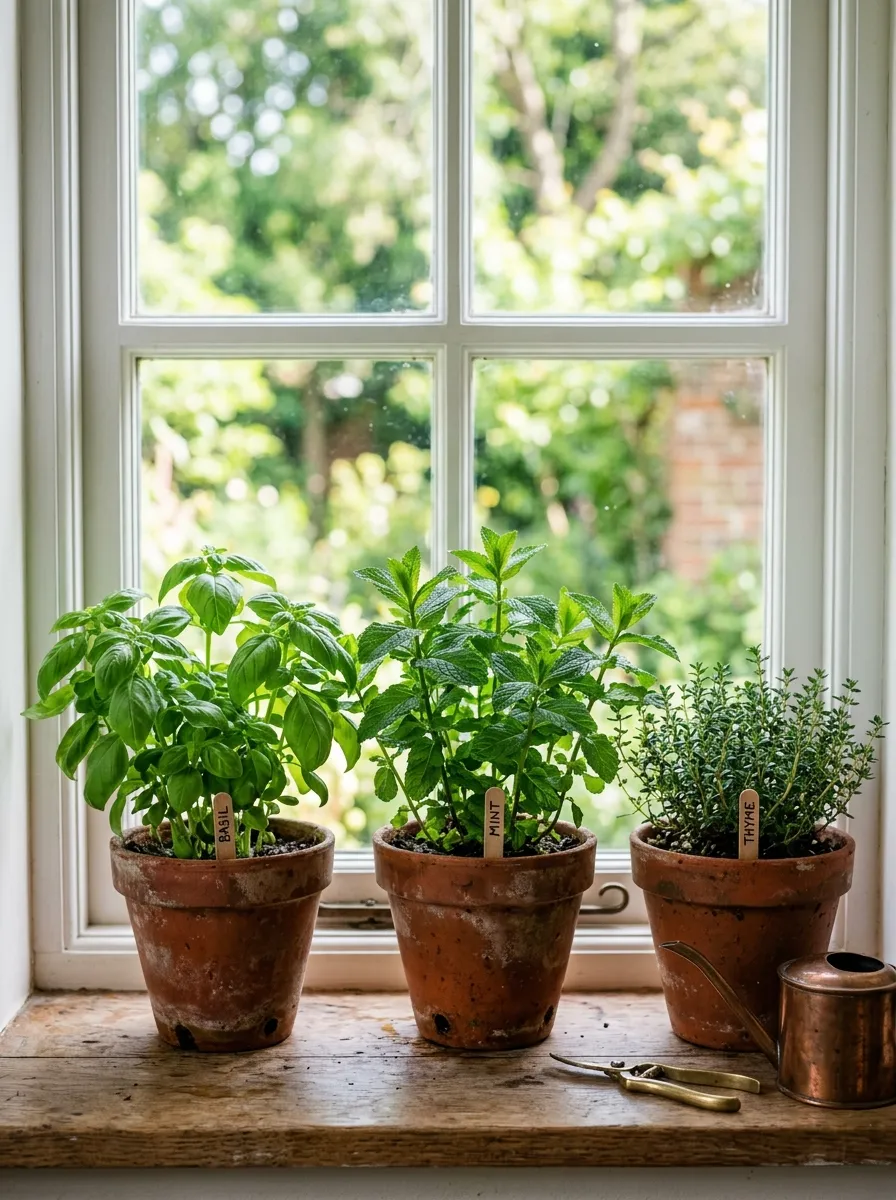
A mini herb garden near the kitchen door saves space and adds daily function to a small yard. Use a wooden crate, an old ladder shelf, or a row of terracotta pots to hold basil, thyme, mint, and rosemary. Keep it within a few steps of the kitchen so cooking with fresh herbs becomes second nature. A budget trick: start herbs from cuttings instead of buying full plants – mint and rosemary root easily in water. Group pots close together so they shade each other slightly and retain moisture longer. This small, functional zone doesn’t need much square footage, just a sunny spot near a doorway. It adds fragrance, color, and daily usefulness to a small garden, and it’s one of the easiest projects for someone just starting out with limited space.
10. Use Gravel Instead of Grass in Tight Areas
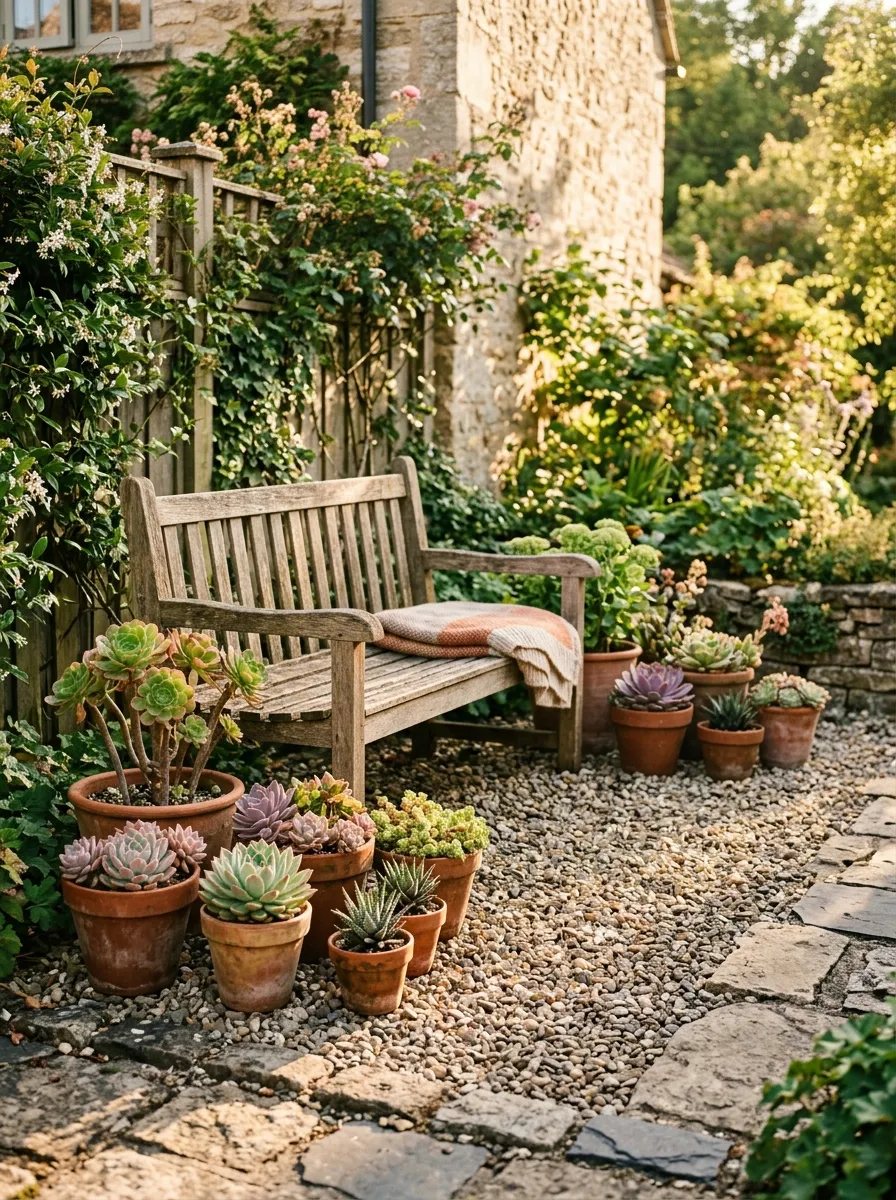
Grass struggles in small, shaded, or oddly shaped areas. Gravel offers a low-maintenance alternative that still looks intentional. Lay a weed barrier down first, then top with pea gravel or crushed stone. Add potted plants, a small bench, or stepping stones for texture. A budget tip: use leftover or discounted gravel from a local landscaping supply yard rather than buying bagged stone at full retail price. Gravel areas drain well, resist weeds, and need no mowing, which works especially well for tricky side yards or corners where grass never grows evenly anyway. Mix in a few larger stones or a small boulder for visual interest. This approach turns an awkward dead zone into a functional, attractive part of the garden without ongoing lawn care.
11. Grow Vegetables in Containers
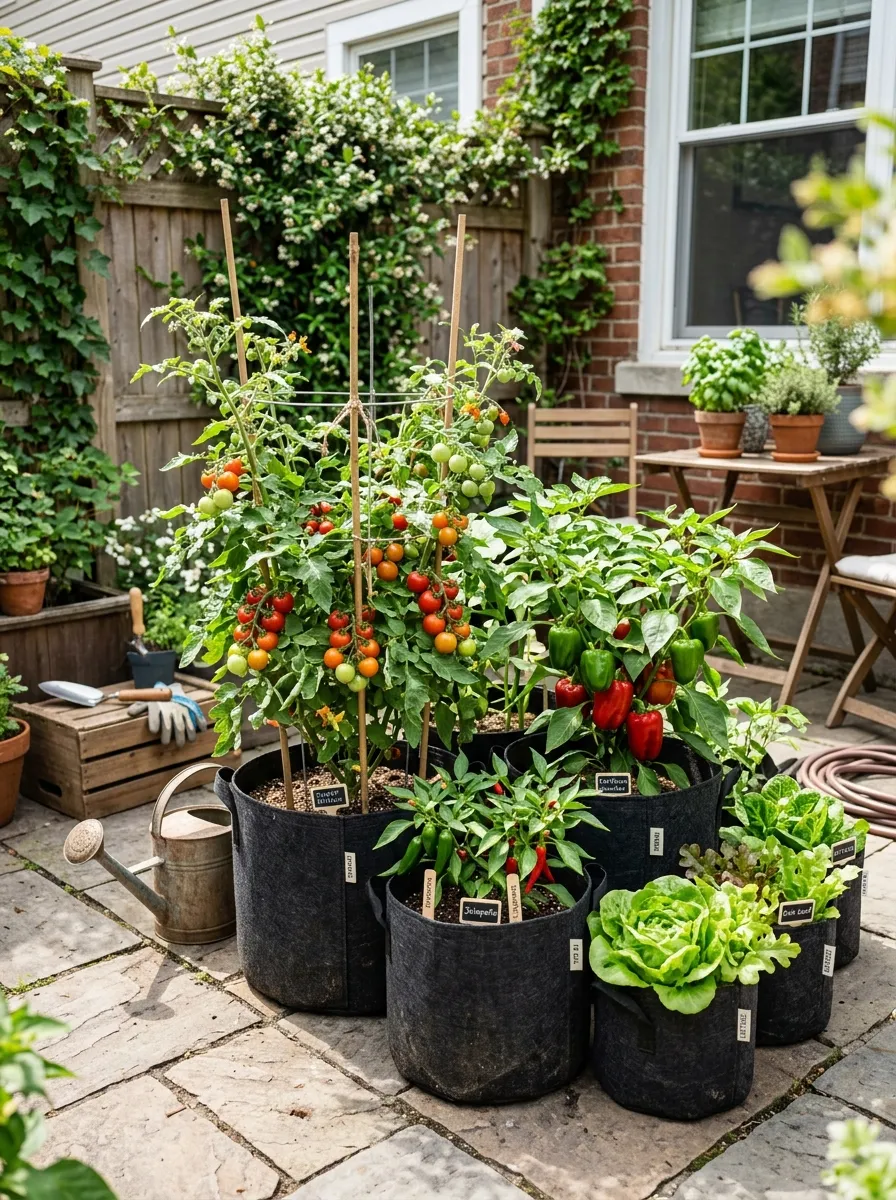
You don’t need a big plot to grow food. Container vegetable gardening works well on patios, balconies, and tight yards. Tomatoes, peppers, lettuce, and bush beans all grow well in fabric grow bags or large buckets with drainage holes drilled in the bottom. A budget-friendly option: reuse five-gallon buckets from hardware stores, often available free or cheap. Group containers together for easier watering and a fuller look. Choose compact or dwarf varieties bred for container growing, since they stay smaller but still produce well. Rotate containers occasionally so all sides get sun. This approach lets renters or small-space gardeners grow real food without a permanent garden bed, and containers can move indoors or to a different spot if conditions change.
12. Add Solar Lighting Along Pathways
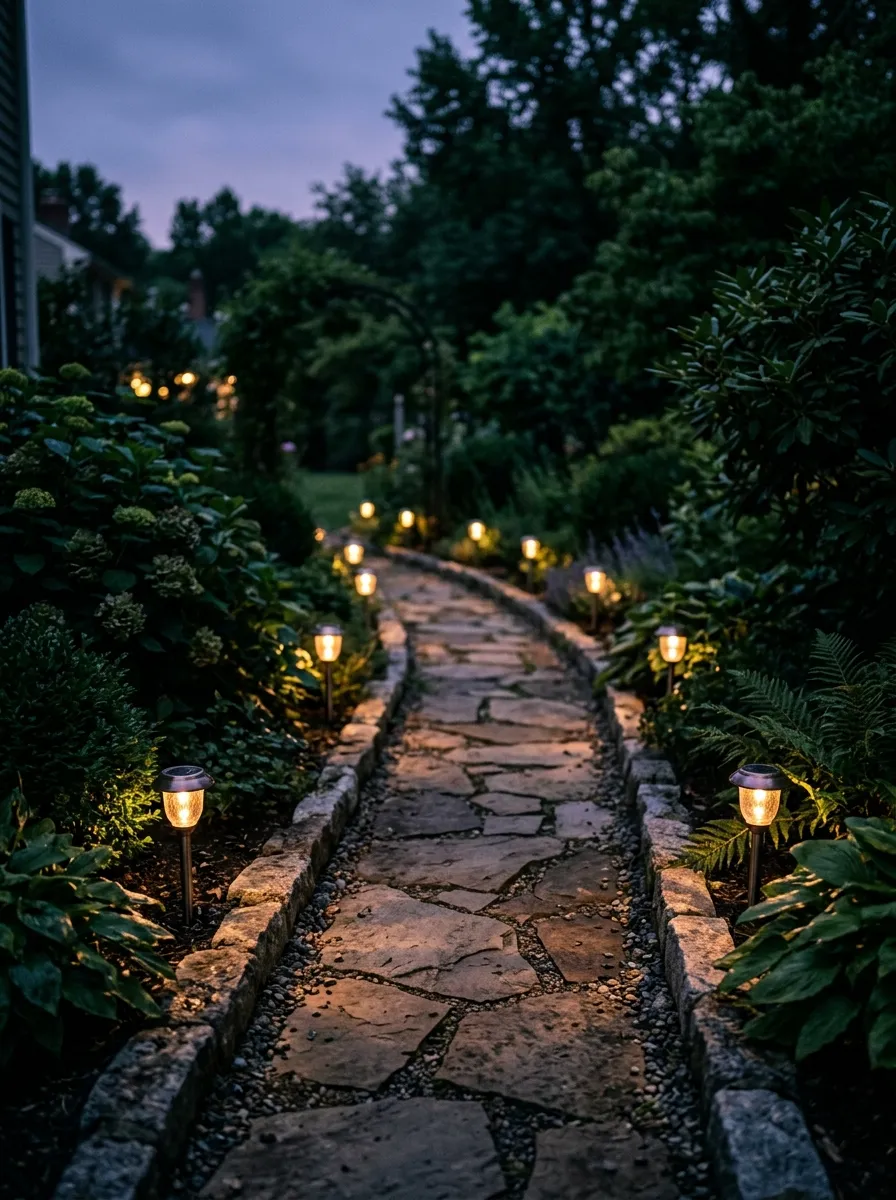
Lighting extends how long a small garden feels usable each day. Solar path lights are affordable, require no wiring, and install in minutes – just push the stake into the soil along a walkway. A budget tip: buy a multi-pack of basic solar stake lights rather than pricier decorative versions; function matters more than style here. Place lights every few feet along a curved path to guide movement after dark. Add a few uplights near a small tree or shrub for extra depth. Lighting also adds a sense of safety for evening gatherings. This is one of the simplest upgrades for a small garden, turning a daytime-only space into somewhere you’ll actually use for dinners, conversations, or quiet evenings outside.
13. Use a Living Wall for Privacy
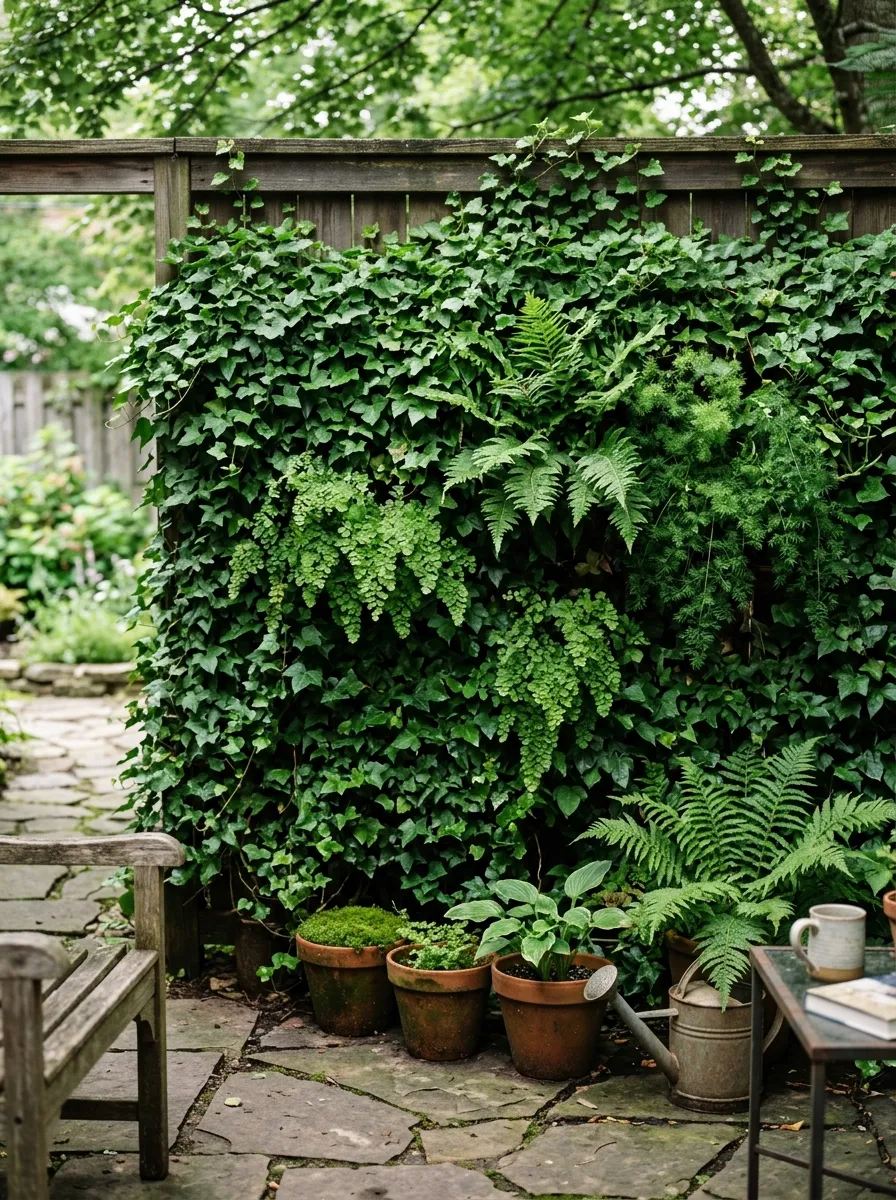
A living wall solves two problems at once: it adds greenery and blocks unwanted views. Attach a simple grid of wire or wooden lattice to a fence, then plant fast climbers like ivy, jasmine, or clematis at the base. Within a season or two, the wall fills in and creates a natural privacy screen. A budget DIY version uses recycled wooden pallets stood upright, packed with landscape fabric and soil pockets for smaller plants like ferns or succulents. This works especially well for small patios facing a neighbor’s window or a busy street. Living walls also cool down a hot patio in summer by providing natural shade. Compared to building a fence or privacy screen, this option costs far less and adds beauty instead of just blocking a view.
14. Group Pots by Odd Numbers
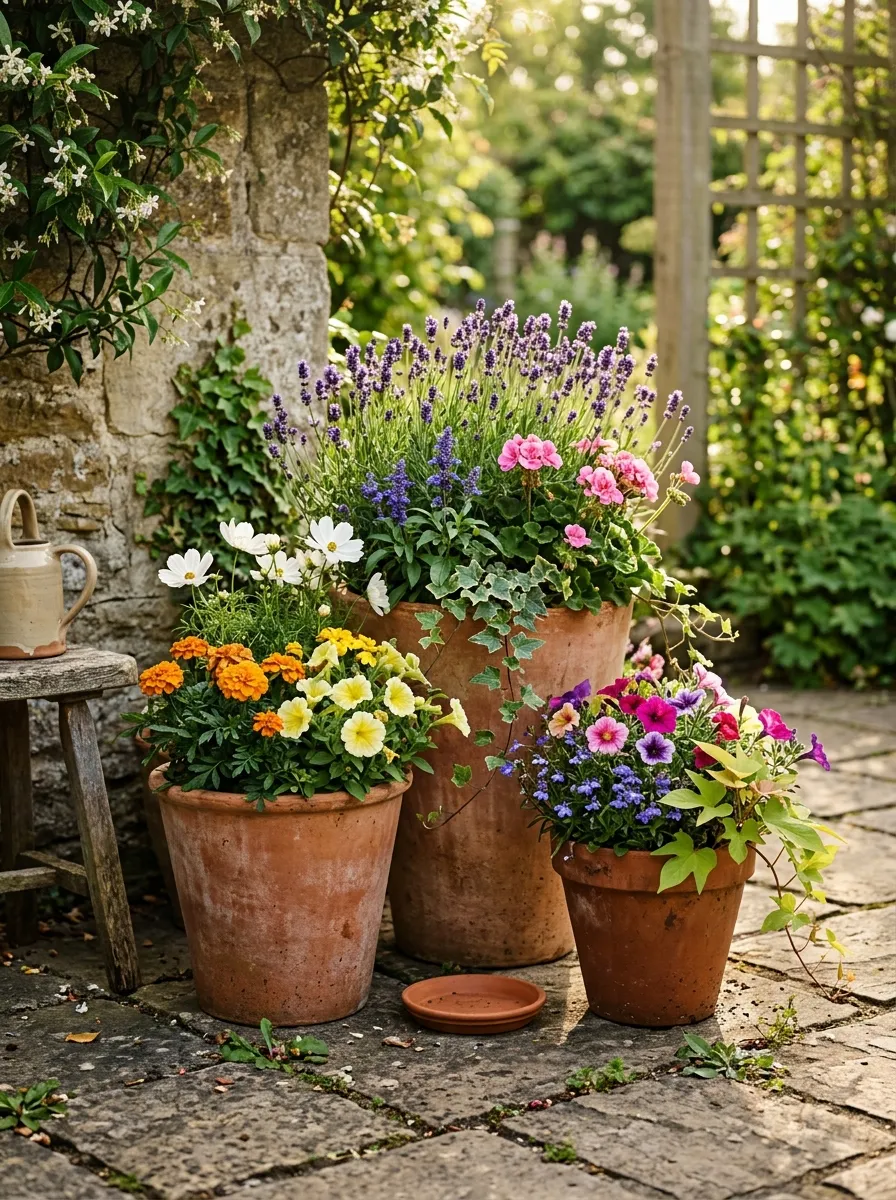
The way pots are arranged matters as much as the plants inside them. Grouping pots in threes or fives, rather than spacing them evenly apart, creates a natural, layered look. Use varying pot heights and sizes within each group for visual interest – a tall pot in back, a medium one beside it, and a low, wide one in front. A budget tip: mismatched thrifted pots painted in one or two coordinating colors look intentional rather than random. Cluster groups near entryways, corners, or seating areas rather than scattering single pots throughout the yard. This trick, borrowed directly from professional landscape design, makes a small collection of plants look considered and full, even with just a handful of pots total.
15. Add a Small Water Feature
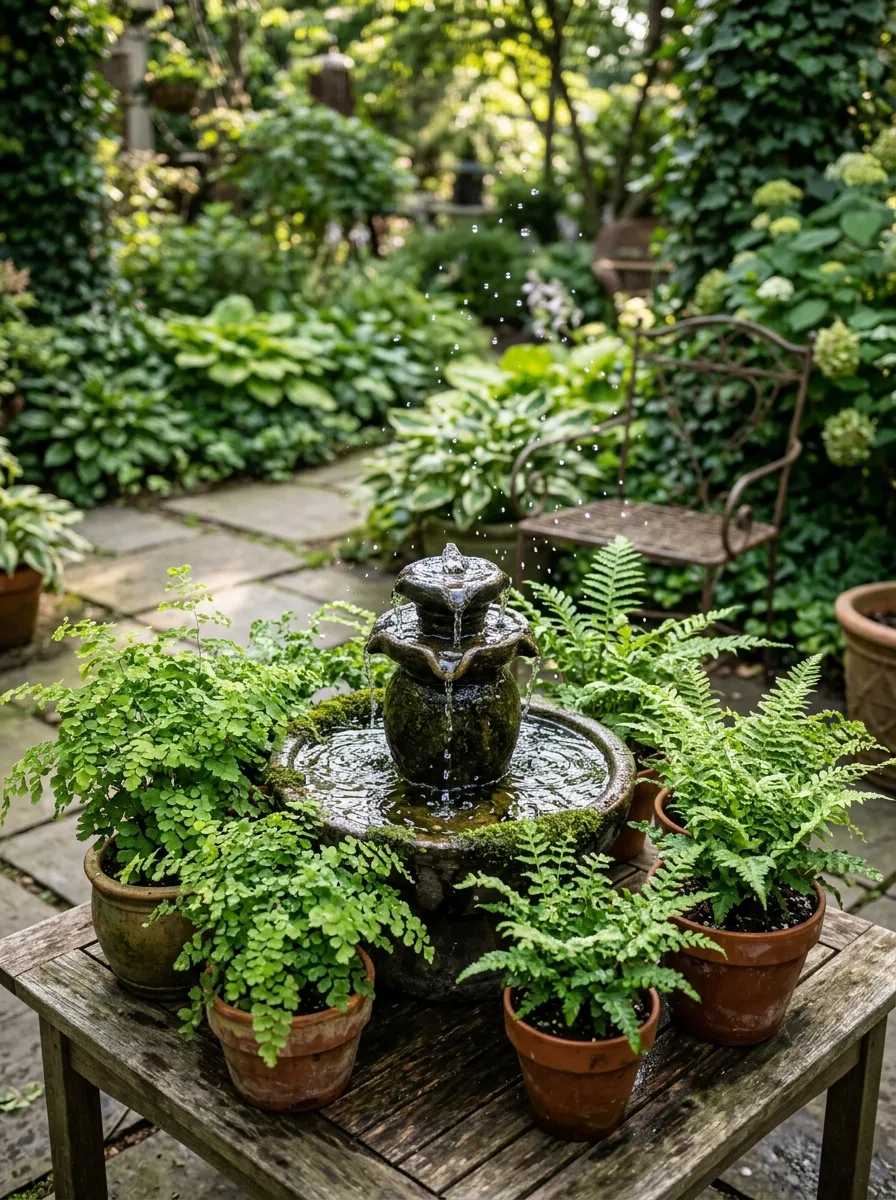
A small water feature adds sound, movement, and a sense of calm to even the tiniest garden. A tabletop fountain or a simple ceramic bowl with a solar-powered pump works well in a corner or on a side table. A budget DIY option: repurpose a large ceramic pot, seal the drainage hole, and add a small submersible pump from a hardware store. The gentle sound of moving water helps mask street noise and adds a sensory layer that plants alone can’t provide. Keep the feature small and simple rather than trying to fit a full pond into limited space. Even a modest water element can become the focal point of a tiny garden, giving it a calm, finished feeling.
16. Use Corner Shelving for Potted Plants
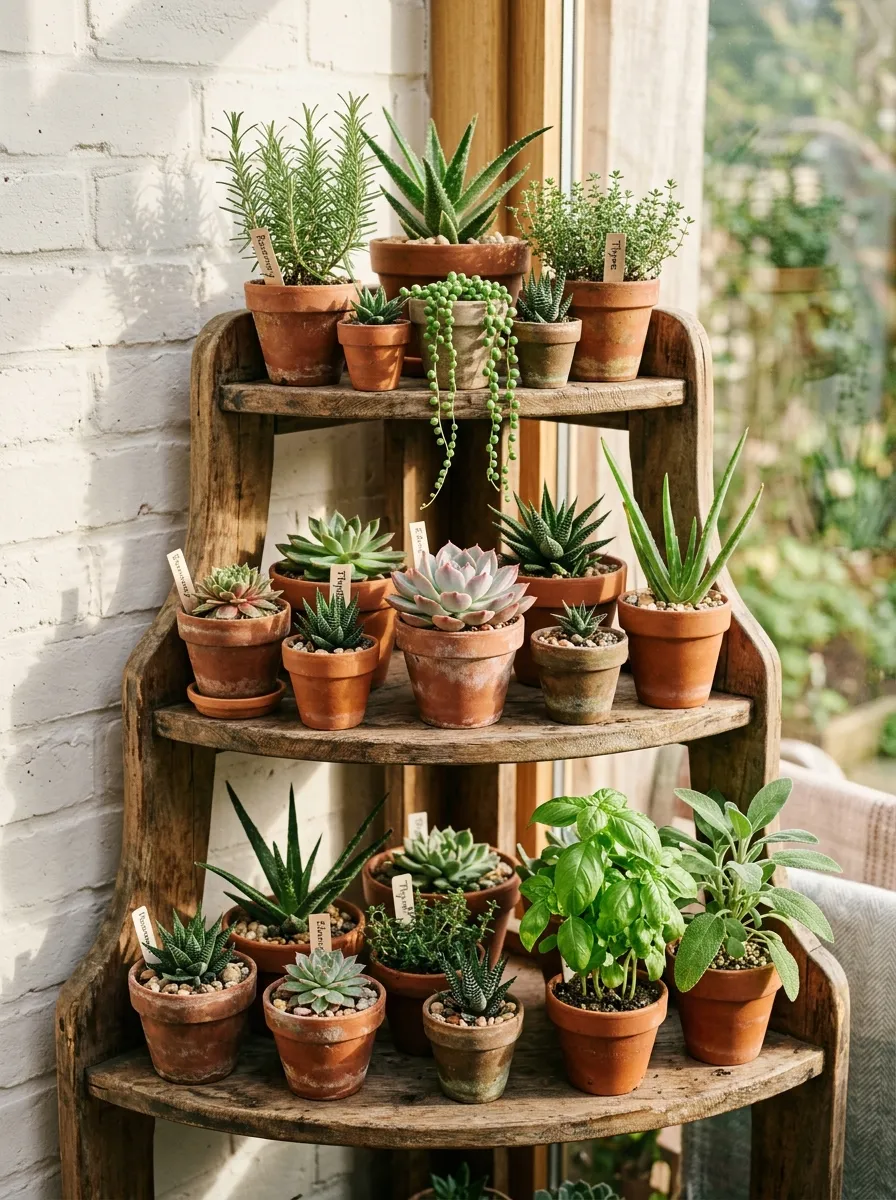
Corners often go unused in small gardens, but a simple tiered shelf can turn dead space into a plant display. Build one from scrap wood or repurpose an old bookshelf, staining it to hold up outdoors. Stack pots of varying sizes on each level, placing trailing plants on top so they cascade down. A budget tip: check secondhand stores for wooden ladders or plant stands that just need a fresh coat of weatherproof paint. This setup works especially well against a fence corner or beside a doorway. Corner shelving adds height and organization without needing extra floor space, and it keeps small pots from getting lost or knocked over on the ground.
17. Choose Dwarf or Compact Plant Varieties
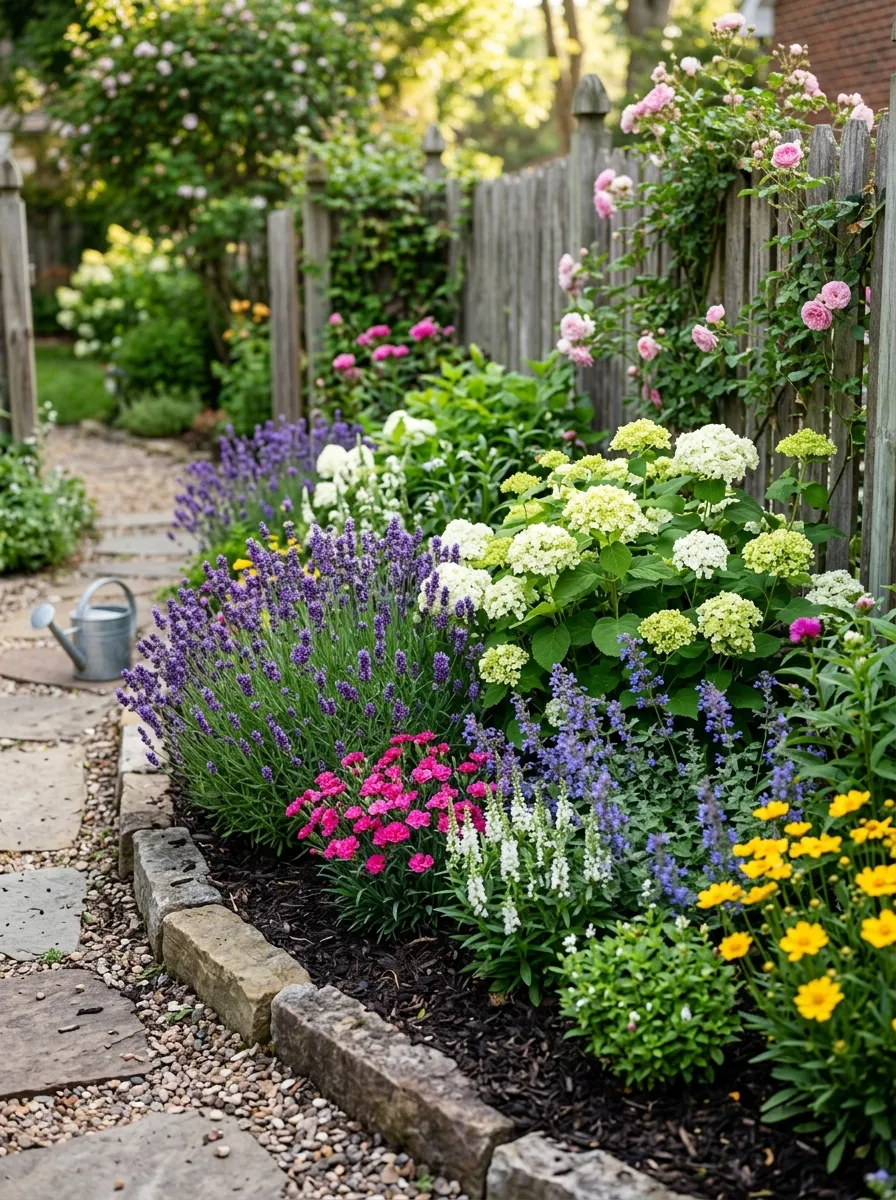
Full-size shrubs and trees can overwhelm a small yard within a few seasons. Dwarf and compact varieties give the same beauty with a fraction of the footprint. Look for dwarf hydrangeas, compact boxwood, or mini fruit trees bred specifically for small spaces or container growing. A budget tip: check plant tags carefully at the nursery, since “dwarf” and “compact” varieties are often the same price as full-size versions but save years of pruning and maintenance. This matters most near walkways, fences, or foundation beds where a plant that grows too large will need constant trimming or eventual removal. Choosing the right size from the start keeps a small garden looking proportional and well-planned for years.
18. Add a Fold-Down Wall Table
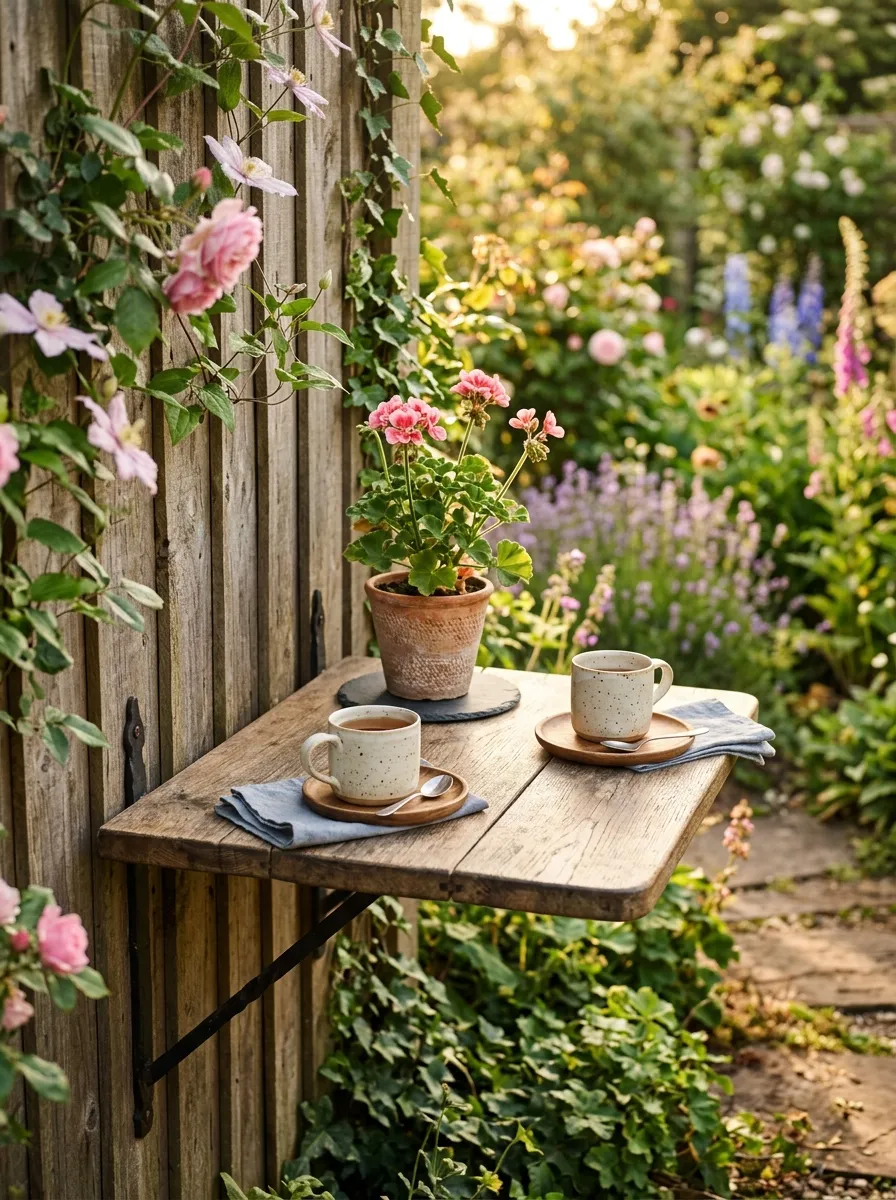
A fold-down table mounted directly on a fence or wall gives you a usable surface without permanently taking up floor space. Fold it down for morning coffee or a small meal, then fold it flat against the wall when not in use. A simple DIY version uses a hinged wooden board attached with basic hardware from a hardware store, supported by a folding leg or chain. This works particularly well on narrow balconies or tight patios where a full table would block movement. Pair it with two slim folding chairs that can also lean against the wall when not needed. This kind of flexible furniture keeps a small garden adaptable, letting the same footprint serve as walking space one moment and dining space the next.
19. Use a Single Color Theme for Pots
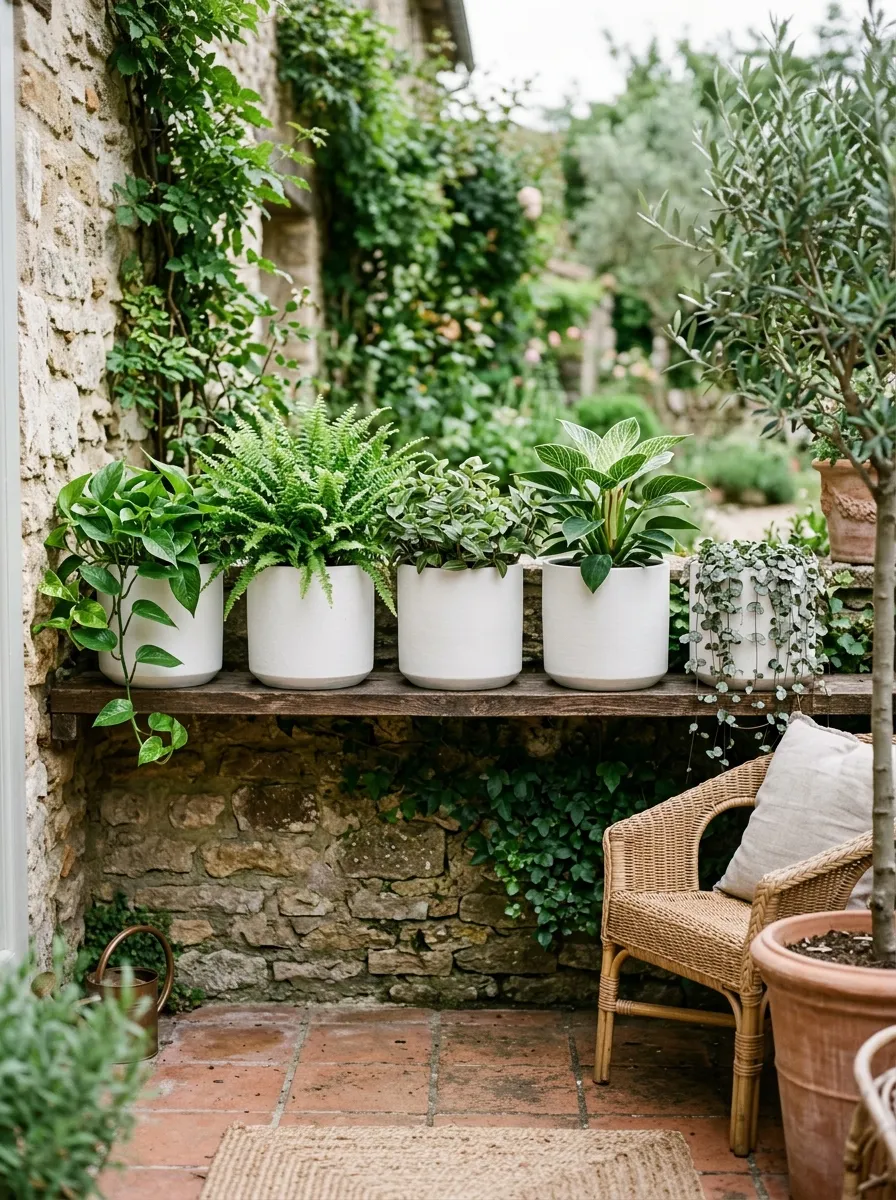
Mismatched pots in every color can make a small space look busy and cluttered. Sticking to one pot color, or two at most, creates a calm, cohesive look that makes the whole area feel larger and more organized. A budget trick: buy inexpensive terracotta or plastic pots and spray-paint them all the same shade – matte black, white, or terracotta work well in most settings. Let the plants provide the color variety while the pots stay consistent. This is an easy weekend project that costs very little but changes the entire feel of a patio or balcony. A unified pot color also makes it simple to add new plants later without disrupting the overall look.
20. Add a Small Bistro Set for Two
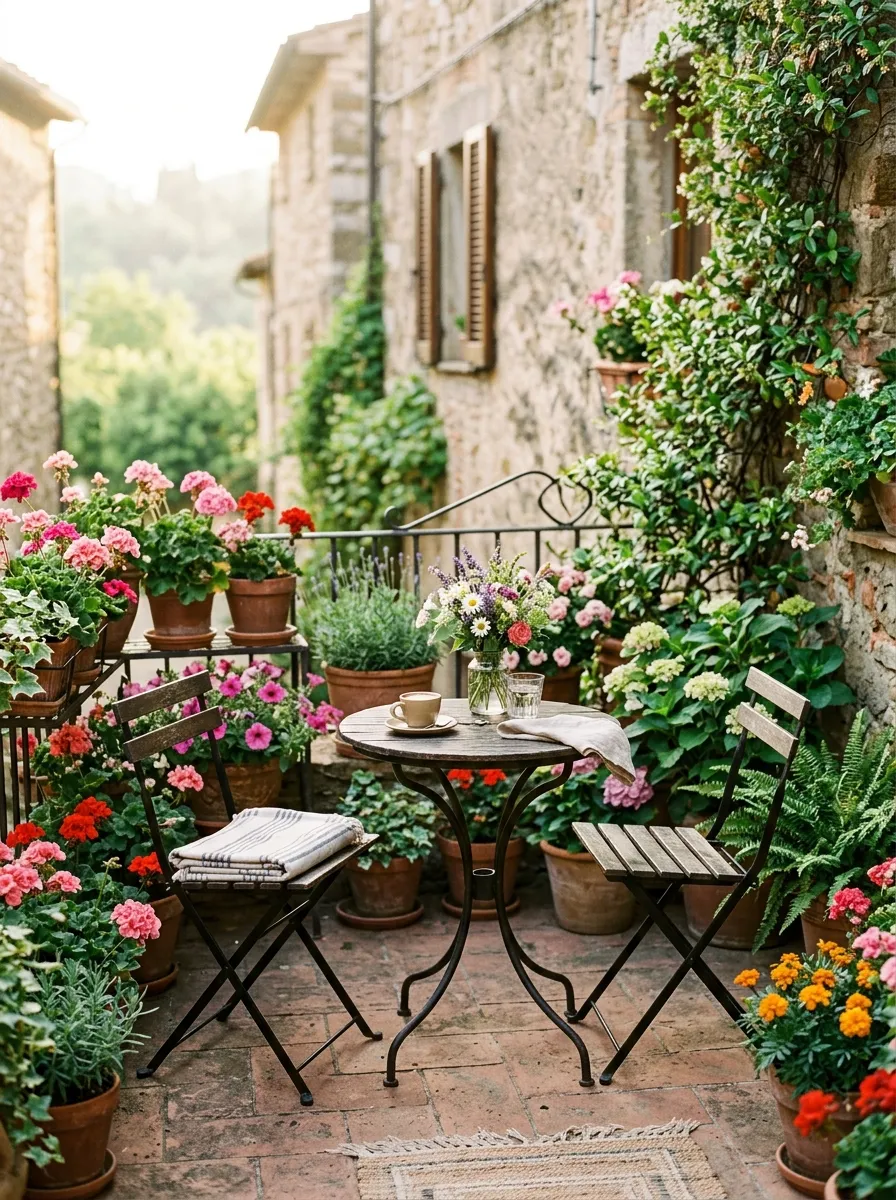
A compact bistro set turns even a tiny patio corner into a usable outdoor spot. Look for a round table with slim metal legs, which takes up less visual space than a bulky square one. A budget tip: check end-of-season sales at hardware or home stores, where outdoor furniture often drops in price by fall. Place the set near a focal point, like a potted tree or a trellis, so it feels intentional rather than squeezed in. Fold the chairs and lean them against a wall when the space is needed for other activities. This small addition gives a tiny garden a real gathering spot, perfect for morning coffee or a quiet evening outside, without requiring a full patio set.
21. Use Edging to Define Small Beds
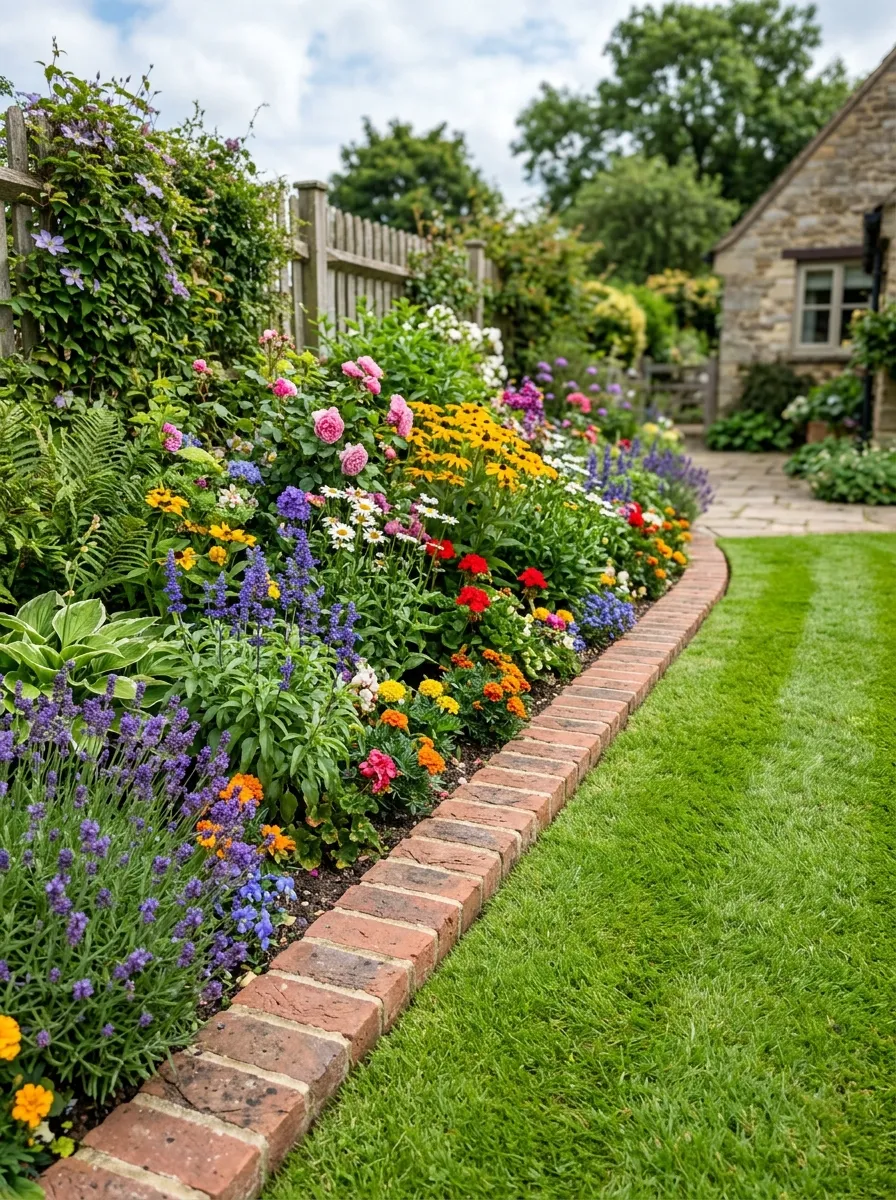
Clean edges instantly make a small garden look more organized. Use bricks, stones, or metal edging to create a clear line between beds and lawn or gravel. A budget DIY option: reuse broken concrete pieces or leftover pavers as informal edging instead of buying new material. Keep the edging low, just a few inches, so it doesn’t visually shrink the space further. This simple boundary keeps mulch and soil contained while giving each bed a finished, deliberate look. Re-edge every few weeks during the growing season with a spade to keep lines crisp. This small maintenance habit takes only a few minutes but makes a noticeable difference in how polished a small garden appears.
22. Create a Reading Nook with a Single Chair
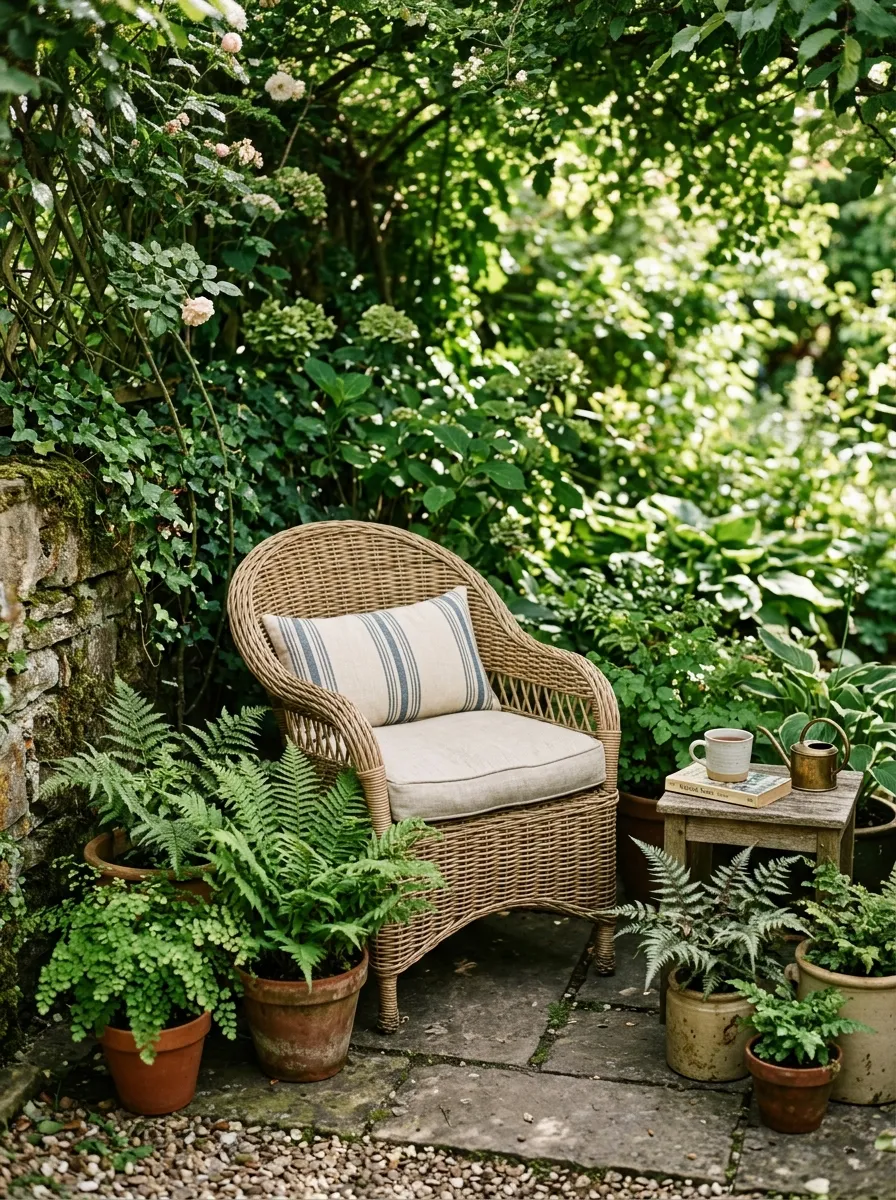
A small garden doesn’t need a full seating area to feel like a retreat. One comfortable chair tucked into a shaded corner can become a favorite reading or morning-coffee spot. A budget tip: check secondhand shops for wicker or metal chairs, then add an outdoor cushion for comfort. Surround the chair with a few potted ferns or shade-loving plants to create a sense of enclosure. Position it away from the main walking path so it feels like a quiet, separate zone. This tiny addition gives a small garden a personal touch and a reason to spend time outside, even when there isn’t room for a full patio set.
23. Add Window Boxes for Extra Color
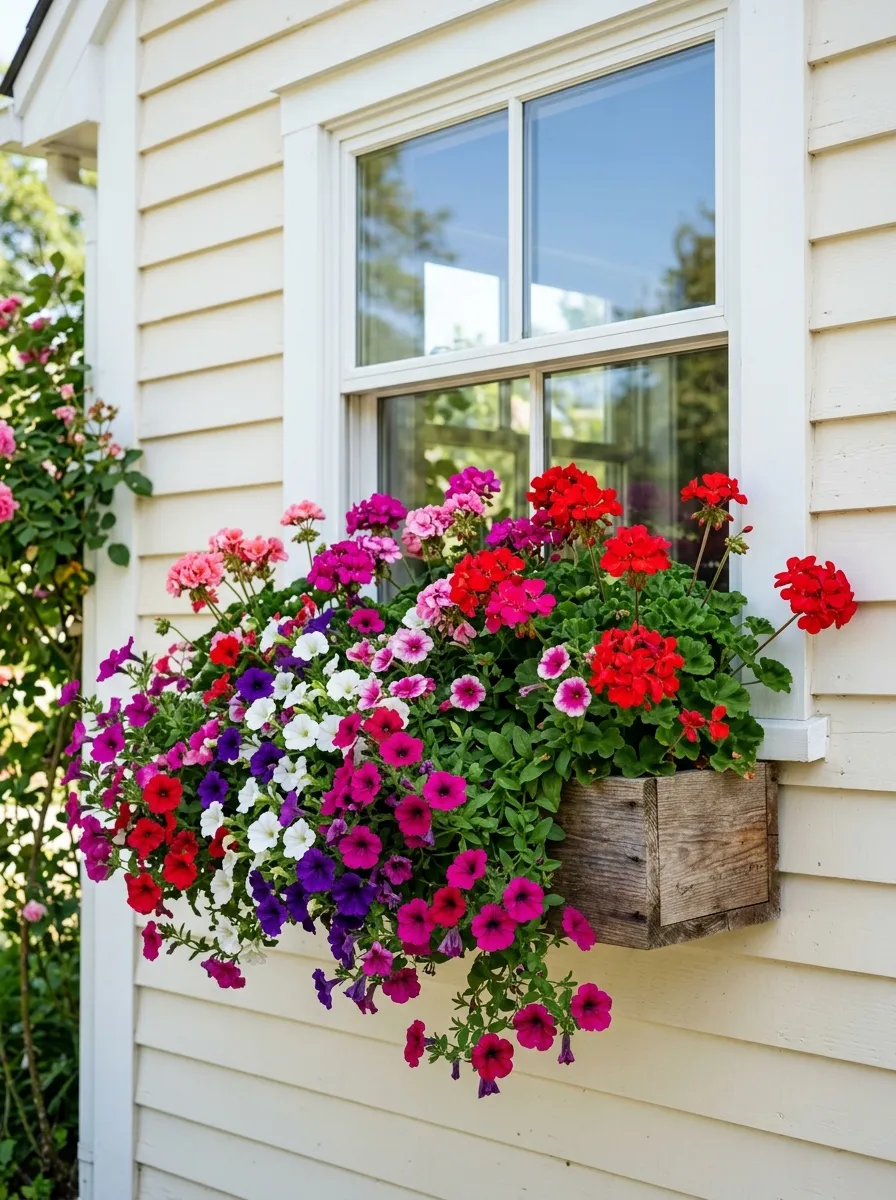
Window boxes add color at eye level without using any ground space at all. Attach a simple wooden or metal box beneath a window using basic mounting brackets. Fill it with cascading flowers like petunias, lobelia, or geraniums that spill over the edges. A budget DIY option: build boxes from leftover fence boards, sealing them with a simple exterior stain. Window boxes work especially well on the front of a home or along a fence line where ground planting isn’t possible. Rotate seasonal flowers twice a year to keep the look fresh. This small addition brings color right up close to windows and doorways, making a tiny garden feel layered from top to bottom, not just at ground level.
24. Use Stepping Stones to Guide Movement
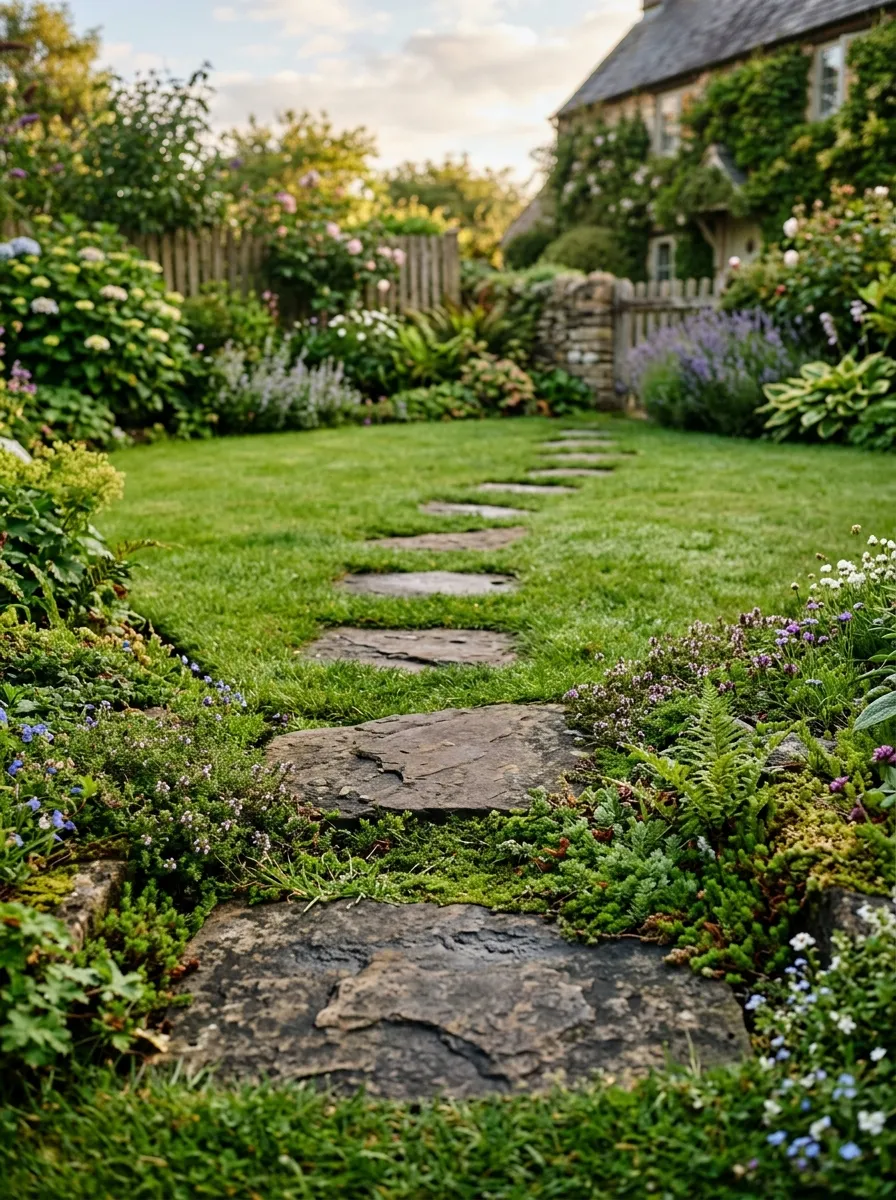
Stepping stones guide the eye and feet through a small garden without needing a full paved path. Set flat stones into the lawn or soil in a slightly irregular pattern, spaced comfortably for natural walking strides. A budget tip: check landscaping supply yards for discounted or broken stone slabs, which can be cut or arranged to fit smaller spaces. Fill the gaps between stones with creeping groundcover like Irish moss or thyme for a soft, natural look. This creates a sense of movement and direction in a small yard while keeping most of the area open for planting. Stepping stones cost far less than a full paved or gravel path and work well for occasional foot traffic rather than daily heavy use.
25. Add a Compact Compost Bin
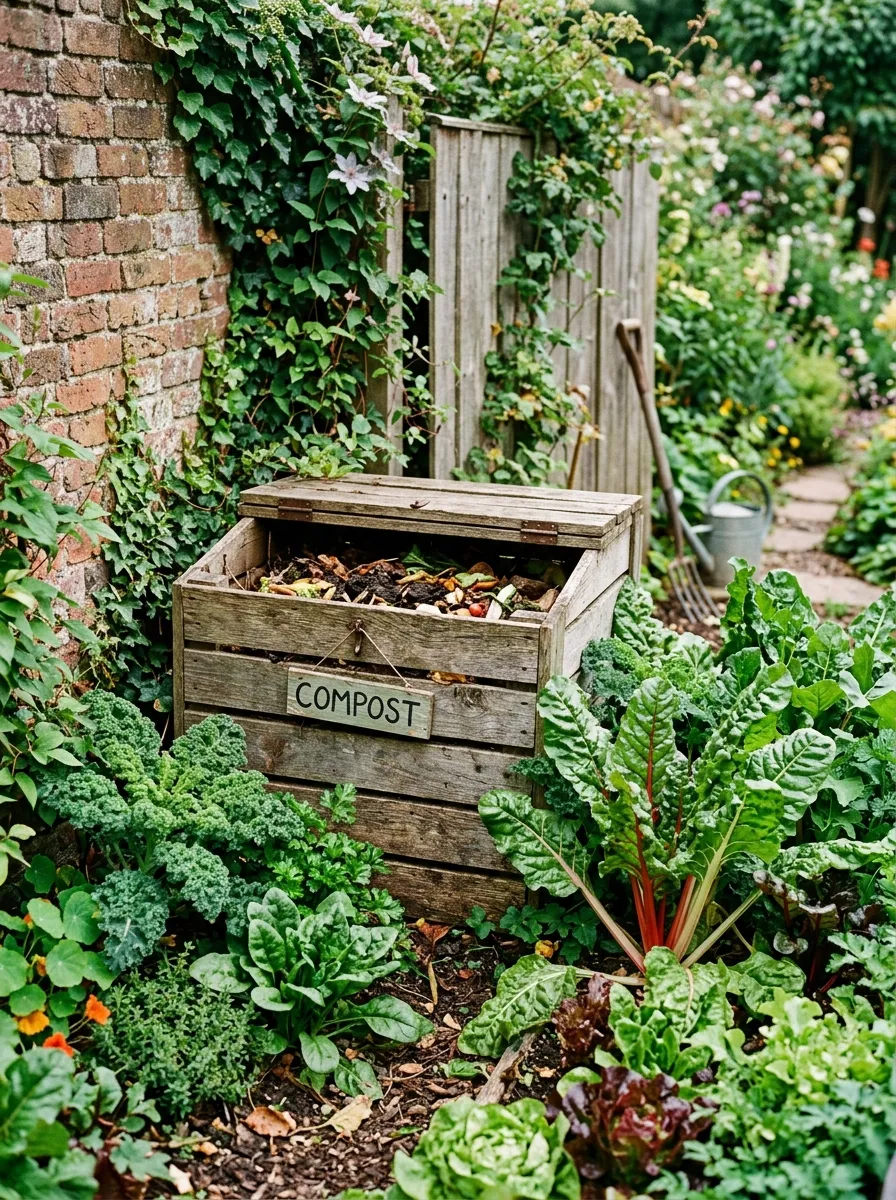
A compact compost bin lets a small garden recycle kitchen scraps into free fertilizer without needing much room. Choose a small tumbler-style bin or build a simple three-sided wooden box tucked into an unused corner. A budget DIY version uses a plastic storage bin with holes drilled for airflow. Add kitchen scraps like vegetable peels and coffee grounds along with dry leaves for balance. Turn the mixture every week or two to speed up the process. This small addition reduces household waste while feeding garden beds with rich, homemade compost. It fits easily behind a shed, beside a fence, or in a shaded corner that isn’t good for growing anything else, turning an unused space into something functional.
Conclusion
A small garden holds far more potential than its square footage suggests. Vertical planters, layered beds, mirrors, and a few well-placed pots can turn a tight yard, balcony, or patio into a space that feels open, layered, and full of life. Most of these ideas cost little and take a single weekend to build. Start with two or three that fit your space, then add more over time as budget and season allow. The result is a garden that feels bigger, works harder, and brings daily enjoyment no matter how many square feet you’re working with.