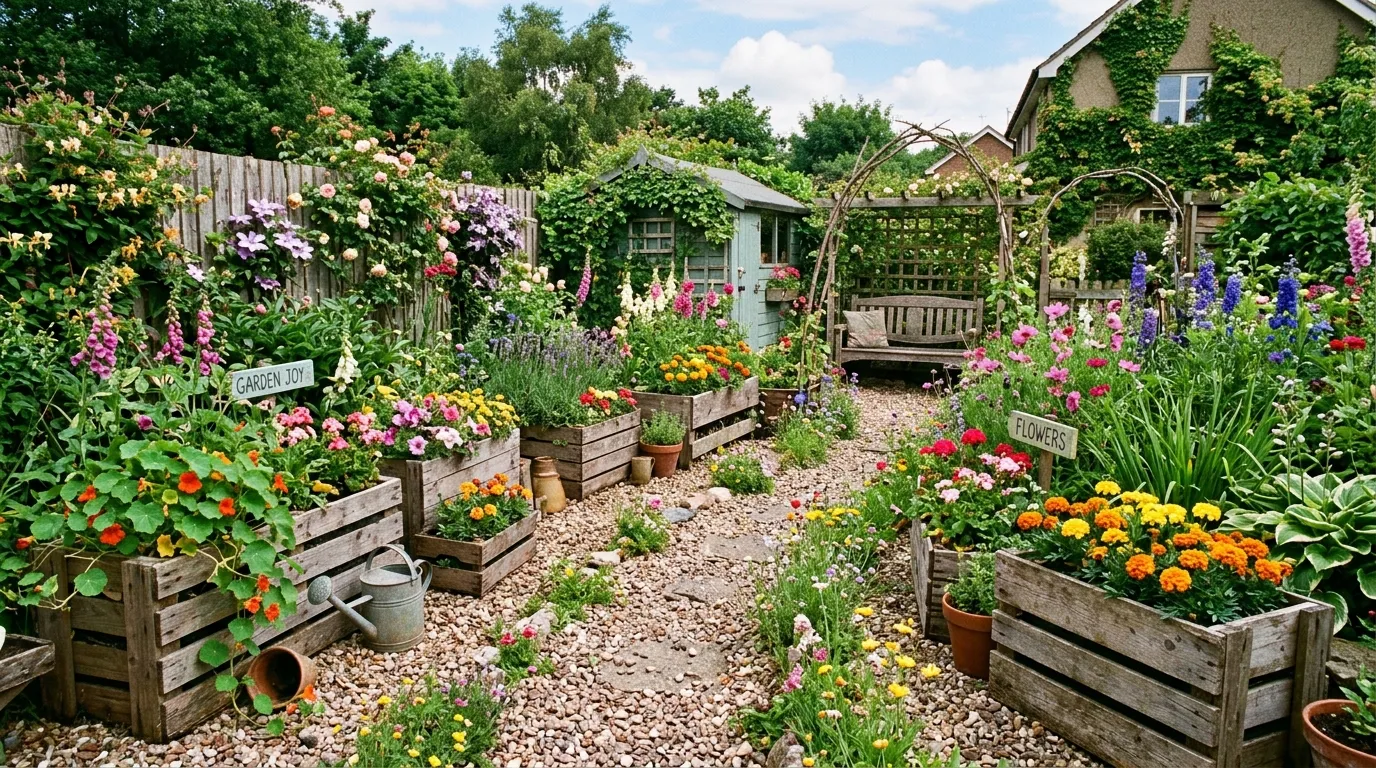
Think a gorgeous garden means a maxed-out credit card? Not even close. Some of the most stunning gardens are built with clever thrifting, smart plant choices, and a little patience – not a landscaping company’s phone number.
If you’ve been putting off your garden dreams because of cost, here’s how to get the beautiful-garden look without the beautiful-garden price tag.
1. Start with a Simple Plan (This Saves the Most Money)
The No. 1 way people overspend on gardens? Buying impulsively without a plan.
Before heading to the garden centre or ordering plants online, take a little time to plan your space. A simple layout can help you avoid unnecessary purchases and make sure every plant has a suitable place to grow.
- Sketch a rough layout before shopping.
- Decide which areas are priorities versus “someday” additions.
- List what you already have, including pots, tools, soil, and leftover materials, before buying new ones.
- Consider the mature size of plants so you don’t end up replacing or moving them later.
A little planning prevents duplicate purchases and wasted plants that don’t fit your space. Before you start shopping, learn how to design a garden like a pro so you can create a practical layout, choose the right plants, and make smarter decisions from the start.
2. Grow from Seeds Instead of Starter Plants
This one swap can cut your plant budget by 80% or more.
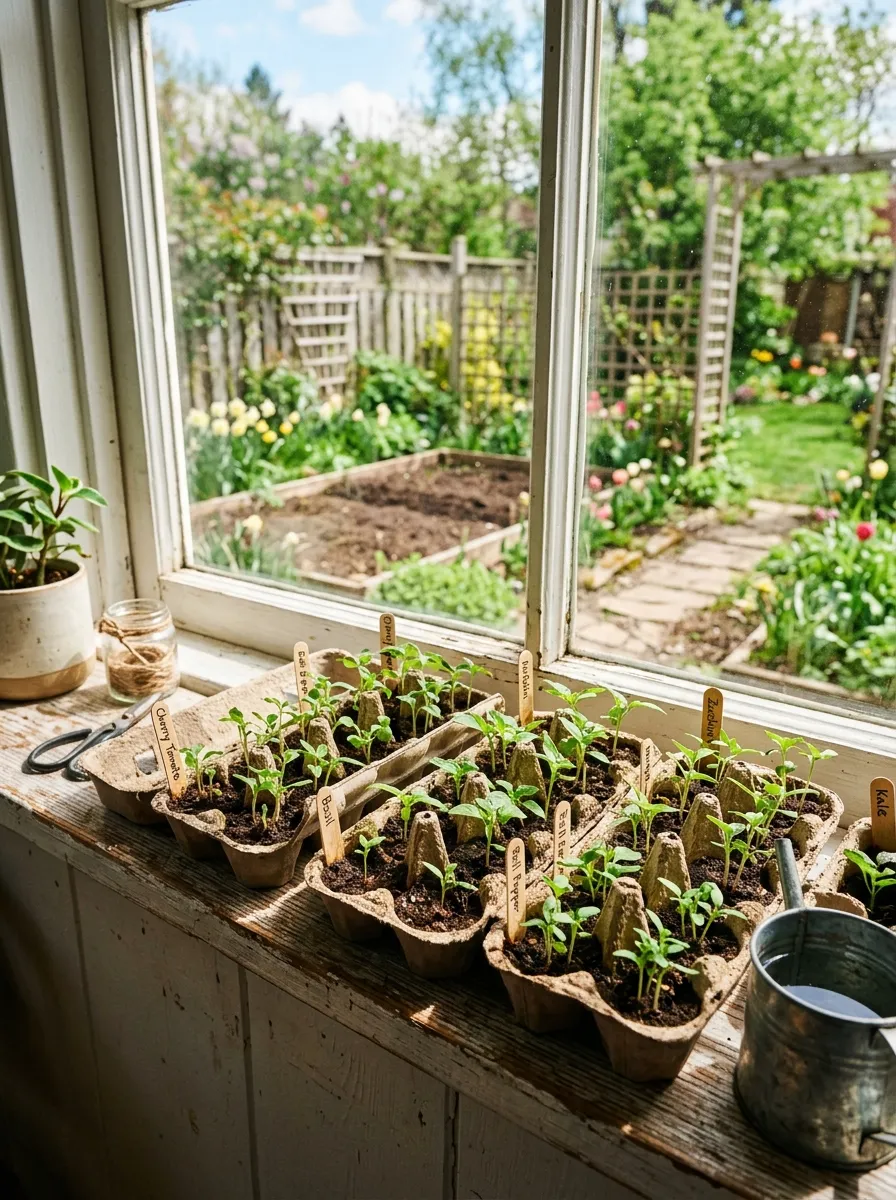
- A packet of seeds costs a few dollars and yields dozens of plants
- Great budget-friendly options: zinnias, marigolds, sunflowers, cosmos, and lettuce
- Start seeds indoors 4–6 weeks before your last frost date for a head start
Yes, it takes a little more patience – but the savings (and satisfaction) are huge.
3. Propagate and Divide Instead of Buying New
Many plants practically multiply themselves for free.
- Divide perennials like hostas, daylilies, or ornamental grasses every few years
- Take cuttings from friends’ or neighbors’ plants (most gardeners love sharing!)
- Root cuttings in water for easy, no-cost propagation
Ask around – chances are someone in your life has extra plants just waiting to be split.
4. Repurpose Containers and Materials
Before buying new pots or edging, look around your house first.
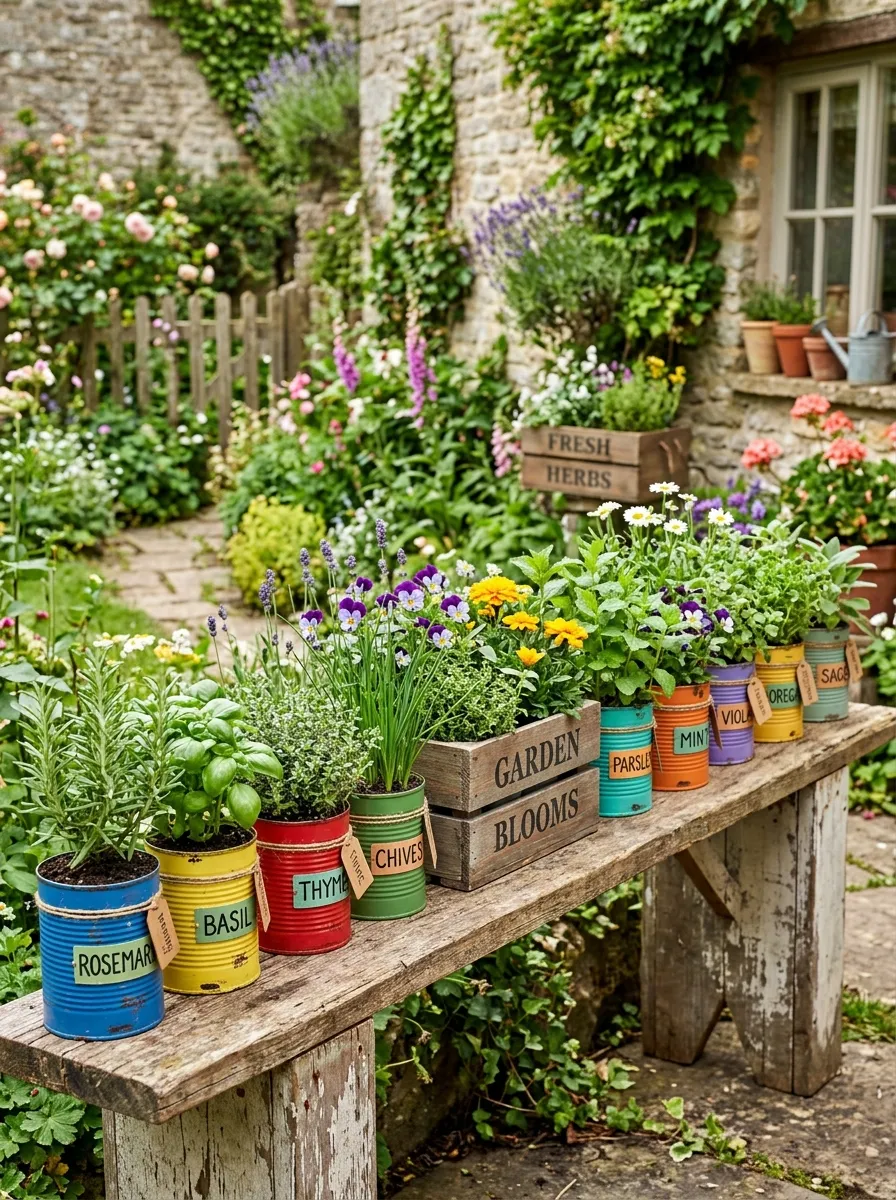
- Old buckets, crates, or even boots can become quirky planters.
- Broken pottery makes charming garden path stepping stones.
- Wooden pallets can be turned into vertical planters or raised beds.
Repurposed materials add character and personality that store-bought items can’t match. For even more creative inspiration, check out these unique flower pot ideas and unconventional containers to discover fun ways to turn everyday items into eye-catching planters.
5. Use Mulch Strategically (It’s Cheaper Than You Think)
Mulch isn’t just for looks – it saves you money long-term.
- Reduces weeding time (and the cost of weed killer)
- Retains moisture, cutting down on water bills
- Free options: fallen leaves, grass clippings, or wood chips from local tree services
Many cities and tree companies give away mulch for free – a quick phone call can save you serious cash.
6. Buy Perennials Instead of Annuals When Possible
Annuals look great for one season, then you’re buying them all over again next year.
- Perennials come back year after year, saving money long-term
- Look for perennial sales at the end of the growing season (up to 50–70% off)
- Mix in a few cheap annuals for pops of color between perennial blooms
Think of perennials as an investment – a little more upfront, way less over time.
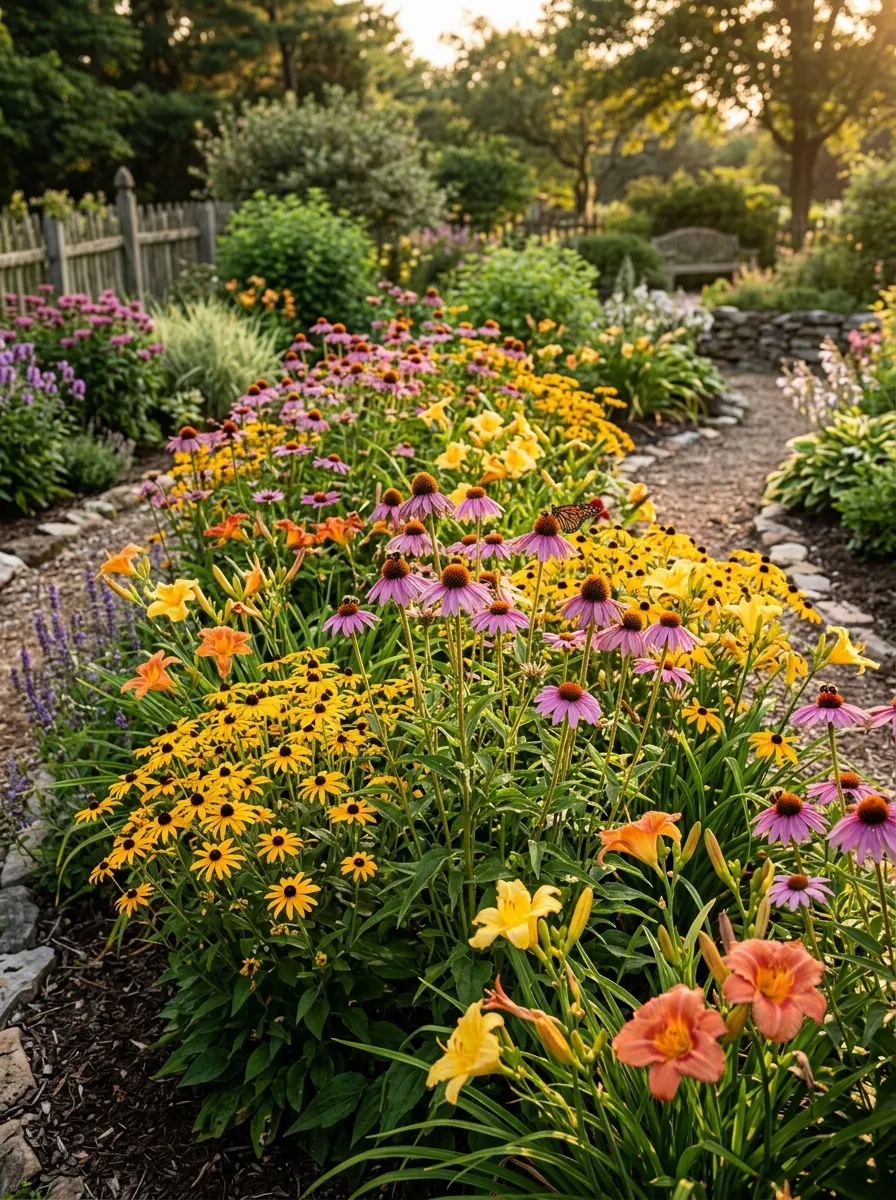
7. Skip Expensive Hardscaping – DIY Instead
Professional patios and stone paths can cost thousands. DIY versions can look just as charming.
- Use gravel or mulch paths instead of pavers
- Create stepping stones from broken concrete or leftover pavers
- Build simple raised beds from reclaimed wood instead of buying kits
A little elbow grease goes a long way toward that “professionally landscaped” look.
8. Shop End-of-Season Sales and Clearance Racks
Timing your purchases can cut costs dramatically.
- Late summer and early fall are prime time for clearance plants
- Check hardware stores and nurseries for discounted, slightly leggy plants (they usually bounce back!)
- Sign up for local nursery newsletters to catch flash sales
A little patience with timing can mean a full garden for a fraction of the price.
Final Thoughts: Beautiful Doesn’t Mean Expensive
A stunning garden isn’t about how much you spend — it’s about creativity, patience, and a little resourcefulness. Start with seeds, repurpose what you have, and watch your garden grow more beautiful (and more budget-friendly) every season.