
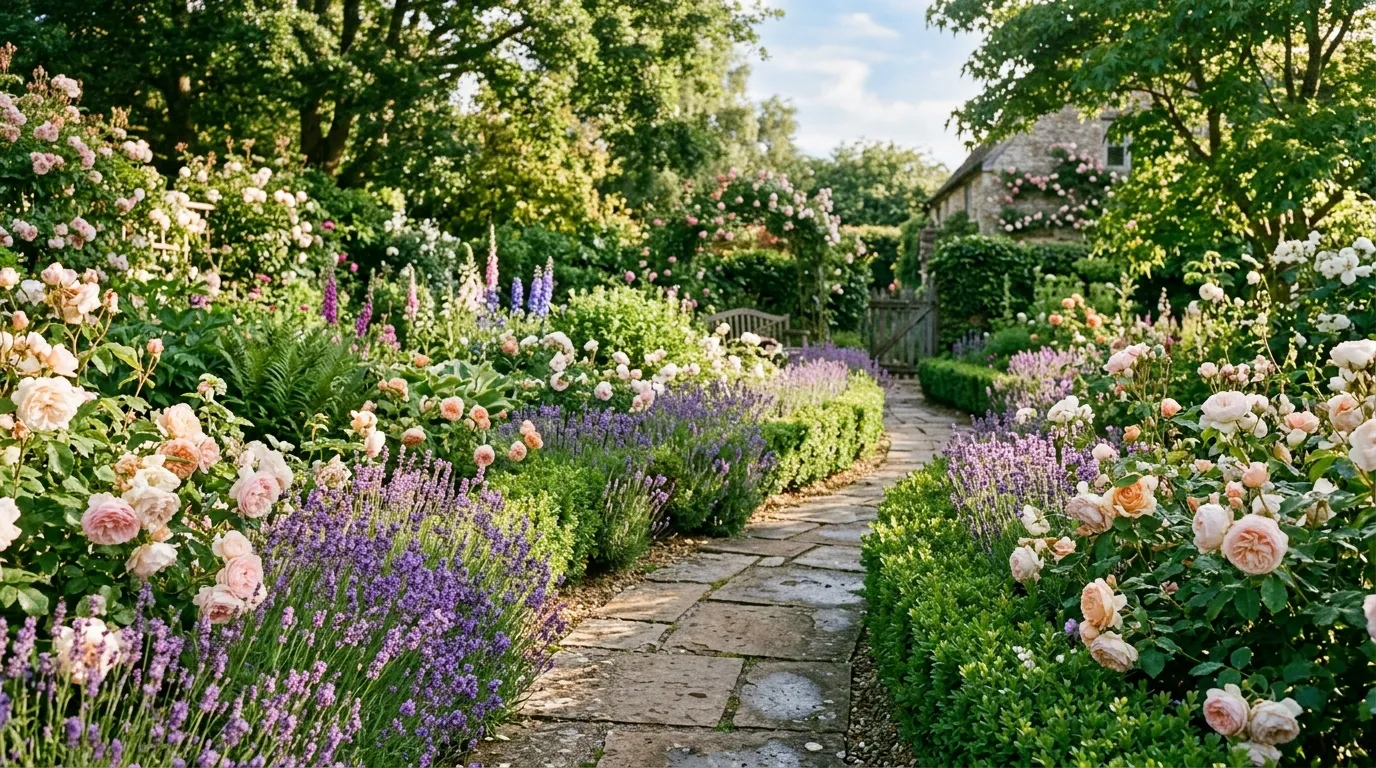
Imagine stepping outside your door into a lush, colorful garden that feels like your own private retreat — no design degree required. Designing a beautiful garden isn’t about being a professional landscaper. It’s about understanding a few simple principles, then letting your personal style take over. Ready to transform your outdoor space into something magazine-worthy? Let’s dig into it.
Start with a Vision
Before you buy a single plant, picture the garden you actually want to walk into.
- Do you want a cozy cottage garden with wildflowers?
- A sleek, modern space with clean lines and greenery?
- A relaxing zen garden with minimal color and lots of texture?
Quick tip: Save photos of gardens you love (hello, Pinterest boards) to spot patterns in what you’re drawn to.
Map Out Your Space
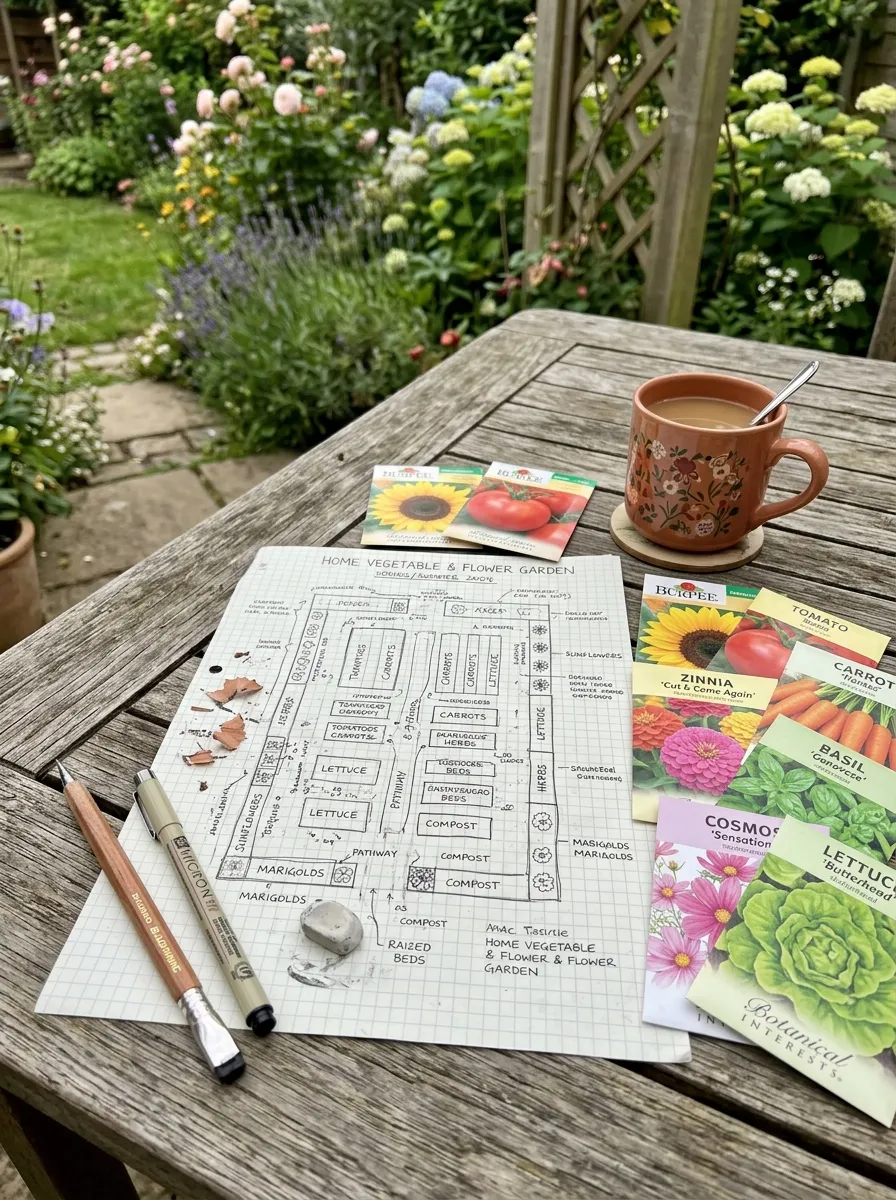
Every great garden starts with a plan, even a rough one sketched on paper.
- Note where the sun hits throughout the day
- Mark any shady spots, slopes, or drainage issues
- Identify existing features (trees, fences, paths) you want to keep or remove
This step saves you from costly redesigns later.
Choose a Color Palette
Just like decorating a room, gardens look more polished with an intentional color scheme.
- Soft & romantic: pastels pink, lavender, white
- Bold & vibrant: reds, oranges, deep purples
- Calm & cohesive: greens, whites, and silvery foliage
Beginner tip: Stick to 2–3 main colors so your garden feels curated, not chaotic.
Layer Your Plants Like a Pro
Beautiful gardens have depth, not just a flat row of flowers. Think in layers:
- Tall plants: shrubs, climbing vines, ornamental grasses
- Mid-height plants: flowering perennials, small shrubs
- Ground cover: low blooms, creeping thyme, or mulch
Layering creates visual interest and makes even a small space feel fuller.
Add Structure with Hardscaping
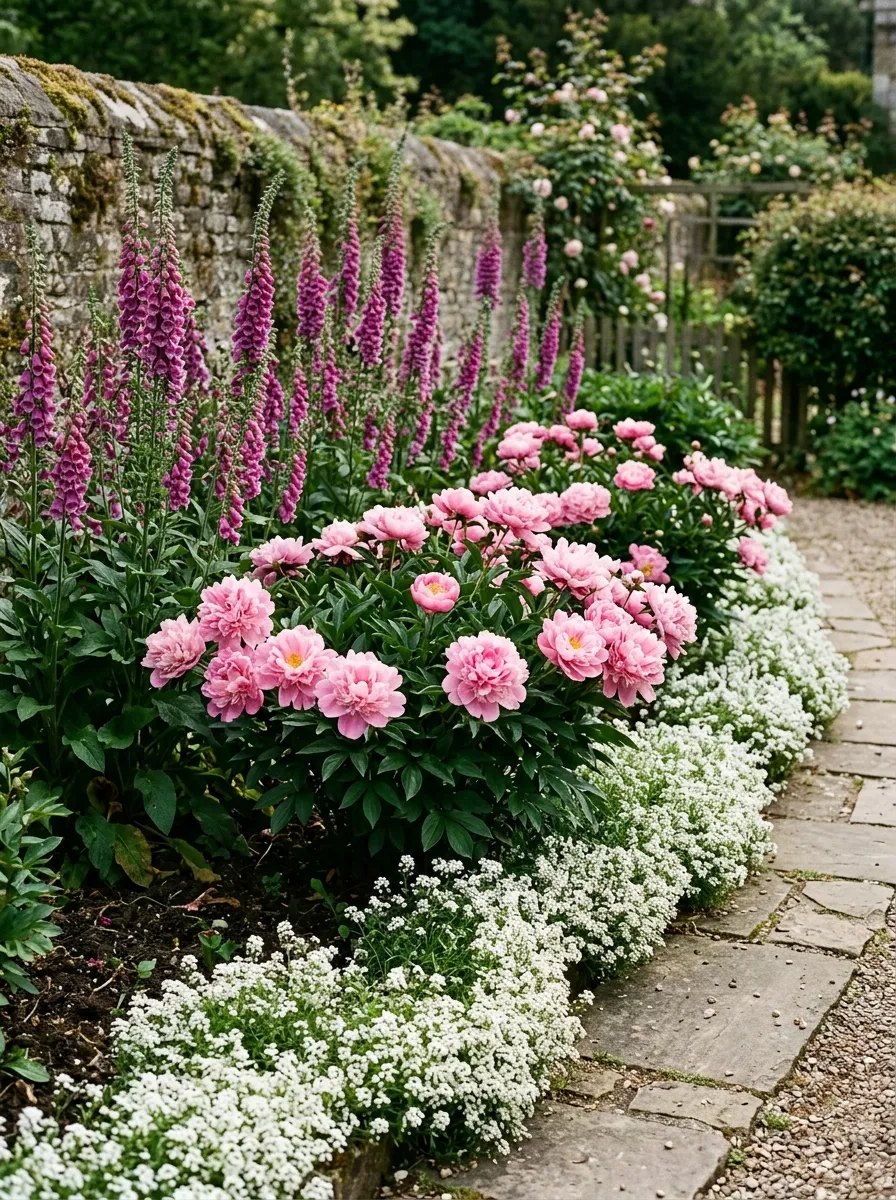
Plants are the star, but hardscaping (non-plant elements) gives your garden shape and function.
- Pathways (gravel, stone, or brick)
- Raised garden beds
- Trellises or arches for climbing plants
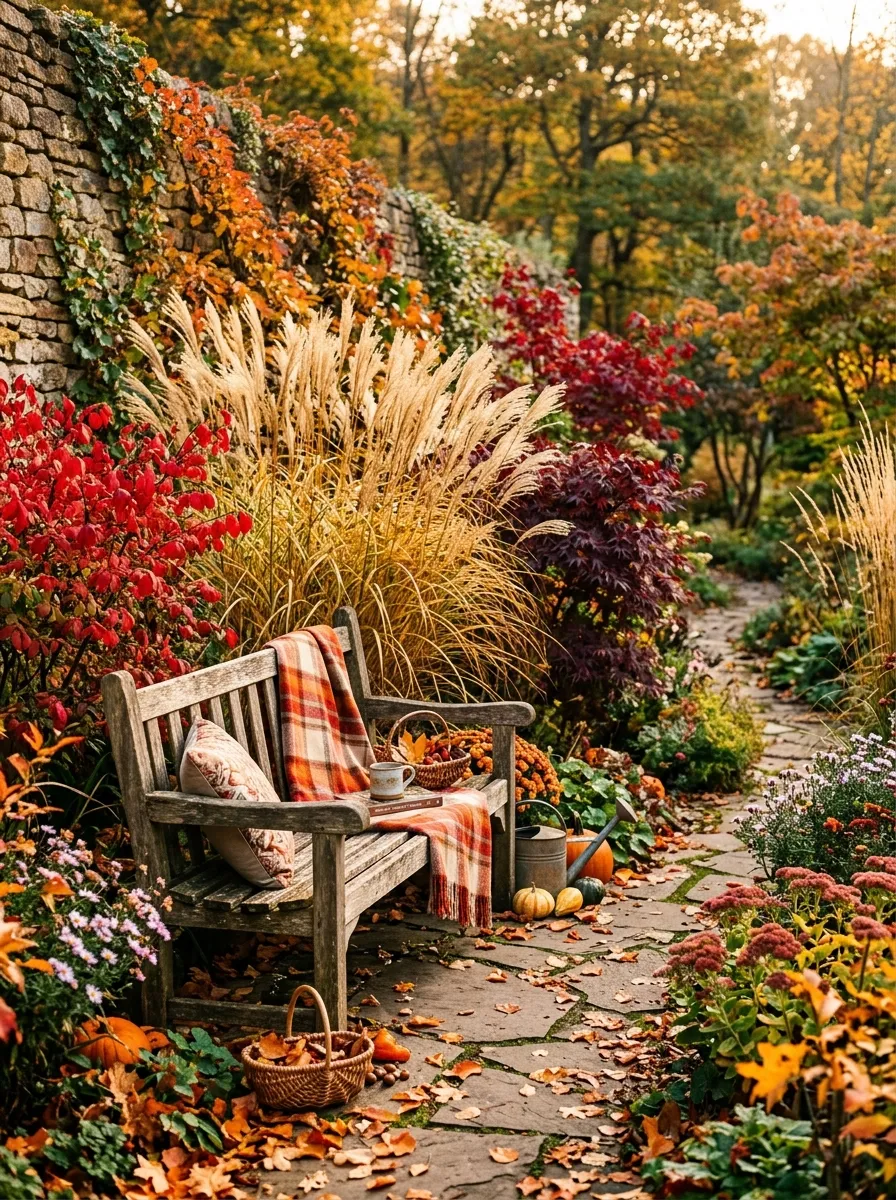
- A small seating area or bench
Even one well-placed bench can turn a garden into a destination, not just a view.
Incorporate Texture and Contrast
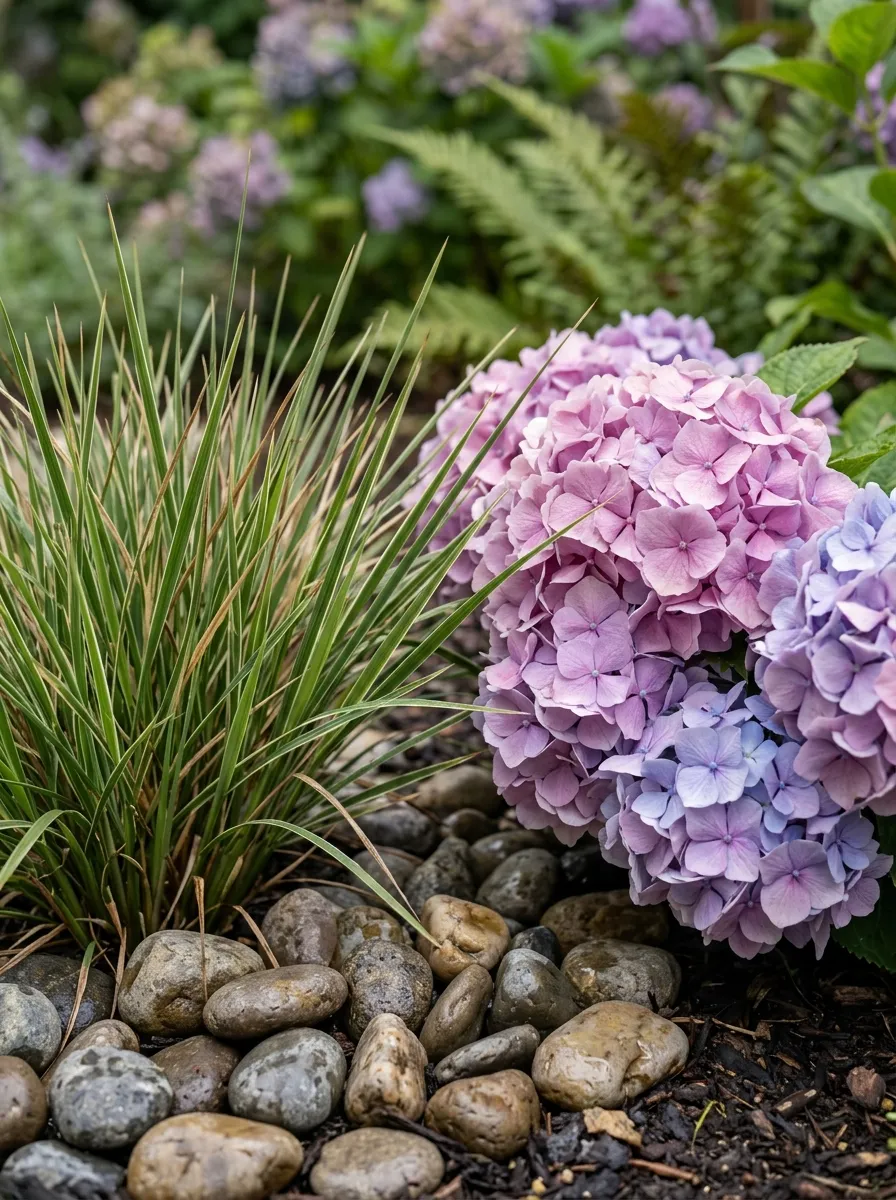
A stunning garden isn’t just about color texture matters just as much.
- Mix broad leaves with feathery foliage
- Pair smooth stone with rough bark or mulch
- Combine glossy leaves with matte, dusty ones
This contrast keeps the eye moving and makes the space feel dynamic, even without flowers in bloom.
Don’t Forget Focal Points
Every great garden has a “wow” moment that draws the eye.
- A statement plant (like a Japanese maple)
- A water feature or small fountain
- A decorative pot or sculpture
- A vibrant flower bed at the entrance
Placing a focal point at the end of a path or near your entryway instantly elevates the whole design.
Think About Seasons, Not Just Summer
A truly beautiful garden looks good year-round, not just for a few months.
- Spring: tulips, daffodils, flowering shrubs
- Summer: roses, zinnias, lush greenery
- Fall: ornamental grasses, mums, colorful foliage
- Winter: evergreens, structural bark, berries
Planning for all four seasons keeps your garden from looking bare half the year.
Maintain the Magic
Design is only half the equation upkeep keeps it beautiful.
- Prune regularly to maintain shape
- Deadhead flowers to encourage more blooms
- Refresh mulch each season for a clean look
- Edge garden beds to keep lines crisp
A little consistent care goes a long way toward that “professionally designed” look.
Final Thoughts: Your Garden, Your Story
You don’t need a huge budget or a landscaping degree to create a garden that feels beautiful and intentional. Start with a vision, layer in color and texture, add a focal point, and let it evolve season by season.
Save this guide, start planning your dream garden today, and watch your outdoor space transform! 🌿✨