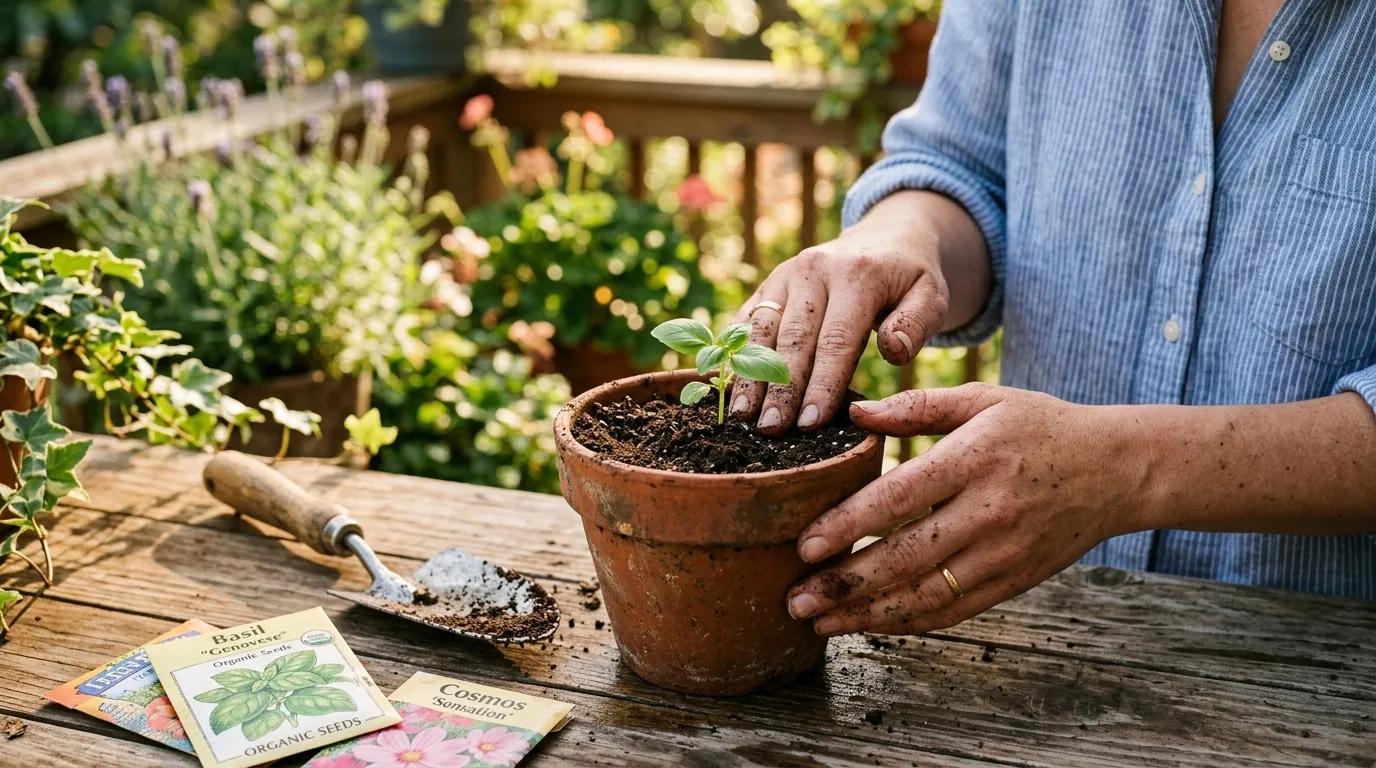
Starting a garden for the first time can feel like a lot, between soil types, watering schedules, and endless plant names. The truth is, most successful gardens start small and simple, not with a perfectly planned layout. This list breaks down beginner-friendly ideas that lower the risk of failure and build real confidence, one pot or bed at a time. Whether you have a backyard, a balcony, or just a sunny windowsill, these ideas meet you where you are and help you grow something real without needing years of experience first.
1. Start With Pots Before You Dig a Bed
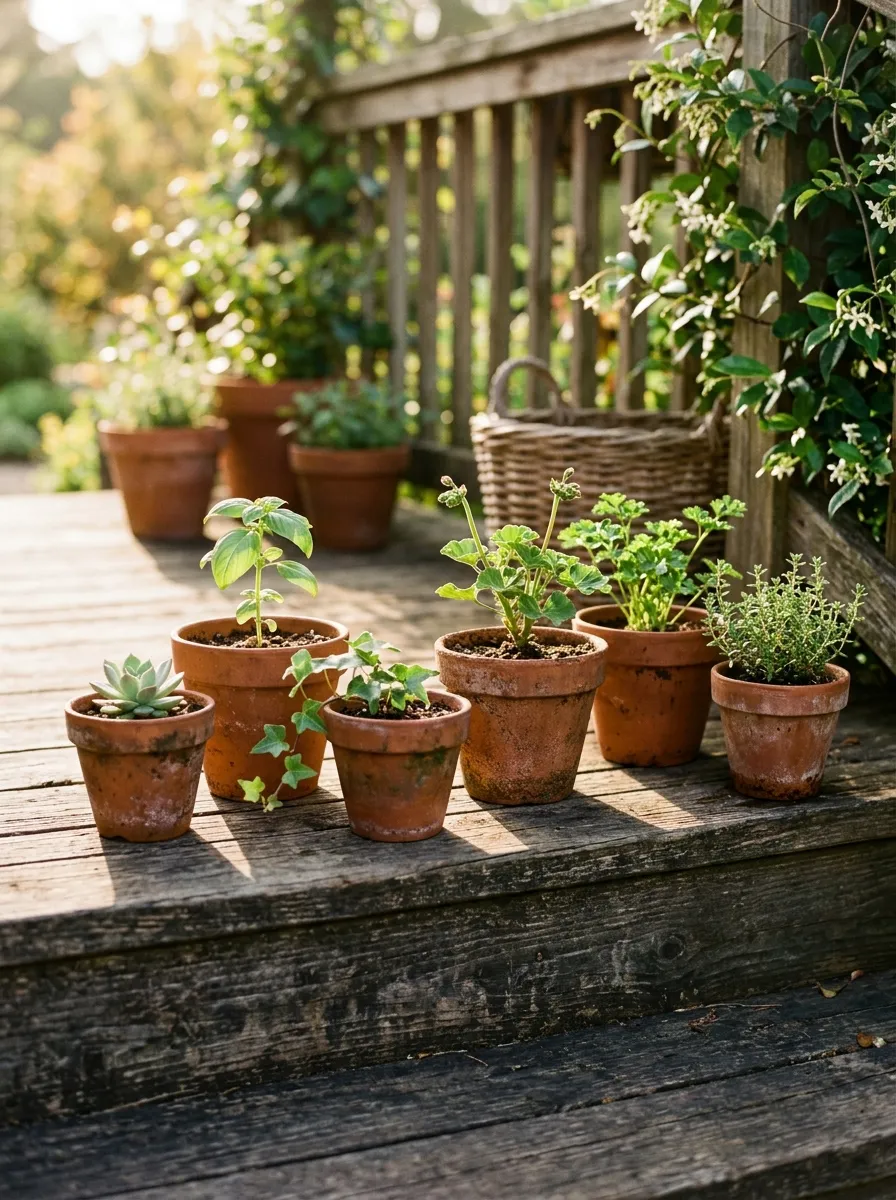
Digging a full garden bed on day one is a big commitment before you know what you enjoy growing. Pots let you test the waters first. Pick two or three containers, fill them with basic potting mix, and plant something simple like a tomato or a few herbs.
Containers also forgive mistakes better than in-ground beds. If a spot gets too much shade, you just move the pot instead of digging everything up again.
Once you feel steady with container care, expanding into a bed feels far less intimidating.
Budget tip: reuse buckets, old bins, or even large yogurt tubs with drainage holes drilled in the bottom instead of buying new pots.
This approach keeps your first season low-pressure. You’ll learn watering habits and sun patterns on a small scale, which makes any future bed you build far more likely to succeed.
2. Choose Foolproof Plants Like Marigolds and Mint
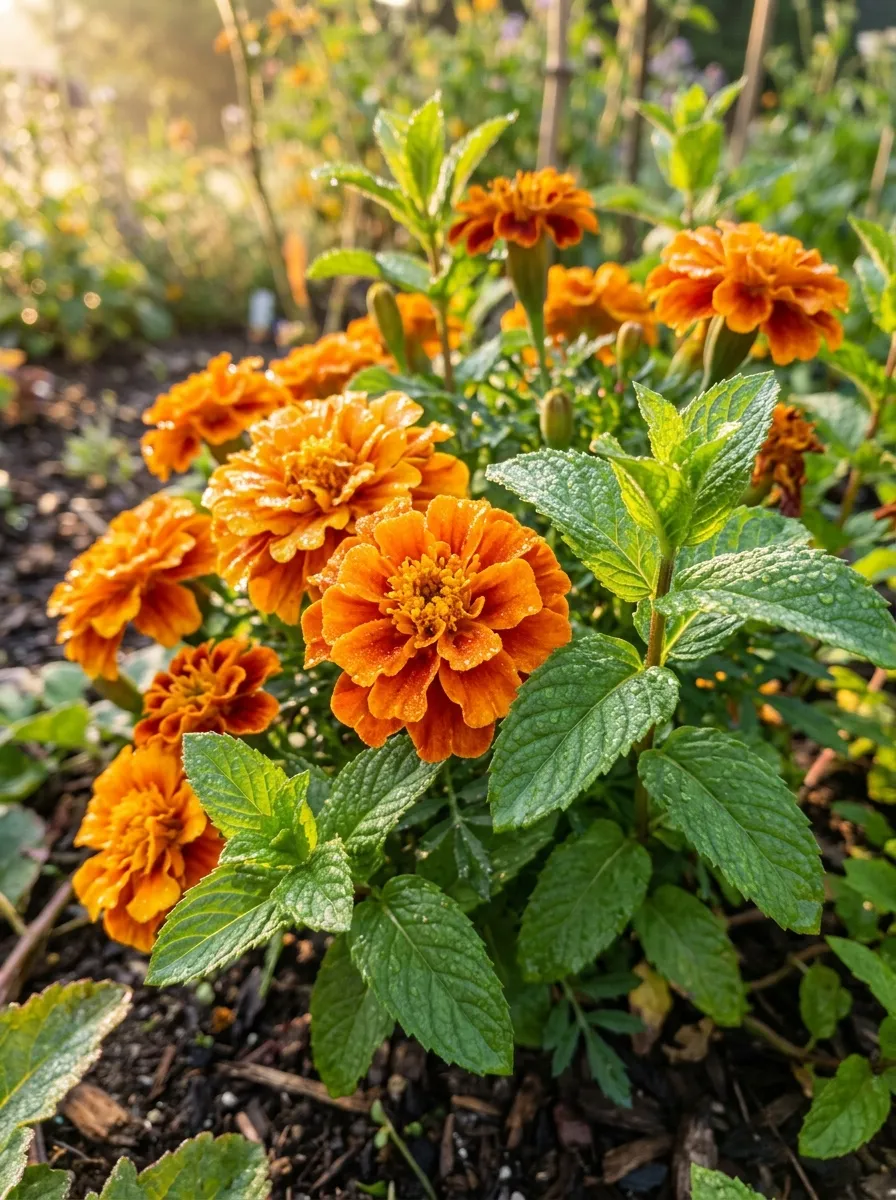
Some plants practically grow themselves, which makes them ideal for a first attempt. Marigolds tolerate poor soil, inconsistent watering, and full sun without much complaint. Mint spreads so aggressively that killing it takes real effort.
Start with a handful of these reliable plants before branching into anything fussy like orchids or delicate vegetables. Early wins matter more than variety when you’re just building confidence.
Once marigolds and mint are thriving, you’ll have a better feel for how much attention your specific yard or patio actually needs.
Budget tip: mint often gets shared freely by other gardeners, since a single plant multiplies fast and most people end up with more than they want.
Starting with plants that forgive mistakes means your first season ends in success instead of frustration, which makes it far more likely you’ll keep gardening the following year.
3. Grow Herbs on a Sunny Windowsill
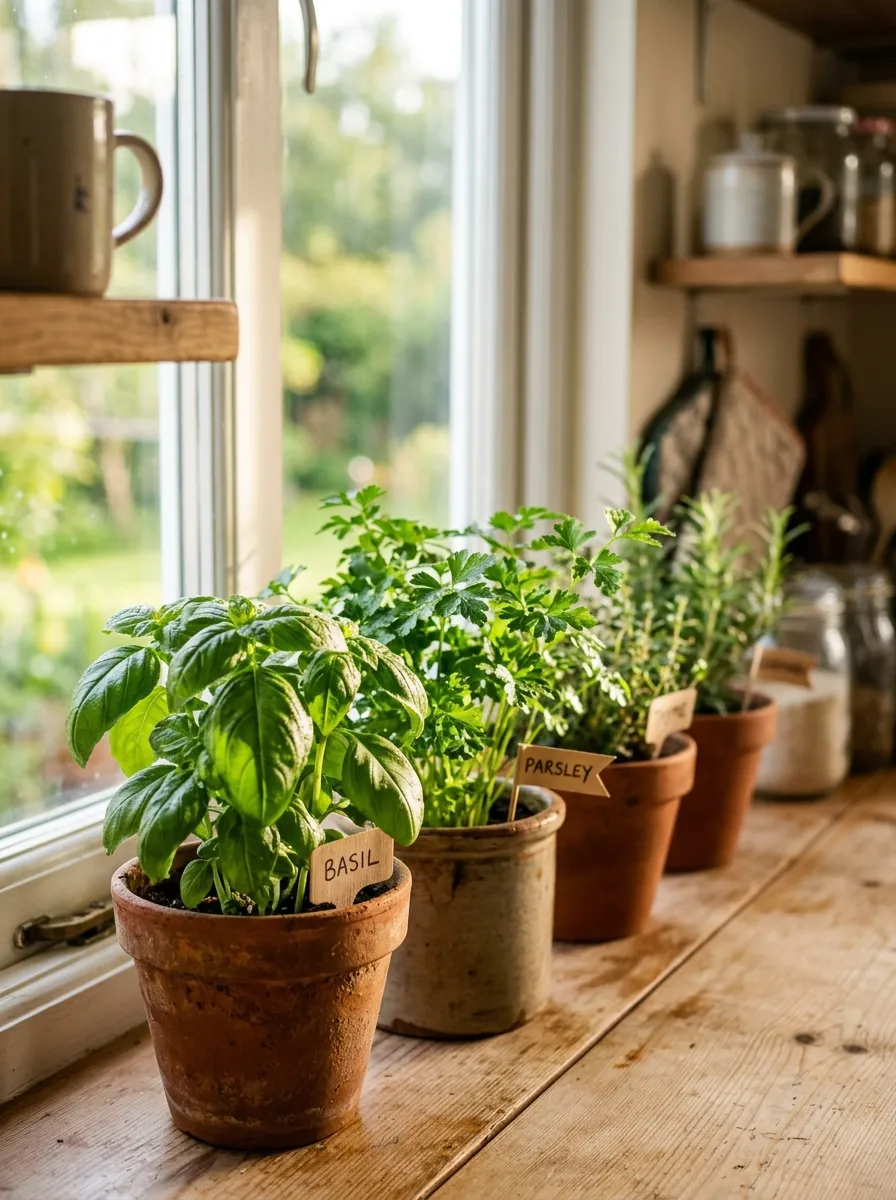
A windowsill herb garden requires no outdoor space at all, which makes it the simplest entry point for total beginners. Basil, parsley, and chives all grow well in small pots with just a few hours of direct sun each day.
Snip leaves as you cook, which keeps the plant compact and encourages new growth. Water when the top inch of soil feels dry, rather than on a fixed schedule.
This setup also means you’ll notice problems quickly, since the plants sit right where you pass by daily.
Budget tip: start from seed packets, which cost a few dollars and produce far more herbs over time than a single store-bought potted plant.
This project fits any living situation, apartment or house, and gives you daily, hands-on practice with watering and light without any real financial risk if something doesn’t work out.
4. Use a Store-Bought Raised Bed Kit
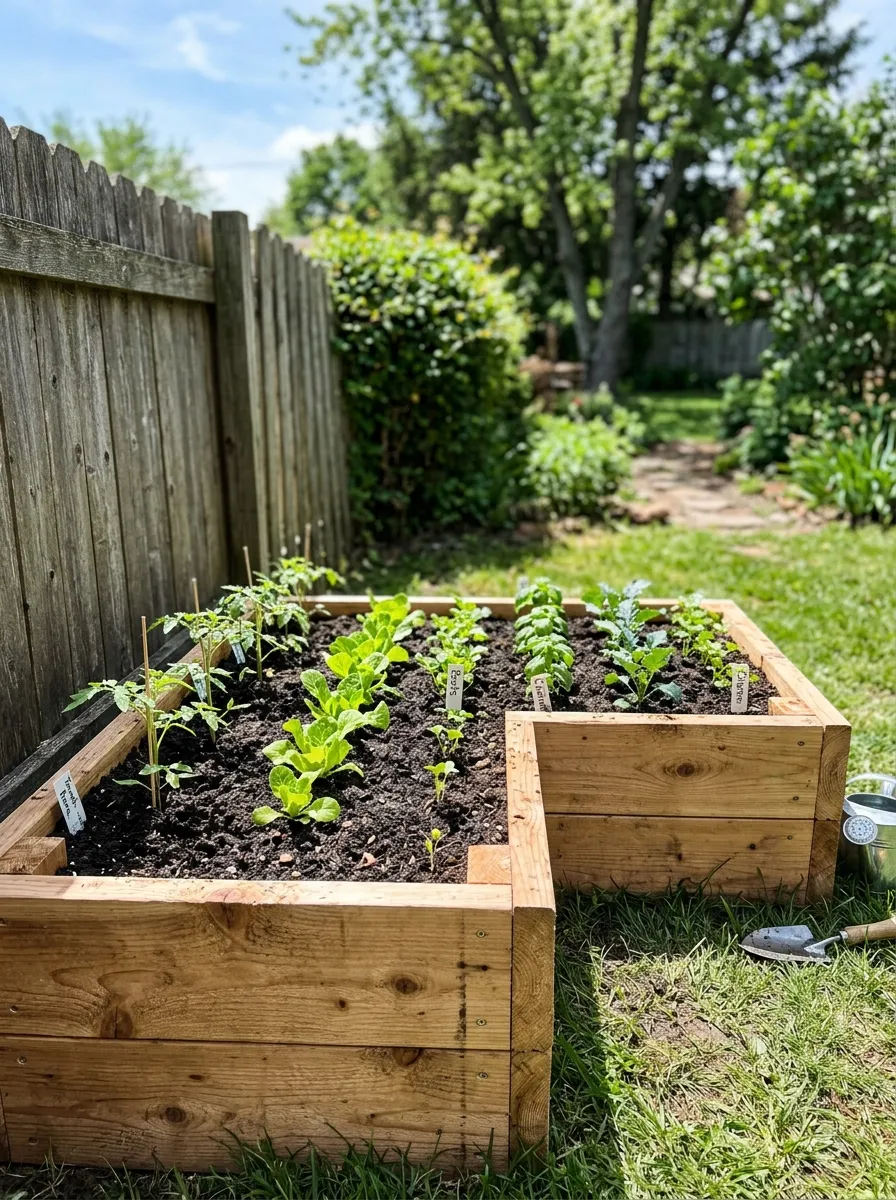
Building a raised bed from scratch involves measuring, cutting, and assembling lumber, which can feel like a lot before you’ve even planted a seed. A simple kit skips all of that. Most kits arrive with pre-cut panels that just screw or slot together in under an hour.
This removes the guesswork around sizing and structure, letting you focus entirely on soil and plants instead of carpentry.
Pick a kit sized for your actual space rather than the biggest one available, since a smaller bed is easier to manage in your first season.
Budget tip: watch for end-of-season clearance sales at hardware stores, when raised bed kits often drop significantly in price.
This option removes one of the biggest barriers to starting a garden, the building phase, and gets you straight to the part that actually matters: growing something.
5. Start Seeds in Recycled Yogurt Cups
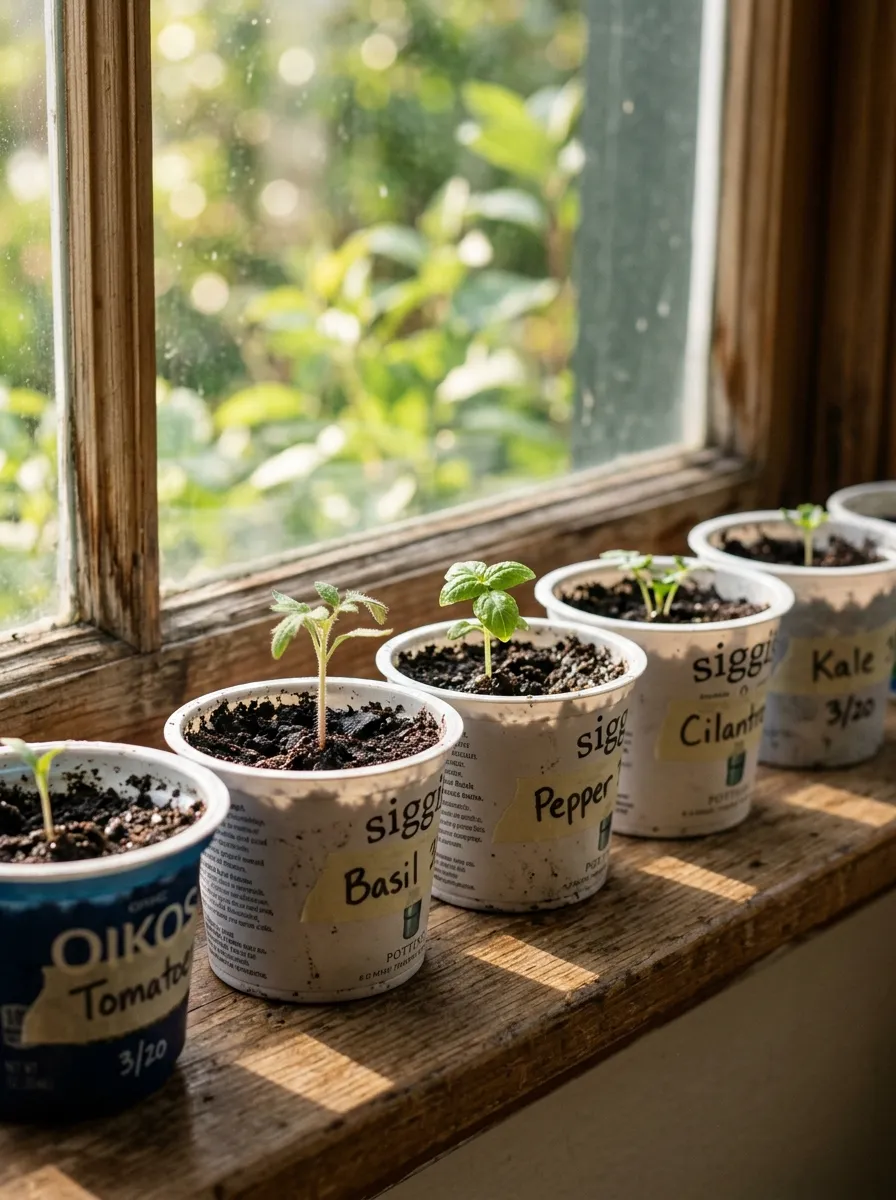
Seed starting sounds technical, but it really just means giving a seed the basics: soil, water, and light. Rinsed yogurt cups with a few drainage holes poked in the bottom work as well as any seed tray from a garden store.
Fill each cup with seed-starting mix, plant one or two seeds per cup, and set them somewhere sunny. Water gently so you don’t wash the seeds out of place.
Once seedlings grow their first real leaves, they’re ready to move into a bigger pot or outdoor bed.
Budget tip: save cups from your own kitchen over a couple of weeks instead of buying seed trays.
This method costs almost nothing and gives you a hands-on look at how a plant actually starts, from seed to seedling, which builds real understanding fast.
6. Water With a Simple Finger Test
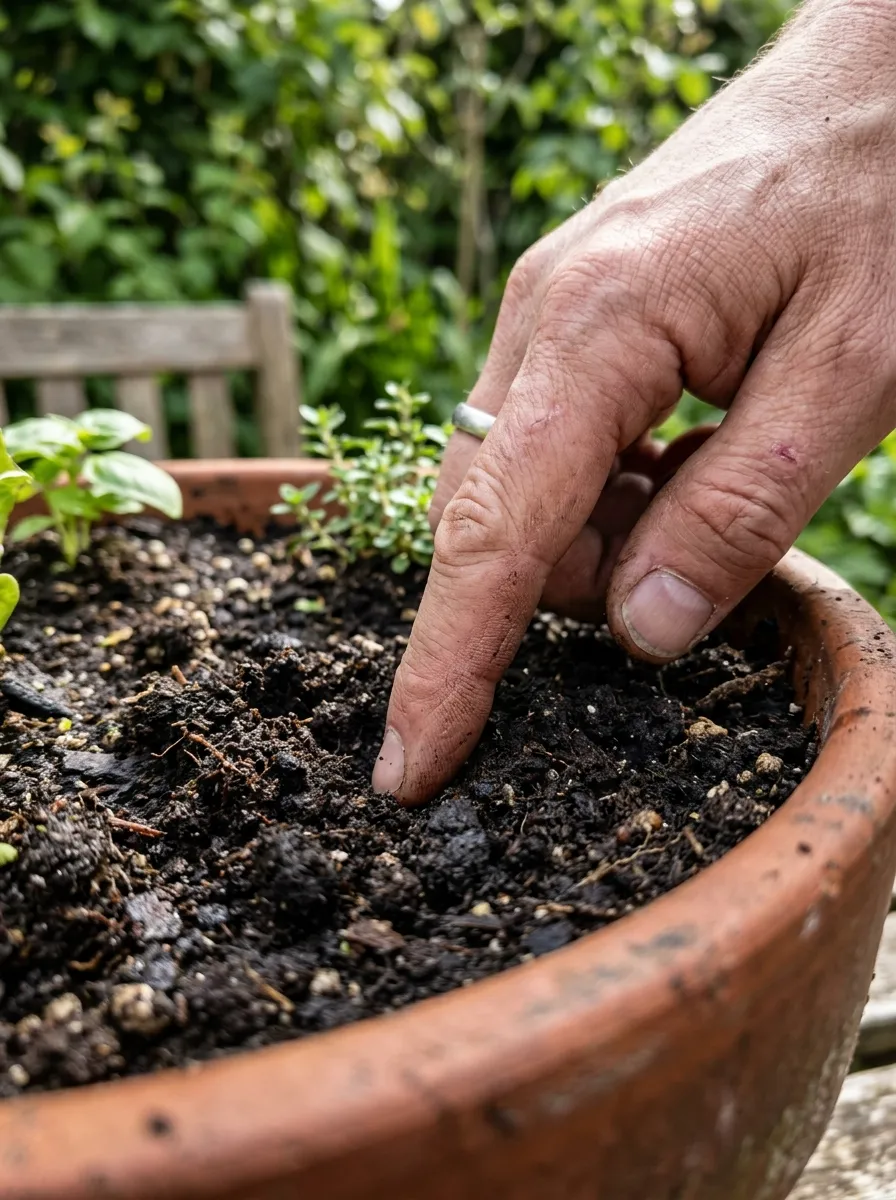
Overwatering kills more beginner plants than almost anything else, and most new gardeners water far too often out of nervousness. A simple finger test solves this. Stick your finger about an inch into the soil. If it feels dry, water. If it still feels damp, wait another day.
This beats watering on a fixed schedule, since weather, pot size, and plant type all change how fast soil dries out.
Over time, you’ll start recognizing the look of dry soil without even needing to check by hand.
Budget tip: this method costs nothing and replaces the need for a moisture meter gadget entirely.
This one small habit prevents the most common beginner mistake and builds an instinct for plant care that carries over to every future garden project you take on.
7. Pick a Spot With at Least Six Hours of Sun
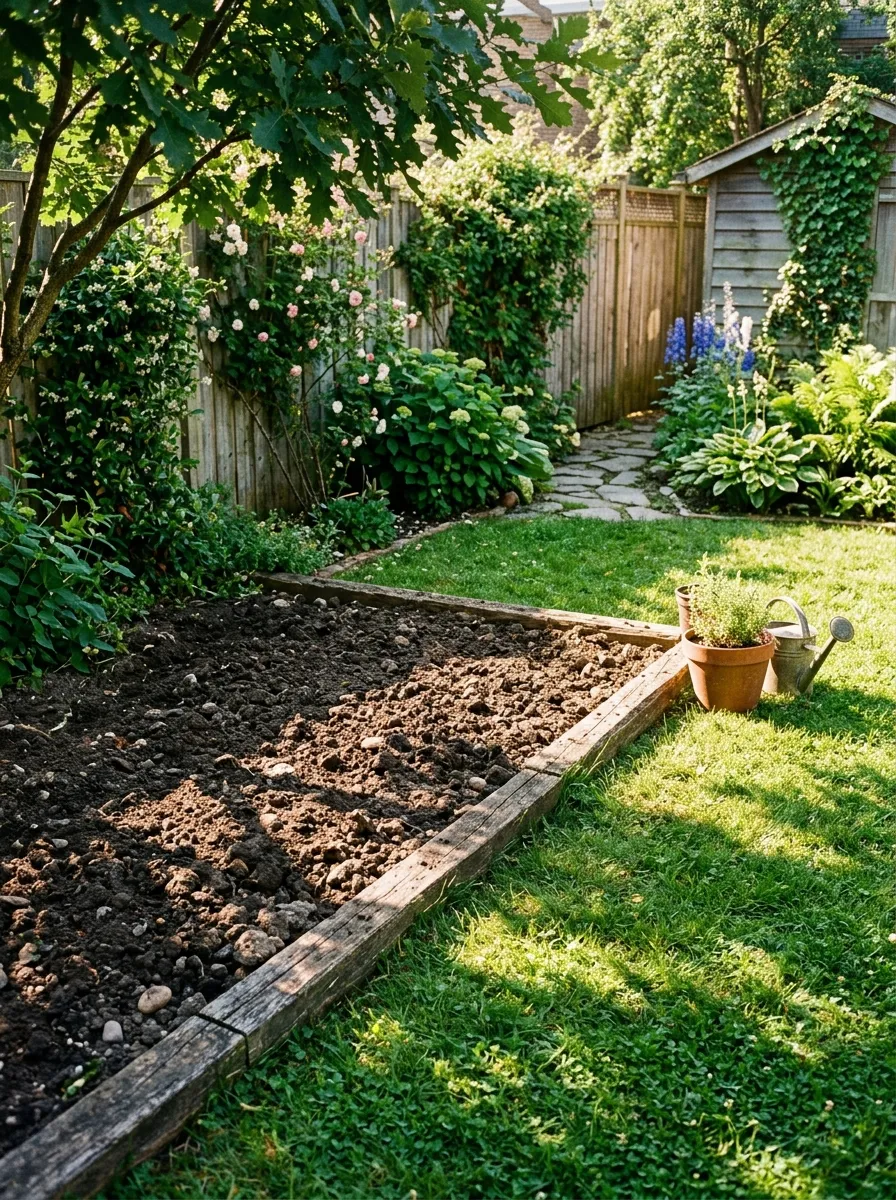
Most vegetables and flowering plants need around six hours of direct sun daily to grow well, and picking the wrong spot is one of the most common beginner mistakes. Before planting anything, spend a day watching how sunlight moves across your yard or balcony.
Note which areas stay bright through midday and which fall into shadow from trees, fences, or buildings. A spot that looks sunny in the morning might sit in full shade by afternoon.
If your space is mostly shaded, choose plants suited for lower light instead of fighting the conditions you actually have.
Budget tip: this step costs nothing but a little attention and saves you from wasting money on plants that were never going to thrive in that location.
Getting sun exposure right from the start prevents weeks of frustration trying to figure out why a plant looks weak or leggy.
8. Grow Radishes for Fast, Early Success
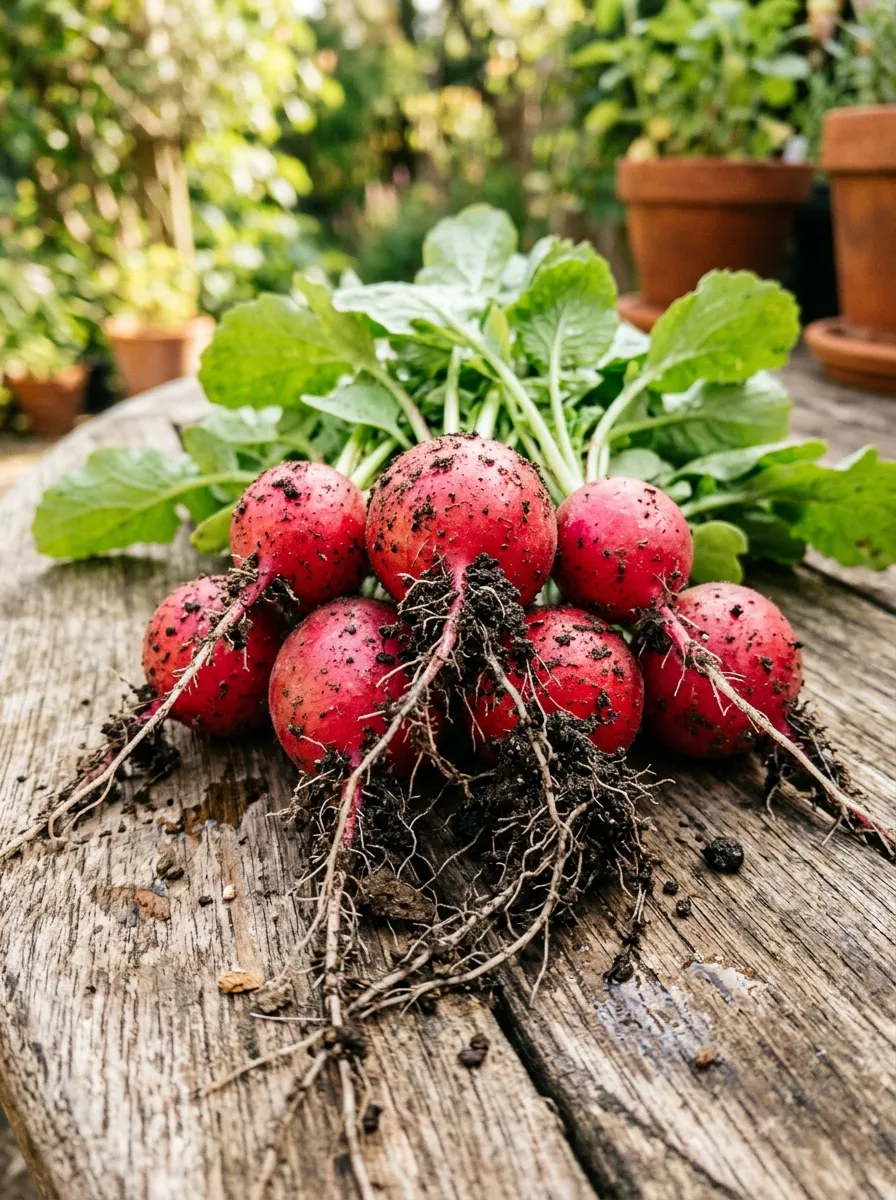
Radishes go from seed to harvest in about three to four weeks, making them one of the fastest rewards in gardening. That quick turnaround matters a lot for a beginner who needs to see results to stay motivated.
Plant seeds directly into loose soil, about half an inch deep, and thin seedlings out as they grow so roots have room to swell.
Because they grow so fast, radishes also work well for testing a new bed’s soil quality before committing to slower-growing crops.
Budget tip: a single seed packet contains dozens of seeds, giving you multiple harvests for the price of one packet across a season.
This project gives you a real, edible result within a month, which builds momentum and confidence heading into slower, longer-season plants later on.
9. Use Mulch to Cut Down on Weeding
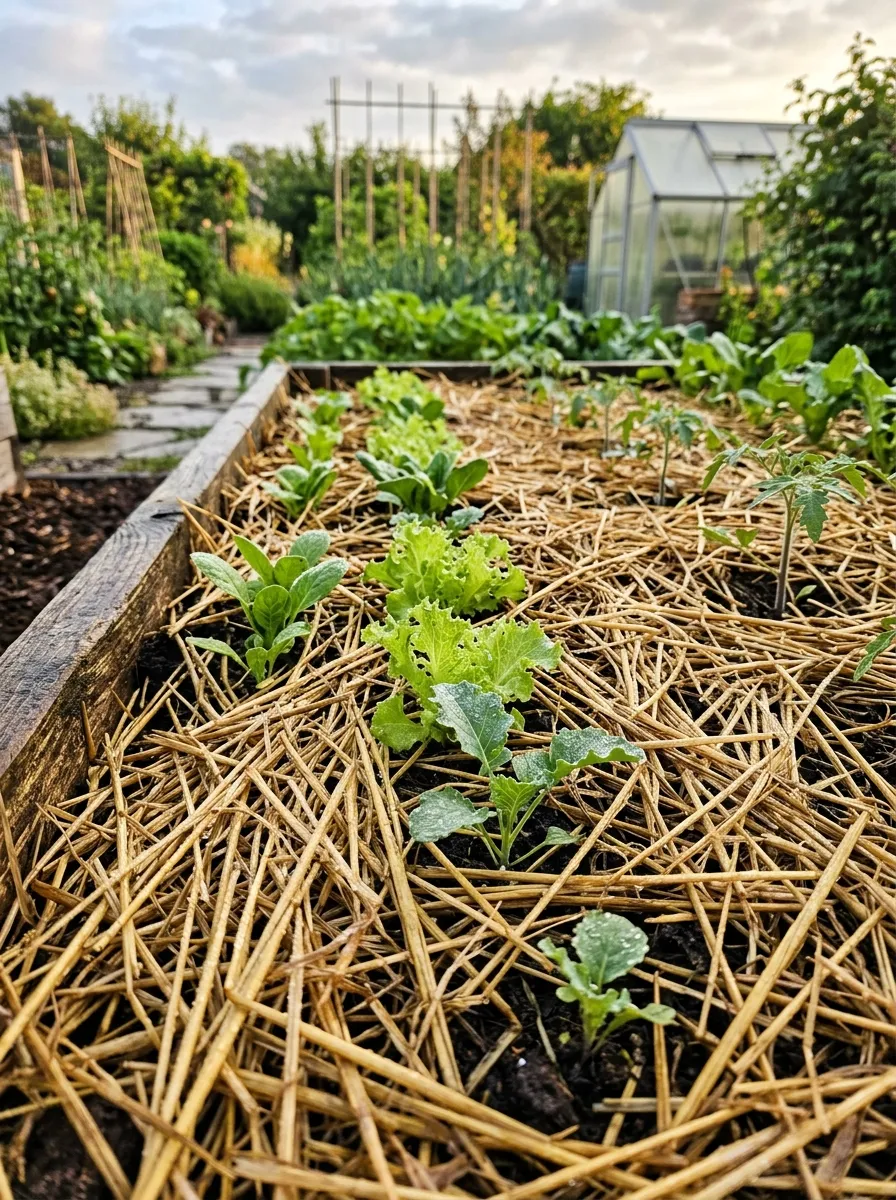
Weeding takes up more beginner gardening time than almost any other task, and mulch cuts that time down significantly. Spread a two to three inch layer of straw, wood chips, or shredded leaves around your plants, leaving a small gap right at each stem.
Mulch blocks sunlight from reaching weed seeds, which stops most of them from sprouting in the first place. It also holds moisture in the soil, so you’ll water less often too.
Refresh the layer every few months as it breaks down naturally into the soil.
Budget tip: shredded fall leaves or grass clippings from your own yard work as well as bagged mulch from a garden center.
This one habit saves hours of pulling weeds by hand and keeps your beds looking tidy with very little ongoing effort.
10. Label Everything So You Don’t Forget What You Planted
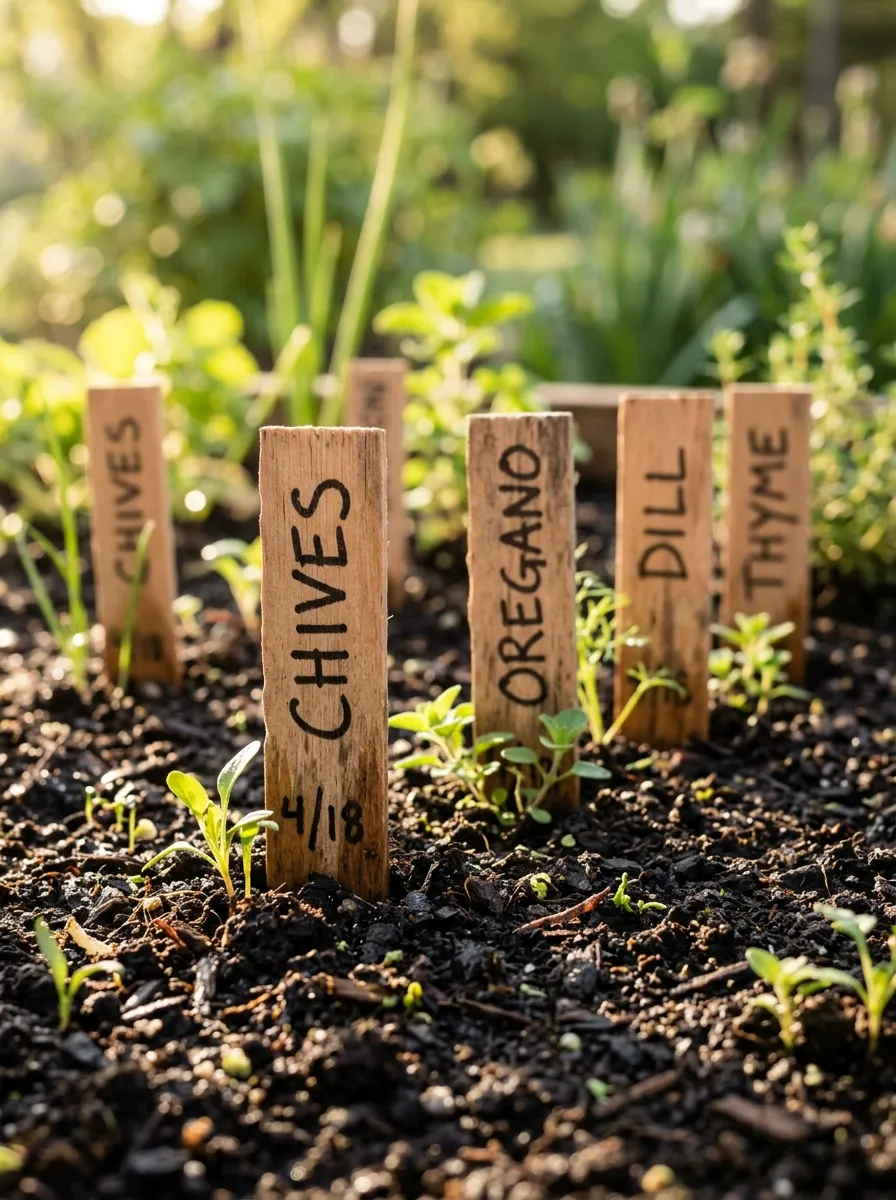
It’s easy to forget which seedling is which once several sprout close together, especially early on when most plants just look like small green stems. Labeling each row or pot saves you from guessing later.
Popsicle sticks, plastic knives, or painted rocks all work fine as markers. Write the plant name and the planting date, since that date helps you track how long something takes to sprout or mature.
This habit also helps you plan next season, since you’ll have a written record of what grew well and what didn’t.
Budget tip: reuse old plastic spoons or knives from your kitchen drawer instead of buying garden markers.
This small step removes a surprising amount of confusion in your first season and turns guesswork into a simple, trackable system.
11. Start Small With a Single Container Combo
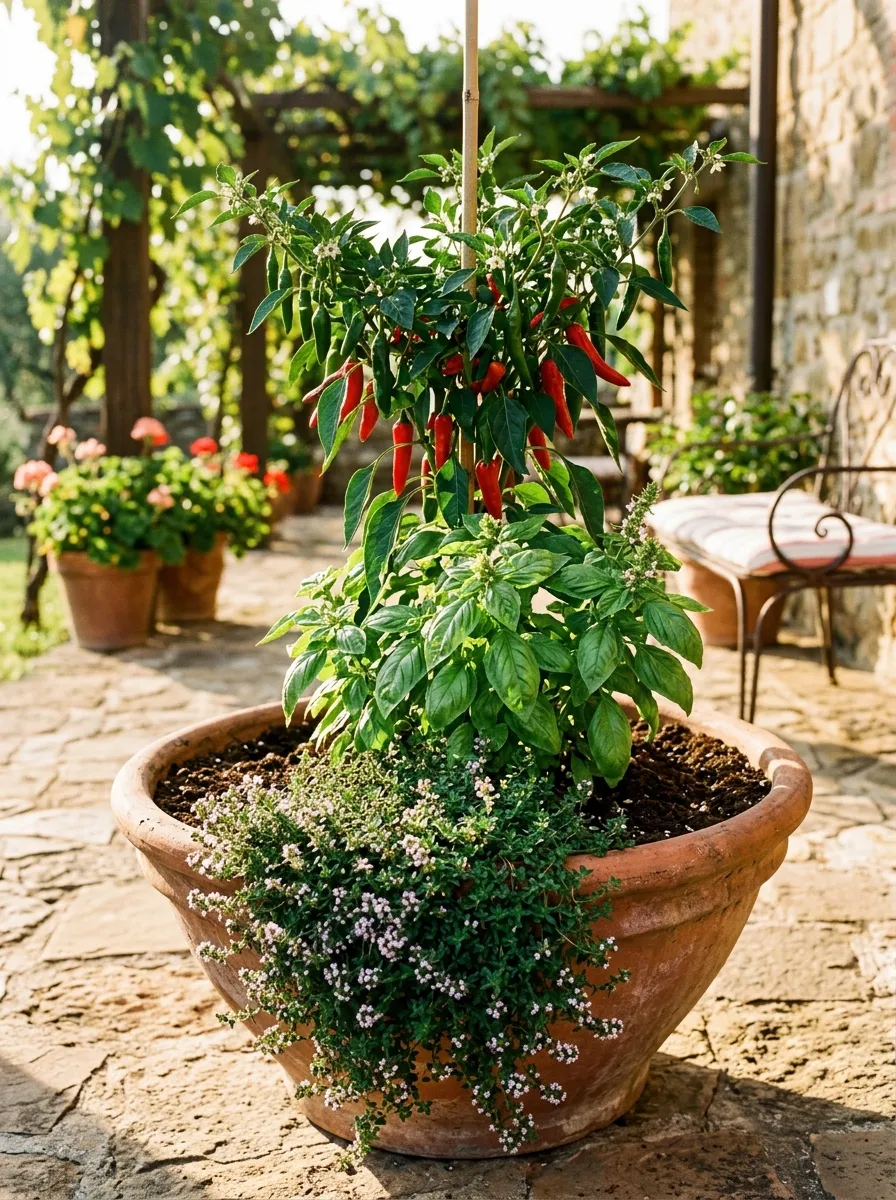
A single well-planned pot can teach you more than five scattered ones. Try a classic combination: one taller plant in the center, like a pepper, a bushier plant around it, like basil, and something trailing over the edge, like thyme.
This layout mimics how plants naturally grow together and gives you practice managing different water and light needs in one contained space.
Once you’ve mastered one combo pot, you’ll have a much easier time planning bigger beds with multiple plant types down the line.
Budget tip: buy young starter plants from a local nursery’s discount rack instead of full-grown, pricier plants.
This project keeps your first attempt focused and manageable, while still teaching real skills you’ll use in every garden you build after this one.
12. Grow Tomatoes in a Simple Cage
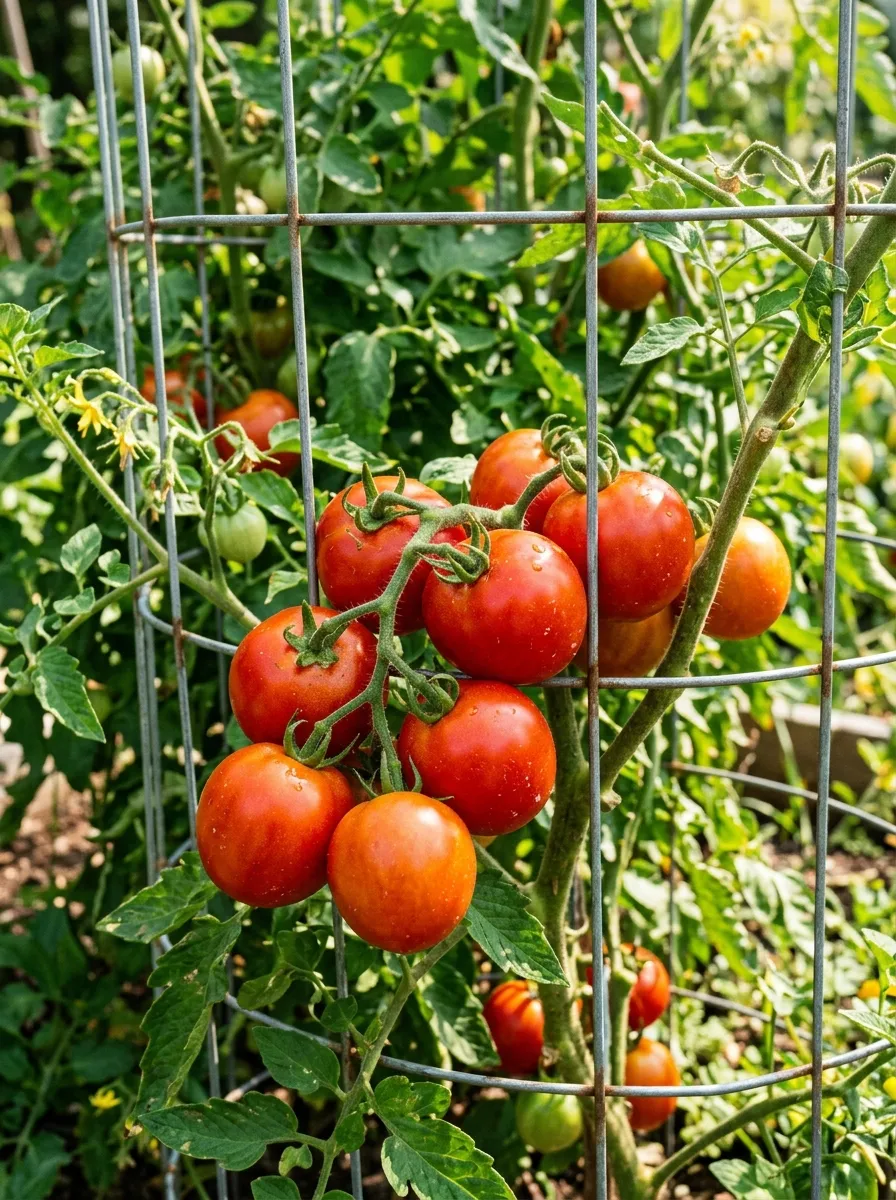
Tomatoes are a classic beginner crop, but they sprawl and flop without support. A simple wire cage placed around the plant when it’s young solves this before it becomes a tangled mess.
Push the cage into the soil at planting time so the roots aren’t disturbed later. As the plant grows, tuck branches back inside the cage rather than letting them spill outward onto the ground.
Water consistently, since irregular watering causes tomatoes to crack or split as they ripen.
Budget tip: bend a section of leftover fencing wire into a cylinder shape instead of buying a manufactured tomato cage.
This project rewards you with fruit you can actually eat, and the visible support structure makes it easy to see exactly how the plant is growing throughout the season.
13. Try Succulents If You Tend to Forget Watering
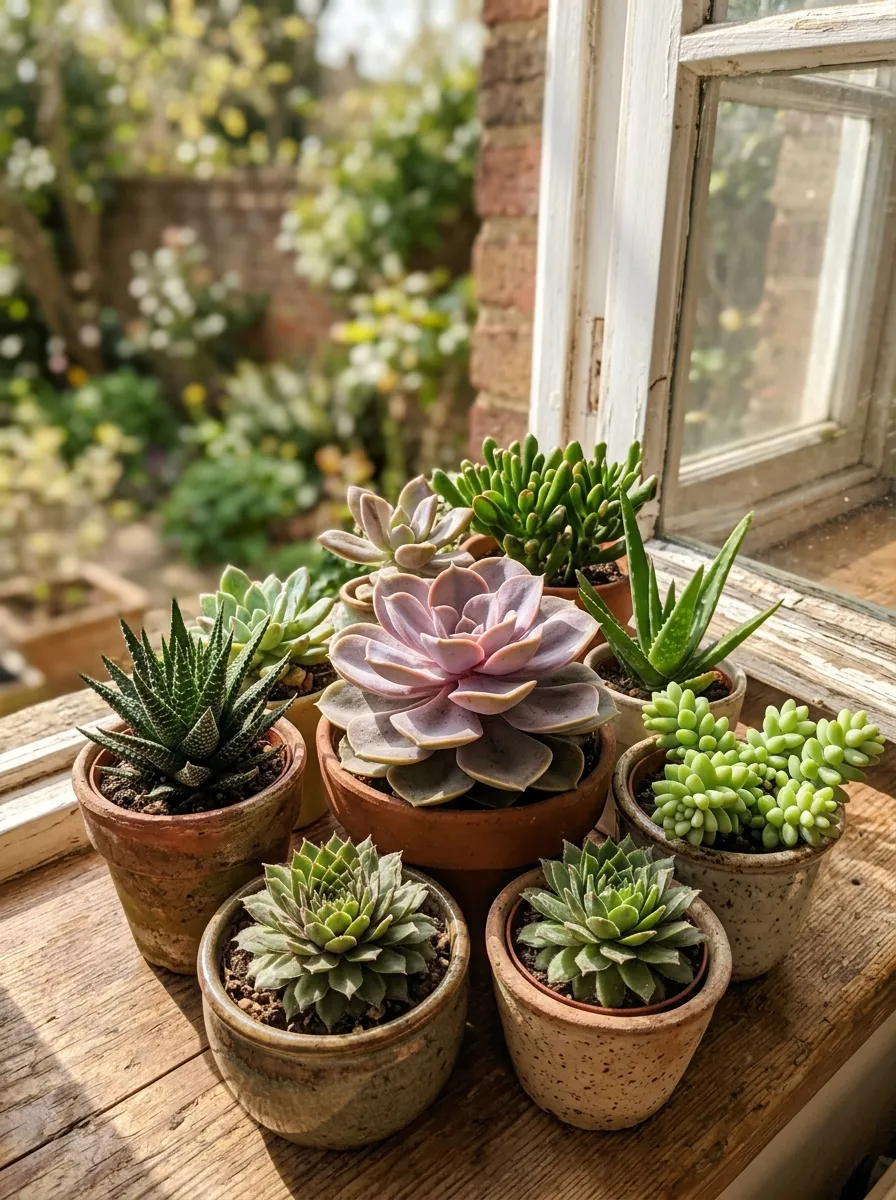
If your schedule makes daily plant care unrealistic, succulents solve that problem well. These plants store water in their thick leaves, so they tolerate being forgotten for a week or two without much issue.
Plant them in a container with drainage holes, since sitting in wet soil causes more harm than underwatering ever will. A sunny windowsill or bright patio spot suits most varieties fine.
Water only when the soil feels completely dry, which for most succulents means once every one to two weeks.
Budget tip: many succulents grow new plants from a single leaf cutting, so one plant from a friend can turn into a full collection over time.
This option removes the anxiety around watering schedules and gives you a low-stress way to build confidence with plant care.
14. Use a Basic Garden Journal
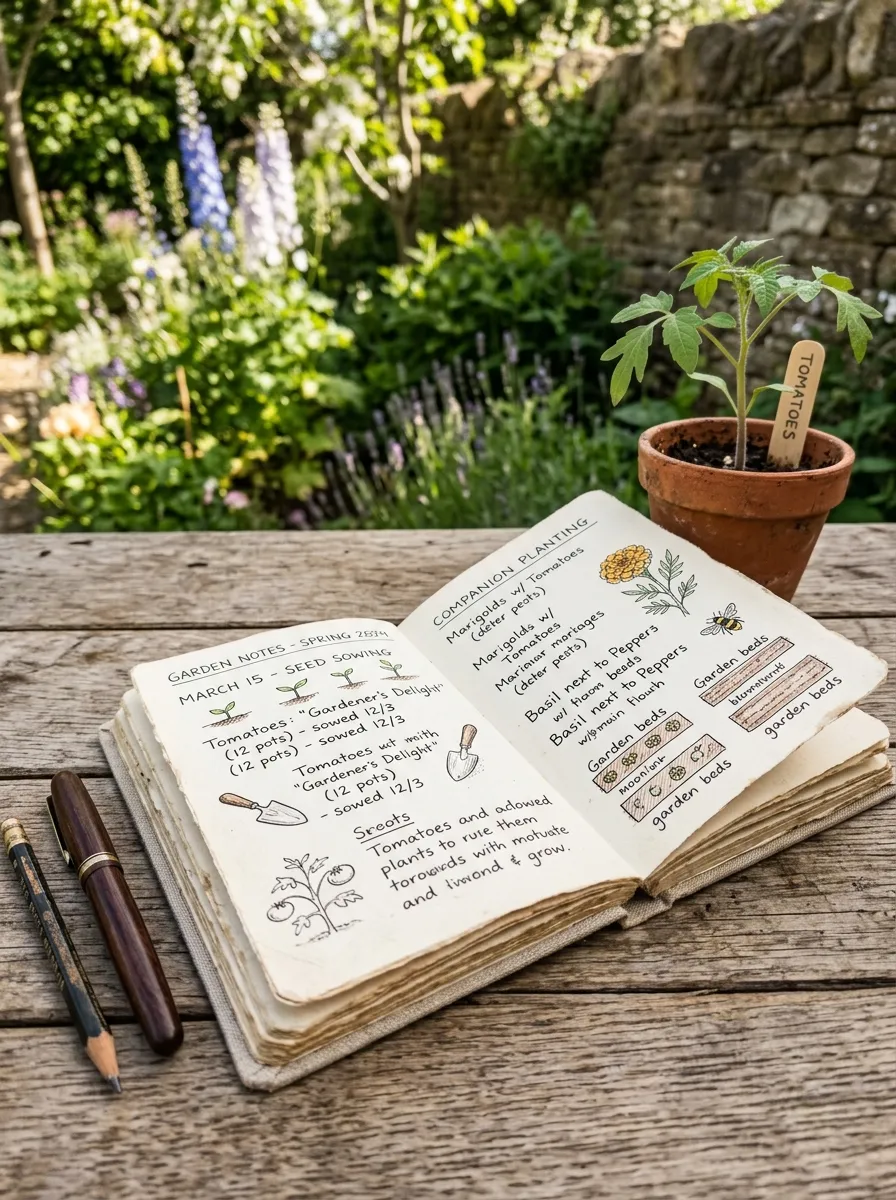
A simple notebook can save you from repeating the same beginner mistakes season after season. Jot down what you planted, when you planted it, and how it turned out. Note which spots got too much shade or which plants needed more water than expected.
This doesn’t need to be detailed or formal. A few lines after each garden session is enough to build a useful record over time.
By your second season, you’ll have real data about your specific space instead of guessing all over again.
Budget tip: any spare notebook works fine, so there’s no need for a specialty garden journal from a store.
This habit turns your garden into a learning tool rather than a one-time project, helping every future season go more smoothly than the last.
15. Grow Lettuce for Continuous Harvests
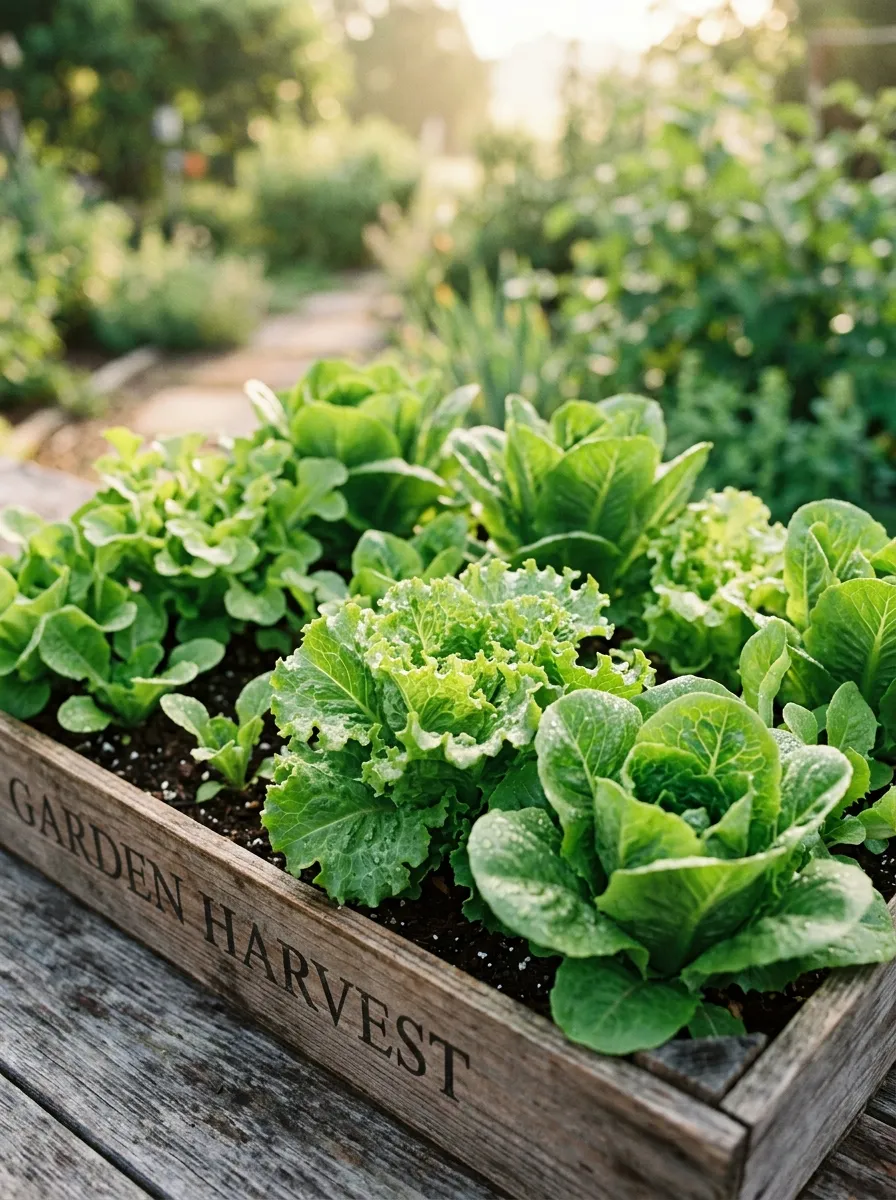
Lettuce rewards beginners with quick growth and a forgiving harvest method. Instead of pulling the whole plant, snip outer leaves as needed and let the center keep producing new growth for weeks.
Plant seeds directly in a shallow container or bed with loose, well-draining soil. Lettuce prefers cooler weather, so it often does best in spring or fall rather than the peak of summer heat.
This cut-and-come-again approach means one small planting can supply salads for over a month.
Budget tip: a seed packet costs a few dollars and produces far more lettuce over a season than buying bagged greens from a grocery store weekly.
This project teaches the basics of harvesting without killing the plant, a skill that carries over to herbs and many other leafy greens down the line.
16. Keep a Small Toolkit Instead of Buying Everything
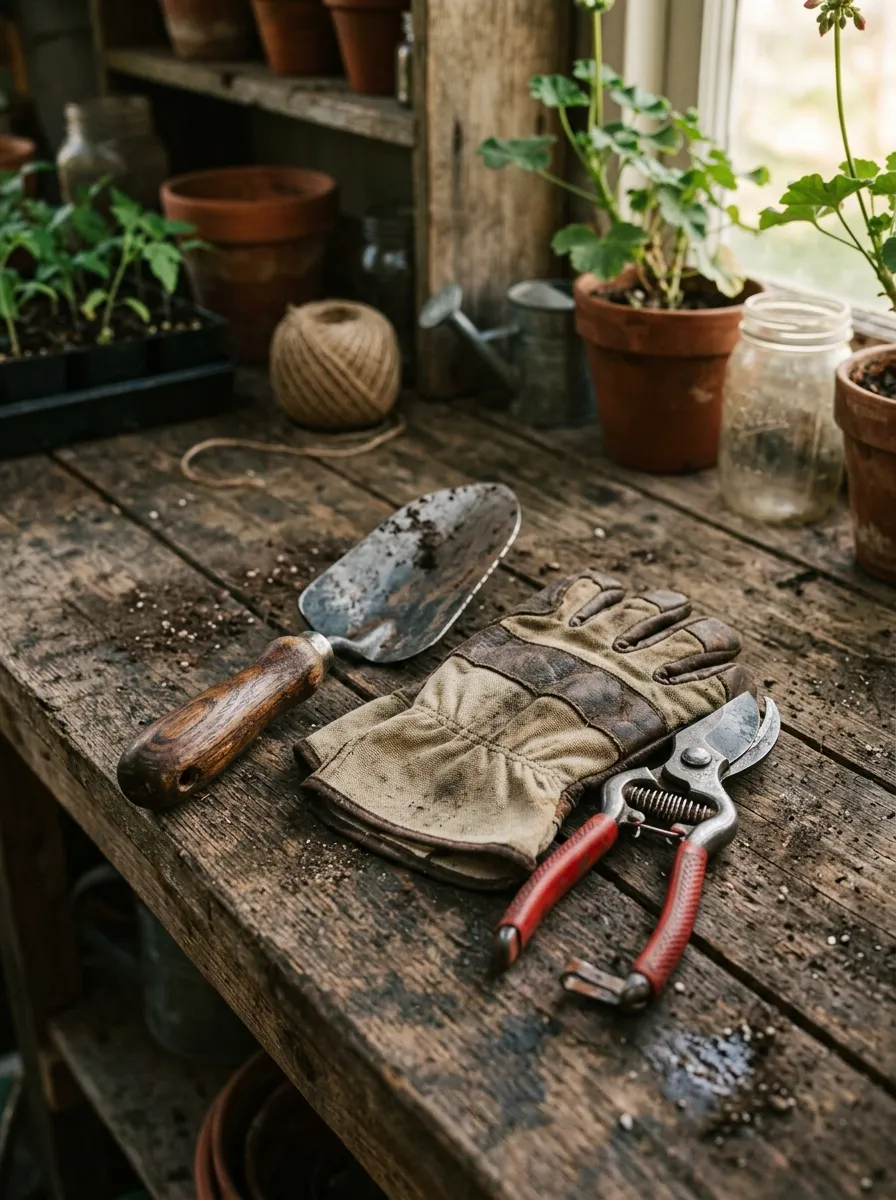
Garden stores sell dozens of specialty tools, but a beginner really only needs a handful of basics: a hand trowel, a pair of gloves, and a set of pruning shears. Anything beyond that can wait until you know what your specific garden actually requires.
Buying a small, quality set of core tools also saves money compared to purchasing an entire aisle of gadgets you’ll rarely touch.
Store your tools somewhere dry between uses so they don’t rust or degrade before you’ve even used them much.
Budget tip: secondhand tools from yard sales or thrift stores often work just as well as new ones, sometimes for a fraction of the price.
Keeping your toolkit simple removes decision fatigue and gets you into the garden faster instead of overwhelmed by unnecessary equipment.
17. Use Store-Bought Compost Instead of Making Your Own at First
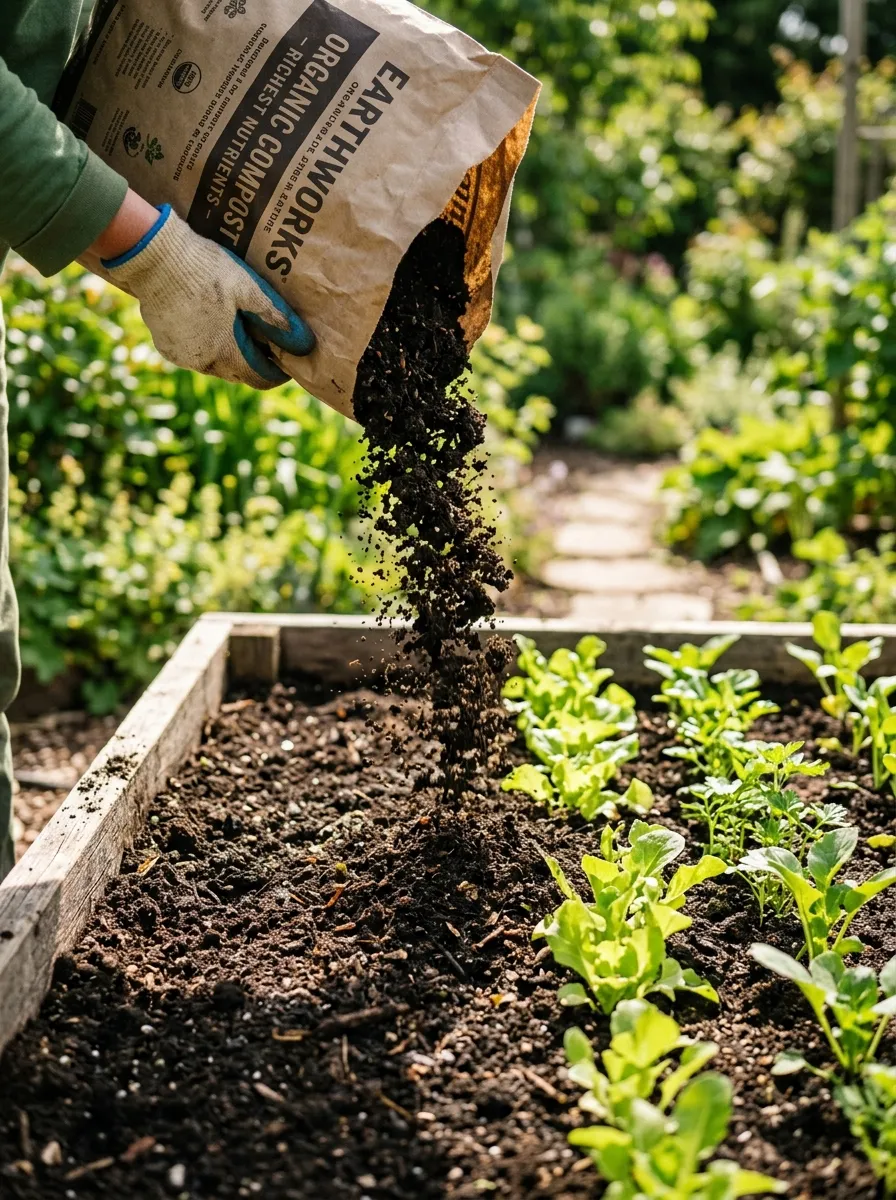
Composting is a valuable skill, but managing a compost pile while also learning to garden can feel like too much at once. In your first season, a bag of store-bought compost mixed into your soil gets you the same nutrient boost without the extra learning curve.
Work a few inches of compost into your bed or container before planting, which improves both drainage and nutrient content right away.
Once you feel steady with basic plant care, starting your own compost bin becomes a natural next step rather than another beginner hurdle.
Budget tip: many municipal waste programs sell compost cheaply or give it away at collection events, so check local listings before buying bagged compost.
This approach lets you focus on one new skill at a time, which keeps your first gardening season manageable instead of overwhelming. When you’re ready to start making your own, check out this guide to composting at home for simple tips on getting your compost pile started successfully.
18. Grow Sunflowers for an Easy Early Win
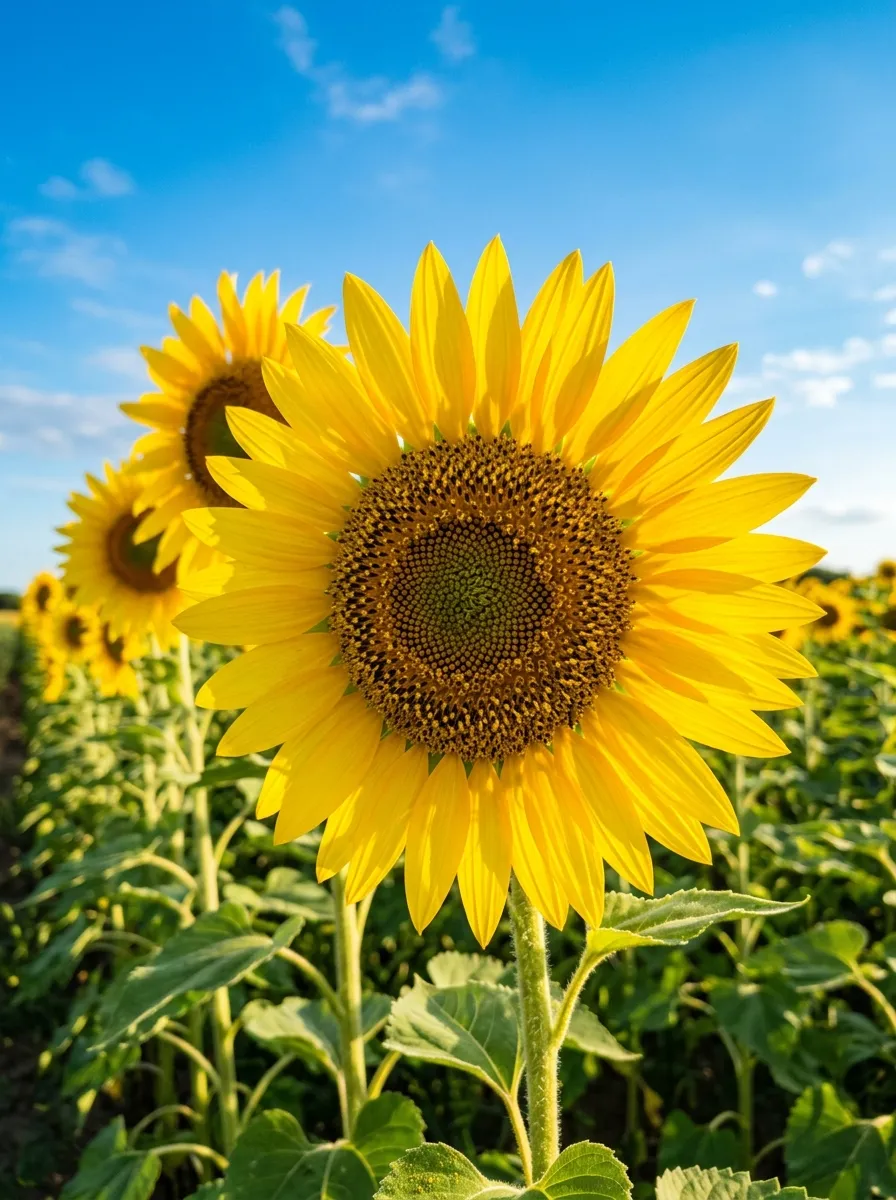
Sunflowers grow fast, tolerate average soil, and produce a dramatic result that feels rewarding even to a first-time gardener. Plant seeds directly into the ground after the last frost, about an inch deep, in a spot with full sun.
Water regularly while seedlings are young, then taper off once the plant establishes a deep root system. Tall varieties may need a stake for support once flower heads get heavy.
Watching a tiny seed turn into a plant taller than you within a couple of months is genuinely satisfying for anyone new to growing things.
Budget tip: a single seed packet often costs less than a cup of coffee and produces multiple towering plants.
This project builds confidence fast, since the size and speed of growth make progress obvious every single week.
19. Set a Weekly Garden Check-In Reminder
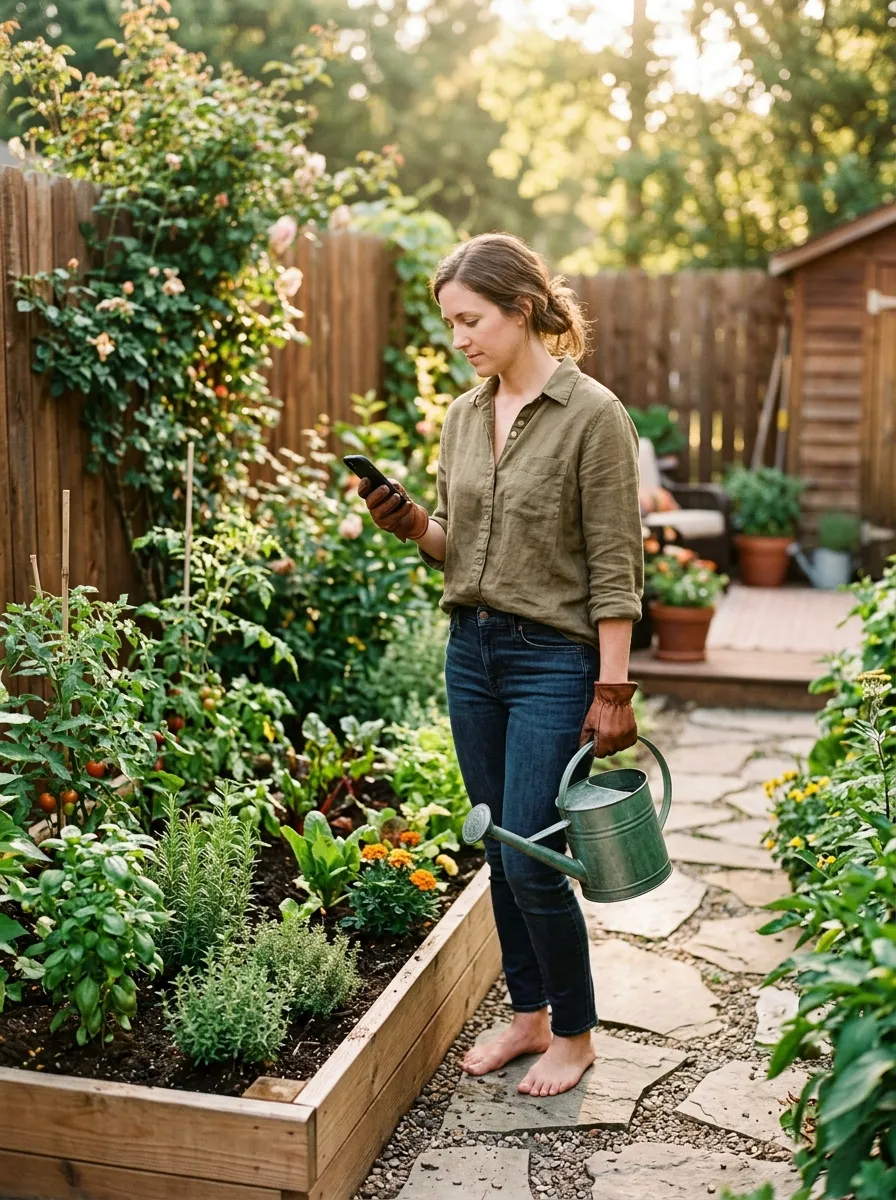
A weekly reminder keeps your garden from slipping to the bottom of your priority list, which happens easily during a busy stretch. Set a recurring phone alert for a specific day and time to walk through your plants.
Use that check-in to water if needed, pull any obvious weeds, and look for early signs of pests or disease. Catching small issues early is far easier than fixing a problem that’s had two weeks to spread.
This routine also builds familiarity with your plants, so you’ll notice changes faster over time.
Budget tip: any free phone calendar app handles this reminder without needing a specialty gardening app or subscription.
This small habit keeps your garden from being forgotten during a hectic week and prevents most small problems from turning into bigger ones.
20. Group Plants With Similar Water Needs Together
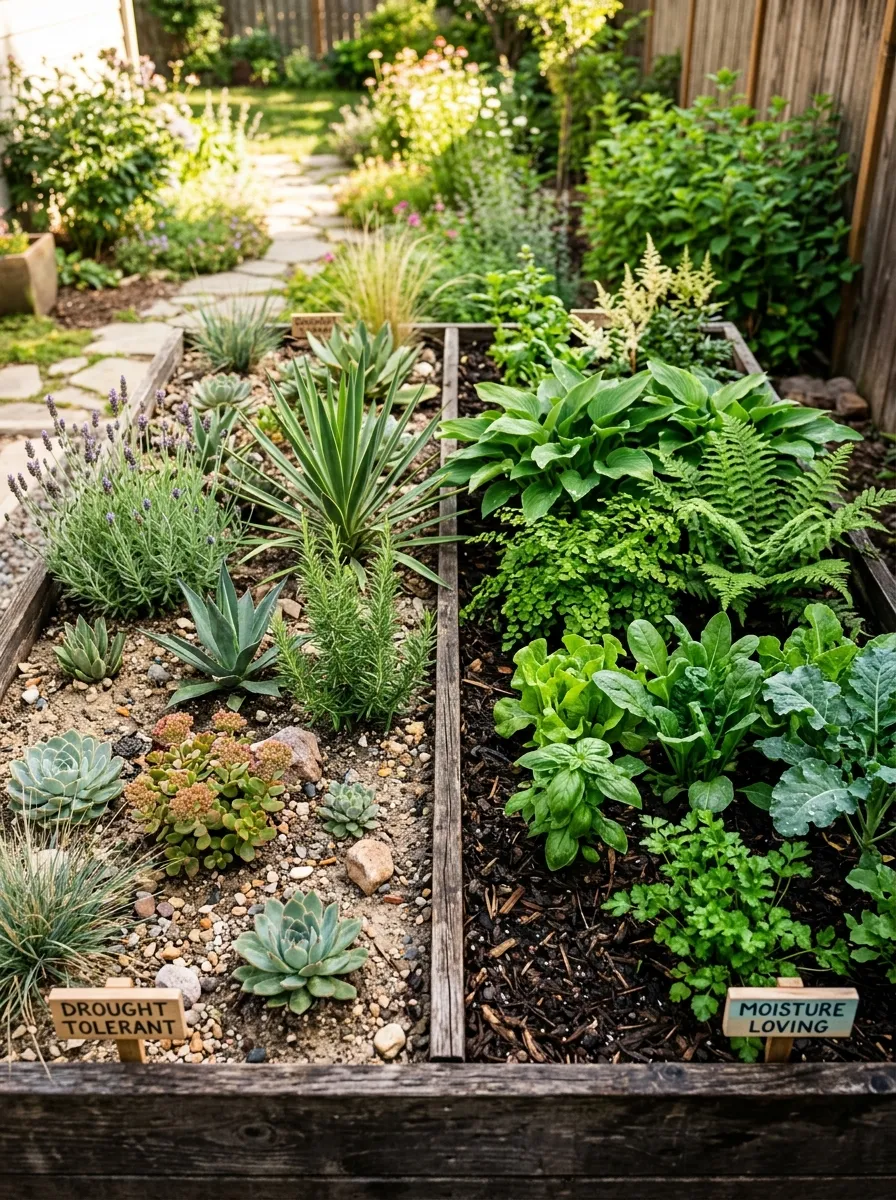
Watering gets confusing fast when thirsty plants sit right next to drought-tolerant ones in the same bed or pot. Grouping plants by similar water needs solves this and simplifies your entire watering routine.
Keep succulents and herbs like rosemary together in one area, since they prefer drier soil. Place lettuce, cucumbers, and other water-loving plants in a separate section that gets watered more frequently.
This system means you can water an entire section at once instead of adjusting for each individual plant.
Budget tip: this costs nothing beyond a little planning before you plant, and it saves both water and time throughout the season.
This simple organizational habit prevents the common beginner problem of overwatering some plants while underwatering others in the very same bed. If you love a relaxed, colorful garden style, explore these cottage garden ideas for more inspiration on combining plants thoughtfully while creating a charming and practical outdoor space.
21. Start With a Few Pollinator-Friendly Flowers
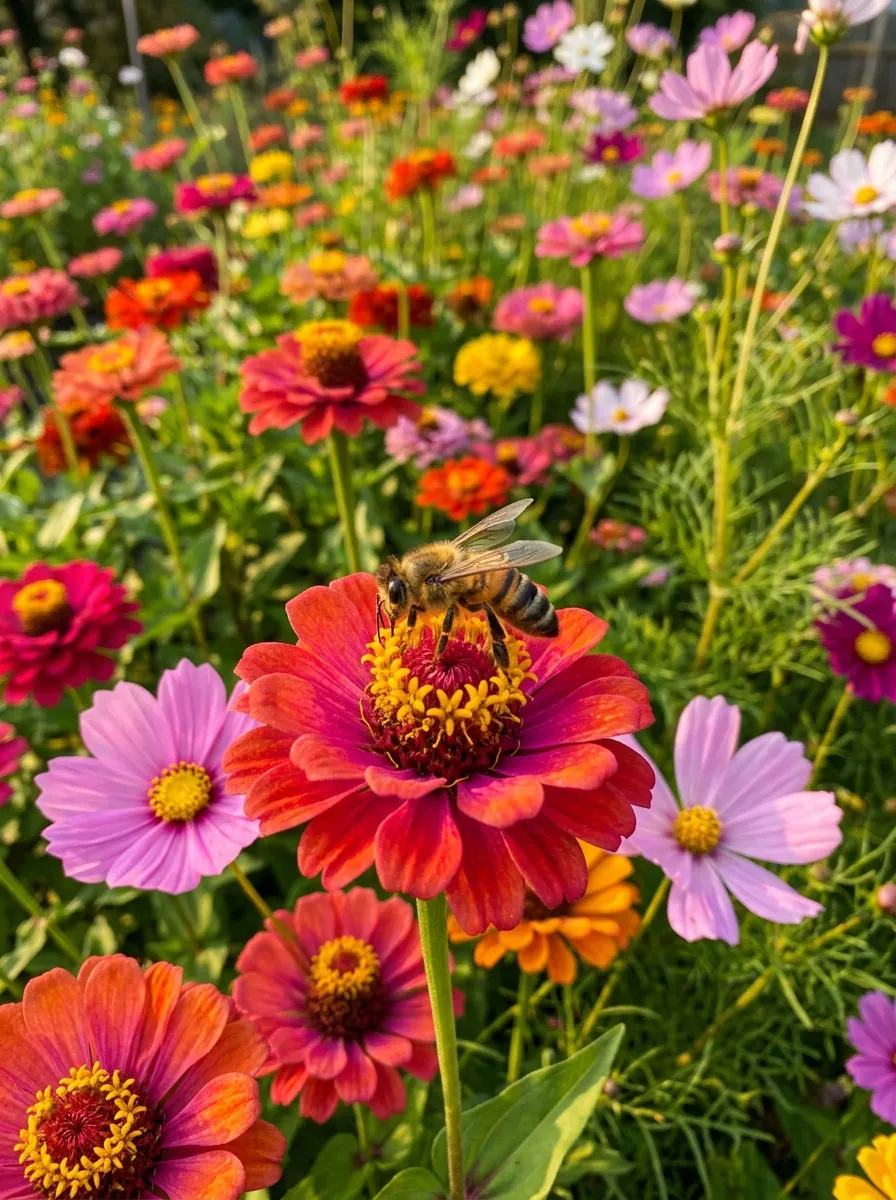
Adding a few pollinator-friendly flowers to your beginner garden brings in bees and butterflies, which actually helps any vegetables you’re growing nearby produce better. Zinnias and cosmos are both easy to grow from seed and bloom reliably all summer.
Plant them along the edges of a vegetable bed or in their own small patch, wherever you have a sunny spot available.
These flowers also give you a low-stakes way to practice deadheading, or removing spent blooms, which encourages more flowers to form.
Budget tip: zinnia and cosmos seeds are among the cheapest flower seeds available and produce blooms within about two months of planting.
This project adds color to your yard while giving your other plants a practical assist, all from one of the easiest flowers a beginner can grow.
22. Accept That Some Plants Will Fail, and Keep Going
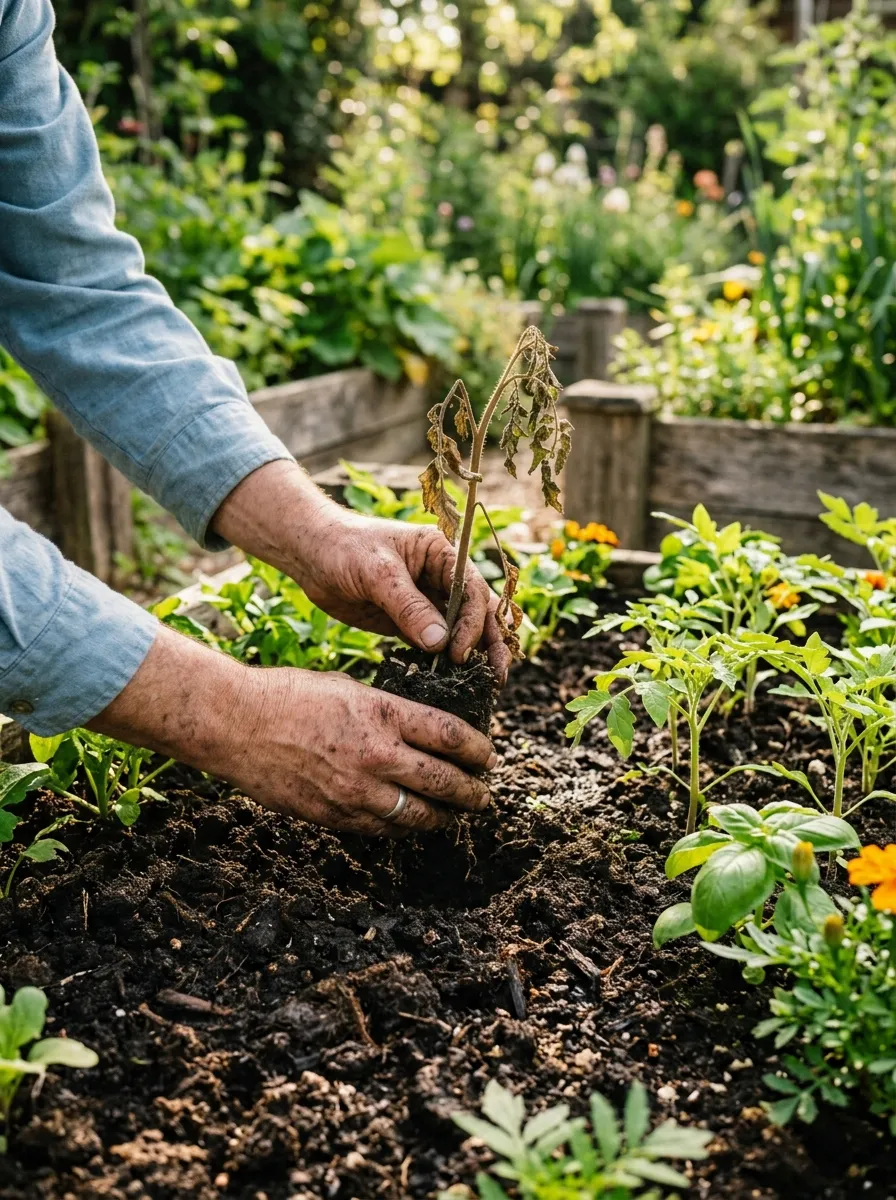
Every gardener, no matter how experienced, loses plants sometimes. A wilted seedling or a tomato that never quite fruited isn’t a sign you’re doing it wrong. It’s simply part of learning what works in your specific space.
When a plant fails, pull it out, note what might have gone wrong in your journal, and try again with a different plant or a different spot. Soil, sunlight, and watering all take real trial and error to get right for your yard.
Treat each season as practice rather than a final test you either pass or fail.
Budget tip: starting from seed instead of nursery plants makes any individual loss cost very little, so failed attempts stay low-stakes.
This mindset keeps you gardening long-term, since the gardeners who stick with it are the ones who treat setbacks as information instead of reasons to quit.
Conclusion
Gardening for the first time doesn’t require perfect knowledge or a big yard. It just takes a willingness to start small, pay attention, and adjust as you go. Pick two or three ideas from this list that fit your space and your schedule, whether that’s a windowsill herb pot or a simple raised bed kit. Every experienced gardener started exactly where you are now, and the only real requirement is getting your hands in the soil and giving it a try.