
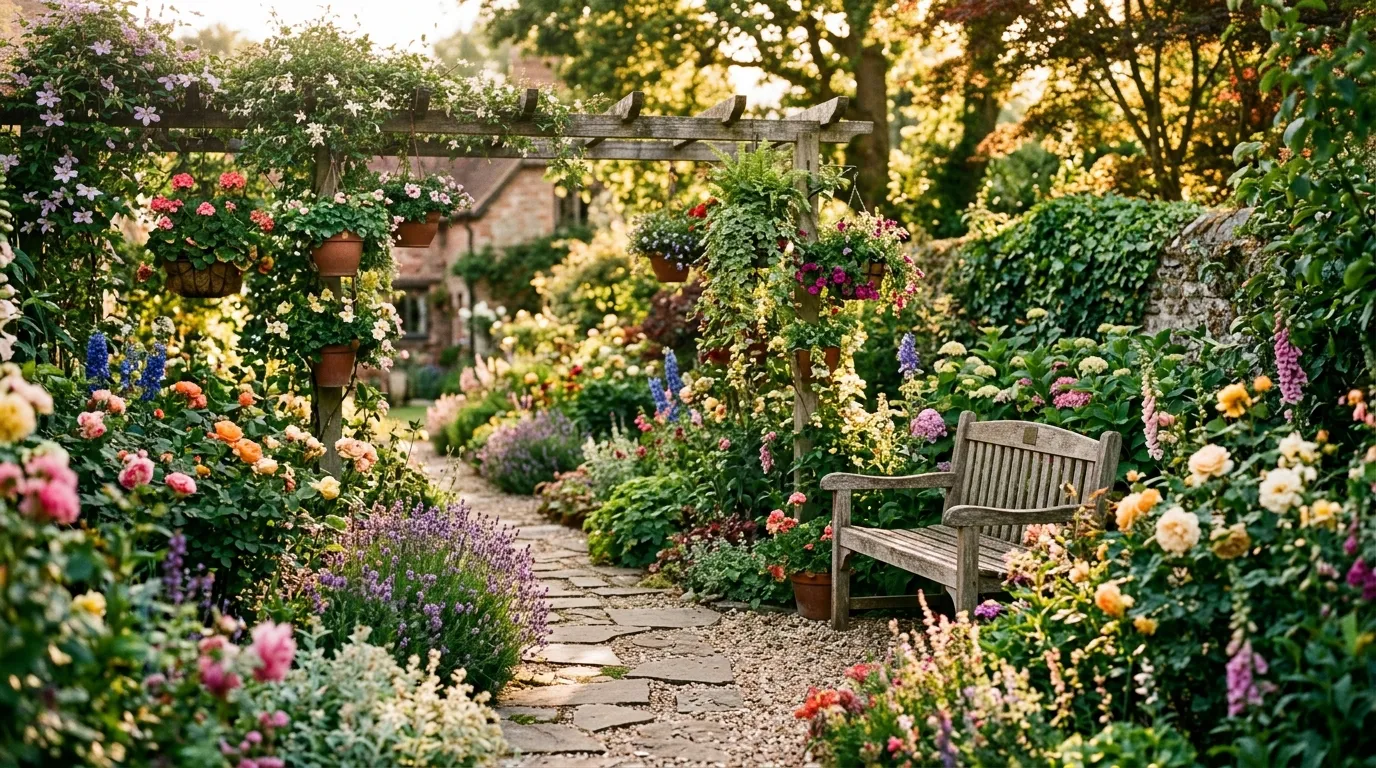
Turning a plain yard into a garden that feels like an escape doesn’t require a big budget or years of planning. With a few smart choices, simple tools, and some weekend effort, you can transform any outdoor space—big or small—into a place you actually want to spend time in. This list covers practical, budget-friendly ideas anyone can try, whether you have a sprawling backyard or a tiny balcony. From cozy seating nooks to creative planting tricks, each idea is designed to help you take real action without overwhelming your schedule or your wallet. Let’s get your garden looking better than ever.
1. Build a Simple Gravel Pathway
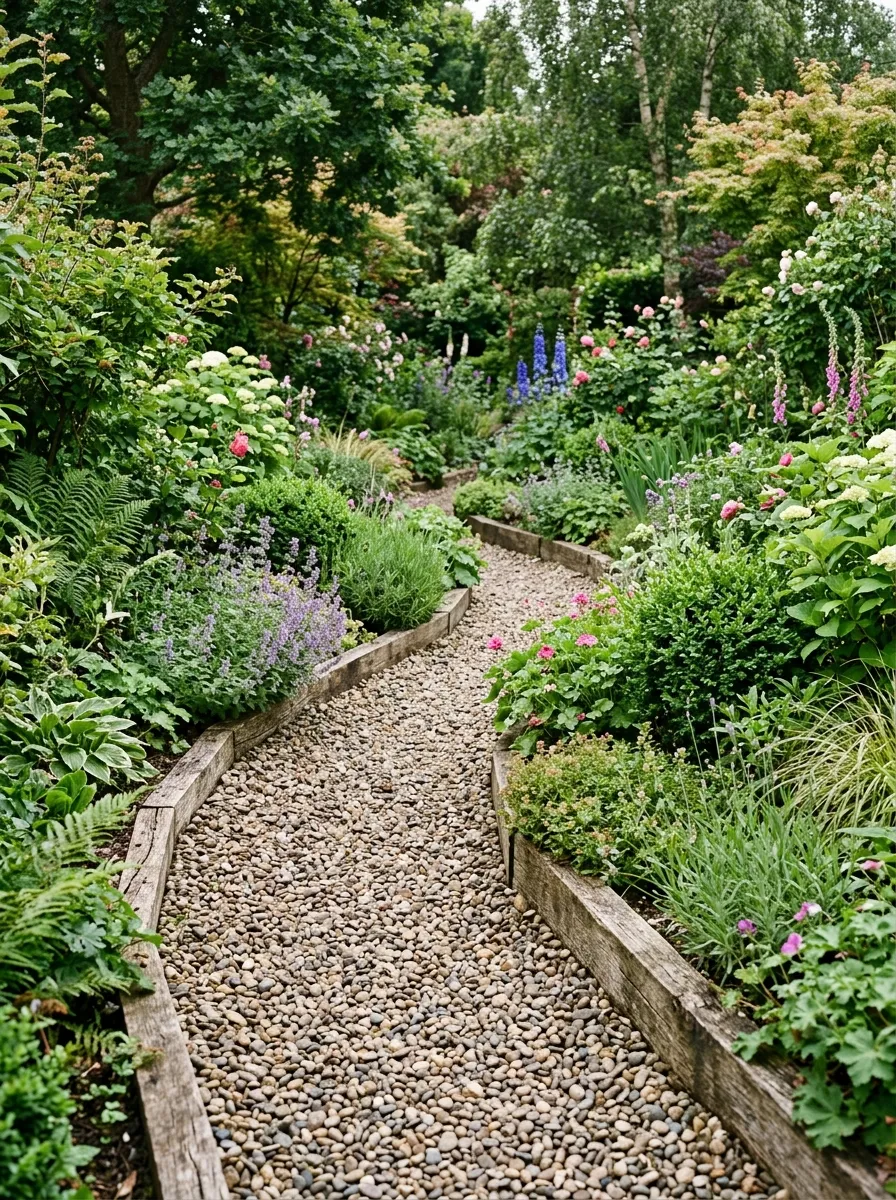
A gravel path is one of the easiest garden upgrades you can do yourself. Grab a roll of landscape fabric, some wooden edging, and a few bags of pea gravel from a hardware store. Lay the fabric first to block weeds. Then set your edging along the path’s border. Pour the gravel and rake it flat. This whole project can take a single afternoon.
Gravel paths work well because they drain water fast and rarely need maintenance. No mowing, no trimming, just occasional raking. They also give your garden clear structure, guiding visitors through different zones.
Budget tip: buy gravel in bulk from a landscaping supplier instead of small bags—it’s often half the price. If you want a softer look, mix in some flat stepping stones every few feet. This adds visual interest without extra cost. A gravel path pairs nicely with almost any planting style, from wildflowers to succulents, making it a flexible base for future garden changes.
2. Add a Vertical Herb Wall
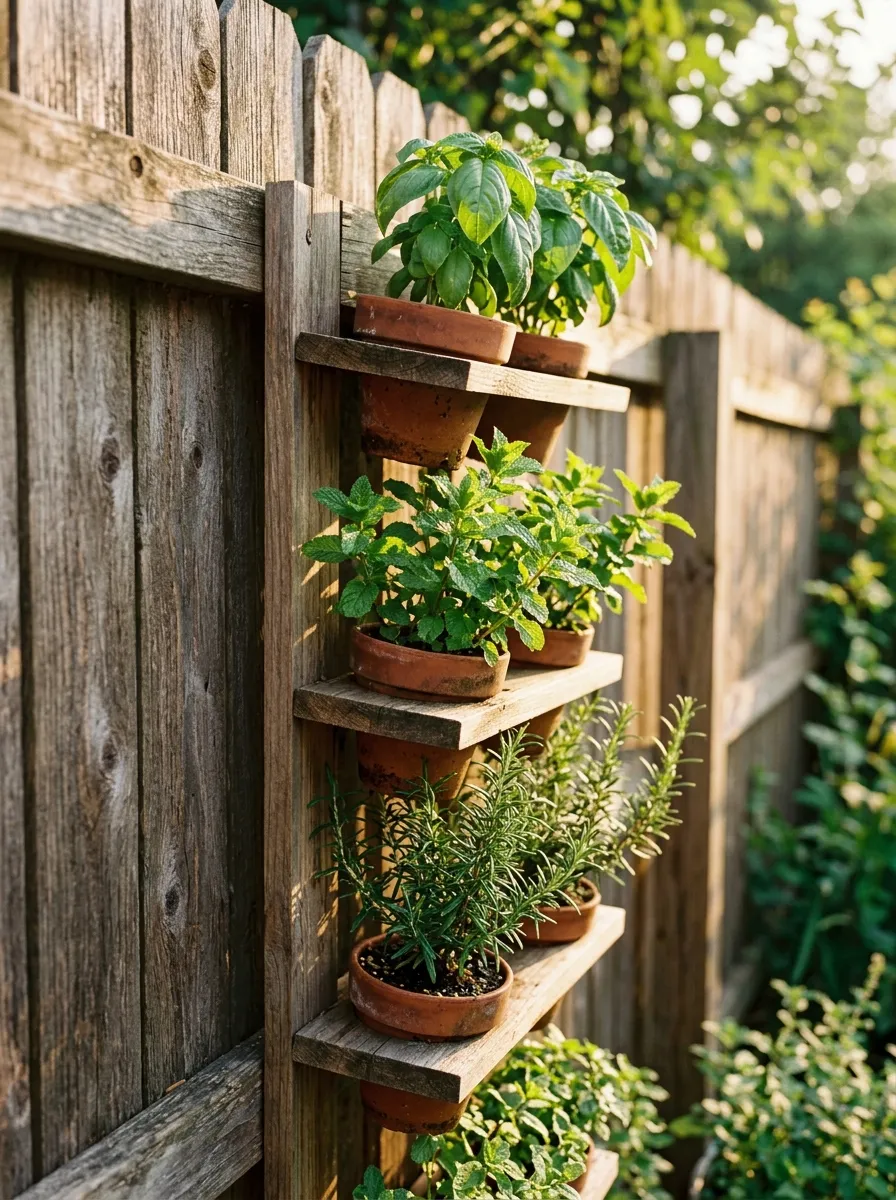
If floor space is tight, grow up instead of out. A vertical herb wall uses pallets, hanging pockets, or stacked planters attached to a fence or wall. Basil, thyme, mint, and rosemary all do well in small containers and don’t need deep soil.
Start with an old wooden pallet. Sand it down, attach small pots or fabric pockets to the slats, and lean it against a sunny wall. Fill each pocket with potting soil and your favorite herbs. Water regularly since vertical setups dry out faster than ground beds.
DIY tip: repurpose tin cans or plastic bottles as mini planters if you’re on a tight budget. Just poke drainage holes in the bottom. This setup keeps herbs within arm’s reach of your kitchen door, so fresh seasoning is always a few steps away. It also adds a layer of green texture to blank walls, making even a small patio feel alive and productive.
3. Create a Cozy Fire Pit Corner
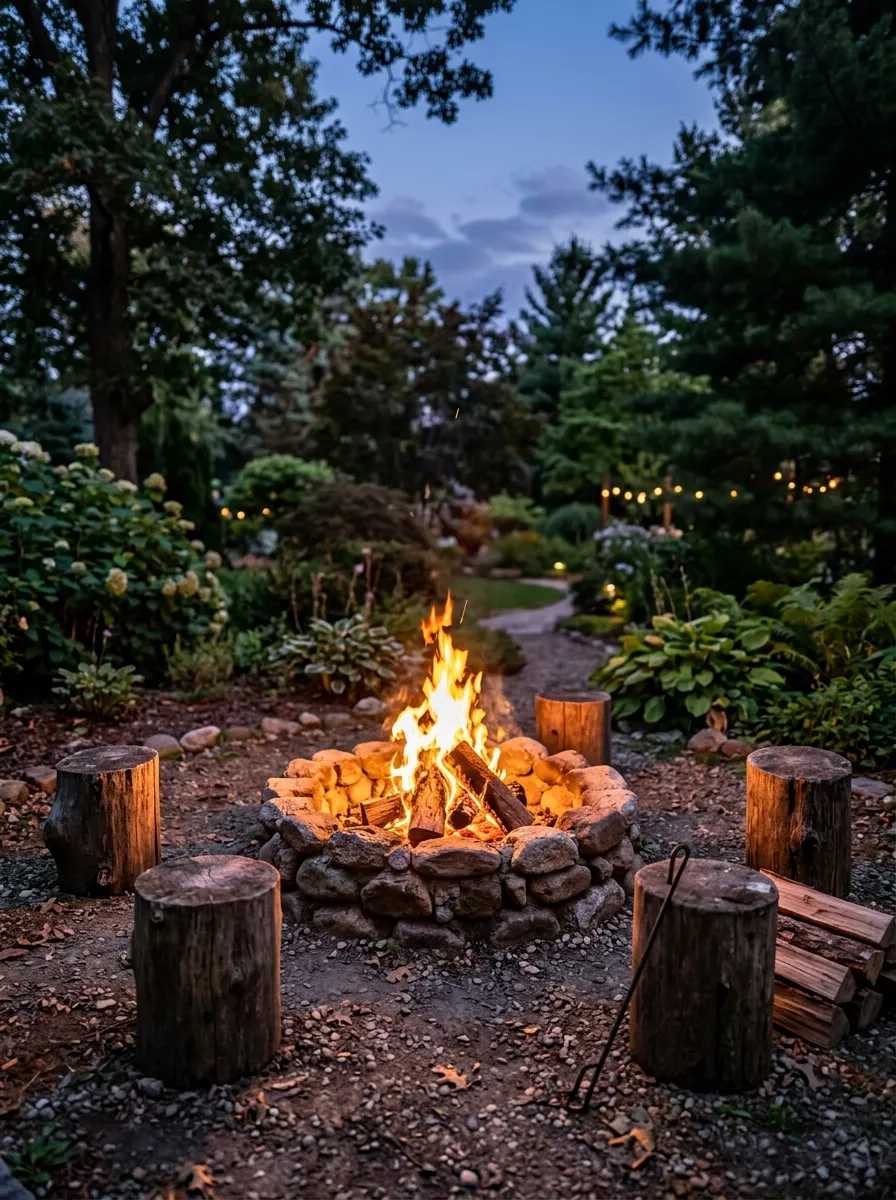
A fire pit corner turns your garden into a gathering spot, especially once the sun goes down. You don’t need a professional installer. A simple ring of stacked fire bricks or a metal fire bowl from a home store works fine.
Choose a flat, open area away from overhanging branches. Clear the grass, lay a base of sand or gravel, and set your fire ring in place. Add a few log stumps or inexpensive folding chairs around it for seating.
Budget tip: check local classifieds or salvage yards for free bricks or stones. Many people give away leftover materials from home renovations. Keep a small bucket of sand nearby for safety, and always check local burn regulations before lighting anything. This corner becomes the natural spot for evening conversations, marshmallow roasts, or just quiet time outside once the weather cools down.
4. Plant a Butterfly and Bee Garden
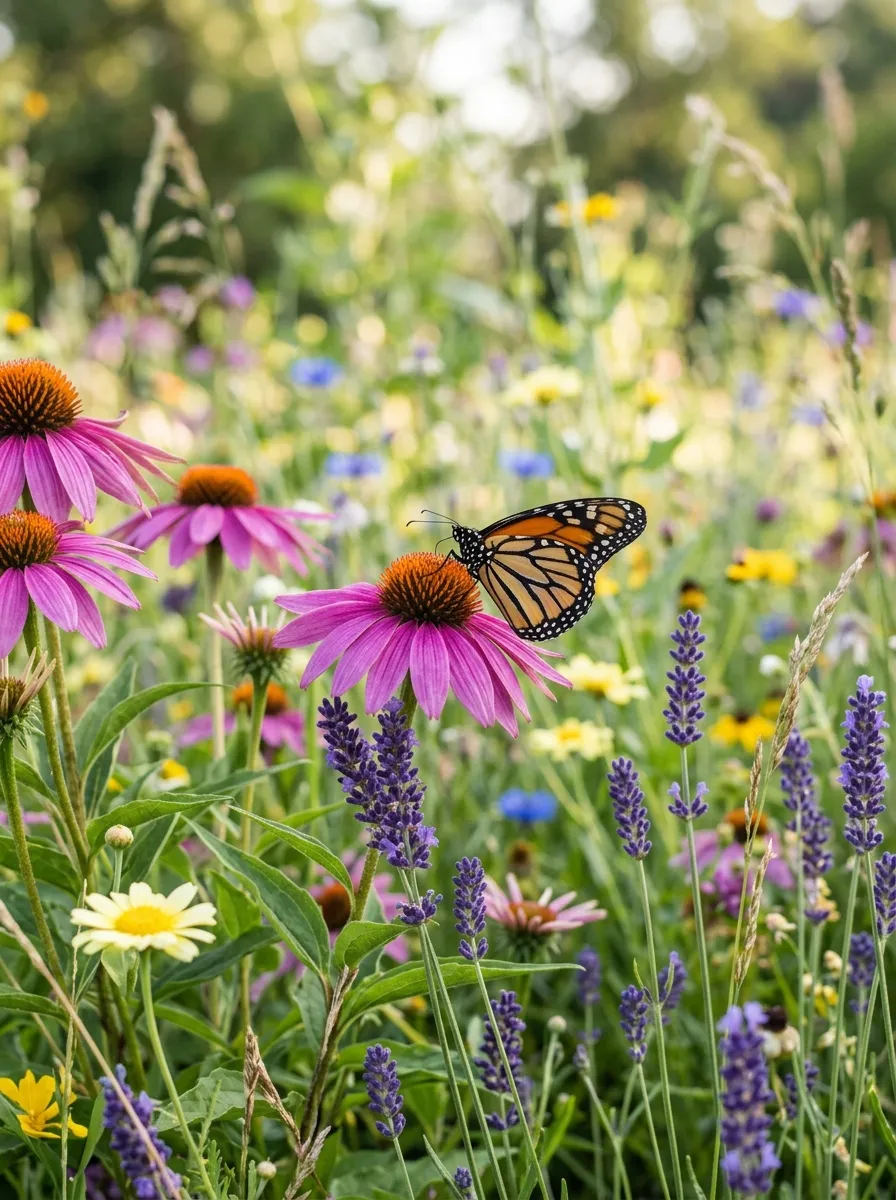
Pollinator gardens bring life and color to any yard. Plant flowers like lavender, coneflowers, milkweed, and zinnias in clusters rather than scattered rows. Bees and butterflies find clustered blooms easier to locate, and the visual effect is more striking too.
Pick a sunny spot with decent drainage. Loosen the soil, mix in some compost, and space your plants according to their tags. Water deeply the first two weeks, then let rainfall take over for most established natives.
Budget tip: buy seed packets instead of potted plants—they cost a fraction of the price and often produce more blooms per square foot. Many local garden clubs also give away seedlings during spring swaps. Avoid pesticides in this area since they harm the very insects you’re trying to attract. Within a season or two, you’ll notice more birds and butterflies visiting, making your garden feel genuinely alive.
5. Install a Rain Barrel Watering System
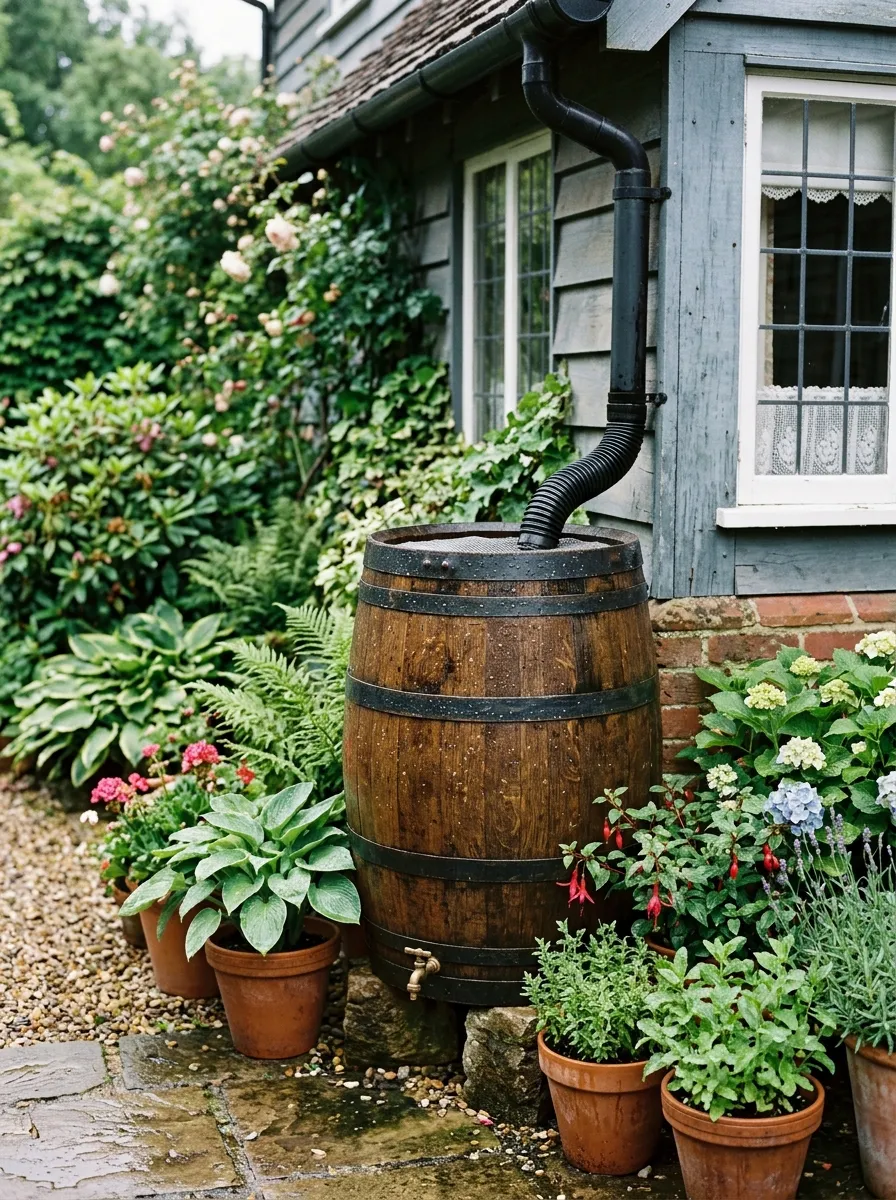
Rain barrels cut your water bill and keep plants hydrated during dry spells. Position a barrel under a gutter downspout, add a simple diverter kit, and you’re collecting free water within an hour.
Most hardware stores sell ready-made rain barrels with spigots already installed. If you want to save money, repurpose a food-grade plastic drum and drill a hole for a spigot yourself. Place a mesh screen over the top opening to keep out debris and mosquitoes.
Budget tip: check with your city—some municipalities offer rain barrels free or at a discount as part of water conservation programs. Use the collected water for container plants, garden beds, or even washing tools. Beyond saving money, this system reduces runoff that would otherwise flow into storm drains. It’s a small change that pays off every time it rains, keeping your garden green without extra cost.
6. Design a Raised Bed Vegetable Patch
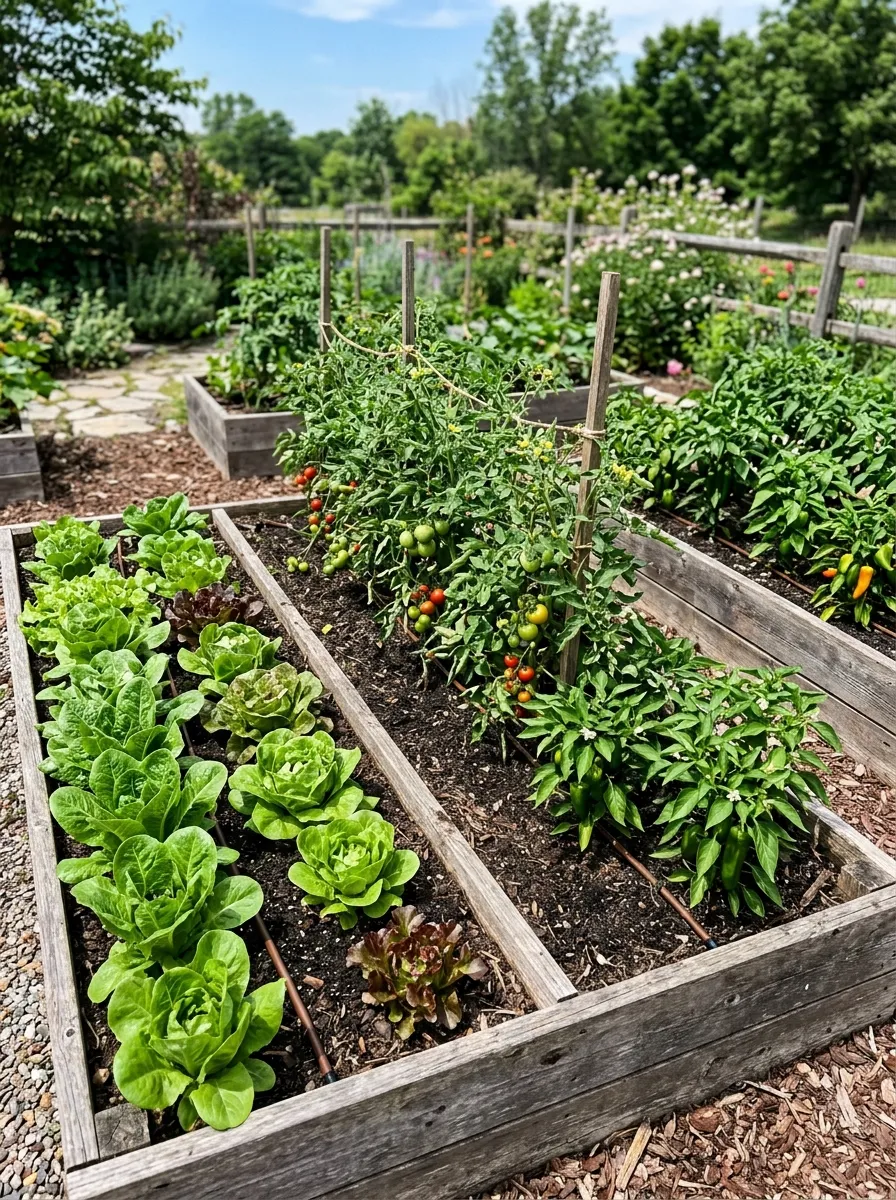
Raised beds make vegetable gardening simpler, especially if your native soil is rocky or poor. Build a rectangular frame from untreated lumber, roughly two feet high and four feet wide so you can reach the center from either side.
Fill the frame with a mix of topsoil, compost, and aged manure. This blend drains well and gives roots plenty of room to grow. Space your vegetables according to seed packet instructions, keeping taller plants like tomatoes on the north side so they don’t shade shorter crops.
DIY tip: old wooden pallets or reclaimed fence boards work great for the frame and cost far less than new lumber. Raised beds also warm up faster in spring, letting you start planting earlier than in-ground gardens. Weeding is easier too since the soil stays loose and elevated. Within one growing season, you’ll likely harvest more food than you expect from such a small footprint.
7. Hang String Lights for Evening Ambiance
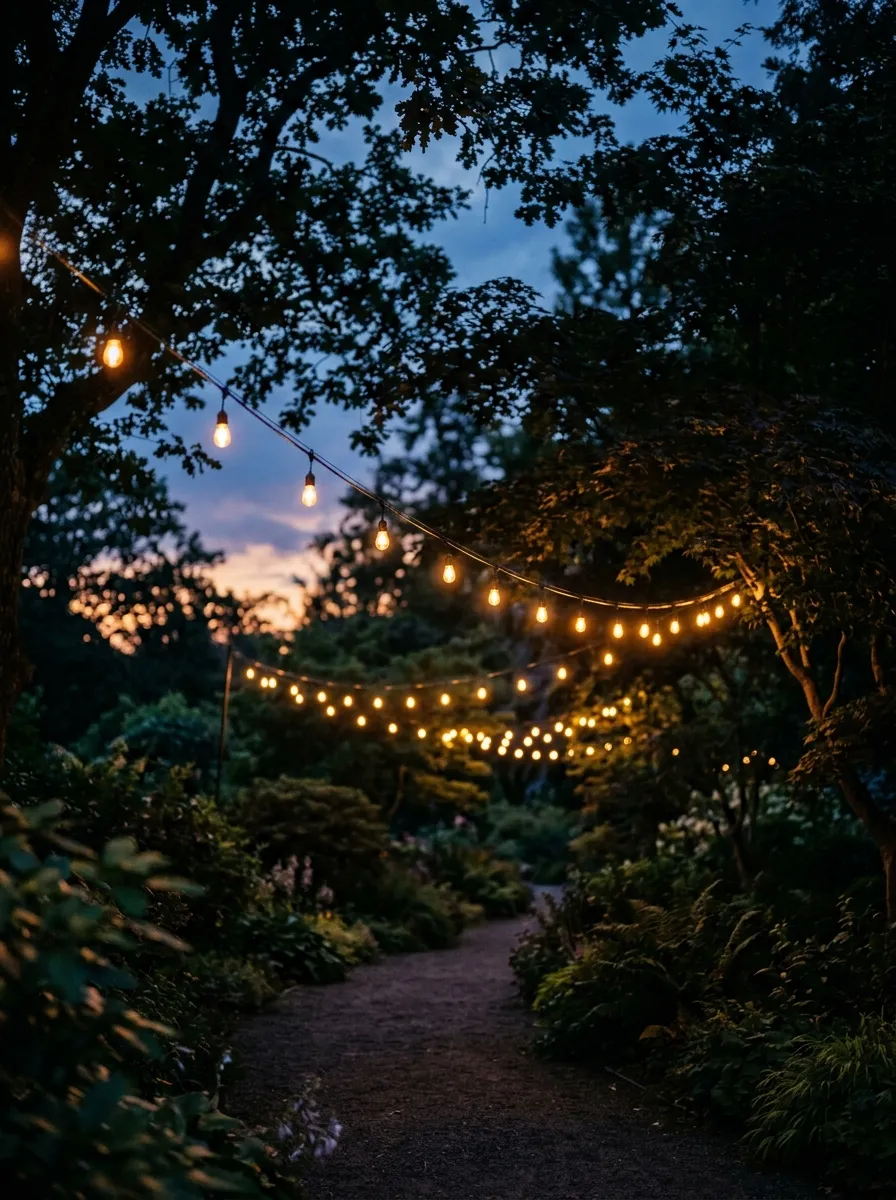
String lights instantly change how a garden feels once evening arrives. Drape them between two trees, along a fence line, or across a pergola. Solar-powered string lights are the easiest option since they need no wiring or outlets.
Start by mapping out your path with stakes or hooks. Space the lights evenly, avoiding tight clusters that make the display look cluttered. Test the layout during the day so you know exactly where each strand will hang before dark.
Budget tip: shop clearance sections after holidays like Christmas, when string lights often drop to a fraction of their original price. Warm white bulbs tend to look more natural in outdoor settings than cool white or colored options. Once installed, these lights turn ordinary evenings into something special, whether you’re hosting friends or just relaxing solo. They also make pathways safer to walk after sunset.
8. Build a Small Pond or Water Feature
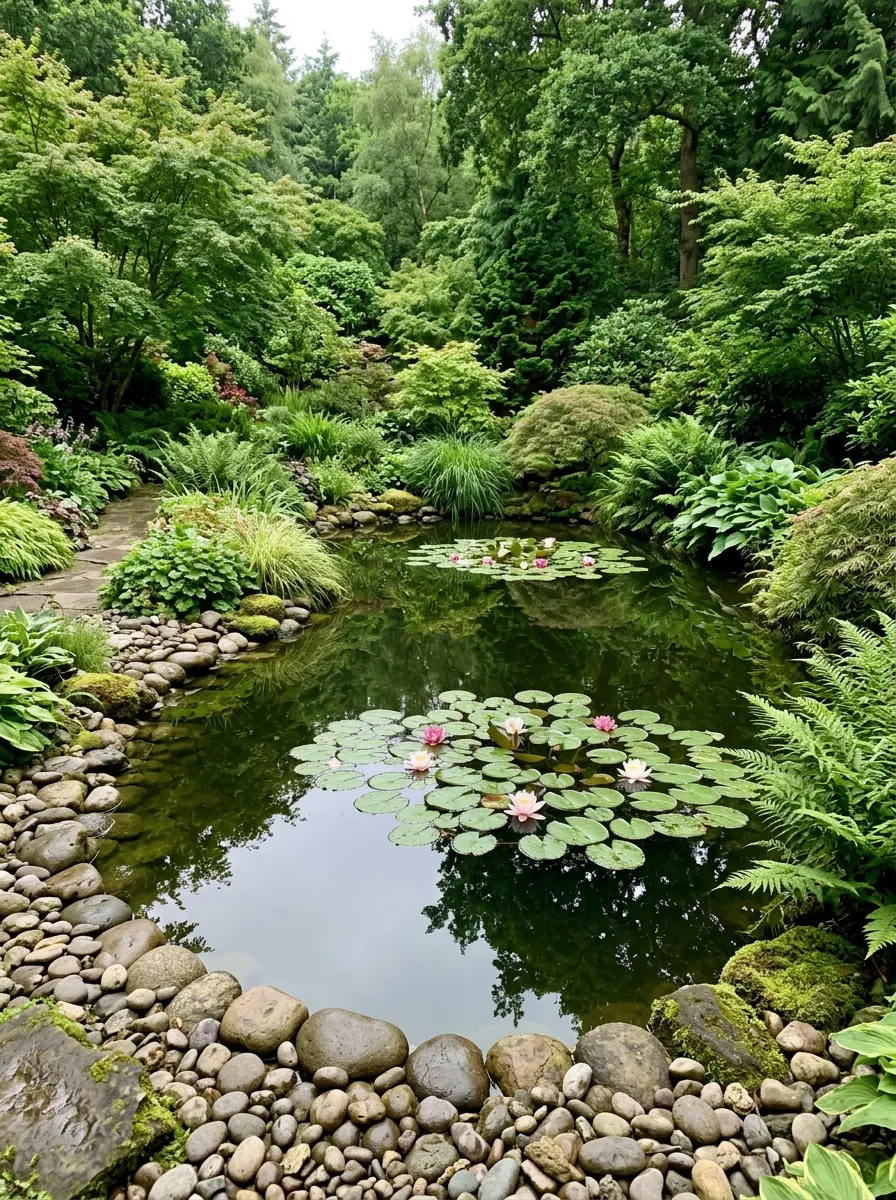
Water features add movement and sound to a garden, making it feel calmer and more dynamic at the same time. A small pond doesn’t need to be complicated. Dig a shallow hole, line it with a flexible pond liner, and fill it with water.
Add a few aquatic plants like water lilies or floating ferns to soften the edges. A small solar-powered pump can create gentle movement, which also helps prevent stagnant water and mosquito breeding. Surround the edge with flat stones to hide the liner and give it a natural look.
Budget tip: repurpose an old ceramic pot or metal tub instead of digging a full pond—just seal any drainage holes with waterproof sealant. This mini version still delivers the calming sound of water without the labor of excavation. Birds and beneficial insects often visit these features too, adding even more life to your outdoor space over time.
9. Create a Mini Meditation Corner
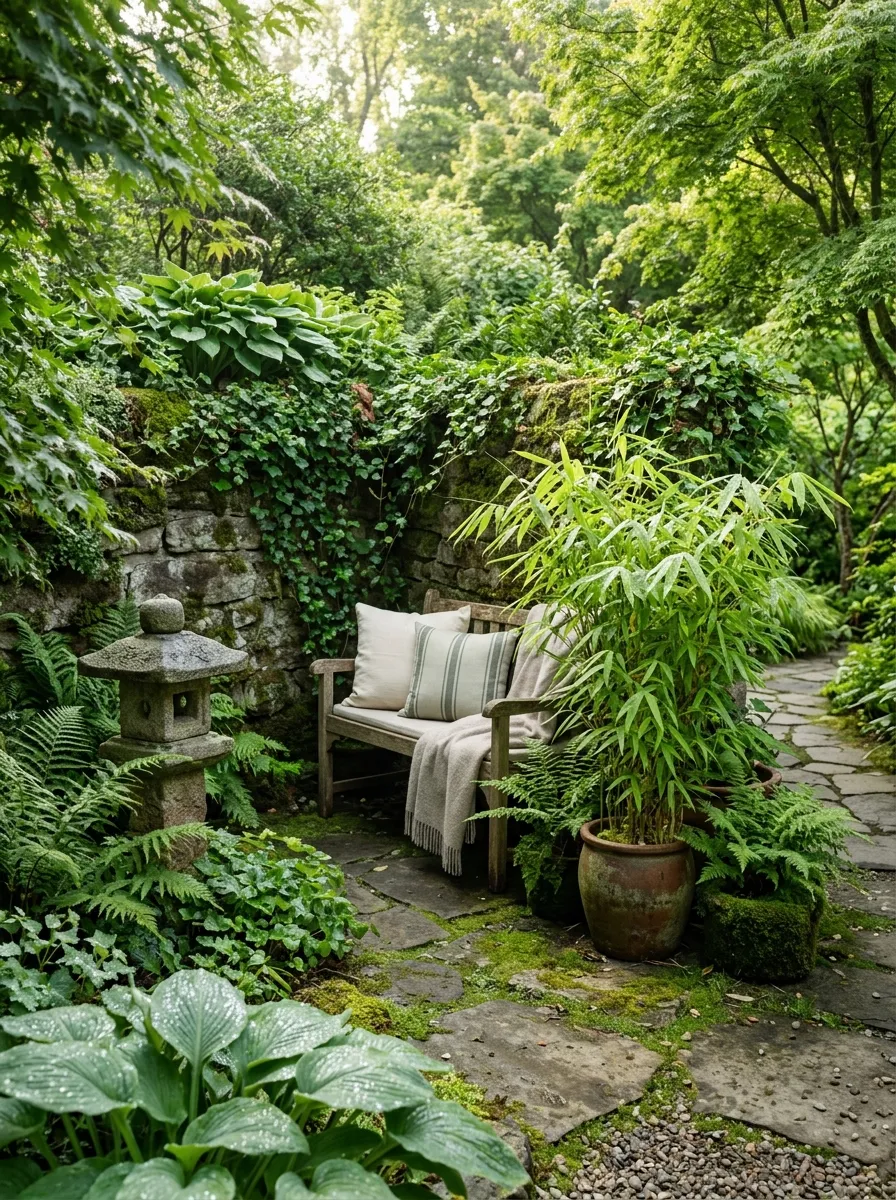
Every garden benefits from one quiet spot set aside for stillness. Choose a corner shaded by trees or a trellis, then add a simple bench, floor cushion, or even a folding chair. Surround it with calming plants like bamboo, lavender, or ferns.
Keep decorations minimal here. A small stone lantern, a wind chime, or a single sculpture is enough. The goal is simplicity, not clutter. Add a small side table for tea or a journal if you plan to spend real time in this space.
DIY tip: repurpose an old wooden crate as a side table, and use leftover fabric to make your own floor cushion. This corner doesn’t need to be large—just private enough to feel separate from the rest of your yard. Over time, this becomes the spot you return to for morning coffee, evening reflection, or simply a break from screens and noise.
10. Use Repurposed Containers for Planting
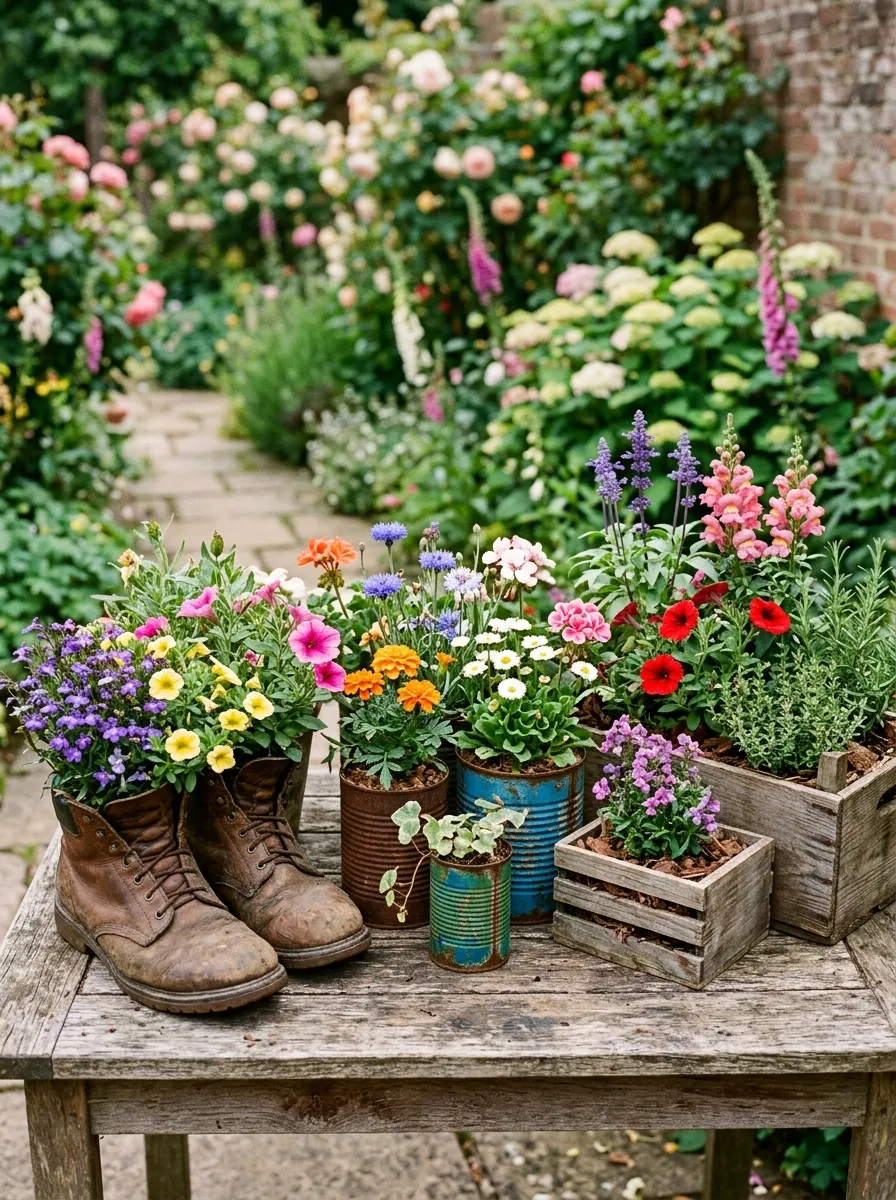
You don’t need matching ceramic pots to have a great container garden. Old boots, tin cans, teapots, and wooden crates all make charming planters with a bit of creativity. Just make sure each container has drainage holes so roots don’t sit in standing water.
Group different containers together by height and color for visual variety. Taller items like watering cans work well in the back, while shorter ones like tin cans sit in front. This layered look adds personality without spending money on new pots.
Budget tip: check thrift stores, garage sales, and curbside pickup piles for containers people are throwing away. A coat of spray paint can freshen up anything rusty or faded. This approach is especially good for renters who want a garden look without permanent changes to their space. It’s practical, cheap, and gives your garden a one-of-a-kind character that store-bought pots simply can’t match.
11. Add a Trellis for Climbing Plants
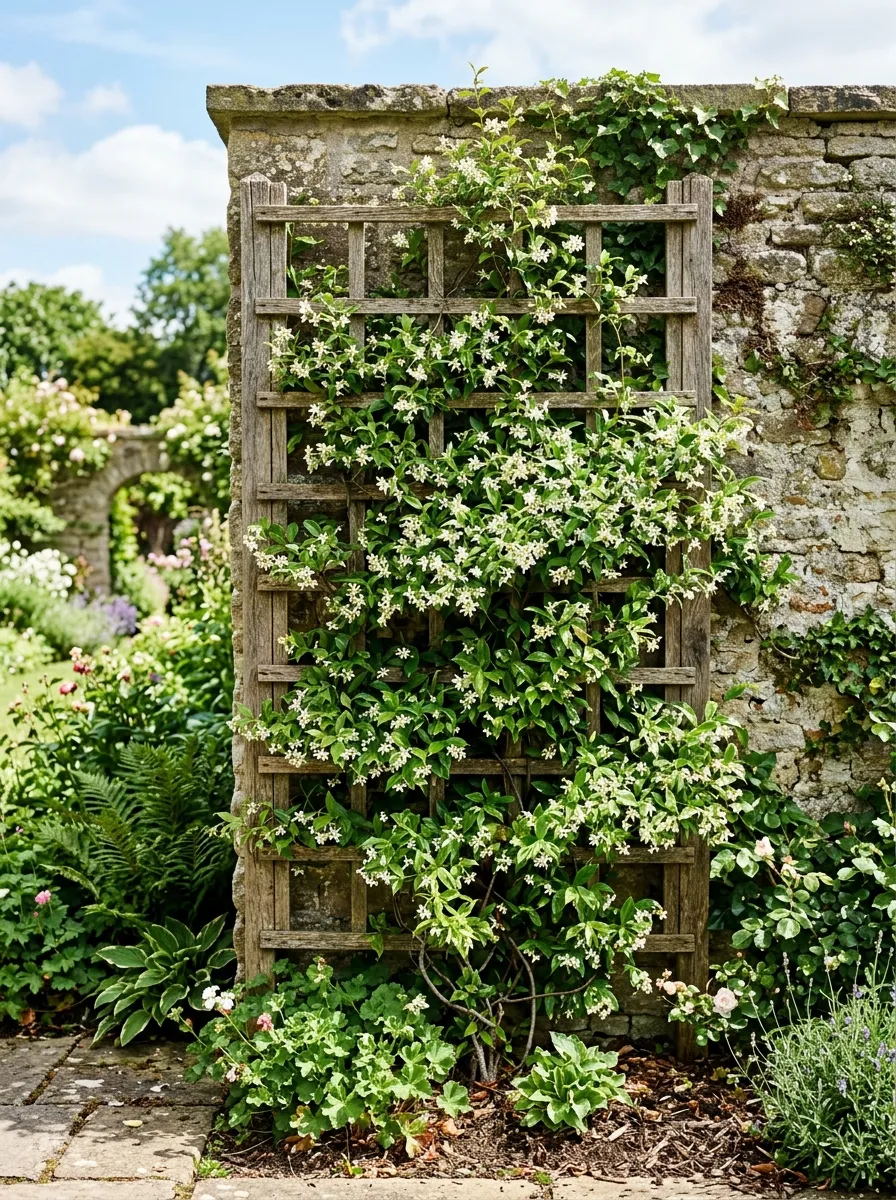
Climbing plants like clematis, morning glory, and climbing roses add height and softness to flat garden walls or fences. A trellis gives them something to grip while keeping your space organized instead of sprawling.
Build a simple trellis from wooden stakes and garden twine, or buy a lattice panel from a hardware store. Anchor it firmly into the ground or attach it directly to a fence. Plant your climber at the base and gently guide the first few vines toward the structure.
DIY tip: old ladders, bed frames, or fence panels make excellent free trellises with a little creativity. Lean a ladder against a wall and let vines climb each rung for a rustic look. Within a season, most climbing plants will cover a good portion of the structure, creating a green wall that adds privacy and softens hard edges. It’s one of the simplest ways to add vertical interest to a small yard.
12. Build a DIY Compost Bin
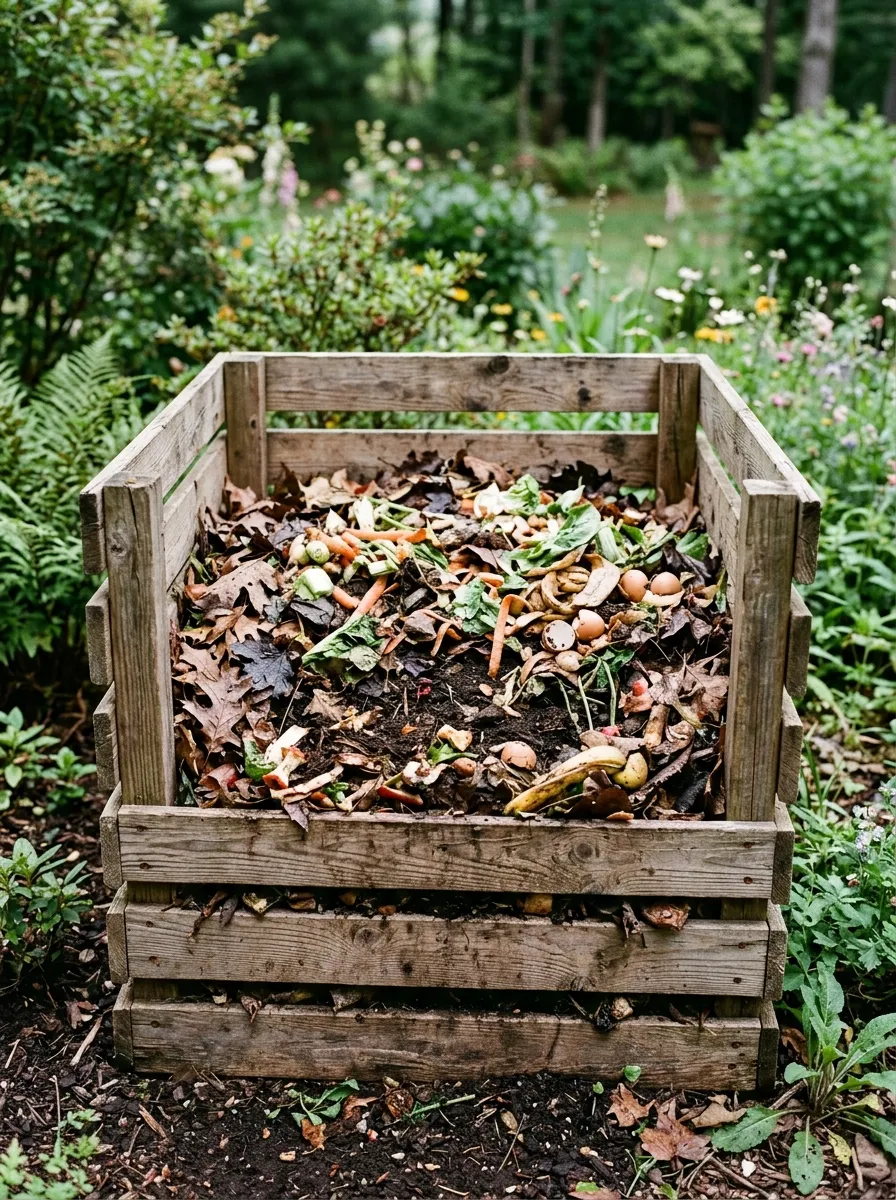
Composting turns kitchen scraps and yard waste into free fertilizer for your garden. Build a simple bin using wooden pallets stood upright and wired together into a square. Leave one side removable so you can turn the compost easily.
Add a mix of “greens” like vegetable peels and grass clippings, along with “browns” like dried leaves and cardboard. Turn the pile every couple of weeks with a pitchfork to speed up decomposition. Within a few months, you’ll have dark, crumbly compost ready for your beds.
Budget tip: most pallets are free from local businesses that just want them hauled away. This project costs almost nothing beyond a bit of wire and your own labor. Composting also cuts down on household waste heading to landfills. Once your compost is ready, mix it into raised beds or container soil to give your plants a nutrient boost without buying bagged fertilizer.
13. Create Themed Garden Zones
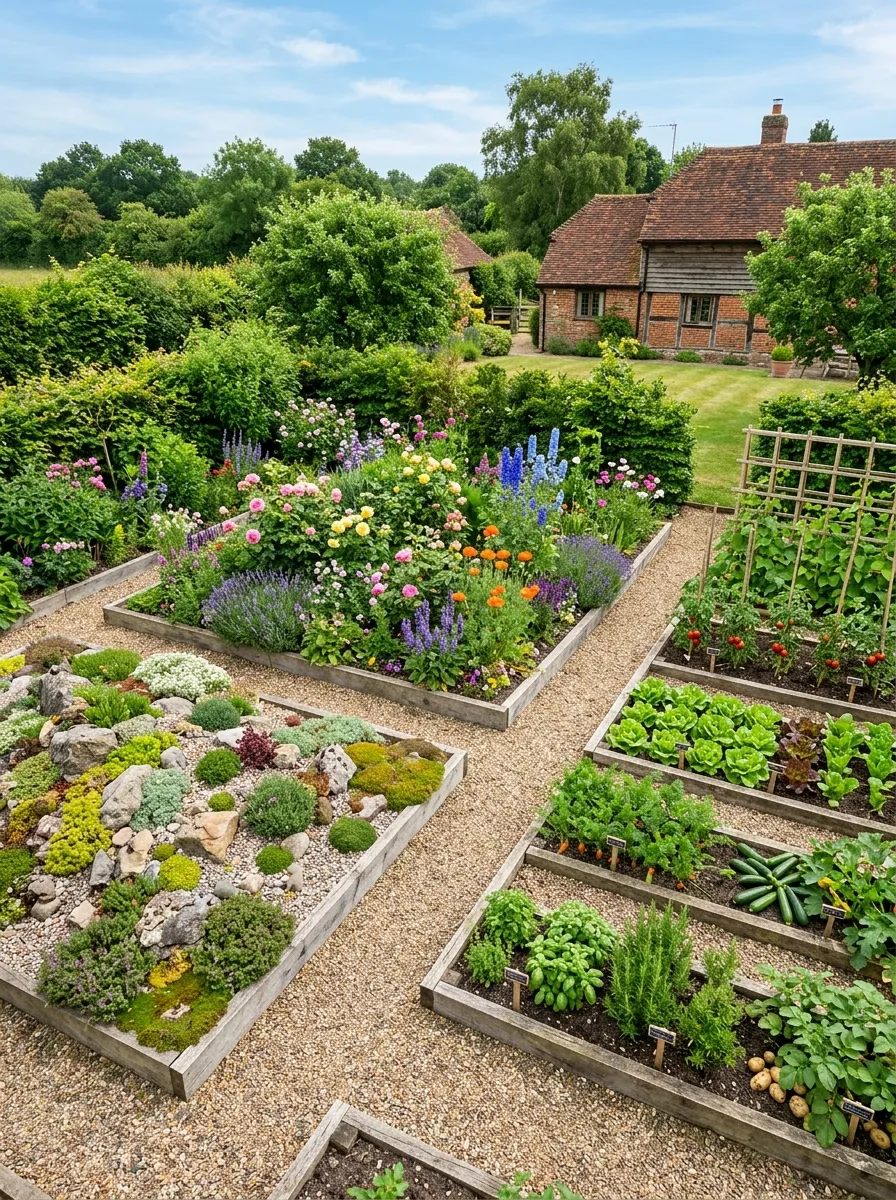
Dividing your garden into themed zones makes even a small space feel bigger and more organized. Designate one area for vegetables, another for flowers, and maybe a third for a seating nook or rock garden. Each zone gets its own personality.
Use low borders like bricks, stones, or short wooden fencing to separate sections visually. This doesn’t need to be a permanent structure—simple garden edging from a hardware store works fine and can be adjusted later.
Budget tip: Repurpose broken bricks, leftover pavers, or even large sticks as natural dividers instead of buying formal edging. Zoning also makes maintenance easier since you can group plants with similar water and sun needs together. Walking through a zoned garden feels more like exploring different rooms outdoors, rather than looking at one flat stretch of green. It’s a simple layout trick that makes a real visual difference. For more inspiration on making your outdoor space feel unique and thoughtfully planned, explore these creative garden design ideas for clever ways to combine different features, plants, and garden zones.
14. Install Solar-Powered Path Lights
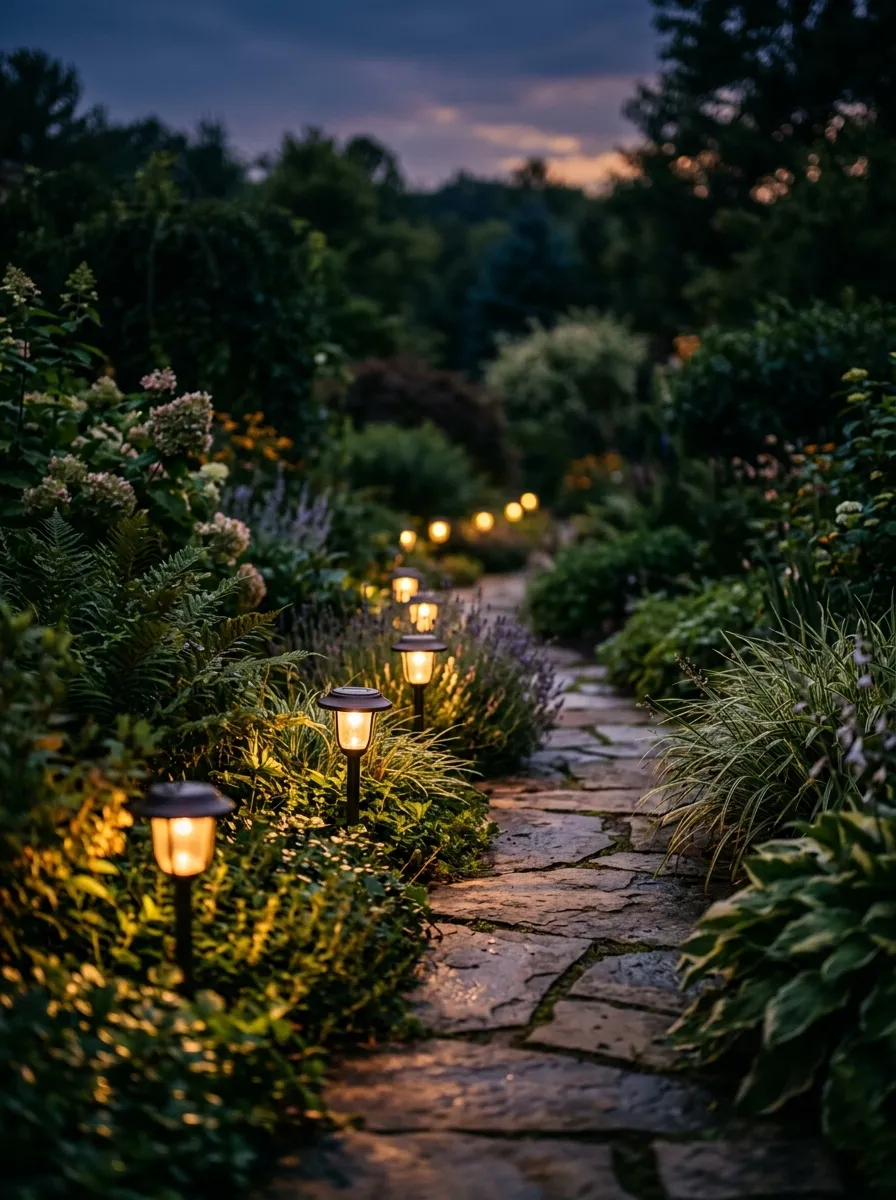
Solar path lights guide movement through your garden after dark without adding to your electric bill. They charge during the day and switch on automatically at night, making them one of the easiest lighting upgrades available.
Push the stakes into the ground along your main walkway, spacing them about three to four feet apart for even coverage. Make sure each light gets direct sun exposure during the day, since shaded spots reduce charging and brightness.
Budget tip: buy multipacks from discount stores rather than individual lights—the per-unit price drops significantly. Solar lights also require zero wiring, making them perfect for renters or anyone who wants a quick, damage-free upgrade. Beyond function, they add a soft glow that makes evening garden strolls feel safer and more inviting. Swap batteries once a year if your lights start dimming, and they’ll keep working for seasons to come.
15. Grow a Living Privacy Screen
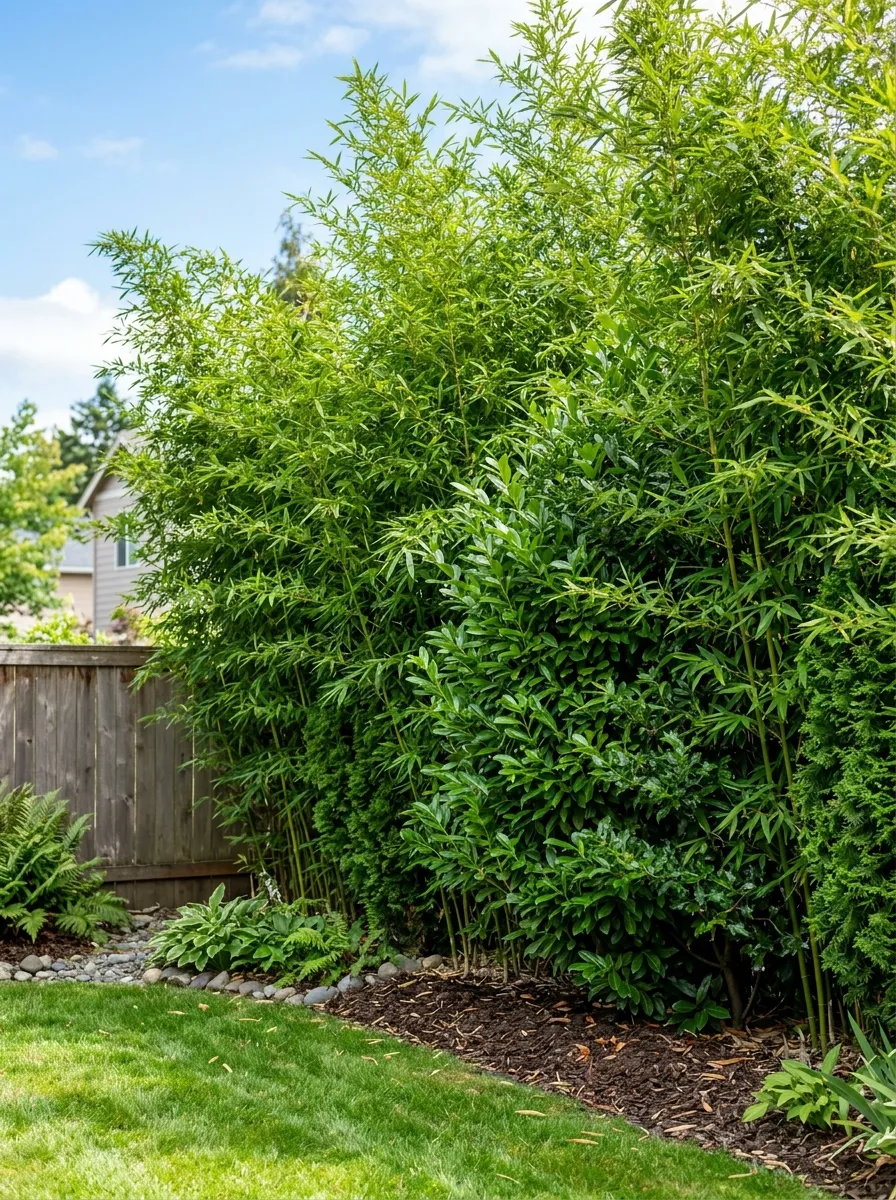
If your yard feels exposed to neighbors or the street, a living screen offers privacy without building a wall. Fast-growing plants like bamboo, arborvitae, or tall ornamental grasses create a green barrier within one or two growing seasons.
Choose a row along your property line and space plants according to their mature width, usually two to four feet apart depending on the species. Water deeply during the first year while roots establish, then reduce watering as the plants mature.
Budget tip: buy smaller, younger plants instead of mature ones—they cost far less and often catch up in size within a couple of years. Clumping bamboo varieties are a good choice since they won’t spread uncontrollably like running types. A living screen also filters noise and wind better than a solid fence, while adding texture and color that a plain wooden barrier never could.
16. Add a Swing or Hammock Nook
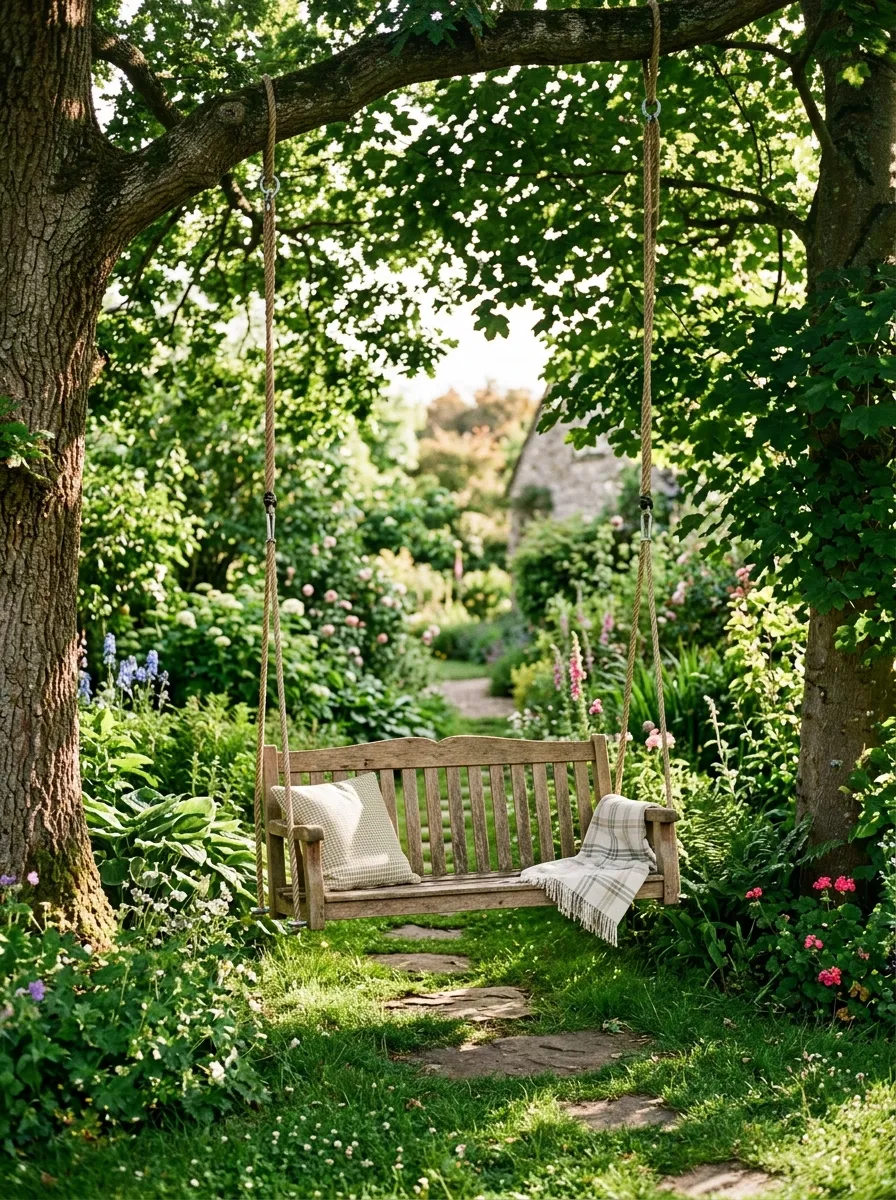
A swing or hammock instantly makes any garden feel more relaxed. Hang a hammock between two sturdy trees, or install a simple porch swing using chain and ceiling hooks attached to a wooden frame or pergola.
Check that your anchor points can hold weight safely before use. Trees should be at least six inches in diameter, and any wooden frame should use pressure-treated lumber rated for outdoor weight loads.
Budget tip: secondhand hammocks show up often at yard sales and thrift stores for a fraction of retail price. A simple rope hammock is also easy to make at home with basic knot-tying skills and a few hours of patience. This nook becomes the spot for lazy weekend afternoons, reading, or an afternoon nap in the shade. It’s a low-cost addition that delivers real relaxation value every time you use it.
17. Build a Butterfly-Friendly Rock Garden
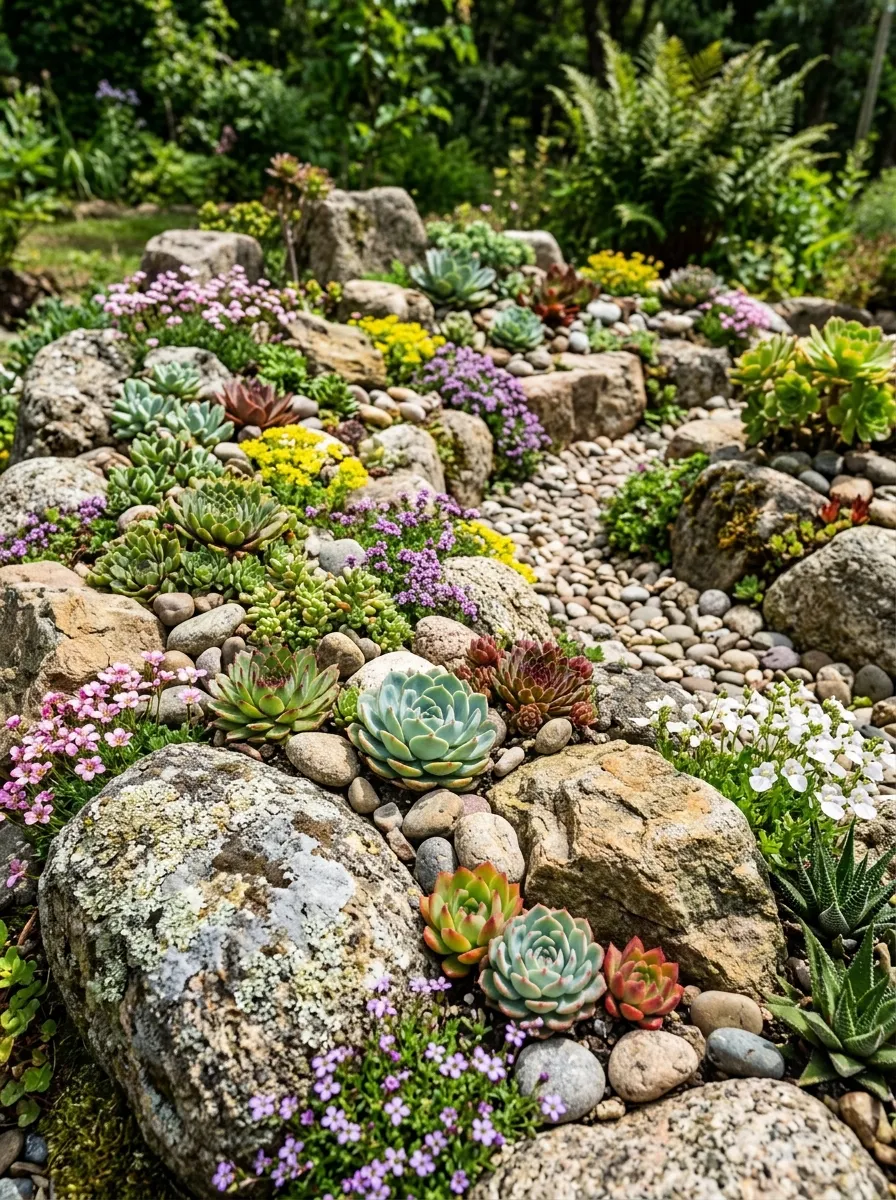
Rock gardens work great in dry, sunny spots where grass struggles to grow. Arrange stones of different sizes in a natural-looking cluster, then tuck drought-tolerant plants like sedum, hens and chicks, or dwarf sage into the gaps.
Start by clearing the area of grass and weeds. Lay landscape fabric underneath to prevent regrowth, then position your largest rocks first before filling in with smaller stones and plants. This layout mimics how rocks naturally settle in the wild.
Budget tip: collect stones from your own property, a river bed with permission, or ask local landscaping companies for leftover pieces they’re discarding. These gardens need little water once established, making them one of the lowest-maintenance options available. They also attract butterflies and bees when planted with the right flowering succulents, adding movement and color to what would otherwise be a plain, dry patch of yard.
18. Create a Backyard Reading Nook
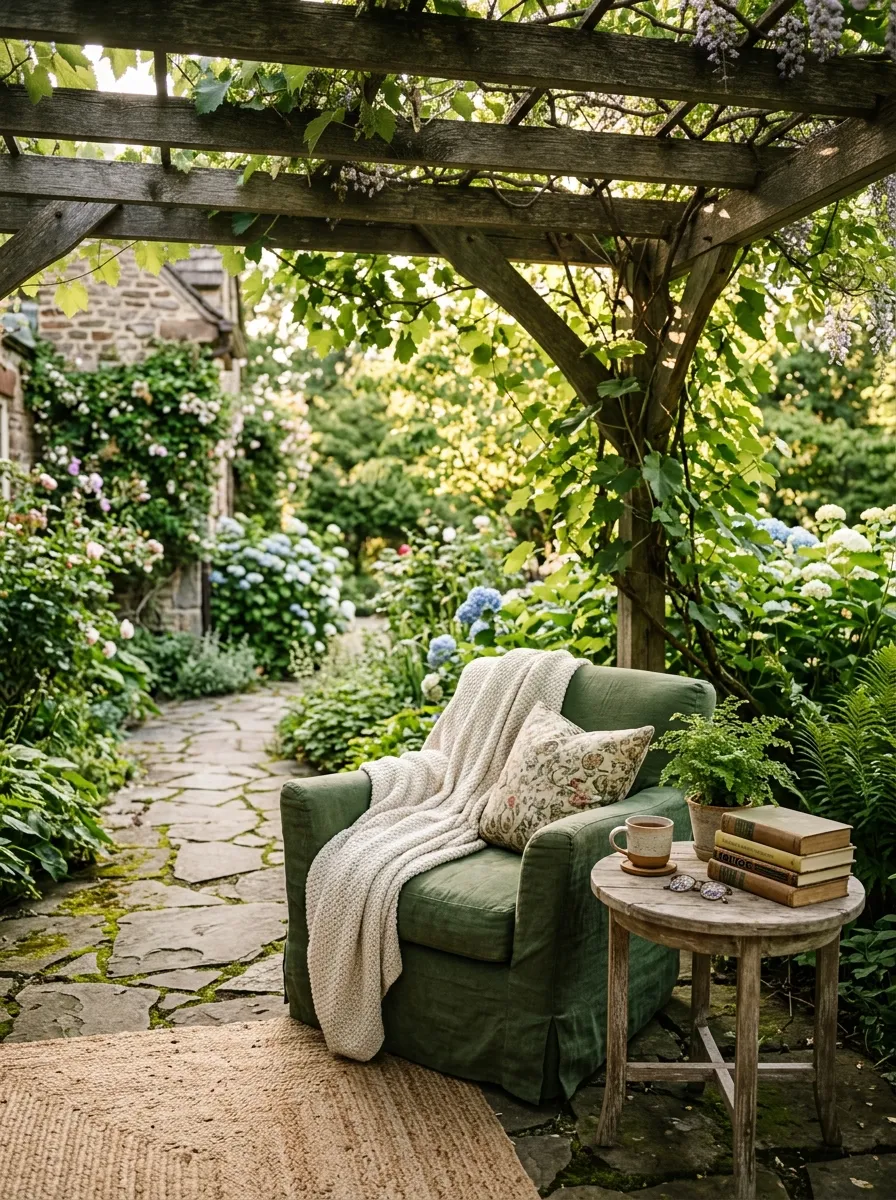
A reading nook gives your garden a purpose beyond just looking nice. Pick a shaded spot under a tree or pergola, then add a comfortable chair, a small side table, and maybe an outdoor rug to define the space.
Weatherproof cushions make a big difference in comfort. If you’re on a budget, bring cushions inside after each use instead of buying expensive outdoor-rated fabric. A small solar lantern nearby extends reading time into the evening hours.
DIY tip: an old armchair given a fresh coat of outdoor fabric spray paint works just as well as a new one, at a fraction of the cost. Add a small bookshelf or weatherproof box nearby to store a few favorite titles without running back inside constantly. This nook turns your garden into a genuine escape, giving you a reason to step outside and unwind with a book instead of scrolling on a screen.
19. Plant a Fragrant Flower Border
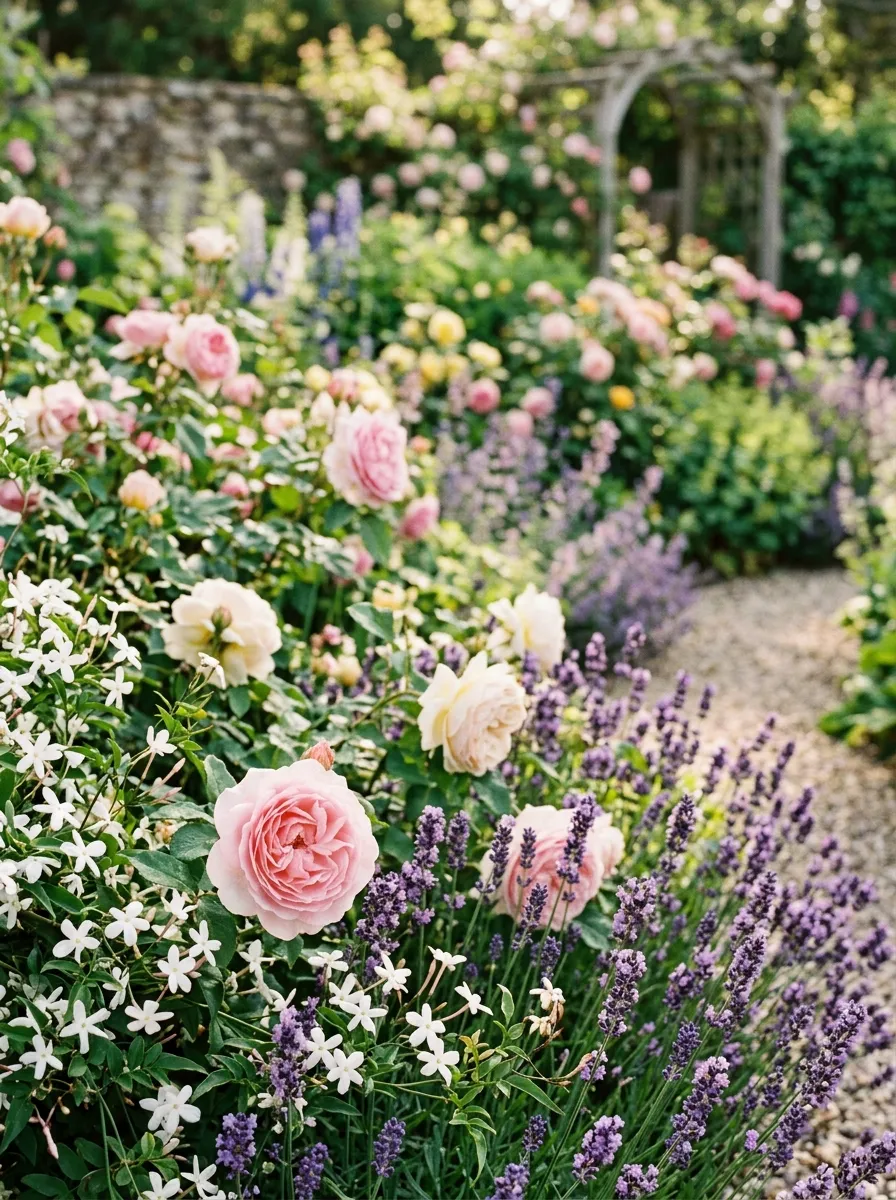
Scent adds another layer to a garden that photos can’t capture. Plant a border along a walkway or patio using fragrant options like lavender, jasmine, roses, or sweet alyssum. As you brush past them, their scent naturally fills the air.
Group plants with similar sun and water needs together to keep maintenance simple. Lavender and roses both prefer full sun and well-drained soil, making them a solid pairing for a low-fuss border.
Budget tip: grow lavender and alyssum from seed instead of buying potted plants—both germinate easily and cost very little per packet. Deadhead spent blooms regularly to keep the fragrance and flowering going longer through the season. Placing this border near a doorway, patio, or bench means you’ll catch the scent every time you pass by, turning a simple walk through your yard into a small daily pleasure.
20. Add a Chalkboard or Sign Post for Garden Labels
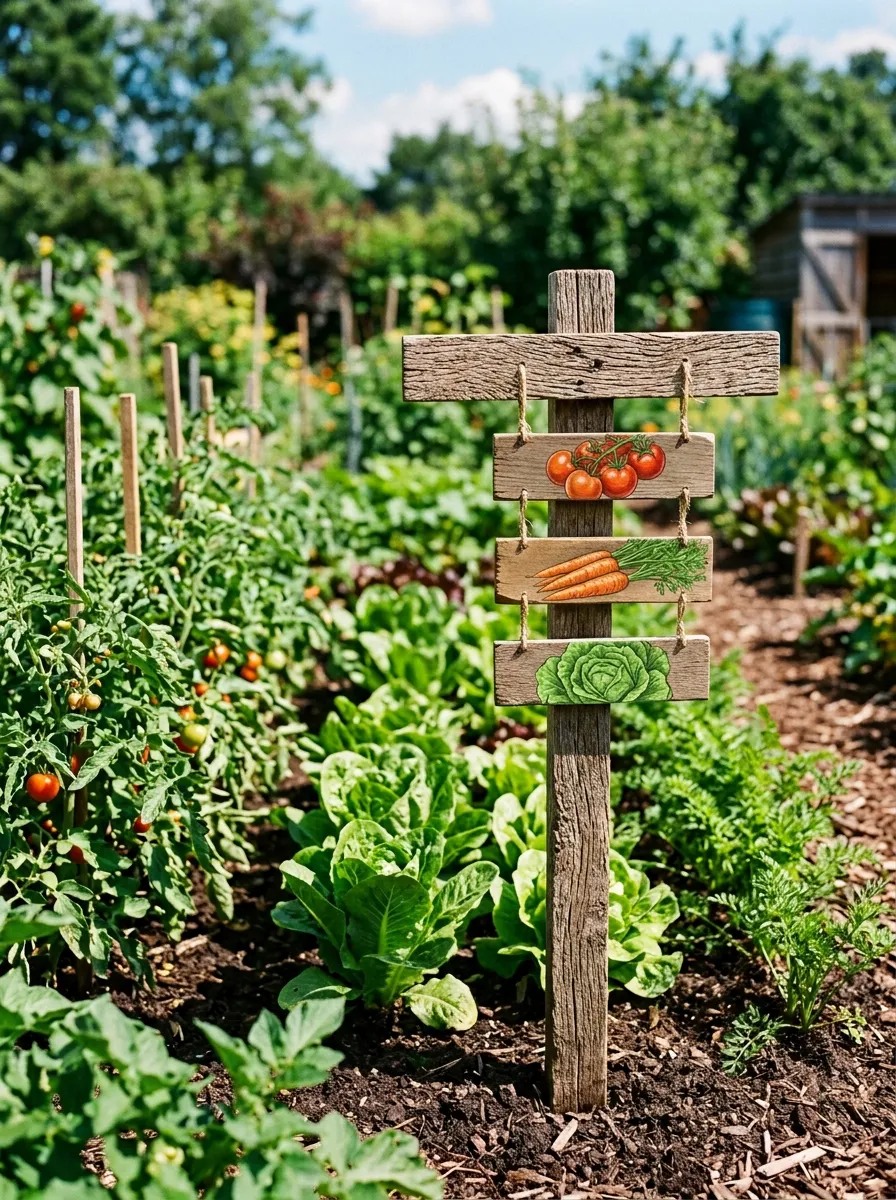
Labeling your garden isn’t just practical—it also adds a personal, homemade touch. Use wooden stakes, painted rocks, or small chalkboard tags to mark what’s growing in each bed. This helps you track planting dates and identify seedlings before they mature.
Write plant names, planting dates, or care notes directly on the labels using a paint pen or chalk marker. Stick them at the base of each row or container so they’re easy to spot while watering or weeding.
DIY tip: Repurpose old popsicle sticks, broken tile pieces, or flat stones as free labeling material. This is also a great project to do with kids, giving them ownership over a small part of the garden. Labels become especially useful in vegetable patches where similar-looking seedlings can be easy to mix up early in the season, saving you from accidentally pulling the wrong plant later on.
For another simple way to make your garden labels both useful and decorative, check out these DIY chalkboard garden marker ideas for creating charming labels that are easy to customize and reuse.
21. Build a Cold Frame for Year-Round Growing
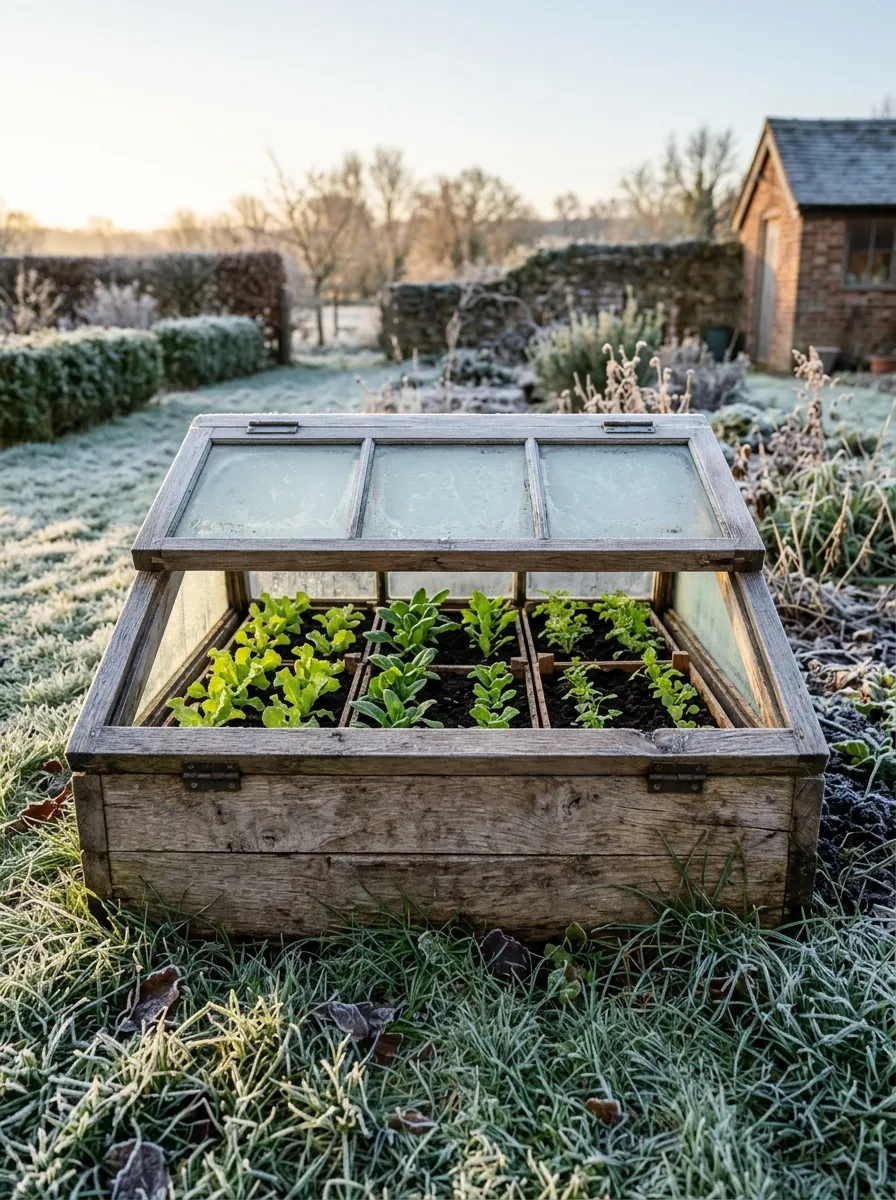
A cold frame extends your growing season by trapping heat and protecting plants from frost. Build a simple box frame from scrap wood, then top it with an old window or clear plastic sheeting as the lid. Angle the lid slightly so rain runs off easily.
Place your cold frame in a sunny spot facing south for maximum light exposure. Open the lid on warm days to prevent overheating, and close it at night to hold in warmth. This setup lets you start seedlings earlier in spring and keep hardy greens growing later into fall.
Budget tip: old windows are often free from renovation projects or salvage yards, making this one of the cheapest structures you can build. A cold frame is especially useful for gardeners in cooler climates who want fresh greens like spinach or lettuce even after the first frost hits. It’s a small investment of time that stretches your growing season considerably.
22. Create a Multi-Level Garden with Terracing
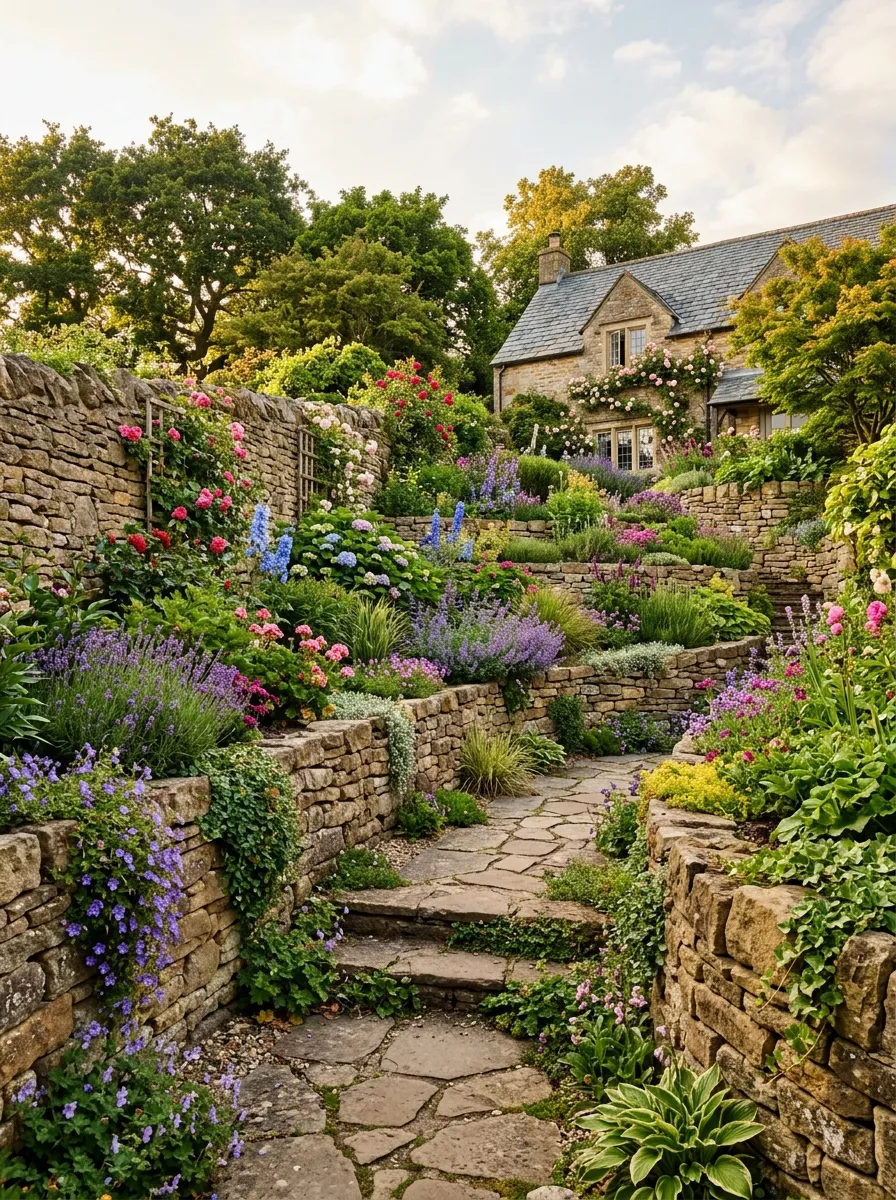
If your yard sits on a slope, terracing turns a tricky landscape into a design feature. Build low retaining walls using stacked stones, concrete blocks, or timber, creating flat planting beds at different levels down the hill.
Start at the bottom of the slope and work upward, packing soil firmly behind each wall before planting. Terracing also helps prevent soil erosion, keeping heavy rain from washing your garden bed away downhill.
Budget tip: use broken concrete pieces, sometimes called urbanite, as a free alternative to purchased retaining wall blocks. Many demolition sites give this material away just to avoid disposal costs. Each terrace level can host different plants based on sun exposure and soil depth, giving you more planting variety than a flat yard would allow. This approach also creates natural viewing points, making your garden feel layered and dynamic instead of one flat stretch of green.
Conclusion
A garden that feels like paradise doesn’t happen overnight, and it doesn’t require a massive budget either. Small, steady changes—a gravel path here, a string of solar lights there—add up to a space that genuinely reflects your effort and personality. Pick two or three ideas from this list that fit your current space and budget, then build from there season by season. The best part about garden projects is that almost every one of them can be done with basic tools, secondhand materials, and a free weekend. Start with whatever excites you most, and watch your ordinary yard slowly turn into the outdoor space you’ve always wanted.