
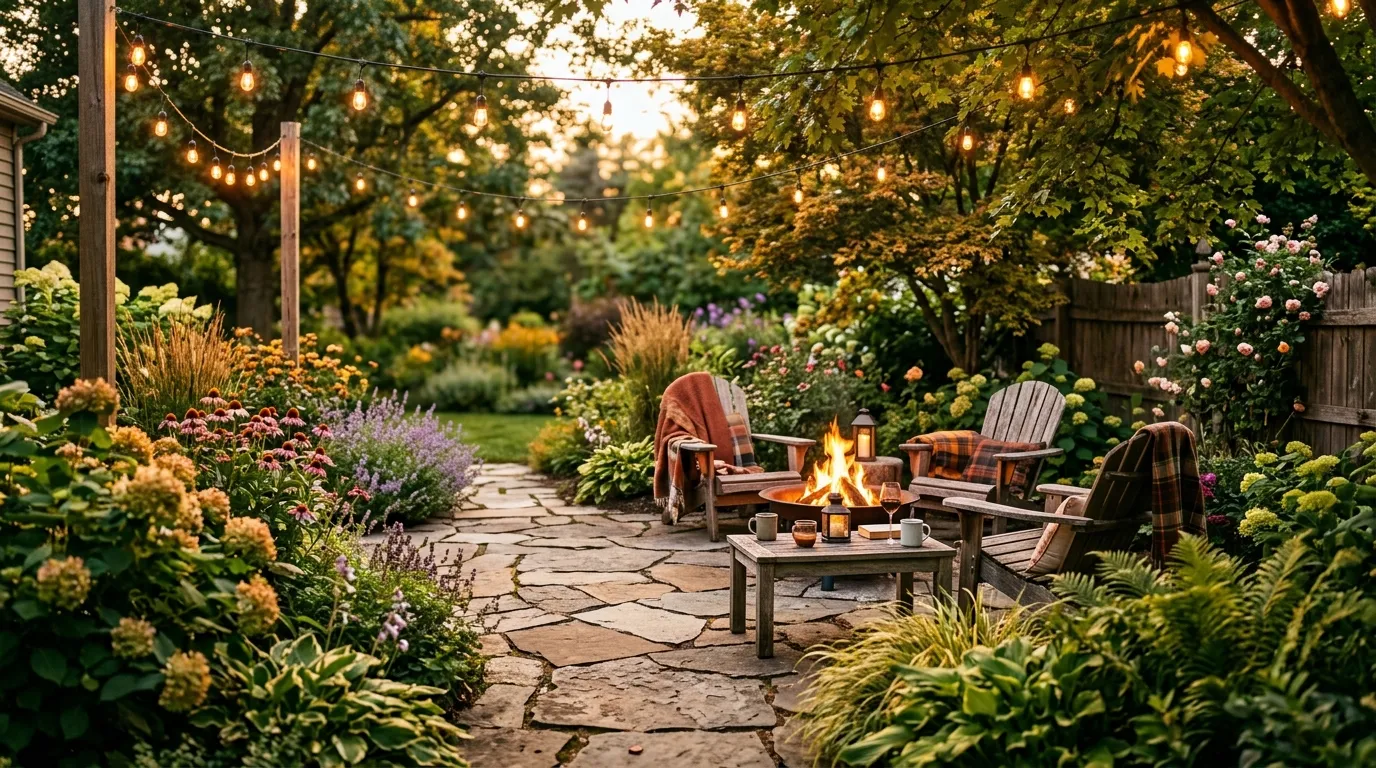
A backyard says a lot about how you actually live outside your front door. It can be a plain stretch of grass, or it can be a place you look forward to sitting in every evening. This list walks through simple, low-cost changes that turn an ordinary yard into somewhere you actually want to spend time. None of these ideas require a contractor or a big weekend budget. Grab a shovel, borrow a drill, and let’s start shaping your outdoor space one small project at a time.
1. Add a Fire Pit Seating Area
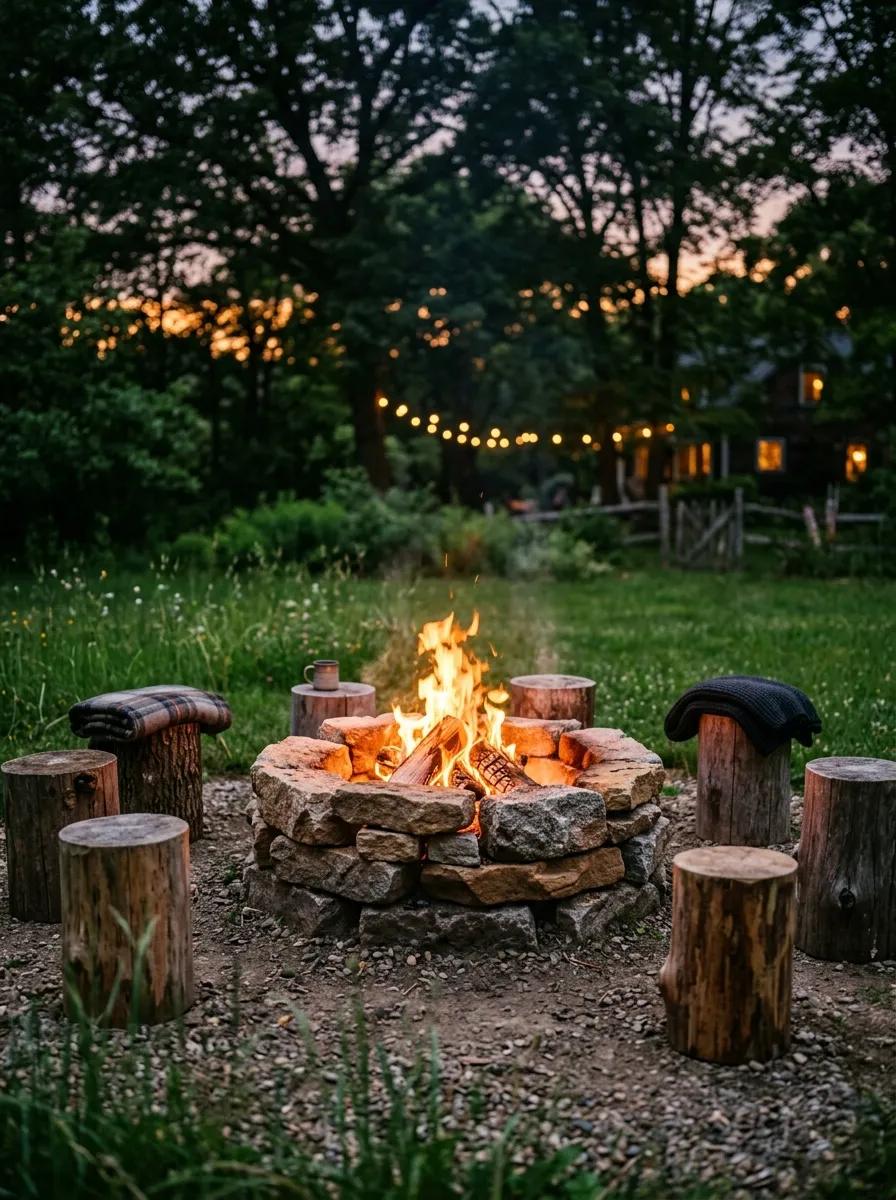
A fire pit turns any backyard corner into a gathering spot. Dig a shallow circle, line it with stones or cinder blocks, and you’ve got a safe base for evening fires. No welding or masonry skills needed.
Add seating around the edge using tree stumps, old chairs, or log rounds cut from a fallen branch. Keep the pit at least ten feet from fences, trees, or anything flammable.
Check your local rules first, since some areas restrict open fires.
Budget tip: stack broken pavers or free landscaping stones instead of buying a fire ring kit.
This project costs very little if you already have stones or bricks on hand. It gives you a reason to spend evenings outside instead of indoors, and it works for both quiet nights alone and gatherings with friends. Once built, it needs almost no upkeep beyond clearing ash occasionally.
2. Build a Pergola for Shade and Structure
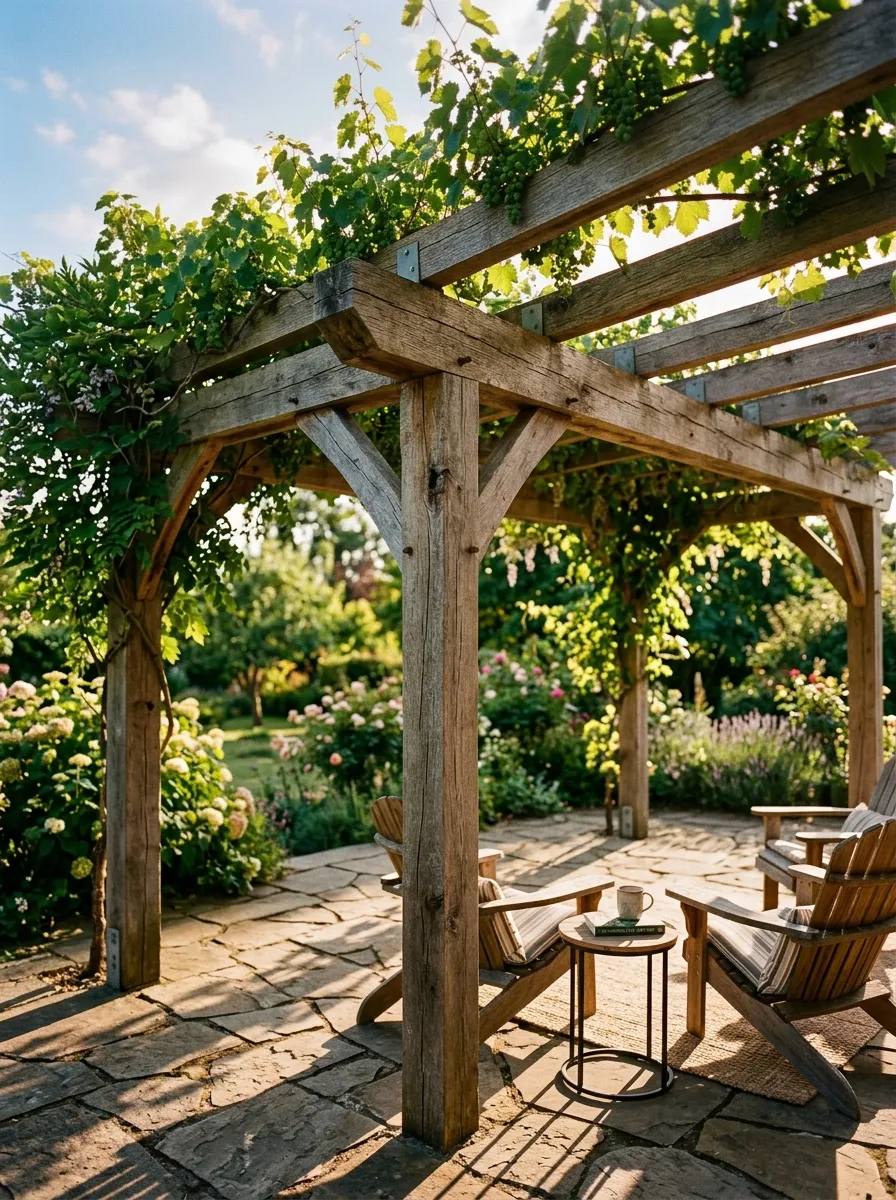
A pergola gives your patio structure without fully blocking the sky. Four posts and a crisscross of beams overhead create just enough shade to make afternoons bearable. Train a climbing vine like wisteria or grapes across the top for natural cover that fills in over a season or two.
Keep the design basic. A simple square frame with evenly spaced beams looks clean and doesn’t require complex joinery.
Use pressure-treated lumber for the posts so they hold up against rot and weather over the years.
Budget tip: reclaimed deck boards or discounted lumber from a hardware store’s cut-off bin cover most of the beam work.
This project takes a weekend with a second set of hands. It gives your yard a defined outdoor room instead of an open, shapeless space, and it adds real value to how the yard feels, not just how it looks from a distance. If you’re looking for more inspiration before building, explore these pergola ideas for creating a stylish and functional outdoor space and find a design that fits your yard.
3. Create a Gravel Patio Extension
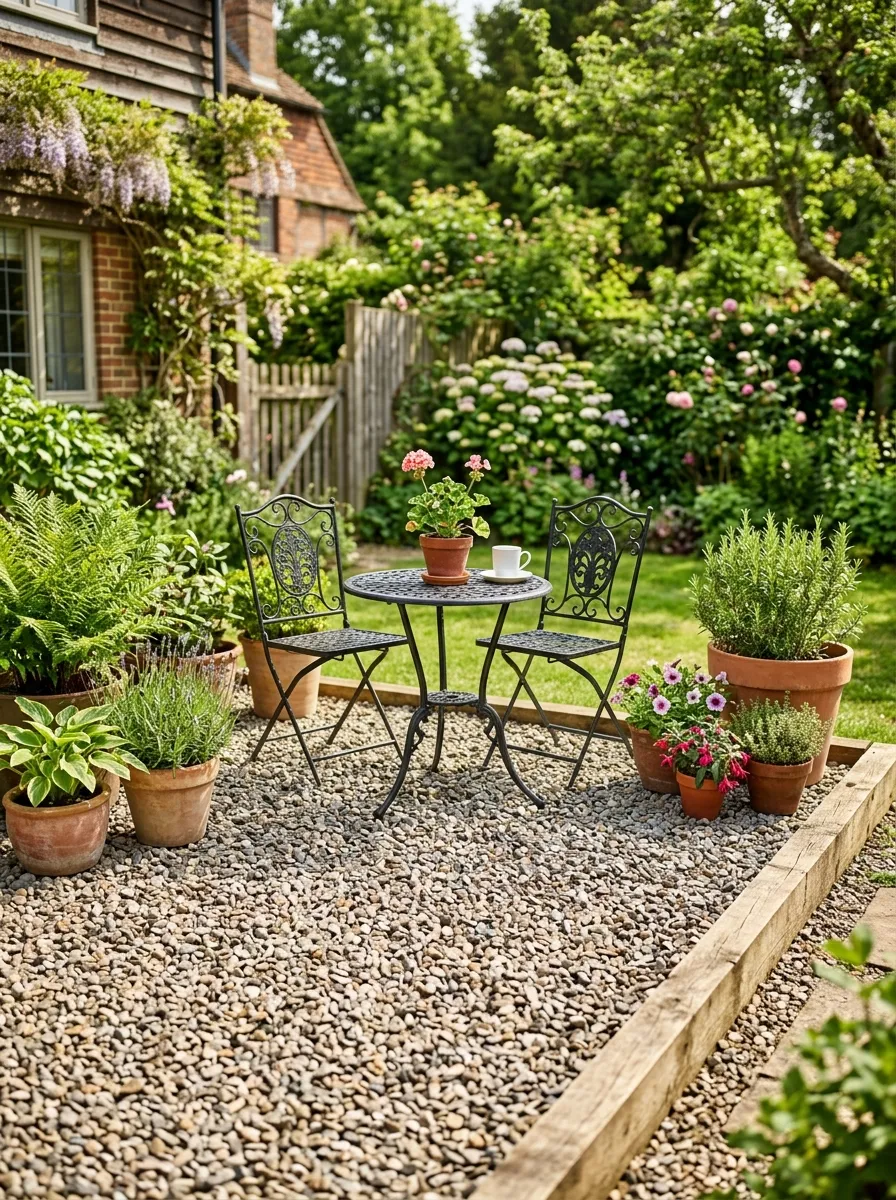
A gravel patio costs a fraction of poured concrete or pavers, and it goes down in a single weekend. Mark out the shape, remove the grass, lay landscape fabric to block weeds, then spread a few inches of gravel on top.
Edge the area with wood, brick, or metal strips to keep the gravel from spreading into the lawn. Add a small table and chairs, and you’ve got an instant outdoor sitting spot.
Gravel also drains well, so you won’t deal with puddles after rain the way you might on packed dirt.
Budget tip: buy gravel in bulk from a landscaping supply yard rather than bagged gravel from a hardware store, since bulk pricing runs far cheaper per square foot.
This project transforms a patchy, unused strip of yard into usable space without a big financial commitment or heavy equipment.
4. Add a Vertical Living Wall
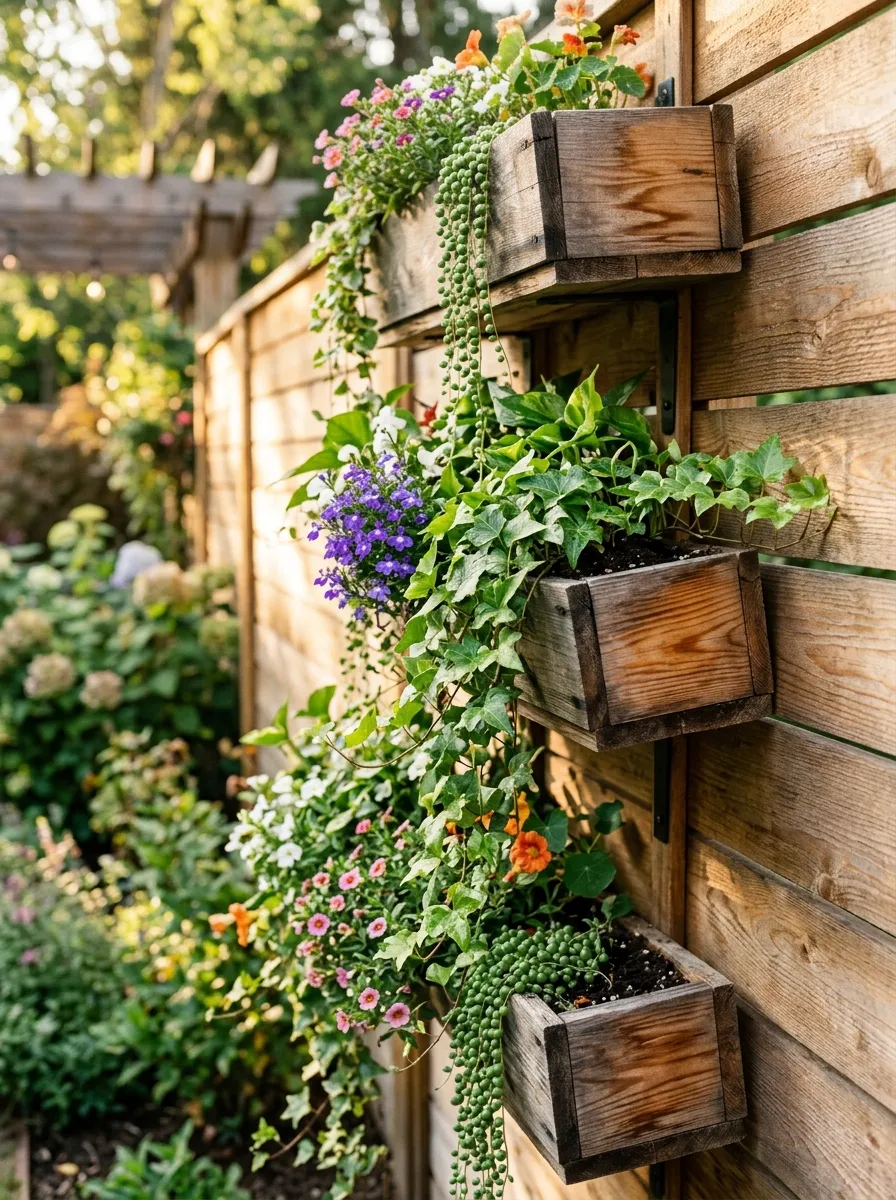
A living wall packs plants into a vertical space, which matters if your yard is narrow or your patio is small. Mount a grid of small pots or pockets onto a fence or wall, then fill each one with a different plant.
Mix trailing plants like ivy with upright options like ferns for variation. Herbs work well too, keeping a kitchen-ready supply right at eye level.
Make sure the wall gets enough light for whatever you plant, since a shaded fence limits your options to shade-tolerant greenery.
Budget tip: repurpose an old wooden pallet or a shoe organizer with fabric pockets instead of buying a specialty vertical garden kit.
This project adds a strong visual feature to a plain fence and makes use of space that would otherwise sit empty and flat.
5. Build a Small Pond or Water Feature
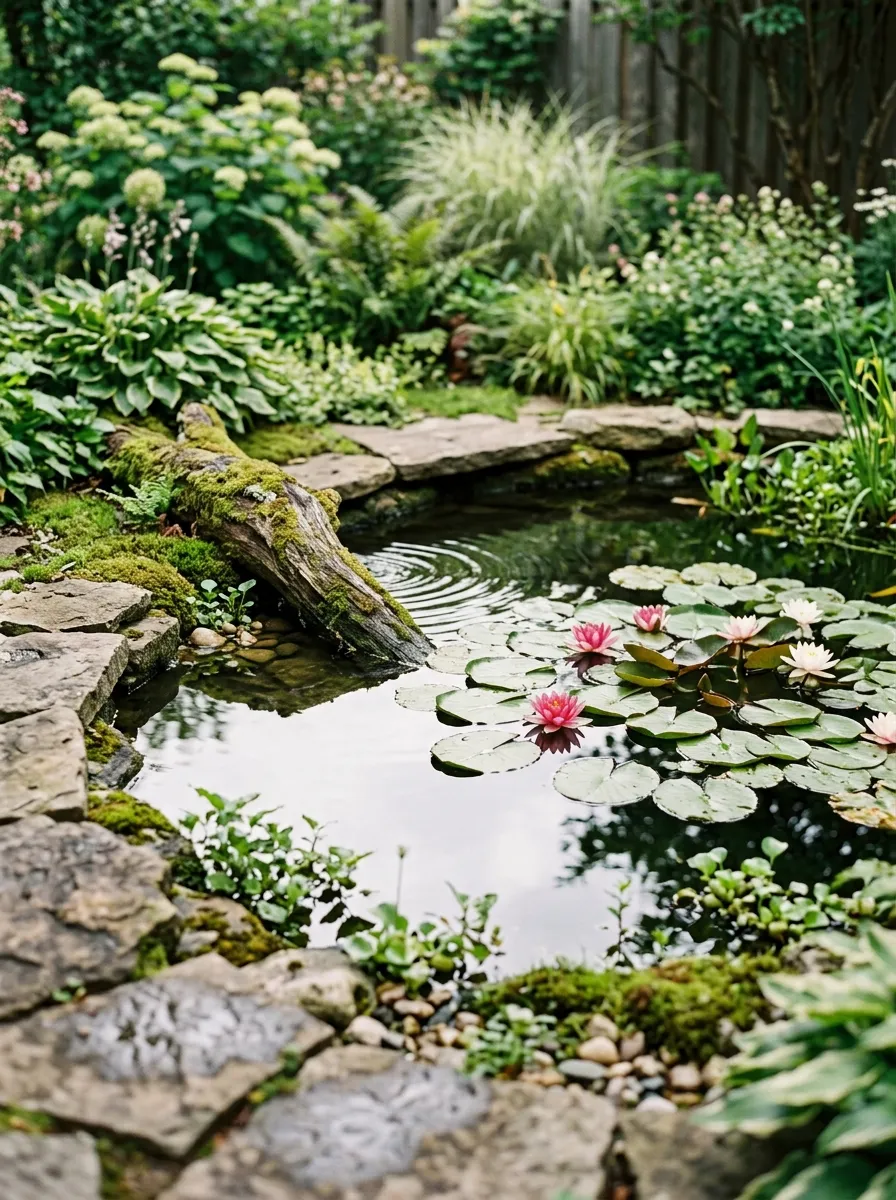
The sound of moving water changes how a backyard feels almost instantly. A small pond doesn’t need to be complicated. Dig a shallow hole, line it with a rubber pond liner, and edge the rim with flat stones to hide the liner’s edges.
Add a small submersible pump for gentle movement, which also helps keep mosquitoes from breeding in still water. Toss in a few floating plants like water lettuce for a natural look.
Keep the size modest at first. A four-foot pond is enough to notice a difference without a major dig.
Budget tip: used stock tanks or old plastic tubs work as a pond shell instead of a costly molded liner.
This project brings birds, dragonflies, and a calming sound to your yard, giving it a sense of life that plants alone can’t quite provide.
6. Create a Gravel Zen Garden Corner
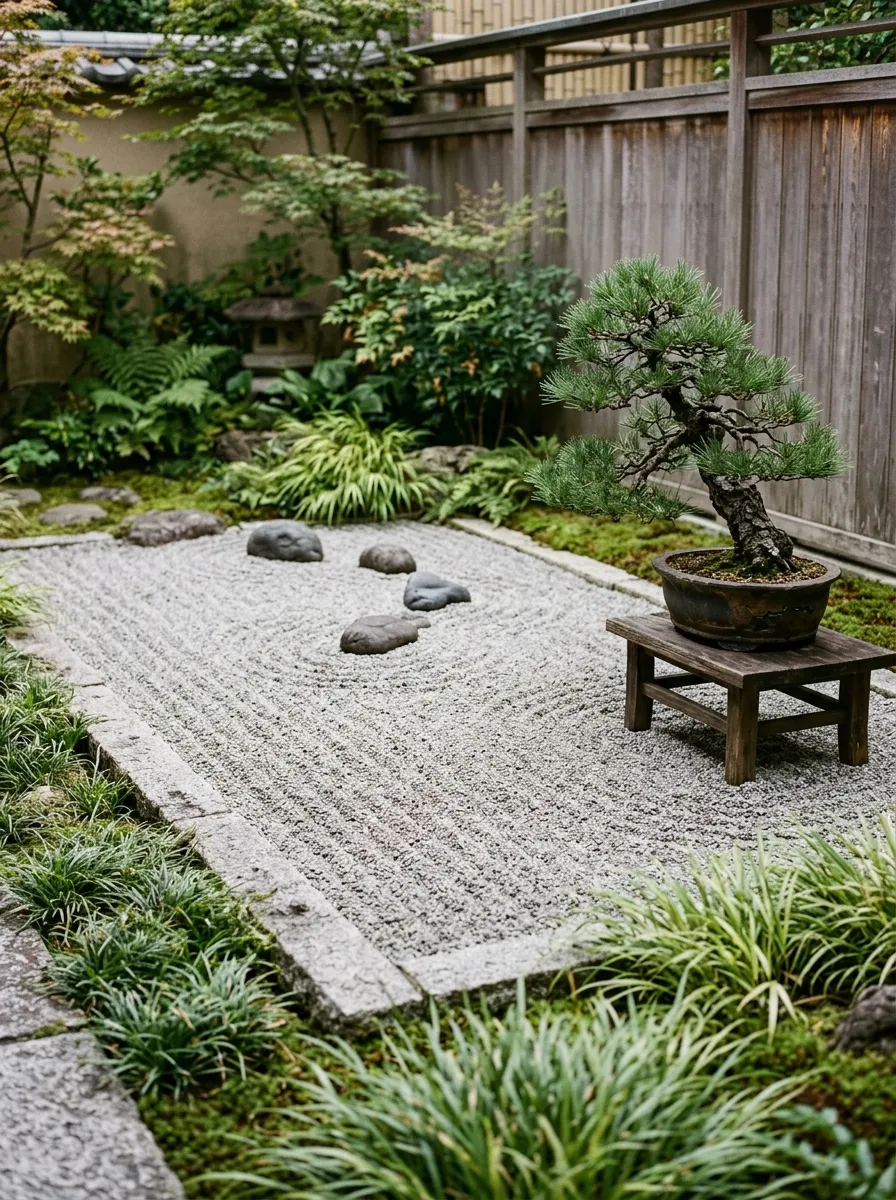
A zen corner gives you a quiet, low-maintenance spot that asks for almost nothing once it’s set up. Lay gravel in a defined area, add a few larger stones as focal points, and rake the surface into simple wave patterns.
Keep plantings minimal. A single small tree, a patch of ornamental grass, or a few low shrubs is enough. The point is empty space, not a packed bed.
This works especially well in a spot that gets too much shade for a full flower bed, since gravel and stone don’t need sunlight to look good.
Budget tip: pea gravel from a landscaping supplier costs very little per bag, and a garden rake you likely already own handles the raking.
This project turns an awkward, hard-to-plant corner into a deliberate, calm feature rather than a patch of bare dirt.
7. Add a Pathway With Stepping Stones
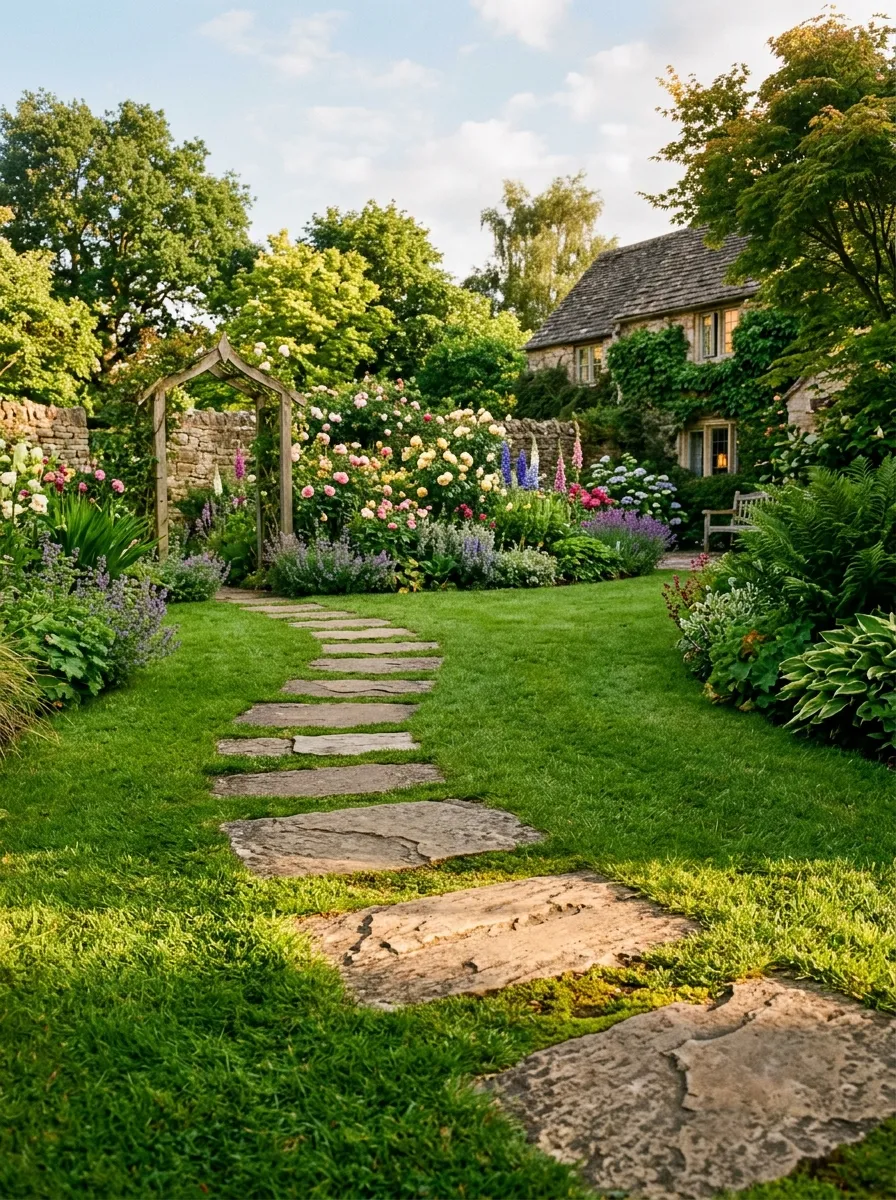
A stepping stone path gives your yard a clear sense of direction, guiding visitors from the patio to a garden bed or side gate. Set flat stones directly into the lawn, spaced a comfortable stride apart, so mowing around them stays simple.
Curve the path slightly instead of running it in a straight line. A curve reads as more natural and makes a small yard feel larger than it is.
Use stones with some texture for grip, especially if the path gets wet from rain or sprinklers.
Budget tip: broken concrete slabs from a torn-out driveway or patio work as well as store-bought pavers, often for free.
This project solves the practical problem of worn dirt trails while adding a clean, intentional look to your yard’s layout.
8. Build a Pallet Outdoor Sofa
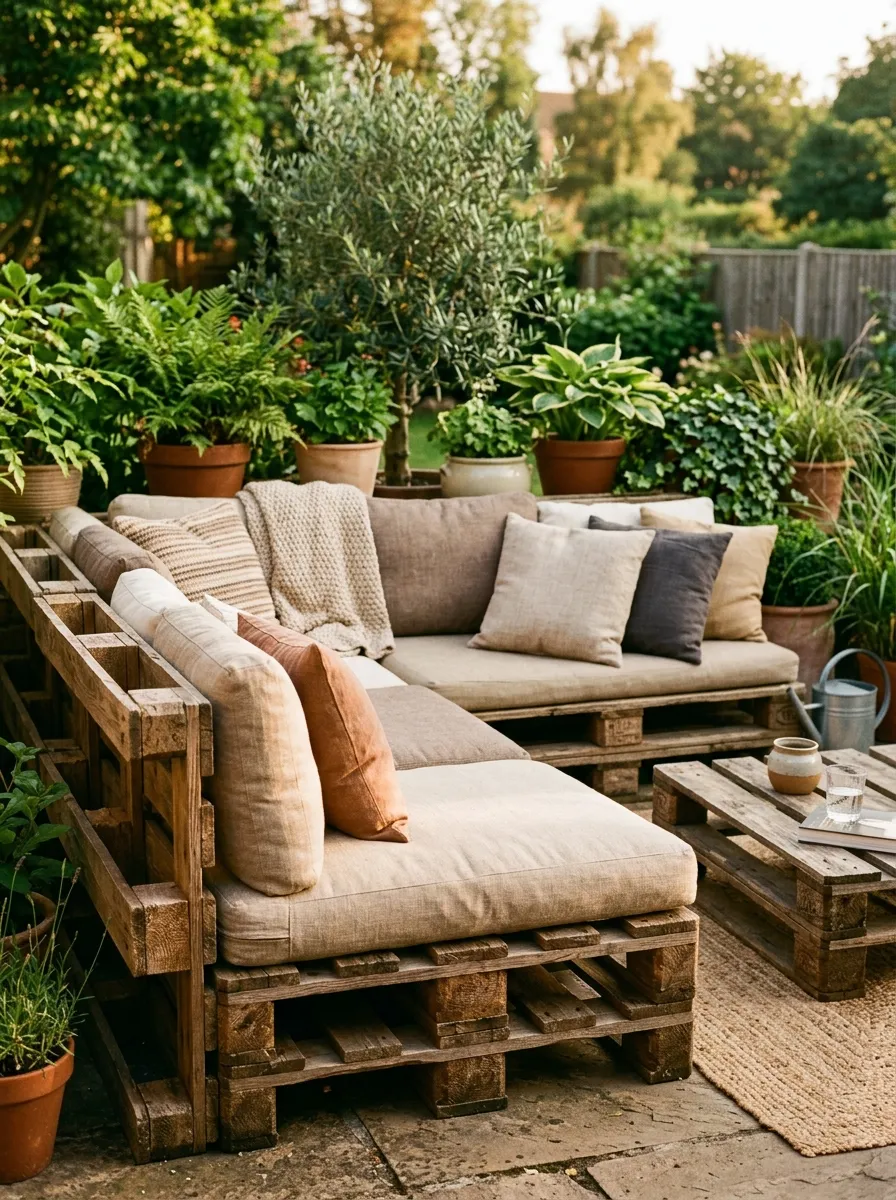
Outdoor furniture gets expensive fast, but a pallet sofa costs almost nothing beyond cushions. Stack two pallets for the base, add a single pallet standing upright for the backrest, and screw everything together for stability.
Sand any rough spots so cushions don’t snag or splinter fingers. A coat of exterior stain or paint protects the wood from weather and gives it a finished look.
Top with weatherproof cushions, which you can often find discounted at the end of a summer season.
Budget tip: most pallets are free from local stores, and secondhand cushions from a yard sale or thrift shop cut costs even further.
This project gives you comfortable, sturdy seating without the cost of retail patio furniture, and it holds up well outdoors for several seasons with basic care.
9. Plant a Butterfly and Pollinator Garden
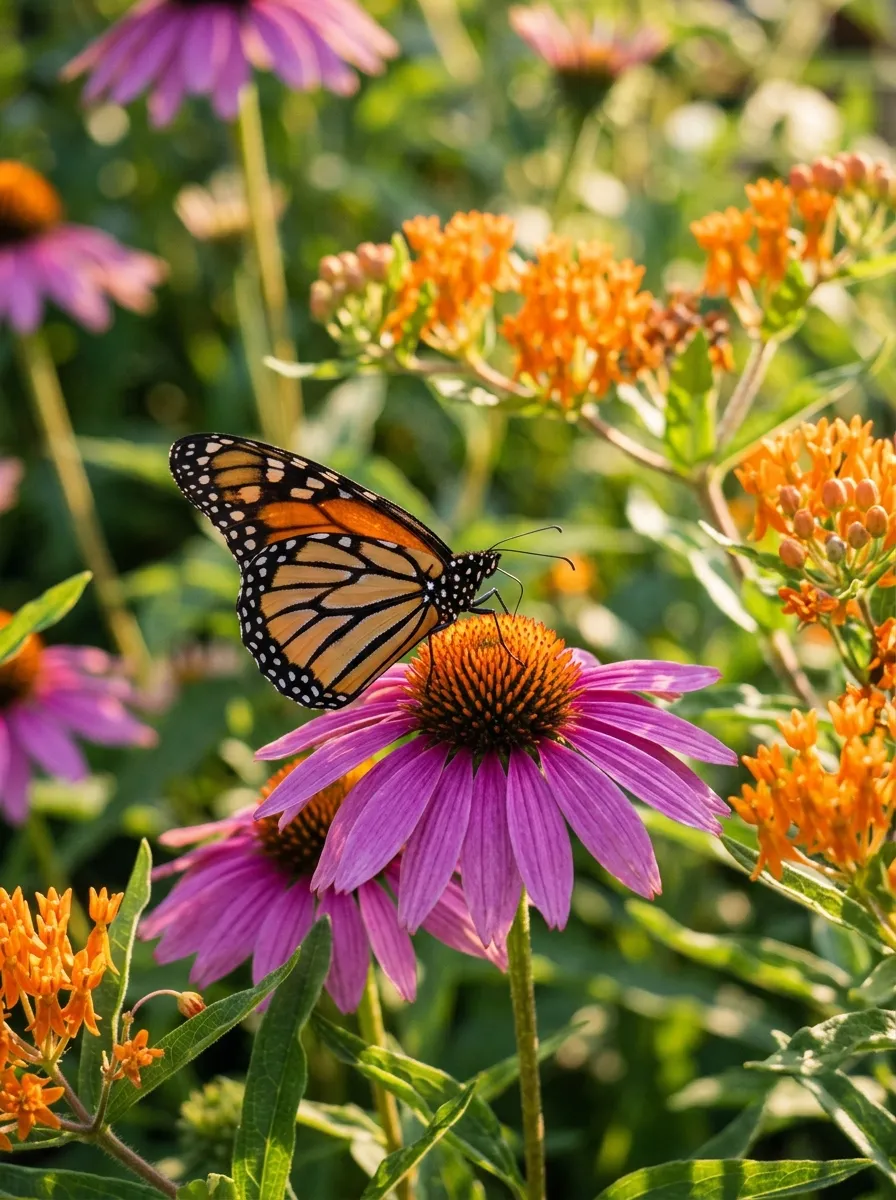
A pollinator garden brings color and movement to your yard while supporting bees and butterflies at the same time. Choose native flowering plants for your region, since they need less water and support local pollinators best.
Group plants in clusters rather than single scattered stems, since pollinators find clusters more easily than isolated flowers. Include a few different bloom times so something is flowering from spring through fall.
Skip pesticides in this area entirely, since they can harm the very insects you’re trying to attract.
Budget tip: many gardeners divide their perennial plants each spring and give away extras, so ask neighbors or local gardening groups before buying nursery starts.
This project adds constant color to your yard through most of the growing season, while turning your outdoor space into a small habitat instead of just a lawn. If you’re new to gardening and want more simple projects to get started, explore these easy beginner garden ideas for practical ways to build confidence and create a beautiful outdoor space.
10. Add a Hammock Corner
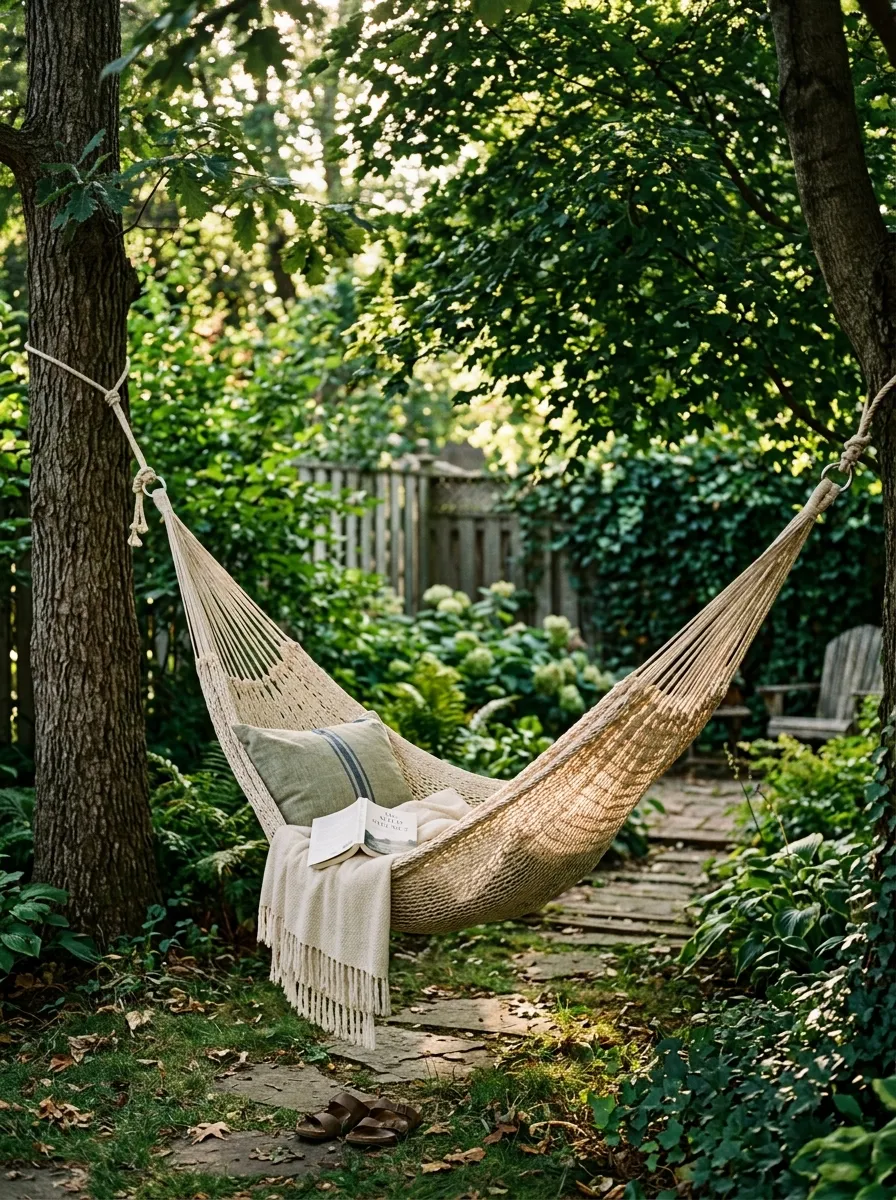
A hammock corner takes almost no construction and instantly gives your yard a relaxing focal point. String a hammock between two sturdy trees spaced far enough apart, using tree-friendly straps instead of rope that can damage bark.
If you don’t have two well-placed trees, a simple wooden stand works just as well and can be moved to catch shade throughout the day.
Add a small side table nearby, even something as simple as a tree stump, for a drink or book.
Budget tip: secondhand hammocks show up often at yard sales and thrift stores for a fraction of retail price.
This project costs little and creates a genuine reason to slow down outside. It’s one of the simplest ways to make a backyard feel like an escape rather than just a maintained lawn.
11. Create a Container Garden Cluster on the Patio
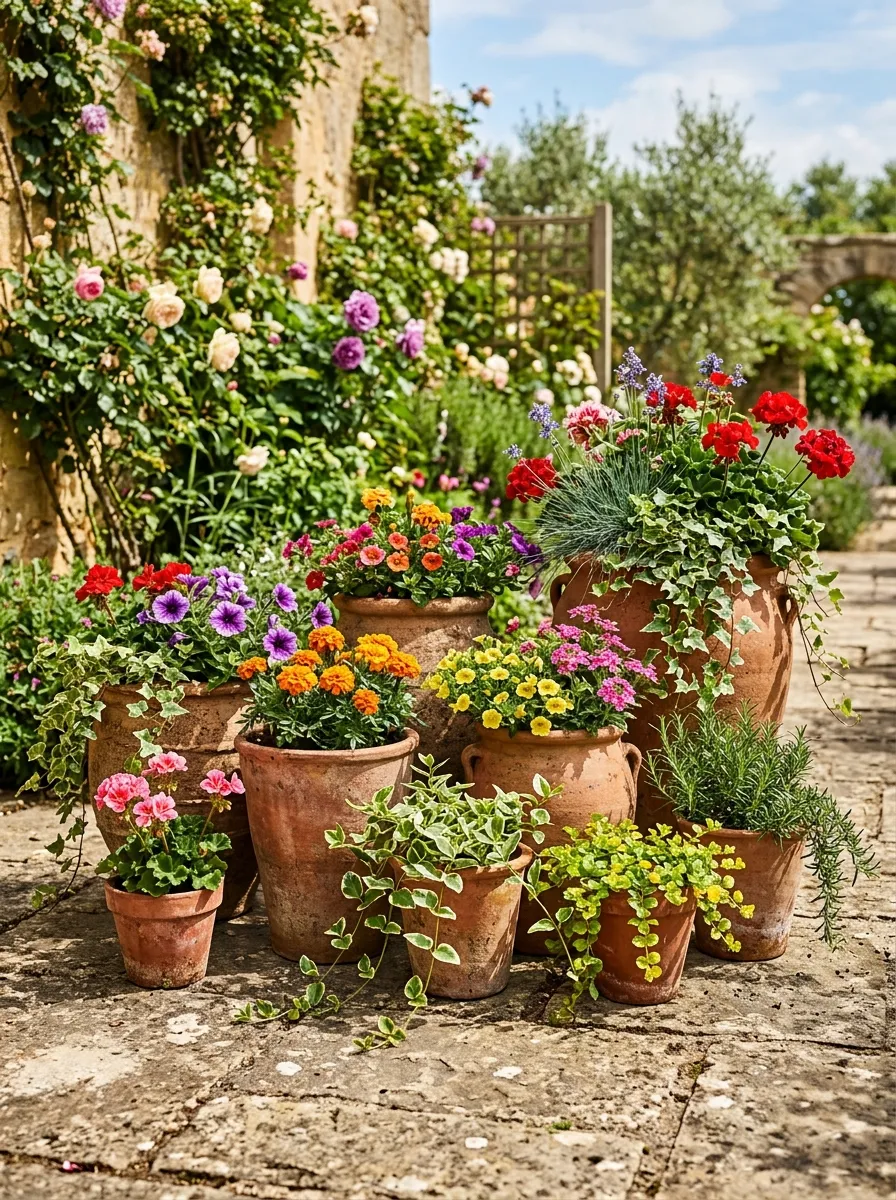
Container gardens work anywhere, even on a paved patio with no soil access. Group pots of different heights and widths together instead of lining them up in a single row, since varied height creates visual interest.
Mix flowering plants with foliage plants for texture. A tall spiky plant in the back, a rounded bushy plant in the middle, and something trailing over the front edge gives each grouping a layered look.
Water container gardens more often than in-ground beds, since pots dry out faster in direct sun.
Budget tip: mismatched pots from thrift stores or curbside finds work fine, especially once grouped together as a cluster rather than judged individually.
This project brings color to a patio, deck, or entryway without any digging, and it can be rearranged anytime you want a new look.
12. Build a Raised Deck Planter Box
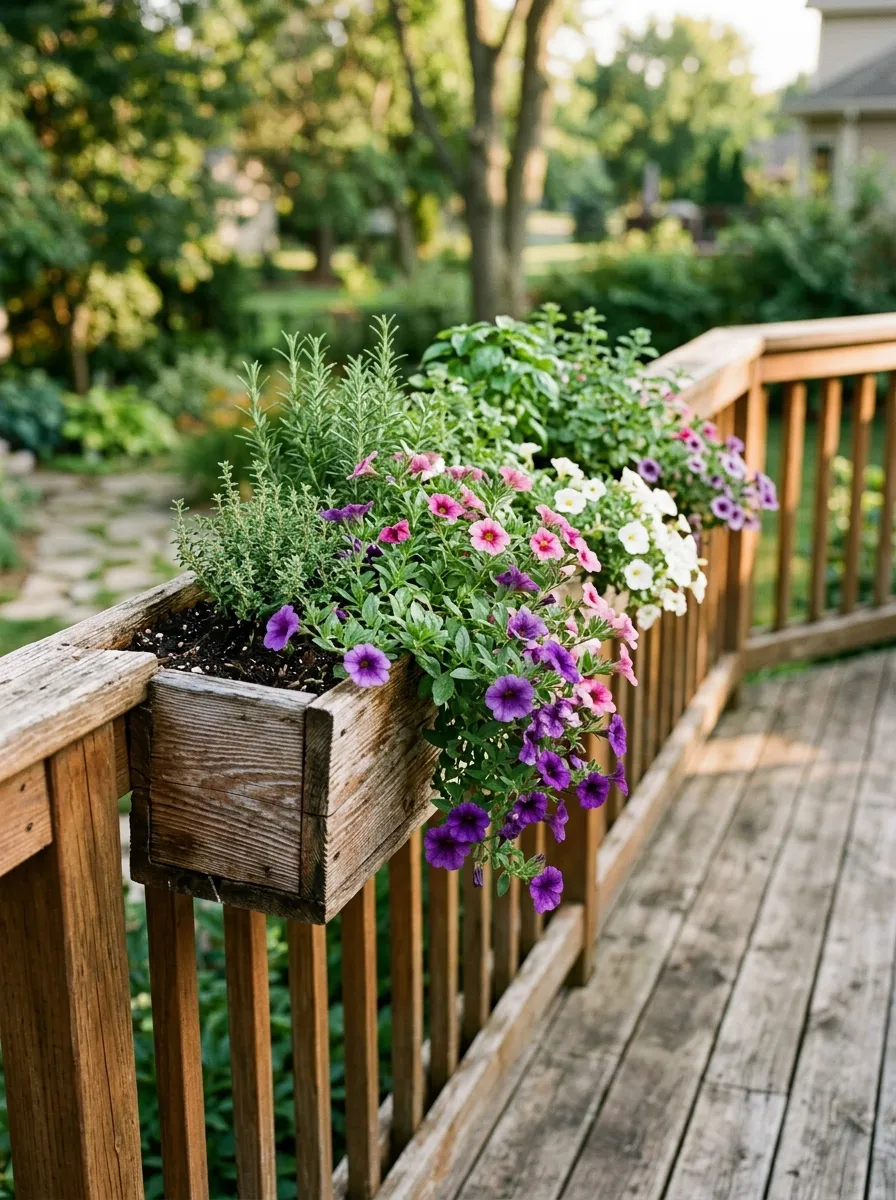
A railing planter box makes use of deck space that usually goes to waste. Build a simple rectangular box from scrap wood, sized to fit snugly against your railing, and attach it with brackets or sturdy screws.
Fill with trailing flowers like petunias for color, or herbs if the box sits near your kitchen door for easy cooking access. Drill drainage holes in the bottom so water doesn’t pool and rot the wood.
Line the box with a plastic liner if you want to protect the wood further from moisture damage.
Budget tip: an old dresser drawer or wooden crate, cut down to size, saves you from building a box from scratch.
This project adds color at eye level on a deck, turning unused railing space into a small, functional garden feature.
13. Add a Vertical Herb Wall Near the Kitchen Door
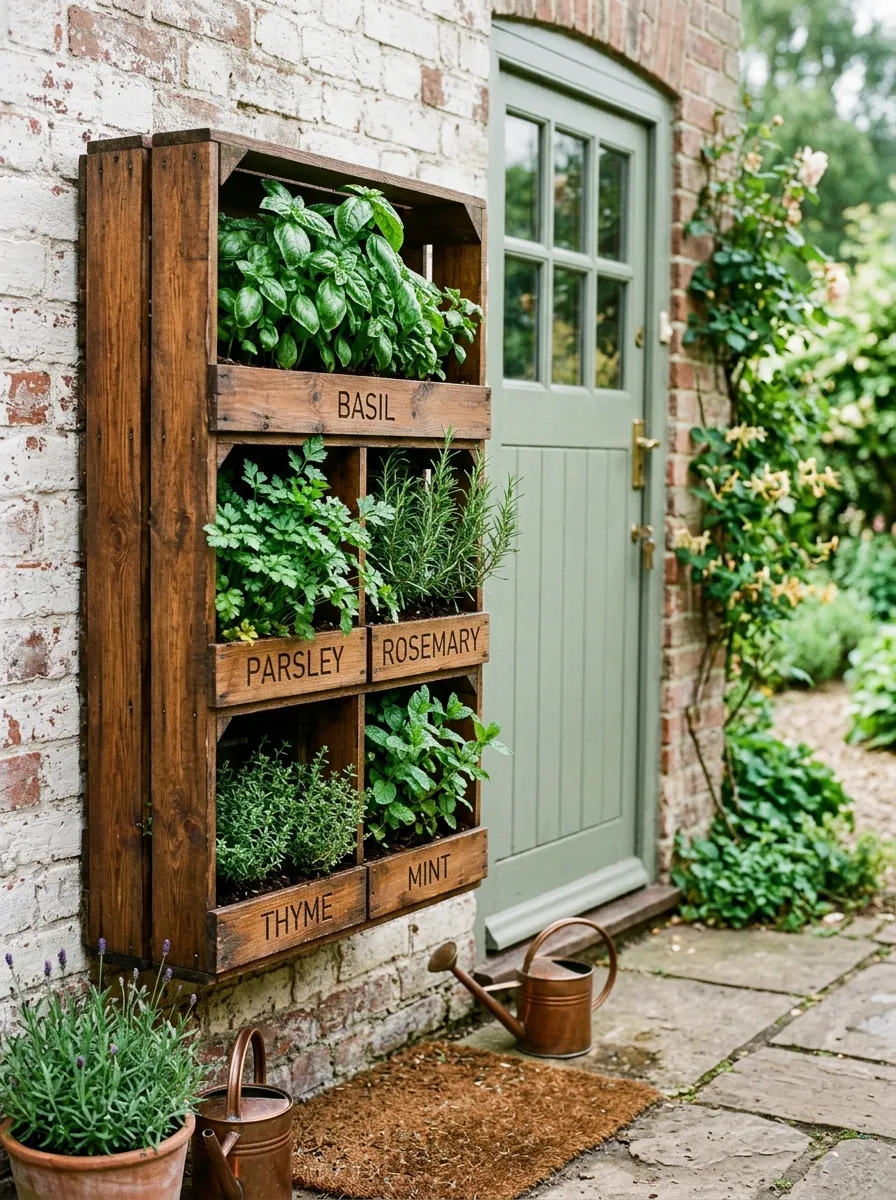
Keeping herbs close to your kitchen door means you’ll actually use them while cooking. Mount a few small wooden crates or hanging pots to the wall right beside your back entrance, each holding a different herb.
Basil, parsley, chives, and rosemary all do well in shallow containers and don’t need much room to thrive. Snip what you need right before a meal instead of buying plastic-wrapped herbs at the store.
Rotate the crates seasonally if certain herbs struggle with winter cold in your climate.
Budget tip: start herbs from seed packets instead of buying established nursery plants, since seeds cost a fraction of the price and herbs grow fast.
This project saves money on grocery herbs over time and makes cooking feel a little more connected to your own yard.
14. Create a Gravel Fire Pit With Log Seating
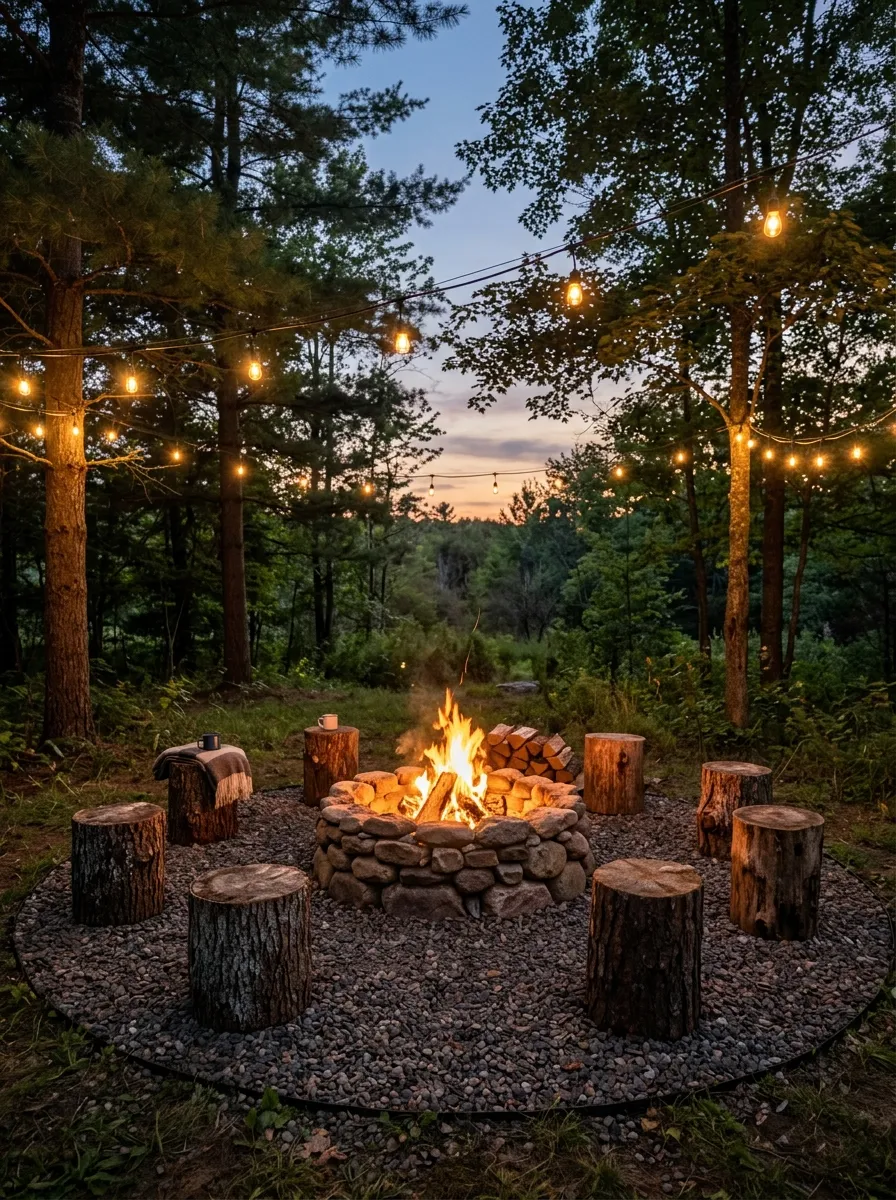
Pairing a fire pit with gravel ground cover solves the mud and grass-wear problem that comes with heavy foot traffic in one spot. Lay landscape fabric under a circle of gravel, then build your fire pit ring in the center.
Use tree stumps or thick log rounds as seating instead of buying patio chairs. They hold up to weather naturally and give the space a more rustic feel.
String a few lights overhead for evening use once the sun goes down.
Budget tip: ask a local tree removal service for stump sections, since they often need to dispose of them anyway and will hand them over for free.
This project creates a durable, low-maintenance gathering spot that doesn’t turn into a muddy patch after a few uses.
15. Build an Outdoor Dining Nook
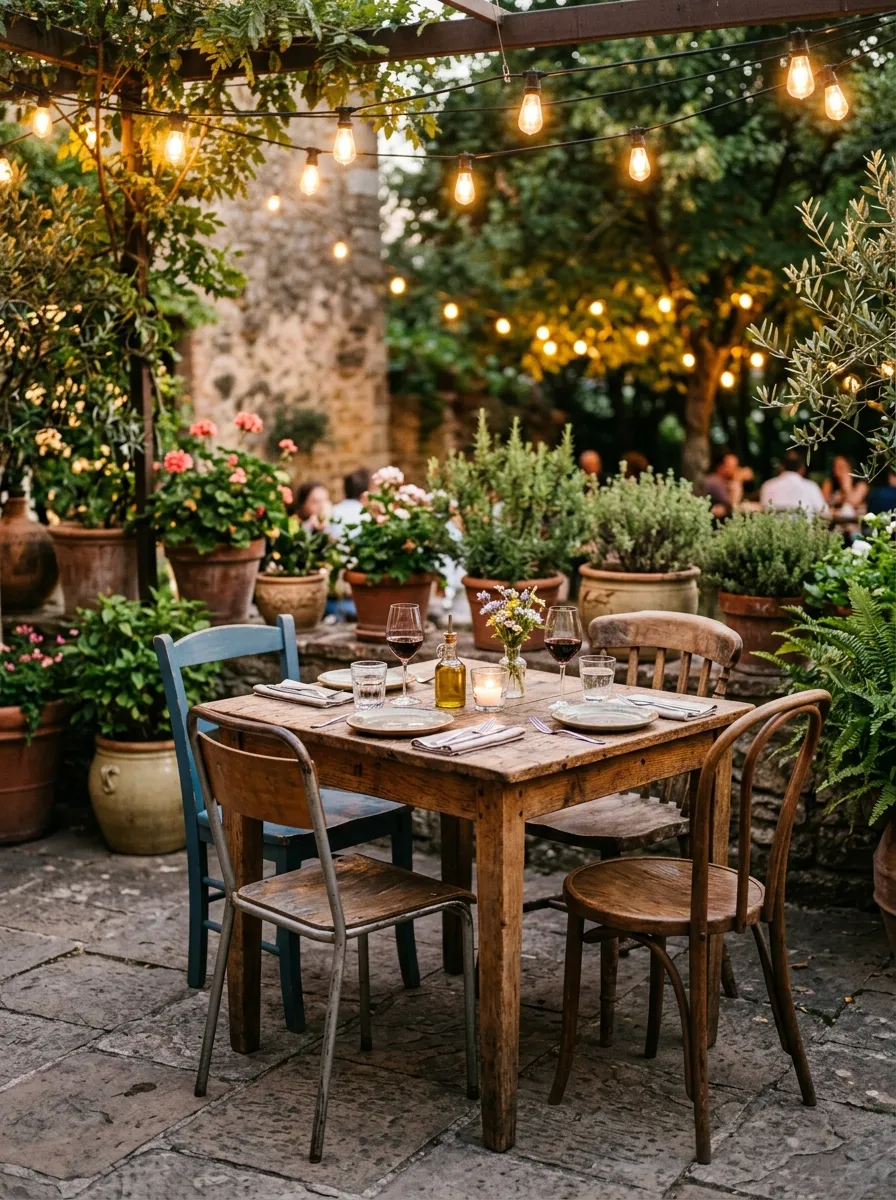
An outdoor dining nook gives you a reason to eat outside more often instead of saving the patio for special occasions. A simple wooden table, even a secondhand one refinished with a coat of paint, works fine as the centerpiece.
Mismatched chairs actually add charm rather than looking sloppy, especially if tied together with matching cushions or a shared paint color.
Add a few potted plants around the edges to soften the hard lines of a table and chairs sitting on bare pavement.
Budget tip: check curbside listings and yard sales for a table and chair set, since outdoor furniture often gets replaced by homeowners well before it’s actually worn out.
This project turns mealtime into a small event and makes your yard feel like an extension of your home instead of separate from it.
16. Add Layered Flower Borders for Color
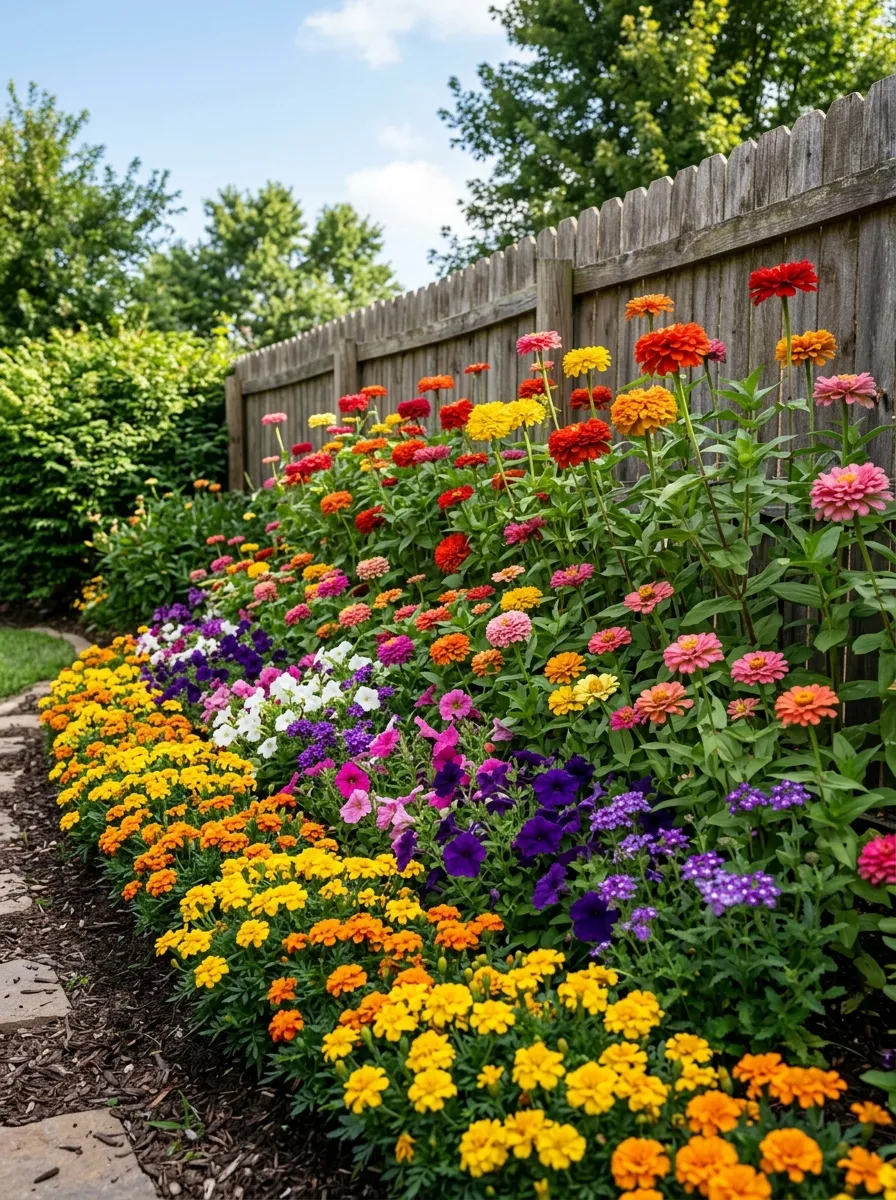
A layered flower border gives your yard depth instead of a single flat row of blooms. Plant short flowers like marigolds in front, medium height plants like coneflowers in the middle, and taller options like zinnias or sunflowers along the back.
This tiered approach means every plant gets visible sun and none get hidden behind taller neighbors. It also creates a fuller, more finished look along a fence line or property edge.
Stick with a simple color scheme, like two or three colors repeated throughout, rather than mixing every shade available.
Budget tip: grow flowers from seed packets instead of nursery starts, since a single packet often produces dozens of plants for the price of one potted flower.
This project adds a strong visual anchor to your yard’s edges and fills what’s often the most overlooked part of a property.
17. Create a Shade Garden Under a Tree
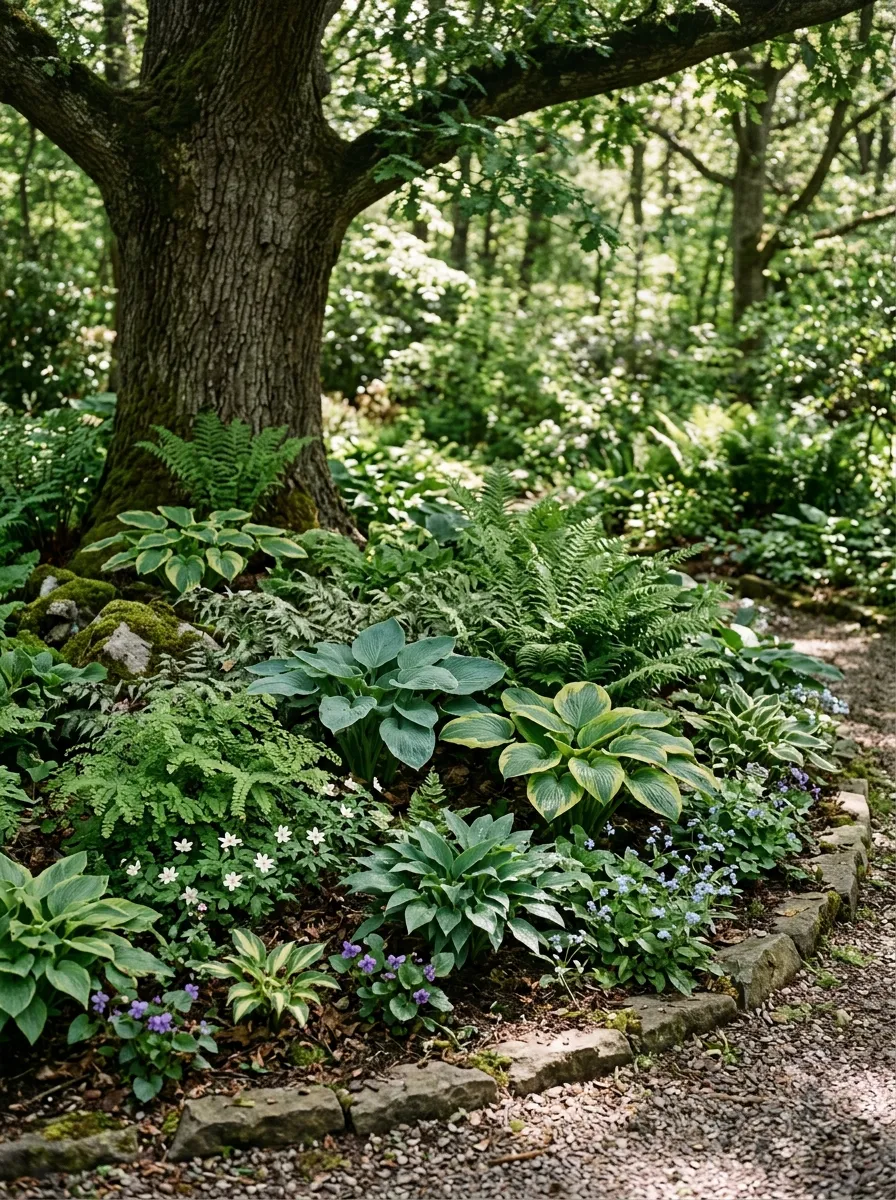
The bare patch under a big tree doesn’t have to stay empty dirt. Shade-loving plants like hostas, ferns, and astilbe thrive in exactly the low-light conditions that make grass struggle in that spot.
Clear out any competing weeds first, then work in a layer of compost since tree roots often leave soil depleted nearby. Mulch heavily around new plants to hold moisture, since tree roots also compete for water.
Choose plants based on how deep the shade actually is. Full shade needs different plants than a dappled, partial-shade spot.
Budget tip: shade perennials divide easily, so ask neighbors with an established shade garden if they have extras to share.
This project solves the frustrating problem of bare dirt under trees, turning a dead zone into one of the more interesting parts of your yard.
18. Build a Simple Arbor Entry
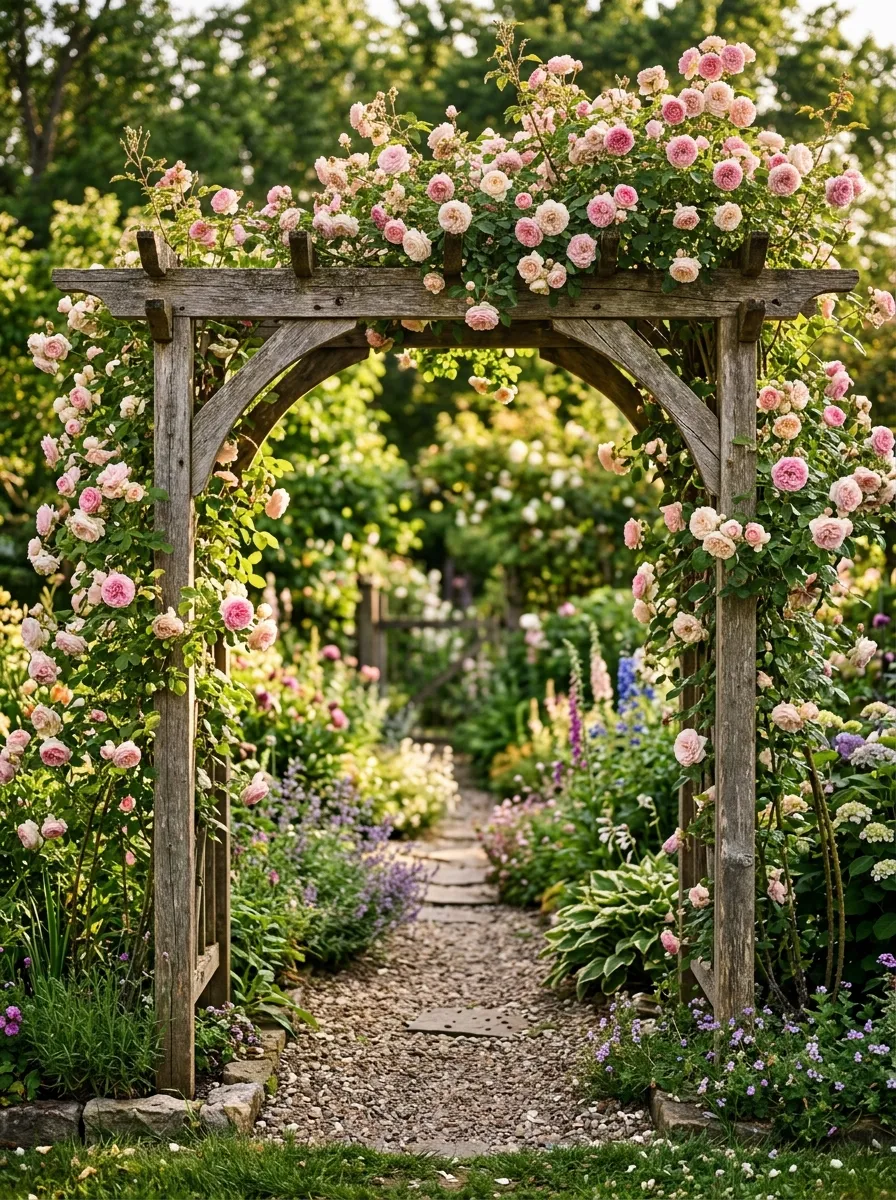
An arbor marks a transition point in your yard, whether that’s the entrance to a garden bed or the start of a path toward the back fence. Build a simple frame from four posts and a crossbeam, then train a climbing plant like roses or clematis to grow up and over it.
Keep the structure narrow enough to walk through comfortably, usually around three to four feet wide.
Anchor the posts well, since a wobbly arbor covered in vines gets heavy and unstable over time.
Budget tip: cedar fence posts, often sold individually and cheaply at hardware stores, work fine as arbor posts without needing specialty lumber.
This project gives your yard a sense of arrival and destination, making even a small space feel like it has distinct areas worth exploring.
19. Add Solar Path Lights
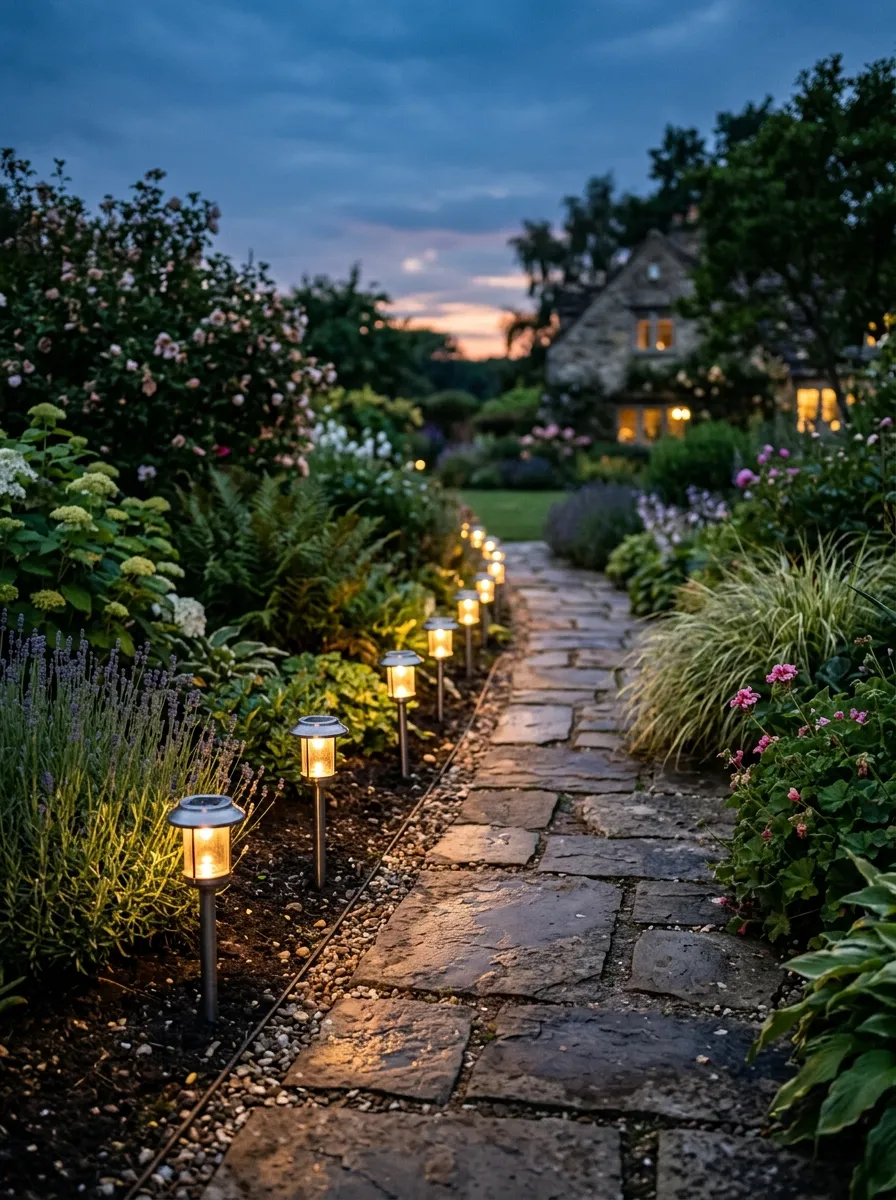
Solar lights need no wiring, no outlet, and almost no maintenance beyond an occasional wipe of the solar panel. Push the stakes into the ground along a path, driveway edge, or garden border, and they charge automatically during the day.
Space them evenly, roughly three to four feet apart, so the path stays visible without looking overly lit like a runway.
Swap batteries only when a light starts to dim, which for most solar lights happens after a year or two of regular use.
Budget tip: buy multi-packs during end-of-summer clearance sales, when garden centers often discount outdoor lighting heavily.
This project makes your yard usable after dark and adds a soft, welcoming glow without the cost or hassle of running electrical lines outdoors.
20. Create a Rock Garden With Succulents
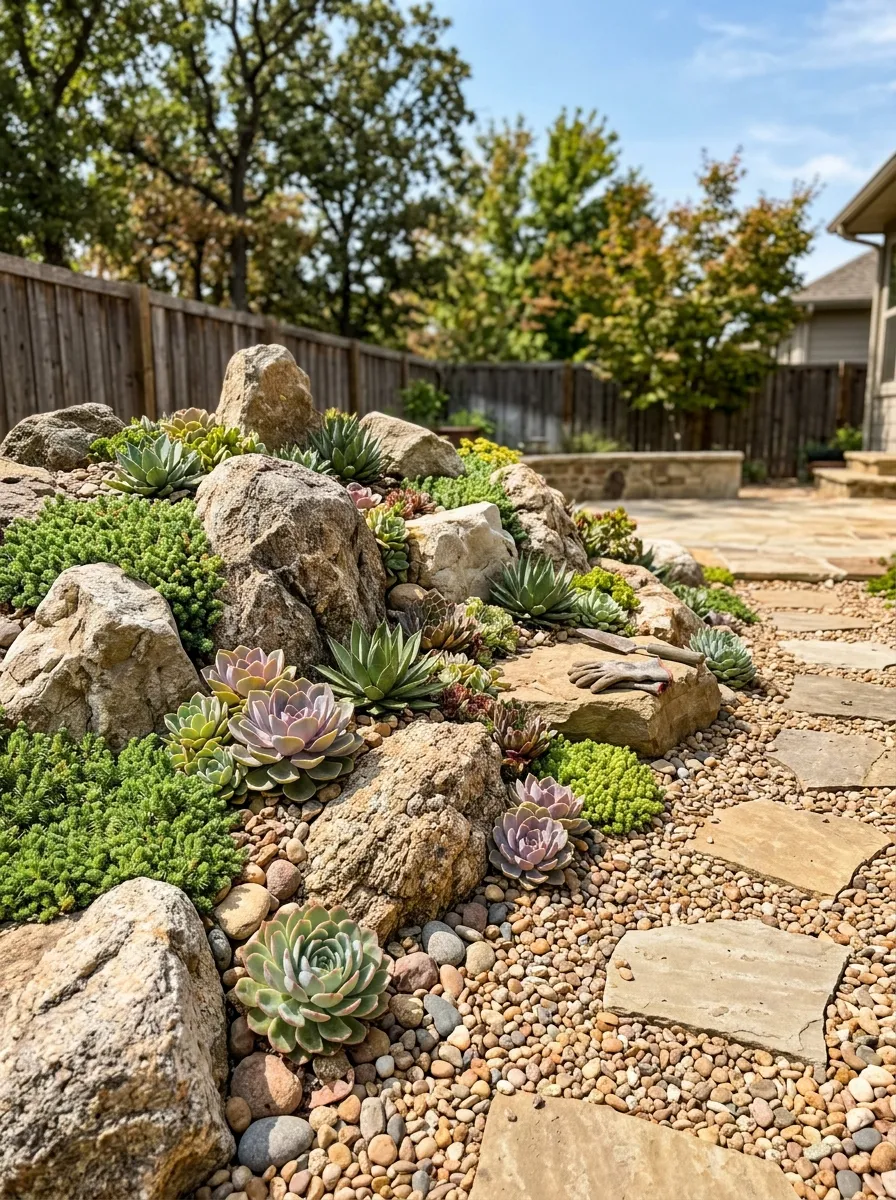
A rock garden solves the problem of a hot, dry, sunny spot where grass struggles and most flowers wilt. Arrange a few larger rocks as anchor points, then fill the gaps with gravel and drought-tolerant succulents like sedum and hens-and-chicks.
These plants barely need watering once established, making this one of the lowest-maintenance features you can add to a yard.
Vary rock sizes for a natural look instead of uniform, evenly sized stones, which can look artificial.
Budget tip: succulents propagate easily from cuttings, so a single plant from a friend can multiply into a full garden within a season.
This project turns a problem spot into one of the easiest parts of your yard to maintain, since it barely needs attention once it’s established.
21. Build a Privacy Screen With Climbing Vines
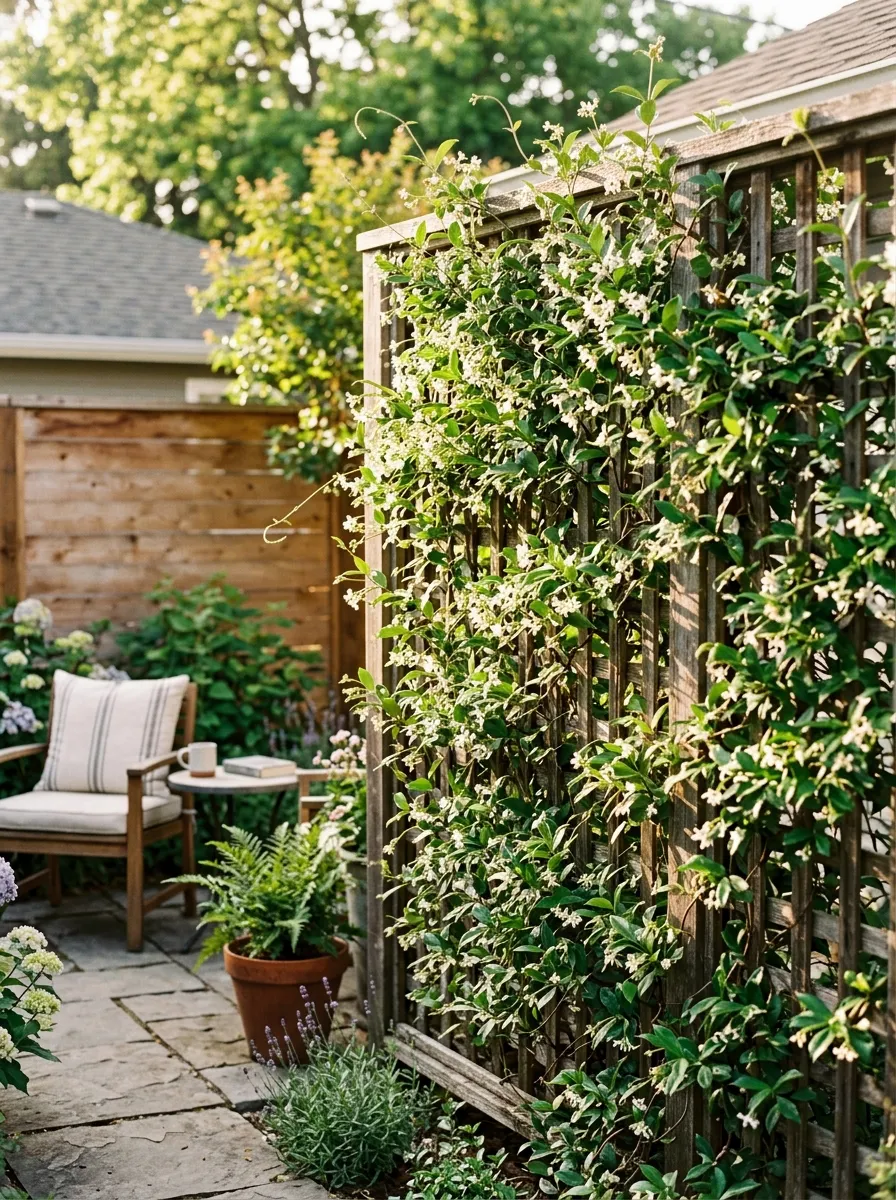
A privacy screen blocks unwanted views without the cost of a full fence. Build a simple lattice panel from wood strips, set it into the ground with sturdy posts, and plant a fast-growing vine like jasmine or clematis at the base.
Within a season or two, the vine fills in the lattice gaps, creating a living wall of greenery instead of bare wood or plastic.
Position the screen where it blocks the most direct sightline, usually near a patio or hot tub area, rather than around the entire yard.
Budget tip: reclaimed wood slats, spaced evenly and nailed to a frame, work just as well as a purchased lattice panel.
This project creates a private outdoor space gradually, and the vine coverage actually improves each year instead of aging like a static fence.
22. Add a Small Vegetable Patch
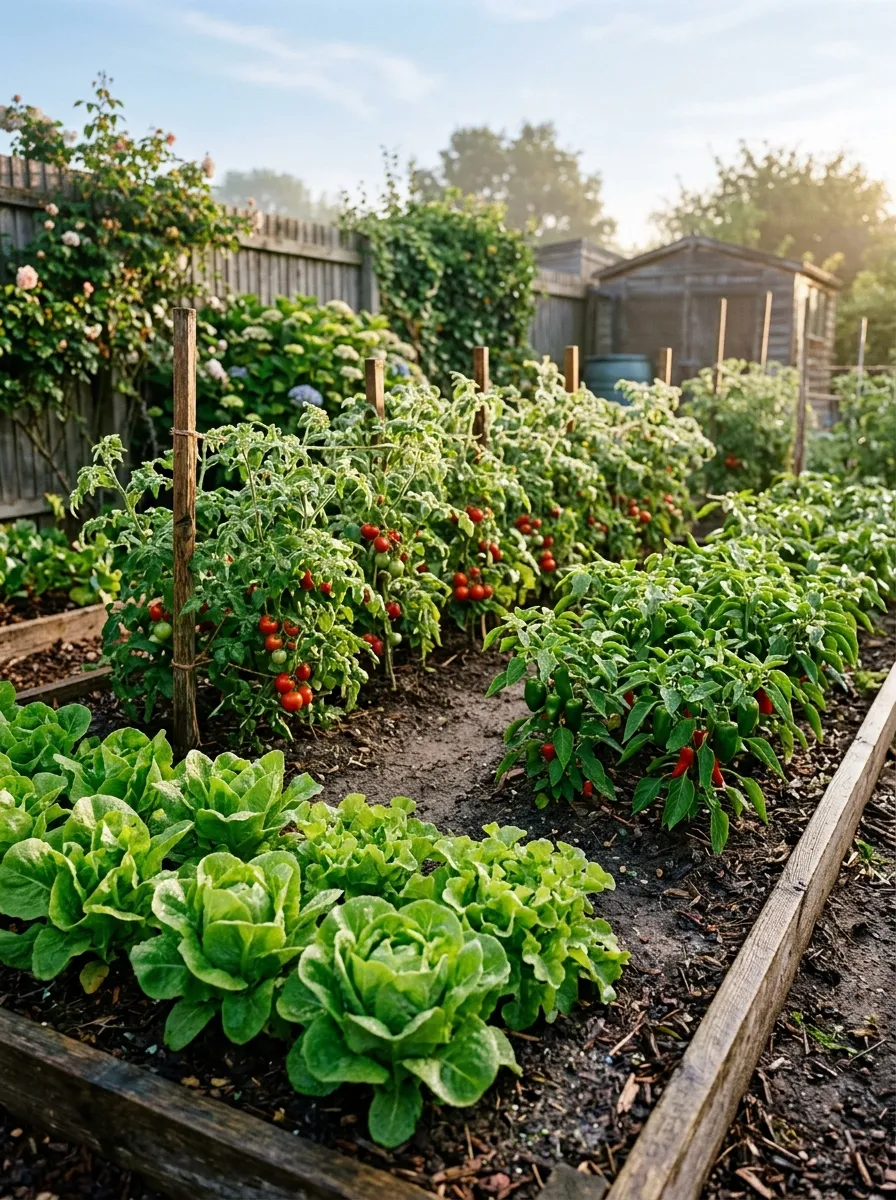
A small vegetable patch doesn’t need to take over your whole yard to be worth the effort. A four-by-eight-foot bed is enough space for a handful of tomato plants, peppers, and a row of lettuce or beans.
Pick a spot that gets at least six hours of direct sun daily, since most vegetables struggle in shade. Rotate what you plant each year to keep the soil from getting depleted of the same nutrients.
Water deeply a few times a week rather than lightly every day, which encourages stronger root growth.
Budget tip: start plants from seed rather than buying starts, since a seed packet often costs less than a single nursery seedling.
This project gives you fresh produce all summer and turns a corner of your yard into something genuinely productive, not just decorative.
23. Create a Cozy Reading Corner With a Bench
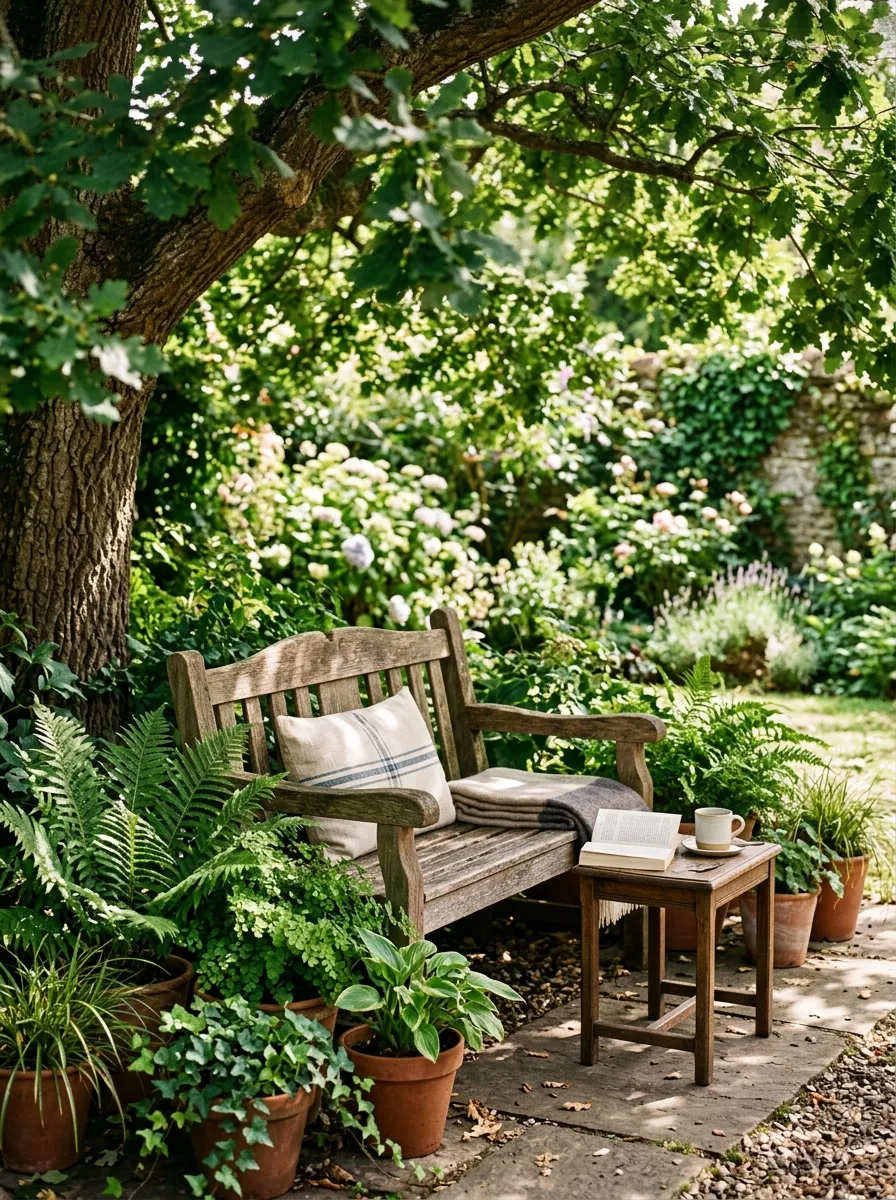
A reading corner gives your yard a purpose beyond maintenance and upkeep. Tuck a simple bench under a shaded tree or against a quiet fence line, somewhere away from the main patio traffic.
Add a small side table for a drink or book, even something as simple as an upturned crate. Surround the spot with a few potted plants to make it feel enclosed and separate from the rest of the yard.
Face the bench toward your favorite part of the garden rather than toward the house, so the view stays interesting.
Budget tip: a secondhand bench refinished with sandpaper and a coat of outdoor paint costs far less than buying new.
This project gives you a genuine reason to sit outside longer, turning a forgotten corner into your favorite spot in the whole yard.
24. Build a DIY Birdhouse Display
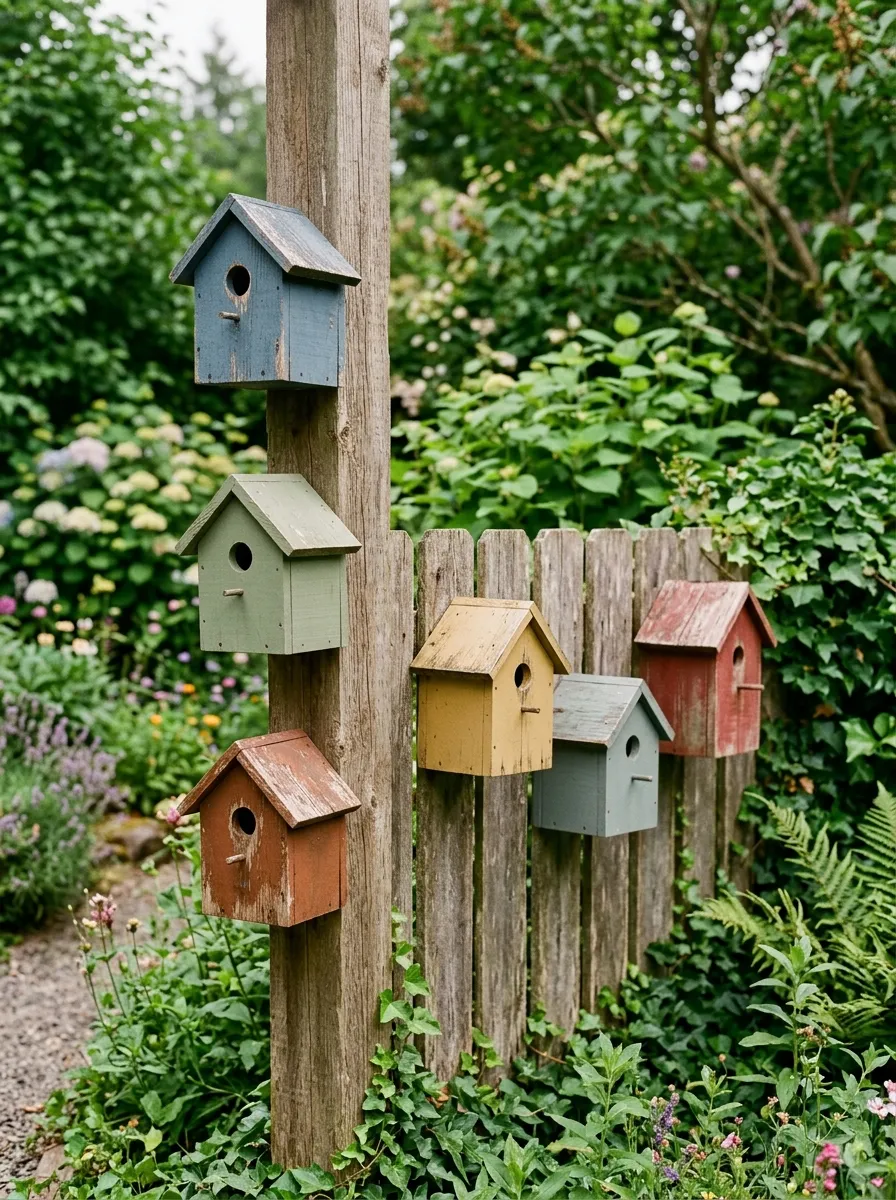
A cluster of birdhouses adds visual interest at different heights while inviting more birds into your yard. Build simple box birdhouses from scrap wood, or repurpose small wooden crates and boxes with a hole cut into the front.
Mount them at varying heights on a fence, post, or tree trunk rather than lining them up evenly, since a staggered arrangement looks more natural.
Clean out birdhouses once a year, ideally at the end of nesting season, so they stay usable for the next year’s residents.
Budget tip: unfinished wooden birdhouse kits from craft stores often go on sale, or scrap wood from other projects works just as well.
This project brings more bird activity to your yard, which helps naturally manage insect populations while adding charm to fences and posts.
25. Add a Mulched Play Area for Kids
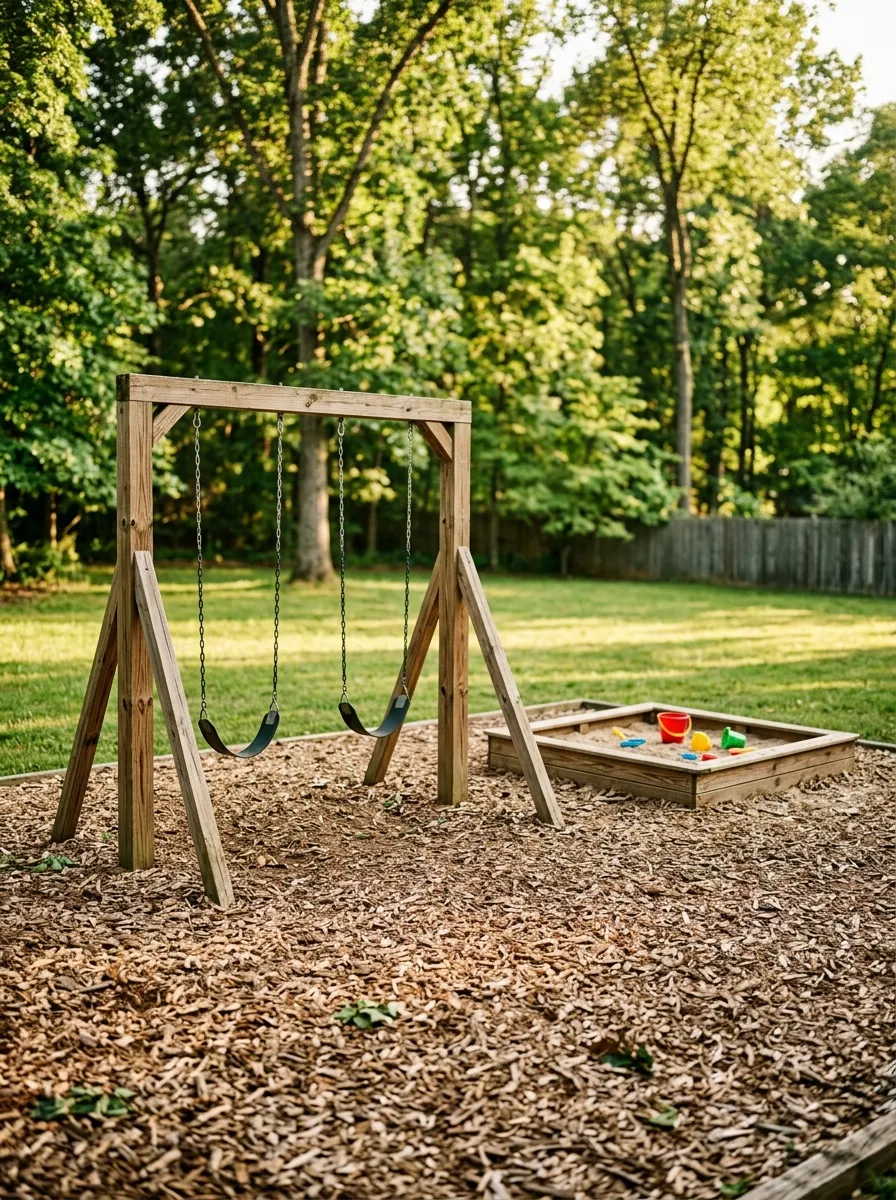
A designated play zone keeps kids’ equipment contained instead of scattered across your whole lawn. Mark out a section, remove the grass, and lay a few inches of wood mulch as a soft, safe surface underneath swings or a sandbox.
Edge the area with timber or landscape edging to keep the mulch from spreading into the rest of the yard. Refresh the mulch layer every year or two as it breaks down and compresses.
Position the area within sight of a window or patio so supervision stays easy.
Budget tip: many municipalities offer free wood chip mulch through local tree services, so check community listings before buying bagged mulch.
This project keeps play equipment organized while giving kids a safe, cushioned spot to run, dig, and swing without tearing up the lawn.
26. Create a Night Garden With Fragrant Blooms
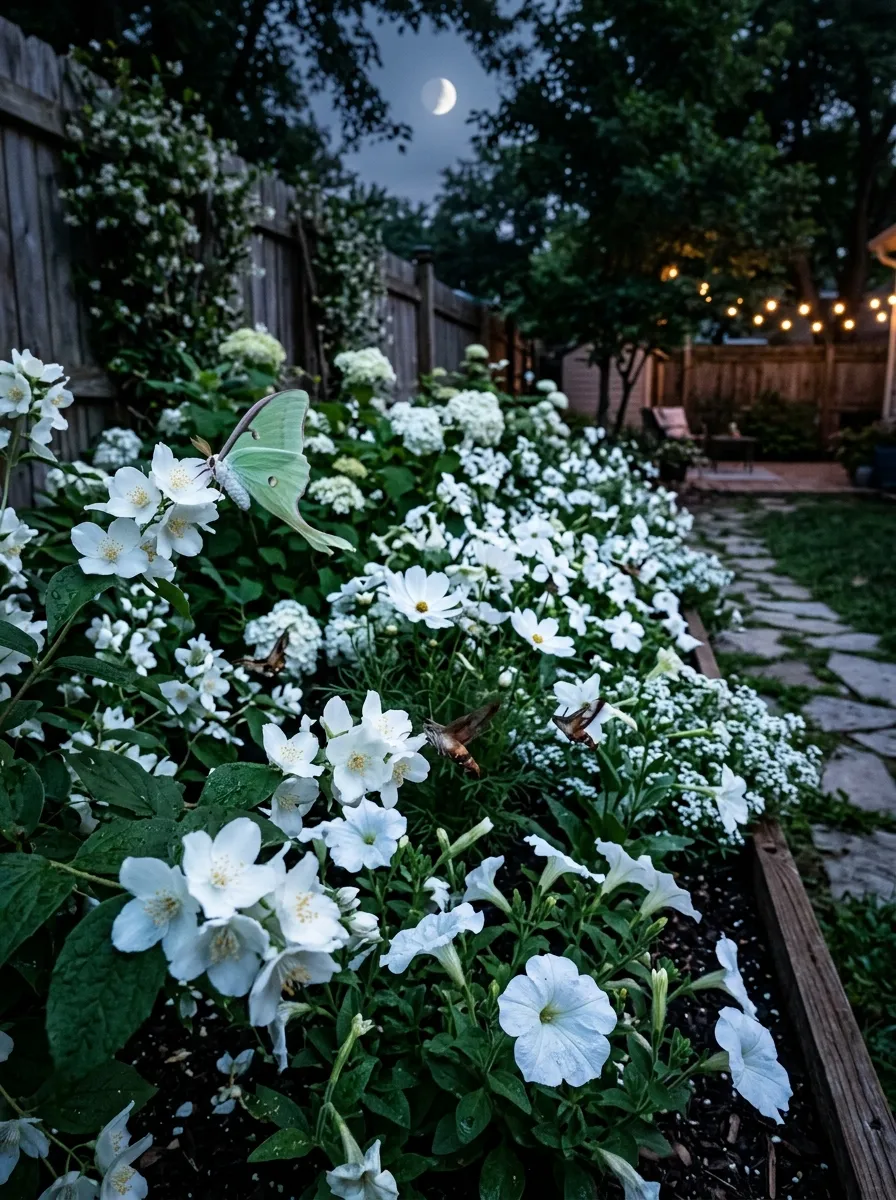
A night garden comes alive after the sun goes down, using pale and white flowers that seem to glow in low light along with fragrant blooms that release scent in the evening. Plants like moonflower, evening primrose, and white petunias work well for this effect.
Place these plants near a patio or path where you’ll actually notice them at night, rather than tucked in a far corner of the yard.
Pair the planting with a few soft solar lights so the space stays visible without harsh overhead lighting washing out the effect.
Budget tip: many fragrant night bloomers grow easily from seed, so a single packet covers a full bed for a fraction of nursery prices.
This project extends your enjoyment of the yard into evening hours, giving you a reason to linger outside after dinner instead of heading straight in.
27. Build a DIY Trellis Archway Over a Gate
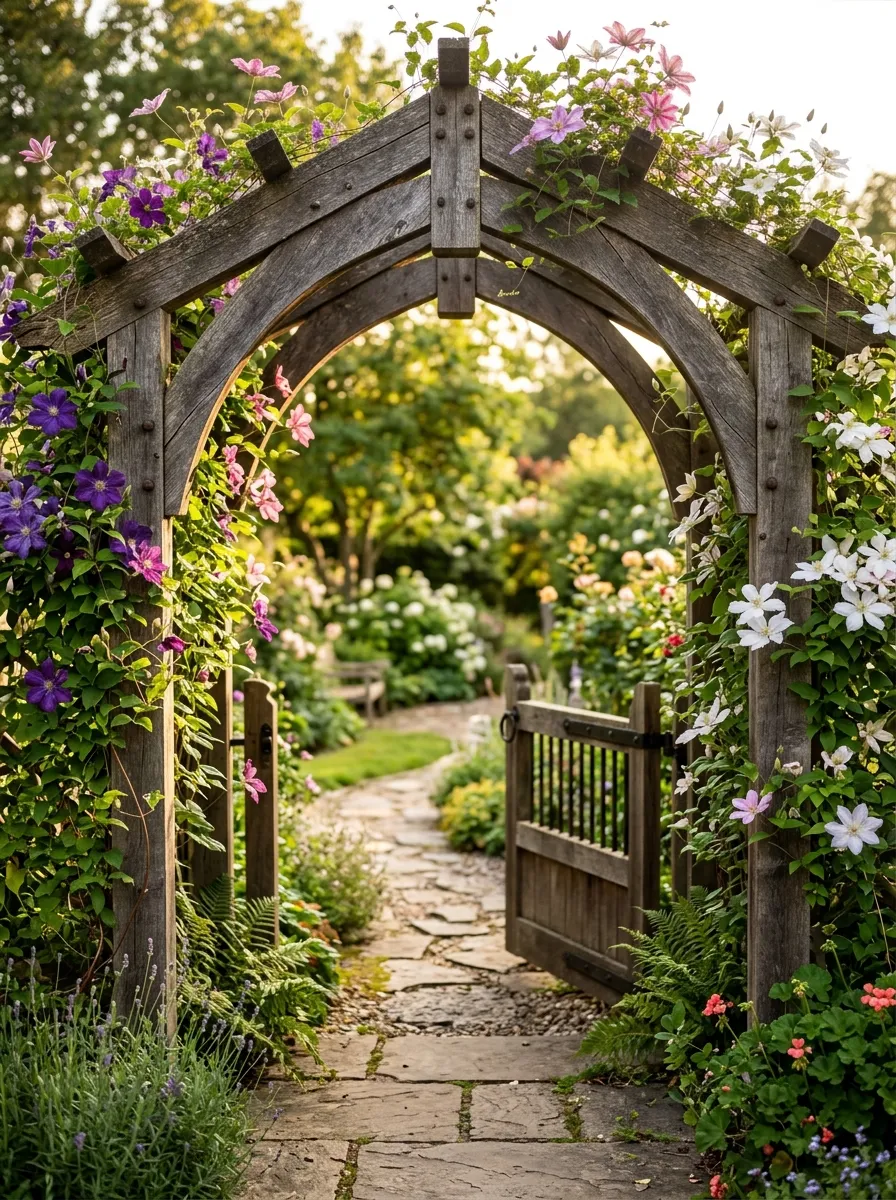
A trellis archway turns a plain gate into a small landmark. Build a simple A-frame or square arch from wood strips, set it directly over your gate posts, and plant a climbing vine like clematis or morning glory at the base of each side.
Within a season, the vines will start filling in the frame, creating a green tunnel effect that makes entering the yard feel like an event rather than just walking through a gap in the fence.
Trim the vines back each fall so they don’t overwhelm the structure or block the gate from swinging open.
Budget tip: leftover fence pickets, cut and reassembled into an arch shape, save you from buying a specialty trellis kit.
This project adds a memorable focal point right at your yard’s entry point, for the cost of a little lumber and a few vine starts.
Conclusion
A backyard doesn’t transform overnight, and it doesn’t need a big budget to get there either. Small, deliberate changes, a fire pit here, a stretch of gravel there, a few vines trained up a simple frame, add up faster than most people expect. Pick two or three projects from this list that fit your space and your weekend schedule, and start there. The yard you’ve been meaning to use more often is closer than you think.