
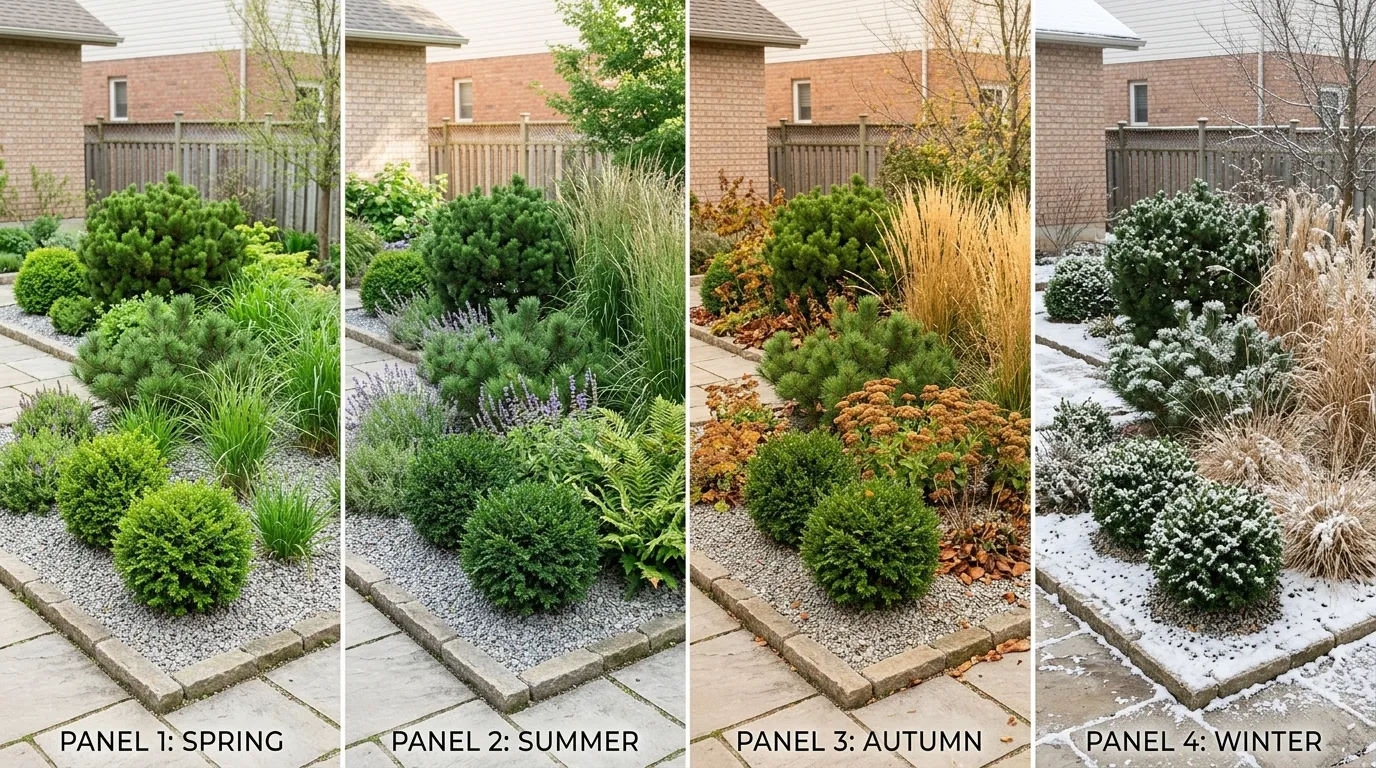
A garden that looks good every month of the year, without constant weeding, watering, and replanting, comes down to smart choices made once rather than effort repeated endlessly. The right combination of plants, materials, and layout can carry a yard through every season with minimal upkeep. This list gathers genuinely low-effort ideas that still deliver real visual payoff, whether you’re short on time, new to gardening, or just tired of a yard that demands constant attention. Set it up once, and let it mostly take care of itself.
1. Plant Evergreen Shrubs as a Structural Base
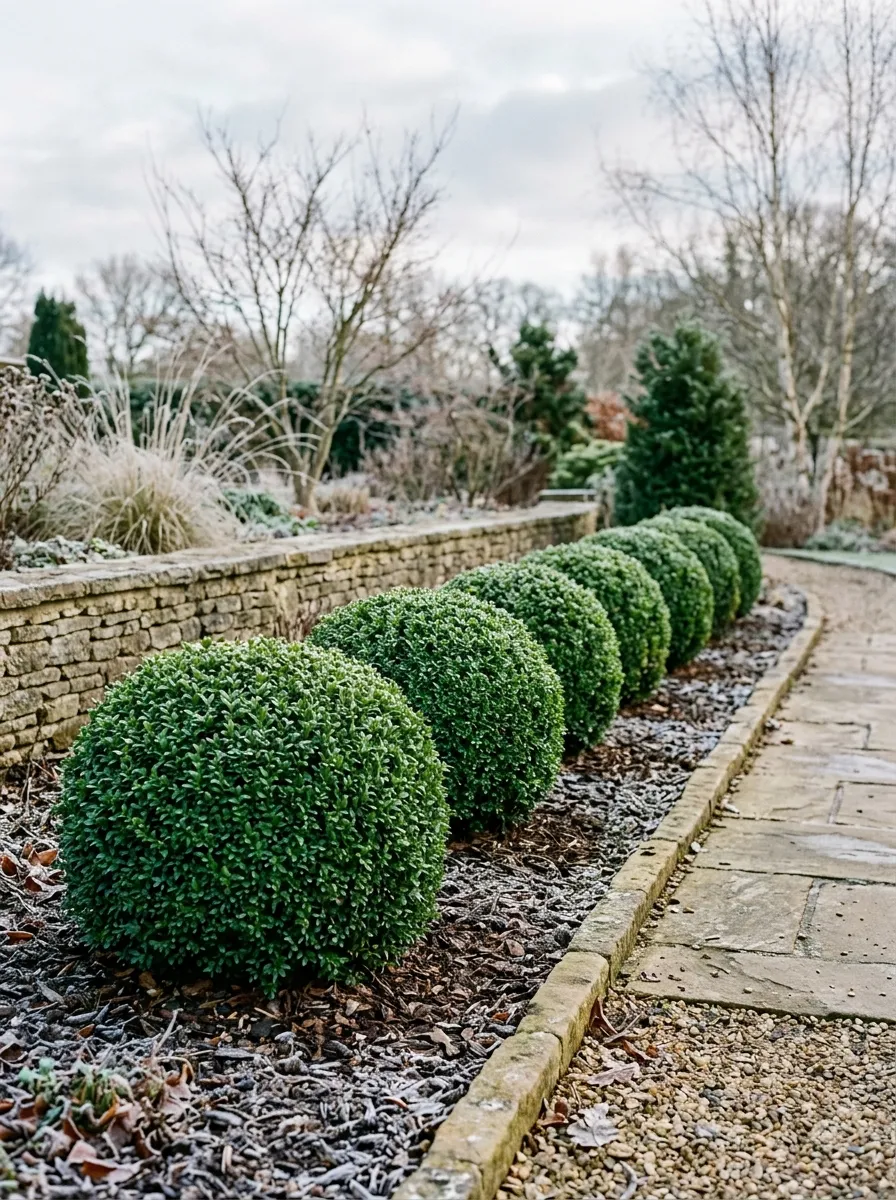
Evergreen shrubs hold their shape and color through every season, giving a garden a reliable backbone that doesn’t disappear once flowers fade in fall. Plant a row of boxwood, holly, or dwarf conifer along a bed’s edge or as a backdrop for seasonal color.
These shrubs need only occasional trimming, once or twice a year, to maintain their shape, compared to the constant deadheading and replanting that flowering annuals demand.
Space plants according to their mature width, not their current small size, to avoid future overcrowding.
Budget tip: buy smaller, younger evergreen starts rather than mature shrubs, since they establish just as reliably at a fraction of the cost.
This project gives your yard year-round structure and color, the foundation that keeps a garden looking intentional even in the depths of winter.
2. Use Gravel Mulch Instead of Bark
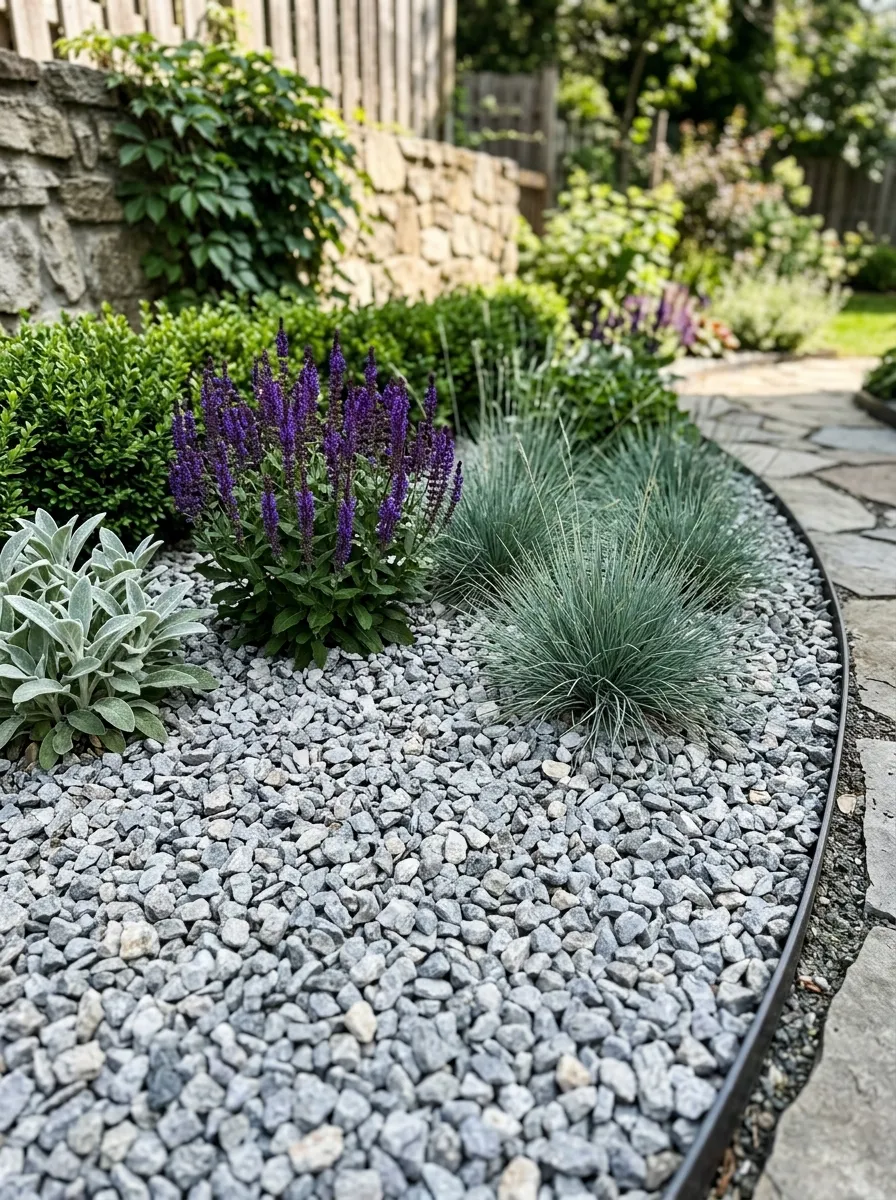
Gravel mulch lasts for years without breaking down, unlike bark or wood mulch that needs replacing every season as it decomposes into the soil. Spread a few inches of gravel across your beds after laying landscape fabric underneath to block weeds.
This also improves drainage around plant roots and reflects light back upward, which can help sun-loving plants in partially shaded spots.
Rake occasionally to keep the surface looking fresh, since this is essentially the only maintenance gravel mulch ever requires.
Budget tip: buy gravel in bulk from a landscaping supplier rather than bagged gravel from a hardware store, since bulk pricing runs far cheaper.
This project removes an entire annual task, reapplying mulch, from your garden routine while still keeping beds looking tidy and defined.
3. Choose Perennials Over Annuals
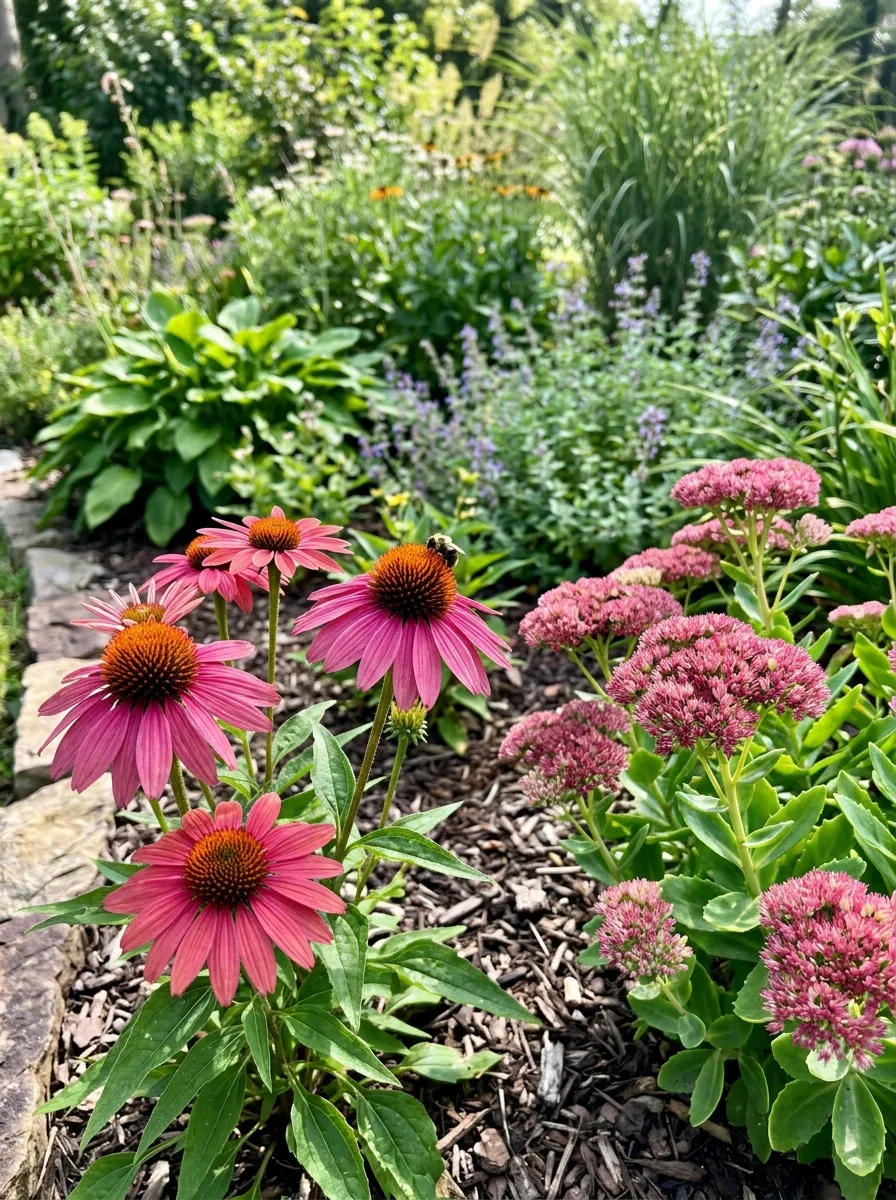
Perennials return year after year from the same root system, unlike annuals that die each fall and require replanting from scratch every spring. Choose reliable perennials like coneflower, sedum, or daylilies, which tolerate a range of conditions and rarely need division more than once every few years.
This single switch eliminates one of the most repetitive tasks in gardening: buying and planting new flowers every single season.
Group perennials by bloom time so something is flowering throughout most of the growing season without any additional planning each year.
Budget tip: perennials divide easily every few years, so one plant purchased today can multiply into several free plants down the line.
This project cuts your annual planting workload dramatically while still delivering reliable color through spring, summer, and fall.
4. Install a Drip Irrigation System on a Timer
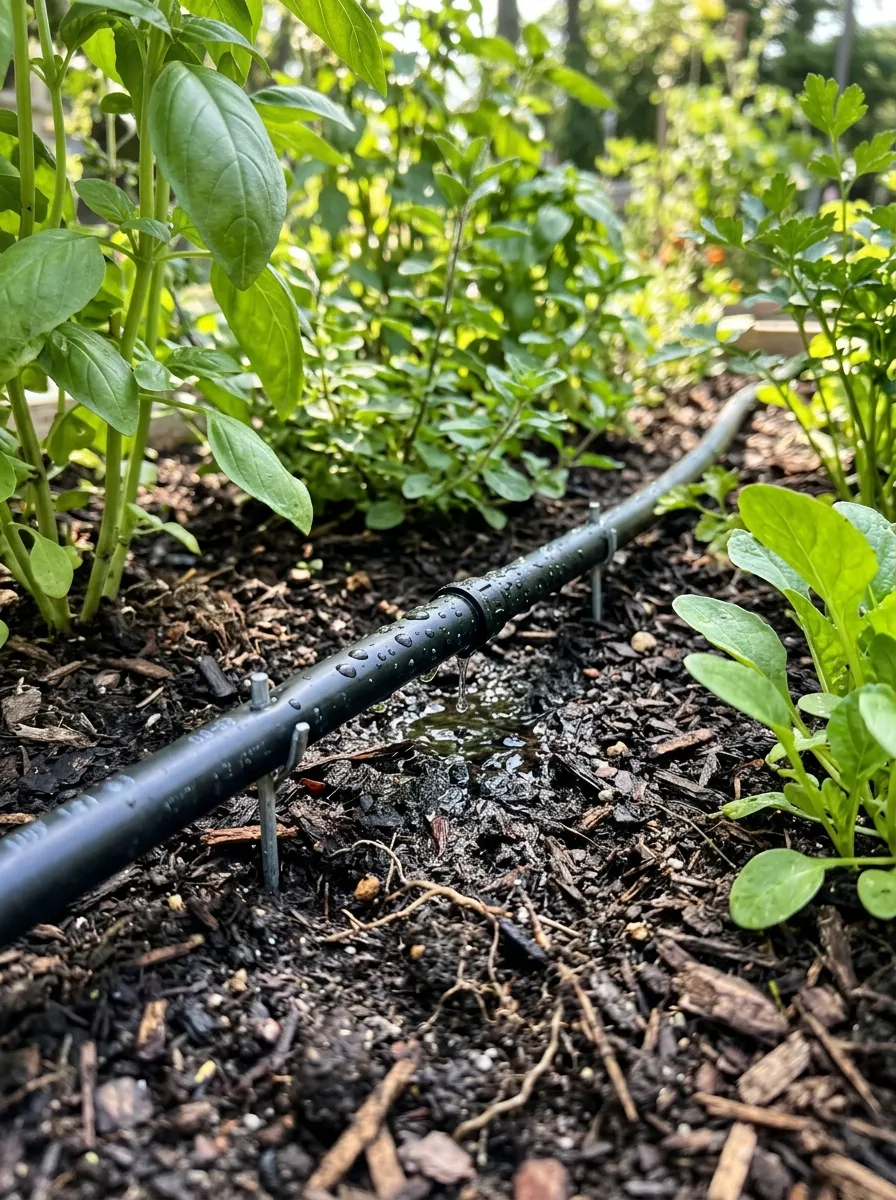
A drip irrigation system connected to a simple timer waters your garden automatically, removing the daily task of dragging out a hose or watering can. Run flexible tubing along your beds, with small emitters positioned at each plant’s base, connected to an outdoor spigot through a timer attachment.
This setup delivers water directly to the roots rather than spraying leaves, which also reduces problems like fungal disease that come from wet foliage.
Set the timer for early morning watering, which minimizes evaporation loss compared to watering during the heat of the day.
Budget tip: basic drip irrigation kits from a hardware store cost relatively little and install in an afternoon without needing professional help.
This project removes watering entirely from your daily routine, one of the biggest ongoing demands any garden makes on your time.
5. Plant Groundcover to Crowd Out Weeds
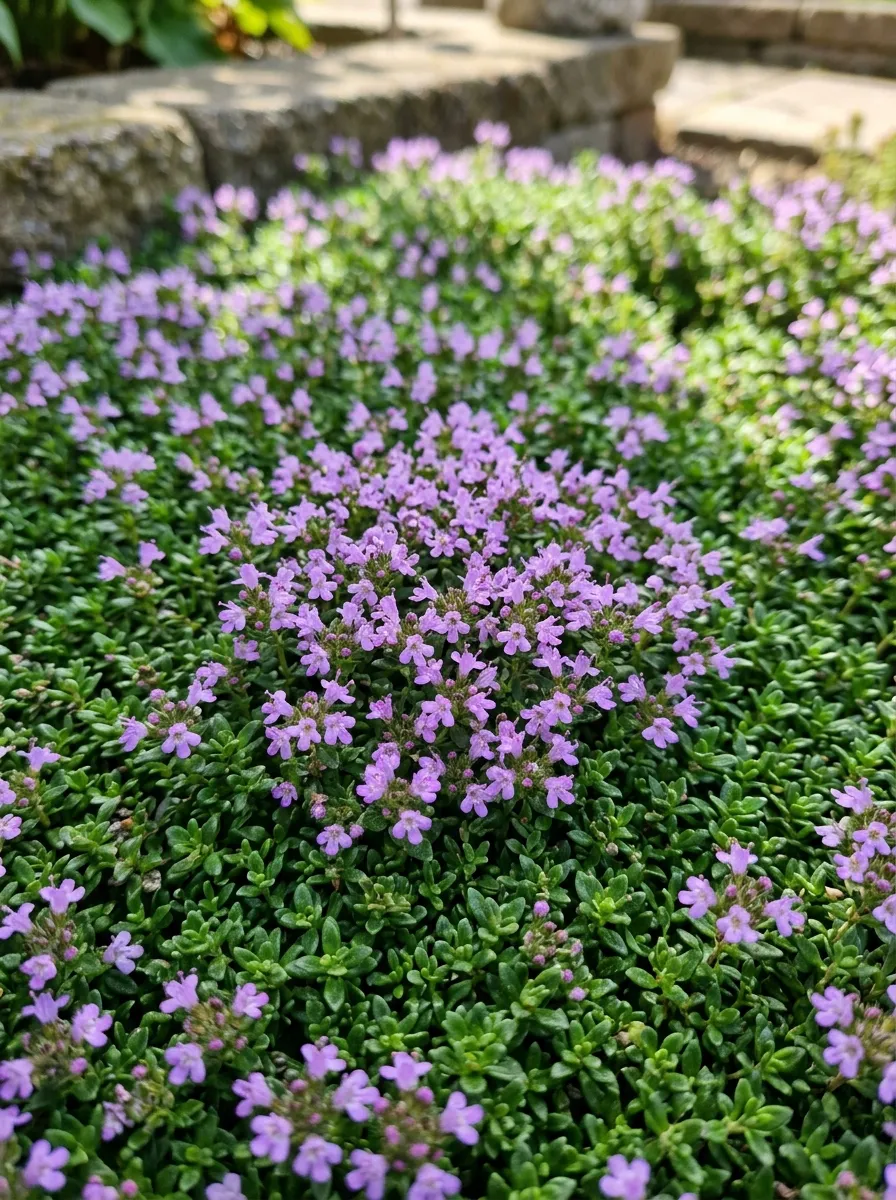
Groundcover plants spread to fill every gap in a bed, leaving weeds with nowhere to take root in the first place. Creeping thyme, sedum, and ajuga all spread readily while staying low enough that they never need mowing or trimming.
Plant these between taller perennials or shrubs, letting them fill the bare soil that would otherwise need regular weeding throughout the season.
Most groundcovers also tolerate foot traffic reasonably well, making them useful along path edges too.
Budget tip: groundcover plants root easily from small pieces, so a single flat of starter plants can fill a much larger area over a season or two.
This project essentially eliminates weeding in the areas it covers, since there’s no bare soil left for weed seeds to settle into.
6. Use Ornamental Grasses for Year-Round Texture
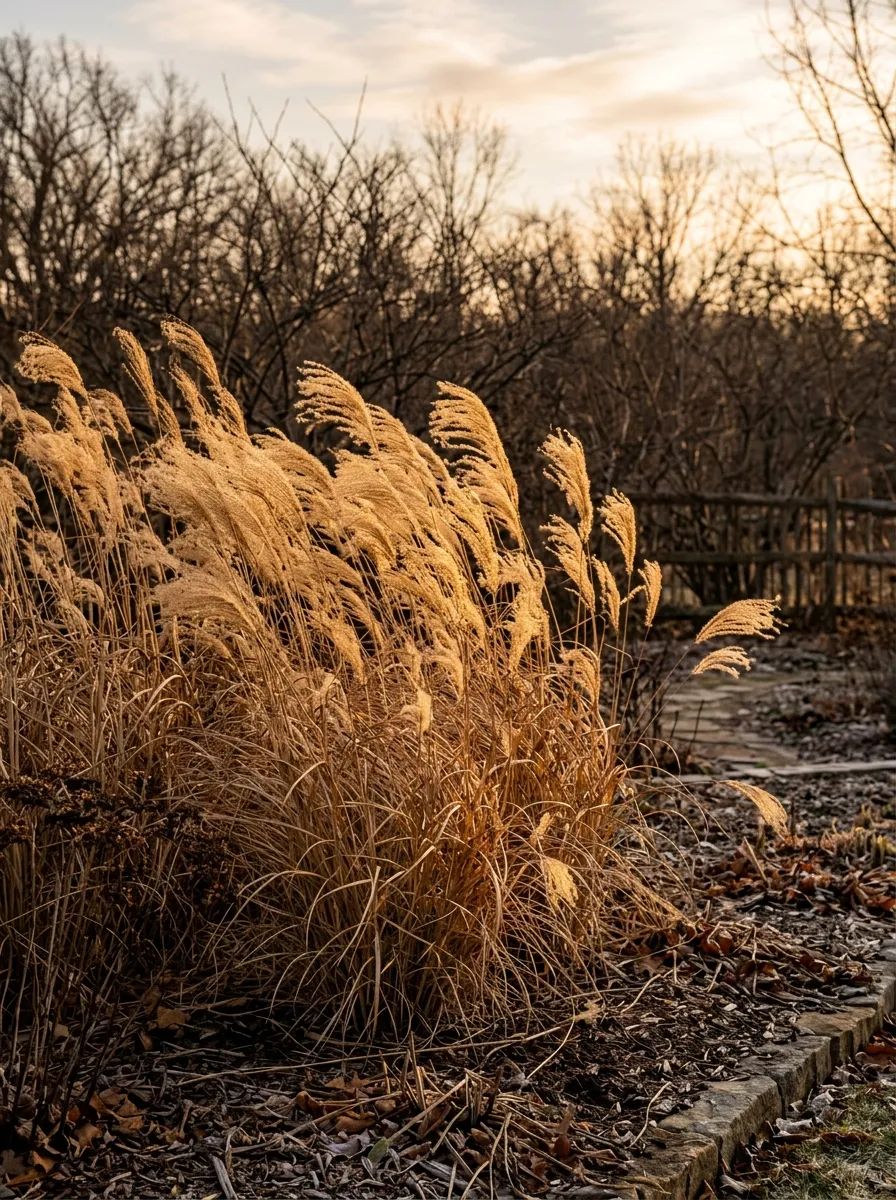
Ornamental grasses provide visual interest even after they’ve gone dormant, since their dried seed heads and stems hold their shape and color through fall and winter rather than collapsing into bare dirt. Plant varieties like feather reed grass or fountain grass, which stand upright reliably through cold months.
Cut the grasses back just once a year, in late winter before new growth starts, rather than the ongoing deadheading flowering plants often require.
This single annual trim is essentially the entire maintenance routine these plants need.
Budget tip: ornamental grasses divide easily every few years, so one established clump eventually fills an entire bed for free.
This project keeps a garden visually interesting through the coldest months, when most flowering plants have already gone bare.
7. Add a Rock Garden for a No-Water Zone
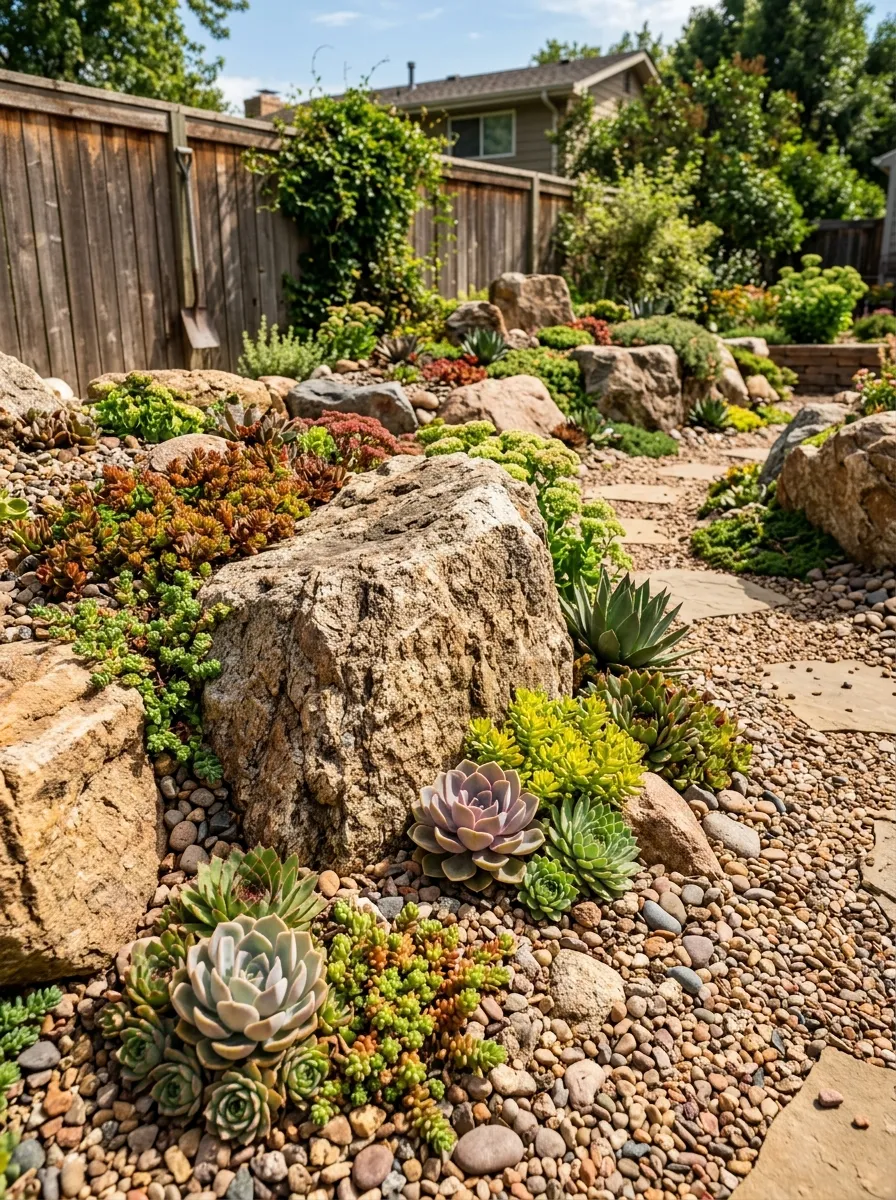
A rock garden solves the problem of a hot, dry spot where grass and most flowers struggle without constant watering. Arrange larger rocks as anchor points, fill the gaps with gravel, and plant drought-tolerant succulents like sedum and hens-and-chicks throughout.
These plants store their own water reserves, meaning this section of your yard can go weeks without rain or watering and still look fine.
Vary rock sizes for a natural look rather than uniform, evenly sized stones.
Budget tip: succulents propagate easily from cuttings, so a single plant from a friend can multiply into a full garden within a season.
This project turns your most difficult growing spot into one of the lowest-maintenance areas in the entire yard.
8. Choose Native Plants Suited to Your Climate
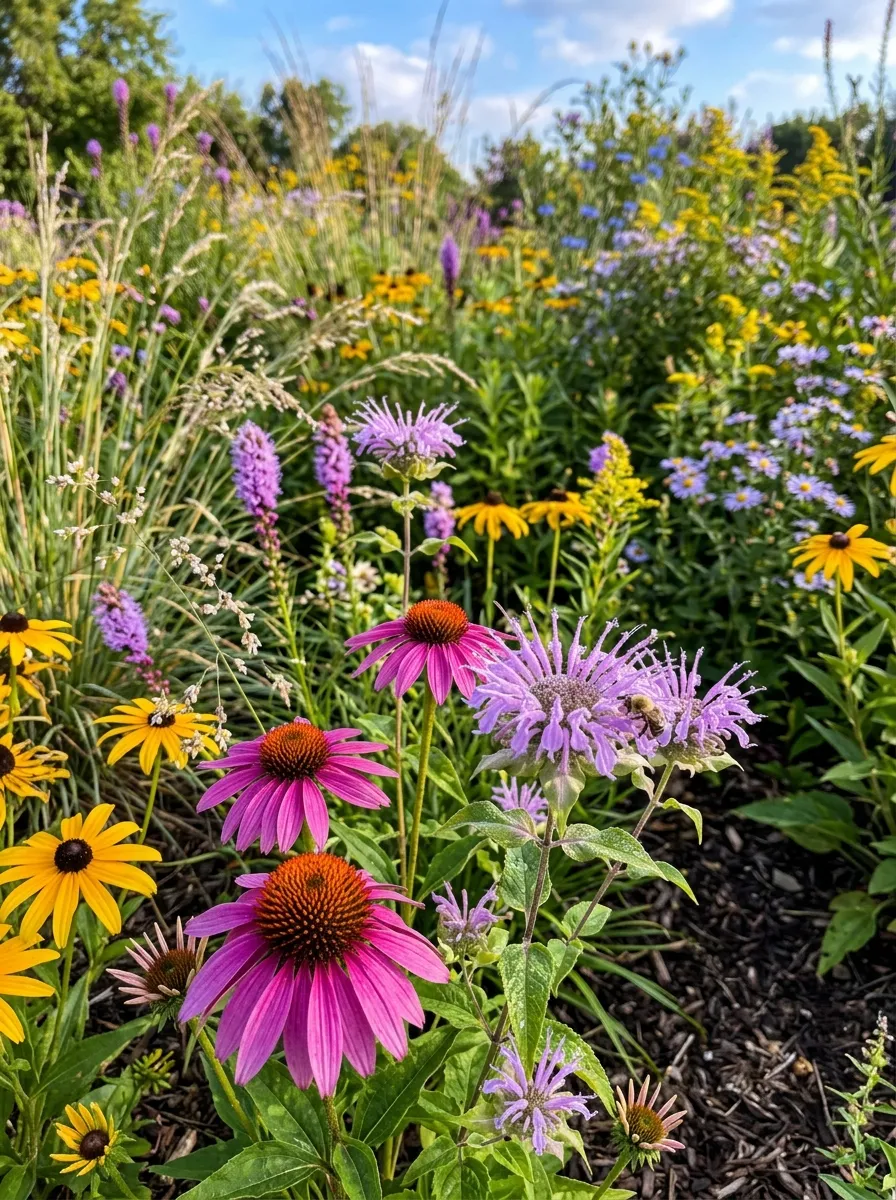
Native plants evolved to handle your specific region’s rainfall, temperature swings, and soil conditions without any extra help, which makes them naturally lower maintenance than imported or exotic varieties. Research which plants are native to your specific area and build your beds around that list.
These plants also tend to resist local pests and diseases better, since they developed alongside the same insects and fungi already present in your region.
A local nursery or extension office can usually point you toward a reliable native plant list.
Budget tip: native plant sales, often run by local conservation groups, sell starts for a fraction of standard nursery prices.
This project sets your garden up to thrive with minimal intervention, since the plants are already suited to exactly the conditions you have.
9. Build Raised Beds With Weed Barrier Fabric
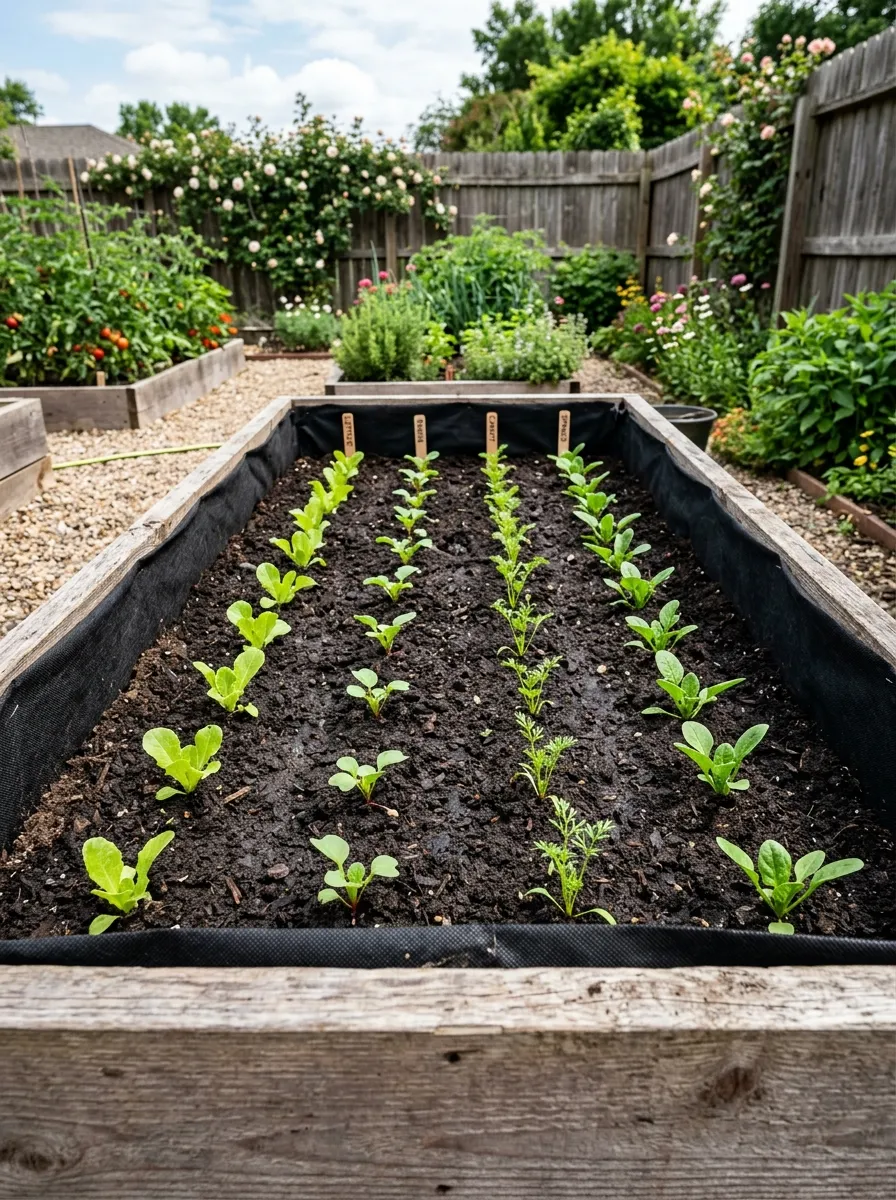
Lining the bottom of a raised bed with weed barrier fabric before adding soil blocks weeds from working their way up from the ground below. This single step prevents one of the most persistent sources of weed growth in any raised bed setup.
Cut the fabric to fit the bed’s footprint, staple it along the inside edges, then fill with soil as usual.
This barrier lasts for years without needing replacement, unlike surface mulch that breaks down and needs refreshing regularly.
Budget tip: heavy-duty cardboard works as a budget substitute for fabric, since it blocks weeds effectively and breaks down naturally over a season or two.
This project prevents weed problems before they start, cutting down significantly on the time spent pulling unwanted growth from a raised bed.
10. Add Solar Lights That Need No Maintenance
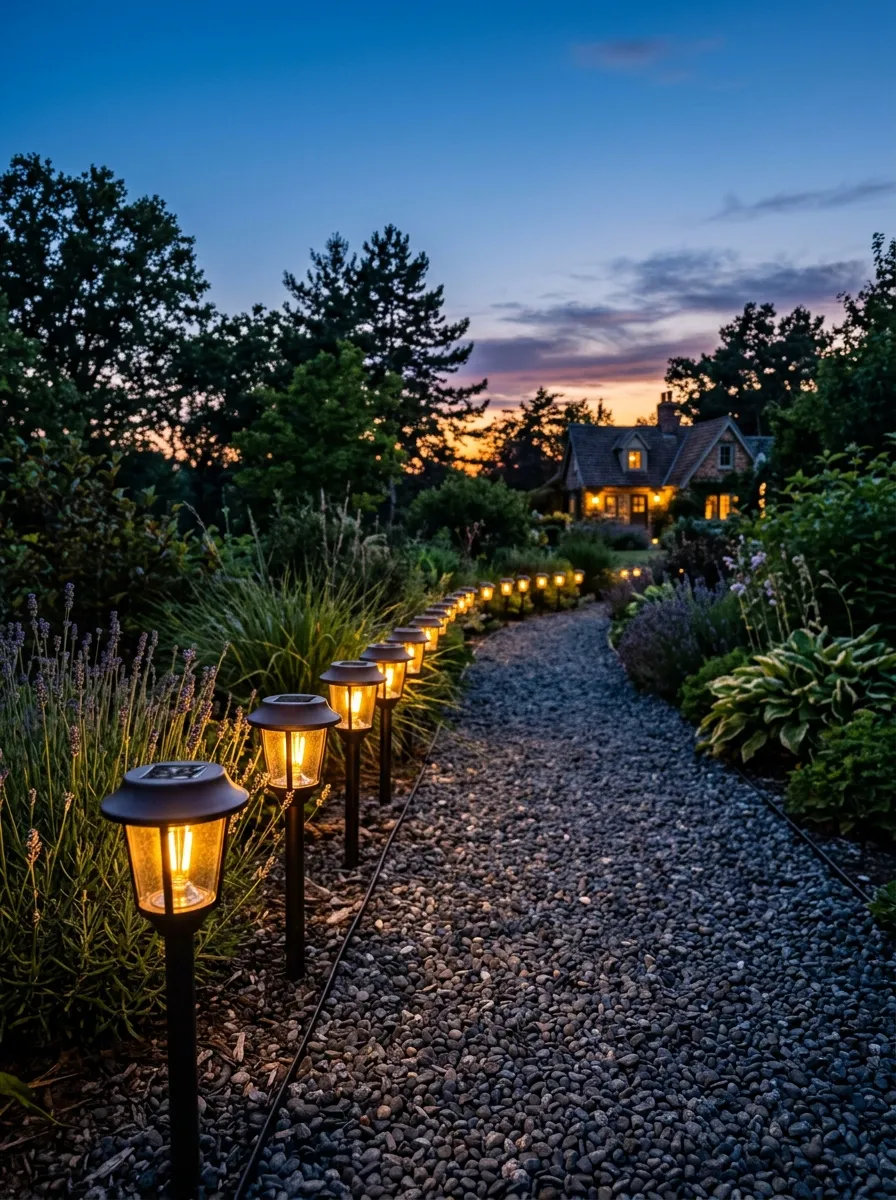
Solar lights charge automatically during the day and switch on at dusk, requiring no wiring, no outlet, and virtually no ongoing attention beyond an occasional wipe of the solar panel. Push the stakes into the ground along a path or bed border, and they handle the rest on their own.
This contrasts sharply with wired lighting, which requires professional installation and periodic bulb replacement.
Swap batteries only when a light starts noticeably dimming, which for most models happens after a year or two of regular use.
Budget tip: buy multi-packs during end-of-season clearance sales, when garden centers often discount outdoor lighting significantly.
This project adds evening ambiance to your low-maintenance yard without adding a single new task to your regular routine.
11. Plant a Living Mulch of Low Groundcover
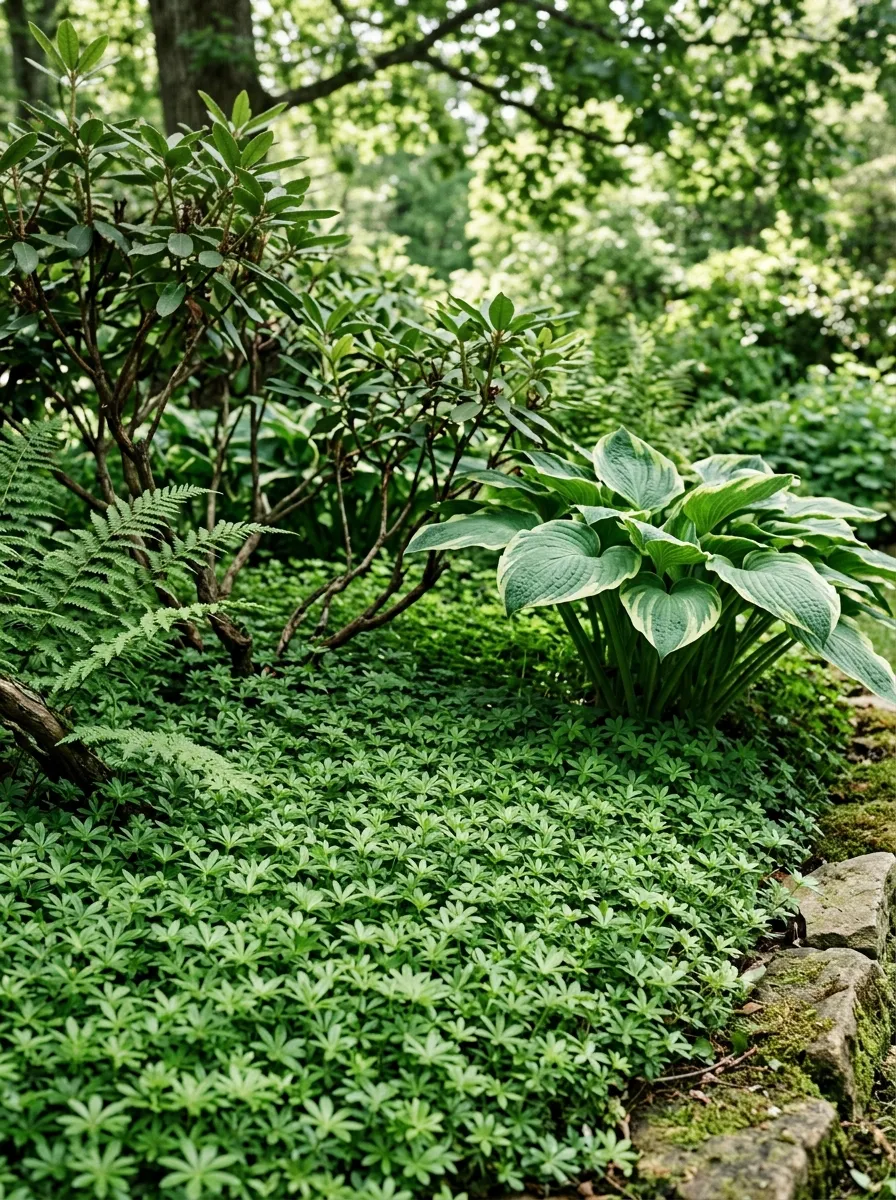
A living mulch, a dense low groundcover planted beneath taller shrubs and trees, does everything traditional mulch does, blocking weeds and holding moisture, while also adding another visual layer to your beds. Sweet woodruff, vinca, or creeping jenny all spread readily into a solid mat over a season or two.
Unlike bark mulch, living mulch never needs reapplying, since it simply continues growing and filling in any gaps that appear.
Trim back edges occasionally if the groundcover starts spreading beyond its intended area.
Budget tip: groundcover plants root easily from cuttings, so a small starter patch can spread into full coverage without any additional purchases.
This project replaces an annual mulching task with a one-time planting that only improves and thickens over the following years.
12. Use Artificial Turf in High-Traffic Zones
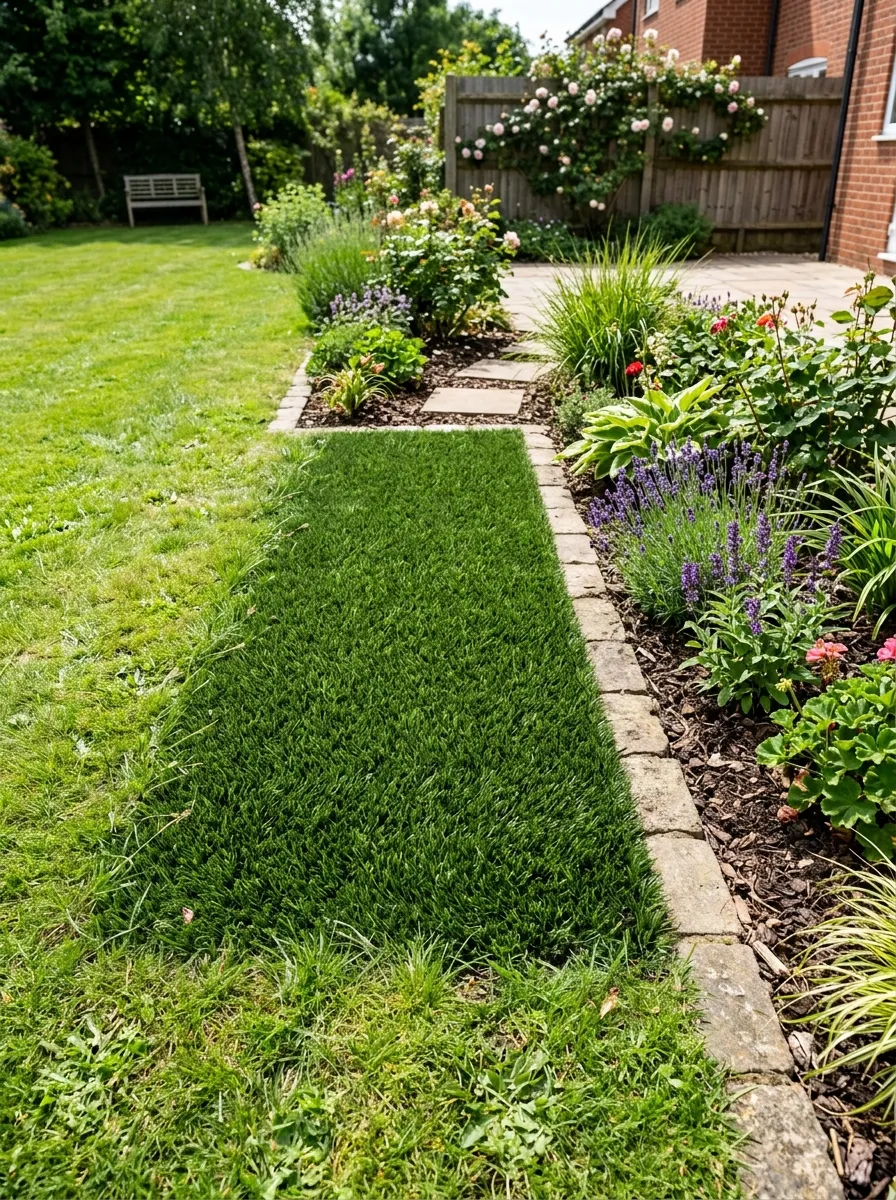
Artificial turf eliminates mowing, watering, and fertilizing entirely in whatever section it covers, making it a genuinely practical choice for high-traffic areas where real grass struggles to survive anyway. Lay it over a compacted gravel base for proper drainage, in a spot like a dog run or a heavily used play area.
Modern synthetic turf looks far more realistic than older versions, and it holds up to weather and repeated use without browning or wearing thin.
Rinse occasionally to clear dust and debris, which is essentially the only maintenance this material requires.
Budget tip: remnant pieces from artificial turf suppliers, sold at a discount for irregular sizing, work fine for smaller sections.
This project permanently removes lawn care from at least part of your yard’s maintenance routine.
13. Choose Self-Cleaning Flowers That Don’t Need Deadheading
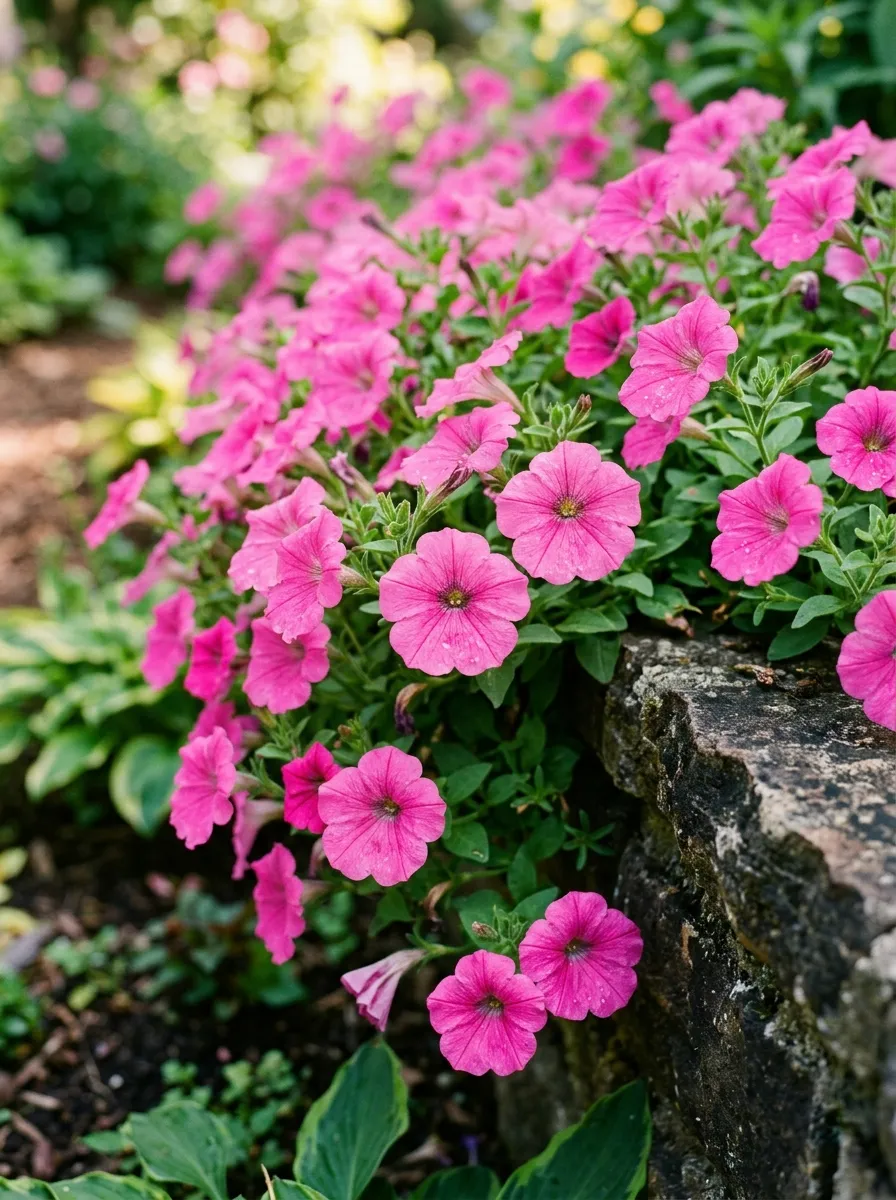
Self-cleaning flowers drop their spent blooms naturally rather than requiring you to snip them off by hand, which removes one of the most repetitive small tasks in flower gardening. Varieties like wave petunias, begonias, and certain geraniums all fall into this category.
These plants continue producing new blooms throughout the season without any deadheading intervention on your part.
Check plant tags at the nursery specifically for this trait, since it varies even within the same general flower type.
Budget tip: self-cleaning varieties often cost the same as standard versions, so there’s no premium for choosing the lower-maintenance option.
This project keeps beds looking fresh all season without the weekly upkeep that most flowering plants otherwise demand.
14. Build a Xeriscape Bed With Drought-Tolerant Plants
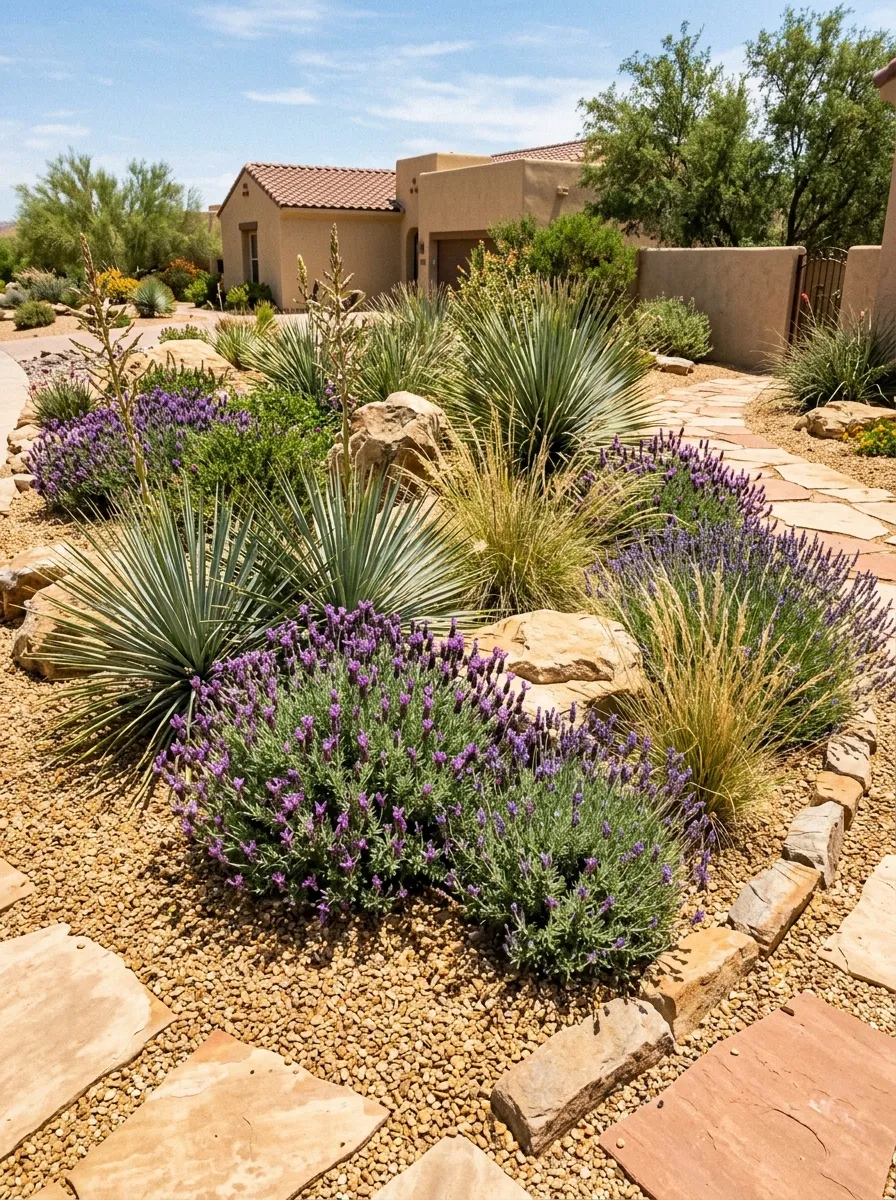
Xeriscaping groups drought-tolerant plants together in a single bed, designed specifically to thrive on minimal water once established. Combine lavender, yucca, and ornamental grasses with gravel mulch, since all of these plants share similar low-water needs.
This approach works especially well in hot, sunny yards where traditional lawns and flower beds require constant irrigation just to survive.
Water deeply but infrequently during the first year while roots establish, then largely step back and let the plants handle themselves.
Budget tip: many xeriscape plants propagate from cuttings or division, so a single purchased plant can multiply into a full bed over time.
This project builds an entire section of your yard around genuinely minimal water and maintenance needs, cutting both effort and water bills.
15. Add a No-Mow Fescue Lawn Alternative
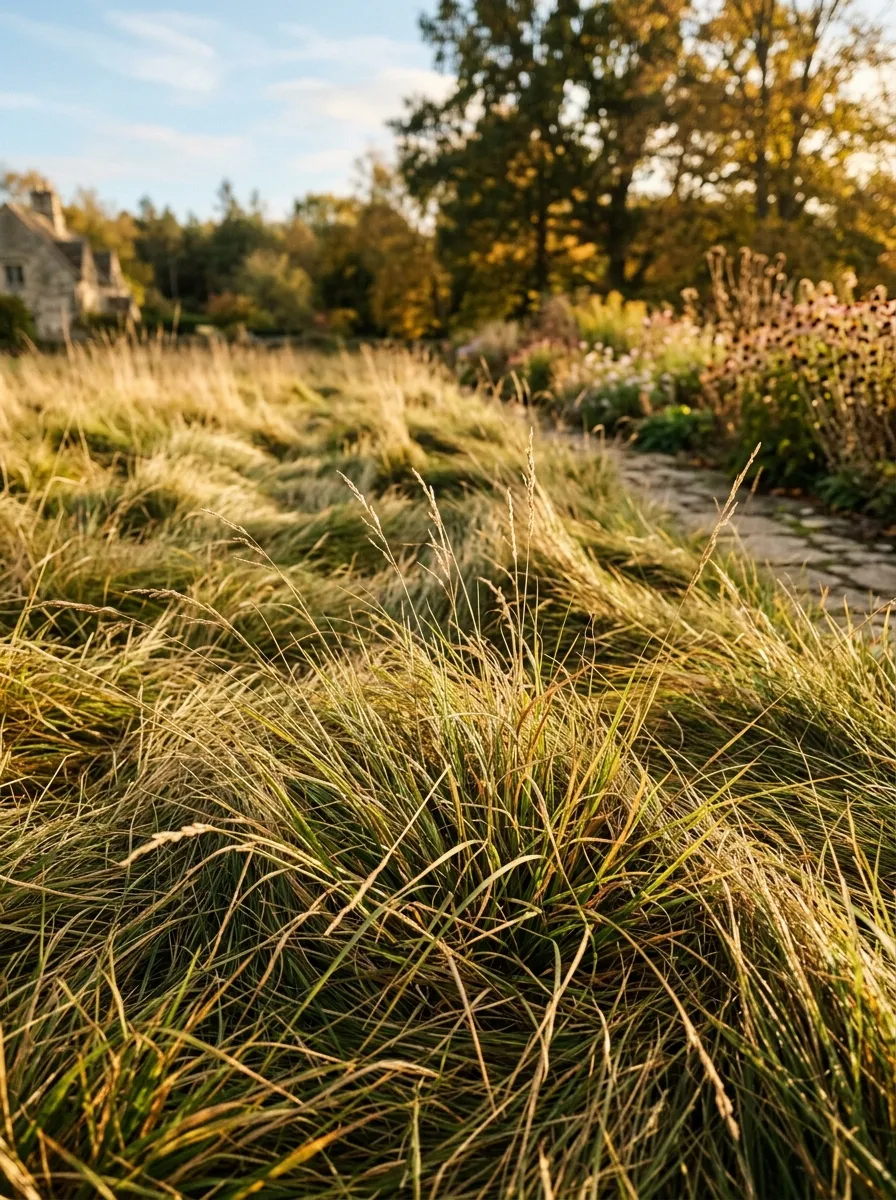
No-mow fescue grows in a soft, wavy pattern rather than the upright blades of traditional lawn grass, and it needs mowing only once or twice a season instead of weekly. Seed an area with this fescue blend instead of standard turf grass, especially in a section of yard you don’t use for active play or heavy foot traffic.
The looser, textured look actually reads as more relaxed and natural rather than looking neglected, once you get used to the style.
This grass also tolerates drought better than most standard lawn varieties, reducing watering needs alongside mowing.
Budget tip: no-mow fescue seed costs about the same as standard grass seed, making this a cost-neutral switch with major time savings.
This project cuts your mowing schedule down to almost nothing while still keeping a green, grassy section in your yard.
16. Use Permeable Pavers Instead of a Lawn Section
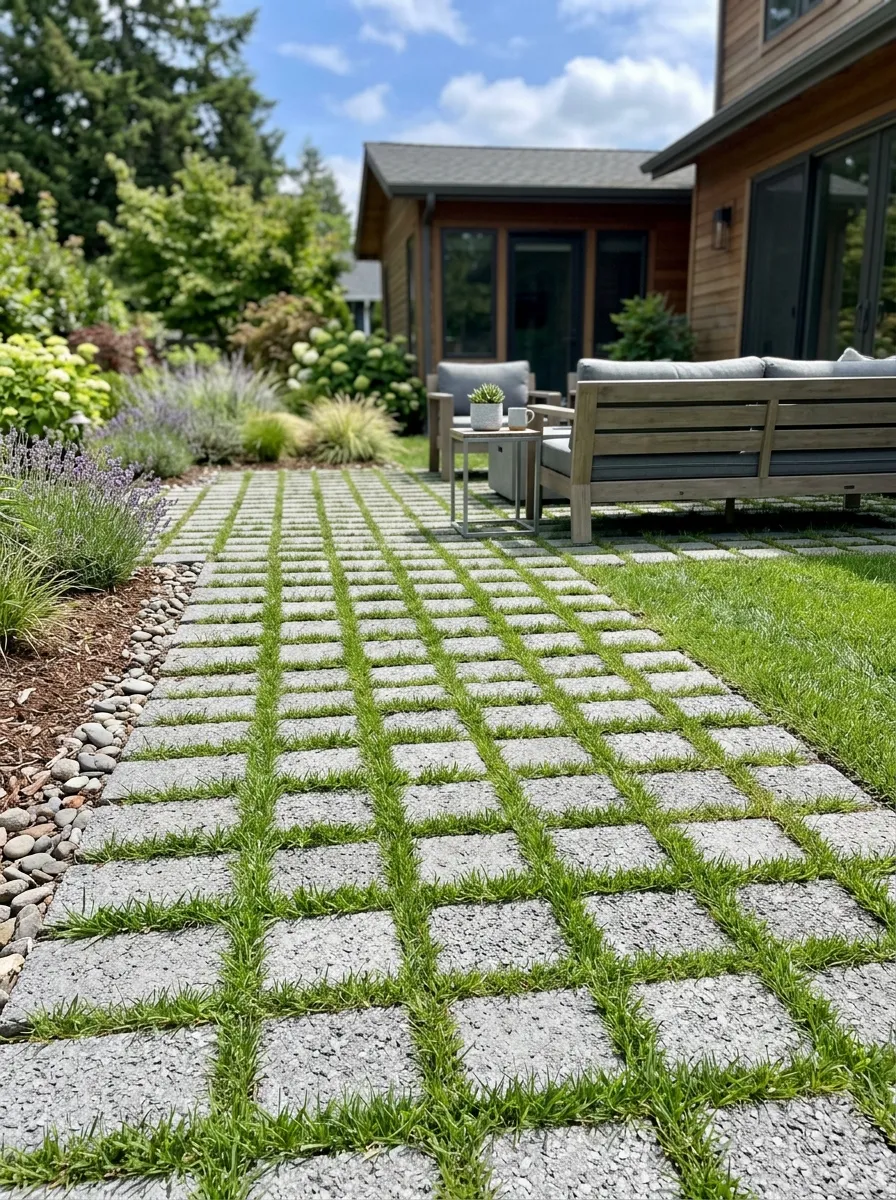
Create a Low-Maintenance Paver Garden
Permeable pavers, set with gaps that allow grass or groundcover to grow between them, replace a full lawn section with something that needs far less regular care. Lay pavers over a prepared gravel base, leaving consistent gaps for planting or natural grass growth.
This surface handles foot traffic well while eliminating the need to mow, water, or fertilize the majority of the area it covers.
Water only the small planted gaps rather than a full lawn’s worth of grass.
Budget tip: Concrete pavers cost relatively little per square foot, especially when bought in bulk from a landscaping supplier.
This project reduces your total lawn maintenance by converting a portion of grass into a hybrid surface that needs a fraction of the usual care. If you’re looking for more practical ways to transform your outdoor space, explore these home garden ideas for creative designs that combine beauty, function, and easy maintenance.
17. Choose Slow-Growing Shrubs to Cut Down on Pruning
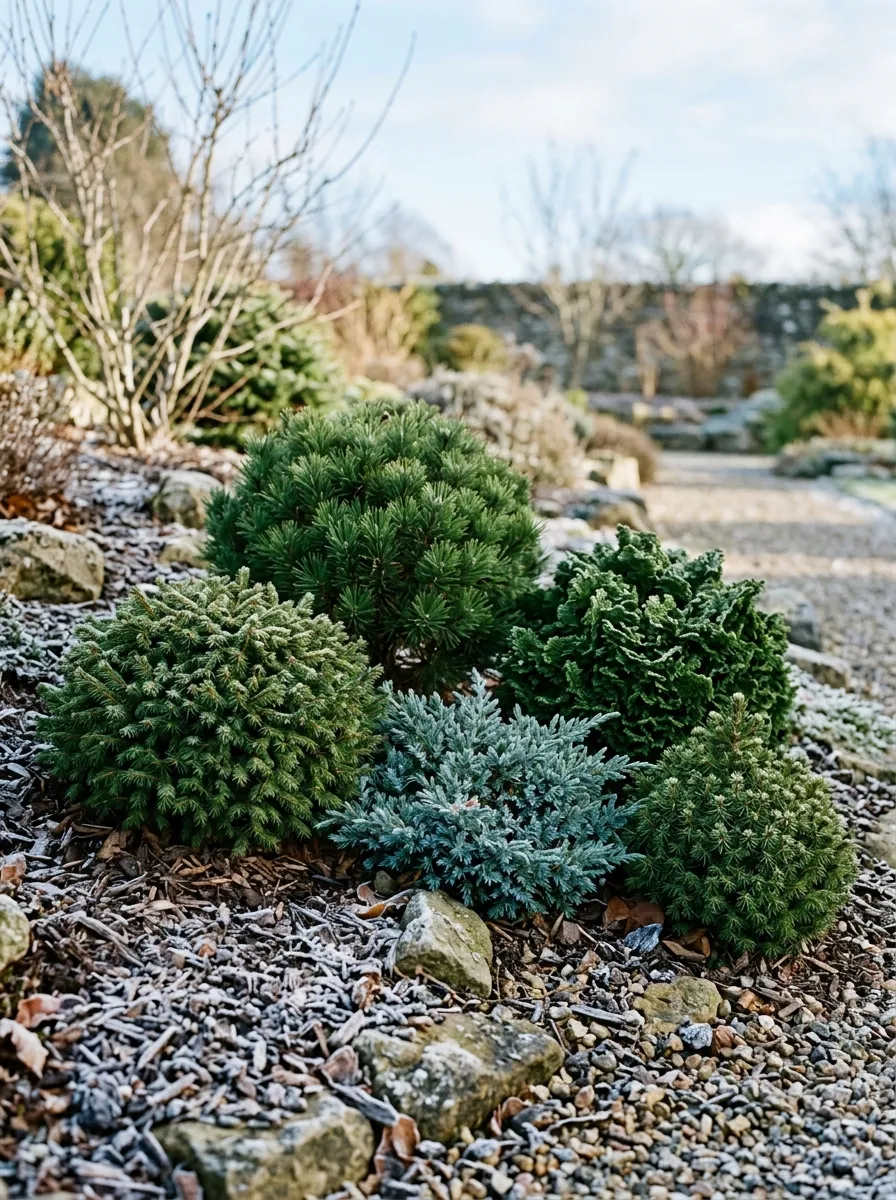
Slow-growing shrub varieties naturally hold their shape for longer stretches, cutting down significantly on how often you need to prune to keep them looking tidy. Dwarf conifers and slow-growing boxwood cultivars both fit this category well, staying compact for years without aggressive shaping.
This matters especially for foundation plantings near a house, where fast-growing shrubs quickly overwhelm windows and walkways if left unchecked.
Check plant tags for mature size and growth rate before purchasing, since this information varies significantly even within similar-looking varieties.
Budget tip: slow-growing varieties often cost a bit more upfront than fast-growing types, but they save considerable time and effort over the following years.
This project reduces one of the more physically demanding garden tasks, regular pruning, simply by choosing the right plant from the start.
18. Add a Bark-Free Mulched Path
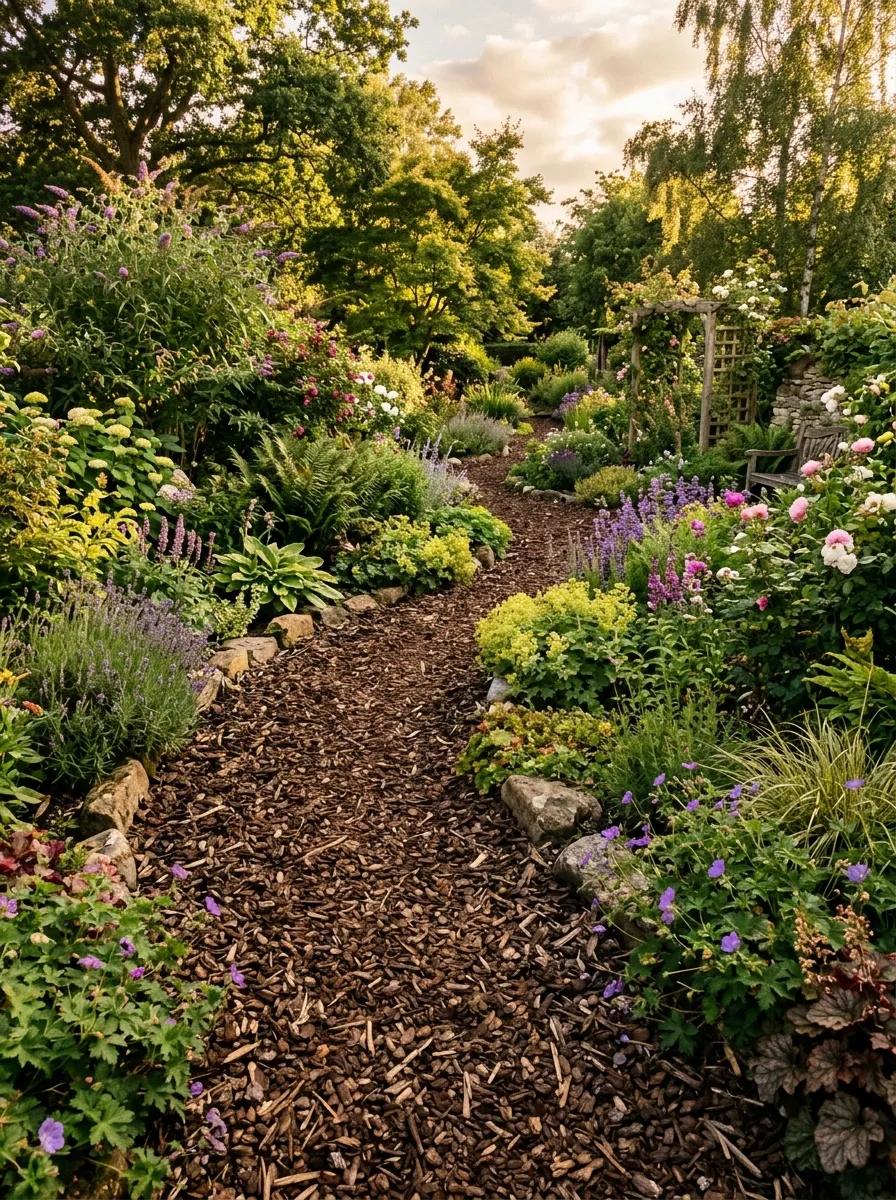
A wood chip mulch path stays low-maintenance once installed, needing only an occasional top-up rather than the regular weeding a bare dirt path would require. Mark the path’s edges, remove any existing weeds, and spread a few inches of wood chips across the marked route.
This surface also handles foot traffic well while staying soft underfoot, unlike gravel which can shift and scatter over time.
Refresh the layer once every year or two as it breaks down and compresses into the ground.
Budget tip: many municipalities and tree services give away wood chips for free, so check local listings before buying bagged mulch.
This project creates a functional, defined walkway through your garden with minimal ongoing upkeep beyond occasional refreshing.
19. Use Self-Sowing Annuals for Effortless Color
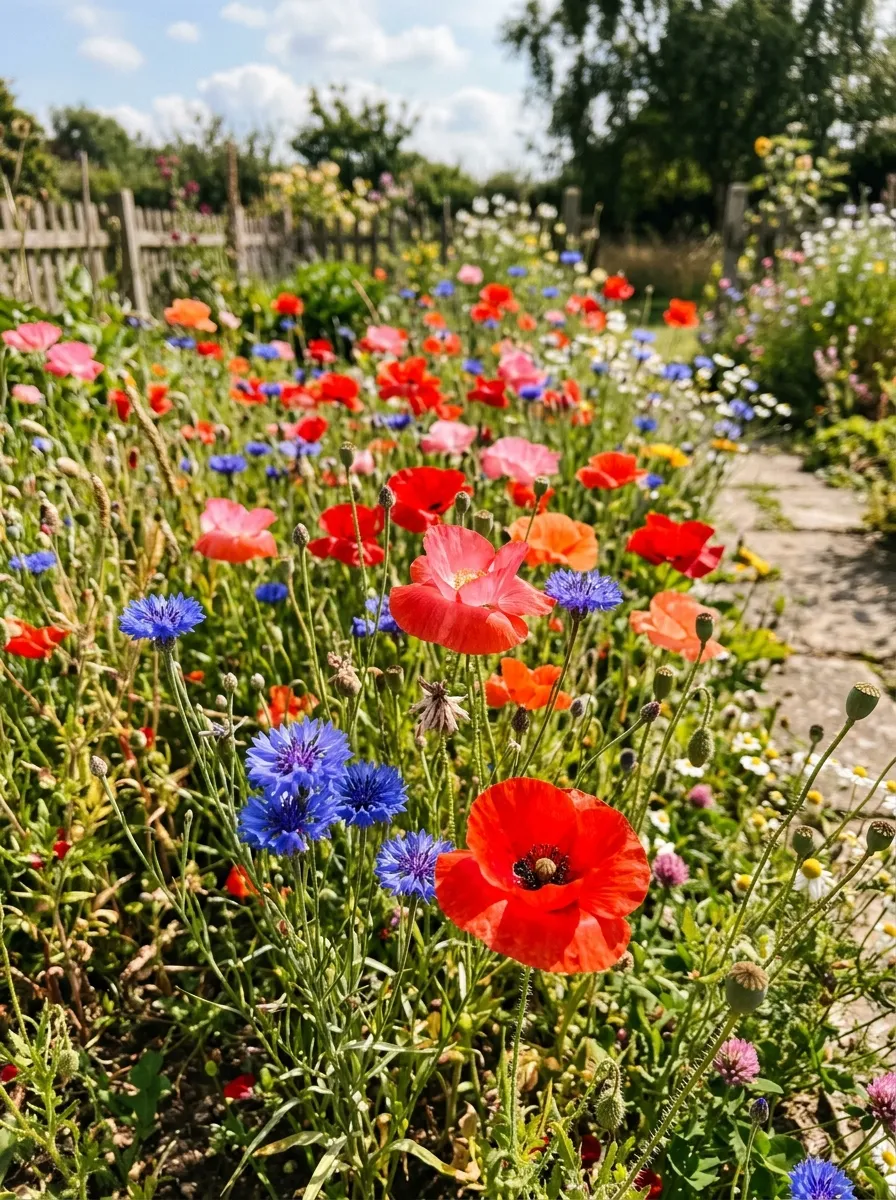
Self-sowing annuals like poppies, cornflowers, and cosmos drop seed at the end of their bloom cycle and return the following year without any replanting effort on your part. Scatter seed once in a sunny bed, and let the plants manage their own reseeding cycle going forward.
Resist the urge to deadhead every spent bloom, since the seed heads left behind are what guarantee next year’s flowers without any work from you.
This creates a slightly different look each year as the plants naturally spread and shift within the bed.
Budget tip: one seed packet often reseeds itself for several years running, covering the upfront cost across multiple seasons.
This project delivers fresh color every year while requiring only a single planting effort to get the cycle started.
20. Build a Dry Creek Bed for Drainage and Style
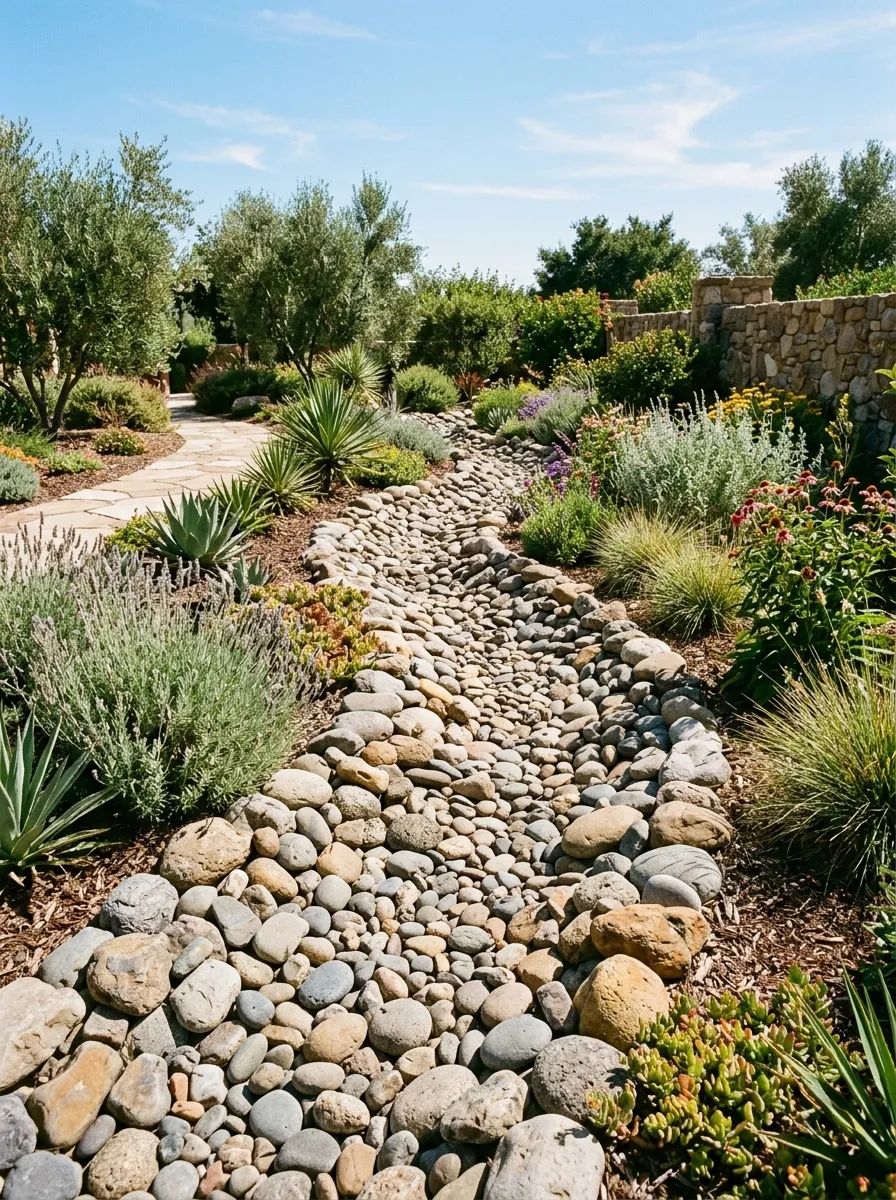
A dry creek bed solves drainage problems in low, wet spots while adding a genuinely attractive, low-maintenance design feature. Dig a shallow, winding channel where water naturally collects after rain, then line it with smooth river rocks of varying sizes.
Water flows through the channel during storms and drains away, rather than pooling and creating a muddy problem area in your yard.
Plant drought-tolerant grasses or sedum along the edges, since this area alternates between wet and dry conditions.
Budget tip: river rock is sold cheaply in bulk at landscaping suppliers, and mismatched sizes from clearance bins work just as well as uniform stone.
This project solves a genuine yard problem while adding visual interest that requires no ongoing maintenance once installed.
21. Choose Disease-Resistant Plant Varieties
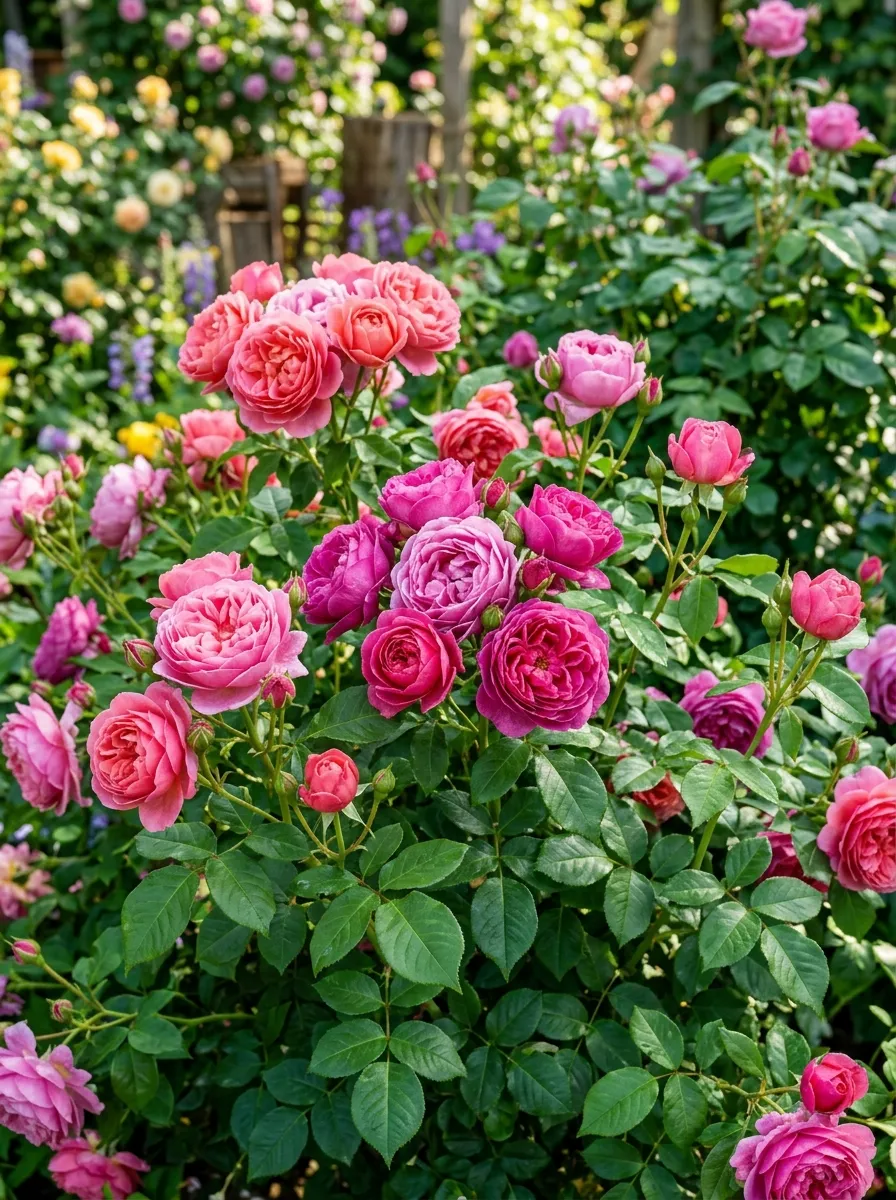
Disease-resistant plant varieties, bred specifically to fend off common fungal and bacterial problems, save you from the ongoing task of spraying treatments or replacing plants that succumb to recurring issues. Look for varieties labeled resistant to blackspot, powdery mildew, or other common regional problems when shopping for roses, tomatoes, or other disease-prone plants.
This single choice at purchase time prevents a whole category of maintenance headaches down the line.
Local nurseries usually stock varieties suited to resist whatever diseases are common in your specific region.
Budget tip: disease-resistant varieties typically cost the same as standard versions, making this an easy no-cost upgrade.
This project prevents problems before they start, cutting down significantly on the treatment and replacement work sick plants usually demand.
22. Use Landscape Fabric Under Gravel Areas
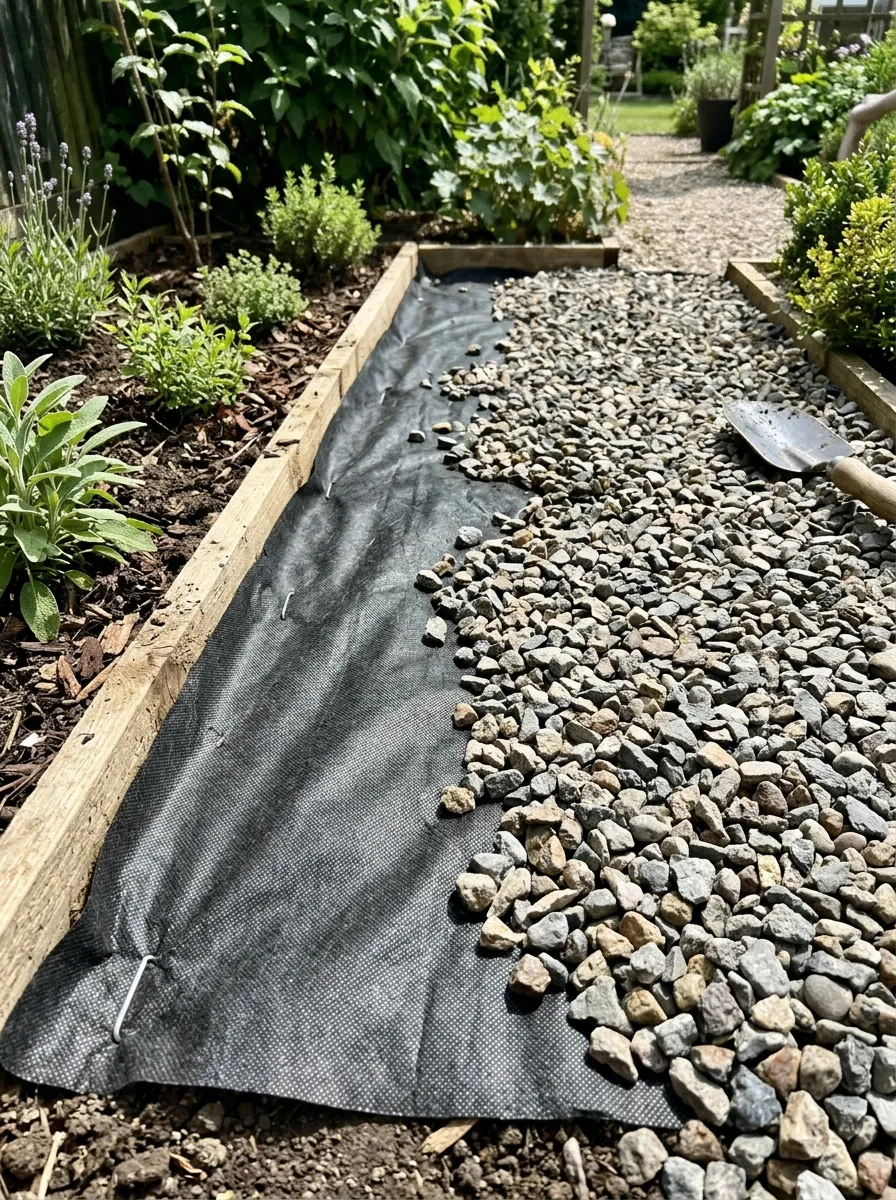
Landscape fabric laid beneath gravel or mulch blocks weeds from pushing up through the surface material, preventing one of the most persistent maintenance headaches in any low-effort garden design. Roll the fabric out across your prepared bed, overlapping seams by several inches, before adding your chosen surface material on top.
This barrier lasts for years without needing replacement, unlike relying on surface material alone to smother weeds.
Cut small X-shaped slits for individual plants rather than removing large sections of fabric, which keeps the barrier as intact as possible.
Budget tip: heavy-duty fabric costs more upfront than thin versions, but it lasts significantly longer and pays for itself in reduced weeding time.
This project prevents an entire category of ongoing yard work before it ever becomes a problem.
23. Add Structural Boulders as Permanent Features
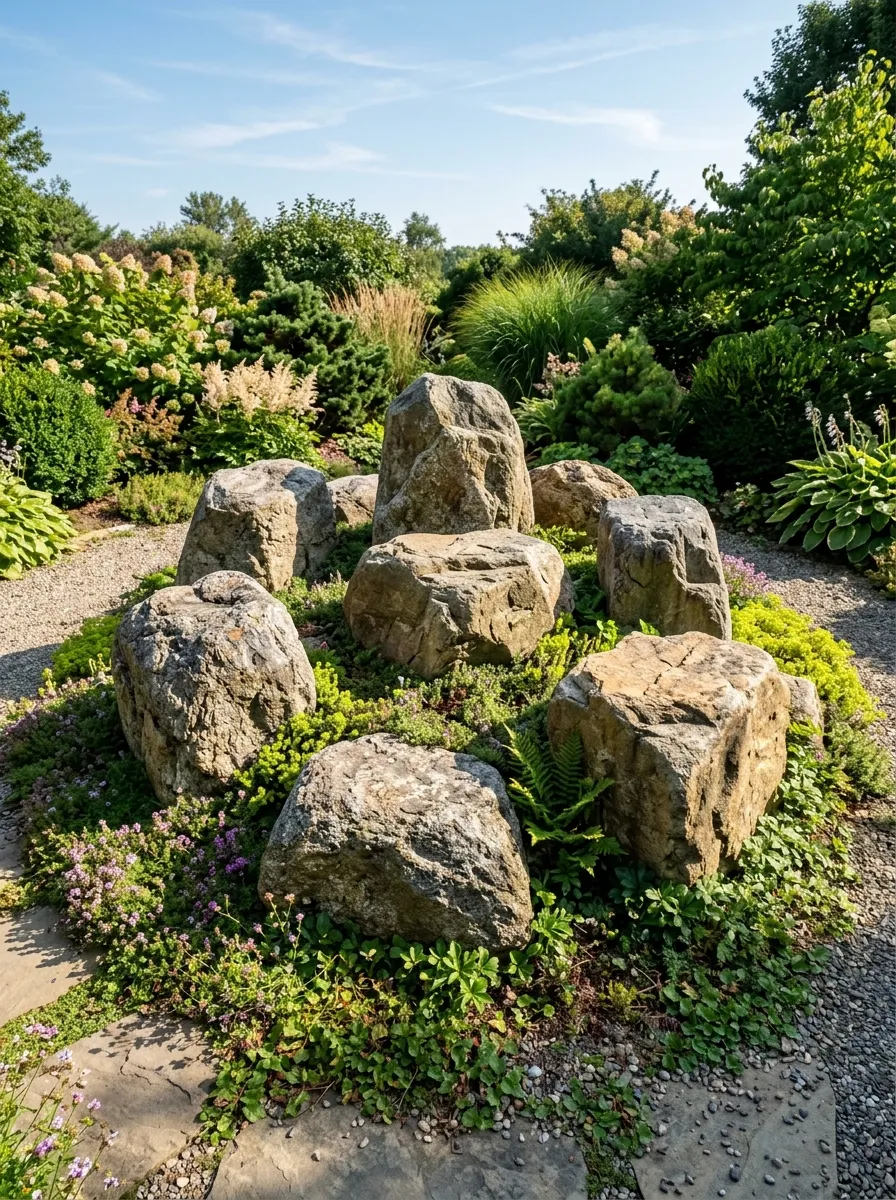
Boulders never need watering, pruning, or seasonal care, making them one of the truest low-maintenance additions available for any garden. Position a few large stones as focal points within a bed, choosing pieces with interesting shape or texture that hold visual interest on their own.
These features look the same in January as they do in July, providing consistent structure through every season without any effort required.
Surround boulders with equally low-maintenance groundcover or gravel rather than plants that need regular attention.
Budget tip: landscaping supply yards often sell irregular, oddly shaped boulders at a discount compared to more uniform decorative stone.
This project adds permanent, genuinely zero-maintenance visual interest to a garden, a feature that only needs placing once.
24. Choose Dwarf Fruit Trees for Low-Effort Harvests
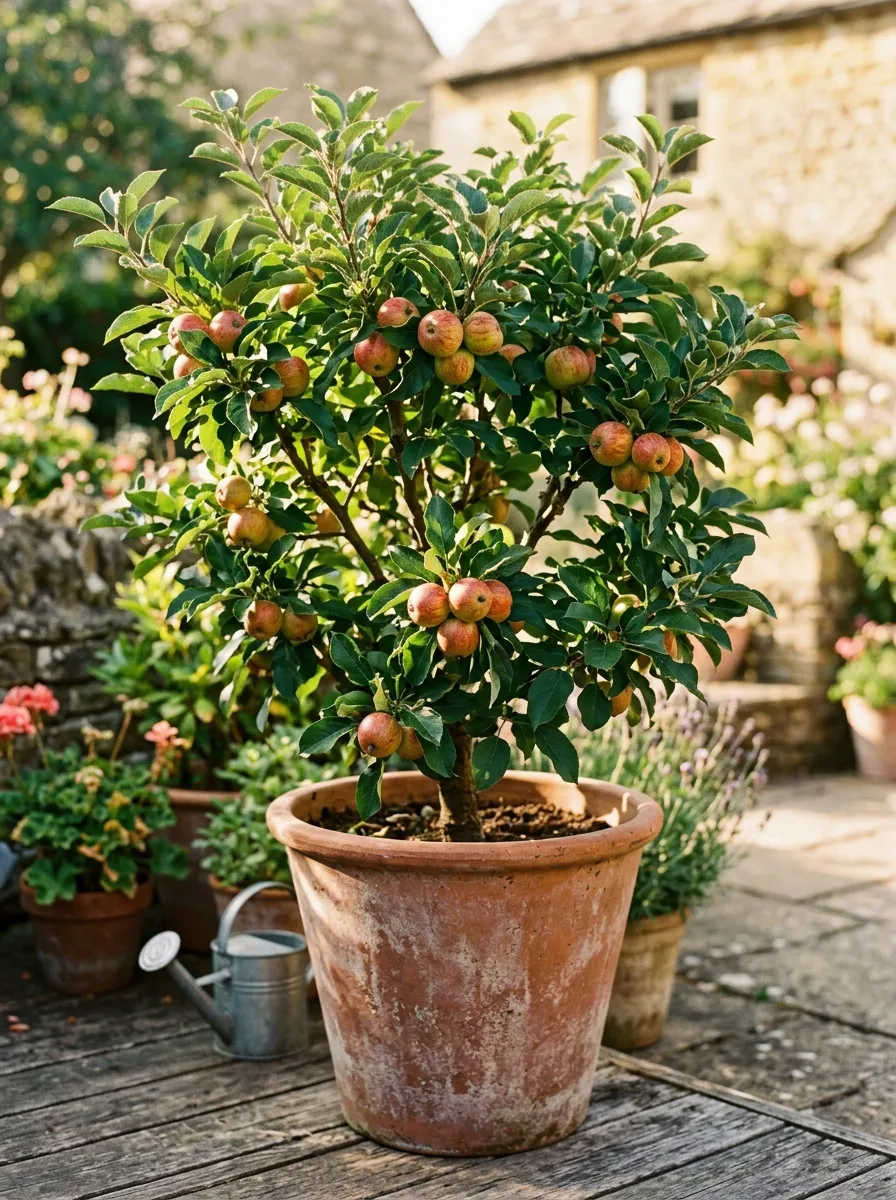
Dwarf fruit tree varieties stay small enough to prune and harvest without a ladder, cutting down considerably on the physical effort a full-sized fruit tree demands. Plant them in the ground or a large container, depending on your available space, and prune lightly just once a year in late winter.
These trees still produce a genuine harvest, just at a scale that’s easier to manage and maintain than a traditional orchard-sized tree.
Choose disease-resistant varieties specifically bred for your climate zone to further cut down on ongoing care needs.
Budget tip: bare-root dwarf trees, sold in late winter, cost significantly less than potted, established specimens.
This project brings real, low-effort fruit production into a yard without the ongoing demands a full-sized tree would require.
25. Use a Soaker Hose Under Mulch for Silent Watering
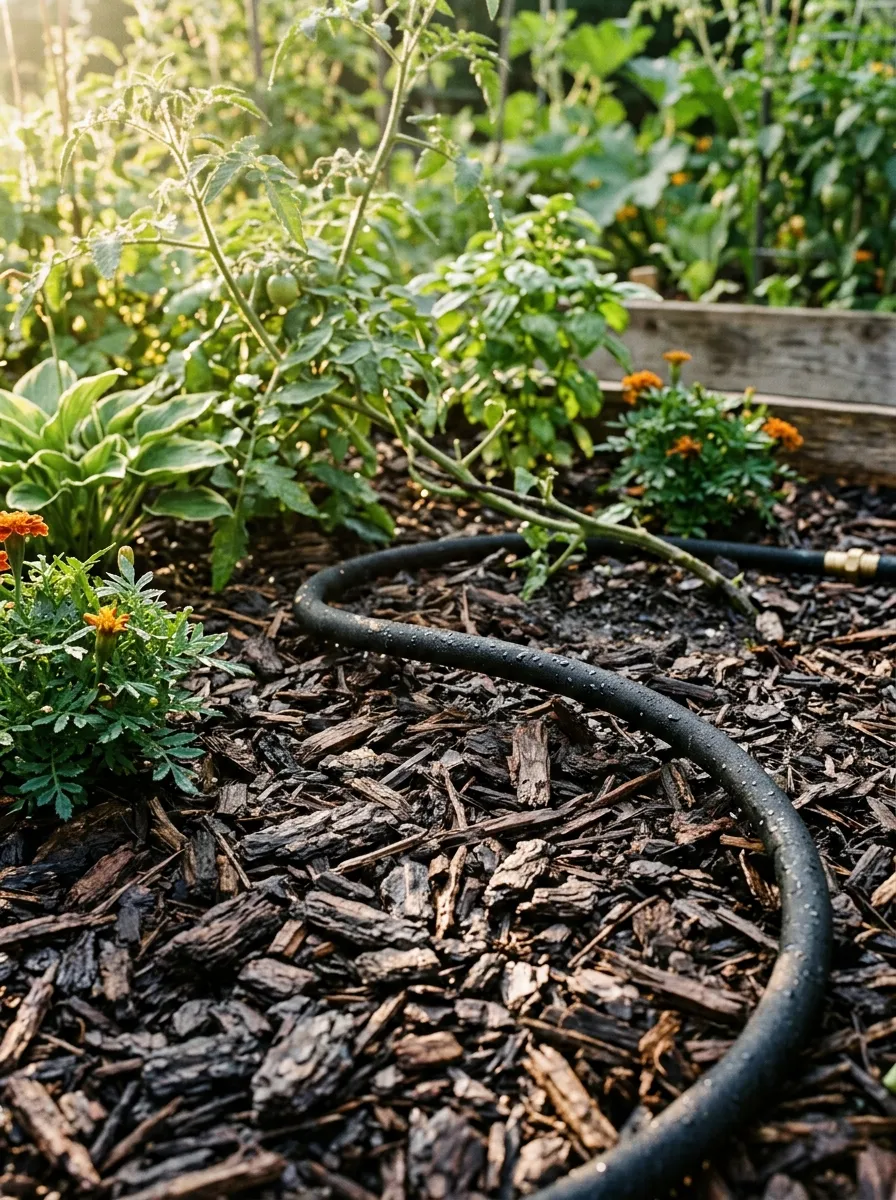
A soaker hose, laid directly on the soil and covered with mulch, waters your plants slowly and evenly without any daily effort on your part once it’s connected to a timer. Snake the hose along your bed, positioning it near the base of each plant, then cover it with a layer of mulch to reduce evaporation further.
This setup delivers water directly to roots, avoiding the waste and fungal risk that comes from overhead sprinkler watering.
Set a simple timer at the spigot end so the entire system runs automatically without needing you to remember watering days.
Budget tip: soaker hoses cost relatively little and often go on sale at the end of a gardening season, making off-season shopping worthwhile.
This project removes manual watering from your routine almost entirely, running quietly beneath the surface with no daily attention required. To help your plants develop stronger, healthier root systems, learn more about the benefits of deep watering techniques and when to use them for different types of garden plants.
26. Add Winter Interest With Bark and Berry Plants
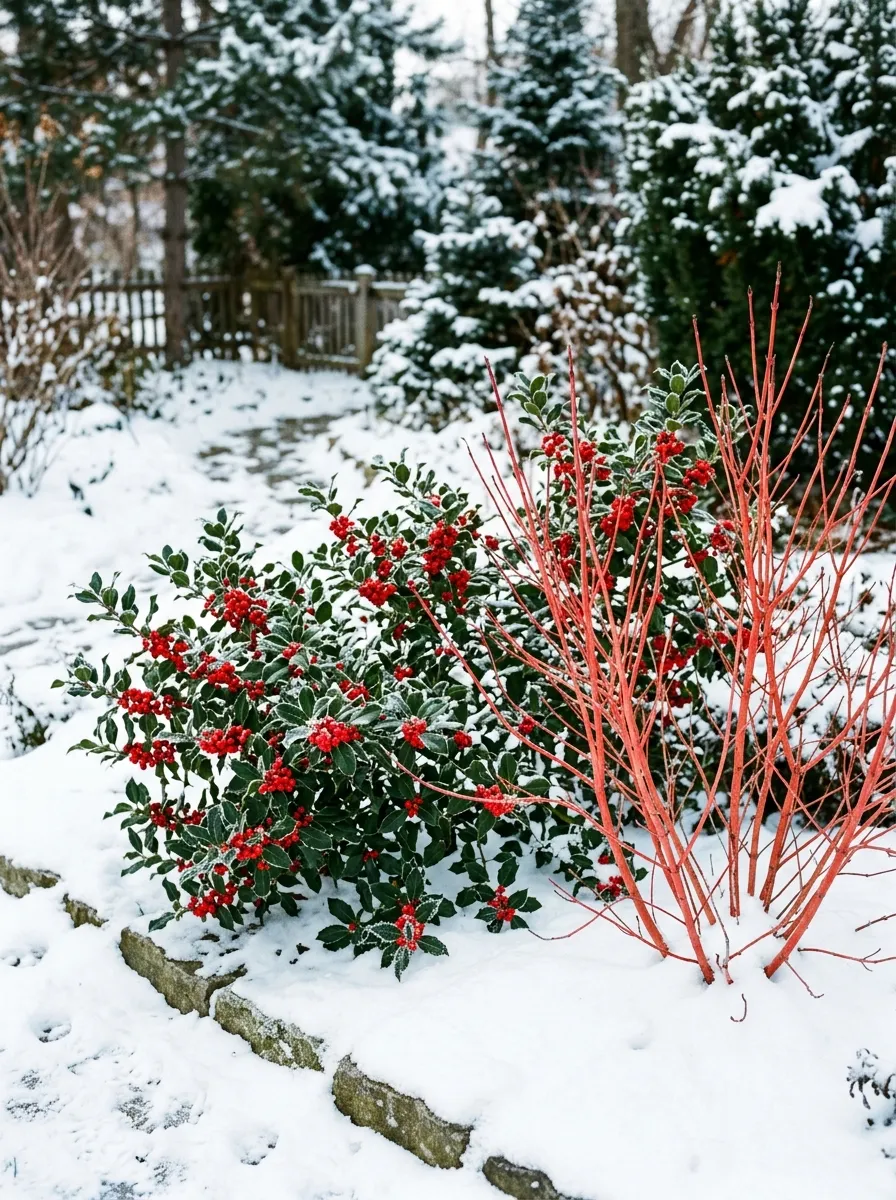
Plants chosen specifically for their winter appearance, colorful bark, persistent berries, or interesting branch structure, keep a garden visually interesting even when everything else has gone dormant. Red-twig dogwood and winterberry holly both hold striking color through the coldest months without any special winter care required.
These plants otherwise behave like any other low-maintenance shrub through spring and summer, adding a bonus season of interest without extra effort.
Position them somewhere visible from an indoor window, since winter viewing often happens more from inside than out in the yard itself.
Budget tip: these plants cost about the same as standard shrubs, making winter interest essentially a free upgrade if you choose thoughtfully.
This project extends your garden’s visual appeal into the one season most gardens go completely bare, all from a single smart plant choice.
27. Use Container Gardens for Flexible, Contained Care
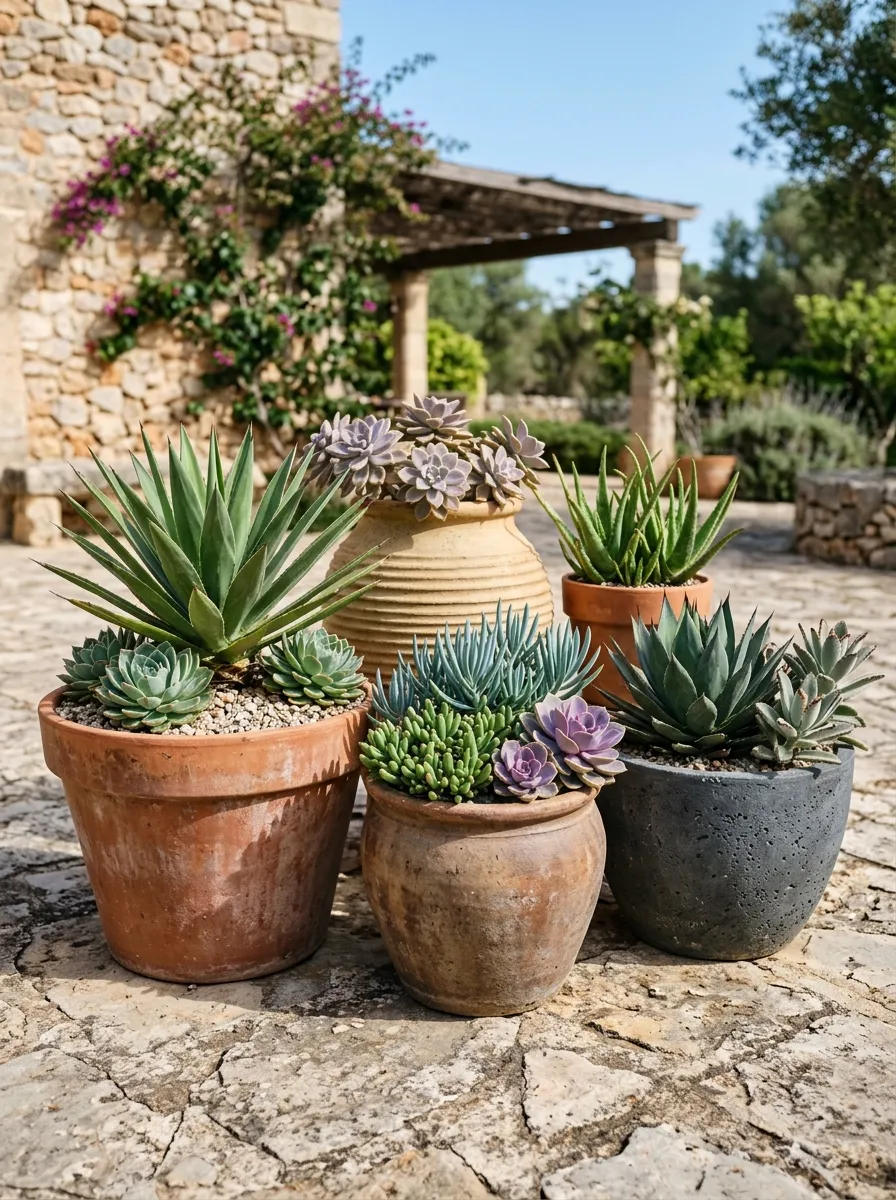
Container gardens contain plants within a defined, manageable space, making watering and care far more predictable than trying to maintain the same plants scattered across a full in-ground bed. Group a few large containers together, filled with drought-tolerant plants that need infrequent watering.
This setup also lets you swap out individual plants without disturbing an entire bed, simplifying seasonal changes to just a few containers rather than a full landscape overhaul.
Choose self-watering containers if you want to stretch the time between waterings even further.
Budget tip: large plastic nursery pots, often given away free once empty, work fine as containers once painted or disguised with a decorative sleeve.
This project consolidates your garden’s care needs into a few contained, easily managed spots rather than a sprawling bed requiring constant attention.
28. Add a Rain Garden to Handle Runoff Naturally
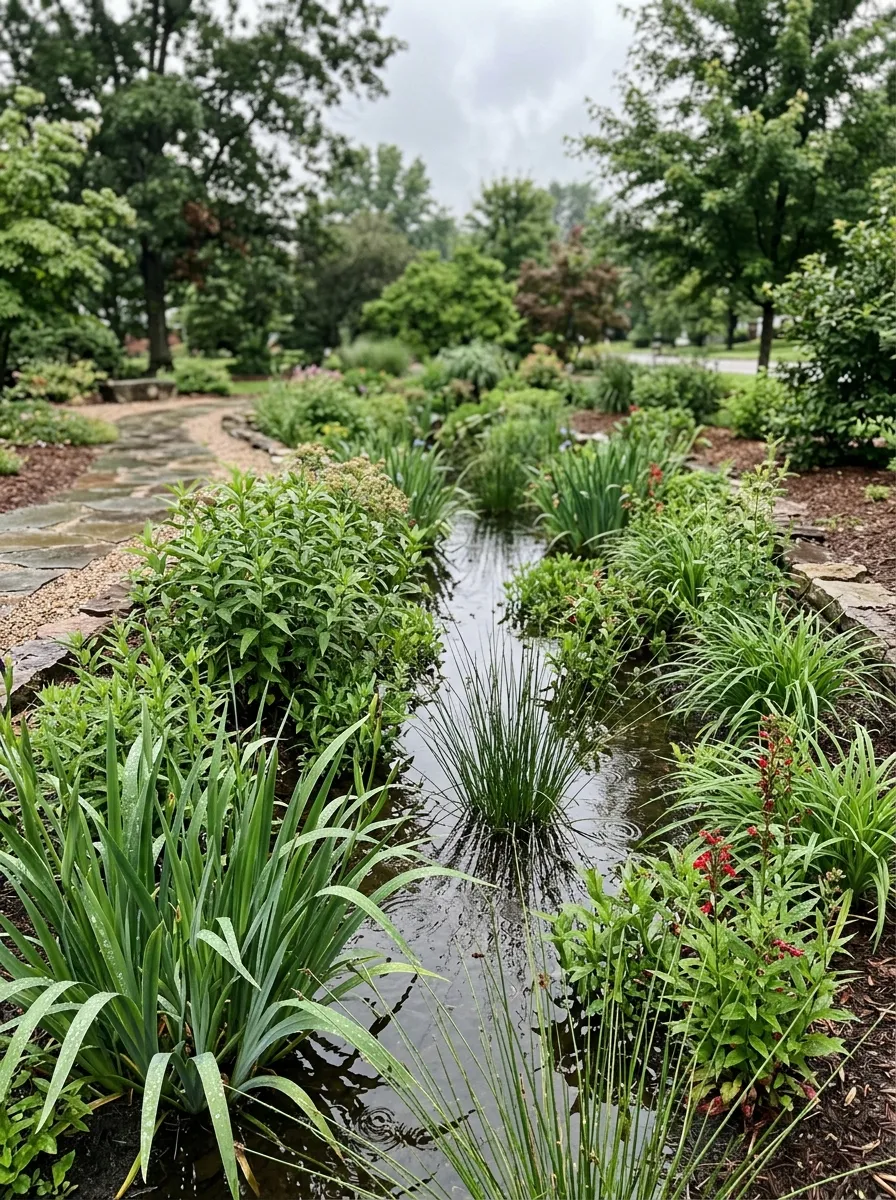
A rain garden, a shallow depression planted with moisture-tolerant native species, captures and filters rainwater runoff naturally instead of letting it pool or erode elsewhere in your yard. Dig a slight bowl shape in a low spot where water naturally collects, then plant it with species suited to both wet and dry conditions, since rain gardens cycle between the two.
Once established, these plants handle the area’s natural moisture patterns without any supplemental watering from you.
This project also reduces standing water problems that might otherwise attract mosquitoes in a poorly draining section of yard.
Budget tip: native wetland plants, sourced from a local conservation nursery, often cost less than standard ornamental varieties.
This project turns a drainage problem into a genuinely low-maintenance, self-sustaining garden feature.
29. Choose a Simple, Repeated Plant Palette
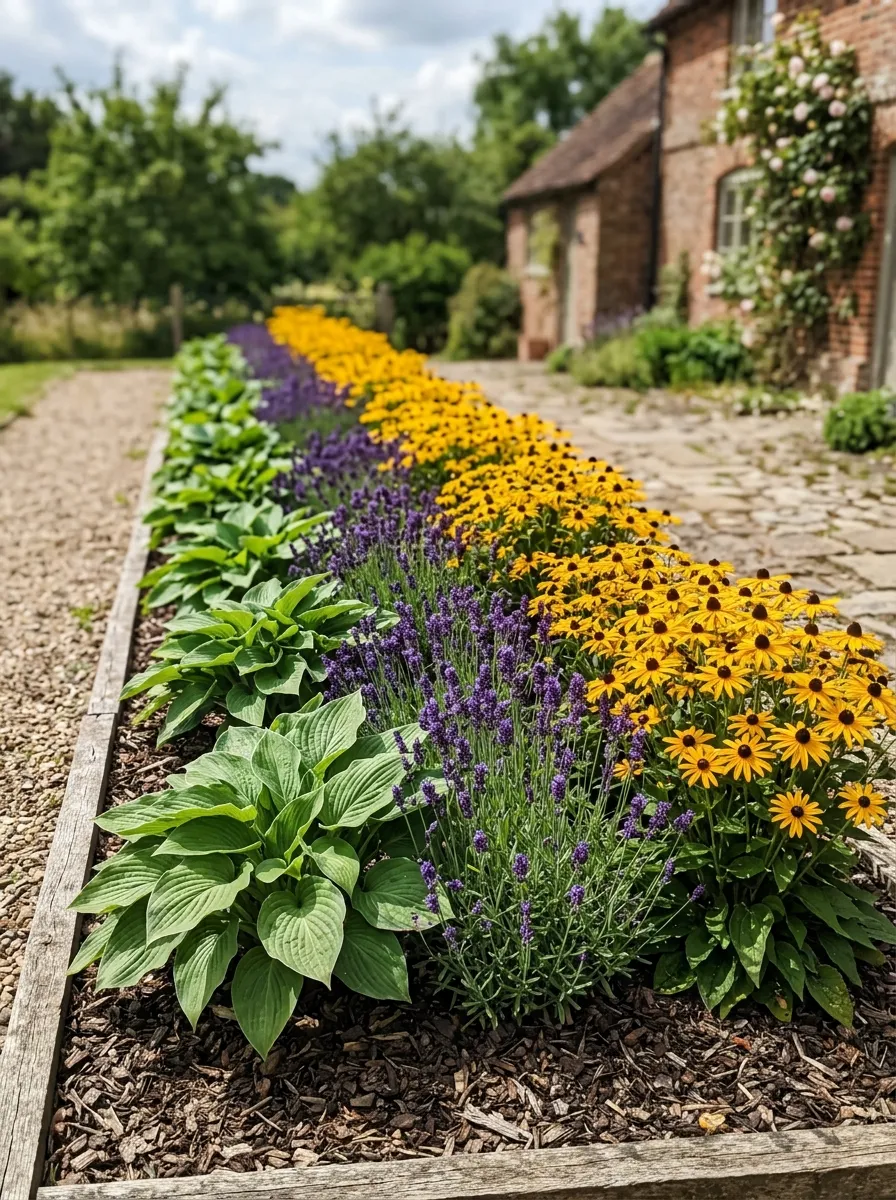
Repeating a small selection of plants throughout your yard, rather than collecting one of everything, simplifies care since you’re only learning the needs of a handful of species instead of dozens. Choose three or four reliable plants and repeat them across multiple beds, adjusting quantities to fit each space.
This approach also creates a cohesive, intentional look, since repetition reads as designed rather than accidental or cluttered.
Watering, feeding, and pruning schedules stay consistent across your whole yard, since every bed contains largely the same plant needs.
Budget tip: buying the same plant in bulk quantities often costs less per plant than purchasing a wide variety of individual specimens.
This project simplifies your entire garden’s maintenance routine into a single, repeatable system instead of a dozen different care schedules.
Conclusion
A beautiful, low-maintenance garden isn’t about doing less work forever, it’s about making smarter decisions once so the ongoing effort drops dramatically. Structural evergreens, gravel mulch, native perennials, and a simple irrigation setup do most of the heavy lifting, season after season, without asking much of you in return. Pick a few ideas from this list that match your yard’s actual conditions, put in the initial effort to set them up right, and watch your garden hold its own through every season with far less work than you’re used to.