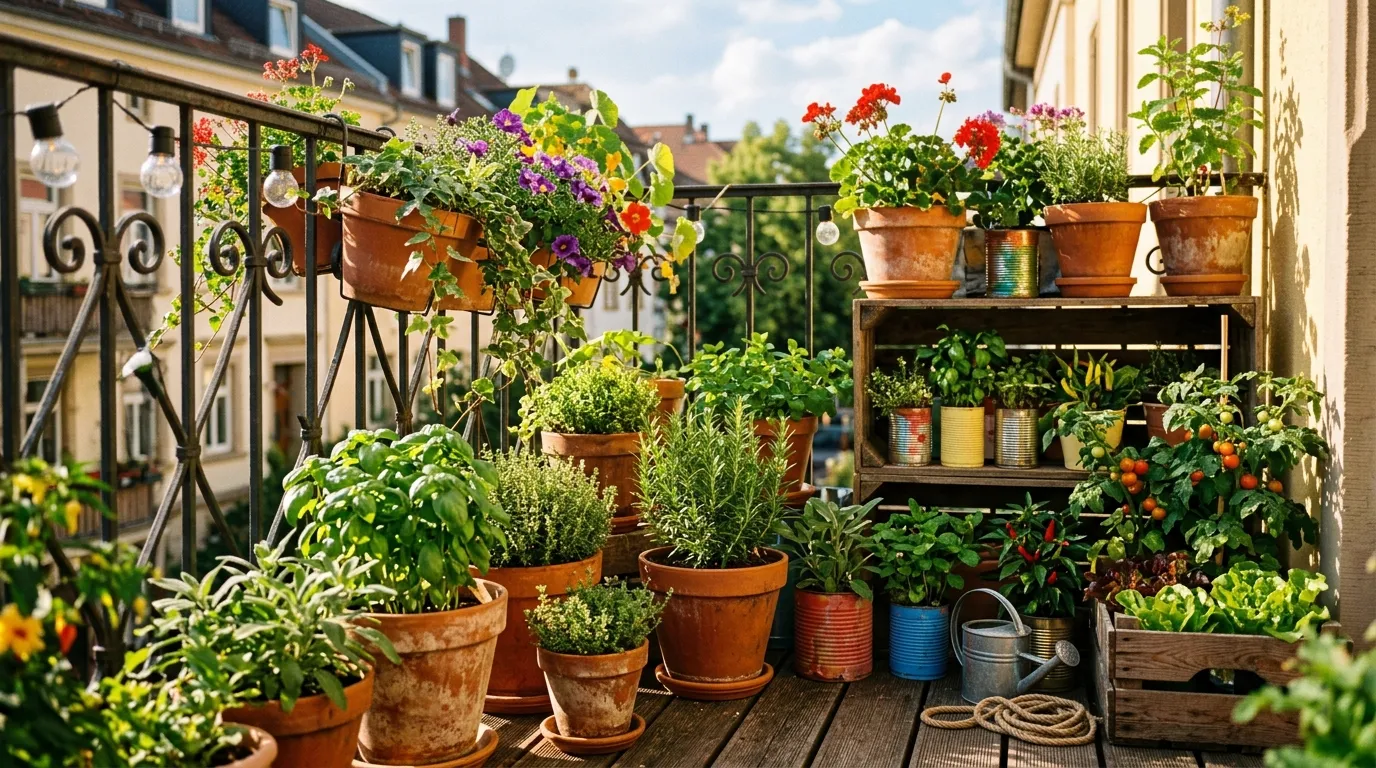
Not having a yard doesn’t mean not having a garden. A balcony rail, a windowsill, or even a single sunny corner of a patio can hold more plant life than most people expect once you start thinking in containers instead of beds. This list covers creative, low-cost ways to grow flowers, herbs, and even vegetables in tight quarters, without needing a single square foot of ground to dig into. Whether you’re working with a fire escape, a stoop, or a tiny apartment balcony, there’s a container idea here that fits.
1. Stack Pots on a Vertical Plant Stand
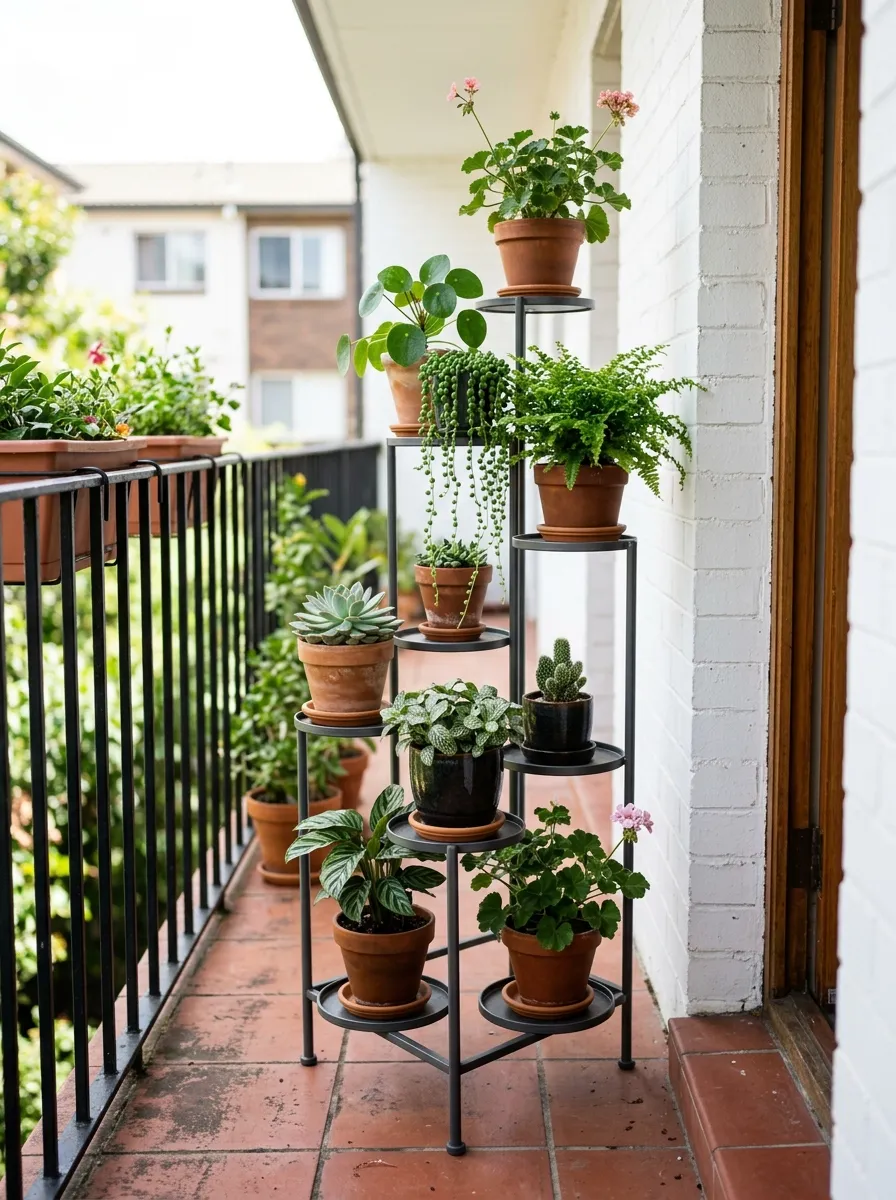
A tiered plant stand lets you grow several plants in the footprint of just one pot sitting on the ground. Each shelf holds its own container, so you’re building upward instead of spreading outward across limited floor space.
This works especially well for a narrow balcony or a tight corner where a wide grouping of pots simply won’t fit.
Place taller, sun-loving plants on top and shade-tolerant ones on lower shelves, since upper tiers usually catch more direct light.
Budget tip: an old bookshelf or ladder, laid on its side or leaned against a wall, works as a free plant stand alternative.
This project multiplies your growing space without adding any real footprint, making it one of the most efficient small-space solutions available.
2. Grow a Salad Bowl Combo in One Pot
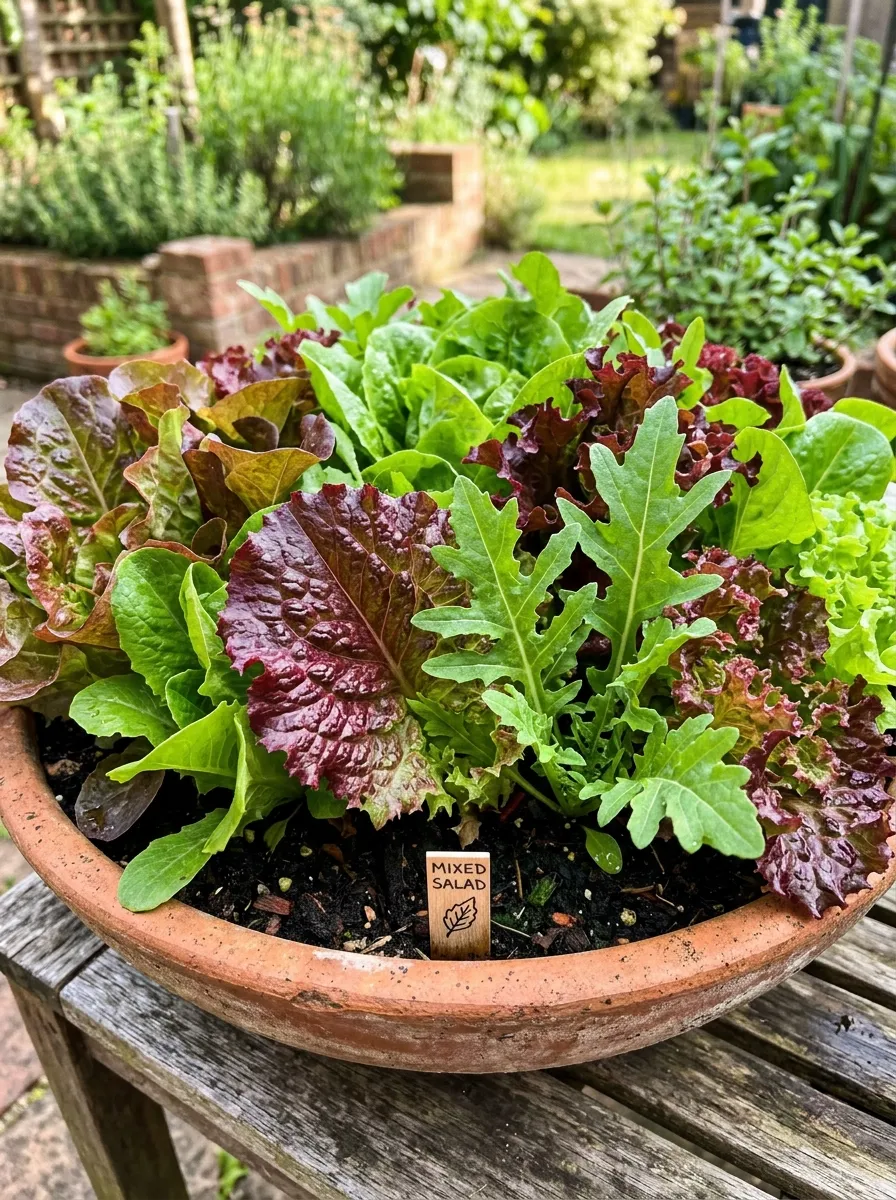
A salad bowl combo packs several lettuce varieties into a single wide, shallow container, giving you a mix of colors and textures ready to harvest together. Choose a pot at least a foot wide so roots have room to spread without overcrowding each other too tightly.
Scatter seeds rather than planting in neat rows, letting the different varieties fill in naturally as they grow.
Snip outer leaves as needed rather than pulling whole plants, which keeps the pot producing salad greens for weeks.
Budget tip: mixed lettuce seed packets cost only a few dollars and produce far more greens over a season than a single bagged salad from the store.
This project turns one container into a genuine kitchen resource, giving you fresh greens without needing any garden bed at all.
3. Use a Hanging Shoe Organizer for Herbs
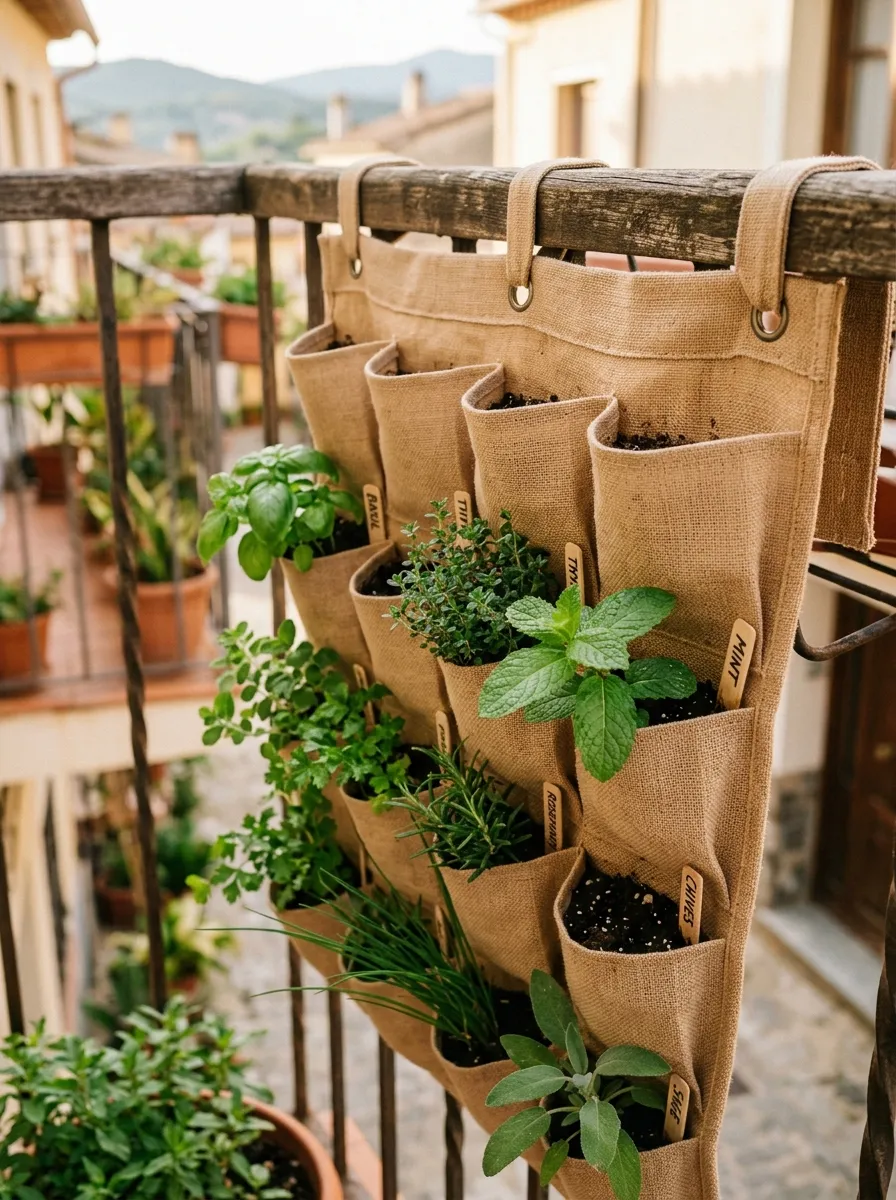
A fabric shoe organizer, the kind meant for a closet door, turns into a surprisingly effective vertical herb garden once hung outside. Each pocket holds enough soil for a single small herb plant, and the whole thing takes up almost no actual floor space.
Hang it on a railing, fence, or wall hook, positioned somewhere that gets a few hours of direct sun daily.
Poke small drainage holes in the bottom of each fabric pocket so water doesn’t pool and rot the roots.
Budget tip: a canvas organizer from a thrift store or dollar store works just as well as anything marketed specifically for gardening.
This project makes use of vertical wall space that would otherwise sit completely empty, fitting a dozen small plants into a single hanging piece.
4. Build a Window Box for Trailing Flowers
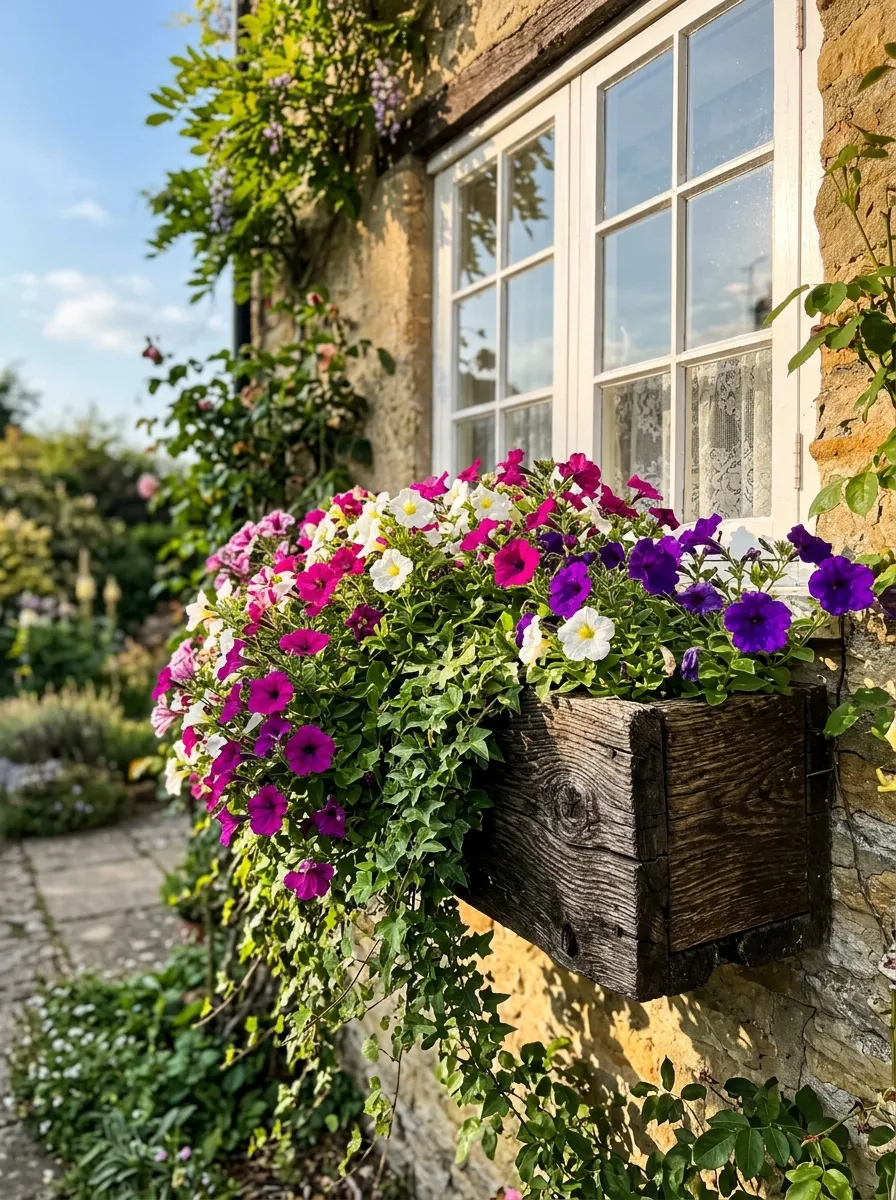
A window box brings color right up against the house, visible from both inside and outside, without taking up any ground or floor space at all. Build a simple rectangular box from scrap wood sized to fit beneath your chosen window, and mount it securely with brackets rated for the box’s filled weight.
Fill with trailing flowers like petunias or lobelia, which spill over the edge and soften the box’s hard lines within a few weeks of growth.
Drill drainage holes in the bottom, and consider a drip tray if the box sits above a walkway below.
Budget tip: an old dresser drawer, cut down to size, saves you from building a box completely from scratch.
This project adds color exactly where you’ll see it most, right outside a window you already look through daily.
5. Grow Vertical Strawberries in a Stacked Planter
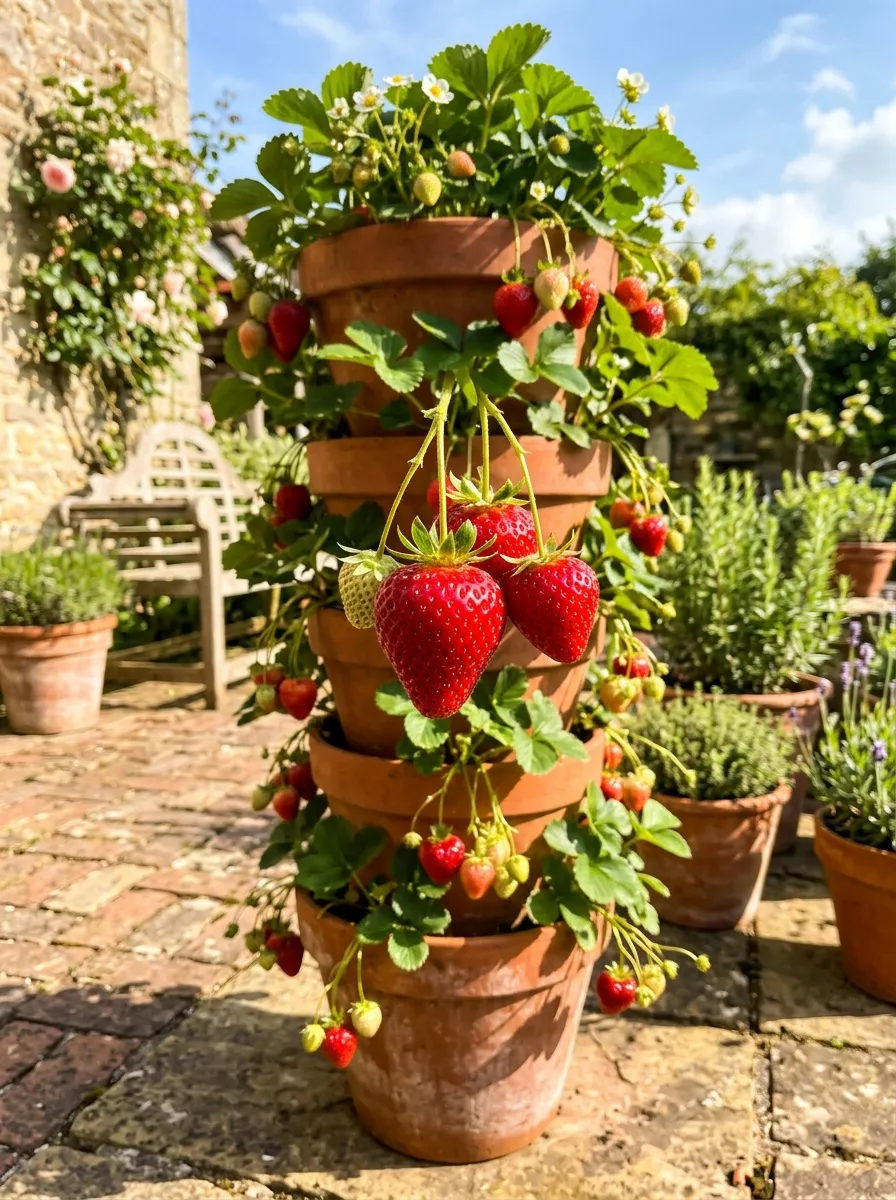
A stacked strawberry planter grows a full patch of berries in the same footprint as a single medium pot. These towers typically nest smaller pots inside larger ones, creating multiple planting pockets stacked vertically.
Plant strawberry starts in each pocket around the tower, watering from the top so moisture works its way down through each level.
This design also keeps ripening berries off the ground, away from slugs and rot, and easy to reach for picking.
Budget tip: stack a few terracotta pots of decreasing size, each with the bottom cut out, instead of buying a specialty strawberry tower.
This project turns a single container’s worth of space into a genuine multi-plant berry patch, ideal for anyone without room for a full garden bed.
6. Create a Succulent Dish Garden
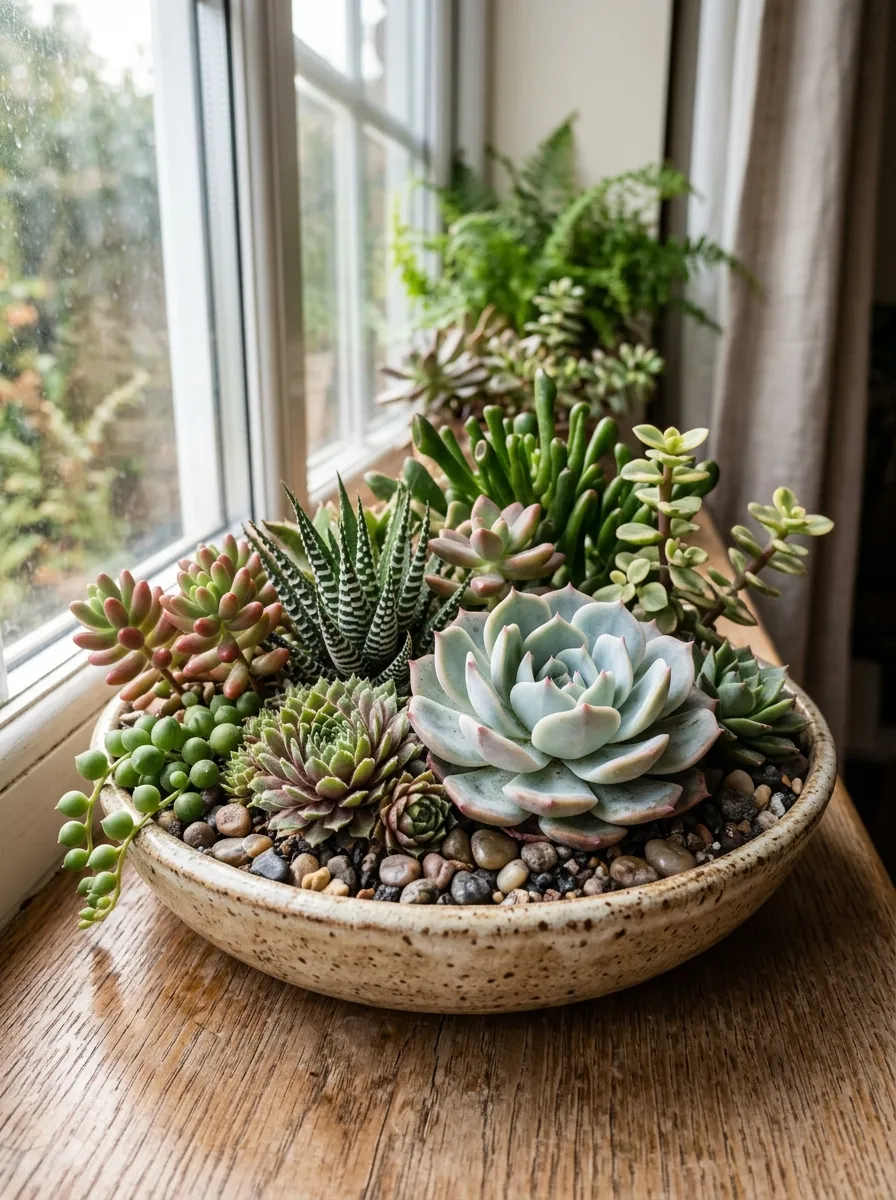
A succulent dish garden fits an entire miniature landscape into a single shallow container, perfect for a small table, windowsill, or narrow shelf. Choose a dish with drainage holes, or add a layer of gravel at the bottom if the container doesn’t have any, to keep roots from sitting in standing water.
Mix varieties with different shapes and colors, rosettes, trailing types, and spiky forms, for visual variety within the tight space.
Water sparingly, only when the soil feels completely dry, since succulents rot quickly in overly wet conditions.
Budget tip: a single succulent often produces cuttings that root easily, letting one plant multiply into an entire dish garden over time.
This project brings a full, textured planting into a space barely larger than a dinner plate.
7. Use a Wooden Crate as a Compact Raised Planter
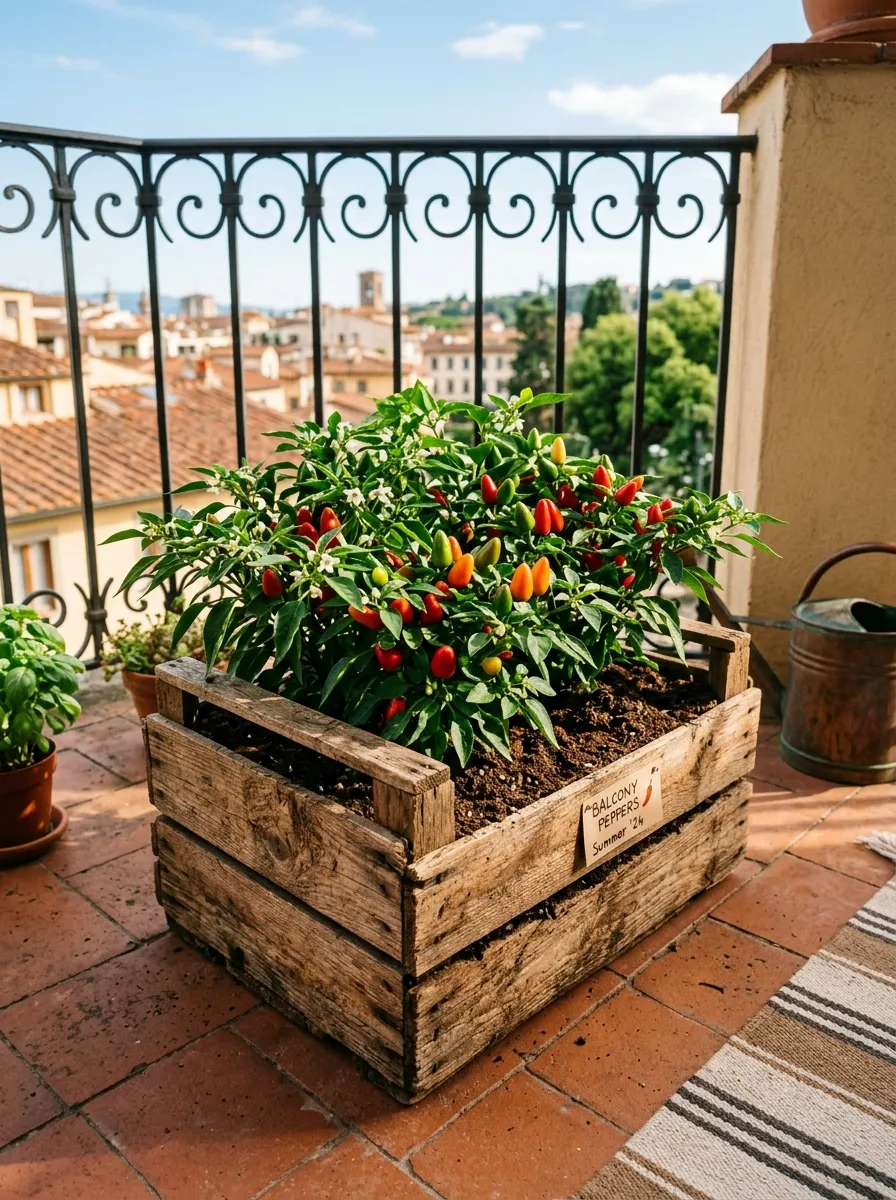
A wooden crate gives you the benefits of a raised bed—better drainage and controlled soil quality—at a scale that fits a balcony or small patio. Line the inside with landscape fabric to keep soil from spilling through the gaps, then fill with potting mix.
This size works well for a compact vegetable like peppers, dwarf tomatoes, or a small cluster of herbs.
Set the crate on a stand or a few bricks so it drains freely rather than sitting directly on a wet balcony floor.
Budget tip: free produce crates from a grocery store, meant for shipping fruit, work just as well as a purchased planter box.
This project gives you real growing depth in a compact footprint, ideal for small vegetables that need more root room than a shallow pot allows. If you’re looking for more ways to make the most of a limited outdoor area, explore these small backyard garden ideas for creative solutions that maximize space without sacrificing style or functionality.
8. Grow a Tower of Herbs in a PVC Pipe Planter
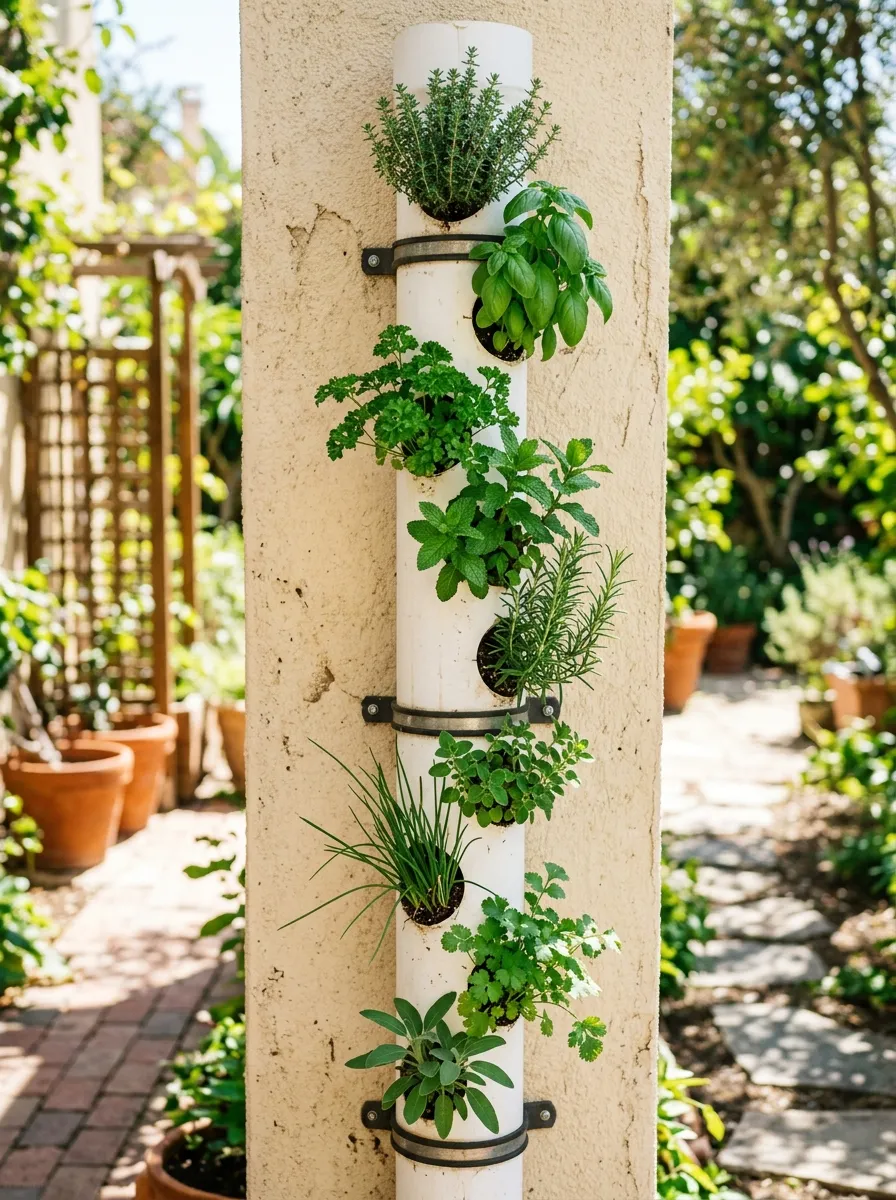
A PVC pipe planter turns a single length of pipe into a multi-plant herb tower using barely any floor space. Cut a series of holes along the length of a capped pipe, spaced evenly, then fill the pipe with soil and plant a different herb in each opening.
Mount the pipe vertically against a sunny wall or fence using simple brackets, and water from the top so moisture reaches every planting level.
Drill a few small drainage holes near the bottom cap to prevent water from pooling inside.
Budget tip: a length of leftover PVC pipe from a plumbing project costs little to nothing beyond the caps and mounting brackets.
This project fits a dozen herb plants into a footprint smaller than a single traditional pot, ideal for the tightest of spaces.
9. Repurpose a Ladder as a Tiered Plant Display
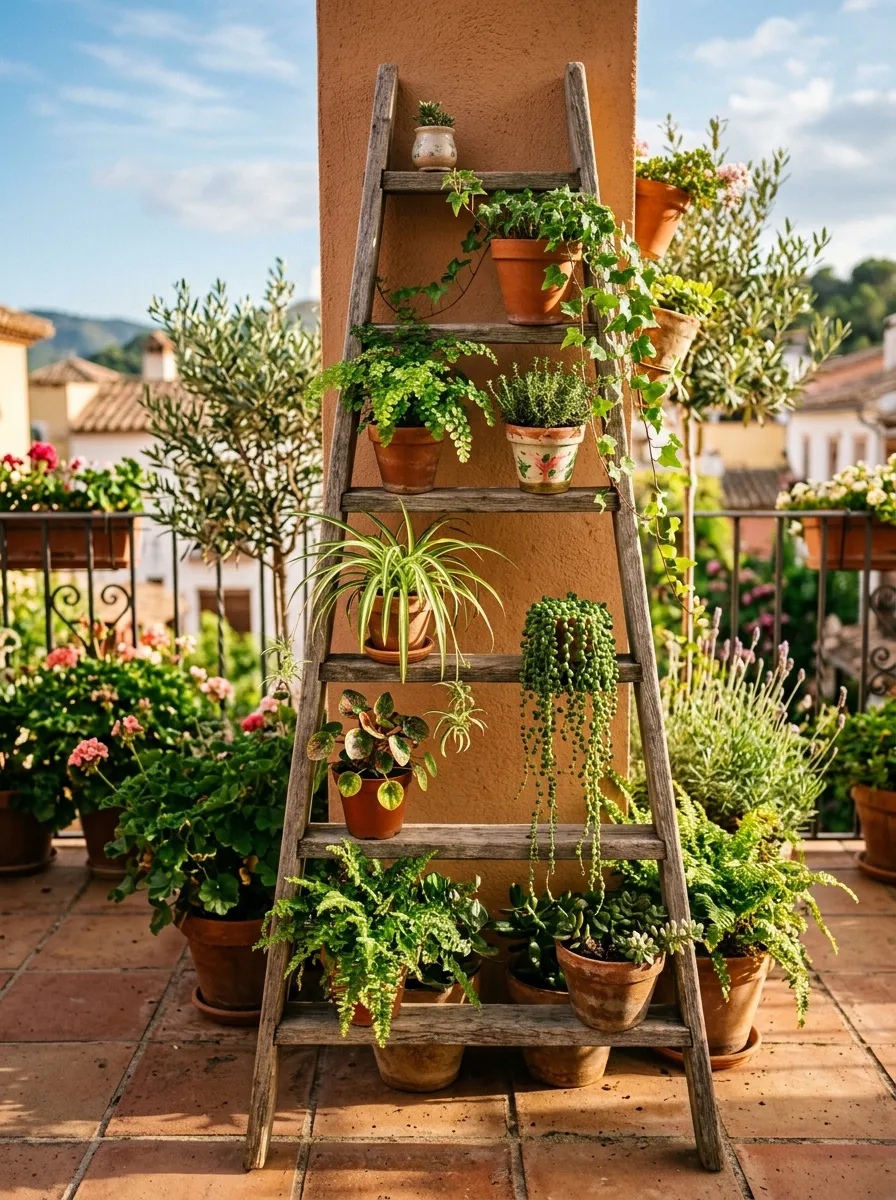
A leaning ladder turns into an instant tiered display, holding several small pots across its rungs without needing any wall mounting or construction. Lean it securely against a wall, then set a pot on each rung, choosing smaller plants that fit comfortably on the narrow surface.
Trailing plants work particularly well toward the bottom, letting their growth cascade down the ladder’s length for a layered, lush look.
Make sure the ladder is stable and won’t tip, especially in a windy balcony spot.
Budget tip: secondhand wooden ladders show up cheaply at yard sales, since they’re often considered too worn for actual climbing use anymore.
This project adds height and visual interest to a small space using furniture you might already have sitting unused in a garage.
10. Build a Mini Greenhouse From a Repurposed Aquarium
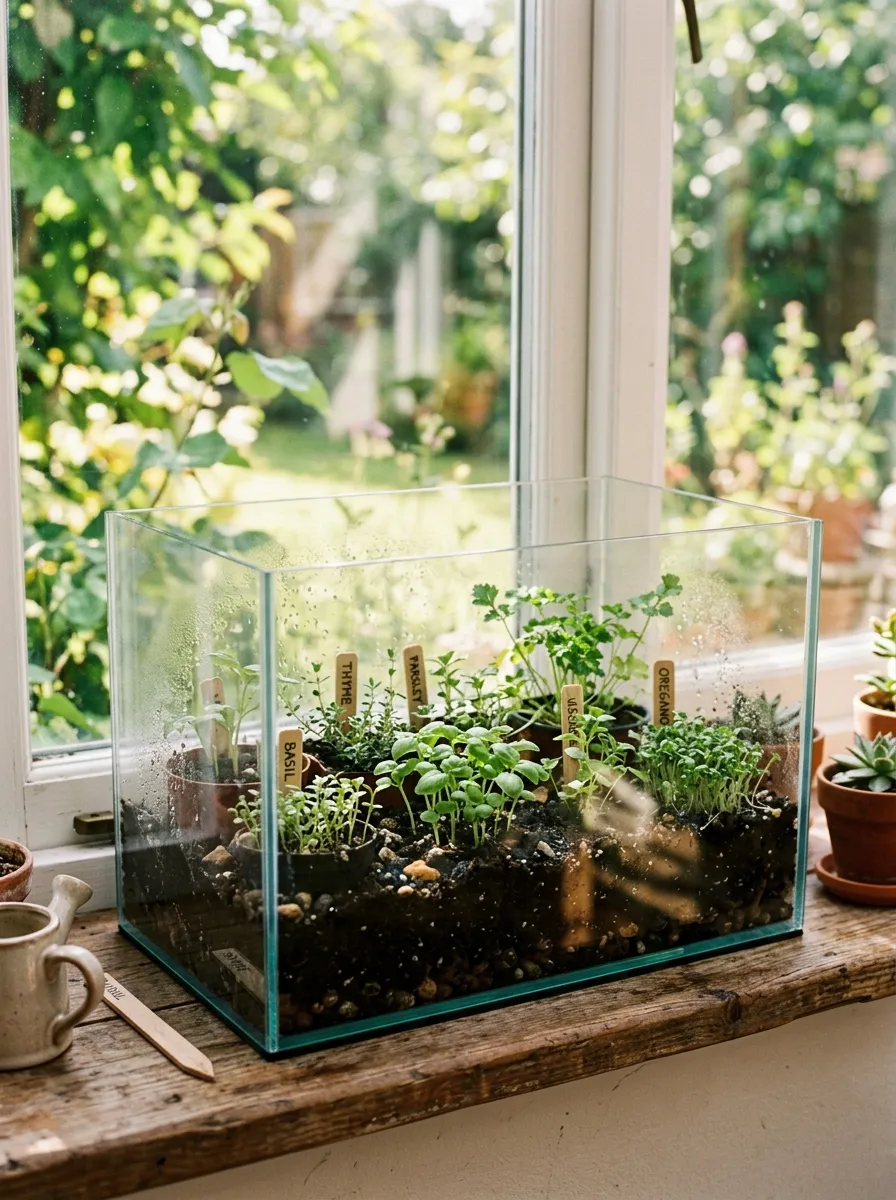
An old aquarium, no longer suited for fish, makes a genuinely effective mini greenhouse for starting seeds or growing small plants that appreciate extra humidity. The glass walls trap warmth and moisture, creating a stable little microclimate for tender seedlings.
Add a shallow layer of gravel at the bottom for drainage, then a layer of potting soil on top, and plant directly inside.
Leave the top open slightly for airflow, or fully open once seedlings are established and no longer need the extra humidity boost.
Budget tip: cracked or leaking aquariums, no longer safe for water, still work fine for this purpose and often show up free on local listings.
This project gives seedlings a genuine head start, especially useful for anyone starting plants indoors before a growing season begins. If you’d like to explore more affordable ways to protect young plants and extend your growing season, check out these cheap and easy DIY micro greenhouse ideas for simple projects you can build at home.
11. Grow Dwarf Tomatoes in a Hanging Basket
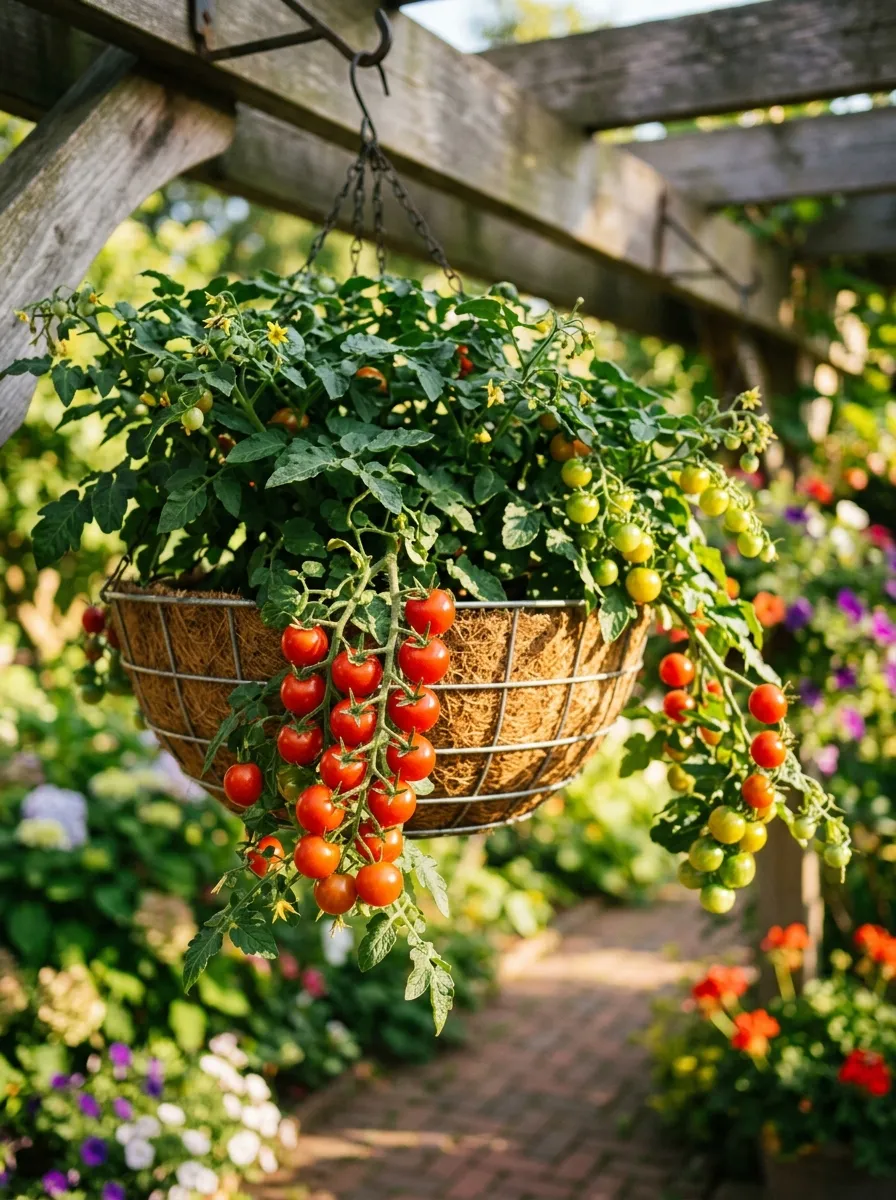
Dwarf and trailing tomato varieties, bred specifically for containers, do surprisingly well in a hanging basket where the fruit dangles freely below the foliage. This setup keeps tomatoes off the ground entirely, reducing rot and making harvest simple.
Choose a basket with good drainage, and water more frequently than you would an in-ground plant, since hanging containers dry out faster in open air.
Feed with a balanced fertilizer every couple of weeks, since the limited soil volume depletes nutrients faster than a full garden bed.
Budget tip: trailing tomato varieties grown from seed cost far less than a single potted plant from a nursery, and one packet produces several plants.
This project brings real, homegrown tomatoes to a balcony or patio with zero ground space required.
12. Create a Layered Pot-in-Pot Display
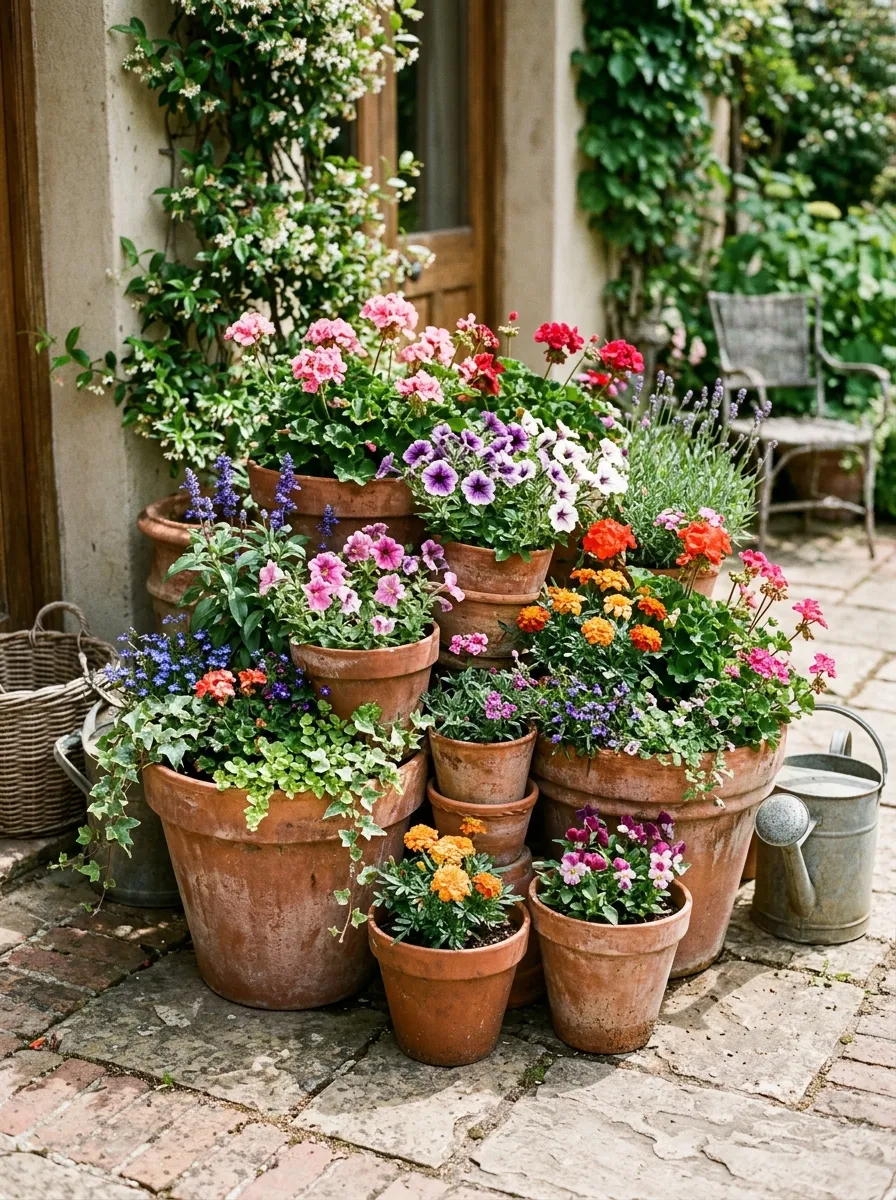
Grouping pots of varying sizes together, rather than spacing them evenly apart, creates a fuller, more layered look within a tight footprint. Place the tallest pot toward the back or center, then arrange smaller pots at graduated heights around it.
This clustering trick makes a handful of containers read as a full, established garden corner instead of a scattered collection of individual plants.
Vary plant heights and textures within the grouping, since visual layering matters as much as the physical arrangement of the pots themselves.
Budget tip: mismatched pots from thrift stores or curbside finds work fine once grouped together, since the cluster effect matters more than pot uniformity.
This project maximizes visual impact from a small footprint, turning a modest pot collection into a genuinely full-looking display.
13. Grow Climbing Peas on a Balcony Trellis
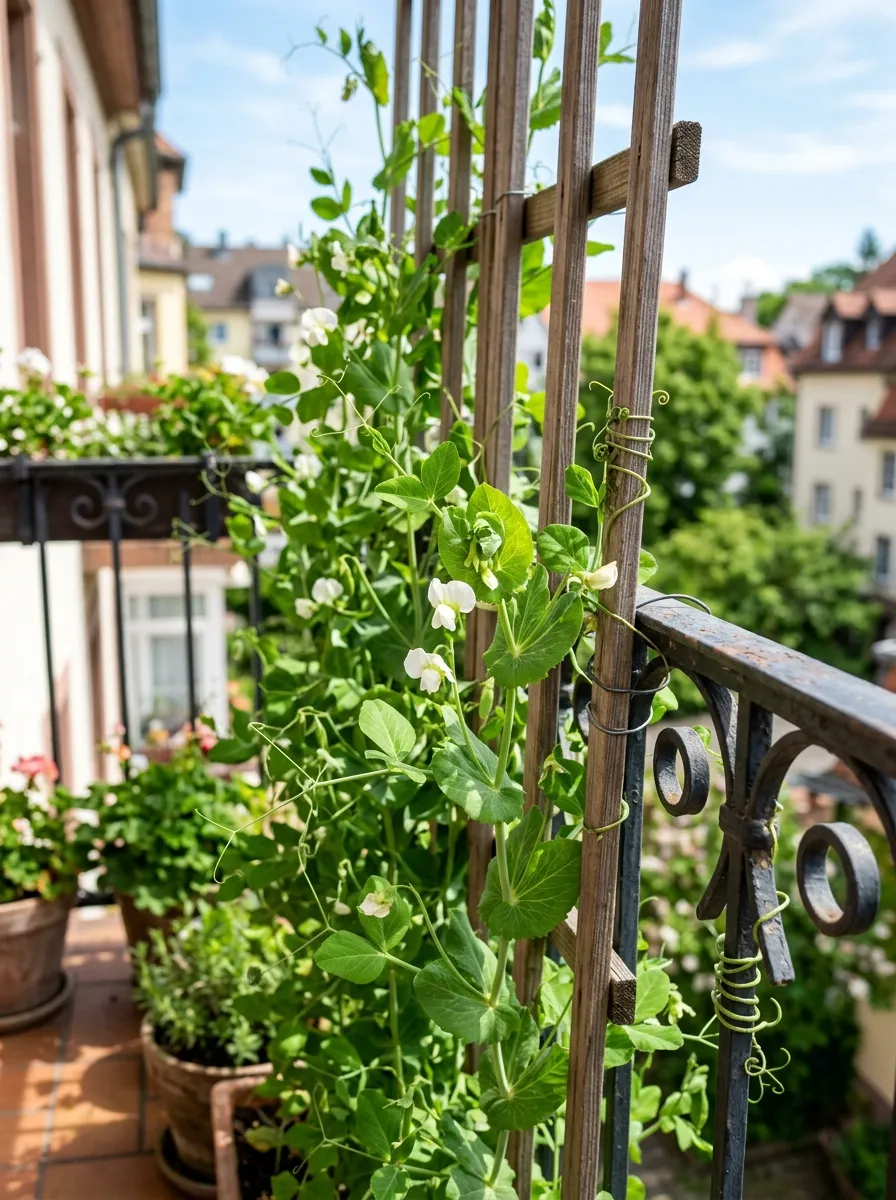
Peas grow well in containers and climb readily, making them a smart choice for adding vertical greenery to a tight balcony space. Mount a simple trellis, even a section of garden netting, against your railing, and plant peas in a container positioned right at its base.
The vines will climb the trellis on their own, using minimal floor space while still producing a real harvest.
Keep soil consistently moist, since container-grown peas dry out faster than those planted in ground soil.
Budget tip: a scrap piece of garden netting, secured to the railing with zip ties, works fine instead of buying a purpose-made trellis.
This project adds both greenery and a genuine harvest to a vertical space that would otherwise sit completely unused.
14. Use a Repurposed Wine Crate as a Herb Planter
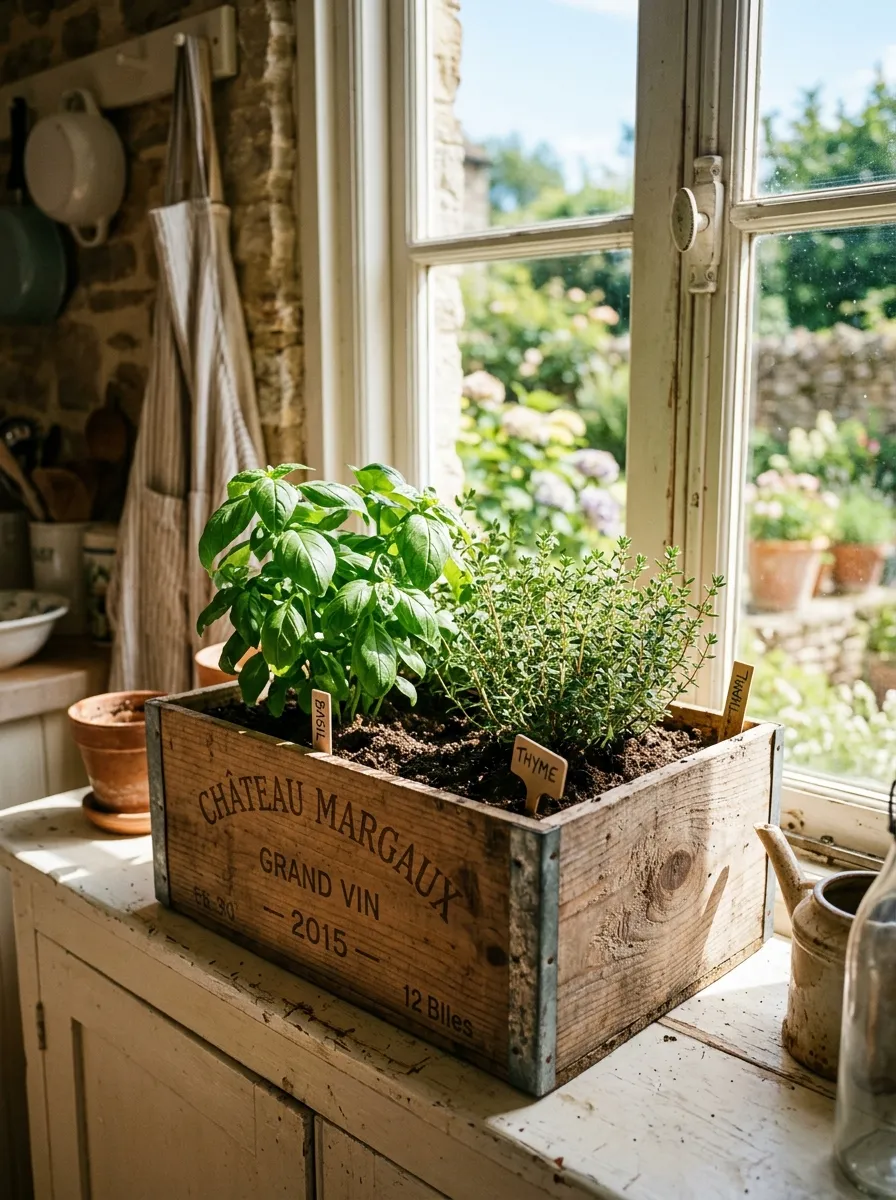
Wooden wine crates, often given away free by liquor stores once emptied, make charming, ready-sized herb planters for a small kitchen windowsill or balcony ledge. Line the inside with landscape fabric or a plastic liner to prevent soil from leaking through the wood slats.
The compact size fits several herb plants comfortably, and the rustic wood exterior adds a bit of visual charm beyond a plain plastic pot.
Drill a few drainage holes in the bottom if the crate doesn’t already have gaps for water to escape.
Budget tip: ask a local wine or liquor shop directly, since most crates end up discarded anyway and staff are usually happy to hand a few over.
This project turns free packaging material into a genuinely useful planter, ideal for anyone working with very little space.
15. Grow Microgreens in a Shallow Tray
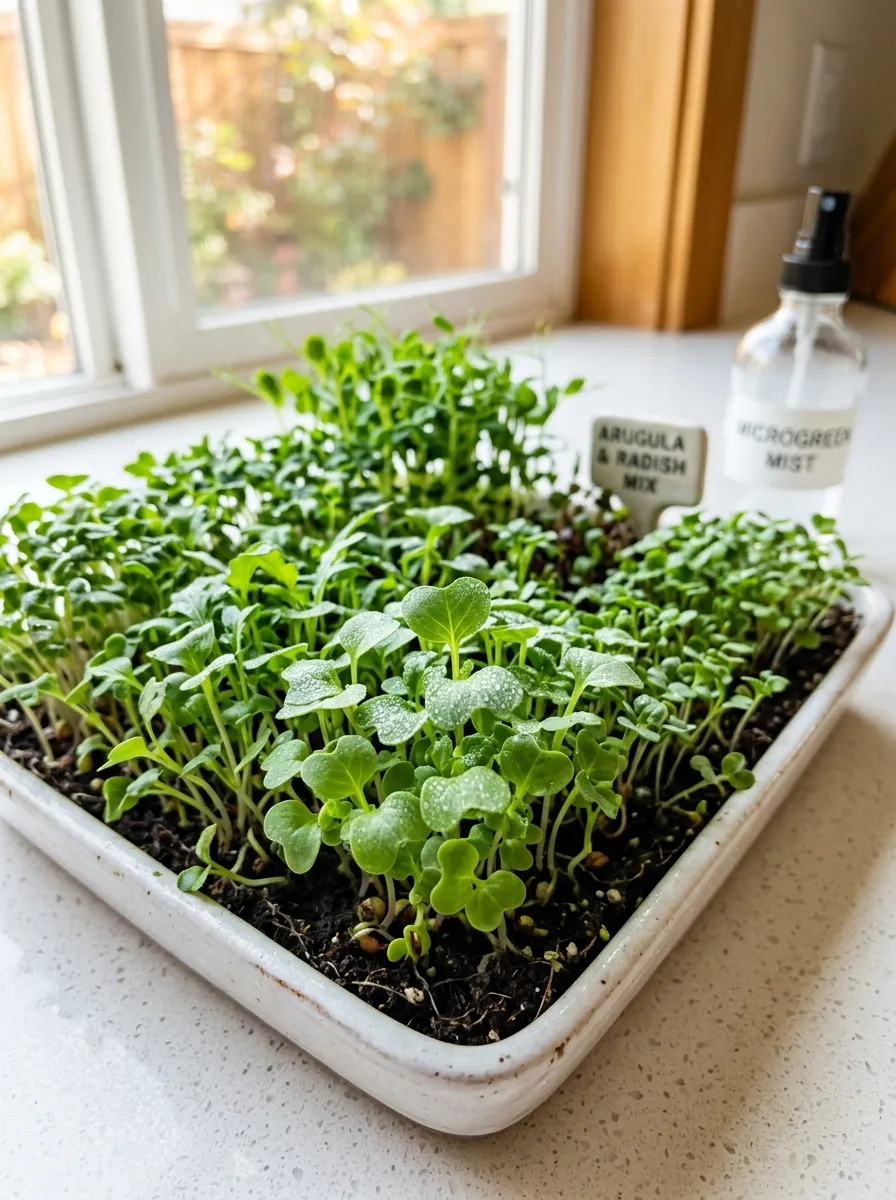
Microgreens grow fast and need almost no depth, making them one of the most space-efficient crops available for a tiny kitchen counter or windowsill. Fill a shallow tray, even a repurposed food container, with about an inch of soil, then scatter seeds densely across the surface.
Mist regularly to keep the soil surface consistently moist, since the shallow soil depth dries out faster than a standard pot.
Harvest with scissors once the greens reach a couple inches tall, usually within one to two weeks of planting.
Budget tip: a clamshell container from store-bought greens, washed and reused with drainage holes poked in the bottom, works fine as a microgreen tray.
This project delivers a genuine harvest within days, faster than almost any other option on this list, using barely any counter space.
16. Build a Two-Tiered Balcony Rail Planter
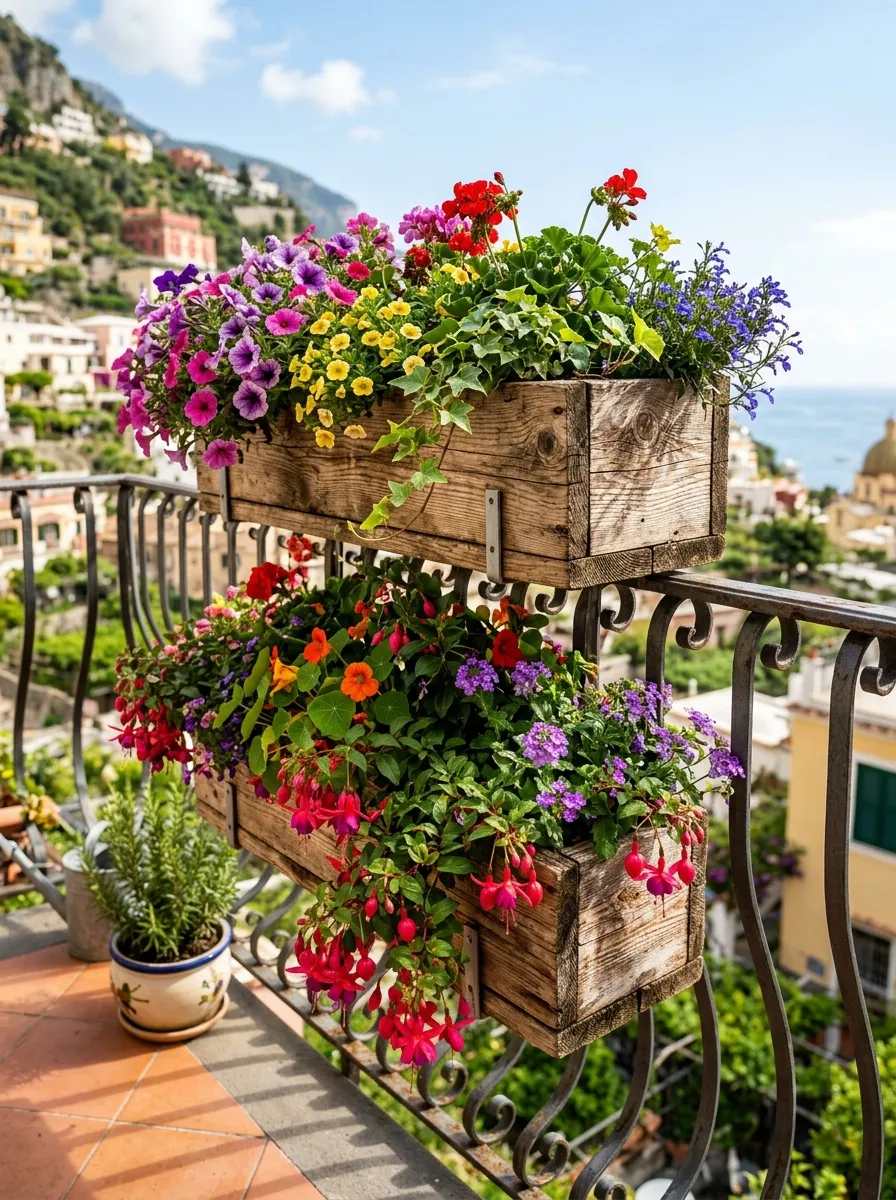
A double-tiered rail planter doubles your growing space along a single stretch of railing by stacking one box above another instead of using just one. Build two simple rectangular boxes, then mount the smaller one above the larger, both secured with brackets rated for the combined filled weight.
Fill each tier with something different, trailing flowers on top and compact herbs below, to make the most of the varied light and space each level offers.
Check the railing’s weight capacity before mounting, since two full planters carry significantly more weight than one.
Budget tip: build both boxes from a single sheet of scrap plywood, cut into pieces, rather than purchasing separate lumber for each tier.
This project doubles your rail’s growing capacity without adding any additional floor footprint at all.
17. Grow a Compact Salad Garden in a Fabric Grow Bag
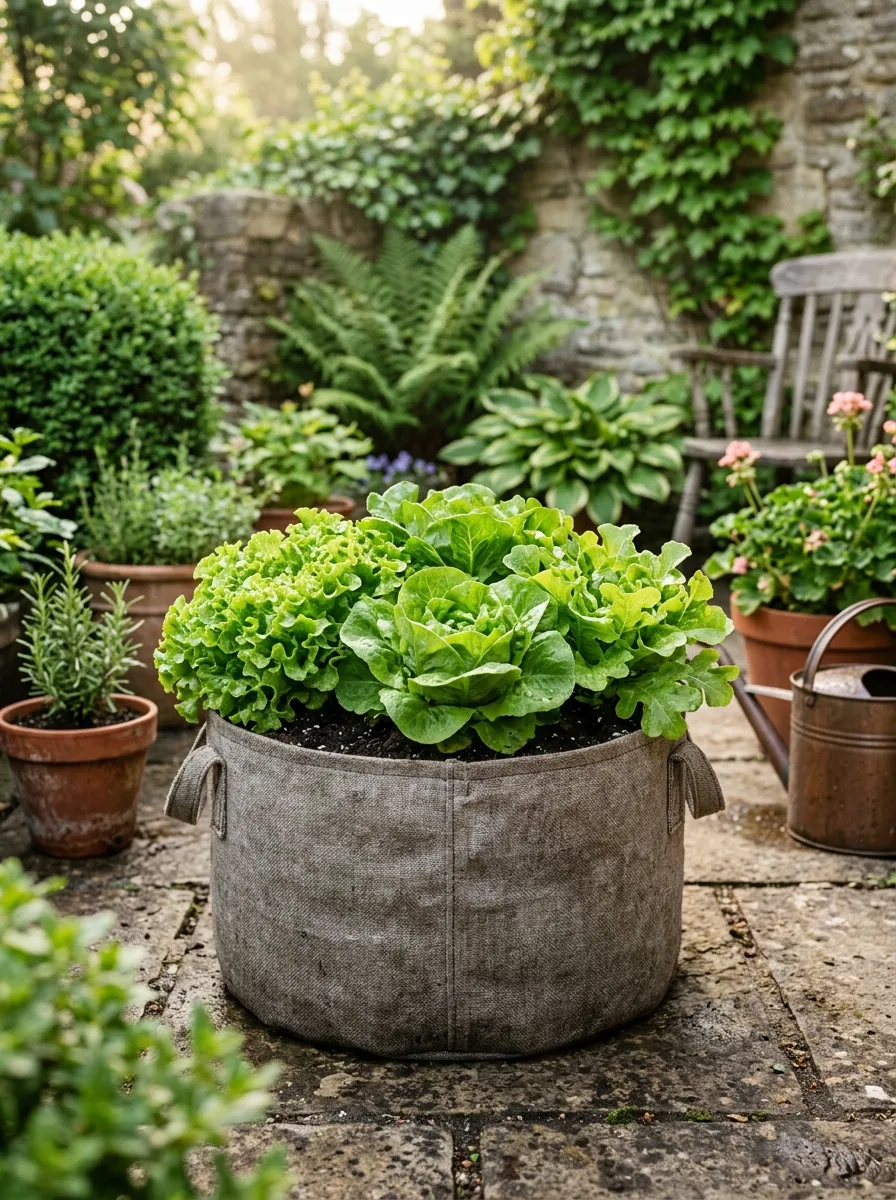
Fabric grow bags fold flat for storage when empty and expand to hold a full planting once filled, making them ideal for anyone with genuinely limited or shared outdoor space. Their breathable fabric also promotes healthier root growth compared to solid plastic pots.
Fill a bag with potting mix, plant a mix of lettuce and quick-growing greens, and set it wherever floor or step space allows.
Water slightly more often than a plastic pot, since fabric bags dry out a bit faster due to their breathable material.
Budget tip: grow bags cost less than most rigid planters of similar size, and some can be sewn at home from heavy-duty fabric scraps.
This project offers real growing volume in a container that can be folded away entirely when not in use, ideal for tight or shared spaces.
18. Create a Tiered Citrus Tree Display in Large Pots
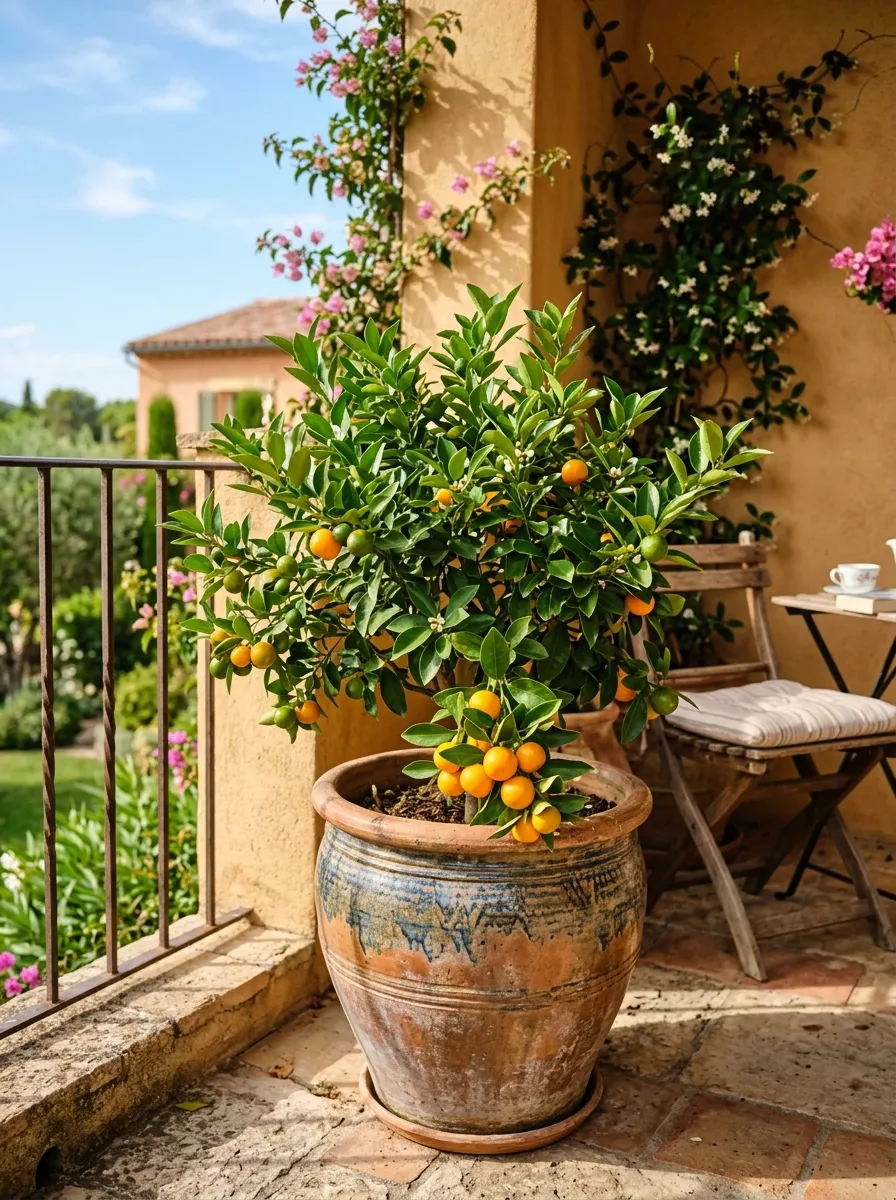
Dwarf citrus varieties grow well in large containers, bringing a genuine fruit tree into a space with no ground to plant in at all. Choose a pot at least eighteen inches wide, with excellent drainage, since citrus roots don’t tolerate standing water well.
Position the pot in the sunniest available spot, since citrus needs significant direct light to fruit reliably.
Bring the pot indoors during freezing weather if you live somewhere with cold winters, since most citrus varieties can’t tolerate frost.
Budget tip: a smaller, younger dwarf citrus tree costs considerably less than a mature one and catches up in size within a couple of growing seasons.
This project brings a genuinely impressive, fruit-bearing tree into a container garden, adding both visual presence and an actual harvest.
19. Build a Compact Herb Spiral in a Large Pot
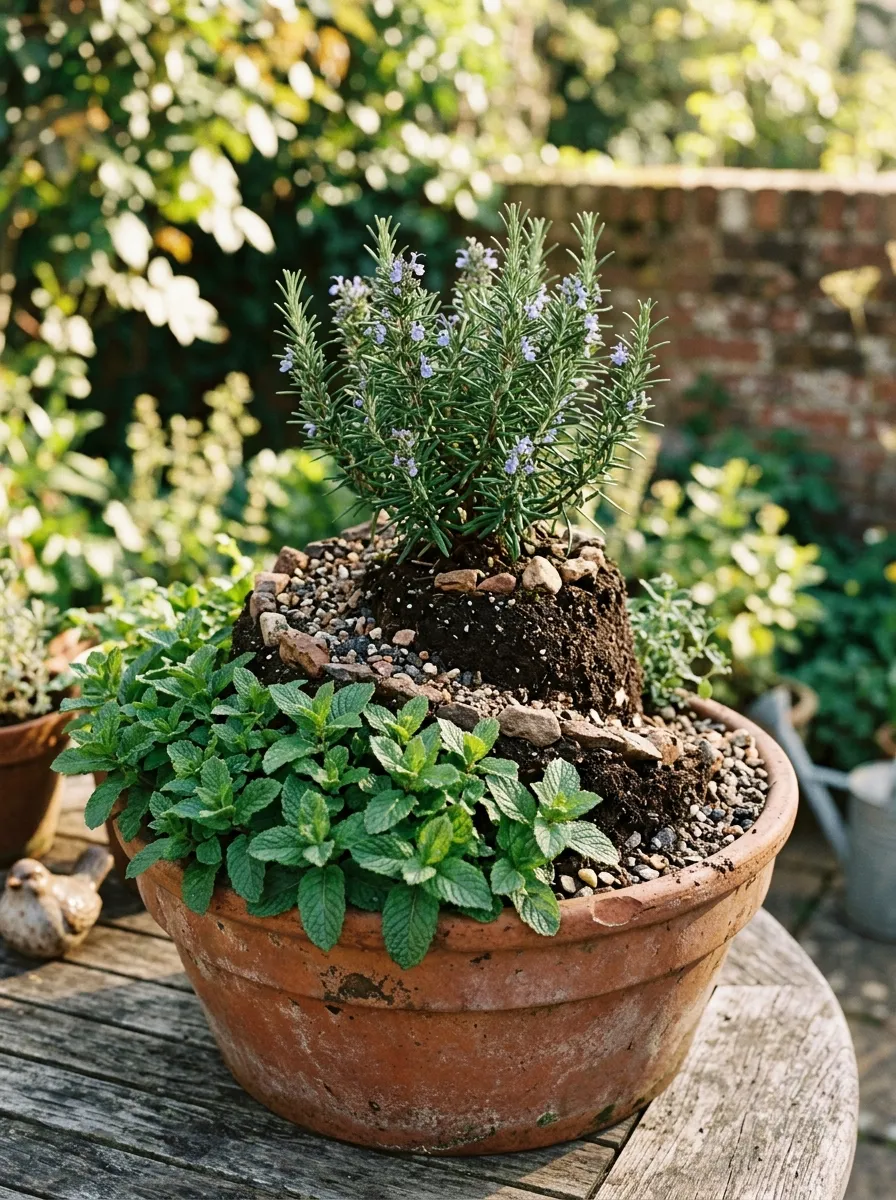
A mini herb spiral, scaled down to fit inside a single large pot, packs several herbs with different water needs into one compact container. Build a small mound of soil within the pot, shaping it into a rough spiral form, then plant drought-tolerant herbs like rosemary near the top and moisture-loving ones like mint toward the base.
This microclimate trick works at any scale, letting you group herbs with very different needs into a single container instead of several separate pots.
Water the base more frequently than the top, mimicking how moisture naturally settles lower within the mound.
Budget tip: a single large plastic tub, even a used storage bin with drainage holes drilled in, works fine as the spiral’s container.
This project fits a genuine variety of herbs into one pot’s footprint, maximizing what a single container can hold.
20. Grow Trailing Nasturtiums in a Hanging Pot
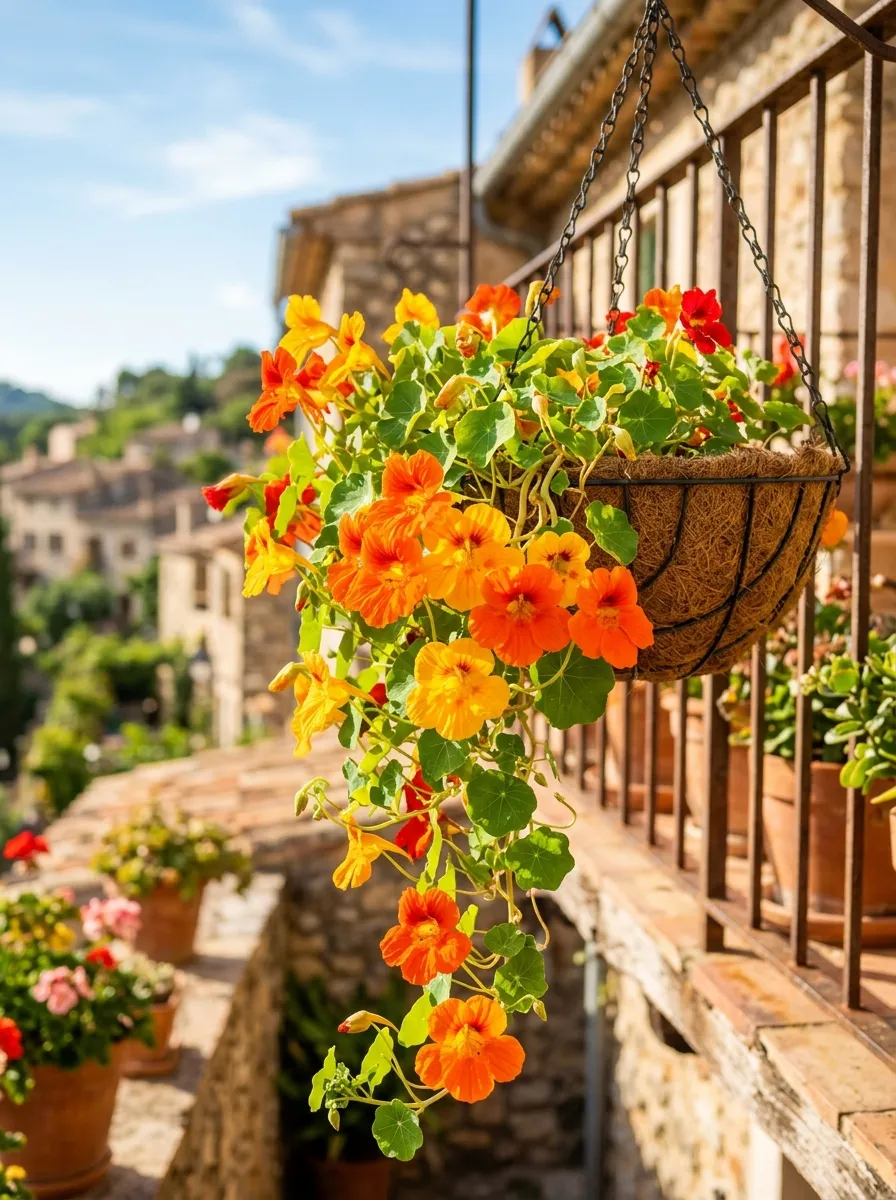
Nasturtiums grow fast, bloom generously, and trail beautifully over the edge of a hanging pot, making them one of the easiest flowering options for a small space. Their round leaves and bright blooms also happen to be edible, adding a peppery flavor to salads if you want to use them beyond decoration.
Plant seeds directly into a hanging basket after the last frost, and avoid heavy fertilizing, since overly rich soil produces more leaves and fewer flowers.
Water regularly, since hanging containers dry out faster than ground-level pots due to increased air exposure.
Budget tip: nasturtium seeds are among the cheapest available and germinate reliably even for a first-time container gardener.
This project fills a hanging space with fast, cheerful color, asking for very little care once the seeds take root.
21. Build a Repurposed Gutter Planter for a Balcony Rail
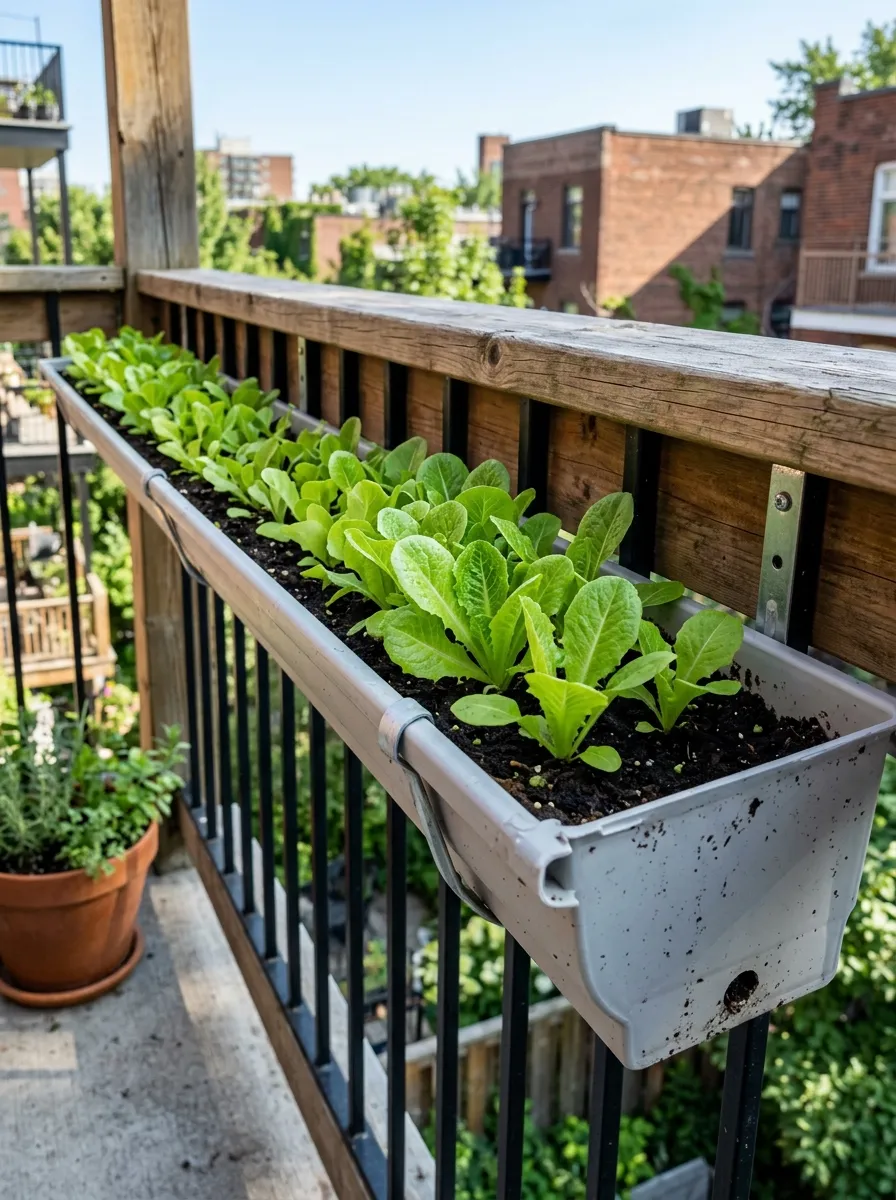
A gutter planter mounted directly along a balcony rail makes use of a strip of space that usually goes entirely unused. Cut a length of plastic rain gutter to fit your railing, cap both ends, drill drainage holes along the bottom, and mount it securely with brackets or wire ties.
This shallow container suits quick-growing plants like lettuce, radishes, or a row of herbs, rather than anything with deep root needs.
Check that the mounting hardware can support the weight of filled, wet soil before hanging.
Budget tip: damaged or leftover gutter sections from a home improvement project work just as well as new ones for this purpose.
This project turns an overlooked strip of railing into genuine growing space, without adding anything to the balcony floor itself.
22. Create a Windowsill Kitchen Scrap Garden
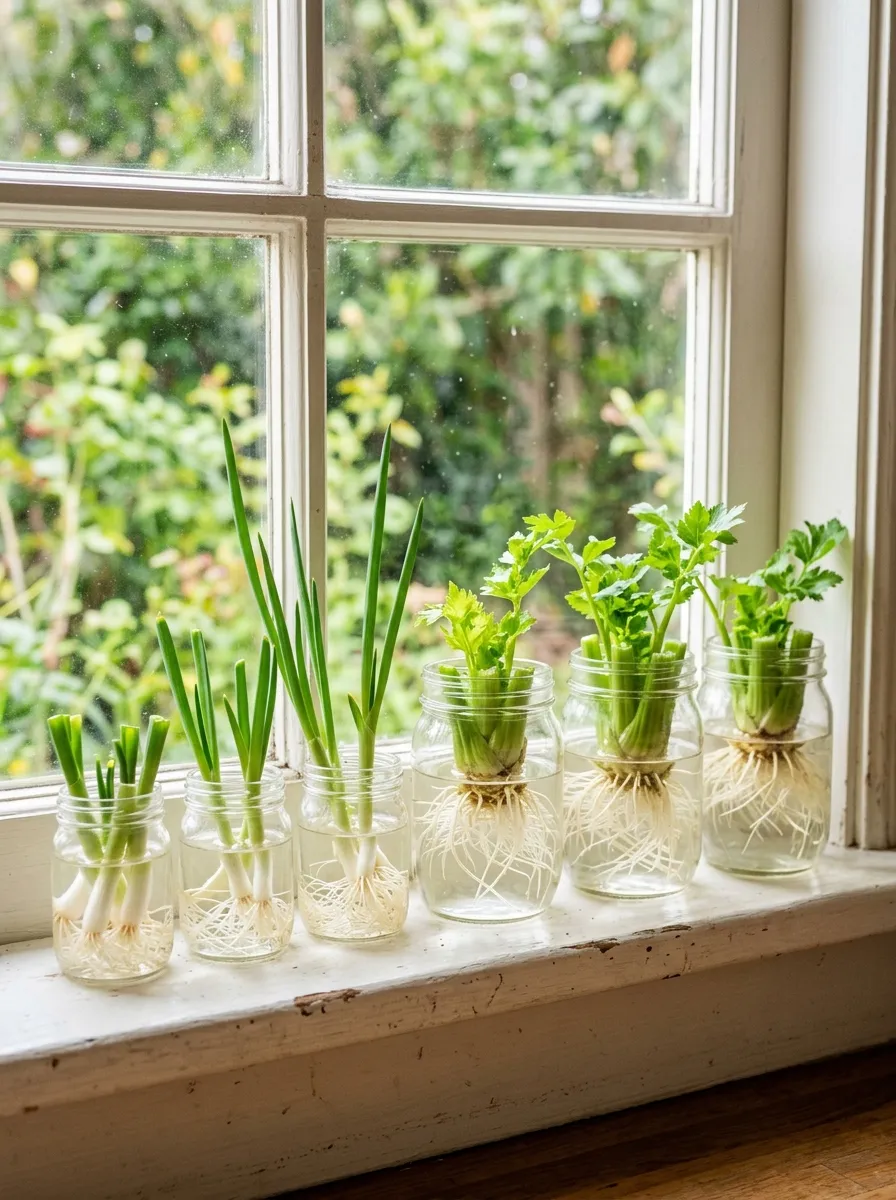
A kitchen scrap garden needs no outdoor space at all, just a sunny windowsill and a few small containers. Green onion roots, celery bases, and lettuce stumps all regrow readily in a shallow dish of water set right on the sill.
Once roots and new growth appear, transplant the scraps into small pots of soil to continue growing, or keep them in water indefinitely for green onions specifically.
This project costs essentially nothing, since it uses parts of vegetables you’d otherwise throw away after cooking.
Budget tip: save small glass jars from pasta sauce or jam instead of buying dedicated containers for this setup.
This is one of the simplest entry points into container gardening, requiring no purchased soil, pots, or seeds to get started.
23. Grow a Vertical Succulent Frame
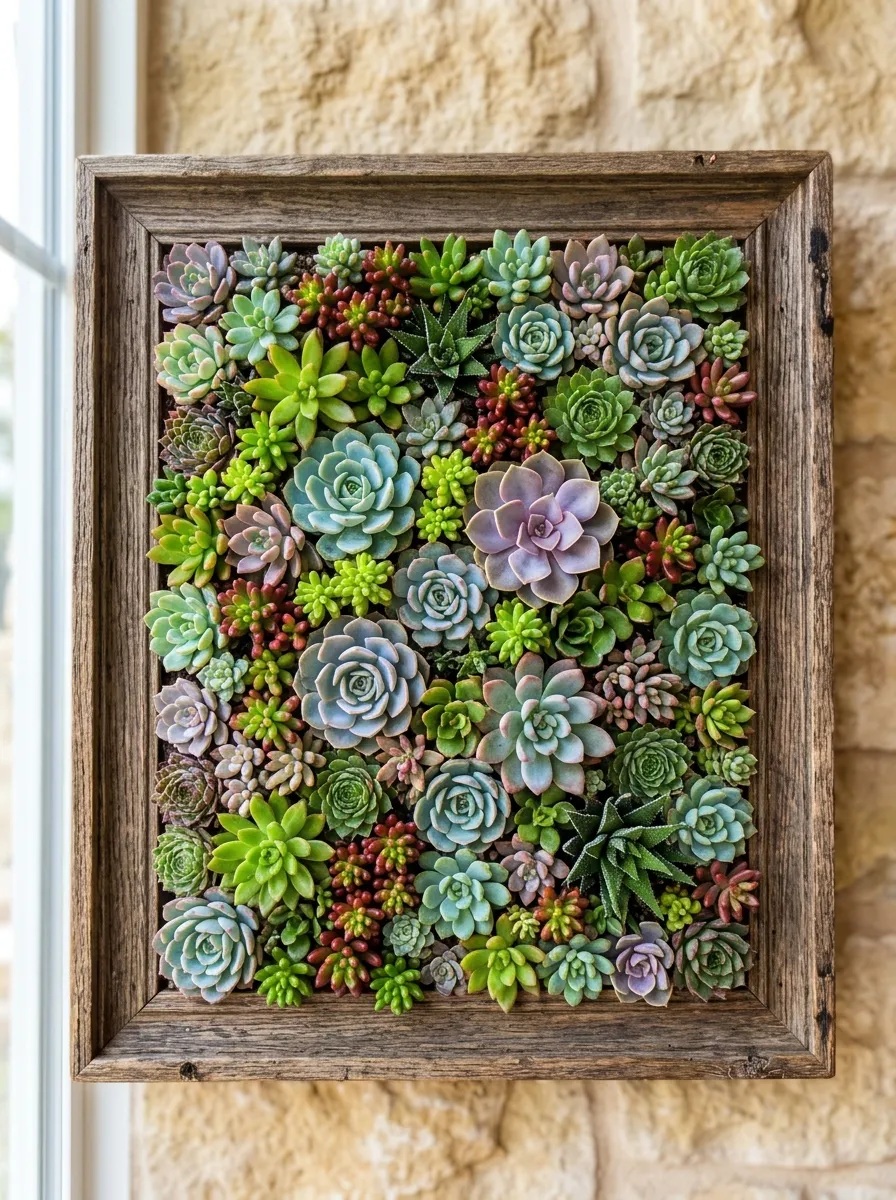
A succulent frame turns a shallow wooden frame into living wall art, taking up zero floor space while adding real texture and greenery to a small apartment or balcony wall. Build a simple frame with a mesh backing, fill it with a shallow layer of well-draining soil, and press small succulent cuttings into the mesh openings.
Let the frame lie flat for several weeks while roots establish, then hang it vertically once the plants have anchored themselves securely.
Water sparingly by misting, since a vertical frame doesn’t hold water the way a standard pot does.
Budget tip: succulent cuttings from a single existing plant, or shared by a friend, fill an entire frame for free over time.
This project brings genuine plant life to a wall in the smallest of spaces, combining art and gardening into a single compact piece.
Conclusion
A small space isn’t a limitation on gardening, it’s just a different set of container shapes to work with. Whether it’s a hanging shoe organizer turned herb garden or a single wide pot growing a mixed salad bowl, every idea on this list proves that real growing happens in whatever space you actually have. Pick one or two projects that fit your balcony, windowsill, or patio corner, and start there. The garden you didn’t think you had room for is closer than you think.